Nerve Conditions Affecting the Feet

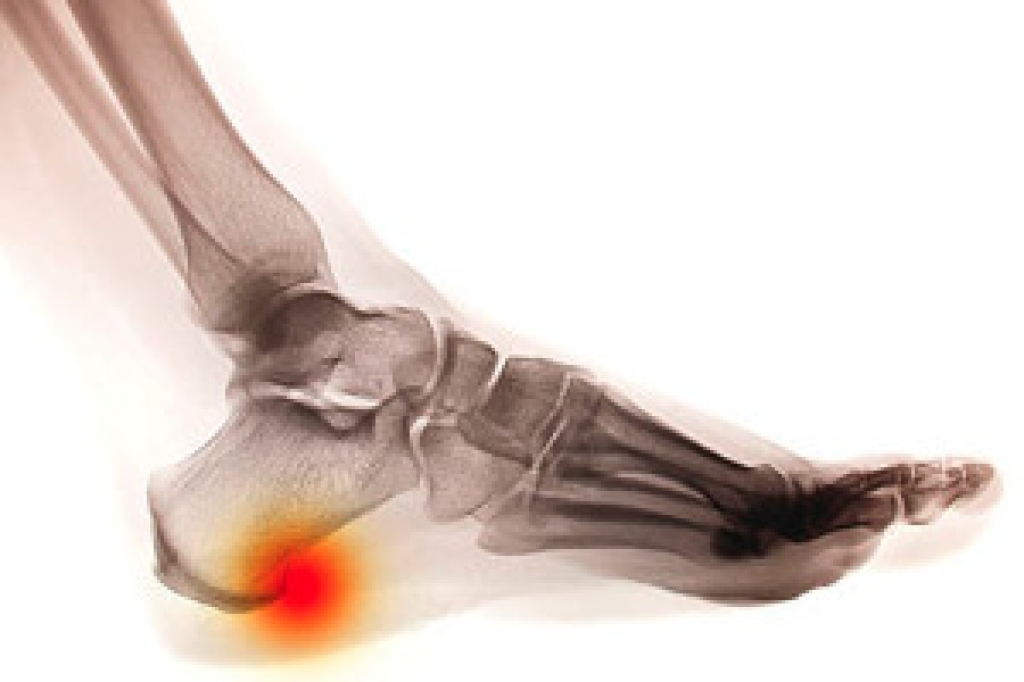
The nerves of the ankles and feet can become compromised, producing a burning sensation or numbness. These symptoms can be the result of an injury, wrap, or cast. Often nerve damage occurs during or after surgery, if the nerve is cut during the process. The medical term for these types of nerve damage is a neuroma. The tibial, saphenous, and plantar nerves affect the inside of the ankle and arch. The superficial peroneal and deep peroneal nerves affect the top of the foot. The sural nerve runs along the outside of the ankle and heel. Most people with a neuroma in these areas experience an overall burning sensation or numbing. In addition, when a nerve is damaged it can also affect other nerves that are nearby, resulting in redness and a shiny appearance. A podiatrist can perform a number of tests to determine the location of the nerve damage. Included are X-rays, MRIs, nerve conduction study, and diagnostic injection. If you have been experiencing the symptoms of a neuroma in the ankle or foot, please consult a podiatrist for a diagnosis and treatment options.

Neuropathy

Neuropathy can be a potentially serious condition, especially if it is left undiagnosed. If you have any concerns that you may be experiencing nerve loss in your feet, consult with one of our podiatrists from APEX Foot & Ankle Center. Our doctors will assess your condition and provide you with quality foot and ankle treatment for neuropathy.

What Is Neuropathy?

Neuropathy is a condition that leads to damage to the nerves in the body. Peripheral neuropathy, or neuropathy that affects your peripheral nervous system, usually occurs in the feet. Neuropathy can be triggered by a number of different causes. Such causes include diabetes, infections, cancers, disorders, and toxic substances.

Symptoms of Neuropathy Include:

  • Numbness
  • Sensation loss
  • Prickling and tingling sensations
  • Throbbing, freezing, burning pains
  • Muscle weakness

Those with diabetes are at serious risk due to being unable to feel an ulcer on their feet. Diabetics usually also suffer from poor blood circulation. This can lead to the wound not healing, infections occurring, and the limb may have to be amputated.

Treatment

To treat neuropathy in the foot, podiatrists will first diagnose the cause of the neuropathy. Figuring out the underlying cause of the neuropathy will allow the podiatrist to prescribe the best treatment, whether it be caused by diabetes, toxic substance exposure, infection, etc. If the nerve has not died, then it’s possible that sensation may be able to return to the foot.

Pain medication may be issued for pain. Electrical nerve stimulation can be used to stimulate nerves. If the neuropathy is caused from pressure on the nerves, then surgery may be necessary.

If you have any questions, please feel free to contact our offices located in Fort Myers, Shellpoint, and Naples, FL . We offer the newest diagnostic and treatment technologies for all your foot care needs.


Read more about Neuropathy

The Relationship Between Gout and Certain Foods

Gout is a foot affliction that is a certain kind of arthritis. As a result of gout, an individual can feel painful sensations in their feet. Gout attacks, as they are known, are flare-ups that can occur in the nighttime. Importantly, gout has a relationship to certain kinds of food. For example, an individual living with gout can exacerbate their condition by ingesting red meat and pork. This is because such foods are very high in purines. An increase in purines in the body is typically associated with an increase in uric acid. This uric acid then accumulates in the joints, causing gout. Therefore, to avoid gout attacks, an individual should maintain a diet that has a low amount of purine-high foods. Consult a podiatrist today if you think that you have gout or want to learn how to manage the condition. 

Gout is a foot condition that requires certain treatment and care. If you are seeking treatment, contact one of our podiatrists from APEX Foot & Ankle Center. Our doctors will treat your foot and ankle needs.

What Is Gout?

Gout is a type of arthritis caused by a buildup of uric acid in the bloodstream. It often develops in the foot, especially the big toe area, although it can manifest in other parts of the body as well. Gout can make walking and standing very painful and is especially common in diabetics and the obese.

People typically get gout because of a poor diet. Genetic predisposition is also a factor. The children of parents who have had gout frequently have a chance of developing it themselves.

Gout can easily be identified by redness and inflammation of the big toe and the surrounding areas of the foot. Other symptoms include extreme fatigue, joint pain, and running high fevers. Sometimes corticosteroid drugs can be prescribed to treat gout, but the best way to combat this disease is to get more exercise and eat a better diet.

If you have any questions, please feel free to contact our offices located in Fort Myers, Shellpoint, and Naples, FL . We offer the newest diagnostic and treatment technologies for all your foot care needs.

Read more about Everything You Need to Know About Gout

Children, Walking and Running Shoes

Research has indicated that it is beneficial for children who participate in high-impact activities to wear sneakers that are supportive and refrain from wearing walking shoes. Running shoes can accommodate three times the body weight of the child, while walking shoes are capable of handling one and a half times their body weight. There is more cushioning and support surrounding the heel in running shoes, and there is generally less protection surrounding the ball of the foot. They are made of mesh materials, which may be helpful in keeping the feet cool while running or exercising. In comparison, walking shoes are designed to be more flexible, in addition to having better arch support. The weight of the body is distributed more evenly while walking, and it is beneficial to wear the appropriate shoes. If you would like additional information about the differences between walking and running shoes, please consult a podiatrist who can answer any questions you may have.

For more information about walking shoes versus running shoes, consult with one of our podiatrists from APEX Foot & Ankle Center. Our doctors can measure your feet to determine what your needs are and help you find an appropriate pair of footwear.

Foot Health: The Differences between Walking & Running Shoes

There are great ways to stay in shape: running and walking are two great exercises to a healthy lifestyle. It is important to know that running shoes and walking shoes are not interchangeable. There is a key difference on how the feet hit the ground when someone is running or walking. This is why one should be aware that a shoe is designed differently for each activity.

You may be asking yourself what the real differences are between walking and running shoes and the answers may shock you.

Differences

Walking doesn’t involve as much stress or impact on the feet as running does. However, this doesn’t mean that you should be any less prepared. When you’re walking, you land on your heels and have your foot roll forward. This rolling motion requires additional support to the feet.

Flexibility – Walking shoes are designed to have soft, flexible soles. This allows the walker to push off easily with each step.

If you have any questions, please feel free to contact our offices located in Fort Myers, Shellpoint, and Naples, FL . We offer the newest diagnostic and treatment technologies for all your foot care needs.

Read more about Differences between Walking and Running Shoes

The Plantar Fascia and Plantar Fasciitis

The plantar fascia is a band of tissue that is found on the sole of the foot, and it connects the toes to the heel. When the plantar fascia becomes inflamed, plantar fasciitis can develop. Causes of plantar fasciitis may include frequently participating in running and jumping activities, wearing shoes that do not fit correctly, and sustaining a foot injury. Standing on hard surfaces for most of the day may also contribute to the development of plantar fasciitis. This condition may happen gradually or suddenly, but this depends on the cause of the inflamed plantar fascia. The heel pain associated may be controlled by maintaining a healthy weight, wearing shoes that support the arch, and performing stretches that can help to strengthen the entire foot. If you have heel pain, it is strongly advised that you are under the care of a podiatrist who can effectively treat plantar fasciitis.

Plantar fasciitis is a common foot condition that is often caused by a strain injury. If you are experiencing heel pain or symptoms of plantar fasciitis, contact one of our podiatrists from APEX Foot & Ankle Center. Our doctors can provide the care you need to keep you pain-free and on your feet.

What Is Plantar Fasciitis?

Plantar fasciitis is one of the most common causes of heel pain. The plantar fascia is a ligament that connects your heel to the front of your foot. When this ligament becomes inflamed, plantar fasciitis is the result. If you have plantar fasciitis you will have a stabbing pain that usually occurs with your first steps in the morning. As the day progresses and you walk around more, this pain will start to disappear, but it will return after long periods of standing or sitting.

What Causes Plantar Fasciitis?

  • Excessive running
  • Having high arches in your feet
  • Other foot issues such as flat feet
  • Pregnancy (due to the sudden weight gain)
  • Being on your feet very often

There are some risk factors that may make you more likely to develop plantar fasciitis compared to others. The condition most commonly affects adults between the ages of 40 and 60. It also tends to affect people who are obese because the extra pounds result in extra stress being placed on the plantar fascia.

Prevention

  • Take good care of your feet – Wear shoes that have good arch support and heel cushioning.
  • Maintain a healthy weight
  • If you are a runner, alternate running with other sports that won’t cause heel pain

There are a variety of treatment options available for plantar fasciitis along with the pain that accompanies it. Additionally, physical therapy is a very important component in the treatment process. It is important that you meet with your podiatrist to determine which treatment option is best for you.

If you have any questions, please feel free to contact our offices located in Fort Myers, Shellpoint, and Naples, FL . We offer the newest diagnostic and treatment technologies for all your foot care needs.
 

Read more about Plantar Fasciitis

Diabetic Foot Ulcers

Diabetes is a chronic condition and it negatively impacts the process by which an individual can use food for energy. Diabetics should be aware of their susceptibility to suffering from several foot conditions, including the development of foot ulcers. A foot ulcer is essentially a foot sore, and many diabetics who lose feeling in their feet may not even feel pain from the ulcer. One contributing cause of foot ulcers is putting too much pressure on a specific area of the foot. A medical professional may treat an ulcer in different ways. For example, debridement may be performed whereby dead skin and tissue are removed from the affected area. A medical professional may also instruct a diabetic with a foot ulcer to care for the wound by reducing pressure on the feet and maintaining good blood sugar levels. If you suffer from diabetes, contact a podiatrist today for more information and the treatment of your feet.

Diabetic foot care is important in preventing foot ailments such as ulcers. If you are suffering from diabetes or have any other concerns about your feet, contact one of our podiatrists from APEX Foot & Ankle Center. Our doctors can provide the care you need to keep you pain-free and on your feet.

Diabetic Foot Care

Diabetes affects millions of people every year. The condition can damage blood vessels in many parts of the body, especially the feet. Because of this, taking care of your feet is essential if you have diabetes, and having a podiatrist help monitor your foot health is highly recommended.

The Importance of Caring for Your Feet

  • Routinely inspect your feet for bruises or sores.
  • Wear socks that fit your feet comfortably.
  • Wear comfortable shoes that provide adequate support.

Patients with diabetes should have their doctor monitor their blood levels, as blood sugar levels play such a huge role in diabetic care. Monitoring these levels on a regular basis is highly advised.

It is always best to inform your healthcare professional of any concerns you may have regarding your feet, especially for diabetic patients. Early treatment and routine foot examinations are keys to maintaining proper health, especially because severe complications can arise if proper treatment is not applied.

If you have any questions, please feel free to contact our offices located in Fort Myers, Shellpoint, and Naples, FL . We offer the newest diagnostic and treatment technologies for all your foot care needs.

Read more about Diabetic Foot Conditions

Gout Pain Can Be Managed

Gout is a painful, inflammatory form of arthritis. Those affected will typically feel an intense stiffness in the joints of their feet, particularly in the big toe. Schedule a visit to learn about how gout can be managed and treated.

Reasons That Foot Pain Occurs

Many people experience foot pain at some point in their lives, and it may become worse while walking. A common condition that patients are affected by is known as plantar fasciitis. The pain from this ailment is often felt in the heel and arch area and comes from inflammation of the plantar fascia. The pain may be worse upon arising in the morning and may improve as the day progresses. There is another painful foot condition that is referred to as Morton’s neuroma and this affects the nerve between the third and fourth toes. It often happens as a result of wearing shoes that do not have enough room for the toes to move freely in and can compress the nerves. The pain may be diminished when custom-made orthotics are worn, and in severe cases, surgery may be recommended. An injury to the Achilles tendon may cause tendonitis to develop, which generally causes severe pain and discomfort. This can occur from increasing speed and distance too quickly while running, possibly causing the tendon to rupture. If you have foot pain for any reason, it is strongly advised that you seek the counsel of a podiatrist who can help you with effective treatment methods so you can resume painless everyday living.

Foot Pain

Foot pain can be extremely painful and debilitating. If you have a foot pain, consult with one of our podiatrists from APEX Foot & Ankle Center. Our doctors will assess your condition and provide you with quality foot and ankle treatment.

Causes

Foot pain is a very broad condition that could be caused by one or more ailments. The most common include:

  • Bunions
  • Hammertoes
  • Plantar Fasciitis
  • Bone Spurs
  • Corns
  • Tarsal Tunnel Syndrome
  • Ingrown Toenails
  • Arthritis (such as Gout, Rheumatoid, and Osteoarthritis)
  • Flat Feet
  • Injury (from stress fractures, broken toe, foot, ankle, Achilles tendon ruptures, and sprains)
  • And more

Diagnosis

To figure out the cause of foot pain, podiatrists utilize several different methods. This can range from simple visual inspections and sensation tests to X-rays and MRI scans. Prior medical history, family medical history, and any recent physical traumatic events will all be taken into consideration for a proper diagnosis.

Treatment

Treatment depends upon the cause of the foot pain. Whether it is resting, staying off the foot, or having surgery; podiatrists have a number of treatment options available for foot pain.

If you have any questions, please feel free to contact our offices located in Fort Myers, Shellpoint, and Naples, FL . We offer the newest diagnostic and treatment technologies for all your foot care needs.

Read more about Foot Pain

Nerve Compression in the Ankle May Cause Pain, Burning, and Numbness

There is a narrow passageway called the tarsal tunnel, which is located on the inside of the ankle. The tibial nerve, starting at the back of the leg, runs down through the tarsal tunnel, along with veins, arteries, and tendons. Because so many structures pass through the tarsal tunnel, the interior space is very confined. This space becomes even more constricted if an ankle injury occurs that causes inflammation or a swollen vein or tendon, or if a cyst develops within the tunnel. This can cause the tibial tendon to become squeezed, or compressed, and result in pain, burning, tingling, or numbness along the nerve’s path. This condition is known as tarsal tunnel syndrome. Flat feet, and inflammation due to arthritis and diabetes may also contribute to this condition developing. It is important to have tarsal tunnel syndrome diagnosed and treated as early as possible, not only to relieve pain and inflammation, but to avoid permanent nerve damage. A podiatrist can assess your condition and devise an appropriate treatment plan to get you on the road to recovery as soon as possible.

Tarsal tunnel syndrome can be very uncomfortable to live with. If you are experiencing tarsal tunnel syndrome, contact one of our podiatrists of APEX Foot & Ankle Center. Our doctors can provide the care you need to keep you pain-free and on your feet.

Tarsal Tunnel Syndrome

Tarsal tunnel syndrome, which can also be called tibial nerve dysfunction, is an uncommon condition of misfiring peripheral nerves in the foot. The tibial nerve is the peripheral nerve in the leg responsible for sensation and movement of the foot and calf muscles. In tarsal tunnel syndrome, the tibial nerve is damaged, causing problems with movement and feeling in the foot of the affected leg.

Common Cause of Tarsal Tunnel Syndrome

  • Involves pressure or an injury, direct pressure on the tibial nerve for an extended period of time, sometimes caused by other body structures close by or near the knee.
  • Diseases that damage nerves, including diabetes, may cause tarsal tunnel syndrome.
  • At times, tarsal tunnel syndrome can appear without an obvious cause in some cases.

The Effects of Tarsal Tunnel Syndrome

  • Different sensations, an afflicted person may experience pain, tingling, burning or other unusual sensations in the foot of the affected leg.
  • The foot muscles, toes and ankle become weaker, and curling your toes or flexing your foot can become difficult.
  • If condition worsens, infections and ulcers may develop on the foot that is experiencing the syndrome.

A physical exam of the leg can help identify the presence of tarsal tunnel syndrome. Medical tests, such as a nerve biopsy, are also used to diagnose the condition. Patients may receive physical therapy and prescriptive medication. In extreme cases, some may require surgery.

If you have any questions please contact our offices located in Fort Myers, Shellpoint, and Naples, FL . We offer the newest diagnostic and treatment technologies for all your foot and ankle needs.

Read more about Tarsal Tunnel Syndrome

A Heel Spur May Be Misdiagnosed

As small as a heel spur is, it can bring severe pain and discomfort to the patient. It is a bony protrusion that may be pointed and is found underneath the heel. It is a calcium build-up, and can gradually come from wearing shoes that do not fit correctly. Many times a heel spur may be misdiagnosed as plantar fasciitis, which is another condition that affects the heel. A diagnosis consists of undergoing an examination that can determine how tender the heel is, in addition to possibly having an X-ray taken. There are patients who find mild relief when anti-inflammatory medications are taken, despite being a temporary fix. Another option that may be considered are custom-made orthotics, and these may help to diminish pressure on the Achilles tendon. If you have heel pain, it is strongly suggested that a podiatrist is consulted who can determine what the cause is, and offer correct treatment options. 

Heel spurs can be incredibly painful and sometimes may make you unable to participate in physical activities. To get medical care for your heel spurs, contact one of our podiatrists from APEX Foot & Ankle Center. Our doctors will do everything possible to treat your condition.

Heels Spurs

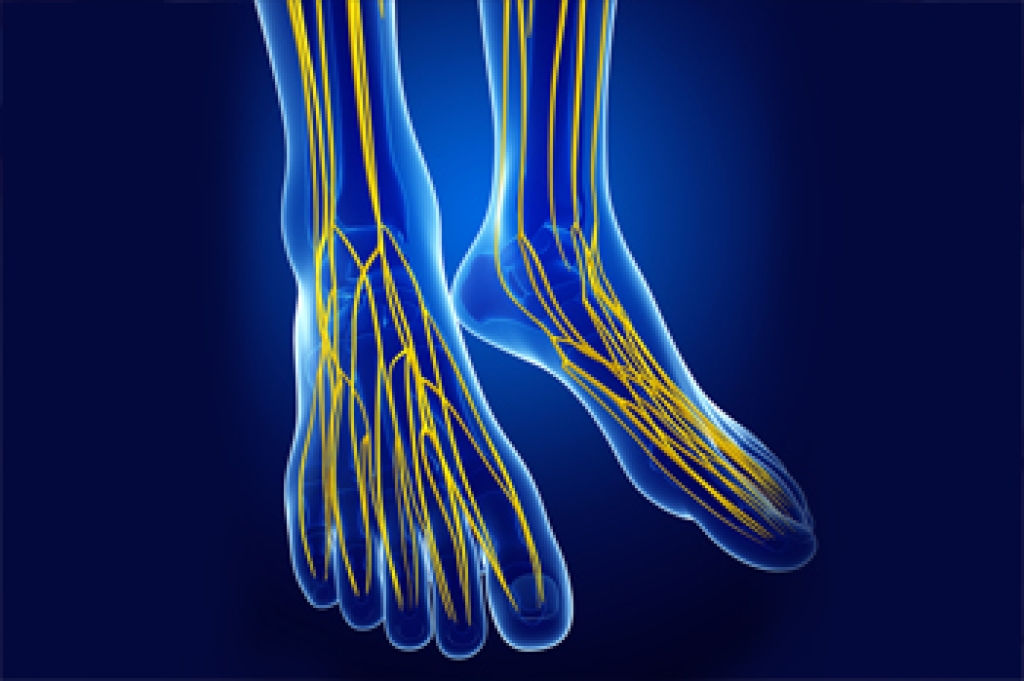
Heel spurs are formed by calcium deposits on the back of the foot where the heel is. This can also be caused by small fragments of bone breaking off one section of the foot, attaching onto the back of the foot. Heel spurs can also be bone growth on the back of the foot and may grow in the direction of the arch of the foot.

Older individuals usually suffer from heel spurs and pain sometimes intensifies with age. One of the main condition's spurs are related to is plantar fasciitis.

Pain

The pain associated with spurs is often because of weight placed on the feet. When someone is walking, their entire weight is concentrated on the feet. Bone spurs then have the tendency to affect other bones and tissues around the foot. As the pain continues, the feet will become tender and sensitive over time.

Treatments

There are many ways to treat heel spurs. If one is suffering from heel spurs in conjunction with pain, there are several methods for healing. Medication, surgery, and herbal care are some options.

If you have any questions, please feel free to contact our offices located in Fort Myers, Shellpoint, and Naples, FL . We offer the newest diagnostic and treatment technologies for all your foot care needs.
Read more about Heel Spurs

Connect With Us

Advanced Podiatric Procedures & Services in the Fort Myers, FL 33908 and Naples, FL 34110 areas