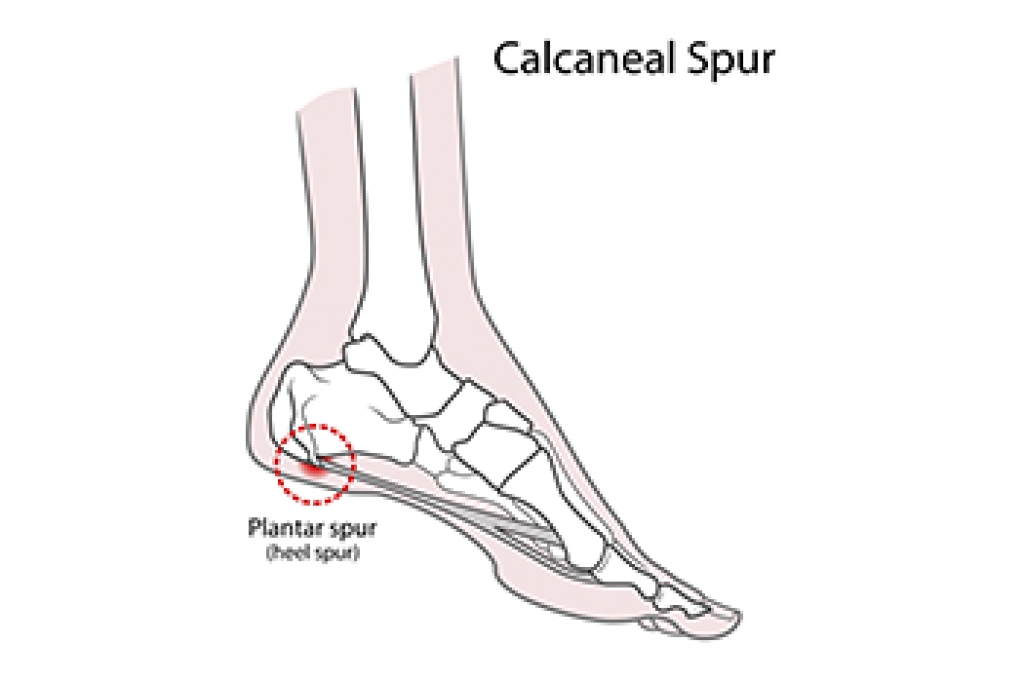
Prevention of Heel Spurs

Heel spurs are bony growths that develop on the underside of the heels. They are visible on X-rays, and can protrude up to half an inch. While heel spurs themselves are generally not painful, they often accompany conditions such as plantar fasciitis and Achilles tendonitis, which also lead to heel discomfort. These spurs can be caused by overstretching the tissue connecting the heel and the ball of the foot or by the gradual wear and tear of the protective membrane covering the heel bone. To prevent heel spurs, it is important to wear well fitting shoes, maintain a healthy weight, and have a gait, or walking style check. Treatment options may include stretching exercises or taping to alleviate stress on muscles and tendons. Wearing shoe inserts or orthotic devices for additional support and comfort may also help. If you have a heel spur, and especially if it is associated with pain, it is suggested that you make an appointment with a podiatrist for a proper diagnosis and treatment.

Heel spurs can be incredibly painful and sometimes may make you unable to participate in physical activities. To get medical care for your heel spurs, contact one of our podiatrists from APEX Foot & Ankle Center. Our doctors will do everything possible to treat your condition.

Heels Spurs

Heel spurs are formed by calcium deposits on the back of the foot where the heel is. This can also be caused by small fragments of bone breaking off one section of the foot, attaching onto the back of the foot. Heel spurs can also be bone growth on the back of the foot and may grow in the direction of the arch of the foot.

Older individuals usually suffer from heel spurs and pain sometimes intensifies with age. One of the main condition's spurs are related to is plantar fasciitis.

Pain

The pain associated with spurs is often because of weight placed on the feet. When someone is walking, their entire weight is concentrated on the feet. Bone spurs then have the tendency to affect other bones and tissues around the foot. As the pain continues, the feet will become tender and sensitive over time.

Treatments

There are many ways to treat heel spurs. If one is suffering from heel spurs in conjunction with pain, there are several methods for healing. Medication, surgery, and herbal care are some options.

If you have any questions, please feel free to contact our offices located in Fort Myers, Shellpoint, and Naples, FL . We offer the newest diagnostic and treatment technologies for all your foot care needs.
Read more about How to Treat Heel Spurs

Symptoms Causes and Effective Treatment for an Achilles Tendon Injury

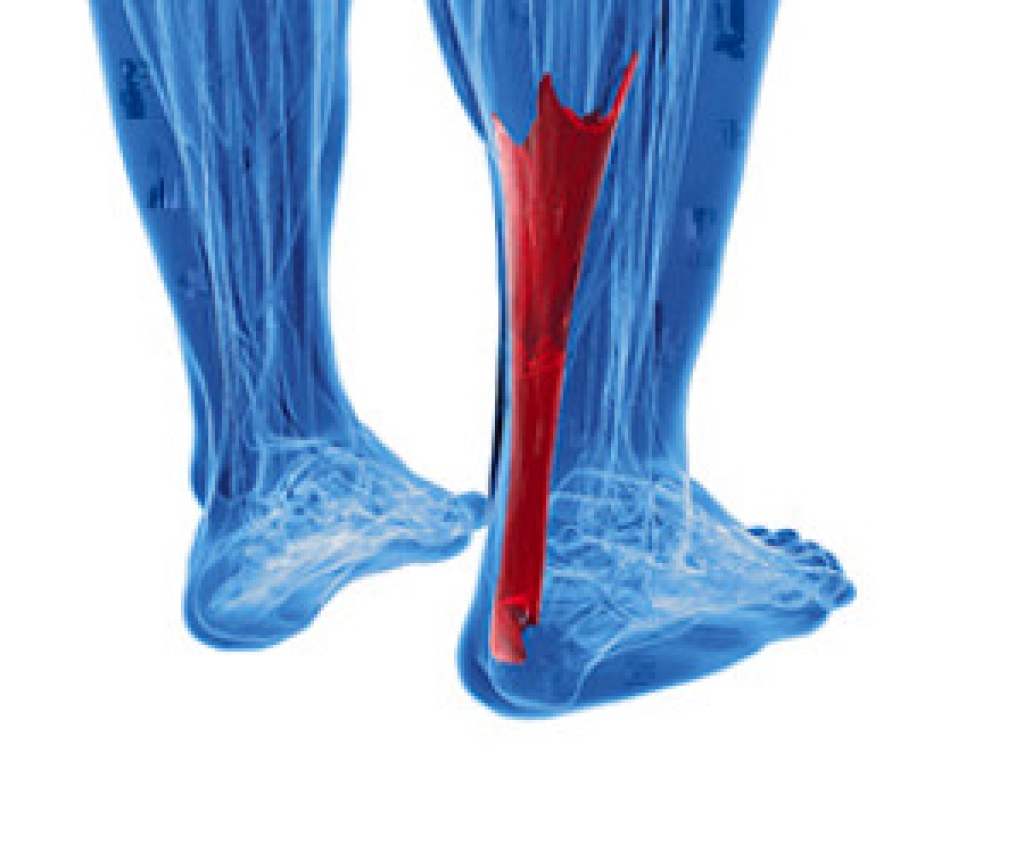
Achilles tendonitis is a painful condition affecting the Achilles tendon which is found at the back of the ankle. Achilles tendinitis is characterized by inflammation and irritation of the Achilles tendon, leading to discomfort during movement. Common symptoms can include pain and stiffness near the heel, often worsening after physical activity. Overuse and repetitive stress are primary culprits, frequently affecting athletes and those who engage in intense physical activities. Having tight calf muscles, wearing improper footwear, and sudden increases in exercise intensity can also contribute to getting an Achilles tendon injury.  Managing Achilles tendinitis involves rest, compression, and elevation, along with performing gentle stretching and strengthening exercises. Severe cases may require medical intervention, and it is suggested that you contact a podiatrist who can provide you with an accurate diagnosis and tailor a treatment plan that is right for you.

Achilles tendon injuries need immediate attention to avoid future complications. If you have any concerns, contact one of our podiatrists of APEX Foot & Ankle Center. Our doctors can provide the care you need to keep you pain-free and on your feet.

What Is the Achilles Tendon?

The Achilles tendon is a tendon that connects the lower leg muscles and calf to the heel of the foot. It is the strongest tendon in the human body and is essential for making movement possible. Because this tendon is such an integral part of the body, any injuries to it can create immense difficulties and should immediately be presented to a doctor.

What Are the Symptoms of an Achilles Tendon Injury?

There are various types of injuries that can affect the Achilles tendon. The two most common injuries are Achilles tendinitis and ruptures of the tendon.

Achilles Tendinitis Symptoms

  • Inflammation
  • Dull to severe pain
  • Increased blood flow to the tendon
  • Thickening of the tendon

Rupture Symptoms

  • Extreme pain and swelling in the foot
  • Total immobility

Treatment and Prevention

Achilles tendon injuries are diagnosed by a thorough physical evaluation, which can include an MRI. Treatment involves rest, physical therapy, and in some cases, surgery. However, various preventative measures can be taken to avoid these injuries, such as:

  • Thorough stretching of the tendon before and after exercise
  • Strengthening exercises like calf raises, squats, leg curls, leg extensions, leg raises, lunges, and leg presses

If you have any questions please feel free to contact our offices located in Fort Myers, Shellpoint, and Naples, FL . We offer the newest diagnostic tools and technology to treat your foot and ankle needs.

Read more about Achilles Tendon Injuries

Shockwave Therapy for Plantar Fasciitis

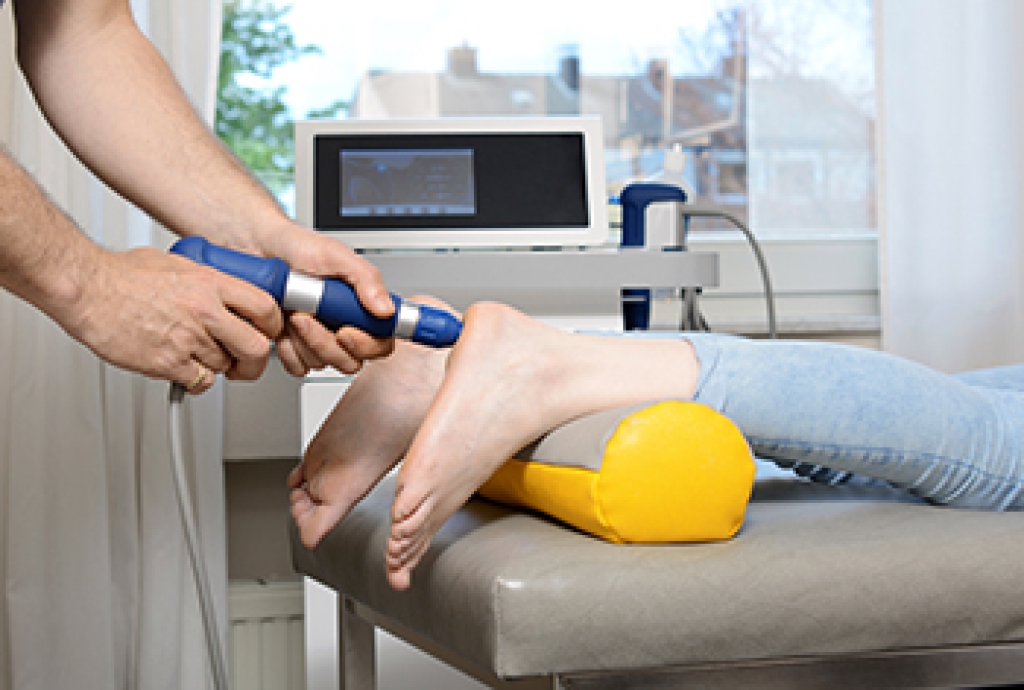
Many people seek help for pain from plantar fasciitis, an inflammation of the band of tissue that runs beneath the foot from the toes to the heel. Some simple remedies for plantar fasciitis include rest, exercise, and medication. It has also been found that shockwave therapy can be effective in reducing pain and helping to heal the plantar fascia. This non-invasive treatment consists of applying penetrating waves of ultrasound energy into the inflamed area. The body responds by creating new blood vessels and stimulates nerve endings that can help to heal the area. While the treatment occurs without any surgery, it can be painful. Sometimes multiple treatments are required, depending on the severity of the plantar fasciitis. Results of shockwave therapy may vary, but most commonly the pain of plantar fasciitis subsides. Fortunately, there are many ways to treat symptoms of plantar fasciitis. Please consult a podiatrist for more information on the treatment options that are best for you. 

Shockwave therapy is a treatment commonly used to treat various injuries and conditions, particularly plantar fasciitis in the feet. To learn more, consult with one of our podiatrists from APEX Foot & Ankle Center. Our doctors can provide the care you need to keep you pain-free and on your feet.

Shockwave Therapy

Shockwave therapy is a new treatment option designed to treat bone conditions such as tennis elbow, shoulder pain, and others. Shockwave therapy uses high intensity sound waves that are directed to the affected tissues of the body with pinpoint accuracy. The effects are very beneficial, leading to a production of collagen fibers, eliminating inflammation.

Who Benefits from Shockwave?

Shockwave is recommended for patients suffering from heel pain and associated problems. Heel pain is a common condition which can be caused by obesity, overexertion, and spending a substantial amount of time on hard floors with your feet exposed and unsupported.

Fast and Easy

The therapy is actually a simple process that can leave patients feeling better the very next day. Shockwave therapy is not as dramatic as it sounds. It enables more blood flow to effected areas, addressing the source of the problem and allowing treatment to last for a long time.

Treatment & Recovery Time

Shockwave treatment will enable your feet to recover quickly. This is especially important since surgery is not required. It is cost effective and does not require the use of anesthesia. This treatment is a better option to surgery, since it is proven safe.

If you have any questions, please feel free to contact our offices located in Fort Myers, Shellpoint, and Naples, FL . We offer the newest diagnostic and treatment technologies for all your foot care needs.

Read more about Shockwave Therapy

What Are the Causes and Treatments for Plantar Fasciitis?

Plantar fasciitis is a common foot condition that causes pain in the heel and bottom of the foot. The hallmark symptom is sharp, stabbing pain that is often most noticeable in the morning or after periods of inactivity. Plantar fasciitis occurs when the thick band of tissue that connects the heel bone to the toes, known as the plantar fascia, becomes inflamed or irritated. Several factors can contribute to plantar fasciitis, including overuse, high-impact activities, flat feet, and wearing improper footwear. Treatment typically involves a combination of rest, stretching exercises, physical therapy, and the use of supportive footwear or orthotic inserts. In severe cases, corticosteroid injections or extracorporeal shock wave therapy may be considered. To prevent plantar fasciitis, it is beneficial to maintain a healthy weight, wear appropriate shoes, and avoid excessive high-impact activities. Additionally, it can help to stretch regularly to keep the plantar fascia and surrounding muscles flexible and strong. Early intervention and diligent preventive measures can help alleviate the pain and discomfort associated with plantar fasciitis and promote better foot health. If you have plantar fasciitis, it is strongly suggested that you confer with a podiatrist who can offer treatment options that are best for you.

Plantar fasciitis is a common foot condition that is often caused by a strain injury. If you are experiencing heel pain or symptoms of plantar fasciitis, contact one of our podiatrists from APEX Foot & Ankle Center. Our doctors can provide the care you need to keep you pain-free and on your feet.

What Is Plantar Fasciitis?

Plantar fasciitis is one of the most common causes of heel pain. The plantar fascia is a ligament that connects your heel to the front of your foot. When this ligament becomes inflamed, plantar fasciitis is the result. If you have plantar fasciitis you will have a stabbing pain that usually occurs with your first steps in the morning. As the day progresses and you walk around more, this pain will start to disappear, but it will return after long periods of standing or sitting.

What Causes Plantar Fasciitis?

  • Excessive running
  • Having high arches in your feet
  • Other foot issues such as flat feet
  • Pregnancy (due to the sudden weight gain)
  • Being on your feet very often

There are some risk factors that may make you more likely to develop plantar fasciitis compared to others. The condition most commonly affects adults between the ages of 40 and 60. It also tends to affect people who are obese because the extra pounds result in extra stress being placed on the plantar fascia.

Prevention

  • Take good care of your feet – Wear shoes that have good arch support and heel cushioning.
  • Maintain a healthy weight
  • If you are a runner, alternate running with other sports that won’t cause heel pain

There are a variety of treatment options available for plantar fasciitis along with the pain that accompanies it. Additionally, physical therapy is a very important component in the treatment process. It is important that you meet with your podiatrist to determine which treatment option is best for you.

If you have any questions, please feel free to contact our offices located in Fort Myers, Shellpoint, and Naples, FL . We offer the newest diagnostic and treatment technologies for all your foot care needs.
 

Read more about Plantar Fasciitis

Are Bunions Affecting Your Everyday Life?

Have you noticed a bony protrusion on the side of your big toe? If so, you may have developed the foot condition known as a bunion. Don't let bunions interfere with your daily activities.

Connect With Us

Advanced Podiatric Procedures & Services in the Fort Myers, FL 33908 and Naples, FL 34110 areas