
Seeing a Podiatrist for Rheumatoid Arthritis of the Feet

Rheumatoid arthritis (RA) is a chronic inflammatory disease that can affect the joints of the feet. One who has RA of the feet often experiences pain and swelling in the feet, which can impair functioning and quality of life. Though there is no cure for this condition, treatments focus on preventing the disease from progressing by reducing or stopping joint inflammation. One might experience relief from one or a combination of RA management regimens, such as anti-inflammatory medication, more supportive footwear, orthotics, physical or occupational therapy, and even surgery. If you are experiencing pain from RA of the feet, consult with a podiatrist who can help devise a treatment plan to help relieve uncomfortable symptoms and preserve joint structure and function.


Because RA affects more than just your joints, including the joints in your feet and ankles, it is important to seek early diagnosis from your podiatrist if you feel like the pain in your feet might be caused by RA. For more information, contact one of our podiatrists of APEX Foot & Ankle Center. Our doctors will assist you with all of your podiatric concerns.

What Is Rheumatoid Arthritis?

Rheumatoid Arthritis (RA) is an autoimmune disorder in which the body’s own immune system attacks the membranes surrounding the joints. Inflammation of the lining and eventually the destruction of the joint’s cartilage and bone occur, causing severe pain and immobility.

Rheumatoid Arthritis of the Feet

Although RA usually attacks multiple bones and joints throughout the entire body, almost 90 percent of cases result in pain in the foot or ankle area.

Symptoms

  • Swelling and pain in the feet
  • Stiffness in the feet
  • Pain on the ball or sole of feet
  • Joint shift and deformation

Diagnosis

Quick diagnosis of RA in the feet is important so that the podiatrist can treat the area effectively. Your doctor will ask you about your medical history, occupation, and lifestyle to determine the origin of the condition. Rheumatoid Factor tests help to determine if someone is affected by the disease.

If you have any questions, please feel free to contact our offices located in Fort Myers, Shellpoint, and Naples, FL . We offer the newest diagnostic and treatment technologies for all your foot care needs.

Read more about Rheumatoid Arthritis in the Feet

Dealing with Cavus Foot

An abnormally high arch in the foot is known as cavus foot, which places a lot of pressure on the ball and heel of the foot when standing or walking. Other foot conditions may also be apparent, including hammertoe, calluses on the ball, side or heel of the foot, pain upon walking or standing, and the heel tilting inward. Cavus foot can also be linked to foot drop, where the foot drags while walking. It can develop at any age and result in both pain and instability. Many cases are thought to be caused by neurological conditions, including cerebral palsy, Charcot-Marie-Tooth disease, spina-bifida, muscular dystrophy, or stroke. In these cases, the condition is likely to worsen. In other cases, cavus foot may be caused by an inherited trait, and, if so, will likely remain stable. It is wise to seek the help of a podiatrist if you believe you have cavus foot. A visit may include examining your walking pattern, muscle strength and coordination, along with observing the pattern of wear on your shoes. Several non-surgical treatments, such as orthotics, shoe modification and bracing, may be recommended.   

If you have any concerns about your feet, contact one of our podiatrists from APEX Foot & Ankle Center. Our doctors can provide the care you need to keep you pain-free and on your feet.

Biomechanics in Podiatry

Podiatric biomechanics is a particular sector of specialty podiatry with licensed practitioners who are trained to diagnose and treat conditions affecting the foot, ankle and lower leg. Biomechanics deals with the forces that act against the body, causing an interference with the biological structures. It focuses on the movement of the ankle, the foot and the forces that interact with them.

A History of Biomechanics

  • Biomechanics dates back to the BC era in Egypt where evidence of professional foot care has been recorded.
  • In 1974, biomechanics gained a higher profile from the studies of Merton Root, who claimed that by changing or controlling the forces between the ankle and the foot, corrections or conditions could be implemented to gain strength and coordination in the area.

Modern technological improvements are based on past theories and therapeutic processes that provide a better understanding of podiatric concepts for biomechanics. Computers can provide accurate information about the forces and patterns of the feet and lower legs.

Understanding biomechanics of the feet can help improve and eliminate pain, stopping further stress to the foot.

If you have any questions please feel free to contact our offices located in Fort Myers, Shellpoint, and Naples, FL . We offer the newest diagnostic and treatment technologies for all your foot and ankle needs.

Read more about Biomechanics in Podiatry

Spraining an Ankle

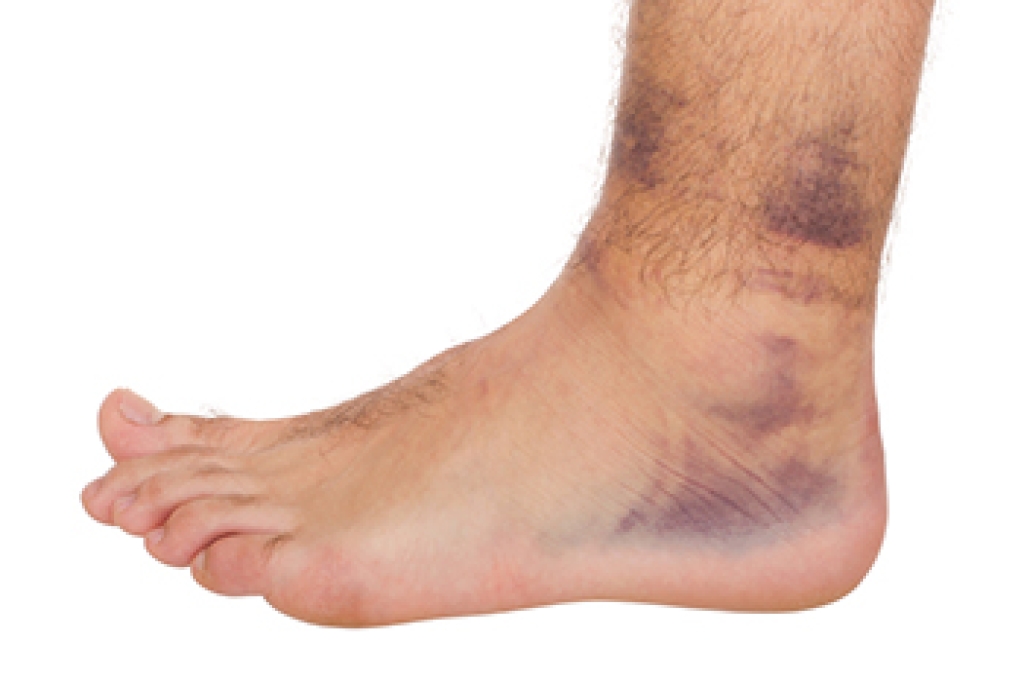
An ankle sprain occurs when the foot inverts and twists causing the ankle joint out of its normal position. The ankle injury is sustained on the lateral ankle complex, composed of three ligaments – talofibular, calcaneofibular, and posterior talofibular – that hold the ankle bones and joints together. There may be small tears and damage to tendons, cartilage and blood vessels and there will usually be pain when weight is placed on the affected ankle, swelling, and even bruising. Anyone can sprain an ankle but those who participate in sports, walk on uneven surfaces, or wear inappropriate footwear are more at risk. It can take several weeks, even months for a sprained ankle to heal completely. Calling a podiatrist is suggested if you feel you might have sprained your ankle to determine how severe the injury is, make sure it is not broken through various manipulations and one or more imaging studies, and to provide the proper course of treatment.

Although ankle sprains are common, they aren’t always minor injuries. If you need your ankle injury looked at, contact one of our podiatrists from APEX Foot & Ankle Center. Our doctors can provide the care you need to keep you pain-free and on your feet.

How Does an Ankle Sprain Occur?

Ankle sprains are the result of a tear in the ligaments within the ankle. These injuries may happen when you make a rapid shifting movement while your foot is planted. A less common way to sprain your ankle is when your ankle rolls inward while your foot turns outward.

What Are the Symptoms?

  • Pain at the sight of the tear
  • Bruising/Swelling
  • Ankle area is tender to touch
  • In severe cases, may hear/feel something tear
  • Skin discoloration

Preventing a Sprain

  • Wearing appropriate shoes for the occasion
  • Stretching before exercises and sports
  • Knowing your limits

Treatment of a Sprain

In many cases, the RICE method (Rest, Ice, Compression, and Elevate) is used to treat ankle sprains. However, you should see a podiatrist to see which treatment option would work best with your injury. In severe cases, surgery may be required.

It is important to ask your doctor about rehab options after you receive treatment for your injury. Stretching, strength training, and balance exercises may help the ankle heal while also preventing further injury.

If you have any questions, please feel free to contact our offices located in Fort Myers, Shellpoint, and Naples, FL . We offer the newest diagnostic and treatment technologies for all your foot care needs.

Read more about Ankle Sprains

Top 9 Foot Care Tips for Elderly Adults

If you are a caregiver for an aging adult, helping them take care of their feet can help keep them healthy, active and improve their quality of life. Healthy feet can also help older adults avoid falls and broken bones. Here are the top nine things you can do to promote better foot health in an elderly person. 1) Inspect their feet daily for any redness, breaks in the skin or anything unusual. 2) Help them eat healthy foods, drink plenty of water, and engage in low impact exercise and stretching. 3) Trim their toenails straight across. 4) Make sure footwear fits properly, and have their feet measured for length and width every time they buy new shoes. 5) Don’t allow them to walk barefoot, even around the house. 6) Keep their feet clean, dry, and moisturized. 7) Make sure their socks are not tight to avoid cutting off circulation. 8) Never trim corns or calluses with a sharp instrument. 9) Have their feet checked regularly by a podiatrist, especially if they are diabetic.

If you need your feet checked, contact one of our podiatrists of APEX Foot & Ankle Center. Our doctors will attend to all of your foot and ankle needs and provide you with quality treatment.

Geriatrics and Podiatry
When people age, some common issues that may occur are bone density loss, dry skin, poor circulation, and rough brittle nails. These issues may also affect your foot health if the necessary steps are not taken to alleviate the problems.

It is important to take care of your feet because feet that are injured or diseased can affect your overall health. Having painful feet hinders your ability to do daily activities or may decrease your willingness to do the things that you need to do.

Visiting Your Geriatrician
As we age, health problems become more likely, so it is essential to visit your doctor for check-ups to ensure that you are doing the best you can to take care of your health. It is recommended to check your feet frequently for any possible cuts, bruises, swelling, corns or any other irregularities. 

Taking Care of Elderly Feet
Cracked or dry feet can be treated by applying moisturizer often. It is also important not to wear old socks because the older the sock is, the higher the possibility there will be that there is bacteria there. Wear fresh socks and make sure they fit properly.

Proper foot health means that you can have a more active lifestyle and you will not be bogged down by pain. Foot health also leads to good circulation, which is paramount for overall health.

If you have any questions, please feel free to contact our offices located in Fort Myers, Shellpoint, and Naples, FL . We offer the newest diagnostic and treatment technologies for all your foot care needs.

Read more about Geriatrics and Podiatry

It's Time for Beautiful Feet

You don't need an excuse to have beautiful nails. Step outside without worrying about the appearance of your feet.

Connect With Us

Advanced Podiatric Procedures & Services in the Fort Myers, FL 33908 and Naples, FL 34110 areas