
Plantar warts are small growths that develop on parts of the feet that bear weight. They're typically found on the bottom of the foot. Don't live with plantar warts, and call us today!
Plantar warts are small growths that develop on parts of the feet that bear weight. They're typically found on the bottom of the foot. Don't live with plantar warts, and call us today!
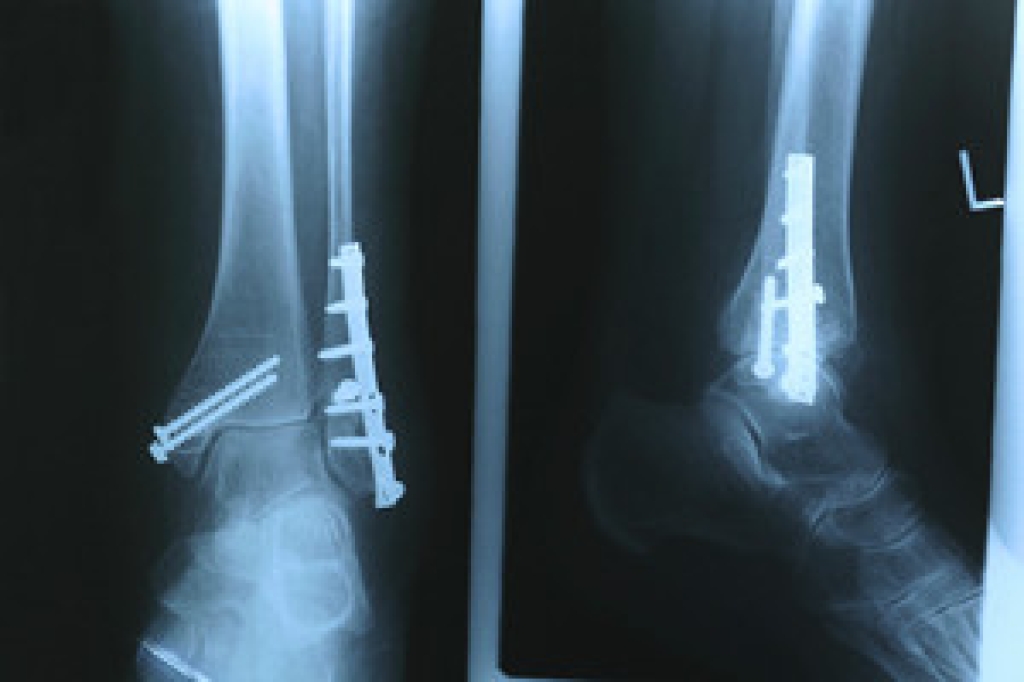 A stress fracture is a small hairline fracture that usually occurs because the foot is no longer able to handle the load being placed on it. While stress fractures can occur in the pelvis, thigh bones and shins, they most commonly occur in the lower legs, particularly in the bones of the midfoot. Because they often are a result of overuse and repetitive motion, as opposed to a specific injury, athletes such as runners, soccer players and dancers are at an increased risk for developing them. Stress fractures are often indicated by sharp pain when bearing weight, but as the fracture gets worse, the pain will persist even when not bearing weight. Those who are experiencing pain in their forefoot and believe that they may have a stress fracture should consult with a podiatrist for treatment.
Activities where too much pressure is put on the feet can cause stress fractures. To learn more, contact one of our podiatrists from APEX Foot & Ankle Center. Our doctors can provide the care you need to keep your pain free and on your feet.
Dealing with Stress Fractures of the Foot and Ankle
Stress fractures occur in the foot and ankle when muscles in these areas weaken from too much or too little use. The feet and ankles then lose support when walking or running from the impact of the ground. Since there is no protection, the bones receive the full impact of each step. Stress on the feet can cause cracks to form in the bones, thus creating stress fractures.
What Are Stress Fractures?
Stress fractures occur frequently in individuals whose daily activities cause great impact on the feet and ankles. Stress factors are most common among:
Symptoms
Pain from the fractures occur in the area of the fractures and can be constant or intermittent. It will often cause sharp or dull pain with swelling and tenderness. Engaging in any kind of activity which involves high impact will aggravate pain.
If you have any questions please contact our offices located in Fort Myers, Shellpoint, and Naples, FL . We offer the newest diagnostic and treatment technologies for all your foot and ankle needs.
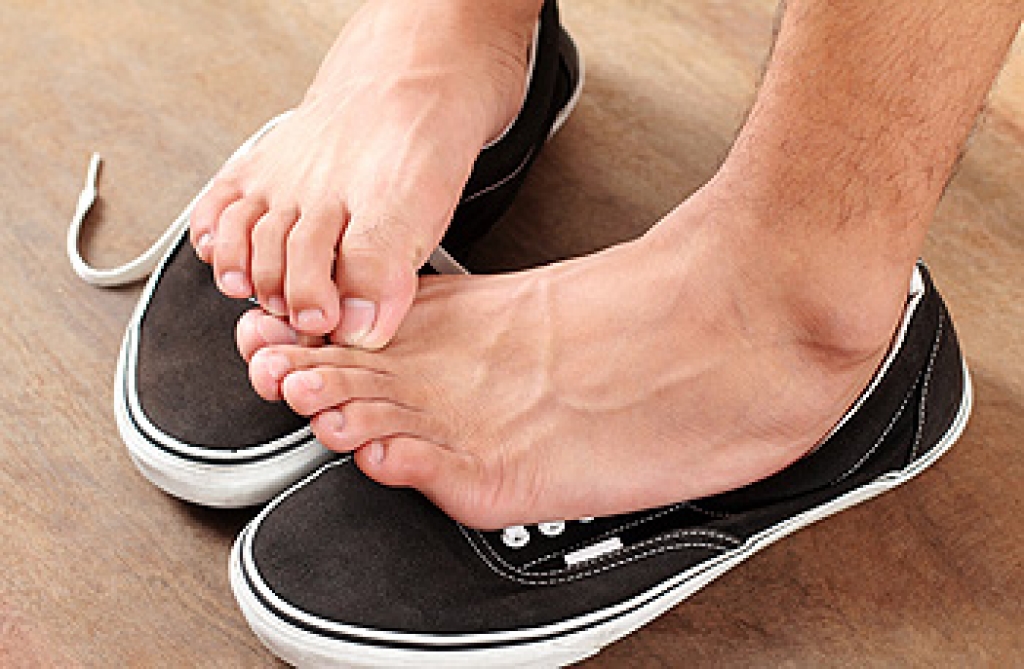
Plantar hyperhidrosis causes excessively sweaty feet. This problem can be embarrassing, and having constantly wet feet may increase your risk of developing certain foot problems, such as blisters or athlete’s foot. Fortunately, there are many treatments available for plantar hyperhidrosis. For mild to moderate cases, using an antiperspirant is recommended. Antiperspirants can come in a variety of forms to help reduce sweating by blocking the pores from which sweat escapes. Another potential treatment is iontophoresis, which can inhibit the overactive sweat glands’ ability to produce sweat. If you have excessively sweaty feet, it is suggested that you see a podiatrist, who can help you find the right treatment for you.
If you are suffering from hyperhidrosis contact one of our podiatrists of APEX Foot & Ankle Center. Our doctors can provide the care you need to attend to all of your foot and ankle needs.
Hyperhidrosis of the Feet
Hyperhidrosis is a rare disorder that can cause people to have excessive sweating of their feet. This can usually occur all on its own without rigorous activity involved. People who suffer from hyperhidrosis may also experience sweaty palms.
Although it is said that sweating is a healthy process meant to cool down the body temperature and to maintain a proper internal temperature, hyperhidrosis may prove to be a huge hindrance on a person’s everyday life.
Plantar hyperhidrosis is considered to be the main form of hyperhidrosis. Secondary hyperhidrosis can refer to sweating that occurs in areas other than the feet or hands and armpits. Often this may be a sign of it being related to another medical condition such as menopause, hyperthyroidism and even Parkinson’s disease.
In order to alleviate this condition, it is important to see your doctor so that they may prescribe the necessary medications so that you can begin to live a normal life again. If this is left untreated, it is said that it will persist throughout an individual’s life.
A last resort approach would be surgery, but it is best to speak with your doctor to find out what may be the best treatment for you.
If you have any questions, please feel free to contact our offices located in Fort Myers, Shellpoint, and Naples, FL . We offer the newest diagnostic and treatment technologies for all your foot care needs.
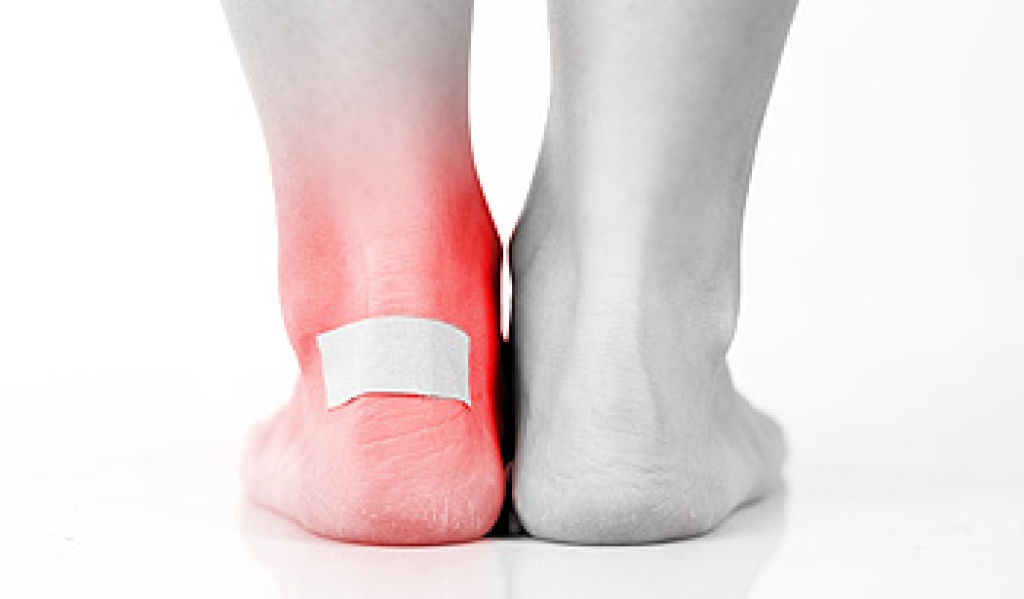 Blisters on the feet can be bothersome for patients who enjoy running, hiking, or biking. They generally develop as a result of excessive friction that can come from wearing shoes that do not fit correctly. Some patients find it helpful to frequently change their socks when they become wet while engaging in their chosen sport. A blister is the body’s natural response to damaged skin where a small area which resembles a bubble is filled with protective liquid that covers the raw skin. This will gradually drain as new skin forms. It is important to allow the blister to naturally dissolve, and this is beneficial in avoiding a possible infection. Effective prevention techniques can include wearing shoes and socks that fit correctly, and keeping the feet as dry as possible. If you would like additional information about how to prevent and care for existing blisters on the feet, please consult with a podiatrist.
Blisters may appear as a single bubble or in a cluster. They can cause a lot of pain and may be filled with pus, blood, or watery serum. If your feet are hurting, contact one of our podiatrists of APEX Foot & Ankle Center. Our doctors can provide the care you need to keep you pain-free and on your feet.
Foot Blisters
Foot blisters are often the result of friction. This happens due to the constant rubbing from shoes, which can lead to pain.
What Are Foot Blisters?
A foot blister is a small fluid-filled pocket that forms on the upper-most layer of the skin. Blisters are filled with clear fluid and can lead to blood drainage or pus if the area becomes infected.
Symptoms
(Blister symptoms may vary depending on what is causing them)
Prevention & Treatment
In order to prevent blisters, you should be sure to wear comfortable shoes with socks that cushion your feet and absorb sweat. Breaking a blister open may increase your chances of developing an infection. However, if your blister breaks, you should wash the area with soap and water immediately and then apply a bandage to the affected area. If your blisters cause severe pain it is important that you call your podiatrist right away.
If you have any questions, please feel free to contact our offices located in Fort Myers, Shellpoint, and Naples, FL . We offer the newest diagnostic and treatment technologies for all your foot care needs.

If you are suffering from tenderness, pain, or stiffness in the joints of your feet or ankles, call us to schedule an appointment.
 Many people enjoy running and jogging, and they are aware of the importance of choosing the right running shoe. There are many styles and options available on the market that can make it overwhelming to decide which shoe is right for you. However, there are basic considerations that can help to make it easier to choose which can be determined by what kind of running you enjoy. Patients who prefer fast running may benefit from wearing a lightweight shoe. Average running on pavements and roads may be accomplished with a normal running shoe. It is also beneficial to have more than one pair of shoes because this may help extend the life of the shoe. If you would like additional information about what style running shoes you should purchase, please consult with a podiatrist.
If you are a runner, wearing the right running shoe is essential. For more information, contact one of our podiatrists from APEX Foot & Ankle Center. Our doctors can provide the care you need to keep you pain-free and on your feet.
Choosing the Right Running Shoe for Your Foot Type
To increase performance and avoid the risk of injury, it is important to choose the right running shoe based on your foot type. The general design of running shoes revolves around pronation, which is how the ankle rolls from outside to inside when the foot strikes the ground.
If you have any questions, please feel free to contact our offices located in Fort Myers, Shellpoint, and Naples, FL . We offer the newest diagnostic and treatment technologies for all your foot care needs.
 Broken toes and sprained toes are sometimes confused with each other. However, broken toes are far more serious because an untreated toe fracture can hinder your ability to walk, increase your risk of developing arthritis and be extremely painful. The characteristic symptoms of a broken toe that differentiate it from a sprain include localized throbbing pain at the fracture site, hearing a cracking sound at the time of injury, swelling, and bruising. If you suspect that you may have broken your toe, it is recommended that you visit a podiatrist. Broken toes are typically diagnosed using an X-ray and physical examination. The doctor may need to take multiple X-ray images to determine the location and extent of the break. For more information about broken toes, please consult with a podiatrist.
Broken toes may cause a lot of pain and should be treated as soon as possible. If you have any concerns about your feet, contact one of our podiatrists from APEX Foot & Ankle Center. Our doctors will treat your foot and ankle needs.
What Is a Broken Toe?
A broken toe occurs when one or more of the toe bones of the foot are broken after an injury. Injuries such as stubbing your toe or dropping a heavy object on it may cause a toe fracture.
Symptoms of a Broken Toe
Although the injured toe should be monitored daily, it is especially important to have a podiatrist look at your toe if you have severe symptoms. Some of these symptoms include worsening or new pain that is not relieved with medication, sores, redness, or open wounds near the toe.
If you have any questions please feel free to contact our offices located in Fort Myers, Shellpoint, and Naples, FL . We offer the newest diagnostic tools and technology to treat your foot and ankle needs.
 Sever’s disease is a common issue that leads to heel pain in children between the ages of 8 and 14. Sever’s disease occurs when the bones in the calves grow faster than the Achilles tendon, which connects the heel bone to the calf muscle. This causes the tendon to tighten and the heel to become swollen and sore. Sever’s disease symptoms are typically most prominent during running or jumping activities. However, there is usually no long term damage caused by Sever’s disease as the child continues to grow. Common symptoms include limping, tenderness in the heel, especially after exercise, and swelling in the heel bone. If you believe that your child is struggling with Sever’s disease, consulting with a podiatrist is suggested.
Sever's disease often occurs in children and teens. If your child is experiencing foot or ankle pain, see one of our podiatrists from APEX Foot & Ankle Center. Our doctors can treat your child’s foot and ankle needs.
Sever’s Disease
Sever’s disease is also known as calcaneal apophysitis, which is a medical condition that causes heel pain I none or both feet. The disease is known to affect children between the ages of 8 and 14.
Sever’s disease occurs when part of the child’s heel known as the growth plate (calcaneal epiphysis) is attached to the Achilles tendon. This area can suffer injury when the muscles and tendons of the growing foot do not keep pace with bone growth. Therefore, the constant pain which one experiences at the back of the heel will make the child unable to put any weight on the heel. The child is then forced to walk on their toes.
Symptoms
Acute pain – Pain associated with Sever’s disease is usually felt in the heel when the child engages in physical activity such as walking, jumping and or running.
Highly active – Children who are very active are among the most susceptible in experiencing Sever’s disease, because of the stress and tension placed on their feet.
If you have any questions, please feel free to contact our offices located in Fort Myers, Shellpoint, and Naples, FL . We offer the newest diagnostic and treatment technologies for all your foot care needs.
 The joint that is affected by a bunion is located on the side of the big toe. A bunion appears as a large, bony protrusion, and it can occur for different reasons. These can consist of genetic factors, or from wearing shoes that do not have adequate room for the toes to move freely in. Common symptoms that are typically associated with bunions can include swelling, redness, and toe pain. Many patients notice that there are corns and calluses that form on top of the bunion. This can be a result of excess friction that is caused by shoes rubbing against the bunion. It is beneficial to wear larger shoes that can accommodate the bunion, as this may provide mild relief. If you notice an abnormal bump on your big toe, please consult with a podiatrist who can properly diagnose this ailment and offer you treatment options.
If you are suffering from bunions, contact one of our podiatrists of APEX Foot & Ankle Center. Our doctors can provide the care you need to keep you pain-free and on your feet.
What Is a Bunion?
A bunion is formed of swollen tissue or an enlargement of boney growth, usually located at the base joint of the toe that connects to the foot. The swelling occurs due to the bones in the big toe shifting inward, which impacts the other toes of the foot. This causes the area around the base of the big toe to become inflamed and painful.
Why Do Bunions Form?
Genetics – Susceptibility to bunions are often hereditary
Stress on the feet – Poorly fitted and uncomfortable footwear that places stress on feet, such as heels, can worsen existing bunions
How Are Bunions Diagnosed?
Podiatrists often perform two tests – blood tests and x-rays – when trying to diagnose bunions, especially in the early stages of development. Blood tests help determine if the foot pain is being caused by something else, such as arthritis, while x-rays provide a clear picture of your bone structure to your provider.
How Are Bunions Treated?
If you have any questions, please feel free to contact our offices located in Fort Myers, Shellpoint, and Naples, FL . We offer the newest diagnostic and treatment technologies for all your foot care needs.
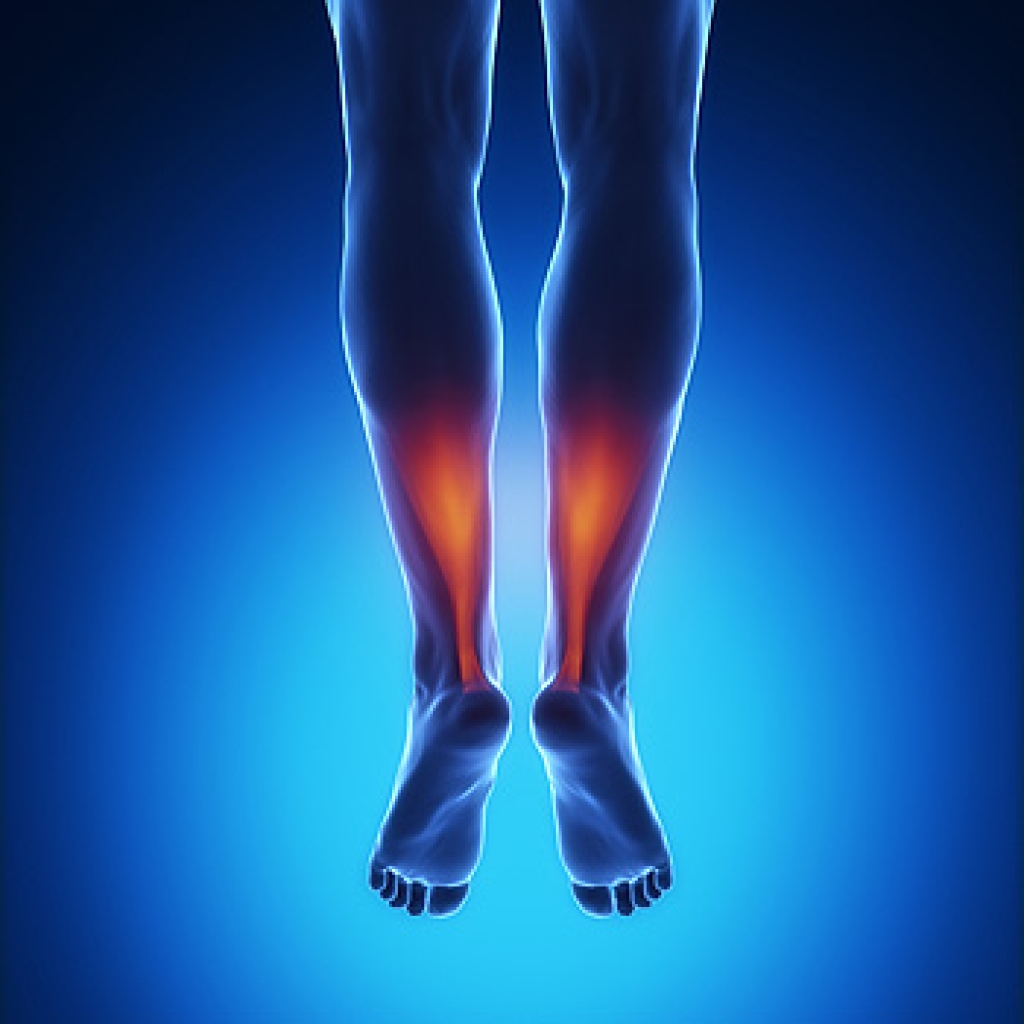 An Achilles tendon injury generally produces severe pain and discomfort. This tendon is located in the back of the leg and connects the calf muscles to the heels. An injury that is caused by sudden twisting and turning may result in an Achilles tendon rupture. A complete tear of this tendon will most likely require surgery, and it generally takes several weeks for a full recovery. Wearing a splint or boot may be required for a partial tear, as this is helpful in keeping the foot stable as the healing process occurs. A common symptom that is associated with an Achilles tendon injury is swelling. Mild relief can be found when the affected foot is elevated as often as possible, in addition to keeping it raised slightly above your head while sleeping. If you have experienced this type of injury, please consult with a podiatrist who can perform a proper diagnosis and offer the best treatment options for you.
Achilles tendon injuries need immediate attention to avoid future complications. If you have any concerns, contact one of our podiatrists of APEX Foot & Ankle Center. Our doctors can provide the care you need to keep you pain-free and on your feet.
What Is the Achilles Tendon?
The Achilles tendon is a tendon that connects the lower leg muscles and calf to the heel of the foot. It is the strongest tendon in the human body and is essential for making movement possible. Because this tendon is such an integral part of the body, any injuries to it can create immense difficulties and should immediately be presented to a doctor.
What Are the Symptoms of an Achilles Tendon Injury?
There are various types of injuries that can affect the Achilles tendon. The two most common injuries are Achilles tendinitis and ruptures of the tendon.
Achilles Tendinitis Symptoms
Rupture Symptoms
Treatment and Prevention
Achilles tendon injuries are diagnosed by a thorough physical evaluation, which can include an MRI. Treatment involves rest, physical therapy, and in some cases, surgery. However, various preventative measures can be taken to avoid these injuries, such as:
If you have any questions please feel free to contact our offices located in Fort Myers, Shellpoint, and Naples, FL . We offer the newest diagnostic tools and technology to treat your foot and ankle needs.
Connect With Us