
Suffering from this type of pain? You may have the foot condition known as Morton's neuroma. Morton's neuroma may develop as a result of ill-fitting footwear and existing foot deformities. We can help.
Suffering from this type of pain? You may have the foot condition known as Morton's neuroma. Morton's neuroma may develop as a result of ill-fitting footwear and existing foot deformities. We can help.
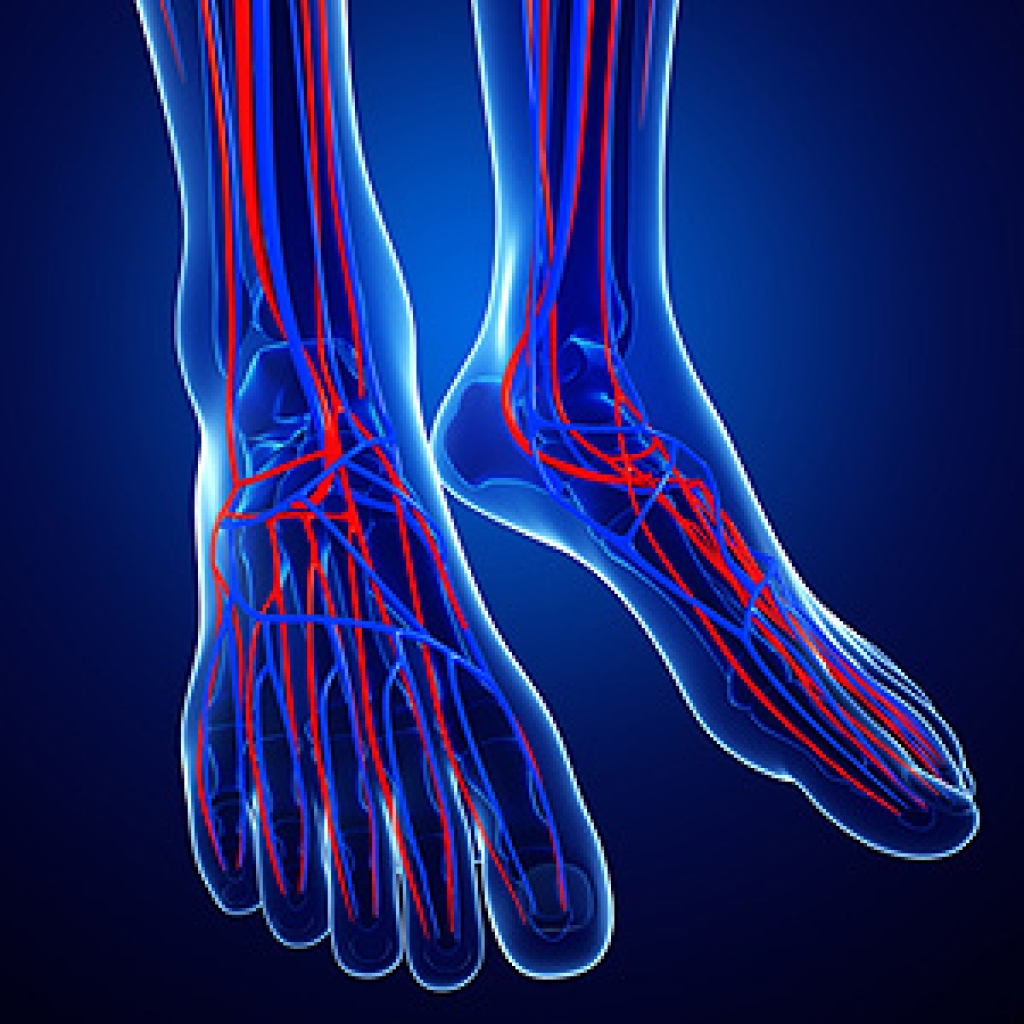 Peripheral artery disease (PAD) is a condition in which blood flow to the lower limbs is inadequate, usually as a result of the arteries narrowing or hardening because of plaque buildup. In its early stages, PAD is often asymptomatic. As it progresses, patients may notice muscle aches and cramps in the lower limbs, difficulty walking, burning or tingling pain, skin discoloration, coolness, or hair loss, and poorly healing wounds developing on the feet or ankles. Left undetected and untreated, PAD can progressively worsen and increase one’s risk of having a cardiovascular event such as a heart attack or stroke. Screening for PAD can be done by your podiatrist to detect and treat PAD early. Vascular testing by your podiatrist is generally safe, painless, and non-invasive. Most podiatrists use the Ankle-Brachial Index test which involves measuring the blood pressure at your arms and ankles and comparing the two numbers, and Doppler ultrasounds to screen for PAD. To learn more and schedule a screening, speak with a podiatrist near you.
Vascular testing plays an important part in diagnosing disease like peripheral artery disease. If you have symptoms of peripheral artery disease, or diabetes, consult with one of our podiatrists from APEX Foot & Ankle Center. Our doctors will assess your condition and provide you with quality foot and ankle treatment.
What Is Vascular Testing?
Vascular testing checks for how well blood circulation is in the veins and arteries. This is most often done to determine and treat a patient for peripheral artery disease (PAD), stroke, and aneurysms. Podiatrists utilize vascular testing when a patient has symptoms of PAD or if they believe they might. If a patient has diabetes, a podiatrist may determine a vascular test to be prudent to check for poor blood circulation.
How Is it Conducted?
Most forms of vascular testing are non-invasive. Podiatrists will first conduct a visual inspection for any wounds, discoloration, and any abnormal signs prior to a vascular test.
The most common tests include:
These tests are safe, painless, and easy to do. Once finished, the podiatrist can then provide a diagnosis and the best course for treatment.
If you have any questions please contact our offices located in Fort Myers, Shellpoint, and Naples, FL . We offer the newest diagnostic and treatment technologies for all your foot and ankle needs.

A foot fracture occurs when one or more of the bones located in your foot break, usually due to impacts, falls, or repetitive stress over a period of time. There are a variety of treatments for broken foot bones. To determine which treatment may be right for will depend on the location and severity of the fracture. Your podiatrist may prescribe a boot, cast, or splint for you to wear on the injured foot. These devices are designed to limit foot movements, protect the foot, provide support, and hold the broken bones in place as they heal. More severe fractures may require surgery using internal or external pins or wires to straighten broken bones and hold them in the correct positions for a full recovery. If you have broken a bone in your foot, it is suggested that you schedule a visit with a podiatrist as soon as possible in order to get the right treatment for your injury.
Foot surgery is sometimes necessary to treat a foot ailment. To learn more, contact one of our podiatrists of APEX Foot & Ankle Center. Our doctors will assist you with all of your foot and ankle needs.
When Is Surgery Necessary?
Foot and ankle surgery is generally reserved for cases in which less invasive, conservative procedures have failed to alleviate the problem. Some of the cases in which surgery may be necessary include:
What Types of Surgery Are There?
The type of surgery you receive will depend on the nature of the problem you have. Some of the possible surgeries include:
Benefits of Surgery
Although surgery is usually a last resort, it can provide more complete pain relief compared to non-surgical methods and may allow you to finally resume full activity.
Surgical techniques have also become increasingly sophisticated. Techniques like endoscopic surgery allow for smaller incisions and faster recovery times.
If you have any questions, please feel free to contact our offices located in Fort Myers, Shellpoint, and Naples, FL . We offer the newest diagnostic and treatment technologies for all your foot care needs.
 Ankle pain can originate from any of the bones, joints, ligaments, tendons, and muscles that make up the ankle. A sprain is a very common cause of ankle pain and usually occurs due to a sudden twisting of the ankle that overstretched or tore ligaments. Achilles tendinopathy is common among athletes and is associated with pain in the back of the ankle and calf. Tibialis posterior tendinopathy causes pain on the inside of the ankle, while peroneal tendinopathy causes pain on the outside of the ankle. Osteoarthritis, a joint problem that occurs due to the wear and tear of the cartilage that lines the joints can affect the ankle as well, leading to stiffness and joint pain. If you are suffering from ankle pain it is strongly suggested that you seek the care of a podiatrist.
Ankle pain can be caused by a number of problems and may be potentially serious. If you have ankle pain, consult with one of our podiatrists from APEX Foot & Ankle Center. Our doctors will assess your condition and provide you with quality foot and ankle treatment.
Ankle pain is any condition that causes pain in the ankle. Due to the fact that the ankle consists of tendons, muscles, bones, and ligaments, ankle pain can come from a number of different conditions.
Causes
The most common causes of ankle pain include:
Symptoms
Symptoms of ankle injury vary based upon the condition. Pain may include general pain and discomfort, swelling, aching, redness, bruising, burning or stabbing sensations, and/or loss of sensation.
Diagnosis
Due to the wide variety of potential causes of ankle pain, podiatrists will utilize a number of different methods to properly diagnose ankle pain. This can include asking for personal and family medical histories and of any recent injuries. Further diagnosis may include sensation tests, a physical examination, and potentially x-rays or other imaging tests.
Treatment
Just as the range of causes varies widely, so do treatments. Some more common treatments are rest, ice packs, keeping pressure off the foot, orthotics and braces, medication for inflammation and pain, and surgery.
If you have any questions please feel free to contact our offices located in Fort Myers, Shellpoint, and Naples, FL . We offer the newest diagnostic tools and technology to treat your foot and ankle needs.
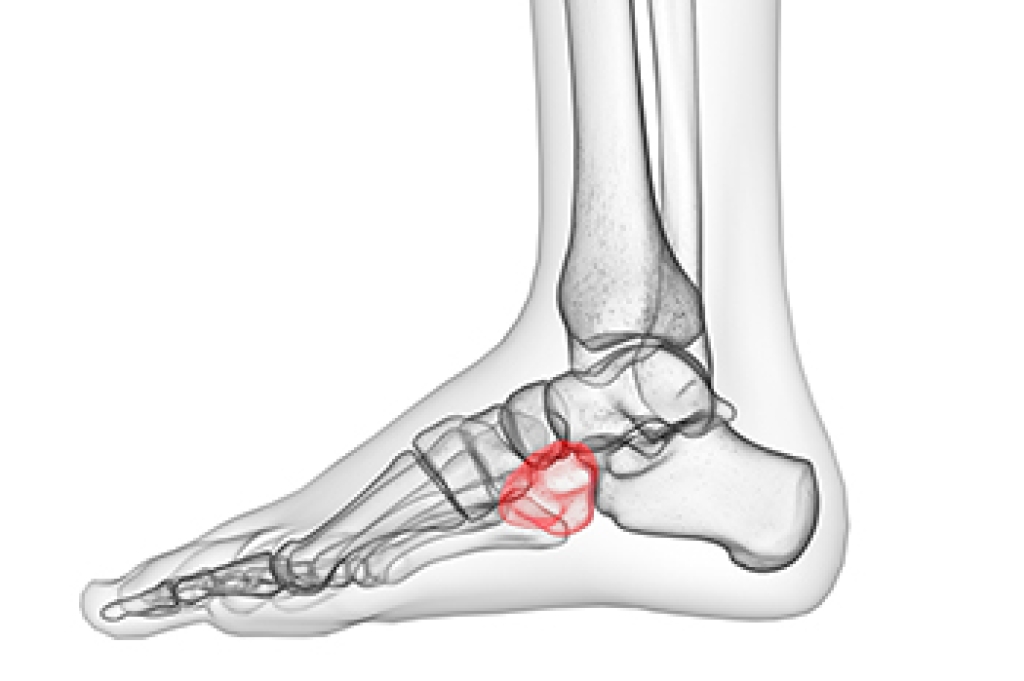 The cuboid is a cube-shaped bone located in the middle of each foot. It functions as a supporting structure that stabilizes the foot and aids in moving the toes. Although somewhat rare, the cuboid bone can be fractured due to injury. Often cuboid fractures co-occur with other problems, such as dislocations, ligament injuries, and other lower limb fractures. Symptoms of a broken cuboid bone include bruising, tenderness, swelling, foot pain, instability, and difficulty bearing weight on the affected foot. If you are experiencing foot pain, it is suggested that you see a podiatrist. This foot and ankle specialist can diagnose your condition and find the best treatment for you.
Cuboid syndrome, also known as cuboid subluxation, occurs when the joints and ligaments near the cuboid bone in the foot become torn. If you have cuboid syndrome, consult with one of our podiatrists from APEX Foot & Ankle Center. Our doctors will assess your condition and provide you with quality foot and ankle treatment.
Cuboid syndrome is a common cause of lateral foot pain, which is pain on the outside of the foot. The condition may happen suddenly due to an ankle sprain, or it may develop slowly overtime from repetitive tension through the bone and surrounding structures.
Causes
The most common causes of cuboid syndrome include:
Symptoms
A common symptom of cuboid syndrome is pain along the outside of the foot which can be felt in the ankle and toes. This pain may create walking difficulties and may cause those with the condition to walk with a limp.
Diagnosis
Diagnosis of cuboid syndrome is often difficult, and it is often misdiagnosed. X-rays, MRIs and CT scans often fail to properly show the cuboid subluxation. Although there isn’t a specific test used to diagnose cuboid syndrome, your podiatrist will usually check if pain is felt while pressing firmly on the cuboid bone of your foot.
Treatment
Just as the range of causes varies widely, so do treatments. Some more common treatments are ice therapy, rest, exercise, taping, and orthotics.
If you have any questions, please feel free to contact our offices located in Fort Myers, Shellpoint, and Naples, FL . We offer the newest diagnostic and treatment technologies for all your foot care needs.
Connect With Us