Less Common Signs of Gout

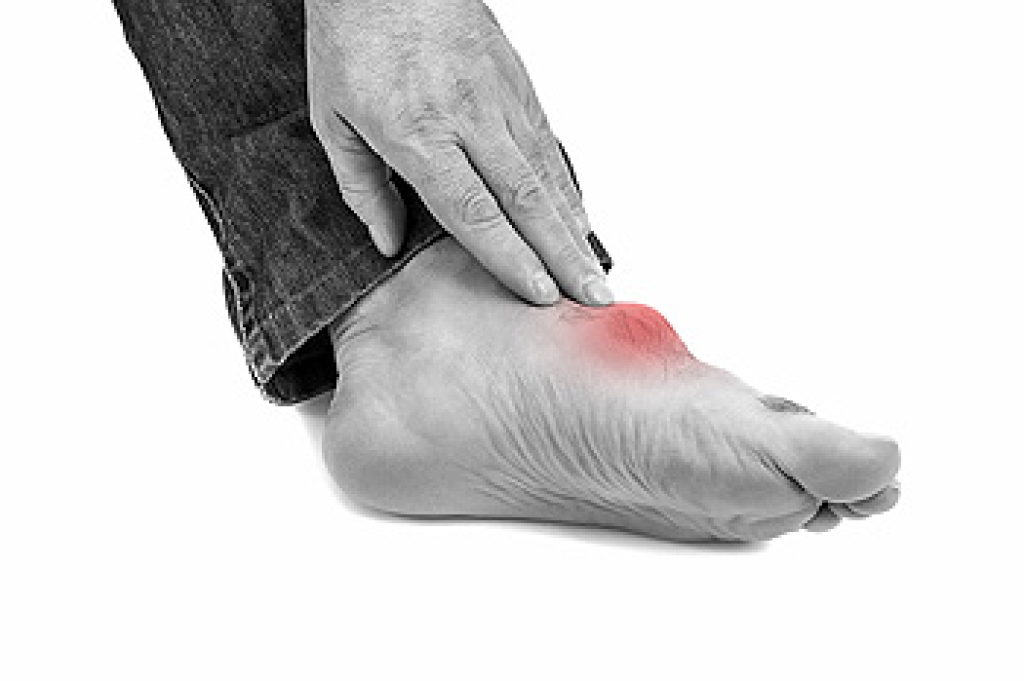
Gout is a condition caused by excess uric acid building up in the body. Gout tends to occur in the big toe and typically causes symptoms such as joint pain, swelling, redness, and warmth. However, gout can also bring about unusual symptoms. Sometimes gout may cause a fever and other flu-like symptoms, such as fatigue. This is more likely to occur when two or more joints are affected at once, and may also be a sign of rheumatoid arthritis, which can co-occur with gout. Another less frequent symptom can be bumps under the skin near a joint. These bumps have a medical term known as tophi and usually do not cause pain. If left untreated, they may lead to complications such as decreased range of motion in the affected joint. If you suspect that you are afflicted with gout, it is recommended that you see a podiatrist for proper evaluation and treatment. 

Gout is a foot condition that requires certain treatment and care. If you are seeking treatment, contact one of our podiatrists from APEX Foot & Ankle Center. Our doctors will treat your foot and ankle needs.

What Is Gout?

Gout is a type of arthritis caused by a buildup of uric acid in the bloodstream. It often develops in the foot, especially the big toe area, although it can manifest in other parts of the body as well. Gout can make walking and standing very painful and is especially common in diabetics and the obese.

People typically get gout because of a poor diet. Genetic predisposition is also a factor. The children of parents who have had gout frequently have a chance of developing it themselves.

Gout can easily be identified by redness and inflammation of the big toe and the surrounding areas of the foot. Other symptoms include extreme fatigue, joint pain, and running high fevers. Sometimes corticosteroid drugs can be prescribed to treat gout, but the best way to combat this disease is to get more exercise and eat a better diet.

If you have any questions, please feel free to contact our offices located in Fort Myers, Shellpoint, and Naples, FL . We offer the newest diagnostic and treatment technologies for all your foot care needs.


Read more about Gout

Do Your Child's Feet Hurt?

Have your child's feet been examined lately? Healthy feet are happy feet. If your child is complaining of foot pain, it may be a sign of underlying problems.

Exercise May Help Prevent and Treat Peripheral Artery Disease

Regular exercise is important for maintaining cardiovascular health. It helps strengthen the heart and eliminates extra cholesterol from the bloodstream, while also helping to reduce excess fat and blood pressure. Peripheral artery disease (PAD) is a condition that causes poor circulation to your lower limbs due to plaque buildup in your arteries. PAD often leads to leg pain, especially during physical activity. Fortunately, if you have PAD or are at an increased risk of developing this condition, exercise can help prevent or reverse it. The recommended form of exercise for improving cardiovascular health is aerobic exercise, which includes activities like walking, running, biking, swimming, or taking aerobics classes. Start with low-impact activities and stay consistent for best results. If you have PAD, it is also recommended that you are under the care of a podiatrist, who can monitor your condition and provide treatment to keep you on your feet.

Peripheral artery disease can pose a serious risk to your health. It can increase the risk of stroke and heart attack. If you have symptoms of peripheral artery disease, consult with one of our podiatrists from APEX Foot & Ankle Center. Our doctors will assess your condition and provide you with quality foot and ankle treatment.

Peripheral artery disease (PAD) is when arteries are constricted due to plaque (fatty deposits) build-up. This results in less blood flow to the legs and other extremities. The main cause of PAD is atherosclerosis, in which plaque builds up in the arteries.

Symptoms

Symptoms of PAD include:

  • Claudication (leg pain from walking)
  • Numbness in legs
  • Decrease in growth of leg hair and toenails
  • Paleness of the skin
  • Erectile dysfunction
  • Sores and wounds on legs and feet that won’t heal
  • Coldness in one leg

It is important to note that a majority of individuals never show any symptoms of PAD.

Diagnosis

While PAD occurs in the legs and arteries, Podiatrists can diagnose PAD. Podiatrists utilize a test called an ankle-brachial index (ABI). An ABI test compares blood pressure in your arm to you ankle to see if any abnormality occurs. Ultrasound and imaging devices may also be used.

Treatment

Fortunately, lifestyle changes such as maintaining a healthy diet, exercising, managing cholesterol and blood sugar levels, and quitting smoking, can all treat PAD. Medications that prevent clots from occurring can be prescribed. Finally, in some cases, surgery may be recommended.

If you have any questions, please feel free to contact our offices located in Fort Myers, Shellpoint, and Naples, FL . We offer the newest diagnostic and treatment technologies for all your foot care needs.

Read more about Peripheral Artery Disease

Elderly People and Falling

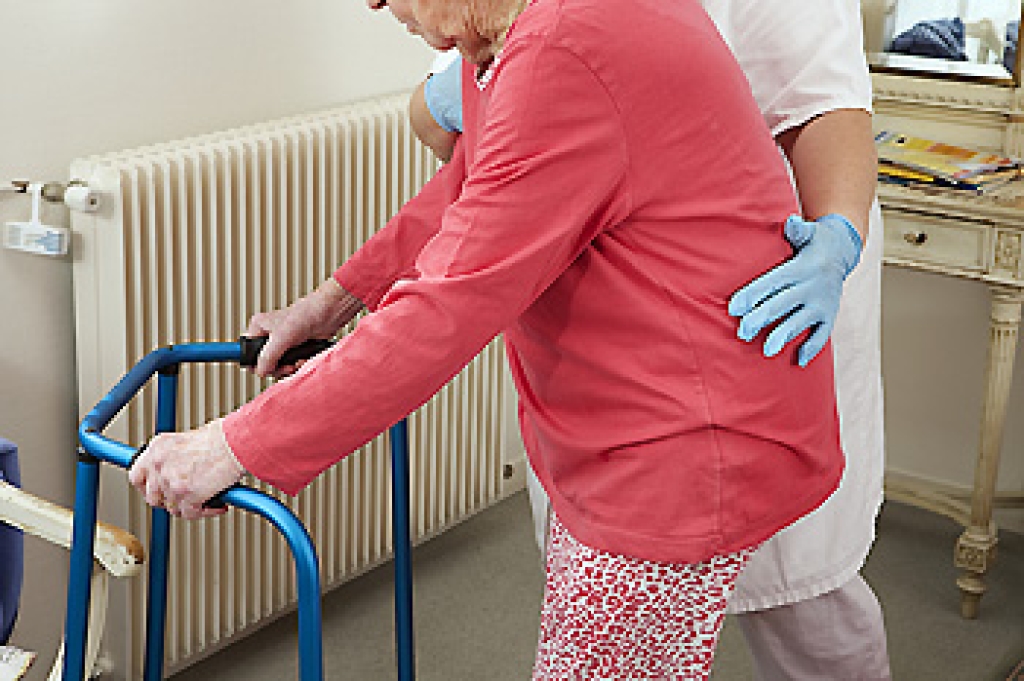
Falling can be a devastating experience, and it is common among people who are aged sixty-five and older. It can cause severe foot injuries, and may compromise the quality of life. Falls can happen for a variety of reasons, including wearing shoes that do not fit correctly, muscle weakness, or safety hazards in the living environment. There are methods that can be implemented which may help to reduce the risk of falling. These can consist of having regular medical and vision examinations where existing medications can be reviewed, keeping rooms uncluttered, and installing grab bars in the shower and toilet area. If you would like more information about how falling can affect the feet, please speak to a podiatrist who can help you with proper preventive methods.

Preventing falls among the elderly is very important. If you are older and have fallen or fear that you are prone to falling, consult with one of our podiatrists from APEX Foot & Ankle Center. Our doctors will assess your condition and provide you with quality advice and care.

Every 11 seconds, an elderly American is being treated in an emergency room for a fall related injury. Falls are the leading cause of head and hip injuries for those 65 and older. Due to decreases in strength, balance, senses, and lack of awareness, elderly persons are very susceptible to falling. Thankfully, there are a number of things older persons can do to prevent falls.

How to Prevent Falls

Some effective methods that older persons can do to prevent falls include:

  • Enrolling in strength and balance exercise program to increase balance and strength
  • Periodically having your sight and hearing checked
  • Discuss any medications you have with a doctor to see if it increases the risk of falling
  • Clearing the house of falling hazards and installing devices like grab bars and railings
  • Utilizing a walker or cane
  • Wearing shoes that provide good support and cushioning
  • Talking to family members about falling and increasing awareness

Falling can be a traumatic and embarrassing experience for elderly persons; this can make them less willing to leave the house, and less willing to talk to someone about their fears of falling. Doing such things, however, will increase the likelihood of tripping or losing one’s balance. Knowing the causes of falling and how to prevent them is the best way to mitigate the risk of serious injury.  

If you have any questions, please feel free to contact our offices located in Fort Myers, Shellpoint, and Naples, FL . We offer the newest diagnostic and treatment technologies for all your foot care needs.

Read more about Falls Prevention

Are You at Risk for Sesamoiditis?

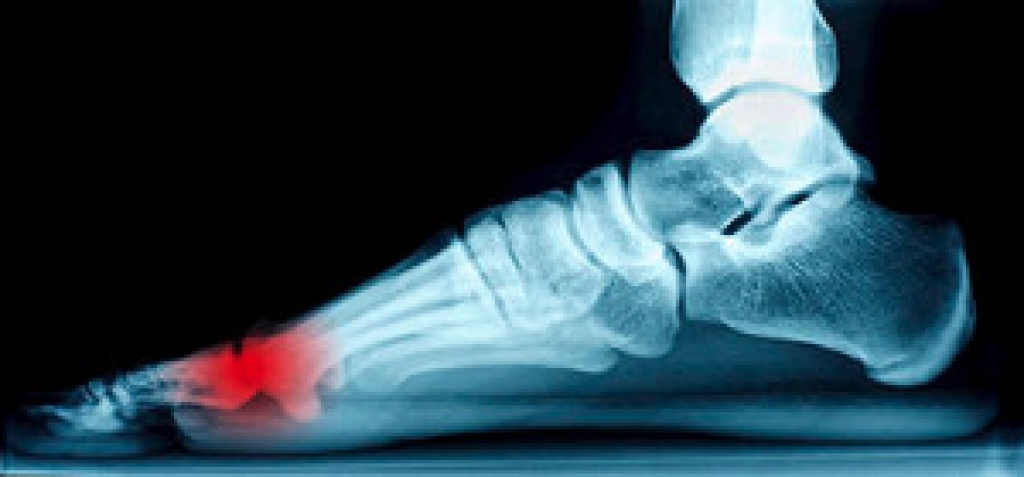
Sesamoiditis refers to pain around the sesamoids, two tiny bones near the big toe that help move the foot. The most common symptom of this condition is pain that is usually made worse by walking or wearing high-heeled or thin-soled shoes. Swelling, warmth, and redness due to inflammation may also occur. Sesamoiditis is particularly common amongst dancers, joggers, high heel wearers, people who have high foot arches, and people who have bunions. Treatment usually entails wearing flat, thick-soled shoes or orthotics to ease the pressure on the sesamoid bones. If you are experiencing foot pain, it is recommended that you see a podiatrist, who can diagnose and treat your condition.

Sesamoiditis is an unpleasant foot condition characterized by pain in the balls of the feet. If you think you’re struggling with sesamoiditis, contact one of our podiatrists of APEX Foot & Ankle Center. Our doctors will treat your condition thoroughly and effectively.

Sesamoiditis

Sesamoiditis is a condition of the foot that affects the ball of the foot. It is more common in younger people than it is in older people. It can also occur with people who have begun a new exercise program, since their bodies are adjusting to the new physical regimen. Pain may also be caused by the inflammation of tendons surrounding the bones. It is important to seek treatment in its early stages because if you ignore the pain, this condition can lead to more serious problems such as severe irritation and bone fractures.

Causes of Sesamoiditis

  • Sudden increase in activity
  • Increase in physically strenuous movement without a proper warm up or build up
  • Foot structure: those who have smaller, bonier feet or those with a high arch may be more susceptible

Treatment for sesamoiditis is non-invasive and simple. Doctors may recommend a strict rest period where the patient forgoes most physical activity. This will help give the patient time to heal their feet through limited activity. For serious cases, it is best to speak with your doctor to determine a treatment option that will help your specific needs.

If you have any questions, please feel free to contact our offices located in Fort Myers, Shellpoint, and Naples, FL . We offer the newest diagnostic and treatment technologies for all your foot care needs.

Read more about Sesamoiditis

How to Determine If I Have Flat Feet

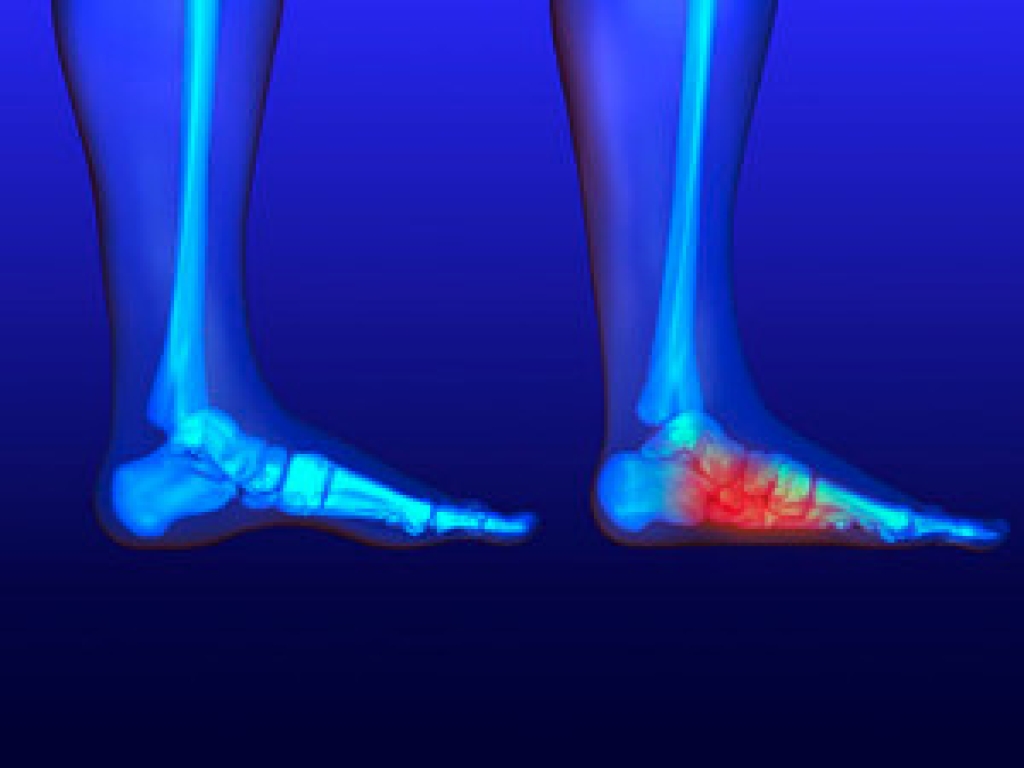
The condition that is known as flat feet can be noticeable while standing on the floor. The arch area of the feet will lie flat on the floor, and the feet may feel achy. The majority of babies are born with flat feet, and the arch typically develops throughout childhood. The arch provides flexibility between the front and back of the foot, in addition to dispersing body weight while standing up. Many patients with flat feet choose to wear custom made orthotics, and this may help to provide mild relief with additional cushioning. If you have pain in your feet and think you may have flat feet, it is suggested that you consult with a podiatrist who can properly diagnose you and offer treatment options.

Flatfoot is a condition many people suffer from. If you have flat feet, contact one of our podiatrists from APEX Foot & Ankle Center. Our doctors will treat your foot and ankle needs.

What Are Flat Feet?

Flatfoot is a condition in which the arch of the foot is depressed and the sole of the foot is almost completely in contact with the ground. About 20-30% of the population generally has flat feet because their arches never formed during growth.

Conditions & Problems:

Having flat feet makes it difficult to run or walk because of the stress placed on the ankles.

Alignment – The general alignment of your legs can be disrupted, because the ankles move inward which can cause major discomfort.

Knees – If you have complications with your knees, flat feet can be a contributor to arthritis in that area.  

Symptoms

  • Pain around the heel or arch area
  • Trouble standing on the tip toe
  • Swelling around the inside of the ankle
  • Flat look to one or both feet
  • Having your shoes feel uneven when worn

Treatment

If you are experiencing pain and stress on the foot you may weaken the posterior tibial tendon, which runs around the inside of the ankle. 

If you have any questions, please feel free to contact our offices located in Fort Myers, Shellpoint, and Naples, FL . We offer the newest diagnostic and treatment technologies for all your foot care needs.

Read more about Flatfoot

Wounds That Don't Heal Need to Be Checked

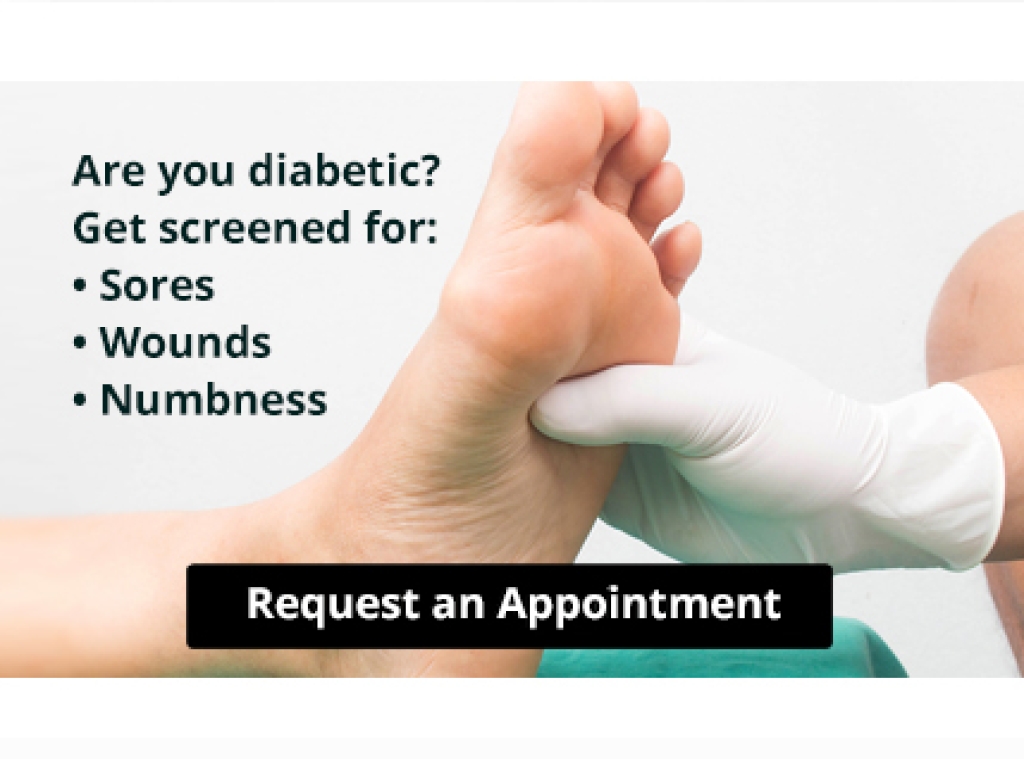
Your feet are covered most of the day. If you're diabetic, periodic screening is important for good health. Numbness is often a sign of diabetic foot and can mask a sore or wound.

Walking and Stretching the Feet

As the aging process occurs, the feet may undergo general wear and tear. This can be a result of wearing shoes for years that do not fit correctly and trimming the toenails improperly. It is beneficial to practice good foot care, and this consists of checking the feet daily for existing cuts or bruises. Additionally, it is helpful to elevate the feet as often as possible, as this can help to improve circulation. When frequent walking and stretching are practiced, not only will the feet feel good, but the benefits may radiate to the entire body. Research has indicated that the foot may change size as we age, so it is important to measure the feet every time a new pair of shoes is purchased. If you would like more information about how aging can affect the feet, please consult with a podiatrist. 

Proper foot care is something many older adults forget to consider. If you have any concerns about your feet and ankles, contact one of our podiatrists from APEX Foot & Ankle Center. Our doctors can provide the care you need to keep you pain-free and on your feet.

The Elderly and Their Feet

As we age we start to notice many changes in our body, but the elder population may not notice them right away. Medical conditions may prevent the elderly to take notice of their foot health right away. Poor vision is a lead contributor to not taking action for the elderly.

Common Conditions 

  • Neuropathy – can reduce feeling in the feet and can hide many life-threatening medical conditions.
  • Reduced flexibility – prevents the ability of proper toenail trimming, and foot cleaning. If left untreated, it may lead to further medical issues.
  • Foot sores – amongst the older population can be serious before they are discovered. Some of the problematic conditions they may face are:
  • Gouging toenails affecting nearby toe
  • Shoes that don’t fit properly
  • Pressure sores
  • Loss of circulation in legs & feet
  • Edema & swelling of feet and ankles

Susceptible Infections

Diabetes and poor circulation can cause general loss of sensitivity over the years, turning a simple cut into a serious issue.

If you have any questions, please feel free to contact our offices located in Fort Myers, Shellpoint, and Naples, FL . We offer the newest diagnostic and treatment technologies for all your foot care needs.

Read more about Elderly and their Feet

Excessively Sweaty Feet

Some people may experience a condition that is referred to as plantar hyperhidrosis. This ailment causes the feet to sweat excessively and can cause discomfort and embarrassment. It can occur as a result of a thyroid disorder, genetic factors, and obesity. In severe cases, sweaty feet may cause shoes to slip off, and dangerous scenarios may happen while driving if the affected foot slips off the brake. Mild cases of plantar hyperhidrosis may be treated with anti-anxiety medication. For more severe cases, surgery may be considered to clip the nerve, and permanently remove it. If you are afflicted with this condition, it is advised that you seek the counsel of a podiatrist who can properly treat plantar hyperhidrosis.

If you are suffering from hyperhidrosis contact one of our podiatrists of APEX Foot & Ankle Center. Our doctors can provide the care you need to attend to all of your foot and ankle needs.

Hyperhidrosis of the Feet

Hyperhidrosis is a rare disorder that can cause people to have excessive sweating of their feet. This can usually occur all on its own without rigorous activity involved. People who suffer from hyperhidrosis may also experience sweaty palms.

Although it is said that sweating is a healthy process meant to cool down the body temperature and to maintain a proper internal temperature, hyperhidrosis may prove to be a huge hindrance on a person’s everyday life.

Plantar hyperhidrosis is considered to be the main form of hyperhidrosis. Secondary hyperhidrosis can refer to sweating that occurs in areas other than the feet or hands and armpits. Often this may be a sign of it being related to another medical condition such as menopause, hyperthyroidism and even Parkinson’s disease.

In order to alleviate this condition, it is important to see your doctor so that they may prescribe the necessary medications so that you can begin to live a normal life again. If this is left untreated, it is said that it will persist throughout an individual’s life.

A last resort approach would be surgery, but it is best to speak with your doctor to find out what may be the best treatment for you.

If you have any questions, please feel free to contact our offices located in Fort Myers, Shellpoint, and Naples, FL . We offer the newest diagnostic and treatment technologies for all your foot care needs.

Read more about Hyperhidrosis of the Feet

What Causes an Ingrown Toenail?

Ingrown toenails can be incredibly uncomfortable, sensitive to the touch, and can cause a great deal of pain. Ingrown toenails can be caused by trimming the toenails too short, injury to the toenail, having curved toenails due to genetics, wearing ill-fitting shoes that are too tight, and poor hygiene. If left untreated, the toenail may become infected, causing drainage and bleeding. The affected toe may become swollen and red as well. Some patients have found relief by soaking their feet in a bath of warm water and epsom salts, and by wearing comfortable shoes. If you feel you have developed an ingrown toenail, please consult with a podiatrist for a proper diagnosis and advised treatment plan.

Ingrown toenails may initially present themselves as a minor discomfort, but they may progress into an infection in the skin without proper treatment. For more information about ingrown toenails, contact one of our podiatrists of APEX Foot & Ankle Center. Our doctors can provide the care you need to keep you pain-free and on your feet.

Ingrown Toenails

Ingrown toenails are caused when the corner or side of a toenail grows into the soft flesh surrounding it. They often result in redness, swelling, pain, and in some cases, infection. This condition typically affects the big toe and may recur if it is not treated properly.

Causes

  • Improper toenail trimming
  • Genetics
  • Improper shoe fitting
  • Injury from pedicures or nail picking
  • Abnormal gait
  • Poor hygiene

You are more likely to develop an ingrown toenail if you are obese, have diabetes, arthritis, or have any fungal infection in your nails. Additionally, people who have foot or toe deformities are at a higher risk of developing an ingrown toenail.

Symptoms

Some symptoms of ingrown toenails are redness, swelling, and pain. In rare cases, there may be a yellowish drainage coming from the nail.

Treatment

Ignoring an ingrown toenail can have serious complications. Infections of the nail border can progress to a deeper soft-tissue infection, which can then turn into a bone infection. You should always speak with your podiatrist if you suspect you have an ingrown toenail, especially if you have diabetes or poor circulation.

If you have any questions, please feel free to contact our offices located in Fort Myers, Shellpoint, and Naples, FL . We offer the newest diagnostic and treatment technologies for all your foot care needs.

Read more about Ingrown Toenail Care

Connect With Us

Advanced Podiatric Procedures & Services in the Fort Myers, FL 33908 and Naples, FL 34110 areas