Arthritis and the Feet

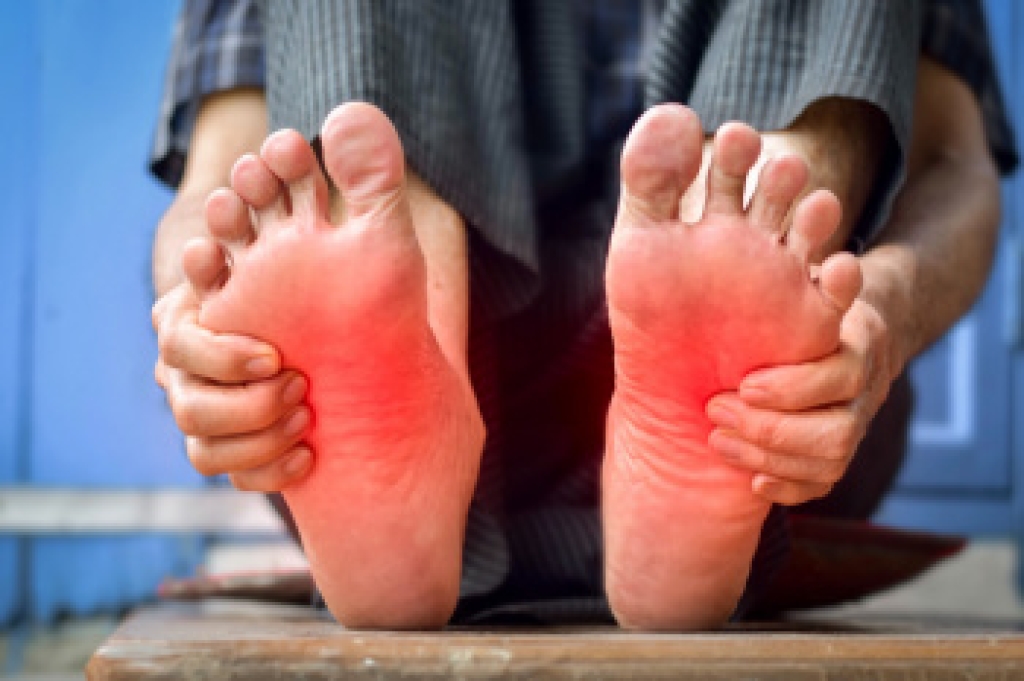
Arthritis can significantly impact the feet, leading to pain, swelling, and difficulty in walking. Several types of arthritis can affect the feet, with osteoarthritis and rheumatoid arthritis being the most common. Osteoarthritis, often referred to as wear-and-tear arthritis, occurs when the protective cartilage that cushions the ends of bones wears down over time. This can lead to pain and stiffness in the feet, particularly in the joints of the toes and ankles. Rheumatoid arthritis, on the other hand, is an autoimmune condition where the body's immune system attacks the joints, causing inflammation and deformity. Treatment options for arthritis in the feet vary depending on the type and severity of the condition. They may include medication to reduce pain and inflammation, exercise to improve joint function and mobility, and orthotic devices to support the feet. In severe cases, surgery may be necessary to repair or replace damaged joints. If you are experiencing foot pain or discomfort due to arthritis, it is suggested that you schedule an appointment with a podiatrist who can provide specialized care and a tailored treatment plan to alleviate the symptoms, and improve your quality of life.

Arthritis can be a difficult condition to live with. If you are seeking treatment, contact one of our podiatrists from APEX Foot & Ankle Center. Our doctors can provide the care you need to keep you pain-free and on your feet.

Arthritic Foot Care  

Arthritis is a joint disorder that involves the inflammation of different joints in your body, such as those in your feet. Arthritis is often caused by a degenerative joint disease and causes mild to severe pain in all affected areas. In addition to this, swelling and stiffness in the affected joints can also be a common symptom of arthritis.

In many cases, wearing ill-fitting shoes can worsen the effects and pain of arthritis. Wearing shoes that have a lower heel and extra room can help your feet feel more comfortable. In cases of rheumatoid arthritis, the arch in your foot may become problematic. Buying shoes with proper arch support that contour to your feet can help immensely.

Alleviating Arthritic Pain

  • Exercises that stretch the foot can prevent further pain and injury and increase mobility
  • Most of the pain can be alleviated with anti-inflammatory drugs, heat, and topical medications
  • Massages can help temporarily alleviate pain.

It is best to see your doctor for the treatment that is right for your needs and symptoms. Conditions vary, and a podiatrist can help you determine the right method of care for your feet.

If you have any questions please feel free to contact our offices located in Fort Myers, Shellpoint, and Naples, FL . We offer the newest diagnostic tools and technology to treat your foot and ankle needs.


Read more about Arthritic Foot Care

Are You Suffering From Ingrown Toenails?

If left untreated, an ingrown toenail can lead to more serious concerns, such as an infection. Knowing proper nail care can help in the prevention of an ingrown toenail. Give us a call, and get treated!

Causes of Children's Toe Injuries

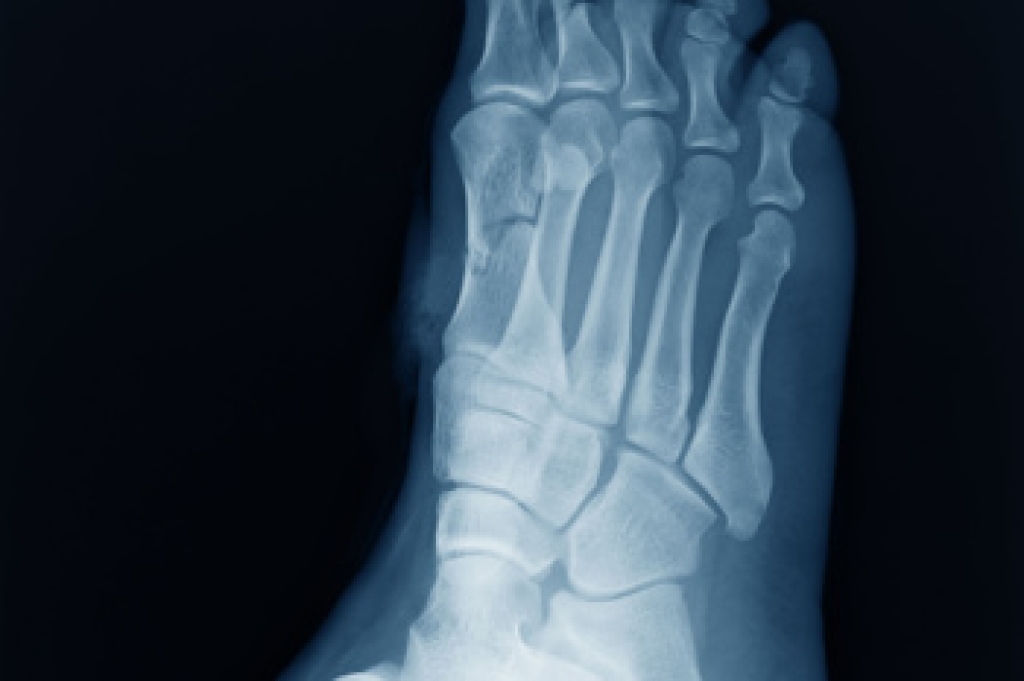
In the world of childhood mishaps, toe injuries rank among the most prevalent, encompassing a spectrum of ailments from jammed toes to fractures. Jammed toes often occur during vigorous play or sports, where sudden stops or collisions can cause the toe to forcefully bend, leading to pain and swelling. Toenail injuries are another common occurrence, typically the result of stubbing or dropping heavy objects on the toe, causing pain, bleeding, or even toenail loss. Additionally, subungual hematoma, characterized by blood pooling under the toenail, often arises from trauma or repetitive pressure on the toe, causing discomfort and discoloration. Fractures, though less frequent, can happen due to severe impact or twisting motions, resulting in pain, swelling, and potential deformity. If your child has endured a toe injury, it is suggested that you contact a podiatrist who can offer appropriate treatment options.

Toe pain can disrupt your daily activities. If you have any concerns, contact one of our podiatrists of APEX Foot & Ankle Center. Our doctors can provide the care you need to keep you pain-free and on your feet.

What Causes Toe Pain?

Most severe toe pain is caused due to a sports injury, trauma from dropping something heavy on the toe, or bumping into something rigid. Other problems can develop over time for various reasons.

Toe pain can be caused by one or more ailments. The most common include:

  • Trauma
  • Sports injury
  • Wearing shoes that are too tight
  • Arthritis
  • Gout
  • Corns and calluses
  • Hammertoe
  • Bunions
  • Blisters
  • Ingrown toenails
  • Sprains
  • Fractures (broken bones)
  • Dislocations

When to See a Podiatrist

  • Severe pain
  • Persistent pain that lasts more than a week
  • Signs of infection
  • Continued swelling
  • Pain that prevents walking

Diagnosis

In many cases the cause of toe pain is obvious, but in others, a podiatrist may want to use more advanced methods to determine the problem. These can range from simple visual inspections and sensation tests to X-rays and MRI scans. Prior medical history, family medical history, and any recent physical traumatic events will all be taken into consideration for a proper diagnosis.

Treatment

Treatments for toe pain and injuries vary and may include shoe inserts, padding, taping, medicines, injections, and in some cases, surgery. If you believe that you have broken a toe, please see a podiatrist as soon as possible.

If you have any questions please contact our offices located in Fort Myers, Shellpoint, and Naples, FL . We offer the newest diagnostic and treatment technologies for all your foot and ankle needs.

Read more about Toe Pain

Cuboid Syndrome in Athletes

Cuboid syndrome is a condition where the cuboid bone, located on the outer side of the midfoot, becomes partially dislocated or misaligned. This often occurs due to injury or repetitive strain. Athletes are more likely to get cuboid syndrome than other groups because their activities, such as running or jumping, put significant stress on the foot's complex structures. This is especially true for those in sports requiring sudden changes of direction or explosive movements. Symptoms of cuboid syndrome may include intense lateral foot pain, redness, and swelling. A podiatrist, or foot doctor, can treat cuboid syndrome through manual manipulation to realign the bone, along with rest, compression, and elevation to reduce inflammation. Additionally, the use of taping techniques and custom orthotics may help stabilize the cuboid bone and prevent recurrence, allowing athletes to return to their activities with reduced risk of further injury. If you suspect cuboid syndrome, it is suggested you make an appointment with a podiatrist as soon as possible. 

Cuboid syndrome, also known as cuboid subluxation, occurs when the joints and ligaments near the cuboid bone in the foot become torn. If you have cuboid syndrome, consult with one of our podiatrists from APEX Foot & Ankle Center. Our doctors will assess your condition and provide you with quality foot and ankle treatment.

Cuboid syndrome is a common cause of lateral foot pain, which is pain on the outside of the foot. The condition may happen suddenly due to an ankle sprain, or it may develop slowly overtime from repetitive tension through the bone and surrounding structures.

Causes

The most common causes of cuboid syndrome include:

  • Injury – The most common cause of this ailment is an ankle sprain.
  • Repetitive Strain – Tension placed through the peroneus longus muscle from repetitive activities such as jumping and running may cause excessive traction on the bone causing it to sublux.
  • Altered Foot Biomechanics – Most people suffering from cuboid subluxation have flat feet.

Symptoms

A common symptom of cuboid syndrome is pain along the outside of the foot which can be felt in the ankle and toes. This pain may create walking difficulties and may cause those with the condition to walk with a limp.

Diagnosis

Diagnosis of cuboid syndrome is often difficult, and it is often misdiagnosed. X-rays, MRIs and CT scans often fail to properly show the cuboid subluxation. Although there isn’t a specific test used to diagnose cuboid syndrome, your podiatrist will usually check if pain is felt while pressing firmly on the cuboid bone of your foot.

Treatment

Just as the range of causes varies widely, so do treatments. Some more common treatments are ice therapy, rest, exercise, taping, and orthotics.

If you have any questions, please feel free to contact our offices located in Fort Myers, Shellpoint, and Naples, FL . We offer the newest diagnostic and treatment technologies for all your foot care needs.

Read more about All About Cuboid Syndrome

Risk Factors for Athlete’s Foot

Athlete's foot, a fungal infection that affects the skin on the feet, is especially common among people who frequent damp, warm areas where the fungus thrives. These often include public showers, locker rooms, and swimming pools. The infection spreads easily through direct contact with contaminated surfaces. Wearing tight-fitting, closed-toe shoes can increase the risk, as the warm, moist environment is ideal for fungal growth. People who sweat excessively may be more prone to the infection due to increased moisture levels. Sharing towels, shoes, or socks with someone who has athlete's foot can also transmit the fungus. To reduce the risk of contracting athlete's foot, wearing moisture-wicking socks, using antifungal powders or sprays, and maintaining dry feet are often suggested. Regular foot hygiene and avoiding direct contact with potentially contaminated surfaces are also key preventive measures. If you suspect you have athlete’s foot, it is suggested that you make an appointment with a podiatrist for a diagnosis and care.

Athlete’s Foot

Athlete’s foot is often an uncomfortable condition to experience. Thankfully, podiatrists specialize in treating athlete’s foot and offer the best treatment options. If you have any questions about athlete’s foot, consult with one of our podiatrists from APEX Foot & Ankle Center. Our doctors will assess your condition and provide you with quality treatment.

What Is Athlete’s Foot?

Tinea pedis, more commonly known as athlete’s foot, is a non-serious and common fungal infection of the foot. Athlete’s foot is contagious and can be contracted by touching someone who has it or infected surfaces. The most common places contaminated by it are public showers, locker rooms, and swimming pools. Once contracted, it grows on feet that are left inside moist, dark, and warm shoes and socks.

Prevention

The most effective ways to prevent athlete’s foot include:

  • Thoroughly washing and drying feet
  • Avoid going barefoot in locker rooms and public showers
  • Using shower shoes in public showers
  • Wearing socks that allow the feet to breathe
  • Changing socks and shoes frequently if you sweat a lot

Symptoms

Athlete’s foot initially occurs as a rash between the toes. However, if left undiagnosed, it can spread to the sides and bottom of the feet, toenails, and if touched by hand, the hands themselves. Symptoms include:

  • Redness
  • Burning
  • Itching
  • Scaly and peeling skin

Diagnosis and Treatment

Diagnosis is quick and easy. Skin samples will be taken and either viewed under a microscope or sent to a lab for testing. Sometimes, a podiatrist can diagnose it based on simply looking at it. Once confirmed, treatment options include oral and topical antifungal medications.

If you have any questions, please feel free to contact our offices located in Fort Myers, Shellpoint, and Naples, FL . We offer the newest diagnostic and treatment technologies for all your foot care needs.

Read more about Athlete’s Foot

Connect With Us

Advanced Podiatric Procedures & Services in the Fort Myers, FL 33908 and Naples, FL 34110 areas