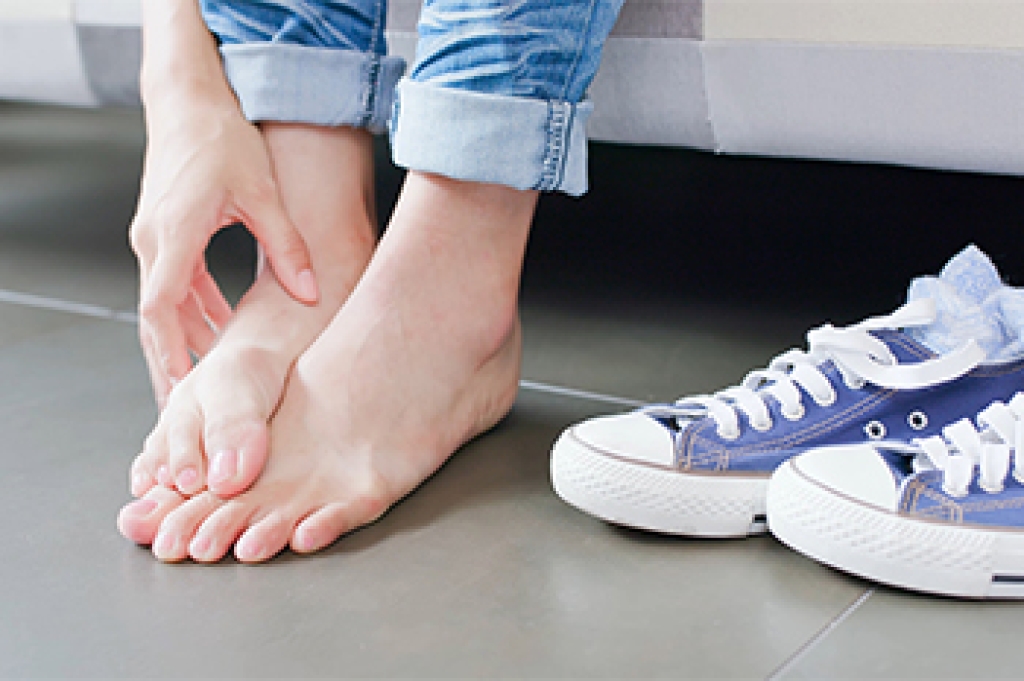
Three Types of Athlete’s Foot

A rash that develops on the foot may be athlete’s foot. It is an uncomfortable condition that is found between the toes and on the bottom of the foot, and severe itching is a common symptom. Additionally, the skin may turn red, and small blisters can be seen. Athlete’s foot is caused by a fungus that lives in warm environments, such as shower room floors and public swimming pools. It can enter the body through small cracks in the skin, and it is suggested to wear appropriate shoes while in these areas. These can consist of flip-flops or water shoes, and walking barefoot is frowned upon. There are three categories of athlete’s foot which can slightly differ. Peeling or cracked skin that is found between the fourth and fifth toes may indicate a toe web infection has developed. A moccasin-type infection may start with a sore foot, then followed by the skin becoming thick. Blisters that are on the sole of the foot may be the beginning of a vesicular infection and may travel to other parts of the foot. If you are afflicted with any type of athlete's foot, please consult with a podiatrist who can prescribe the necessary medication for complete healing.

Athlete’s Foot

Athlete’s foot is often an uncomfortable condition to experience. Thankfully, podiatrists specialize in treating athlete’s foot and offer the best treatment options. If you have any questions about athlete’s foot, consult with one of our podiatrists from APEX Foot & Ankle Center. Our doctors will assess your condition and provide you with quality treatment.

What Is Athlete’s Foot?

Tinea pedis, more commonly known as athlete’s foot, is a non-serious and common fungal infection of the foot. Athlete’s foot is contagious and can be contracted by touching someone who has it or infected surfaces. The most common places contaminated by it are public showers, locker rooms, and swimming pools. Once contracted, it grows on feet that are left inside moist, dark, and warm shoes and socks.

Prevention

The most effective ways to prevent athlete’s foot include:

  • Thoroughly washing and drying feet
  • Avoid going barefoot in locker rooms and public showers
  • Using shower shoes in public showers
  • Wearing socks that allow the feet to breathe
  • Changing socks and shoes frequently if you sweat a lot

Symptoms

Athlete’s foot initially occurs as a rash between the toes. However, if left undiagnosed, it can spread to the sides and bottom of the feet, toenails, and if touched by hand, the hands themselves. Symptoms include:

  • Redness
  • Burning
  • Itching
  • Scaly and peeling skin

Diagnosis and Treatment

Diagnosis is quick and easy. Skin samples will be taken and either viewed under a microscope or sent to a lab for testing. Sometimes, a podiatrist can diagnose it based on simply looking at it. Once confirmed, treatment options include oral and topical antifungal medications.

If you have any questions, please feel free to contact our offices located in Fort Myers, Shellpoint, and Naples, FL . We offer the newest diagnostic and treatment technologies for all your foot care needs.

Read more about How to Deal with Athlete's Foot

Reminder: When Was the Last Time...?

Custom orthotics, or shoe inserts, should be periodically replaced. Orthotics must fit properly to give you the best results. Protect your feet and ankles!

Orthotics for Football Players

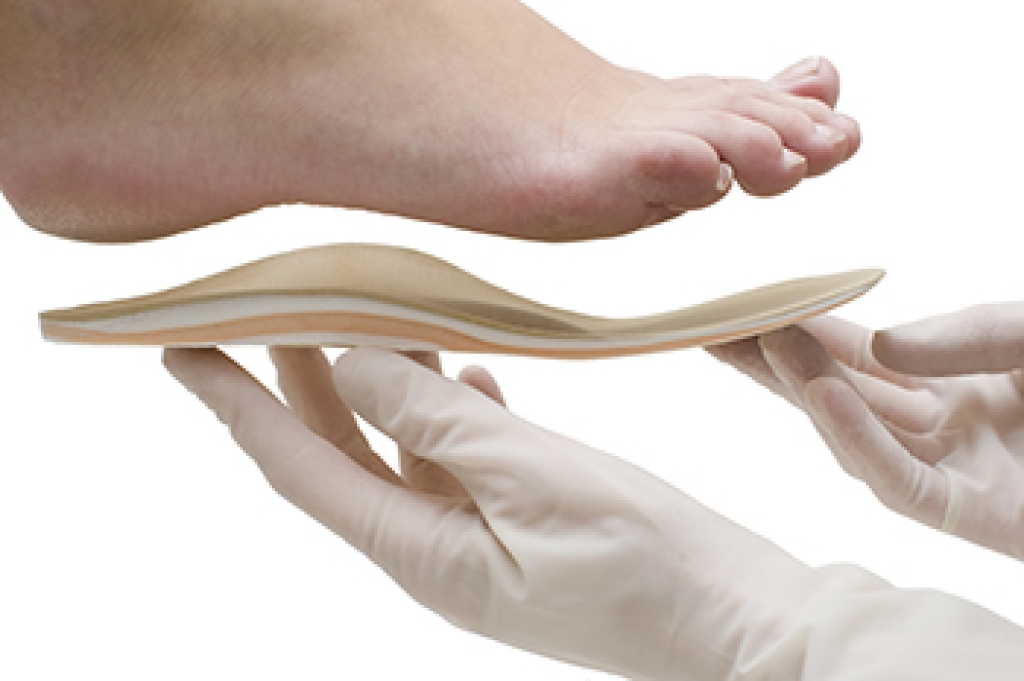
Many individuals who are not well-versed in podiatry might not be familiar with what orthotics are. Essentially, orthotics are inserts that can be worn in shoes. Orthotics are either custom-made for an individual’s unique foot shape or are over-the-counter. The purposes of using orthotics can vary, but they primarily consist of correcting deformities and providing support to the feet. Athletes are a group of individuals that might be particularly benefited from the use of orthotics. Football players especially might stand to benefit from wearing orthotic devices. This is because football players can benefit from extra support for lateral movements, such as sprinting or running. Orthotic devices can provide football players with precisely this kind of support for lateral movements. If you are someone who engages in football and is looking for ways to protect your feet, contact a podiatrist today.

If you are having discomfort in your feet and would like to try orthotics, contact one of our podiatrists from APEX Foot & Ankle Center. Our doctors can provide the care you need to keep you pain-free and on your feet.

What Are Orthotics?

Orthotics are inserts you can place into your shoes to help with a variety of foot problems such as flat feet or foot pain. Orthotics provide relief and comfort for minor foot and heel pain but can’t correct serious biomechanical problems in your feet.

Over-the-Counter Inserts

Orthotics come in a wide variety of over-the-counter inserts that are used to treat foot pain, heel pain, and minor problems. For example, arch supports can be inserted into your shoes to help correct overarched or flat feet, while gel insoles are often used because they provide comfort and relief from foot and heel pain by alleviating pressure.

Prescription Orthotics

If over-the-counter inserts don’t work for you or if you have a more severe foot concern, it is possible to have your podiatrist prescribe custom orthotics. These high-quality inserts are designed to treat problems such as abnormal motion, plantar fasciitis, and severe forms of heel pain. They can even be used to help patients suffering from diabetes by treating foot ulcers and painful calluses and are usually molded to your feet individually, which allows them to provide full support and comfort.

If you are experiencing minor to severe foot or heel pain, it’s recommended to speak with your podiatrist about the possibilities of using orthotics. A podiatrist can determine which type of orthotic is right for you and allow you to take the first steps towards being pain-free.

If you have any questions, please feel free to contact our offices located in Fort Myers, Shellpoint, and Naples, FL . We offer the newest diagnostic and treatment technologies for all your foot care needs.
Read more about Ankle Foot Orthotics for Athletes

Older People May Be Prone to Getting Ingrown Toenails

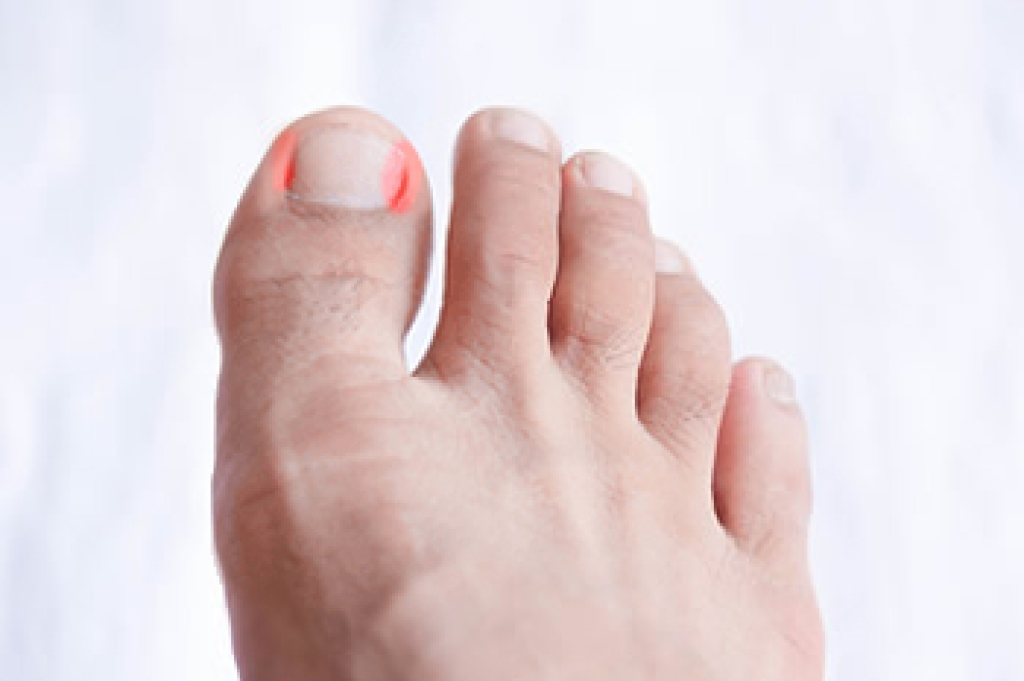
There is no mistaking when an ingrown toenail develops. It is often noticed when the nail grows into the skin instead of over it. If prompt medical attention is not received, it may ooze a discharge, and become infected. An ingrown toenail can happen for various reasons. Trimming the toenails incorrectly is a common reason, in addition to wearing shoes that are too tight. Older people may frequently get ingrown toenails, possibly as a result of having poor eyesight, or not being able to reach their toes. Some people find mild relief when they soak their feet in warm water, followed by gently pulling the skin away from the nail. This is a temporary solution, and the skin will often return to the way it was before the feet were soaked. A bandage may have to be worn over the tender skin for protection until professional medical attention is sought. If you have developed this condition, it is strongly suggested that you see a podiatrist sooner rather than later who can effectively treat an ingrown toenail. 

Ingrown toenails may initially present themselves as a minor discomfort, but they may progress into an infection in the skin without proper treatment. For more information about ingrown toenails, contact one of our podiatrists of APEX Foot & Ankle Center. Our doctors can provide the care you need to keep you pain-free and on your feet.

Ingrown Toenails

Ingrown toenails are caused when the corner or side of a toenail grows into the soft flesh surrounding it. They often result in redness, swelling, pain, and in some cases, infection. This condition typically affects the big toe and may recur if it is not treated properly.

Causes

  • Improper toenail trimming
  • Genetics
  • Improper shoe fitting
  • Injury from pedicures or nail picking
  • Abnormal gait
  • Poor hygiene

You are more likely to develop an ingrown toenail if you are obese, have diabetes, arthritis, or have any fungal infection in your nails. Additionally, people who have foot or toe deformities are at a higher risk of developing an ingrown toenail.

Symptoms

Some symptoms of ingrown toenails are redness, swelling, and pain. In rare cases, there may be a yellowish drainage coming from the nail.

Treatment

Ignoring an ingrown toenail can have serious complications. Infections of the nail border can progress to a deeper soft-tissue infection, which can then turn into a bone infection. You should always speak with your podiatrist if you suspect you have an ingrown toenail, especially if you have diabetes or poor circulation.

If you have any questions, please feel free to contact our offices located in Fort Myers, Shellpoint, and Naples, FL . We offer the newest diagnostic and treatment technologies for all your foot care needs.

Read more about Ingrown Toenails

Fun Facts About Foot Biomechanics

The feet are wonderfully complex and intricate parts of the human body. The foot is made up of a variety of bones, muscles, tendons, and ligaments that each serve a unique and important function in supporting the foot and its movement. Many individuals complain about having sweaty feet. This is explained, interestingly, by the more than 250,000 different sweat glands that are located in the feet. In just one day, the feet are capable of producing about half a pint of sweat. This fact may seem surprising, but it is nonetheless true. Additionally, another fun fact about the biomechanics of the feet is that there are more than 8,000 nerves located in the feet. As a result, the feet are particularly ticklish body parts. This large number of nerves is generally thought to be the reason for the feet being particularly ticklish. For more fun facts about the biomechanics of the feet, contact your podiatrist, a foot specialist, today. 

If you have any concerns about your feet, contact one of our podiatrists from APEX Foot & Ankle Center. Our doctors can provide the care you need to keep you pain-free and on your feet.

Biomechanics in Podiatry

Podiatric biomechanics is a particular sector of specialty podiatry with licensed practitioners who are trained to diagnose and treat conditions affecting the foot, ankle and lower leg. Biomechanics deals with the forces that act against the body, causing an interference with the biological structures. It focuses on the movement of the ankle, the foot and the forces that interact with them.

A History of Biomechanics

  • Biomechanics dates back to the BC era in Egypt where evidence of professional foot care has been recorded.
  • In 1974, biomechanics gained a higher profile from the studies of Merton Root, who claimed that by changing or controlling the forces between the ankle and the foot, corrections or conditions could be implemented to gain strength and coordination in the area.

Modern technological improvements are based on past theories and therapeutic processes that provide a better understanding of podiatric concepts for biomechanics. Computers can provide accurate information about the forces and patterns of the feet and lower legs.

Understanding biomechanics of the feet can help improve and eliminate pain, stopping further stress to the foot.

If you have any questions please feel free to contact our offices located in Fort Myers, Shellpoint, and Naples, FL . We offer the newest diagnostic and treatment technologies for all your foot and ankle needs.

Read more about The Importance of Biomechanics in Podiatry

Connect With Us

Advanced Podiatric Procedures & Services in the Fort Myers, FL 33908 and Naples, FL 34110 areas