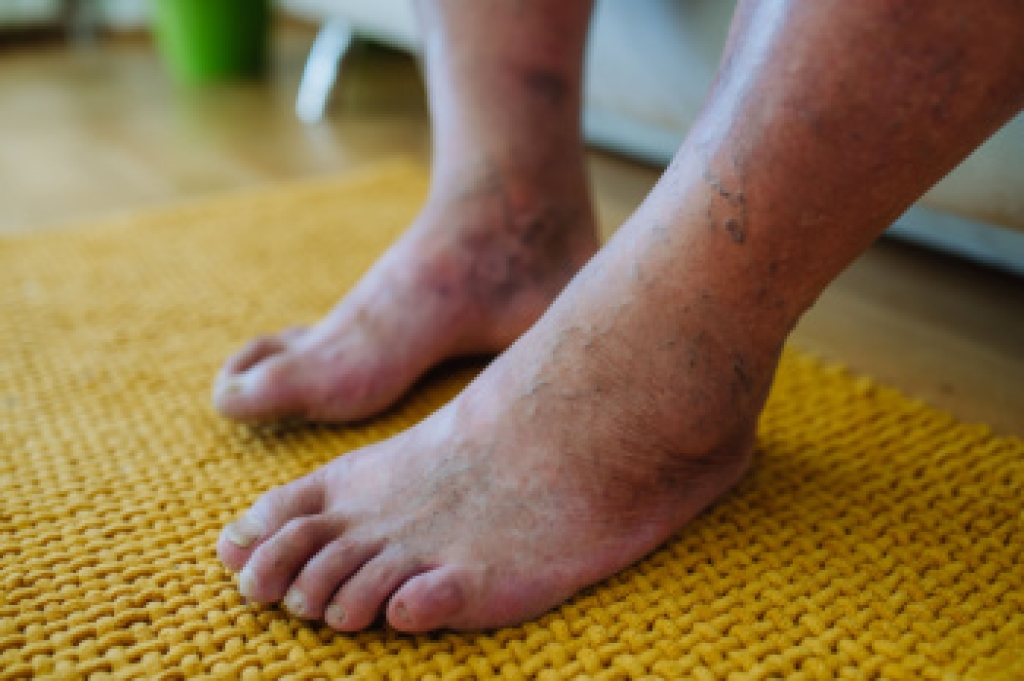
Caring for Swollen Feet Related to Diabetes

Swelling in the feet is a common concern for people living with diabetes because circulation, fluid balance, and nerve function can all be affected. Treatment focuses on identifying the cause of the swelling and easing pressure on the tissues. Elevation, wearing supportive footwear, and gentle movement often help improve fluid return, while managing blood sugar can reduce inflammation that contributes to fullness in the feet. Some individuals benefit from compression garments designed specifically for diabetic use, and others may need evaluation for circulation problems or early signs of infection. A podiatrist can assess the skin, nails, and blood flow, recommend safe ways to reduce swelling, and identify any underlying issues that may require more focused care. If your swelling worsens, becomes painful, or makes walking difficult, it is suggested that you see a podiatrist for effective relief tips.

Diabetic foot care is important in preventing foot ailments such as ulcers. If you are suffering from diabetes or have any other concerns about your feet, contact one of our podiatrists from APEX Foot & Ankle Center. Our doctors can provide the care you need to keep you pain-free and on your feet.

Diabetic Foot Care

Diabetes affects millions of people every year. The condition can damage blood vessels in many parts of the body, especially the feet. Because of this, taking care of your feet is essential if you have diabetes, and having a podiatrist help monitor your foot health is highly recommended.

The Importance of Caring for Your Feet

  • Routinely inspect your feet for bruises or sores.
  • Wear socks that fit your feet comfortably.
  • Wear comfortable shoes that provide adequate support.

Patients with diabetes should have their doctor monitor their blood levels, as blood sugar levels play such a huge role in diabetic care. Monitoring these levels on a regular basis is highly advised.

It is always best to inform your healthcare professional of any concerns you may have regarding your feet, especially for diabetic patients. Early treatment and routine foot examinations are keys to maintaining proper health, especially because severe complications can arise if proper treatment is not applied.

If you have any questions, please feel free to contact our offices located in Fort Myers, Shellpoint, and Naples, FL . We offer the newest diagnostic and treatment technologies for all your foot care needs.


Read more about Diabetic Foot Care

Wounds That Don't Heal Need to Be Checked

Your feet are covered most of the day. If you're diabetic, periodic screening is important for good health. Numbness is often a sign of diabetic foot and can mask a sore or wound.

Preventing Toenail Fungus

Are you tired of hiding your toes in the sand? Are your toenails beginning to discolor, thicken, or crumble? This could be the beginning of toenail fungus. Fungi are nearly everywhere, and they particularly love dark, moist, and warm places, like inside your shoes. Healthy feet depend on healthy hygiene, so it’s important to keep your toes clean and dry. Cut your toenails straight across with a sanitized nail clipper. Wear breathable, properly fitted shoes and socks. Your toenails should never be touching your shoes. It also helps to alternate your shoes. If your feet sweat and your shoes are damp, it's time to go to the next pair while the other pair dries. Avoid going barefoot in public places, especially in locker rooms, showers, and pools. If you have tried at-home remedies to clear your toenail fungus and it keeps returning, it may be time to follow up with your local podiatrist.

For more information about treatment, contact one of our podiatrists of APEX Foot & Ankle Center. Our doctors can provide the care you need to keep you pain-free and on your feet.

Toenail Fungus Treatment

Toenail fungus is a condition that affects many people and can be especially hard to get rid of. Fortunately, there are several methods to go about treating and avoiding it.

Antifungals & Deterrence

Oral antifungal medicine has been shown to be effective in many cases. It is important to consult with a podiatrist to determine the proper regiment for you, or potentially explore other options.

Applying foot powder on the feet and shoes helps keep the feet free of moisture and sweat.

Sandals or open toed shoes – Wearing these will allow air movement and help keep feet dry. They also expose your feet to light, which fungus cannot tolerate. Socks with moisture wicking material also help as well.

If you have any questions please contact our offices located in Fort Myers, Shellpoint, and Naples, FL . We offer the newest diagnostic and treatment technologies for all your foot and ankle needs.

Read more about Toenail Fungus

Pain in the Ball of the Foot May Be Sesamoiditis

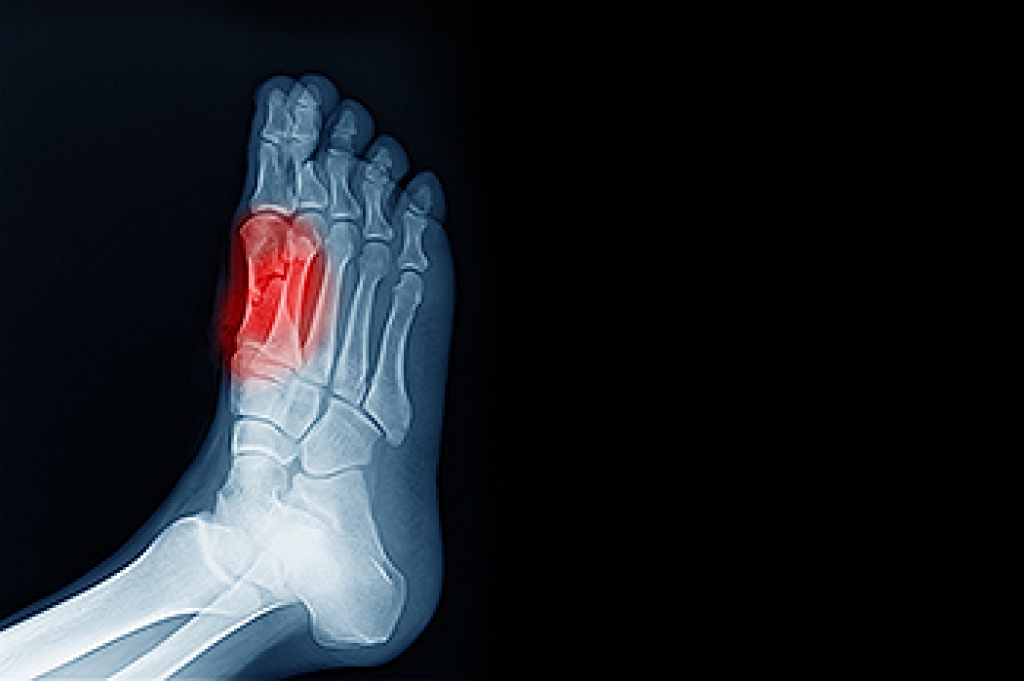
Sesamoiditis affects the small sesamoid bones located beneath the big toe joint near the ball of the foot. It occurs when these bones become inflamed, often due to repetitive pressure or overuse, making it a common concern for runners and athletes who place repeated stress on the forefoot. Symptoms include pain under the big toe, swelling, tenderness when walking or running, and difficulty bearing weight on the affected foot. Causes can include high-impact activities, wearing improper footwear, flat feet, or increased training intensity. A podiatrist can evaluate the foot, provide custom orthotics, recommend activity modifications, and implement therapies such as padding, taping, or targeted exercises to reduce stress on the sesamoid bones. If you have pain in this part of your foot, it is suggested you consult a podiatrist who can accurately diagnose and treat what may be going on. 

Sesamoiditis is an unpleasant foot condition characterized by pain in the balls of the feet. If you think you’re struggling with sesamoiditis, contact one of our podiatrists of APEX Foot & Ankle Center. Our doctors will treat your condition thoroughly and effectively.

Sesamoiditis

Sesamoiditis is a condition of the foot that affects the ball of the foot. It is more common in younger people than it is in older people. It can also occur with people who have begun a new exercise program, since their bodies are adjusting to the new physical regimen. Pain may also be caused by the inflammation of tendons surrounding the bones. It is important to seek treatment in its early stages because if you ignore the pain, this condition can lead to more serious problems such as severe irritation and bone fractures.

Causes of Sesamoiditis

  • Sudden increase in activity
  • Increase in physically strenuous movement without a proper warm up or build up
  • Foot structure: those who have smaller, bonier feet or those with a high arch may be more susceptible

Treatment for sesamoiditis is non-invasive and simple. Doctors may recommend a strict rest period where the patient forgoes most physical activity. This will help give the patient time to heal their feet through limited activity. For serious cases, it is best to speak with your doctor to determine a treatment option that will help your specific needs.

If you have any questions, please feel free to contact our offices located in Fort Myers, Shellpoint, and Naples, FL . We offer the newest diagnostic and treatment technologies for all your foot care needs.
Read more about Sesamoiditis

Dealing With an Achilles Tendon Rupture

An Achilles tendon rupture is a sudden injury that affects the back of the ankle and makes it hard to push off the foot or rise onto the toes. The Achilles tendon can tear when the ankle bends upward as the calf tightens during a quick start, stop, or jump. People often feel sharp pain, swelling, or weakness. A podiatrist can diagnose the injury through a physical exam and explain care options. Non-surgical treatment places the foot in a protected position so the tendon can heal, and one advantage is that it avoids wound and infection risks. Surgery brings the torn ends together and offers the advantage of a faster return to activity and a lower chance of another rupture. Both approaches aim to restore strength and steady walking so the foot and ankle can function well again. If you believe you have torn your Achilles tendon, it is suggested that you make an appointment with a podiatrist for a diagnosis and treatment options.

Achilles tendon injuries need immediate attention to avoid future complications. If you have any concerns, contact one of our podiatrists of APEX Foot & Ankle Center. Our doctors can provide the care you need to keep you pain-free and on your feet.

What Is the Achilles Tendon?

The Achilles tendon is a tendon that connects the lower leg muscles and calf to the heel of the foot. It is the strongest tendon in the human body and is essential for making movement possible. Because this tendon is such an integral part of the body, any injuries to it can create immense difficulties and should immediately be presented to a doctor.

What Are the Symptoms of an Achilles Tendon Injury?

There are various types of injuries that can affect the Achilles tendon. The two most common injuries are Achilles tendinitis and ruptures of the tendon.

Achilles Tendinitis Symptoms

  • Inflammation
  • Dull to severe pain
  • Increased blood flow to the tendon
  • Thickening of the tendon

Rupture Symptoms

  • Extreme pain and swelling in the foot
  • Total immobility

Treatment and Prevention

Achilles tendon injuries are diagnosed by a thorough physical evaluation, which can include an MRI. Treatment involves rest, physical therapy, and in some cases, surgery. However, various preventative measures can be taken to avoid these injuries, such as:

  • Thorough stretching of the tendon before and after exercise
  • Strengthening exercises like calf raises, squats, leg curls, leg extensions, leg raises, lunges, and leg presses

If you have any questions please feel free to contact our offices located in Fort Myers, Shellpoint, and Naples, FL . We offer the newest diagnostic tools and technology to treat your foot and ankle needs.

Read more about What are Achilles Tendon Injuries

Connect With Us

Advanced Podiatric Procedures & Services in the Fort Myers, FL 33908 and Naples, FL 34110 areas