
Have your child's feet been examined lately? Healthy feet are happy feet. If your child is complaining of foot pain, it may be a sign of underlying problems.
Have your child's feet been examined lately? Healthy feet are happy feet. If your child is complaining of foot pain, it may be a sign of underlying problems.
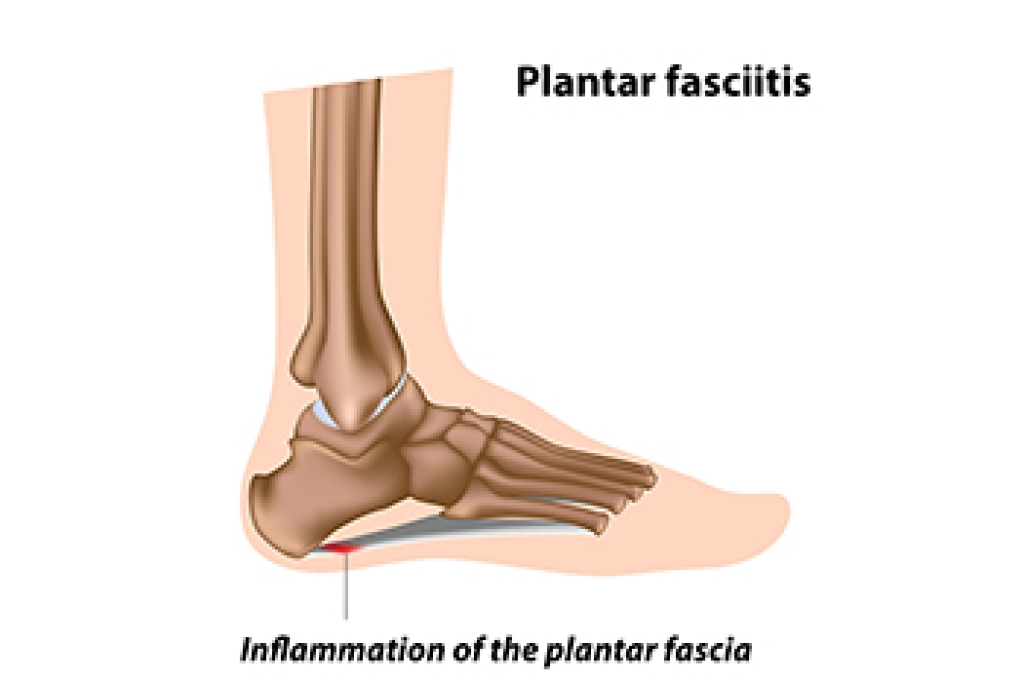
Most complaints of heel pain derive from plantar fasciitis, which involves inflammation of the band of tissue that runs under the feet from the toes to the heels. At first, plantar fasciitis starts as discomfort in the heel or arch, especially if your shoes have inadequate cushioning and an inflexible sole. Then the pain may also be felt when you first wake up, or after sitting or standing for long periods, but it generally fades as you become active again. Wearing shoes that do not fit properly and do not afford enough cushioning or arch support increases the chances of developing plantar fasciitis. Tightness in the calf muscles, another symptom of plantar fasciitis, is related to a problem with a tight Achilles tendon. Many pregnant women experience plantar fasciitis, as the result of gaining weight, retaining water, and increasing pressure on the feet. Long distance runners and soldiers, who may strike heel first while running, might be more prone to plantar fasciitis. If heel pain is a growing problem, it is suggested that you consult a podiatrist for an evaluation and treatment options.
Plantar fasciitis can be very painful and inconvenient. If you are experiencing heel pain or symptoms of plantar fasciitis, contact one of our podiatrists from APEX Foot & Ankle Center. Our doctors can provide the care you need to keep you pain-free and on your feet.
What Is Plantar Fasciitis?
Plantar fasciitis is the inflammation of the thick band of tissue that runs along the bottom of your foot, known as the plantar fascia, and causes mild to severe heel pain.
What Causes Plantar Fasciitis?
How Can It Be Treated?
While very treatable, plantar fasciitis is definitely not something that should be ignored. Especially in severe cases, speaking to your doctor right away is highly recommended to avoid complications and severe heel pain. Your podiatrist can work with you to provide the appropriate treatment options tailored to your condition.
If you have any questions, please feel free to contact our offices located in Fort Myers, Shellpoint, and Naples, FL . We offer the newest diagnostic and treatment technologies for all your foot care needs.

Having the right running shoe is paramount to reducing the chances of pain and injury. However, knowing how to find the shoe that best serves a runner’s needs can be confusing. Here are a few tips for simplifying the decision. The first consideration is knowing the type of running you will be doing and how often you will be doing it. Second, identify the terrain or environment you will be running in. For instance, trail shoes will have more grip and tread on the soles, while road shoes have flatter soles. Third, consider any previous running injuries you may have encountered and see a podiatrist who can examine your gait. Running shoes offer different types of cushioning, support, and stability based on the biomechanics of your feet. A podiatrist, who is a medically trained foot doctor, is a good source of information for anyone interested in finding the running shoe that will best serve your needs and protect your feet. If you are serious about running, it is suggested that you make an appointment with a podiatrist for an evaluation.
If you are a runner, wearing the right running shoe is essential. For more information, contact one of our podiatrists from APEX Foot & Ankle Center. Our doctors can provide the care you need to keep you pain-free and on your feet.
Choosing the Right Running Shoe for Your Foot Type
To increase performance and avoid the risk of injury, it is important to choose the right running shoe based on your foot type. The general design of running shoes revolves around pronation, which is how the ankle rolls from outside to inside when the foot strikes the ground.
If you have any questions, please feel free to contact our offices located in Fort Myers, Shellpoint, and Naples, FL . We offer the newest diagnostic and treatment technologies for all your foot care needs.
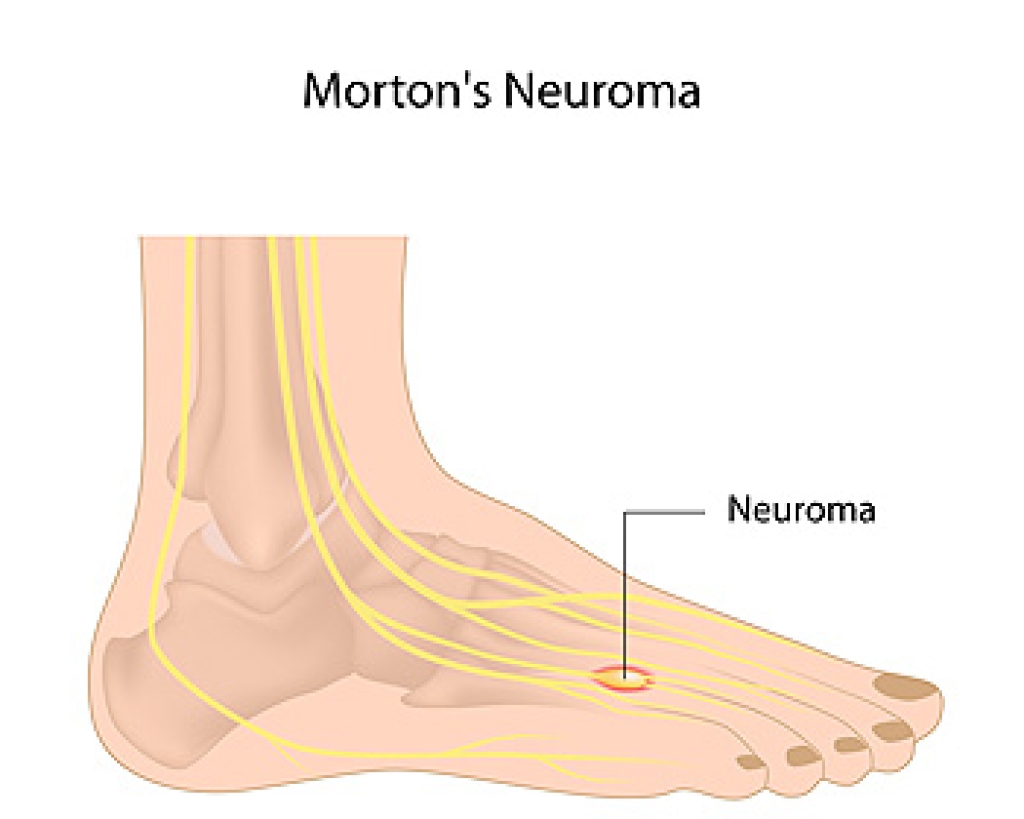
Pain in the ball of the foot, sometimes described as having a stone in the bottom of the shoe, is generally a symptom of Morton’s neuroma. This benign condition is the result of extra nerve tissue growing between the third and fourth toes of the foot. Simply putting weight on the foot when standing or walking can set off the nerve pain from Morton’s neuroma. Among the contributing factors leading to Morton’s neuroma are wearing high-heeled shoes with narrow toe boxes and playing sports for extended periods. Not surprisingly, cases of Morton’s neuroma are more likely to be found in women between 40 and 70 years old. On the other hand, most men with this condition are under 30 years old. Symptoms include pain in the ball of the foot, a burning and tingling pain in the nearby toes, and feeling like a sock is bunched up inside the shoe. Changes to footwear and massaging the affected area can help to alleviate the pain. In more severe cases, a surgical solution may be necessary. If you believe you have Morton’s neuroma, it is suggested that you consult a podiatrist for an exam and diagnosis before deciding on treatment options.
Morton’s neuroma is a very uncomfortable condition to live with. If you think you have Morton’s neuroma, contact one of our podiatrists of APEX Foot & Ankle Center. Our doctors will attend to all of your foot care needs and answer any of your related questions.
Morton’s Neuroma
Morton's neuroma is a painful foot condition that commonly affects the areas between the second and third or third and fourth toe, although other areas of the foot are also susceptible. Morton’s neuroma is caused by an inflamed nerve in the foot that is being squeezed and aggravated by surrounding bones.
What Increases the Chances of Having Morton’s Neuroma?
Morton’s neuroma is a very treatable condition. Orthotics and shoe inserts can often be used to alleviate the pain on the forefront of the feet. In more severe cases, corticosteroids can also be prescribed. In order to figure out the best treatment for your neuroma, it’s recommended to seek the care of a podiatrist who can diagnose your condition and provide different treatment options.
If you have any questions, please feel free to contact our offices located in Fort Myers, Shellpoint, and Naples, FL . We offer the newest diagnostic and treatment technologies for all your foot care needs.
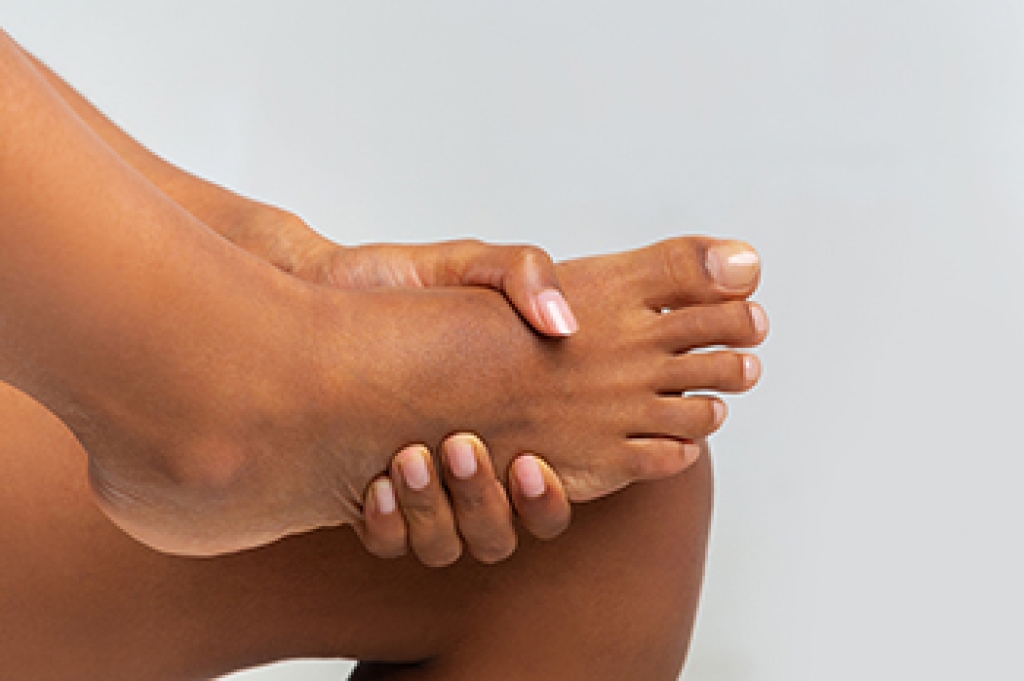
A person might feel foot pain at night from various causes, including lifestyle factors and medical conditions. Such pain may be dull or throbbing and be felt in the ball of the foot, the heel, the toes, the arches, or the ankles. Aching feet can interfere with sleep, and sleep disturbances can make pain feel worse. Lifestyle factors contributing to foot pain at night include standing for prolonged periods, wearing ill-fitting footwear, or pregnancy. One can get muscle fatigue and suffer cramps or spasms in their feet during pregnancy, and the body processes calcium differently, which can also cause foot cramps. Medical conditions leading to nighttime foot achiness include foot problems like Morton’s neuroma or plantar fasciitis or health conditions such as diabetes. Wearing correctly fitting shoes, getting plenty of hydration, and doing foot stretches can help reduce foot pain at night. If your feet continually hurt you at night, it is suggested that you visit a podiatrist for an examination, diagnosis, and treatment options.
Foot Pain
Foot pain can be extremely painful and debilitating. If you have a foot pain, consult with one of our podiatrists from APEX Foot & Ankle Center. Our doctors will assess your condition and provide you with quality foot and ankle treatment.
Causes
Foot pain is a very broad condition that could be caused by one or more ailments. The most common include:
Diagnosis
To figure out the cause of foot pain, podiatrists utilize several different methods. This can range from simple visual inspections and sensation tests to X-rays and MRI scans. Prior medical history, family medical history, and any recent physical traumatic events will all be taken into consideration for a proper diagnosis.
Treatment
Treatment depends upon the cause of the foot pain. Whether it is resting, staying off the foot, or having surgery; podiatrists have a number of treatment options available for foot pain.
If you have any questions, please feel free to contact our offices located in Fort Myers, Shellpoint, and Naples, FL . We offer the newest diagnostic and treatment technologies for all your foot care needs.
Connect With Us