Walking and Stretching the Feet

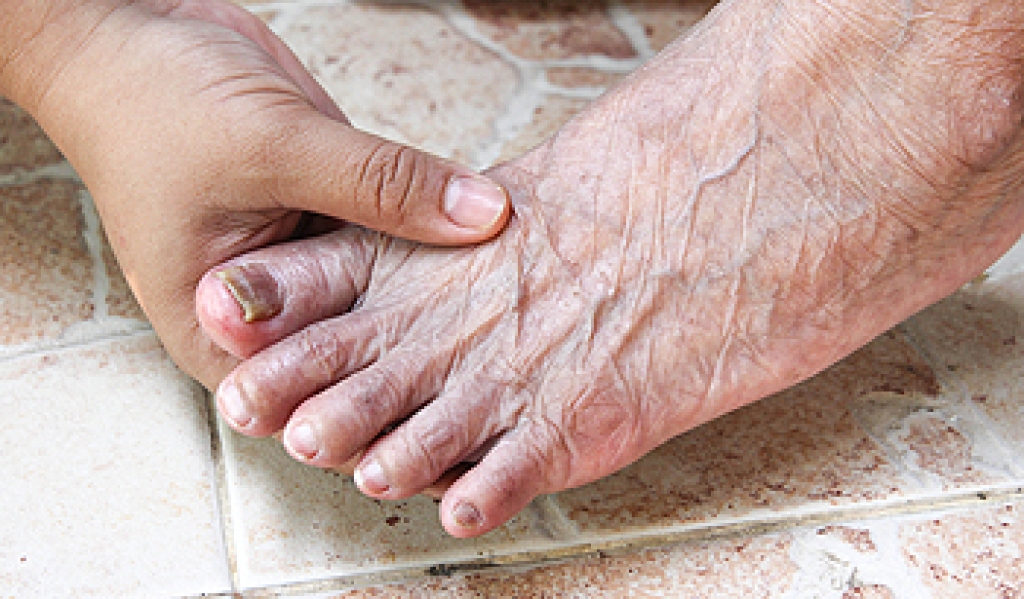
As the aging process occurs, the feet may undergo general wear and tear. This can be a result of wearing shoes for years that do not fit correctly and trimming the toenails improperly. It is beneficial to practice good foot care, and this consists of checking the feet daily for existing cuts or bruises. Additionally, it is helpful to elevate the feet as often as possible, as this can help to improve circulation. When frequent walking and stretching are practiced, not only will the feet feel good, but the benefits may radiate to the entire body. Research has indicated that the foot may change size as we age, so it is important to measure the feet every time a new pair of shoes is purchased. If you would like more information about how aging can affect the feet, please consult with a podiatrist. 

Proper foot care is something many older adults forget to consider. If you have any concerns about your feet and ankles, contact one of our podiatrists from APEX Foot & Ankle Center. Our doctors can provide the care you need to keep you pain-free and on your feet.

The Elderly and Their Feet

As we age we start to notice many changes in our body, but the elder population may not notice them right away. Medical conditions may prevent the elderly to take notice of their foot health right away. Poor vision is a lead contributor to not taking action for the elderly.

Common Conditions 

  • Neuropathy – can reduce feeling in the feet and can hide many life-threatening medical conditions.
  • Reduced flexibility – prevents the ability of proper toenail trimming, and foot cleaning. If left untreated, it may lead to further medical issues.
  • Foot sores – amongst the older population can be serious before they are discovered. Some of the problematic conditions they may face are:
  • Gouging toenails affecting nearby toe
  • Shoes that don’t fit properly
  • Pressure sores
  • Loss of circulation in legs & feet
  • Edema & swelling of feet and ankles

Susceptible Infections

Diabetes and poor circulation can cause general loss of sensitivity over the years, turning a simple cut into a serious issue.

If you have any questions, please feel free to contact our offices located in Fort Myers, Shellpoint, and Naples, FL . We offer the newest diagnostic and treatment technologies for all your foot care needs.

Read more about Elderly and their Feet

Excessively Sweaty Feet

Some people may experience a condition that is referred to as plantar hyperhidrosis. This ailment causes the feet to sweat excessively and can cause discomfort and embarrassment. It can occur as a result of a thyroid disorder, genetic factors, and obesity. In severe cases, sweaty feet may cause shoes to slip off, and dangerous scenarios may happen while driving if the affected foot slips off the brake. Mild cases of plantar hyperhidrosis may be treated with anti-anxiety medication. For more severe cases, surgery may be considered to clip the nerve, and permanently remove it. If you are afflicted with this condition, it is advised that you seek the counsel of a podiatrist who can properly treat plantar hyperhidrosis.

If you are suffering from hyperhidrosis contact one of our podiatrists of APEX Foot & Ankle Center. Our doctors can provide the care you need to attend to all of your foot and ankle needs.

Hyperhidrosis of the Feet

Hyperhidrosis is a rare disorder that can cause people to have excessive sweating of their feet. This can usually occur all on its own without rigorous activity involved. People who suffer from hyperhidrosis may also experience sweaty palms.

Although it is said that sweating is a healthy process meant to cool down the body temperature and to maintain a proper internal temperature, hyperhidrosis may prove to be a huge hindrance on a person’s everyday life.

Plantar hyperhidrosis is considered to be the main form of hyperhidrosis. Secondary hyperhidrosis can refer to sweating that occurs in areas other than the feet or hands and armpits. Often this may be a sign of it being related to another medical condition such as menopause, hyperthyroidism and even Parkinson’s disease.

In order to alleviate this condition, it is important to see your doctor so that they may prescribe the necessary medications so that you can begin to live a normal life again. If this is left untreated, it is said that it will persist throughout an individual’s life.

A last resort approach would be surgery, but it is best to speak with your doctor to find out what may be the best treatment for you.

If you have any questions, please feel free to contact our offices located in Fort Myers, Shellpoint, and Naples, FL . We offer the newest diagnostic and treatment technologies for all your foot care needs.
Read more about Hyperhidrosis of the Feet

What Causes an Ingrown Toenail?

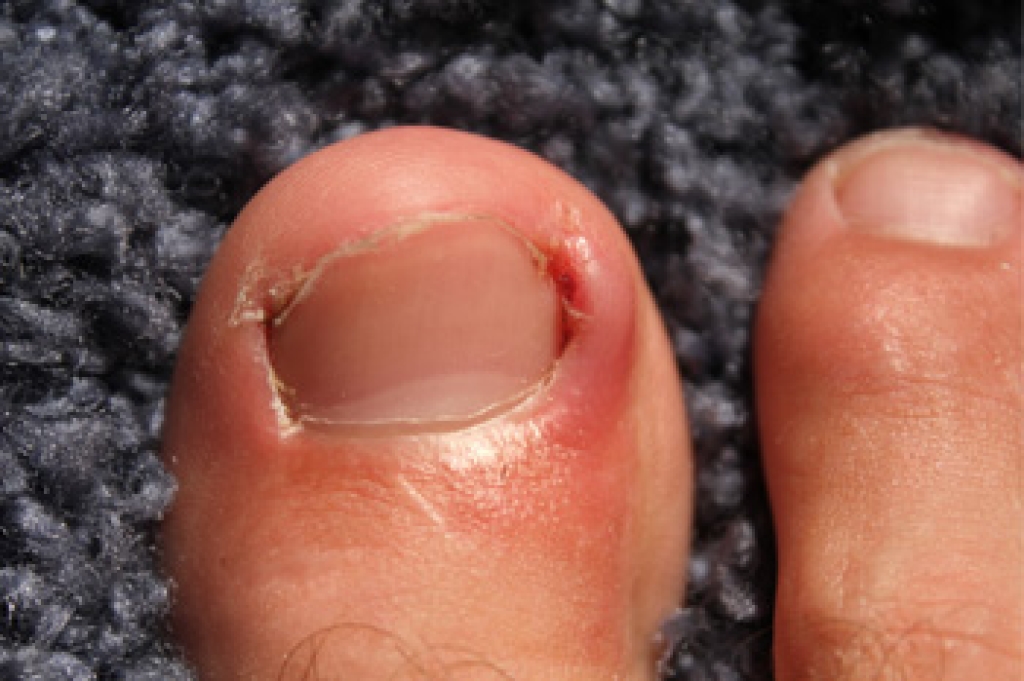
Ingrown toenails can be incredibly uncomfortable, sensitive to the touch, and can cause a great deal of pain. Ingrown toenails can be caused by trimming the toenails too short, injury to the toenail, having curved toenails due to genetics, wearing ill-fitting shoes that are too tight, and poor hygiene. If left untreated, the toenail may become infected, causing drainage and bleeding. The affected toe may become swollen and red as well. Some patients have found relief by soaking their feet in a bath of warm water and epsom salts, and by wearing comfortable shoes. If you feel you have developed an ingrown toenail, please consult with a podiatrist for a proper diagnosis and advised treatment plan.

Ingrown toenails may initially present themselves as a minor discomfort, but they may progress into an infection in the skin without proper treatment. For more information about ingrown toenails, contact one of our podiatrists of APEX Foot & Ankle Center. Our doctors can provide the care you need to keep you pain-free and on your feet.

Ingrown Toenails

Ingrown toenails are caused when the corner or side of a toenail grows into the soft flesh surrounding it. They often result in redness, swelling, pain, and in some cases, infection. This condition typically affects the big toe and may recur if it is not treated properly.

Causes

  • Improper toenail trimming
  • Genetics
  • Improper shoe fitting
  • Injury from pedicures or nail picking
  • Abnormal gait
  • Poor hygiene

You are more likely to develop an ingrown toenail if you are obese, have diabetes, arthritis, or have any fungal infection in your nails. Additionally, people who have foot or toe deformities are at a higher risk of developing an ingrown toenail.

Symptoms

Some symptoms of ingrown toenails are redness, swelling, and pain. In rare cases, there may be a yellowish drainage coming from the nail.

Treatment

Ignoring an ingrown toenail can have serious complications. Infections of the nail border can progress to a deeper soft-tissue infection, which can then turn into a bone infection. You should always speak with your podiatrist if you suspect you have an ingrown toenail, especially if you have diabetes or poor circulation.

If you have any questions, please feel free to contact our offices located in Fort Myers, Shellpoint, and Naples, FL . We offer the newest diagnostic and treatment technologies for all your foot care needs.

Read more about Ingrown Toenail Care

Can Sudden Weight Gain Cause Plantar Fasciitis?

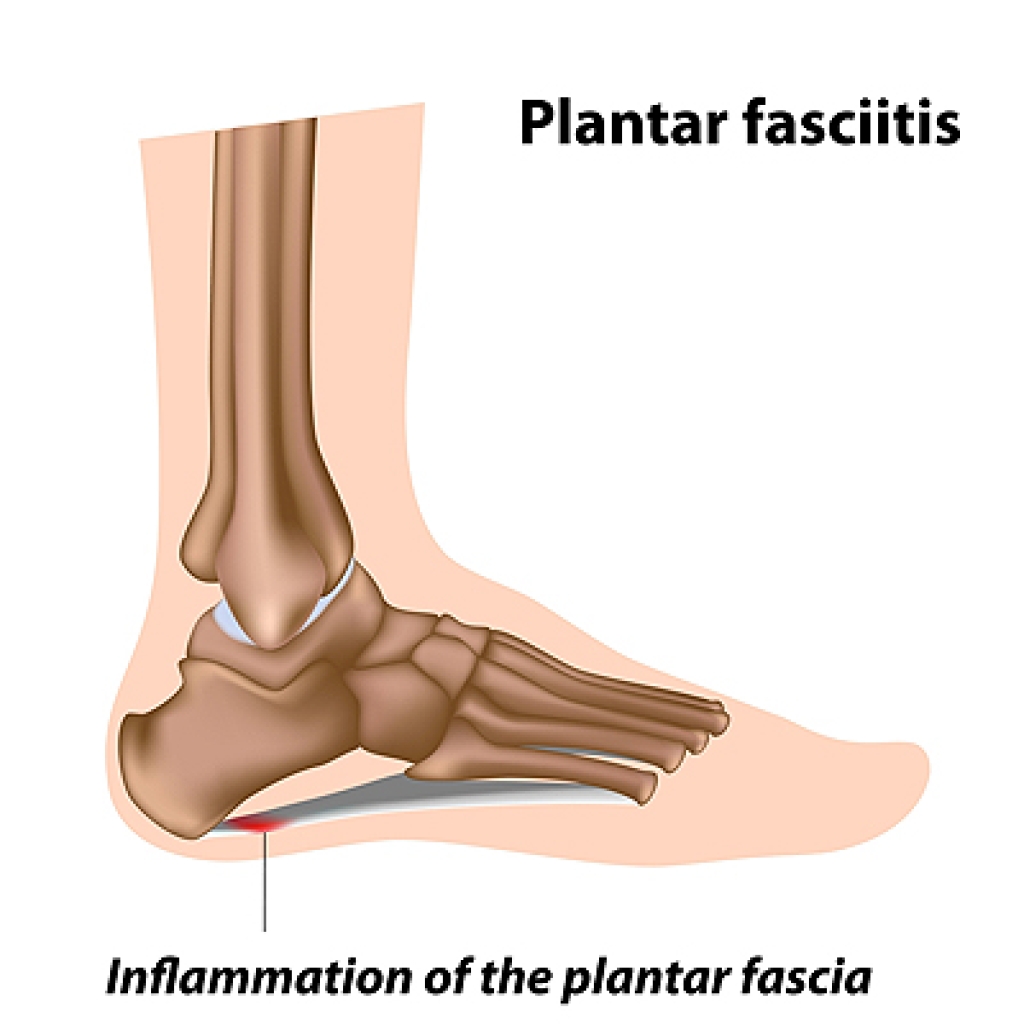
Research has indicated the condition known as plantar fasciitis is the most common cause of heel pain. The majority of patients notice the pain and discomfort is worse in the morning, and can be felt when the first steps are taken. Plantar fasciitis can occur when the plantar fascia becomes inflamed. This is the portion of tissue that is located on the sole of the foot, and its function is to connect the heel to the toes. When this condition develops, the pain may be managed when appropriate foot and calf stretches are performed. It can be caused by a variety of reasons. These can include wearing shoes that do not fit properly, and standing for extended periods of time throughout the day. Additionally, it may occur as a result of beginning a new running regime, or if there has been a significant weight gain. If you have heel pain, it is suggested that you consult with a podiatrist who can properly diagnose and treat plantar fasciitis.

Plantar fasciitis is a common foot condition that is often caused by a strain injury. If you are experiencing heel pain or symptoms of plantar fasciitis, contact one of our podiatrists from APEX Foot & Ankle Center. Our doctors can provide the care you need to keep you pain-free and on your feet.

What Is Plantar Fasciitis?

Plantar fasciitis is one of the most common causes of heel pain. The plantar fascia is a ligament that connects your heel to the front of your foot. When this ligament becomes inflamed, plantar fasciitis is the result. If you have plantar fasciitis you will have a stabbing pain that usually occurs with your first steps in the morning. As the day progresses and you walk around more, this pain will start to disappear, but it will return after long periods of standing or sitting.

What Causes Plantar Fasciitis?

  • Excessive running
  • Having high arches in your feet
  • Other foot issues such as flat feet
  • Pregnancy (due to the sudden weight gain)
  • Being on your feet very often

There are some risk factors that may make you more likely to develop plantar fasciitis compared to others. The condition most commonly affects adults between the ages of 40 and 60. It also tends to affect people who are obese because the extra pounds result in extra stress being placed on the plantar fascia.

Prevention

  • Take good care of your feet – Wear shoes that have good arch support and heel cushioning.
  • Maintain a healthy weight
  • If you are a runner, alternate running with other sports that won’t cause heel pain

There are a variety of treatment options available for plantar fasciitis along with the pain that accompanies it. Additionally, physical therapy is a very important component in the treatment process. It is important that you meet with your podiatrist to determine which treatment option is best for you.

If you have any questions, please feel free to contact our offices located in Fort Myers, Shellpoint, and Naples, FL . We offer the newest diagnostic and treatment technologies for all your foot care needs.
 

Read more about Plantar Fasciitis

It's Time for Beautiful Feet

You don't need an excuse to have beautiful nails. Step outside without worrying about the appearance of your feet.

Possible Prevention Techniques for Hammertoe

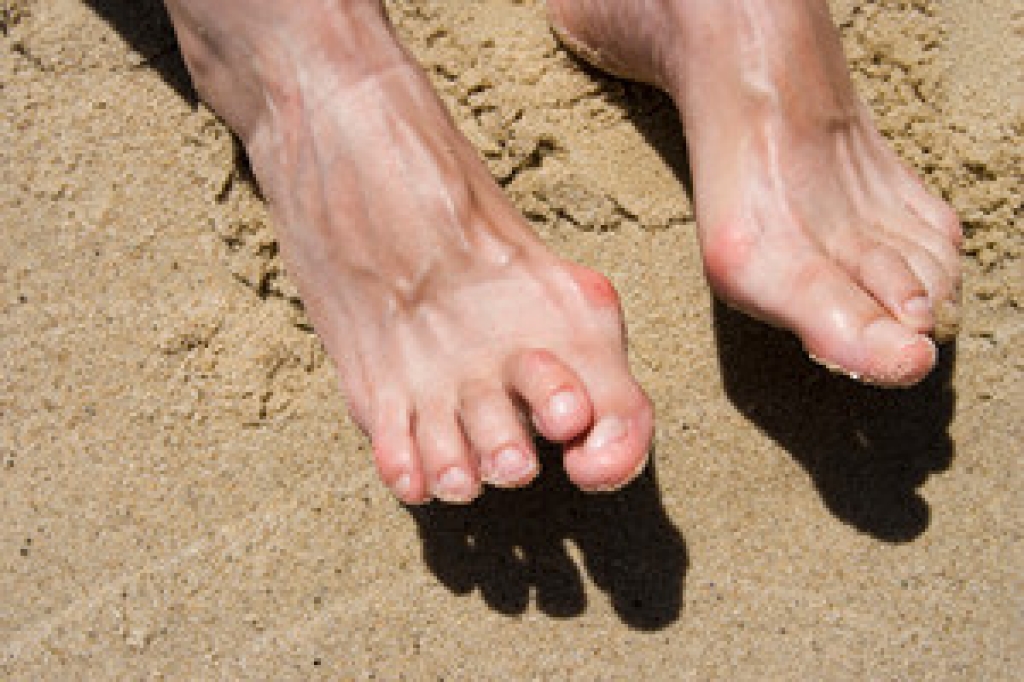
When a hammertoe is observed, it looks like it is bent in an unusual position. It typically affects the second and third toe. The middle joint shifts upward, which forces the toe to bend downward. This condition can happen as a result of genetic factors, wearing shoes that do not have adequate room for the toes to move freely in, or from specific medical conditions. Effective treatment and prevention techniques can include wearing shoes that are large enough to accommodate the hammertoe, and wearing a protective covering over the affected toe. In severe cases, performing surgery may be necessary which can permanently straighten the toes. If you notice signs you may have developed a hammertoe, it is strongly suggested that you are under the care of a podiatrist.

Hammertoe

Hammertoes can be a painful condition to live with. For more information, contact one of our podiatrists from APEX Foot & Ankle Center. Our doctors will answer any of your foot- and ankle-related questions.

Hammertoe is a foot deformity that affects the joints of the second, third, fourth, or fifth toes of your feet. It is a painful foot condition in which these toes curl and arch up, which can often lead to pain when wearing footwear.

Symptoms

  • Pain in the affected toes
  • Development of corns or calluses due to friction
  • Inflammation
  • Redness
  • Contracture of the toes

Causes

Genetics – People who are genetically predisposed to hammertoe are often more susceptible

Arthritis – Because arthritis affects the joints in your toes, further deformities stemming from arthritis can occur

Trauma – Direct trauma to the toes could potentially lead to hammertoe

Ill-fitting shoes – Undue pressure on the front of the toes from ill-fitting shoes can potentially lead to the development of hammertoe

Treatment

Orthotics – Custom made inserts can be used to help relieve pressure placed on the toes and therefore relieve some of the pain associated with it

Medications – Oral medications such as anti-inflammatories or NSAIDs could be used to treat the pain and inflammation hammertoes causes. Injections of corticosteroids are also sometimes used

Surgery – In more severe cases where the hammertoes have become more rigid, foot surgery is a potential option

If you have any questions, please feel free to contact our offices located in Fort Myers, Shellpoint, and Naples, FL . We offer the newest diagnostic and treatment technologies for all your foot care needs.
Read more about What Are Hammertoes?

What to Expect If You Have Broken Your Toe

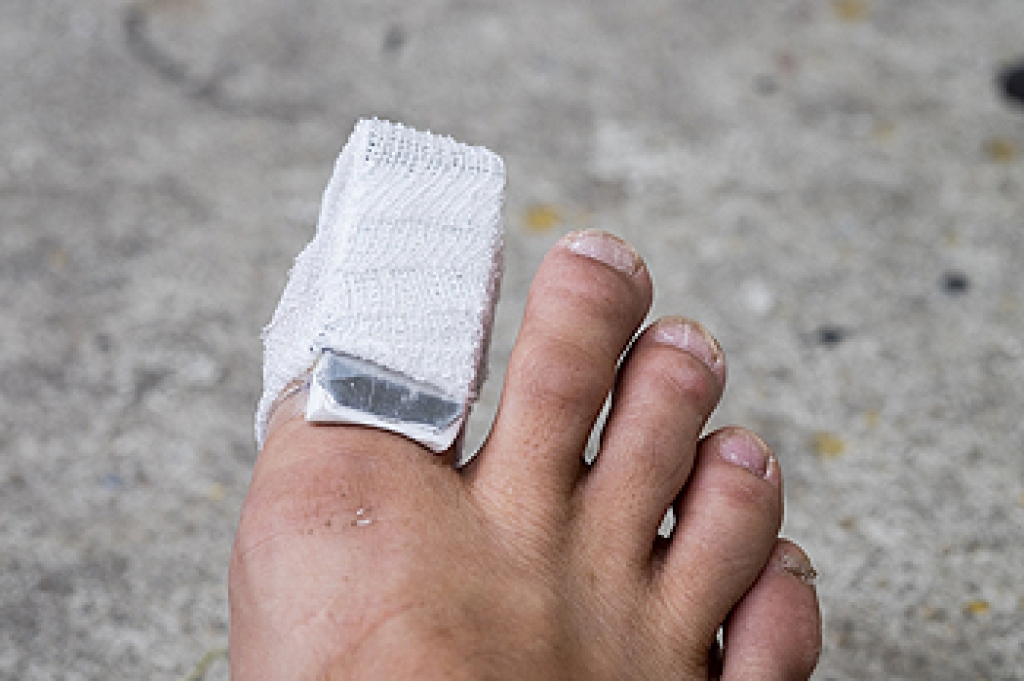
If your toe bone has broken into one or more pieces, you have experienced a broken toe. A broken toe can often be mistaken for a toe sprain, however during this type of injury, you may actually hear the bone break. If left untreated, a broken toe can alter your walking or running, and leave you in a great deal of pain. Common symptoms that often accompany a broken toe may include throbbing pain, swelling, bruising or discoloration of the surrounding skin, dislocation of the toe, and difficulty bearing weight on the affected toe. Stubbing the toe, or having an object dropped on it, are the most common causes of a broken toe. To treat a broken toe, a podiatrist may recommend a splint to help support the toe, or surgery for more severe cases. In order to distinguish a toe break from a sprain, it’s suggested you consult with a podiatrist for professional care and a proper diagnosis.

Broken toes may cause a lot of pain and should be treated as soon as possible. If you have any concerns about your feet, contact one of our podiatrists from APEX Foot & Ankle Center. Our doctors will treat your foot and ankle needs.

What Is a Broken Toe?

A broken toe occurs when one or more of the toe bones of the foot are broken after an injury. Injuries such as stubbing your toe or dropping a heavy object on it may cause a toe fracture.

Symptoms of a Broken Toe

  • Swelling
  • Pain (with/without wearing shoes)
  • Stiffness
  • Nail Injury

Although the injured toe should be monitored daily, it is especially important to have a podiatrist look at your toe if you have severe symptoms. Some of these symptoms include worsening or new pain that is not relieved with medication, sores, redness, or open wounds near the toe.

If you have any questions please feel free to contact our offices located in Fort Myers, Shellpoint, and Naples, FL . We offer the newest diagnostic tools and technology to treat your foot and ankle needs.

Read more about What to Know About a Broken Toe

How Do Achilles Tendon Injuries Occur?

The pain that is experienced by patients who have endured an Achilles tendon injury can be debilitating. It can occur as a result of participating in running and jumping activities, or from not warming up before beginning a run. The Achilles tendon is defined as a portion of tissue that is located in the back of the leg. The function is to connect the heel to the calf muscles. It is responsible for the ability to point and flex the toes. If this tendon becomes injured or torn, it may lead to a condition that is known as Achilles tendonitis. Existing medical conditions can contribute to the onset of an Achilles tendon injury. These can include arthritis, structural foot abnormalities, in addition to being overweight. The symptoms that are often associated with this type of injury can consist of swelling, heel pain, and it is generally difficult to walk. If you have injured your Achilles tendon, it is suggested that you speak to a podiatrist who can determine the severity of your injury, and offer you the best treatment options.

Achilles tendon injuries need immediate attention to avoid future complications. If you have any concerns, contact one of our podiatrists of APEX Foot & Ankle Center. Our doctors can provide the care you need to keep you pain-free and on your feet.

What Is the Achilles Tendon?

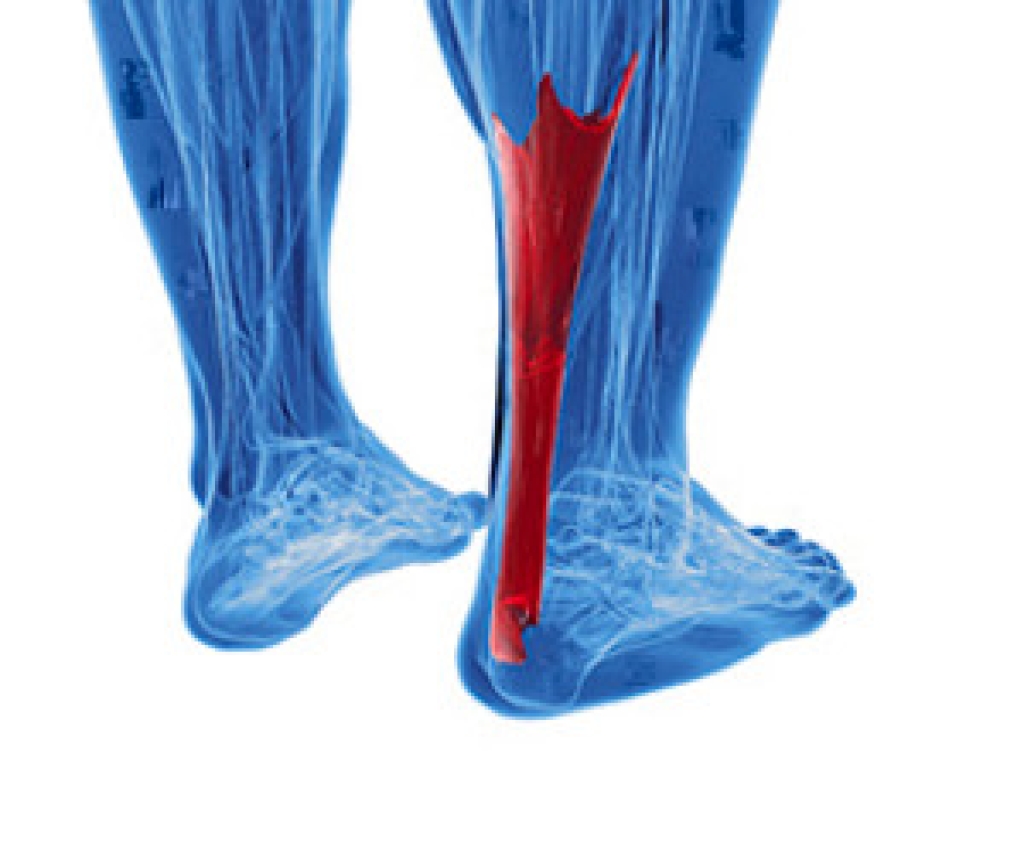
The Achilles tendon is a tendon that connects the lower leg muscles and calf to the heel of the foot. It is the strongest tendon in the human body and is essential for making movement possible. Because this tendon is such an integral part of the body, any injuries to it can create immense difficulties and should immediately be presented to a doctor.

What Are the Symptoms of an Achilles Tendon Injury?

There are various types of injuries that can affect the Achilles tendon. The two most common injuries are Achilles tendinitis and ruptures of the tendon.

Achilles Tendinitis Symptoms

  • Inflammation
  • Dull to severe pain
  • Increased blood flow to the tendon
  • Thickening of the tendon

Rupture Symptoms

  • Extreme pain and swelling in the foot
  • Total immobility

Treatment and Prevention

Achilles tendon injuries are diagnosed by a thorough physical evaluation, which can include an MRI. Treatment involves rest, physical therapy, and in some cases, surgery. However, various preventative measures can be taken to avoid these injuries, such as:

  • Thorough stretching of the tendon before and after exercise
  • Strengthening exercises like calf raises, squats, leg curls, leg extensions, leg raises, lunges, and leg presses

If you have any questions please feel free to contact our offices located in Fort Myers, Shellpoint, and Naples, FL . We offer the newest diagnostic tools and technology to treat your foot and ankle needs.

Read more about Achilles Tendon Injuries

Common Symptoms of Athlete's Foot

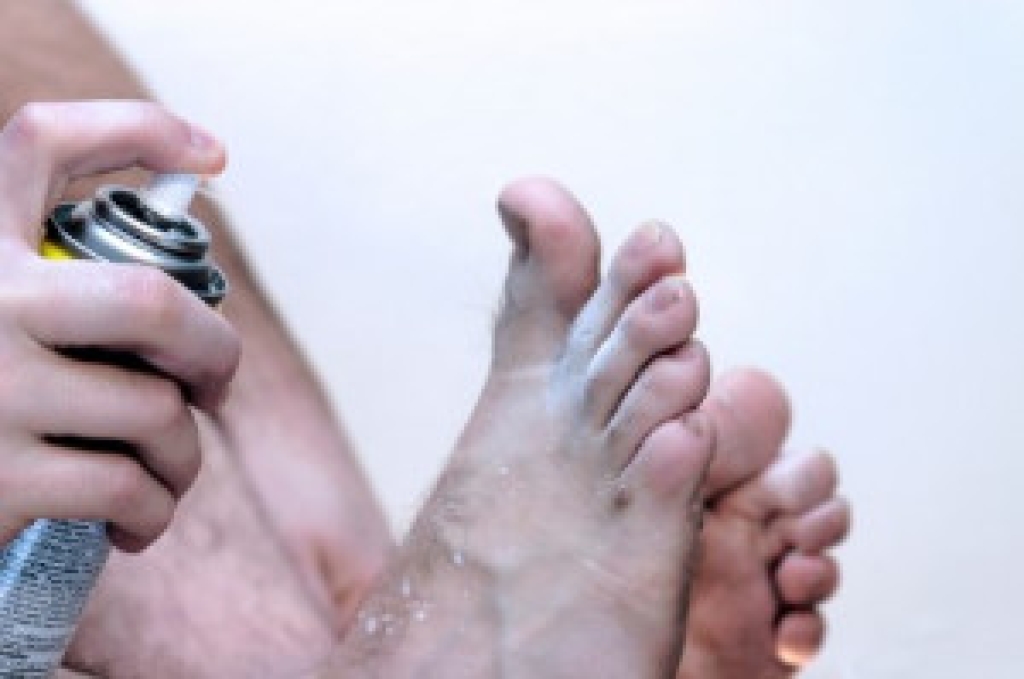
Athlete’s foot is a contagious fungal skin infection. This fungal infection typically thrives in moist, warm environments. Not wearing the proper footwear in locations such as gyms, locker rooms, public swimming pools, and communal showers may increase your risk of getting this fungal infection. There are certain symptoms that are commonly associated with this condition. These may include itchy blisters on the feet, dry skin on the soles or sides of the feet, a stinging or burning sensation between the toes, and cracking or peeling of the skin between the toes. Some patients have found antifungal powder to be helpful in trying to relieve these symptoms. For a proper diagnosis and advised plan of treatment, it’s suggested that you consult with a podiatrist.

Athlete’s foot is an inconvenient condition that can be easily reduced with the proper treatment. If you have any concerns about your feet and ankles, contact one of our podiatrists from APEX Foot & Ankle Center.  Our doctors will treat your foot and ankle needs.

Athlete’s Foot: The Sole Story

Athlete's foot, also known as tinea pedis, can be an extremely contagious foot infection. It is commonly contracted in public changing areas and bathrooms, dormitory style living quarters, around locker rooms and public swimming pools, or anywhere your feet often come into contact with other people.

Solutions to Combat Athlete’s Foot

  • Hydrate your feet by using lotion
  • Exfoliate
  • Buff off nails
  • Use of anti-fungal products
  • Examine your feet and visit your doctor if any suspicious blisters or cuts develop

Athlete’s foot can cause many irritating symptoms such as dry and flaking skin, itching, and redness. Some more severe symptoms can include bleeding and cracked skin, intense itching and burning, and even pain when walking. In the worst cases, Athlete’s foot can cause blistering as well. Speak to your podiatrist for a better understanding of the different causes of Athlete’s foot, as well as help in determining which treatment options are best for you.

If you have any questions please feel free to contact our offices located in Fort Myers, Shellpoint, and Naples, FL . We offer the newest diagnostic and treatment technologies for all your foot and ankle needs.

Read more about Athlete's Foot

The Cuboid Bone Has Six Sides

There are seven tarsal bones that are located on the outer edge of each foot. One of them is referred to as the cuboid bone, which has six sides. Its function is to provide stability for the foot, as this may help to evenly distribute the weight of the body. This bone may be more prone to injury for athletes and ballet dancers. When an injury occurs, the condition referred to as cuboid syndrome may develop. This type of injury can be a result of an ankle sprain, repetitive dance movements, or frequently participating in running and jumping activities. The symptoms that are commonly associated with this condition can include swelling and chronic pain on the outside of the foot, in addition to limited mobility which may make walking difficult. Moderate relief may be felt when the affected foot is elevated, and it may help to wrap the foot in an elastic bandage that can provide support. If you have pain in this area of your foot, please consult with a podiatrist for a proper diagnosis.

Cuboid syndrome, also known as cuboid subluxation, occurs when the joints and ligaments near the cuboid bone in the foot become torn. If you have cuboid syndrome, consult with one of our podiatrists from APEX Foot & Ankle Center. Our doctors will assess your condition and provide you with quality foot and ankle treatment.

Cuboid syndrome is a common cause of lateral foot pain, which is pain on the outside of the foot. The condition may happen suddenly due to an ankle sprain, or it may develop slowly overtime from repetitive tension through the bone and surrounding structures.

Causes

The most common causes of cuboid syndrome include:

  • Injury – The most common cause of this ailment is an ankle sprain.
  • Repetitive Strain – Tension placed through the peroneus longus muscle from repetitive activities such as jumping and running may cause excessive traction on the bone causing it to sublux.
  • Altered Foot Biomechanics – Most people suffering from cuboid subluxation have flat feet.

Symptoms

A common symptom of cuboid syndrome is pain along the outside of the foot which can be felt in the ankle and toes. This pain may create walking difficulties and may cause those with the condition to walk with a limp.

Diagnosis

Diagnosis of cuboid syndrome is often difficult, and it is often misdiagnosed. X-rays, MRIs and CT scans often fail to properly show the cuboid subluxation. Although there isn’t a specific test used to diagnose cuboid syndrome, your podiatrist will usually check if pain is felt while pressing firmly on the cuboid bone of your foot.

Treatment

Just as the range of causes varies widely, so do treatments. Some more common treatments are ice therapy, rest, exercise, taping, and orthotics.

If you have any questions, please feel free to contact our offices located in Fort Myers, Shellpoint, and Naples, FL . We offer the newest diagnostic and treatment technologies for all your foot care needs.
Read more about Cuboid Syndrome

Connect With Us

Advanced Podiatric Procedures & Services in the Fort Myers, FL 33908 and Naples, FL 34110 areas