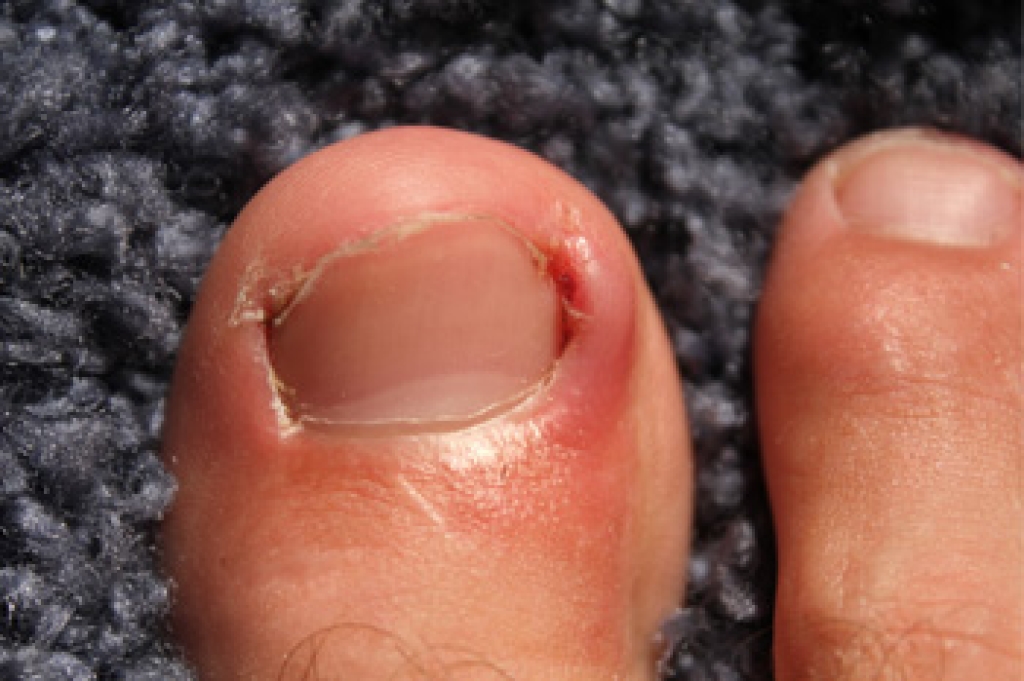
What Causes an Ingrown Toenail?

Ingrown toenails can be incredibly uncomfortable, sensitive to the touch, and can cause a great deal of pain. Ingrown toenails can be caused by trimming the toenails too short, injury to the toenail, having curved toenails due to genetics, wearing ill-fitting shoes that are too tight, and poor hygiene. If left untreated, the toenail may become infected, causing drainage and bleeding. The affected toe may become swollen and red as well. Some patients have found relief by soaking their feet in a bath of warm water and epsom salts, and by wearing comfortable shoes. If you feel you have developed an ingrown toenail, please consult with a podiatrist for a proper diagnosis and advised treatment plan.

Ingrown toenails may initially present themselves as a minor discomfort, but they may progress into an infection in the skin without proper treatment. For more information about ingrown toenails, contact one of our podiatrists of APEX Foot & Ankle Center. Our doctors can provide the care you need to keep you pain-free and on your feet.

Ingrown Toenails

Ingrown toenails are caused when the corner or side of a toenail grows into the soft flesh surrounding it. They often result in redness, swelling, pain, and in some cases, infection. This condition typically affects the big toe and may recur if it is not treated properly.

Causes

  • Improper toenail trimming
  • Genetics
  • Improper shoe fitting
  • Injury from pedicures or nail picking
  • Abnormal gait
  • Poor hygiene

You are more likely to develop an ingrown toenail if you are obese, have diabetes, arthritis, or have any fungal infection in your nails. Additionally, people who have foot or toe deformities are at a higher risk of developing an ingrown toenail.

Symptoms

Some symptoms of ingrown toenails are redness, swelling, and pain. In rare cases, there may be a yellowish drainage coming from the nail.

Treatment

Ignoring an ingrown toenail can have serious complications. Infections of the nail border can progress to a deeper soft-tissue infection, which can then turn into a bone infection. You should always speak with your podiatrist if you suspect you have an ingrown toenail, especially if you have diabetes or poor circulation.

If you have any questions, please feel free to contact our offices located in Fort Myers, Shellpoint, and Naples, FL . We offer the newest diagnostic and treatment technologies for all your foot care needs.

Read more about Ingrown Toenail Care

Can Sudden Weight Gain Cause Plantar Fasciitis?

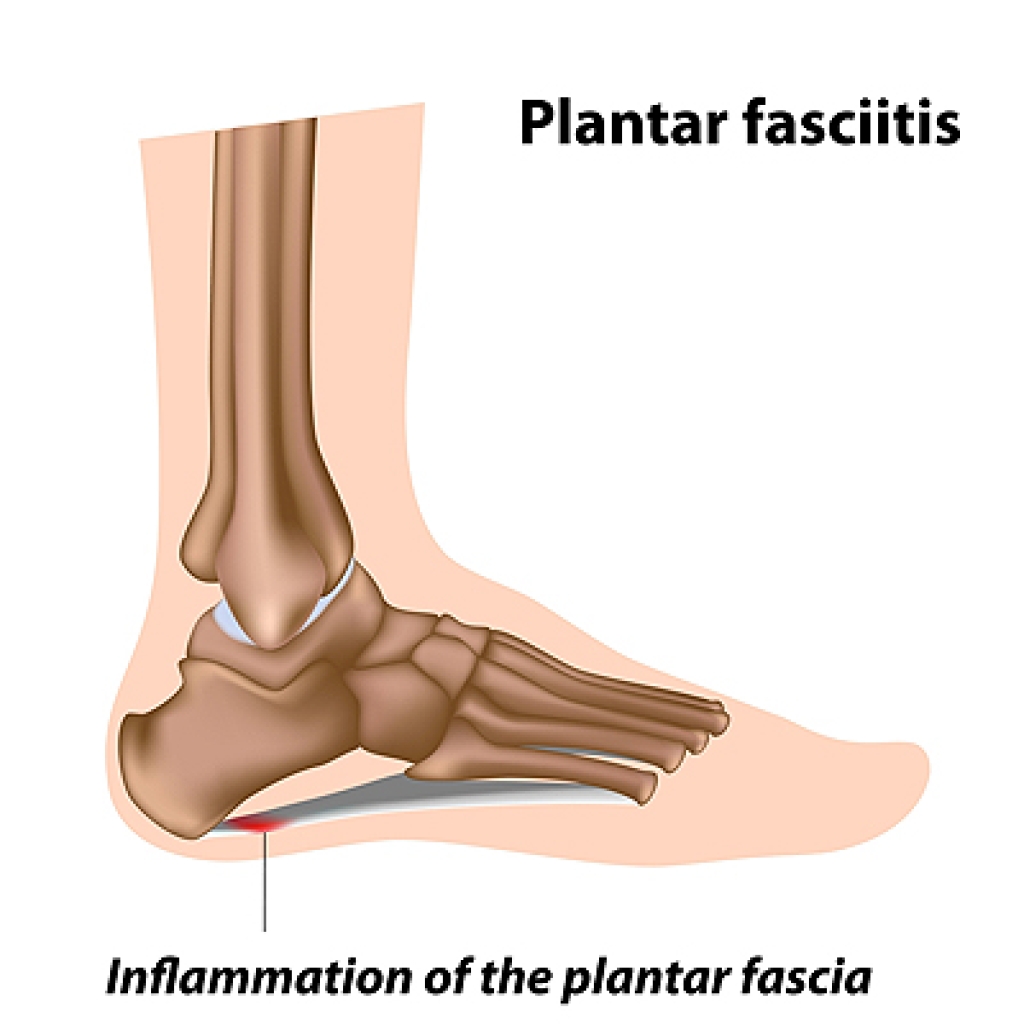
Research has indicated the condition known as plantar fasciitis is the most common cause of heel pain. The majority of patients notice the pain and discomfort is worse in the morning, and can be felt when the first steps are taken. Plantar fasciitis can occur when the plantar fascia becomes inflamed. This is the portion of tissue that is located on the sole of the foot, and its function is to connect the heel to the toes. When this condition develops, the pain may be managed when appropriate foot and calf stretches are performed. It can be caused by a variety of reasons. These can include wearing shoes that do not fit properly, and standing for extended periods of time throughout the day. Additionally, it may occur as a result of beginning a new running regime, or if there has been a significant weight gain. If you have heel pain, it is suggested that you consult with a podiatrist who can properly diagnose and treat plantar fasciitis.

Plantar fasciitis is a common foot condition that is often caused by a strain injury. If you are experiencing heel pain or symptoms of plantar fasciitis, contact one of our podiatrists from APEX Foot & Ankle Center. Our doctors can provide the care you need to keep you pain-free and on your feet.

What Is Plantar Fasciitis?

Plantar fasciitis is one of the most common causes of heel pain. The plantar fascia is a ligament that connects your heel to the front of your foot. When this ligament becomes inflamed, plantar fasciitis is the result. If you have plantar fasciitis you will have a stabbing pain that usually occurs with your first steps in the morning. As the day progresses and you walk around more, this pain will start to disappear, but it will return after long periods of standing or sitting.

What Causes Plantar Fasciitis?

  • Excessive running
  • Having high arches in your feet
  • Other foot issues such as flat feet
  • Pregnancy (due to the sudden weight gain)
  • Being on your feet very often

There are some risk factors that may make you more likely to develop plantar fasciitis compared to others. The condition most commonly affects adults between the ages of 40 and 60. It also tends to affect people who are obese because the extra pounds result in extra stress being placed on the plantar fascia.

Prevention

  • Take good care of your feet – Wear shoes that have good arch support and heel cushioning.
  • Maintain a healthy weight
  • If you are a runner, alternate running with other sports that won’t cause heel pain

There are a variety of treatment options available for plantar fasciitis along with the pain that accompanies it. Additionally, physical therapy is a very important component in the treatment process. It is important that you meet with your podiatrist to determine which treatment option is best for you.

If you have any questions, please feel free to contact our offices located in Fort Myers, Shellpoint, and Naples, FL . We offer the newest diagnostic and treatment technologies for all your foot care needs.

 

Read more about Plantar Fasciitis

It's Time for Beautiful Feet

You don't need an excuse to have beautiful nails. Step outside without worrying about the appearance of your feet.

Possible Prevention Techniques for Hammertoe

When a hammertoe is observed, it looks like it is bent in an unusual position. It typically affects the second and third toe. The middle joint shifts upward, which forces the toe to bend downward. This condition can happen as a result of genetic factors, wearing shoes that do not have adequate room for the toes to move freely in, or from specific medical conditions. Effective treatment and prevention techniques can include wearing shoes that are large enough to accommodate the hammertoe, and wearing a protective covering over the affected toe. In severe cases, performing surgery may be necessary which can permanently straighten the toes. If you notice signs you may have developed a hammertoe, it is strongly suggested that you are under the care of a podiatrist.

Hammertoe

Hammertoes can be a painful condition to live with. For more information, contact one of our podiatrists from APEX Foot & Ankle Center. Our doctors will answer any of your foot- and ankle-related questions.

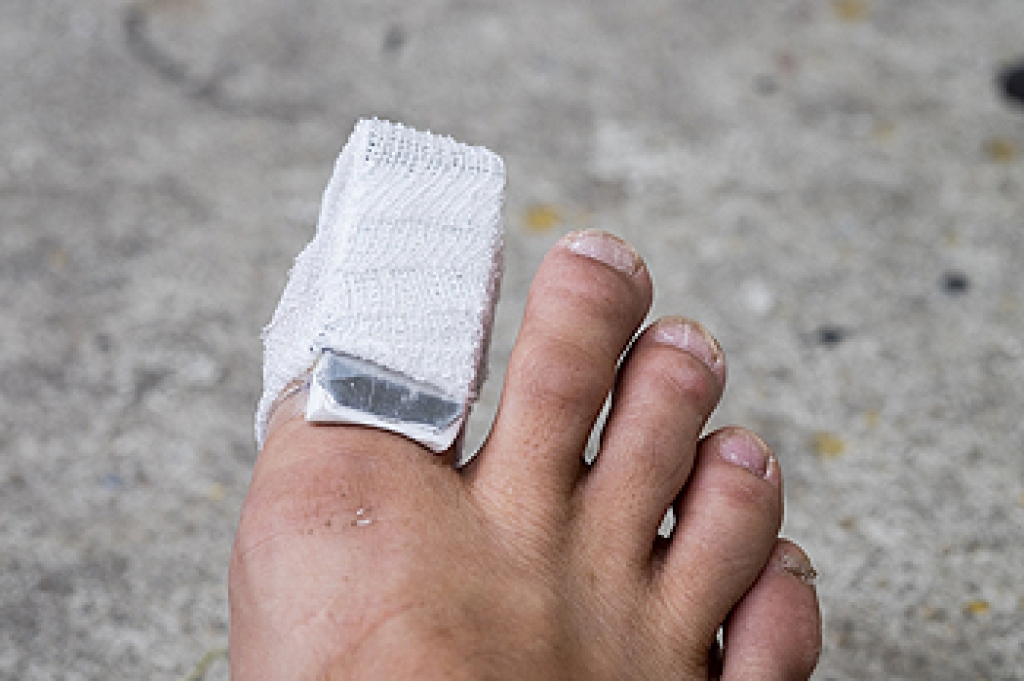
Hammertoe is a foot deformity that affects the joints of the second, third, fourth, or fifth toes of your feet. It is a painful foot condition in which these toes curl and arch up, which can often lead to pain when wearing footwear.

Symptoms

  • Pain in the affected toes
  • Development of corns or calluses due to friction
  • Inflammation
  • Redness
  • Contracture of the toes

Causes

Genetics – People who are genetically predisposed to hammertoe are often more susceptible

Arthritis – Because arthritis affects the joints in your toes, further deformities stemming from arthritis can occur

Trauma – Direct trauma to the toes could potentially lead to hammertoe

Ill-fitting shoes – Undue pressure on the front of the toes from ill-fitting shoes can potentially lead to the development of hammertoe

Treatment

Orthotics – Custom made inserts can be used to help relieve pressure placed on the toes and therefore relieve some of the pain associated with it

Medications – Oral medications such as anti-inflammatories or NSAIDs could be used to treat the pain and inflammation hammertoes causes. Injections of corticosteroids are also sometimes used

Surgery – In more severe cases where the hammertoes have become more rigid, foot surgery is a potential option

If you have any questions, please feel free to contact our offices located in Fort Myers, Shellpoint, and Naples, FL . We offer the newest diagnostic and treatment technologies for all your foot care needs.
Read more about What Are Hammertoes?

What to Expect If You Have Broken Your Toe

If your toe bone has broken into one or more pieces, you have experienced a broken toe. A broken toe can often be mistaken for a toe sprain, however during this type of injury, you may actually hear the bone break. If left untreated, a broken toe can alter your walking or running, and leave you in a great deal of pain. Common symptoms that often accompany a broken toe may include throbbing pain, swelling, bruising or discoloration of the surrounding skin, dislocation of the toe, and difficulty bearing weight on the affected toe. Stubbing the toe, or having an object dropped on it, are the most common causes of a broken toe. To treat a broken toe, a podiatrist may recommend a splint to help support the toe, or surgery for more severe cases. In order to distinguish a toe break from a sprain, it’s suggested you consult with a podiatrist for professional care and a proper diagnosis.

Broken toes may cause a lot of pain and should be treated as soon as possible. If you have any concerns about your feet, contact one of our podiatrists from APEX Foot & Ankle Center. Our doctors will treat your foot and ankle needs.

What Is a Broken Toe?

A broken toe occurs when one or more of the toe bones of the foot are broken after an injury. Injuries such as stubbing your toe or dropping a heavy object on it may cause a toe fracture.

Symptoms of a Broken Toe

  • Swelling
  • Pain (with/without wearing shoes)
  • Stiffness
  • Nail Injury

Although the injured toe should be monitored daily, it is especially important to have a podiatrist look at your toe if you have severe symptoms. Some of these symptoms include worsening or new pain that is not relieved with medication, sores, redness, or open wounds near the toe.

If you have any questions please feel free to contact our offices located in Fort Myers, Shellpoint, and Naples, FL . We offer the newest diagnostic tools and technology to treat your foot and ankle needs.

Read more about What to Know About a Broken Toe

Connect With Us

Advanced Podiatric Procedures & Services in the Fort Myers, FL 33908 and Naples, FL 34110 areas