Two Categories of Flat Feet

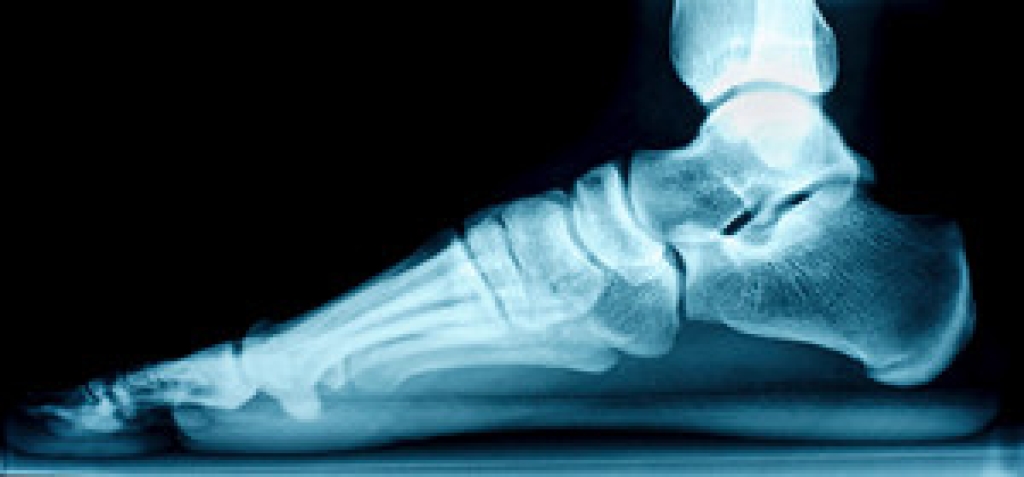
When the arch of the foot collapses from birth or from an injury, it is a foot condition known as flat feet. While many patients have this ailment and experience little or no pain, there are people who have severe discomfort with flat feet. Research has shown there are two categories of flat feet. When the arch is flat while standing, and visible while sitting, this is referred to as flexible flat feet, and it is more common than ridgid flat feet. This occurs when there is no arch visible while sitting or standing, and it is more difficult to treat. The majority of babies are born with flat feet, and the arch generally develops during the teenage years. Rigid flat feet can come from genetic reasons, and may indicate an issue with the foot structure. Flat feet in adulthood may develop gradually, and can happen as a result of being overweight, having an inflammatory disease, or sustaining an ankle injury. Mild relief can come from performing exercises that strengthen the foot and from wearing shoes with good arch support. Orthotics may help to improve foot structure and range of motion. If you have flat feet, please speak with a podiatrist who can help you with the correct treatment option.

Flatfoot is a condition many people suffer from. If you have flat feet, contact one of our podiatrists from APEX Foot & Ankle Center. Our doctors will treat your foot and ankle needs.

What Are Flat Feet?

Flatfoot is a condition in which the arch of the foot is depressed and the sole of the foot is almost completely in contact with the ground. About 20-30% of the population generally has flat feet because their arches never formed during growth.

Conditions & Problems:

Having flat feet makes it difficult to run or walk because of the stress placed on the ankles.

Alignment – The general alignment of your legs can be disrupted, because the ankles move inward which can cause major discomfort.

Knees – If you have complications with your knees, flat feet can be a contributor to arthritis in that area.  

Symptoms

  • Pain around the heel or arch area
  • Trouble standing on the tip toe
  • Swelling around the inside of the ankle
  • Flat look to one or both feet
  • Having your shoes feel uneven when worn

Treatment

If you are experiencing pain and stress on the foot you may weaken the posterior tibial tendon, which runs around the inside of the ankle. 

If you have any questions, please feel free to contact our offices located in Fort Myers, Shellpoint, and Naples, FL . We offer the newest diagnostic and treatment technologies for all your foot care needs.

Read more about What is Flexible Flat Foot?

Why Live with Pain and Numbness in Your Feet?

Suffering from this type of pain? You may have the foot condition known as Morton's neuroma. Morton's neuroma may develop as a result of ill-fitting footwear and existing foot deformities. We can help.

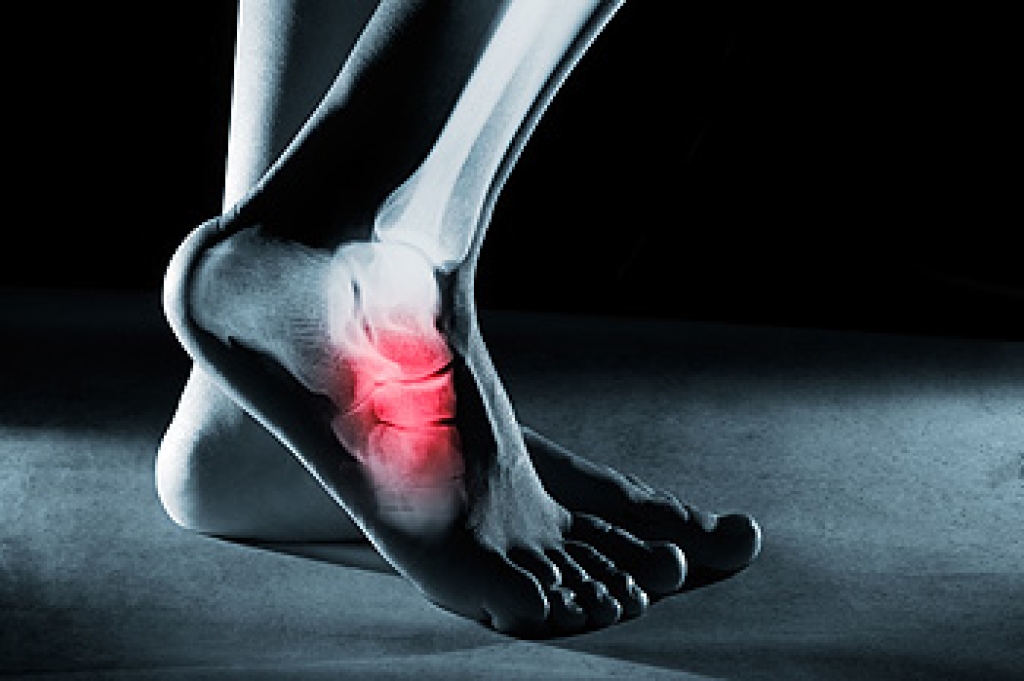
How Do Stress Fractures Occur?

A stress fracture is a hairline fracture in the foot. It develops gradually and results from overuse. It is common among people who participate in jumping and running activities, and it can cause pain and discomfort. A stress fracture occurs when the muscles are not able to handle the impact of running and this can cause the bone to absorb pressure and break. Runners may experience this condition from increasing their mileage and speed too quickly. Time is often taken off from the chosen activity so proper healing can take place. Additionally, it is important to warm up and cool down before beginning any exercise routine and this may help prevent stress fractures. Mild relief can be found when the affected foot is frequently elevated and many people wear a protective boot or cast. If you have endured a stress fracture, it is strongly advised that you consult with a podiatrist who can treat this condition and possibly fit you with custom-made orthotics which may accelerate the healing process.

Activities where too much pressure is put on the feet can cause stress fractures. To learn more, contact one of our podiatrists from APEX Foot & Ankle Center. Our doctors can provide the care you need to keep your pain free and on your feet.

Dealing with Stress Fractures of the Foot and Ankle

Stress fractures occur in the foot and ankle when muscles in these areas weaken from too much or too little use.  The feet and ankles then lose support when walking or running from the impact of the ground. Since there is no protection, the bones receive the full impact of each step. Stress on the feet can cause cracks to form in the bones, thus creating stress fractures.

What Are Stress Fractures?

Stress fractures occur frequently in individuals whose daily activities cause great impact on the feet and ankles. Stress factors are most common among:

  • Runners                                
  • People affected with Osteoporosis
  • Tennis or basketball players
  • Gymnasts
  • High impact workouts

Symptoms

Pain from the fractures occur in the area of the fractures and can be constant or intermittent. It will often cause sharp or dull pain with swelling and tenderness. Engaging in any kind of activity which involves high impact will aggravate pain.

If you have any questions please contact our offices located in Fort Myers, Shellpoint, and Naples, FL . We offer the newest diagnostic and treatment technologies for all your foot and ankle needs.

Read more about Dealing with Stress Fractures of the Foot and Ankle

Children Shoes for Different Stages of Foot Development

The importance of taking care of babies' feet is crucial to having a strong foundation. Proper foot care started at an early age may help to ensure healthy feet. This can begin by refraining from having children wear shoes while indoors. The toes will grip the floor and this is beneficial in strengthening the overall foot. When the time comes to walk outside, shoes that are lightweight and flexible may be best and can act as protective skin. When a baby starts to walk the foot structure is beginning to develop. Flat feet that most babies are born with may start to diminish and the arch may be seen. The arch will continue to develop through the teenage years. As the baby grows, a sturdier shoe with some flexibility may be desired that can accommodate running and daily wear and tear. When purchasing shoes for your child it is suggested that their feet are properly measured and this is generally done every three months up to the age of three years. If you would like more information about babies' feet and how to properly care for them, please confer with a podiatrist.

Making sure that your children maintain good foot health is very important as they grow. If you have any questions, contact one of our podiatrists of APEX Foot & Ankle Center. Our doctors can provide the care you need to keep you pain-free and on your feet.

Keeping Children's Feet Healthy

Having healthy feet during childhood can help prevent medical problems later in life, namely in the back and legs. As children grow, their feet require different types of care. Here are some things to consider...

Although babies do not walk yet, it is still very important to take care of their feet.

Avoid putting tight shoes or socks on his or her feet.

Allow the baby to stretch and kick his or her feet to feel comfortable.

As a toddler, kids are now on the move and begin to develop differently. At this age, toddlers are getting a feel for walking, so don’t be alarmed if your toddler is unsteady or ‘walks funny’. 

As your child gets older, it is important to teach them how to take care of their feet.

Show them proper hygiene to prevent infections such as fungus.

Be watchful for any pain or injury.

Have all injuries checked by a doctor as soon as possible.

Comfortable, protective shoes should always be worn, especially at play.

If you have any questions, please feel free to contact our offices located in Fort Myers, Shellpoint, and Naples, FL . We offer the newest diagnostic and treatment technologies for all your foot care needs.

Read more about How to Care for Your Child's Feet

Dealing With Hammertoe

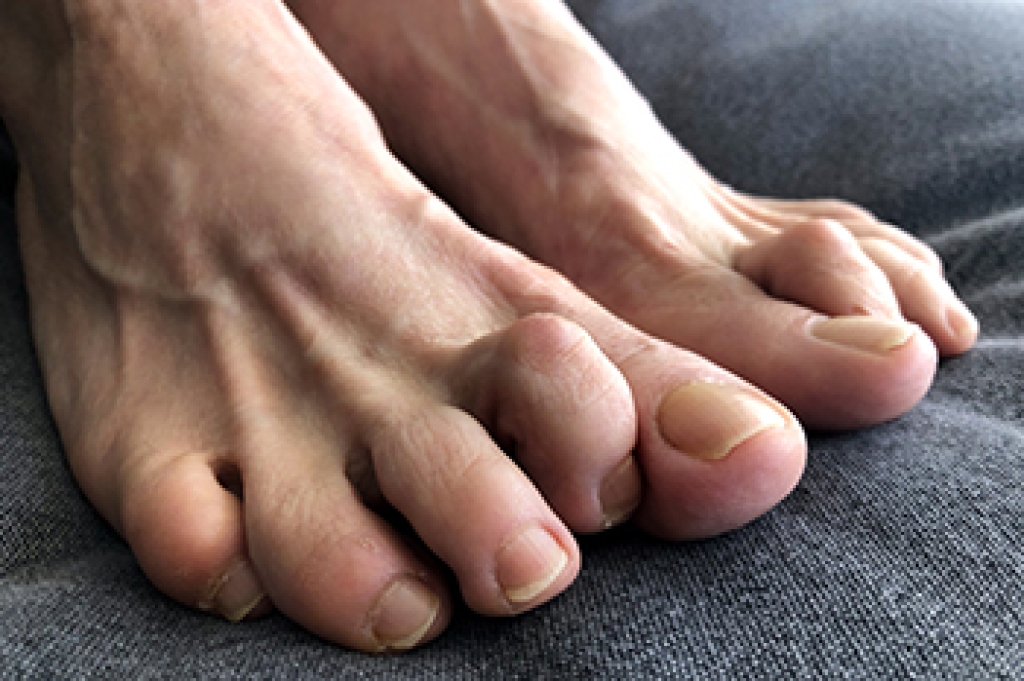
One of the most common foot deformities is called a hammertoe. This means the middle joint of the toe pops up instead of lying flat. Hammertoe usually affects the 2nd, 3rd, and 4th toes and can become painful as the protruding joint rubs against the inside of the shoe. Causes of hammertoe vary, but the most common is wearing high-heeled shoes with pointy-toes. Not surprisingly, more women develop hammertoe than men. Trauma from a fall or blow, sprains, or broken toes can all contribute to the formation of a hammertoe as well. They also can be caused by side effects from arthritis, diabetes, and polio. Hammertoe can make it difficult to walk, thereby affecting the gait and causing problems in other parts of the body. If you have developed a hammertoe, please consult with a podiatrist for an examination and possible remedies available to you. 

Hammertoe

Hammertoes can be a painful condition to live with. For more information, contact one of our podiatrists from APEX Foot & Ankle Center. Our doctors will answer any of your foot- and ankle-related questions.

Hammertoe is a foot deformity that affects the joints of the second, third, fourth, or fifth toes of your feet. It is a painful foot condition in which these toes curl and arch up, which can often lead to pain when wearing footwear.

Symptoms

  • Pain in the affected toes
  • Development of corns or calluses due to friction
  • Inflammation
  • Redness
  • Contracture of the toes

Causes

Genetics – People who are genetically predisposed to hammertoe are often more susceptible

Arthritis – Because arthritis affects the joints in your toes, further deformities stemming from arthritis can occur

Trauma – Direct trauma to the toes could potentially lead to hammertoe

Ill-fitting shoes – Undue pressure on the front of the toes from ill-fitting shoes can potentially lead to the development of hammertoe

Treatment

Orthotics – Custom made inserts can be used to help relieve pressure placed on the toes and therefore relieve some of the pain associated with it

Medications – Oral medications such as anti-inflammatories or NSAIDs could be used to treat the pain and inflammation hammertoes causes. Injections of corticosteroids are also sometimes used

Surgery – In more severe cases where the hammertoes have become more rigid, foot surgery is a potential option

If you have any questions, please feel free to contact our offices located in Fort Myers, Shellpoint, and Naples, FL . We offer the newest diagnostic and treatment technologies for all your foot care needs.
Read more about What Are Hammertoes?

Types of Bunion Surgery

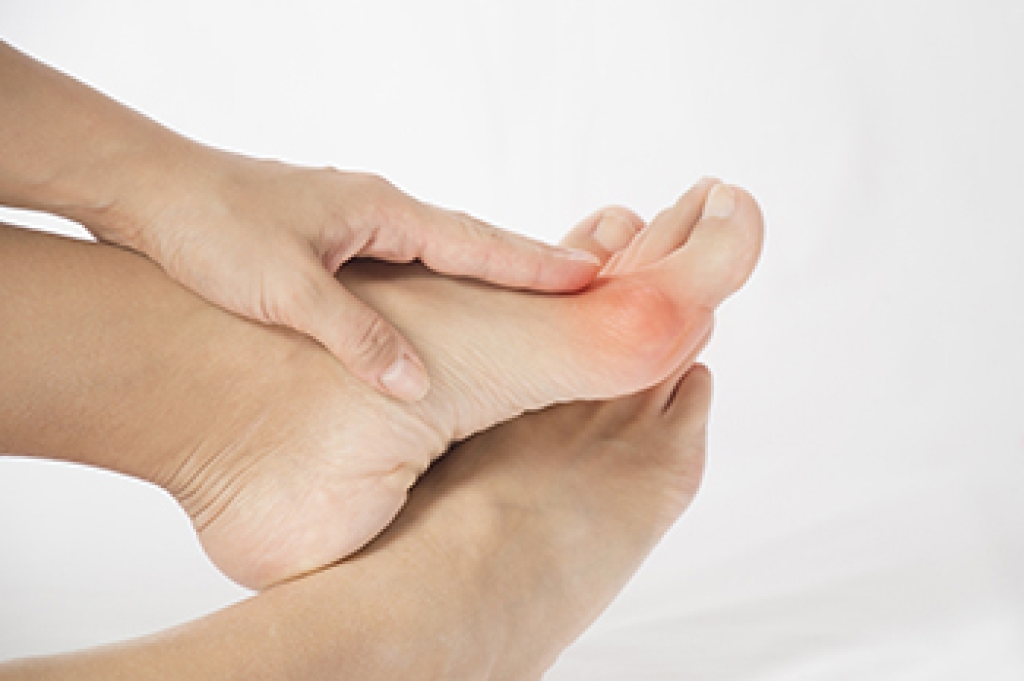
A bunion is easy to identify. It is defined as a bony protrusion on the side of the big toe and the skin may appear to be red. A bunion can develop as a result of genetic factors, or from wearing shoes that do not fit correctly. Some patients find it helpful to wear a cushion on top of the bunion as this may help to relieve some of the discomfort. Many times, larger shoes need to be purchased that can accommodate the bunion and surgery may be considered for permanent removal. There are several types of bunion surgeries that can be performed. A bunionectomy is performed to remove the bony growth, in addition to realigning the muscles, ligaments, and tendons. Having an osteotomy performed involves cutting the toe bone which may help to straighten the joints. When bones are fused, it is known as an arthrodesis. Additionally, an arthroplasty is done by removing the damaged joint, which is necessary in allowing scar tissue to form. If you have developed a bunion, it is strongly advised that you seek the care of a podiatrist who can provide the correct treatment method for you.

If you are suffering from bunions, contact one of our podiatrists of APEX Foot & Ankle Center. Our doctors can provide the care you need to keep you pain-free and on your feet.

What Is a Bunion?

A bunion is formed of swollen tissue or an enlargement of boney growth, usually located at the base joint of the toe that connects to the foot. The swelling occurs due to the bones in the big toe shifting inward, which impacts the other toes of the foot. This causes the area around the base of the big toe to become inflamed and painful.

Why Do Bunions Form?

Genetics – Susceptibility to bunions are often hereditary

Stress on the feet – Poorly fitted and uncomfortable footwear that places stress on feet, such as heels, can worsen existing bunions

How Are Bunions Diagnosed?

Podiatrists often perform two tests – blood tests and x-rays – when trying to diagnose bunions, especially in the early stages of development. Blood tests help determine if the foot pain is being caused by something else, such as arthritis, while x-rays provide a clear picture of your bone structure to your provider.

How Are Bunions Treated?

  • Refrain from wearing heels or similar shoes that cause discomfort
  • Select wider shoes that can provide more comfort and reduce pain
  • Anti-inflammatory and pain management drugs
  • Orthotics or foot inserts
  • Surgery

If you have any questions, please feel free to contact our offices located in Fort Myers, Shellpoint, and Naples, FL . We offer the newest diagnostic and treatment technologies for all your foot care needs.
Read more about Bunions

Do Your Child's Feet Hurt?

Have your child's feet been examined lately? Healthy feet are happy feet. If your child is complaining of foot pain, it may be a sign of underlying problems.

How to Get Rid of Corns on Your Feet

Corns are hard bumps that develop on the skin, typically on the feet. They can occur due to pressure and friction caused by poorly fitting shoes. The skin hardens to protect the delicate tissue underneath. Corns are like calluses, but they can become tender and cause pain too. They are generally not serious but may be uncomfortable. Removing the ill-fitting shoes or source of friction is the best way to prevent corns from worsening. Usually soaking the affected foot, applying a moisturizer, and rubbing the corn with a washcloth will help soften the corn and remove excess layers of skin that have built up. If you develop a corn that does not heal, begins to bleed, or becomes infected it is suggested that you seek the counsel of a podiatrist. 

Corns can make walking very painful and should be treated immediately. If you have questions regarding your feet and ankles, contact one of our podiatrists of APEX Foot & Ankle Center. Our doctors will treat your foot and ankle needs.

Corns: What Are They? And How Do You Get Rid of Them?
Corns are thickened areas on the skin that can become painful. They are caused by excessive pressure and friction on the skin. Corns press into the deeper layers of the skin and are usually round in shape.

Ways to Prevent Corns
There are many ways to get rid of painful corns such as:

  • Wearing properly fitting shoes that have been measured by a professional
  • Wearing shoes that are not sharply pointed or have high heels
  • Wearing only shoes that offer support

Treating Corns

Although most corns slowly disappear when the friction or pressure stops, this isn’t always the case. Consult with your podiatrist to determine the best treatment option for your case of corns.

If you have any questions, please feel free to contact our offices located in Fort Myers, Shellpoint, and Naples, FL . We offer the newest diagnostic and treatment technologies for all your foot care needs.

Read more about Corns and Calluses

What is Diabetic Neuropathy?

Many people who have had diabetes for a long time may also have a condition known as diabetic neuropathy. The most common form is peripheral neuropathy, which in diabetics usually affects the feet. Symptoms include numbness, reduced ability to feel pain or temperature changes, and tingling or burning sensations. Sharp pains or cramps may also occur. These can further evolve into foot ulcers (wounds that do not heal properly) and infections from cracks or sores in the skin. If ignored or left untreated, gangrene may develop which could lead to surgery or amputation. The main causes of peripheral neuropathy are high levels of sugar and triglycerides in the blood which can damage the nerves and blood vessels in the feet. Since the symptoms of peripheral neuropathy develop over time, it is easy to overlook this condition. Daily foot care is imperative to maintain healthy feet. Another important way to prevent or handle diabetic neuropathy is to schedule regular visits to a podiatrist who can monitor the condition of your feet and treat them accordingly.

Neuropathy

Neuropathy can be a potentially serious condition, especially if it is left undiagnosed. If you have any concerns that you may be experiencing nerve loss in your feet, consult with one of our podiatrists from APEX Foot & Ankle Center. Our doctors will assess your condition and provide you with quality foot and ankle treatment for neuropathy.

What Is Neuropathy?

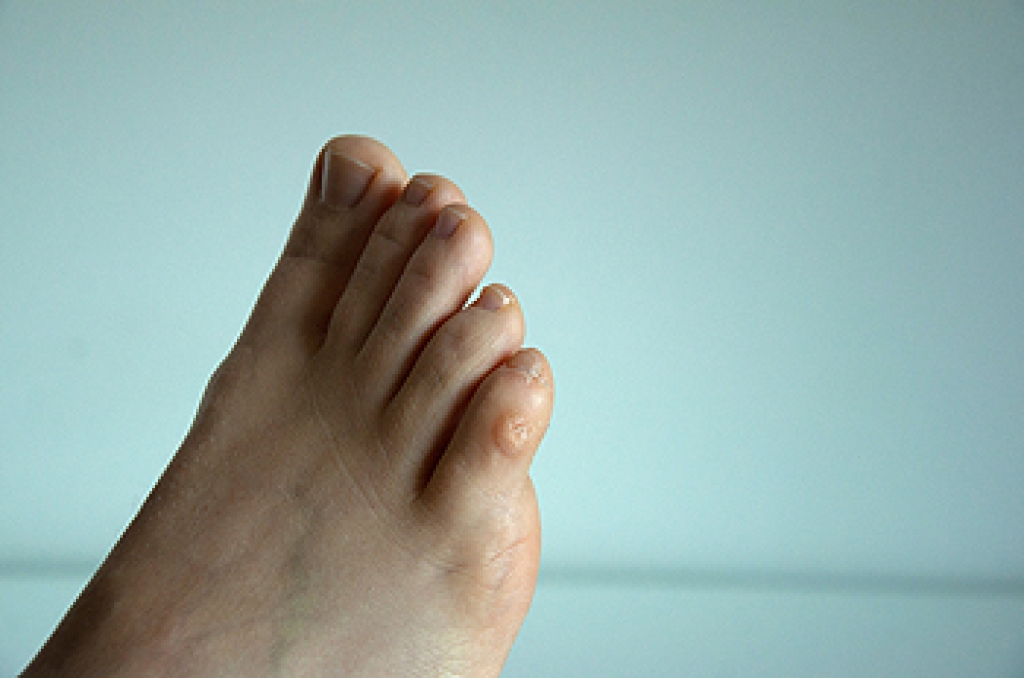
Neuropathy is a condition that leads to damage to the nerves in the body. Peripheral neuropathy, or neuropathy that affects your peripheral nervous system, usually occurs in the feet. Neuropathy can be triggered by a number of different causes. Such causes include diabetes, infections, cancers, disorders, and toxic substances.

Symptoms of Neuropathy Include:

  • Numbness
  • Sensation loss
  • Prickling and tingling sensations
  • Throbbing, freezing, burning pains
  • Muscle weakness

Those with diabetes are at serious risk due to being unable to feel an ulcer on their feet. Diabetics usually also suffer from poor blood circulation. This can lead to the wound not healing, infections occurring, and the limb may have to be amputated.

Treatment

To treat neuropathy in the foot, podiatrists will first diagnose the cause of the neuropathy. Figuring out the underlying cause of the neuropathy will allow the podiatrist to prescribe the best treatment, whether it be caused by diabetes, toxic substance exposure, infection, etc. If the nerve has not died, then it’s possible that sensation may be able to return to the foot.

Pain medication may be issued for pain. Electrical nerve stimulation can be used to stimulate nerves. If the neuropathy is caused from pressure on the nerves, then surgery may be necessary.

If you have any questions, please feel free to contact our offices located in Fort Myers, Shellpoint, and Naples, FL . We offer the newest diagnostic and treatment technologies for all your foot care needs.
Read more about Neuropathy

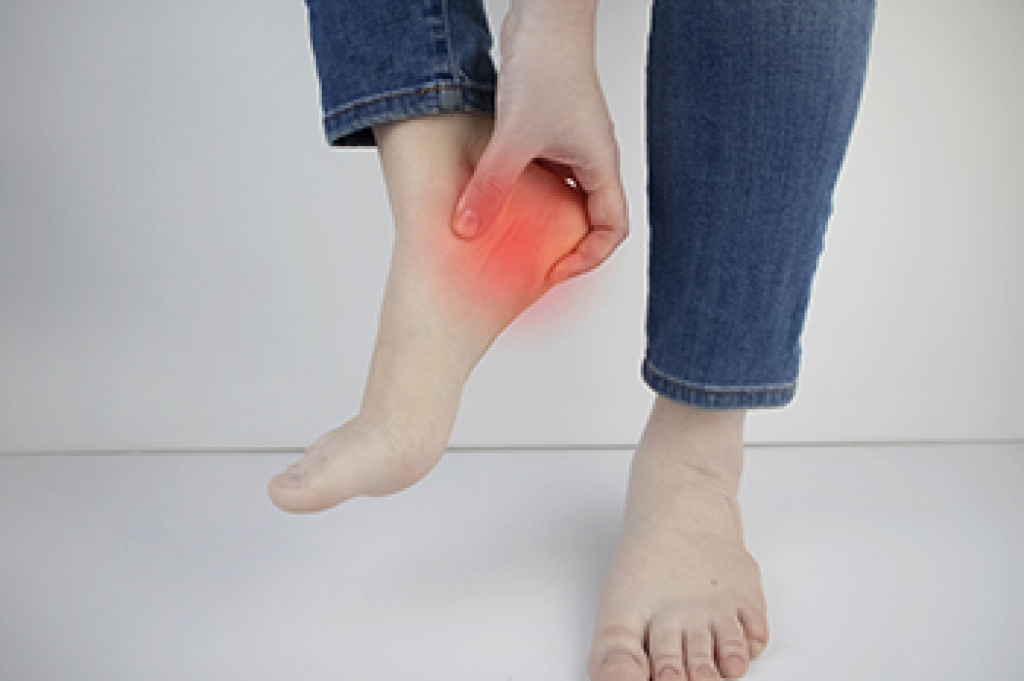
The Heel of My Foot Hurts!

Many people complain about pain in the heel of their foot at some point in their lives. Plantar fasciitis, or inflammation of the plantar fascia, is one of the most common causes of this. The plantar fascia is the broad band of connective tissue running along the bottom of the foot that joins the heel bone to the toes, provides support for the arch of the foot, acts as a shock absorber, and bears the body’s weight. Plantar fasciitis develops when this band of tissue becomes irritated, torn, or inflamed. This condition can be extremely painful, especially with the day’s first steps. The pain at the bottom of the heel, and sometimes the midfoot area, can be sharp and stabbing or dull and achy. Once a person starts walking, the pain usually reduces but it may come on again after prolonged periods on one’s feet or when standing after sitting for a while. While causes of plantar fasciitis are not clear, research shows that heel spurs can result from plantar fasciitis, which can cause pain. This ailment is common among athletes, those who are on their feet a lot, and those who are obese. If you are suffering with heel pain, it is suggested you see a podiatrist who can make a proper diagnosis and lead you in treatment.

Plantar fasciitis is a common foot condition that is often caused by a strain injury. If you are experiencing heel pain or symptoms of plantar fasciitis, contact one of our podiatrists from APEX Foot & Ankle Center. Our doctors can provide the care you need to keep you pain-free and on your feet.

What Is Plantar Fasciitis?

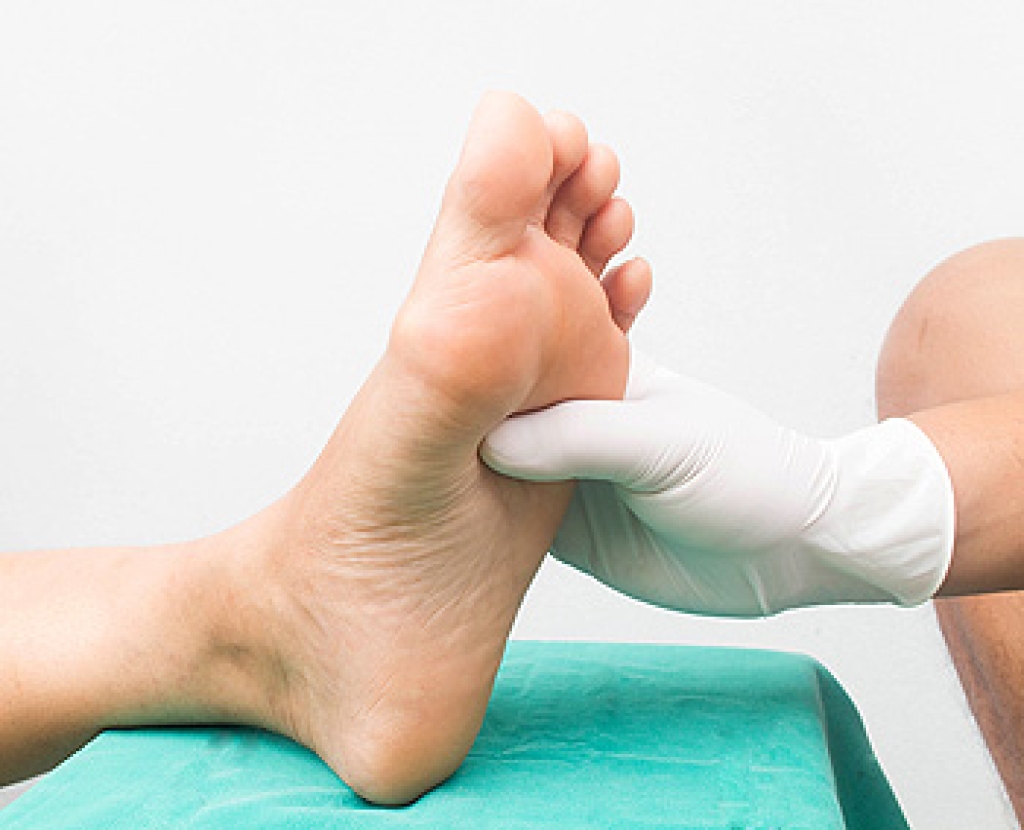
Plantar fasciitis is one of the most common causes of heel pain. The plantar fascia is a ligament that connects your heel to the front of your foot. When this ligament becomes inflamed, plantar fasciitis is the result. If you have plantar fasciitis you will have a stabbing pain that usually occurs with your first steps in the morning. As the day progresses and you walk around more, this pain will start to disappear, but it will return after long periods of standing or sitting.

What Causes Plantar Fasciitis?

  • Excessive running
  • Having high arches in your feet
  • Other foot issues such as flat feet
  • Pregnancy (due to the sudden weight gain)
  • Being on your feet very often

There are some risk factors that may make you more likely to develop plantar fasciitis compared to others. The condition most commonly affects adults between the ages of 40 and 60. It also tends to affect people who are obese because the extra pounds result in extra stress being placed on the plantar fascia.

Prevention

  • Take good care of your feet – Wear shoes that have good arch support and heel cushioning.
  • Maintain a healthy weight
  • If you are a runner, alternate running with other sports that won’t cause heel pain

There are a variety of treatment options available for plantar fasciitis along with the pain that accompanies it. Additionally, physical therapy is a very important component in the treatment process. It is important that you meet with your podiatrist to determine which treatment option is best for you.

If you have any questions, please feel free to contact our offices located in Fort Myers, Shellpoint, and Naples, FL . We offer the newest diagnostic and treatment technologies for all your foot care needs.
 

Read more about Plantar Fasciitis

Connect With Us

Advanced Podiatric Procedures & Services in the Fort Myers, FL 33908 and Naples, FL 34110 areas