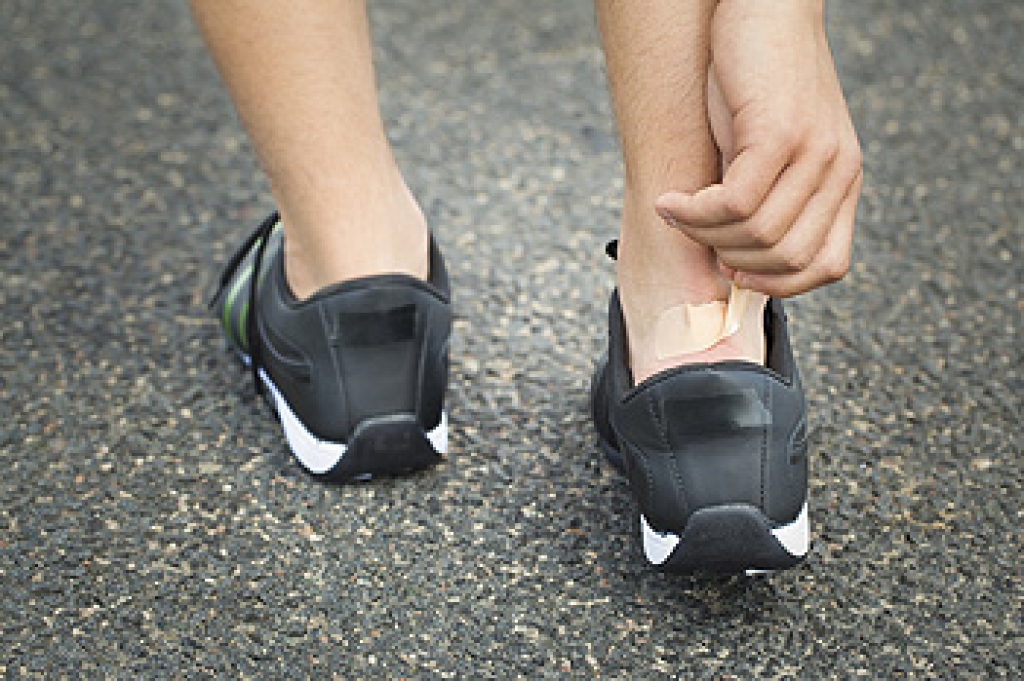
Should You Pop Your Blister?

Blisters usually form on the back of the ankle and are a result of friction between your skin and your shoe. Depending on what caused the blister, blisters can be filled with a couple different fluids. These fluids include, plasma, blood, serum, and pus. These fluids are working to protect the skin and assist the body in the healing process. This is why you should never pop or break a blister, doing so will only stall the healing process. Also, opening up the blister and creating a wound puts you at a higher risk for infection. There are some instances when the blister should be drained, but this should be done by a medical professional. A doctor can use a sterile needle to drain the fluid and this is a much safer method. If you have a blister and think that it should be drained, then it is suggested you speak to a podiatrist in order to properly take care of it.

Blisters may appear as a single bubble or in a cluster. They can cause a lot of pain and may be filled with pus, blood, or watery serum. If your feet are hurting, contact one of our podiatrists of APEX Foot & Ankle Center. Our doctors can provide the care you need to keep you pain-free and on your feet.

Foot Blisters

Foot blisters are often the result of friction. This happens due to the constant rubbing from shoes, which can lead to pain.

What Are Foot Blisters?

A foot blister is a small fluid-filled pocket that forms on the upper-most layer of the skin. Blisters are filled with clear fluid and can lead to blood drainage or pus if the area becomes infected.

Symptoms

(Blister symptoms may vary depending on what is causing them)

  • Bubble of skin filled with fluid
  • Redness
  • Moderate to severe pain
  • Itching

Prevention & Treatment

In order to prevent blisters, you should be sure to wear comfortable shoes with socks that cushion your feet and absorb sweat. Breaking a blister open may increase your chances of developing an infection. However, if your blister breaks, you should wash the area with soap and water immediately and then apply a bandage to the affected area. If your blisters cause severe pain it is important that you call your podiatrist right away.

If you have any questions, please feel free to contact our offices located in Fort Myers, Shellpoint, and Naples, FL . We offer the newest diagnostic and treatment technologies for all your foot care needs.

Read more about Blisters

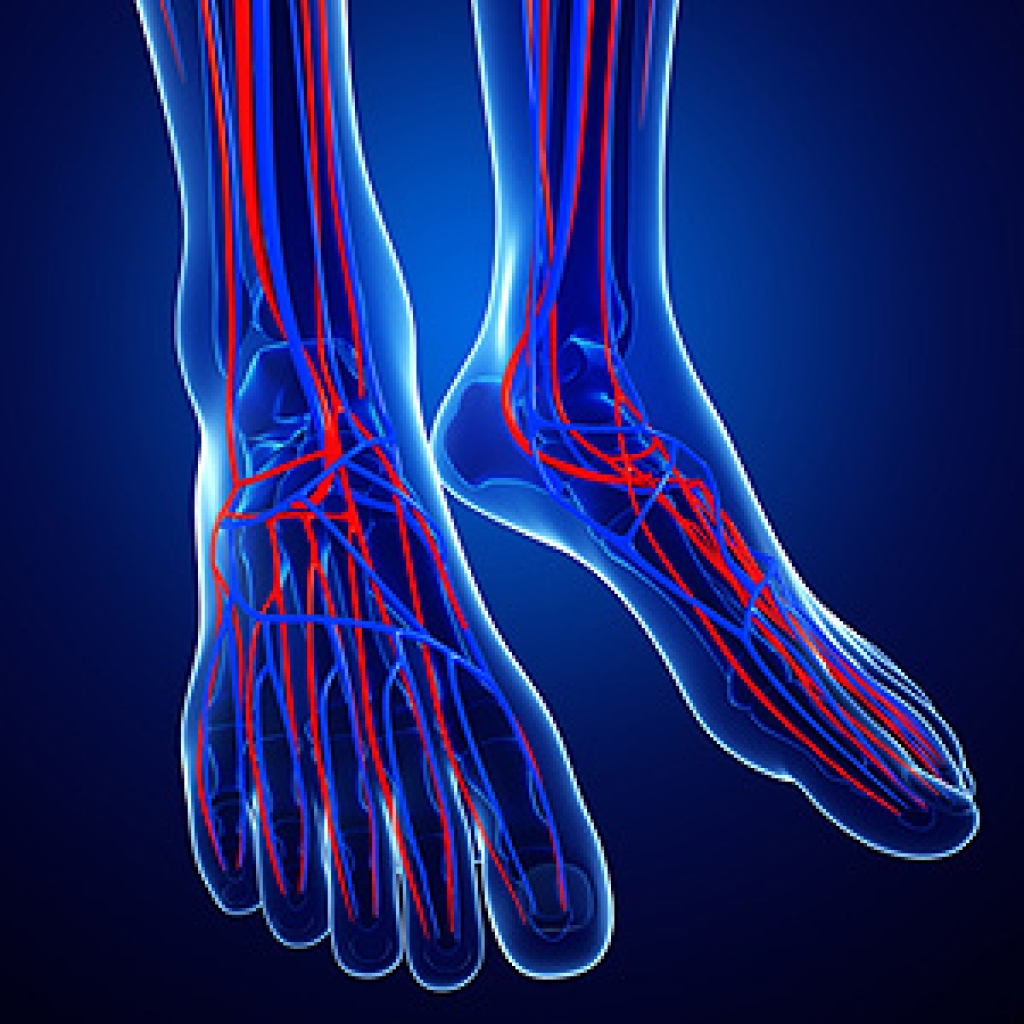
Symptoms of Poor Circulation

Many people may experience poor circulation, and noticeable symptoms may be present in the feet. This condition may be a result of inadequate levels of oxygen and nutrients in the blood, which is normally pumped through blood vessels in the feet. There are many symptoms that are associated with poor circulation, and these may include a numbing sensation in the feet, coldness, and the skin color may appear to look pale blue or red. Patients may be aware of sores that have developed, and may have difficulty in healing properly, which may be a result of insufficient blood supply in the feet. Additionally, the toenails may grow slower than they usually do, and any hair that is present on the toes may not grow at all. If you are experiencing any symptoms relating to poor circulation in your feet, it is strongly advised to speak to a podiatrist as quickly as possible who can properly treat this condition.

While poor circulation itself isn’t a condition; it is a symptom of another underlying health condition you may have. If you have any concerns with poor circulation in your feet contact one of our podiatrists of APEX Foot & Ankle Center. Our doctors will treat your foot and ankle needs.

Poor Circulation in the Feet

Peripheral artery disease (PAD) can potentially lead to poor circulation in the lower extremities. PAD is a condition that causes the blood vessels and arteries to narrow. In a linked condition called atherosclerosis, the arteries stiffen up due to a buildup of plaque in the arteries and blood vessels. These two conditions can cause a decrease in the amount of blood that flows to your extremities, therefore resulting in pain.

Symptoms

Some of the most common symptoms of poor circulation are:

  • Numbness
  • Tingling
  • Throbbing or stinging pain in limbs
  • Pain
  • Muscle Cramps

Treatment for poor circulation often depends on the underlying condition that causes it. Methods for treatment may include insulin for diabetes, special exercise programs, surgery for varicose veins, or compression socks for swollen legs.

As always, see a podiatrist as he or she will assist in finding a regimen that suits you. A podiatrist can also prescribe you any needed medication. 

If you have any questions, please feel free to contact our offices located in Fort Myers, Shellpoint, and Naples, FL . We offer the newest diagnostic and treatment technologies for all your foot care needs.

Read more about Causes, Symptoms, and Treatment of Poor Blood Circulation in the Feet

Different Types of Ankle Pain

Ankle pain may originate from several sources, which may include sprains, fractures, or arthritis. The pain may be acute or develop gradually, and this may depend on what the cause is. Burning, aching or throbbing may accompany different types of ankle pain, and a proper diagnosis needs to be performed, which may aid in determining the reason for the pain and discomfort. This may include having an X-ray and a physical examination completed, and additional imaging procedures may be necessary if the ankle pain is severe. Ankle sprains are common injuries and may occur from unexpectedly stepping off a curb or engaging in an activity in which the ankle rolls inward. The tendons in the ankle attach to the bone, and if these should become inflamed, a condition known as ankle tendonitis may occur. If you have any form of ankle pain, it is suggested to counsel with a podiatrist who can guide you to begin the correct treatment.

Ankle pain can be caused by a number of problems and may be potentially serious. If you have ankle pain, consult with one of our podiatrists from APEX Foot & Ankle Center. Our doctors will assess your condition and provide you with quality foot and ankle treatment.

Ankle pain is any condition that causes pain in the ankle. Due to the fact that the ankle consists of tendons, muscles, bones, and ligaments, ankle pain can come from a number of different conditions.

Causes

The most common causes of ankle pain include:

  • Types of arthritis (rheumatoid, osteoarthritis, and gout)
  • Ankle sprains
  • Broken ankles
  • Achilles tendonitis
  • Achilles tendon rupture
  • Stress fractures
  • Bursitis
  • Tarsal tunnel syndrome
  • Plantar fasciitis

Symptoms

Symptoms of ankle injury vary based upon the condition. Pain may include general pain and discomfort, swelling, aching, redness, bruising, burning or stabbing sensations, and/or loss of sensation.

Diagnosis

Due to the wide variety of potential causes of ankle pain, podiatrists will utilize a number of different methods to properly diagnose ankle pain. This can include asking for personal and family medical histories and of any recent injuries. Further diagnosis may include sensation tests, a physical examination, and potentially x-rays or other imaging tests.

Treatment

Just as the range of causes varies widely, so do treatments. Some more common treatments are rest, ice packs, keeping pressure off the foot, orthotics and braces, medication for inflammation and pain, and surgery.

If you have any questions please feel free to contact our offices located in Fort Myers, Shellpoint, and Naples, FL . We offer the newest diagnostic tools and technology to treat your foot and ankle needs.

Read more about Ankle Pain

Is Obesity Connected to Plantar Fasciitis?

Research has shown there are several uncomfortable foot conditions that may develop as a result of being overweight. The excess weight may put additional pressure on the plantar fascia, which is the tissue that connects the heel to the toes. If this tissue should become torn or inflamed, the condition that is known as plantar fasciitis may develop. It is known to cause severe pain and discomfort and the ability to perform daily activities may be compromised. The pain is typically felt in the heel and surrounding areas and wearing custom-made orthotics may provide a moderate level of relief. Patients who are obese may have trouble in practicing a routine exercise regime, and this may be a result of the inability to move freely, often caused by uncomfortable heel pain. If you have any form of heel pain, it is suggested to speak to a podiatrist who can properly guide you to correct treatment options.

Obesity has become very problematic at this point in time and can have extremely negative effects on the feet. If you’re an obese individual and are concerned about your feet, contact one of our podiatrists from APEX Foot & Ankle Center. Our doctors can provide the care you need to keep you pain-free and on your feet.

Obesity and Your Feet

Since your feet are what support your entire weight when standing, any additional weight can result in pain and swelling. Being overweight is one of the main contributors to foot complications.

Problems & Complications

Extra Weight – Even putting on just a few extra pounds could create serious complications for your feet. As your weight increases, your balance and body will shift, creating new stresses on your feet. This uneven weight distribution can cause pain, even while doing the simplest tasks, such as walking.

Diabetes – People who are overweight are at serious risk of developing type-2 diabetes, which has a drastic impact on the health of your feet. As you get older, your diabetes might worsen, which could lead to loss of feeling in your feet, sores, and bruises. You could also become more prone to various infections.

Plantar fasciitis – Pressure and stress that is placed on muscles, joints, and tendons can trigger plantar fasciitis, which is an inflammation of tissue that forms along the bottom of the foot. 

If you have any questions, please feel free to contact our offices located in Fort Myers, Shellpoint, and Naples, FL . We offer the newest diagnostic and treatment technologies for all your foot care needs.

Read more about How Obesity Affects Your Feet

How to Prevent Foot Ailments in the Elderly Population

The importance of properly taking care of your feet is crucial to overall foot health, and it amplifies as the aging process occurs. Research has shown women to have approximately four times as many foot conditions than men, and this may be due to wearing high heels for many years, which may not allow adequate room for the toes to move about in. Aging may cause the feet to change sizes, and this may be a result of the feet becoming flattened and spread out as time evolves. Wearing shoes that do not fit properly can cause corns to form, and this is mainly because of increased friction the toes may bear. Additionally, a fungus may develop that is known as Athlete's foot, and this is extremely contagious and may be prevented by wearing appropriate shoes in public pools and surrounding areas. It is suggested to consult with a podiatrist for additional information on how to avoid potential foot ailments in elderly people.

Proper foot care is something many older adults forget to consider. If you have any concerns about your feet and ankles, contact one of our podiatrists from APEX Foot & Ankle Center. Our doctors can provide the care you need to keep you pain-free and on your feet.

The Elderly and Their Feet

As we age we start to notice many changes in our body, but the elder population may not notice them right away. Medical conditions may prevent the elderly to take notice of their foot health right away. Poor vision is a lead contributor to not taking action for the elderly.

Common Conditions 

  • Neuropathy – can reduce feeling in the feet and can hide many life-threatening medical conditions.
  • Reduced flexibility – prevents the ability of proper toenail trimming, and foot cleaning. If left untreated, it may lead to further medical issues.
  • Foot sores – amongst the older population can be serious before they are discovered. Some of the problematic conditions they may face are:
  • Gouging toenails affecting nearby toe
  • Shoes that don’t fit properly
  • Pressure sores
  • Loss of circulation in legs & feet
  • Edema & swelling of feet and ankles

Susceptible Infections

Diabetes and poor circulation can cause general loss of sensitivity over the years, turning a simple cut into a serious issue.

If you have any questions, please feel free to contact our offices located in Fort Myers, Shellpoint, and Naples, FL . We offer the newest diagnostic and treatment technologies for all your foot care needs.

Read more about Taking Care of Elderly Feet

What Is Podiatric Medicine?

People who pursue a career in podiatry are interested in the diagnosis and treatment of foot disorders, which may originate from disease or injury. They are qualified to perform surgery, prescribe medication, and are educated in state-of-the-art procedures. Many podiatrists are trained to notice other health issues as a result of specific foot conditions that may be present. After several years of school are completed, and a Doctor of Podiatric Medicine (D.P.M.) degree is obtained, a choice will be made to practice in group or private practice, in addition to exploring the possibility of teaching in schools of nursing and medicine. If you would like additional information about the benefits of practicing podiatric medicine, speak with a podiatrist.

If you are dealing with pain in your feet and ankles, you may want to seek help from a podiatrist. Feel free to contact one of our podiatrists from APEX Foot & Ankle Center. Our doctors can provide the care you need to keep you pain-free and on your feet.

What Is a Podiatrist?

A podiatrist is a doctor of podiatric medicine who diagnoses and treats conditions of the foot, ankle, and related structures of the leg. Your podiatrist may specialize in a certain field such as sports medicine, wound care, pediatrics, and diabetic care. Podiatrists have the ability to become board certified through training, clinical experience, and then taking an exam.

What Do Podiatrists Do?

On a daily basis, a podiatrist may perform the following activities:

  • Diagnose foot ailments such as ulcers, tumors, fractures, etc.
  • Use innovative methods to treat conditions
  • Use corrective orthotics, casts, and strappings to correct deformities
  • Correct walking patterns and balance
  • Provide individual consultations to patients

It is very important that you take care of your feet. It’s easy to take having healthy feet for granted, however foot problems tend to be among the most common health conditions. Podiatrists can help diagnose and treat a variety of feet related conditions, so it is crucial that you visit one if you need assistance.

If you have any questions, please feel free to contact our offices located in Fort Myers, Shellpoint, and Naples, FL . We offer the newest diagnostic and treatment technologies for all your foot care needs.

Read more about What is a Podiatrist?

Wearing High Heels May Affect the Ankles

Even though many women enjoy wearing high heels and admire how the foot looks in high heeled shoes, there may be specific foot issues that may develop as a result of wearing this type of shoe. The ankles may become unstable, which may affect the body’s balance, in addition to providing inadequate support while walking. Research has shown that muscles may gradually reduce in length in the back of the leg and they may get longer in the front of the leg. These changes may affect the muscle strength in the leg and may influence overall body stability. If you choose to wear high heels, there may be techniques that can be implemented, which may minimize any injuries that may occur. These may include performing gentle stretching exercises, using resistance bands that may aid in strengthening the leg muscles, and using your toes to pick up small objects, which may help the muscles in the toes to become stronger. If you have questions about the effects high heels can have on your feet, it is suggested to speak with a podiatrist.

High heels have a history of causing foot and ankle problems. If you have any concerns about your feet or ankles, contact one of our podiatrists from APEX Foot & Ankle Center. Our doctors can provide the care you need to keep you pain-free and on your feet.

Effects of High Heels on the Feet

High heels are popular shoes among women because of their many styles and societal appeal.  Despite this, high heels can still cause many health problems if worn too frequently.

Which Parts of My Body Will Be Affected by High Heels?

  • Ankle Joints
  • Achilles Tendon – May shorten and stiffen with prolonged wear
  • Balls of the Feet
  • Knees – Heels cause the knees to bend constantly, creating stress on them
  • Back – They decrease the spine’s ability to absorb shock, which may lead to back pain.  The vertebrae of the lower back may compress.

What Kinds of Foot Problems Can Develop from Wearing High Heels?

  • Corns
  • Calluses
  • Hammertoe
  • Bunions
  • Morton’s Neuroma
  • Plantar Fasciitis

How Can I Still Wear High Heels and Maintain Foot Health?

If you want to wear high heeled shoes, make sure that you are not wearing them every day, as this will help prevent long term physical problems.  Try wearing thicker heels as opposed to stilettos to distribute weight more evenly across the feet.  Always make sure you are wearing the proper shoes for the right occasion, such as sneakers for exercising.  If you walk to work, try carrying your heels with you and changing into them once you arrive at work.  Adding inserts to your heels can help cushion your feet and absorb shock. Full foot inserts or metatarsal pads are available. 

If you have any questions, please feel free to contact our offices located in Fort Myers, Shellpoint, and Naples, FL . We offer the newest diagnostic and treatment technologies for all your foot care needs.
Read more about Effect of High Heels on the Feet

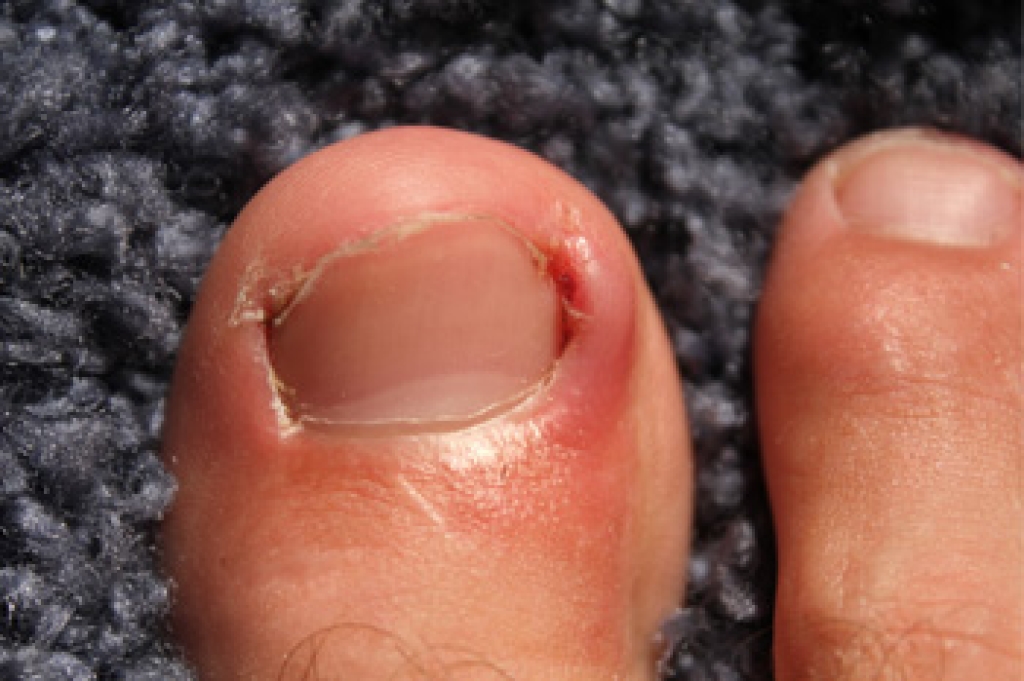
Stages of an Ingrown Toenail

There are several ways to develop the painful and uncomfortable condition known as an ingrown toenail. It occurs when the toenail grows into the skin on the side of the nail and may occur due to several different reasons. These may include trimming the toenails incorrectly, wearing shoes and socks that are too tight, or possibly enduring an injury to the toe. There may be options, which may provide moderate relief, including soaking the toe in warm water, wearing the correct footwear that has adequate room for the toes to move about in, or taking antibiotics for an ingrown toenail that becomes infected. Research has shown there are three stages that take place when this condition occurs. The first phase consists of swelling around the side of the nail. Possible drainage and increased pain may be present in phase two, and phase three will typically consist of chronic and recurring infections. If you have developed an ingrown toenail, it is advised to consult with a podiatrist as quickly as possible to discuss the best treatment for you.

Ingrown toenails can become painful if they are not treated properly. For more information about ingrown toenails, contact one of our podiatrists of APEX Foot & Ankle Center. Our doctors can provide the care you need to keep you pain-free and on your feet.

Ingrown Toenails

Ingrown toenails occur when a toenail grows sideways into the bed of the nail, causing pain, swelling, and possibly infection.

Causes

  • Bacterial infections
  • Improper nail cutting such as cutting it too short or not straight across
  • Trauma to the toe, such as stubbing, which causes the nail to grow back irregularly
  • Ill-fitting shoes that bunch the toes too close together
  • Genetic predisposition

Prevention

Because ingrown toenails are not something found outside of shoe-wearing cultures, going barefoot as often as possible will decrease the likeliness of developing ingrown toenails. Wearing proper fitting shoes and using proper cutting techniques will also help decrease your risk of developing ingrown toenails.

Treatment

Ingrown toenails are a very treatable foot condition. In minor cases, soaking the affected area in salt or antibacterial soaps will not only help with the ingrown nail itself, but also help prevent any infections from occurring. In more severe cases, surgery is an option. In either case, speaking to your podiatrist about this condition will help you get a better understanding of specific treatment options that are right for you.

If you have any questions, please feel free to contact our offices located in Fort Myers, Shellpoint, and Naples, FL . We offer the newest diagnostic and treatment technologies for all your foot care needs.
Read more about Ingrown Toenail Care

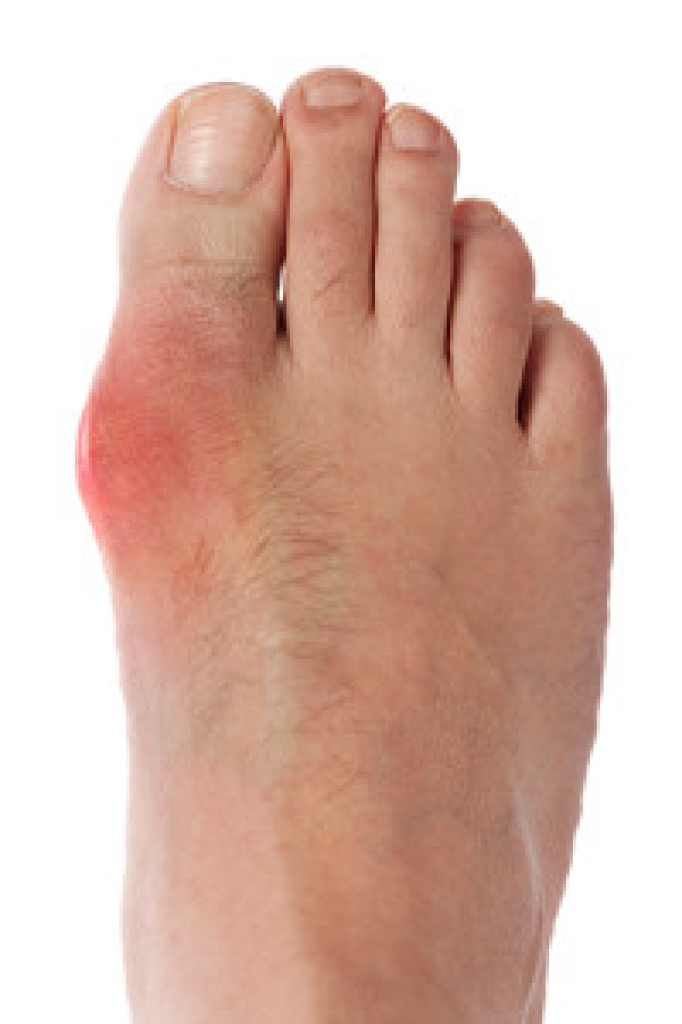
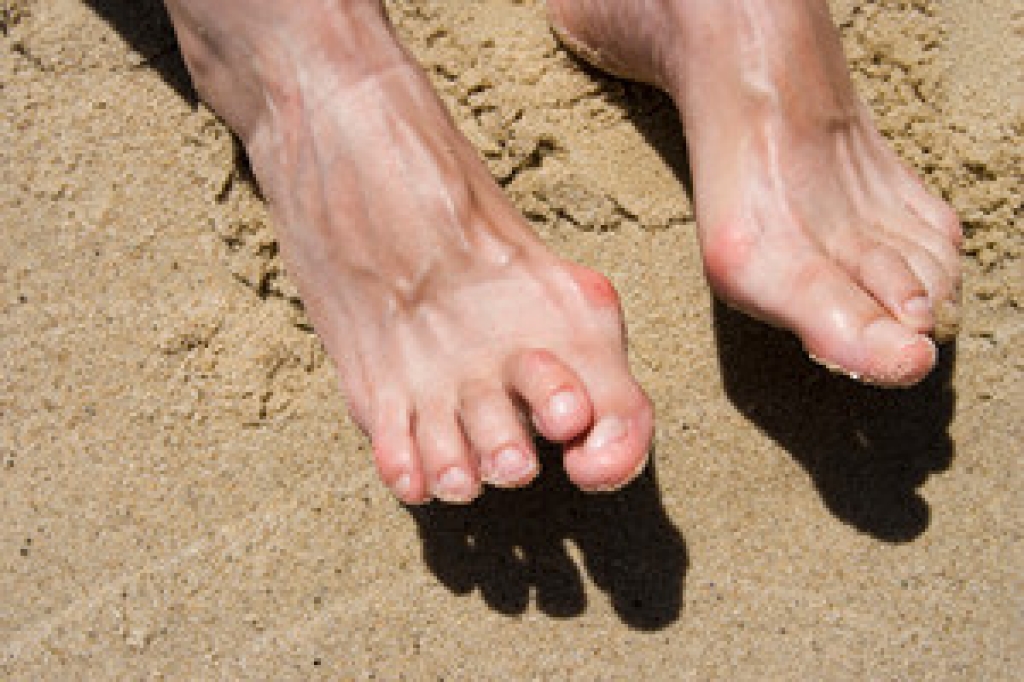
Causes of Gout

The medical condition that is referred to as gout is a form of arthritis, which may affect the joints in the big toe. This condition may typically be associated with severe pain and discomfort and is the result of excess uric acid in the blood levels. Crystals will form in the joints of the big toe and the pain may be debilitating until this ailment subsides. There are several causes for this condition to develop, including a family history of gout and ingesting foods that are high in purine levels. These foods may include eating excess shellfish, red meat, or drinking an overabundance of alcohol. Research has shown that stress, specific medications, or a prolonged illness may play a significant role in developing gout. If you feel you have this condition, it is advised to speak with a podiatrist who can properly treat this uncomfortable condition.

Gout is a painful condition that can be treated. If you are seeking treatment, contact one of our podiatrists from APEX Foot & Ankle Center. Our doctors will treat your foot and ankle needs.

What Is Gout?

Gout is a form of arthritis that is characterized by sudden, severe attacks of pain, redness, and tenderness in the joints. The condition usually affects the joint at the base of the big toe. A gout attack can occur at any random time, such as the middle of the night while you are asleep.

Symptoms

  • Intense Joint Pain - Usually around the large joint of your big toe, and it most severe within the first four to twelve hours
  • Lingering Discomfort - Joint discomfort may last from a few days to a few weeks
  • Inflammation and Redness -Affected joints may become swollen, tender, warm and red
  • Limited Range of Motion - May experience a decrease in joint mobility

Risk Factors

  • Genetics - If family members have gout, you’re more likely to have it
  • Medications - Diuretic medications can raise uric acid levels
  • Gender/Age - Gout is more common in men until the age of 60. It is believed that estrogen protects women until that point
  • Diet - Eating red meat and shellfish increases your risk
  • Alcohol - Having more than two alcoholic drinks per day increases your risk
  • Obesity - Obese people are at a higher risk for gout

Prior to visiting your podiatrist to receive treatment for gout, there are a few things you should do beforehand. If you have gout you should write down your symptoms--including when they started and how often you experience them, important medical information you may have, and any questions you may have. Writing down these three things will help your podiatrist in assessing your specific situation so that he or she may provide the best route of treatment for you.

If you have any questions, please feel free to contact our offices located in Fort Myers, Shellpoint, and Naples, FL . We offer the newest diagnostic and treatment technologies for all your foot care needs.
Read more about Gout

Can Hammertoe Be Prevented?

If you are noticing that your middle toes are bent downward, you may have developed a condition that is referred to as hammertoe. It is generally caused by wearing shoes that have little support in addition to having inadequate room for the toes to move about in. These shoes may cause the muscles and tendons in the toes to become weak and may be unable to aid in straightening the toes. If shoes that are worn fit properly and are comfortable, hammertoe development may be preventable. Research has shown that despite wearing the proper footwear, there may be genetic reasons why this ailment may occur. These may include being born with the second toe that is longer than the big toe or having specific medical conditions that may encompass arthritis or diabetes. If you notice that hammertoe is beginning to develop, it is suggested to consult with podiatrist as quickly as possible to begin the correct course of treatment.

Hammertoes can be a painful condition to live with. For more information, contact one of our podiatrists of APEX Foot & Ankle Center. Our doctors will answer any of your foot- and ankle-related questions.

Hammertoe

Hammertoe is a foot deformity that occurs due to an imbalance in the muscles, tendons, or ligaments that normally hold the toe straight. It can be caused by the type of shoes you wear, your foot structure, trauma, and certain disease processes.

Symptoms

  • Painful and/or difficult toe movement
  • Swelling
  • Joint stiffness
  • Calluses/Corns
  • Physical deformity

Risk Factors

  • Age – The risk of hammertoe increases with age
  • Sex – Women are more likely to have hammertoe compared to men
  • Toe Length – You are more likely to develop hammertoe if your second toe is longer than your big toe
  • Certain Diseases – Arthritis and diabetes may make you more likely to develop hammertoe

Treatment

If you have hammertoe, you should change into a more comfortable shoe that provides enough room for your toes. Exercises such as picking up marbles may strengthen and stretch your toe muscles. Nevertheless, it is important to seek assistance from a podiatrist in order to determine the severity of your hammertoe and see which treatment option will work best for you.

If you have any questions, please feel free to contact our offices located in Fort Myers, Shellpoint, and Naples, FL . We offer the newest diagnostic and treatment technologies for all your foot care needs.

Read more about Hammertoe

Connect With Us

Advanced Podiatric Procedures & Services in the Fort Myers, FL 33908 and Naples, FL 34110 areas