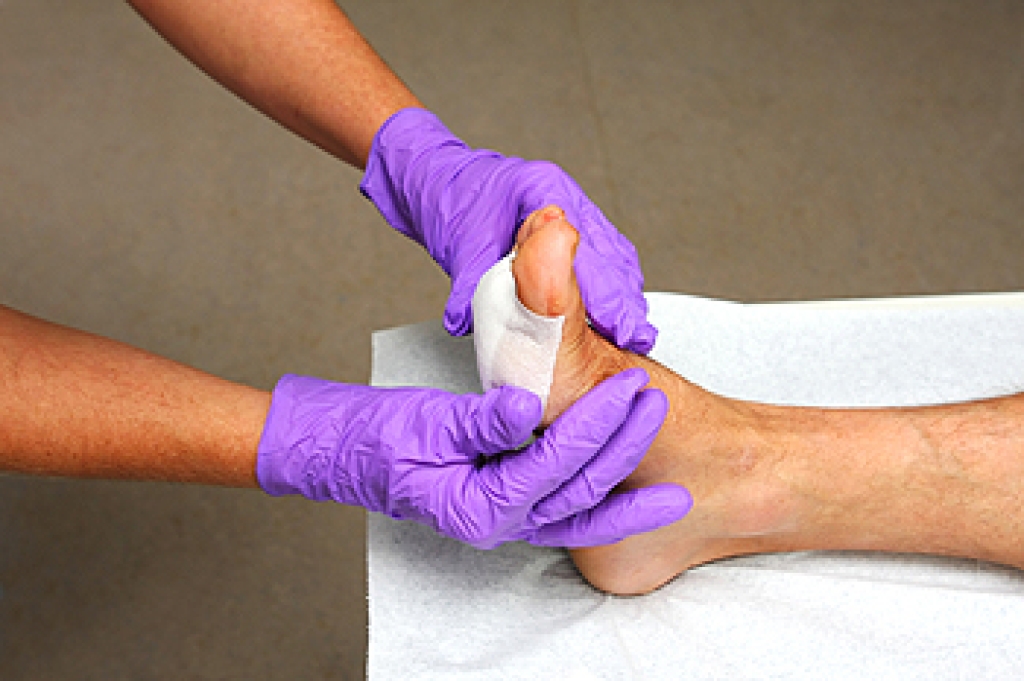
The Importance of Nutrition in Foot Wound Healing

Nutrition plays a critical role in foot wound healing, enhancing the body's natural repair processes. Typical treatments for foot wounds include cleaning, dressing, and managing infection. However, without adequate nutrition, these methods may fall short. Deficiencies in key nutrients such as vitamin C, zinc, and protein can impair healing. Vitamin C is essential for collagen synthesis, zinc supports cell growth and repair, and protein is vital for tissue regeneration. Additionally, nutrients like omega-3 fatty acids and antioxidants can have therapeutic effects, reducing inflammation and promoting faster recovery. If you suffer from foot wounds, it is suggested that you schedule an appointment with a podiatrist who can assess nutritional status, recommend dietary adjustments, and provide supplements if necessary.

Wound care is an important part in dealing with diabetes. If you have diabetes and a foot wound or would like more information about wound care for diabetics, consult with one of our podiatrists from APEX Foot & Ankle Center. Our doctors will assess your condition and provide you with quality foot and ankle treatment.

What Is Wound Care?

Wound care is the practice of taking proper care of a wound. This can range from the smallest to the largest of wounds. While everyone can benefit from proper wound care, it is much more important for diabetics. Diabetics often suffer from poor blood circulation which causes wounds to heal much slower than they would in a non-diabetic. 

What Is the Importance of Wound Care?

While it may not seem apparent with small ulcers on the foot, for diabetics, any size ulcer can become infected. Diabetics often also suffer from neuropathy, or nerve loss. This means they might not even feel when they have an ulcer on their foot. If the wound becomes severely infected, amputation may be necessary. Therefore, it is of the upmost importance to properly care for any and all foot wounds.

How to Care for Wounds

The best way to care for foot wounds is to prevent them. For diabetics, this means daily inspections of the feet for any signs of abnormalities or ulcers. It is also recommended to see a podiatrist several times a year for a foot inspection. If you do have an ulcer, run the wound under water to clear dirt from the wound; then apply antibiotic ointment to the wound and cover with a bandage. Bandages should be changed daily and keeping pressure off the wound is smart. It is advised to see a podiatrist, who can keep an eye on it.

If you have any questions please contact our offices located in Fort Myers, Shellpoint, and Naples, FL . We offer the newest diagnostic and treatment technologies for all your foot and ankle needs.


Read more about Wound Care

Choosing the Best Shoes for a Foot Stress Fracture

Selecting the right footwear is essential for healing a foot stress fracture and preventing further injury. Opt for shoes that provide ample cushioning and support to reduce impact and distribute weight evenly across the foot. Look for options with a rigid midsole that offers stability and minimizes excessive movement, which can aggravate the fracture. Avoid high heels and shoes with a narrow toe box, as these can place additional stress on the foot and hinder recovery. Additionally, shoes with adjustable closures or custom orthotics can help accommodate swelling and offer a better fit. Prioritizing comfort and support over style is important during the healing process to ensure proper recovery and prevent future complications. If you have endured a foot stress fracture, it is suggested that you consult a podiatrist who can offer you correct relief and treatment methods, which can include what type of shoes to wear for optimal healing.

Stress fractures occur when there is a tiny crack within a bone. To learn more, contact one of our podiatrists from APEX Foot & Ankle Center. Our doctors can provide the care you need to keep you pain free and on your feet.

How Are They Caused?

Stress fractures are the result of repetitive force being placed on the bone. Since the lower leg and feet often carry most of the body’s weight, stress fractures are likely to occur in these areas. If you rush into a new exercise, you are more likely to develop a stress fracture since you are starting too much, too soon.  Pain resulting from stress fractures may go unnoticed at first, however it may start to worsen over time.

Risk Factors

  • Gender – They are more commonly found in women compared to men.
  • Foot Problems – People with unusual arches in their feet are more likely to develop stress fractures.
  • Certain Sports – Dancers, gymnasts, tennis players, runners, and basketball players are more likely to develop stress fractures.
  • Lack of Nutrients – A lack of vitamin D and calcium may weaken the bones and make you more prone to stress fractures
  • Weak Bones – Osteoporosis can weaken the bones therefore resulting in stress fractures

Stress fractures do not always heal properly, so it is important that you seek help from a podiatrist if you suspect you may have one. Ignoring your stress fracture may cause it to worsen, and you may develop chronic pain as well as additional fractures.

If you have any questions please contact our offices located in Fort Myers, Shellpoint, and Naples, FL . We offer the newest diagnostic and treatment technologies for all your foot and ankle needs.

Read more about Stress Fractures of the Foot and Ankle

Gout Pain Can Be Managed

Gout is a painful, inflammatory form of arthritis. Those affected will typically feel an intense stiffness in the joints of their feet, particularly in the big toe. Schedule a visit to learn about how gout can be managed and treated.

Exercises for Foot and Ankle Injury Recovery

Recovering from foot and ankle injuries often involves practicing targeted foot stretches to regain strength and flexibility. Ankle pump ups and downs are effective in improving circulation and range of motion by gently flexing and extending the ankle. Bent knee wall stretches help stretch the calf muscles and Achilles tendon, promoting flexibility and reducing stiffness. Toe pick ups strengthen the muscles in the toes and arch of the foot, enhancing overall foot stability. These exercises should be performed gradually and consistently to prevent re-injury and promote healing. Starting with gentle movements and gradually increasing intensity helps rebuild strength without exacerbating pain or discomfort. If you have sprained your ankle or have endured any other type of ankle injury, it is suggested that you consult a podiatrist who can treat the condition, and guide you toward effective recovery stretches.

Exercising your feet regularly with the proper foot wear is a great way to prevent injuries and build strength. If you have any concerns about your feet, contact one of our podiatrists from APEX Foot & Ankle Center. Our doctors can provide the care you need to keep you pain-free and on your feet.

Exercise for Your Feet

Exercise for your feet can help you gain strength, mobility and flexibility in your feet. They say that strengthening your feet can be just as rewarding as strengthening another part of the body. Your feet are very important, and we often forget about them in our daily tasks. But it is because of our feet that are we able to get going and do what we need to. For those of us fortunate enough to not have any foot problems, it is an important gesture to take care of them to ensure good health in the long run.

Some foot health exercises can include ankle pumps, tip-toeing, toe rises, lifting off the floor doing reps and sets, and flexing the toes. It is best to speak with Our doctors to determine an appropriate regimen for your needs. Everyone’s needs and bodies are different, and the activities required to maintain strength in the feet vary from individual to individual. 

Once you get into a routine of doing regular exercise, you may notice a difference in your feet and how strong they may become.

If you have any questions, please feel free to contact our offices located in Fort Myers, Shellpoint, and Naples, FL . We offer the newest diagnostic and treatment technologies for all your foot care needs.

Read more about Exercise for Your Feet

Symptoms of Diabetic Peripheral Neuropathy

Diabetic peripheral neuropathy is a common issue for individuals with type 2 diabetes, with nearly half experiencing this complication. This condition arises when prolonged high blood sugar levels cause damage to the nerves, especially in the feet and lower legs. Symptoms of peripheral neuropathy include numbness, tingling, burning sensations, and muscle weakness, which can progressively disrupt daily activities. A significant concern is “diabetic foot,” where the loss of feeling and poor blood flow can lead to ulcers, infections, and in severe cases loss of limb. Diabetic neuropathy also can increase the risk of falls and fractures due to lack of sensation in the feet, impaired balance and reduced coordination. Factors such as smoking, high blood pressure, obesity, and cholesterol issues can further increase the risk of developing this diabetic peripheral neuropathy. Early detection and proper management are of extreme importance. If you notice unusual sensations in your feet or lower legs, especially persistent numbness or pain, it is suggested that you make an appointment with a podiatrist who can conduct a thorough examination and recommend a personalized treatment plan. 

Neuropathy

Neuropathy can be a potentially serious condition, especially if it is left undiagnosed. If you have any concerns that you may be experiencing nerve loss in your feet, consult with one of our podiatrists from APEX Foot & Ankle Center. Our doctors will assess your condition and provide you with quality foot and ankle treatment for neuropathy.

What Is Neuropathy?

Neuropathy is a condition that leads to damage to the nerves in the body. Peripheral neuropathy, or neuropathy that affects your peripheral nervous system, usually occurs in the feet. Neuropathy can be triggered by a number of different causes. Such causes include diabetes, infections, cancers, disorders, and toxic substances.

Symptoms of Neuropathy Include:

  • Numbness
  • Sensation loss
  • Prickling and tingling sensations
  • Throbbing, freezing, burning pains
  • Muscle weakness

Those with diabetes are at serious risk due to being unable to feel an ulcer on their feet. Diabetics usually also suffer from poor blood circulation. This can lead to the wound not healing, infections occurring, and the limb may have to be amputated.

Treatment

To treat neuropathy in the foot, podiatrists will first diagnose the cause of the neuropathy. Figuring out the underlying cause of the neuropathy will allow the podiatrist to prescribe the best treatment, whether it be caused by diabetes, toxic substance exposure, infection, etc. If the nerve has not died, then it’s possible that sensation may be able to return to the foot.

Pain medication may be issued for pain. Electrical nerve stimulation can be used to stimulate nerves. If the neuropathy is caused from pressure on the nerves, then surgery may be necessary.

If you have any questions, please feel free to contact our offices located in Fort Myers, Shellpoint, and Naples, FL . We offer the newest diagnostic and treatment technologies for all your foot care needs.

Read more about Neuropathy

Connect With Us

Advanced Podiatric Procedures & Services in the Fort Myers, FL 33908 and Naples, FL 34110 areas