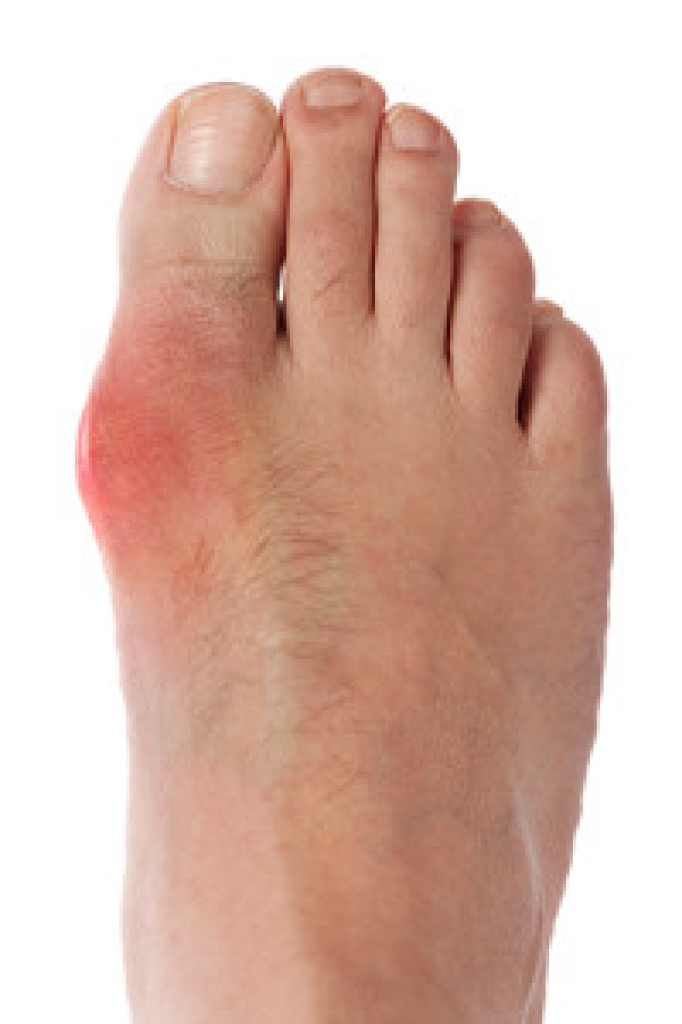
What Causes Gout?

One form of arthritis, commonly referred to as gout, often produces severe pain and swelling in the big toe. There may be several causes of this condition, including an injury or illness that has happened or from ingesting excessive amounts of red meat and alcohol. When this occurs, uric acid in the body may produce excess crystals which lodge in the joints, and the toes are generally affected. A proper diagnosis may consist of knowing the intensity of the gout attack and learning about the patient's diet and regular medications. Additionally, an X-ray or similar may be performed to analyze the bones and soft tissues surrounding the affected toe. It’s suggested to consider scheduling a consultation with a podiatrist for the discussion of proper treatment options that may include dietary changes.

Gout is a painful condition that can be treated. If you are seeking treatment, contact one of our podiatrists from APEX Foot & Ankle Center. Our doctors will treat your foot and ankle needs.

What Is Gout?

Gout is a form of arthritis that is characterized by sudden, severe attacks of pain, redness, and tenderness in the joints. The condition usually affects the joint at the base of the big toe. A gout attack can occur at any random time, such as the middle of the night while you are asleep.

Symptoms

  • Intense Joint Pain - Usually around the large joint of your big toe, and it most severe within the first four to twelve hours
  • Lingering Discomfort - Joint discomfort may last from a few days to a few weeks
  • Inflammation and Redness -Affected joints may become swollen, tender, warm and red
  • Limited Range of Motion - May experience a decrease in joint mobility

Risk Factors

  • Genetics - If family members have gout, you’re more likely to have it
  • Medications - Diuretic medications can raise uric acid levels
  • Gender/Age - Gout is more common in men until the age of 60. It is believed that estrogen protects women until that point
  • Diet - Eating red meat and shellfish increases your risk
  • Alcohol - Having more than two alcoholic drinks per day increases your risk
  • Obesity - Obese people are at a higher risk for gout

Prior to visiting your podiatrist to receive treatment for gout, there are a few things you should do beforehand. If you have gout you should write down your symptoms--including when they started and how often you experience them, important medical information you may have, and any questions you may have. Writing down these three things will help your podiatrist in assessing your specific situation so that he or she may provide the best route of treatment for you.

If you have any questions, please feel free to contact our offices located in Fort Myers, Shellpoint, and Naples, FL . We offer the newest diagnostic and treatment technologies for all your foot care needs.
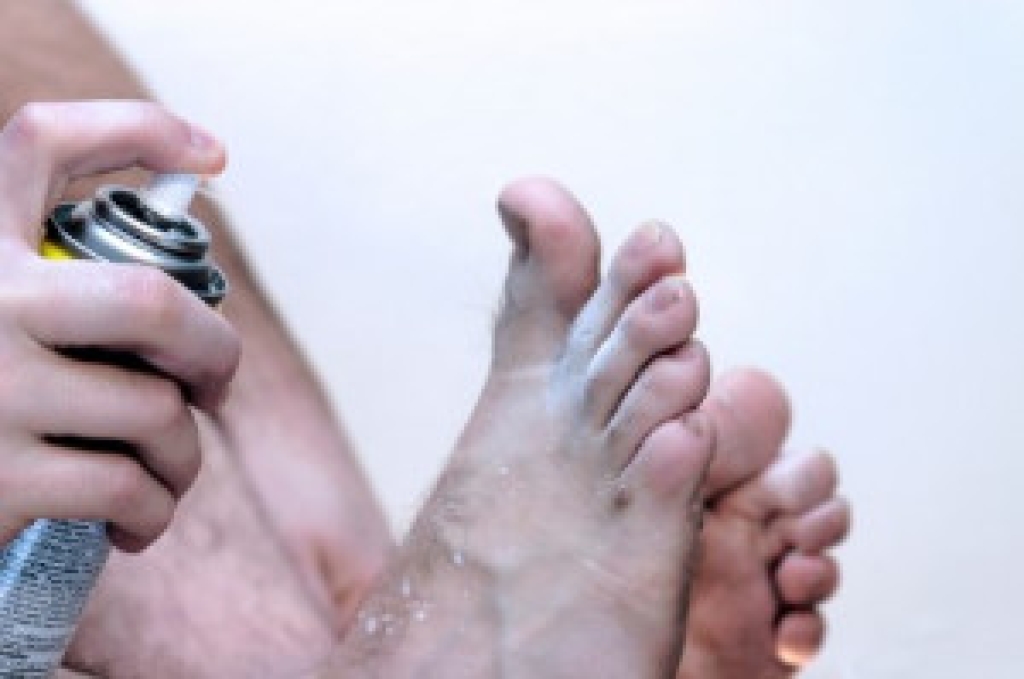
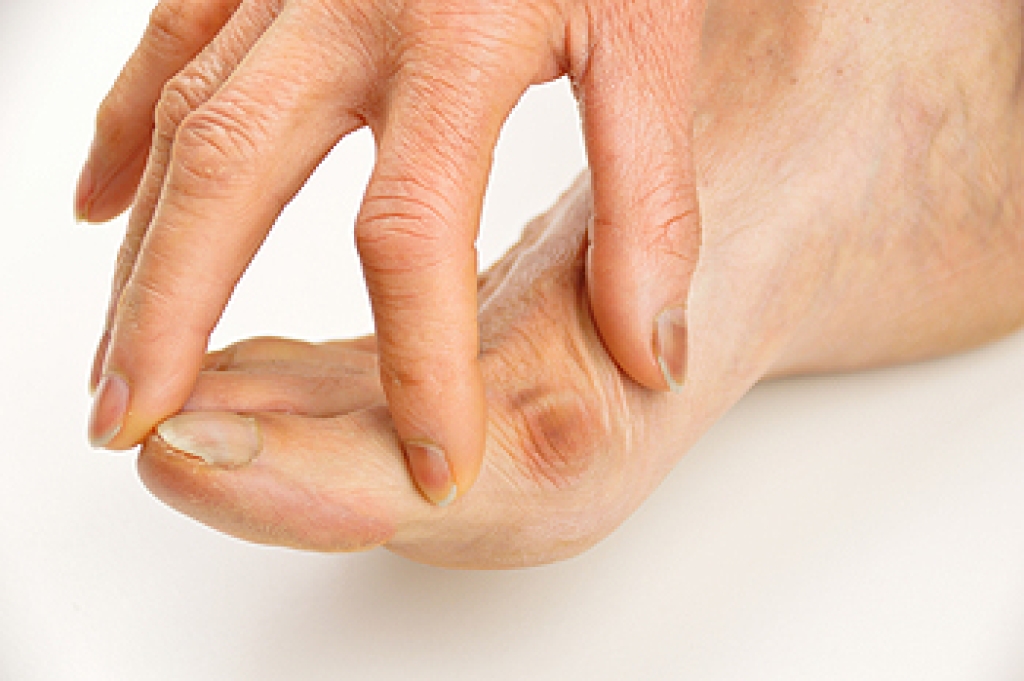
Read more about Everything You Need to Know About Gout

How Does Athlete’s Foot Occur?

A fungal infection is the cause of a condition referred to as athlete’s foot. It survives in areas that are warm and moist, and this is one of the reasons why the feet are typically affected. Research has suggested that shoes and socks worn should consist of a breathable material, which may stop the fungi from flourishing. It’s considered to be a contagious condition and can be picked up in public showers and around pool areas. At this point, the fungus typically enters the body through any blisters or cuts that are found on the feet. A common symptom of this ailment may include an itchy feeling, which can occur between the toes and on the top of the foot. There are several ways to prevent this fungus from infecting your feet, including washing and drying the feet completely and wearing appropriate shoes while in a public shower and any surrounding areas. If you are afflicted by this condition, please consider scheduling a consultation with a podiatrist.

Athlete’s Foot

Athlete’s foot is often an uncomfortable condition to experience. Thankfully, podiatrists specialize in treating athlete’s foot and offer the best treatment options. If you have any questions about athlete’s foot, consult with one of our podiatrists from APEX Foot & Ankle Center. Our doctors will assess your condition and provide you with quality treatment.

What Is Athlete’s Foot?

Tinea pedis, more commonly known as athlete’s foot, is a non-serious and common fungal infection of the foot. Athlete’s foot is contagious and can be contracted by touching someone who has it or infected surfaces. The most common places contaminated by it are public showers, locker rooms, and swimming pools. Once contracted, it grows on feet that are left inside moist, dark, and warm shoes and socks.

Prevention

The most effective ways to prevent athlete’s foot include:

  • Thoroughly washing and drying feet
  • Avoid going barefoot in locker rooms and public showers
  • Using shower shoes in public showers
  • Wearing socks that allow the feet to breathe
  • Changing socks and shoes frequently if you sweat a lot

Symptoms

Athlete’s foot initially occurs as a rash between the toes. However, if left undiagnosed, it can spread to the sides and bottom of the feet, toenails, and if touched by hand, the hands themselves. Symptoms include:

  • Redness
  • Burning
  • Itching
  • Scaly and peeling skin

Diagnosis and Treatment

Diagnosis is quick and easy. Skin samples will be taken and either viewed under a microscope or sent to a lab for testing. Sometimes, a podiatrist can diagnose it based on simply looking at it. Once confirmed, treatment options include oral and topical antifungal medications.

If you have any questions, please feel free to contact our offices located in Fort Myers, Shellpoint, and Naples, FL . We offer the newest diagnostic and treatment technologies for all your foot care needs.
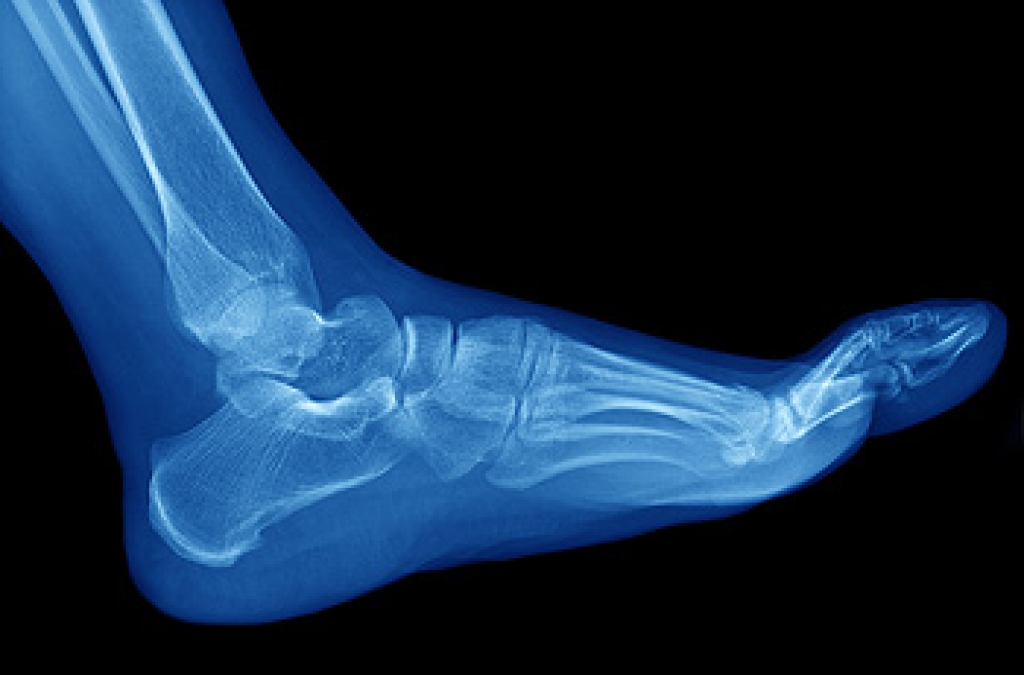
Read more about Athlete's Foot

Different Types of Corns

If you notice a small round area on your toe that is painful and appears to have thickened skin, you may have what is referred to as a corn. There are two types of corns that may develop for different reasons. A soft corn typically forms between the fourth and fifth toes, caused by excessive moisture, and it may often become infected. Hard corns develop on the side of the pinky toe or on the top of the toes. General causes for hard corns to occur consist of  wearing shoes that are too tight or friction from any rubbing against the skin. If the socks that are worn are made of a non-absorbing material, sweat will accumulate between the toes, causing soft corns to develop. These conditions can be easily prevented by choosing to wear shoes and socks that have adequate room for the toes to move around in. It’s advised to schedule a consultation with a podiatrist for more information about corns and the proper treatment options for you.

Corns can make walking very painful and should be treated immediately. If you have questions regarding your feet and ankles, contact one of our podiatrists of APEX Foot & Ankle Center. Our doctors will treat your foot and ankle needs.

Corns: What Are They? And How Do You Get Rid of Them?
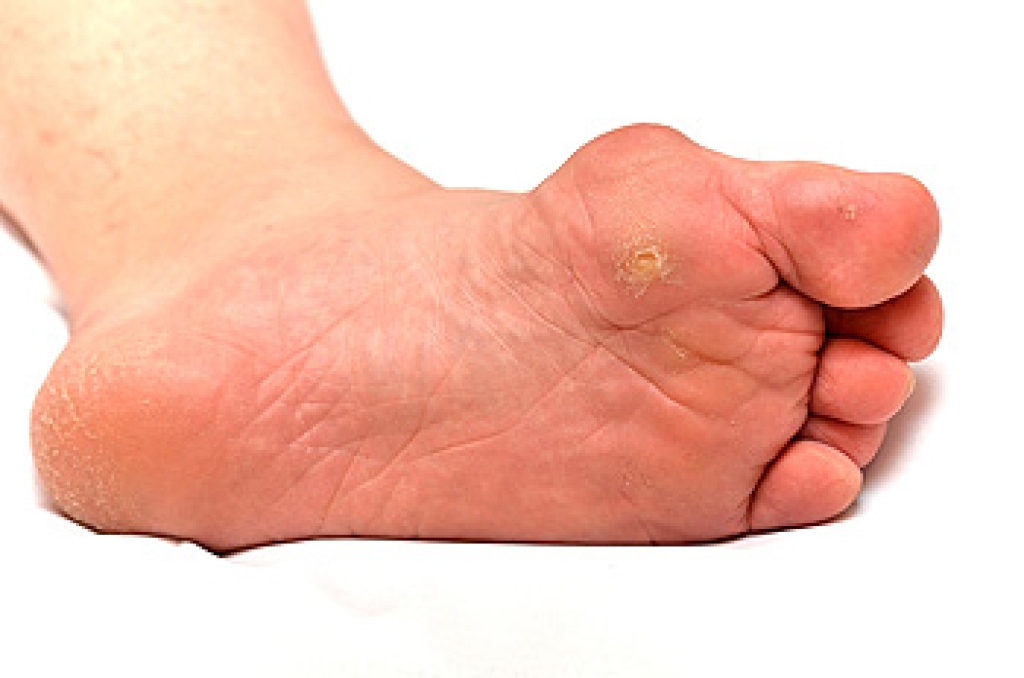
Corns are thickened areas on the skin that can become painful. They are caused by excessive pressure and friction on the skin. Corns press into the deeper layers of the skin and are usually round in shape.

Ways to Prevent Corns
There are many ways to get rid of painful corns such as:

  • Wearing properly fitting shoes that have been measured by a professional
  • Wearing shoes that are not sharply pointed or have high heels
  • Wearing only shoes that offer support

Treating Corns

Although most corns slowly disappear when the friction or pressure stops, this isn’t always the case. Consult with your podiatrist to determine the best treatment option for your case of corns.

If you have any questions, please feel free to contact our offices located in Fort Myers, Shellpoint, and Naples, FL . We offer the newest diagnostic and treatment technologies for all your foot care needs.
Read more about Corns: What Are They, and How Do You Get Rid of Them

What Causes Hammertoe?

The foot may appear deformed if a condition known as hammertoe occurs. When the toes bend at the joint and the top of the toe bends down, a claw-like or hammer formation is apparent. This is possibly caused by a predisposed inherited gene originating from having little or no arch in the foot, or if the second toe exceeds the length of the first toe. Additional causes of this condition may be attributed to shoes that fit poorly, often crowding the toes into a space that is extremely small. There are symptoms that are easily noticed that are associated with hammertoes, such as observing if your toe is curling, in addition to experiencing discomfort and pain when the toes are stretched. Possible prevention of this aliment may include choosing to wear the correct shoes that provide adequate room for the toes, and avoiding shoes that are too short or tight. Treatment is necessary to lessen the discomfort, which may typically consist of exercises being performed that can aid in strengthening the tendons in the toes, or stabilizing the toe by applying a splint. A consultation with a podiatrist is advised if you would like additional information and treatment options for hammertoe.

Hammertoe

Hammertoes can be a painful condition to live with. For more information, contact one of our podiatrists from APEX Foot & Ankle Center. Our doctors will answer any of your foot- and ankle-related questions.

Hammertoe is a foot deformity that affects the joints of the second, third, fourth, or fifth toes of your feet. It is a painful foot condition in which these toes curl and arch up, which can often lead to pain when wearing footwear.

Symptoms

  • Pain in the affected toes
  • Development of corns or calluses due to friction
  • Inflammation
  • Redness
  • Contracture of the toes

Causes

Genetics – People who are genetically predisposed to hammertoe are often more susceptible

Arthritis – Because arthritis affects the joints in your toes, further deformities stemming from arthritis can occur

Trauma – Direct trauma to the toes could potentially lead to hammertoe

Ill-fitting shoes – Undue pressure on the front of the toes from ill-fitting shoes can potentially lead to the development of hammertoe

Treatment

Orthotics – Custom made inserts can be used to help relieve pressure placed on the toes and therefore relieve some of the pain associated with it

Medications – Oral medications such as anti-inflammatories or NSAIDs could be used to treat the pain and inflammation hammertoes causes. Injections of corticosteroids are also sometimes used

Surgery – In more severe cases where the hammertoes have become more rigid, foot surgery is a potential option

If you have any questions, please feel free to contact our offices located in Fort Myers, Shellpoint, and Naples, FL . We offer the newest diagnostic and treatment technologies for all your foot care needs.
Read more about What Are Hammertoes?

The Importance of Maintaining Proper Foot Care as You Age

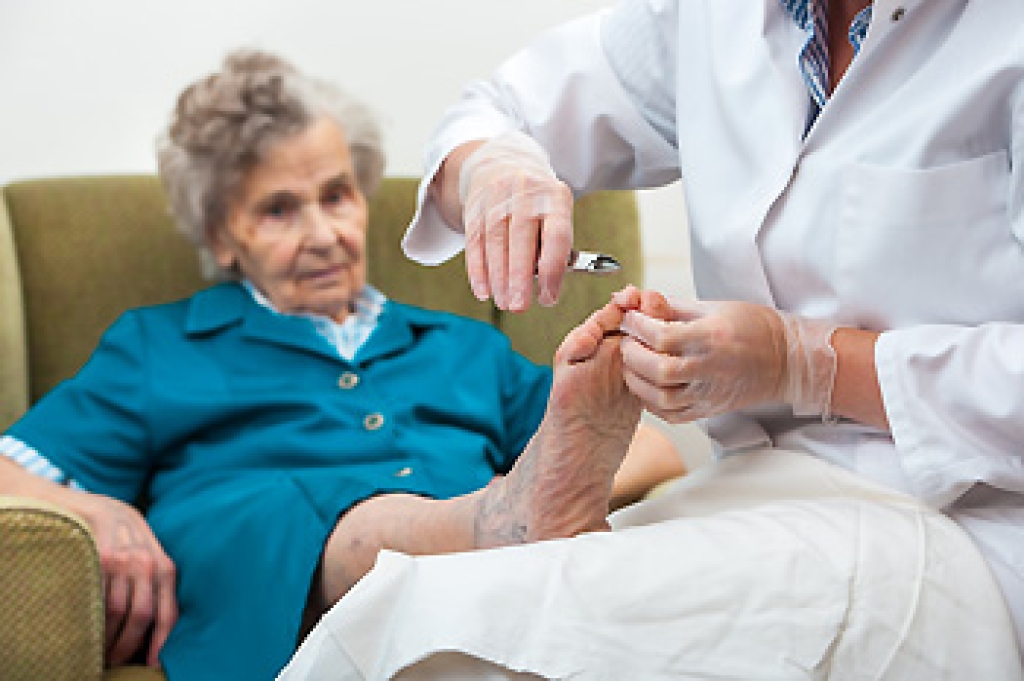
Maintaining proper foot care is essential at any age, and it’s especially important for the elderly population to pay close attention to their feet. Commonly, assistance is often needed to properly trim the toenails because of eyesight concerns or experiencing difficulty in bending down. There are several steps to correctly trimming the toenails, and it’s suggested to start by soaking the feet in a warm bath to aid in softening the nails. It’s wise to thoroughly dry the feet, especially between the toes, and apply a moisturizer that will prevent the skin from cracking. Trimming the toenails straight across the nail bed can prevent ingrown toenails and infections from developing. Please schedule a consultation with a podiatrist for additional information on how to care for elderly feet.

Proper foot care is something many older adults forget to consider. If you have any concerns about your feet and ankles, contact one of our podiatrists from APEX Foot & Ankle Center. Our doctors can provide the care you need to keep you pain-free and on your feet.

The Elderly and Their Feet

As we age we start to notice many changes in our body, but the elder population may not notice them right away. Medical conditions may prevent the elderly to take notice of their foot health right away. Poor vision is a lead contributor to not taking action for the elderly.

Common Conditions 

  • Neuropathy – can reduce feeling in the feet and can hide many life-threatening medical conditions.
  • Reduced flexibility – prevents the ability of proper toenail trimming, and foot cleaning. If left untreated, it may lead to further medical issues.
  • Foot sores – amongst the older population can be serious before they are discovered. Some of the problematic conditions they may face are:
  • Gouging toenails affecting nearby toe
  • Shoes that don’t fit properly
  • Pressure sores
  • Loss of circulation in legs & feet
  • Edema & swelling of feet and ankles

Susceptible Infections

Diabetes and poor circulation can cause general loss of sensitivity over the years, turning a simple cut into a serious issue.

If you have any questions, please feel free to contact our offices located in Fort Myers, Shellpoint, and Naples, FL . We offer the newest diagnostic and treatment technologies for all your foot care needs.
Read more about Elderly and their Feet

How Do I Know If I Have Toenail Fungus?

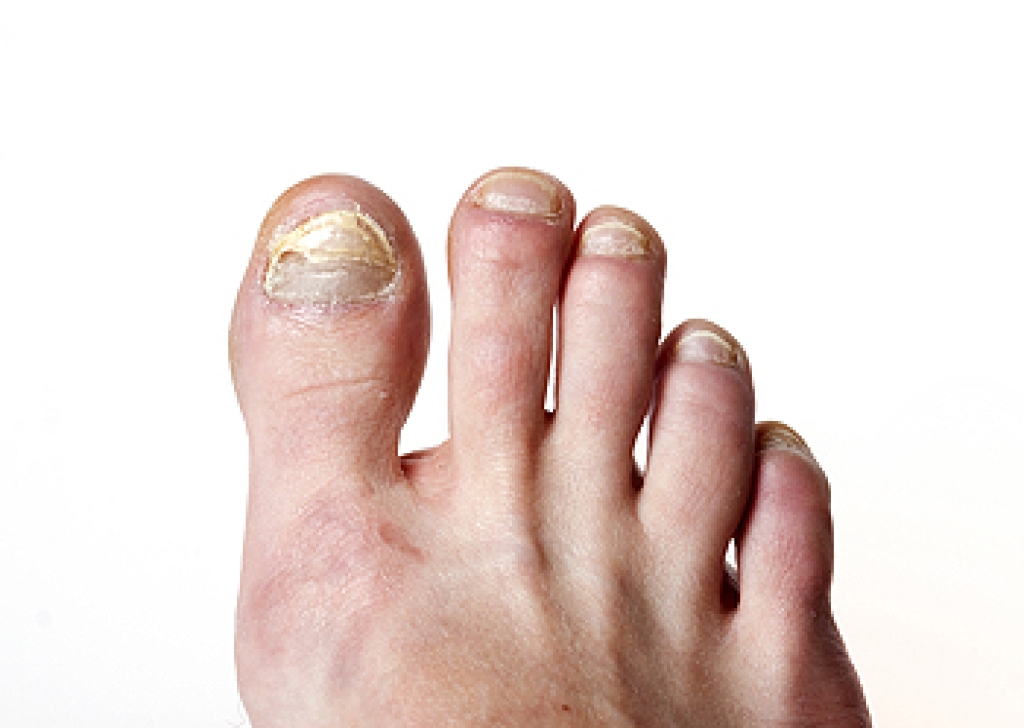
If you notice that your toenails are turning yellow and becoming thicker, you may have what is referred to as toenail fungus. It’s a common ailment, and the majority of the population will develop this condition at some point in their lives. The fungus thrives on living in warm and moist areas, and the feet and toenails are a perfect place for this to occur. Some additional symptoms may include the nail appearing lumpy, causing an unsightly appearance. In severe cases, the nail may chip and crumble as a result of the affected area becoming brittle. Treatment options include wearing socks that allow the feet to breath and choosing to wear shoes specifically designed for public showers or pools. A consultation with a podiatrist is suggested if this condition affects you or if additional information is desired.

For more information about treatment, contact one of our podiatrists of APEX Foot & Ankle Center. Our doctors can provide the care you need to keep you pain-free and on your feet.

Toenail Fungus Treatment

Toenail fungus is a condition that affects many people and can be especially hard to get rid of. Fortunately, there are several methods to go about treating and avoiding it.

Antifungals & Deterrence

Oral antifungal medicine has been shown to be effective in many cases. It is important to consult with a podiatrist to determine the proper regiment for you, or potentially explore other options.

Applying foot powder on the feet and shoes helps keep the feet free of moisture and sweat.

Sandals or open toed shoes – Wearing these will allow air movement and help keep feet dry. They also expose your feet to light, which fungus cannot tolerate. Socks with moisture wicking material also help as well.

If you have any questions please contact our offices located in Fort Myers, Shellpoint, and Naples, FL . We offer the newest diagnostic and treatment technologies for all your foot and ankle needs.

Read more about Toenail Fungus

Scientists Research Venom Cure for Rheumatoid Arthritis

Scientists from Baylor College of Medicine believe iberiotoxin, a toxin from the venom of the Indian red scorpion, may be able to treat rheumatoid arthritis because of the benefits it may have. Iberiotoxin has a natural ability to block potassium channels in cells. These cells are active in RA, which may damage joints and prompt immune cells to cause inflammation. This toxin may have little or no side effect, and an added benefit may be that other channels or nerves may not be affected. Knowing all of this information, researchers then tested the toxin on rat models. The results were what they were hoping for. The substance stopped the progression of the disease and improved joint mobility. Their research later went on to be published in the Journal of Pharmacology and Experimental Therapeutics.

Because RA affects more than just your joints, including the joints in your feet and ankles, it is important to seek early diagnosis from your podiatrist if you feel like the pain in your feet might be caused by RA. For more information, contact one of our podiatrists of APEX Foot & Ankle Center. Our doctors will assist you with all of your podiatric concerns.

What Is Rheumatoid Arthritis?

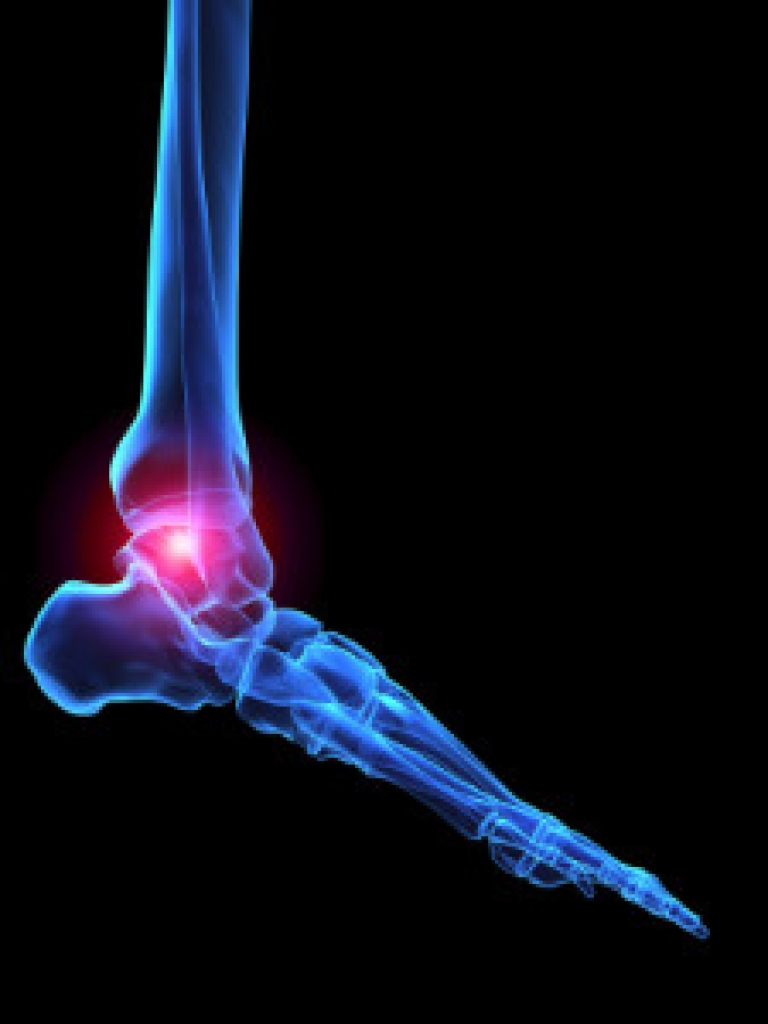
Rheumatoid Arthritis (RA) is an autoimmune disorder in which the body’s own immune system attacks the membranes surrounding the joints. Inflammation of the lining and eventually the destruction of the joint’s cartilage and bone occur, causing severe pain and immobility.

Rheumatoid Arthritis of the Feet

Although RA usually attacks multiple bones and joints throughout the entire body, almost 90 percent of cases result in pain in the foot or ankle area.

Symptoms

  • Swelling and pain in the feet
  • Stiffness in the feet
  • Pain on the ball or sole of feet
  • Joint shift and deformation

Diagnosis

Quick diagnosis of RA in the feet is important so that the podiatrist can treat the area effectively. Your doctor will ask you about your medical history, occupation, and lifestyle to determine the origin of the condition. Rheumatoid Factor tests help to determine if someone is affected by the disease.

If you have any questions, please feel free to contact our offices located in Fort Myers, Shellpoint, and Naples, FL . We offer the newest diagnostic and treatment technologies for all your foot care needs.
Read more about Rheumatoid Arthritis in the Feet

Causes and Symptoms of Gout

If the joint in the big toe becomes red, inflamed, and painful, you may be suffering from a condition referred to as gout. It typically affects men over the age of 40 and can lead to serious health issues, such as kidney disease, if left untreated. There are numerous factors for people to suffer from gout, which may include a predisposed inherited gene, extreme amounts of alcohol being ingested on a regular basis, or taking certain medications. Gout is not easily overlooked, because the symptoms develop rapidly and may be severe. The joint will be tender and swollen, and the skin may feel hot and inflamed. Treatment options will include taking medicine to reduce the inflammation. Additionally, it may be beneficial to consider certain lifestyle changes to prevent further attacks from occurring. Please consider a consultation with a podiatrist for a proper evaluation and the treatment options for you.

Gout is a foot condition that requires certain treatment and care. If you are seeking treatment, contact one of our podiatrists from APEX Foot & Ankle Center. Our doctors will treat your foot and ankle needs.

What Is Gout?

Gout is a type of arthritis caused by a buildup of uric acid in the bloodstream. It often develops in the foot, especially the big toe area, although it can manifest in other parts of the body as well. Gout can make walking and standing very painful and is especially common in diabetics and the obese.

People typically get gout because of a poor diet. Genetic predisposition is also a factor. The children of parents who have had gout frequently have a chance of developing it themselves.

Gout can easily be identified by redness and inflammation of the big toe and the surrounding areas of the foot. Other symptoms include extreme fatigue, joint pain, and running high fevers. Sometimes corticosteroid drugs can be prescribed to treat gout, but the best way to combat this disease is to get more exercise and eat a better diet.

If you have any questions, please feel free to contact our offices located in Fort Myers, Shellpoint, and Naples, FL . We offer the newest diagnostic and treatment technologies for all your foot care needs.

Read more about Everything You Need to Know About Gout

What is a Soft Corn?

If the skin becomes reddened and painful, you may be experiencing a corn. Whitened skin and inflammation generally accompany a corn, typically causing severe discomfort. Soft corns develop from shoes that fit poorly, causing friction. Moisture between the toes may grow and accumulate, possibly causing an infection. This can be avoided by incorporating washing and drying between the toes into your daily routine. An effective way to prevent corns is to choose shoes that give the toes ample room to move around, in addition to selecting shoes that have enough cushioning and support. If the pain is affecting your daily routine, a consultation with a podiatrist may be suggested for the best options for relief.

If you have any concerns regarding your feet and ankles, contact one of our podiatrists of APEX Foot & Ankle Center. Our doctors will treat your foot and ankle needs.

Corns: What Are They? and How Do You Get Rid of Them?
Corns can be described as areas of the skin that have thickened to the point of becoming painful or irritating. They are often layers and layers of the skin that have become dry and rough, and are normally smaller than calluses.

Ways to Prevent Corns
There are many ways to get rid of painful corns such as wearing:

  • Well-fitting socks
  • Comfortable shoes that are not tight around your foot
  • Shoes that offer support

Treating Corns
Treatment of corns involves removing the dead skin that has built up in the specific area of the foot. Consult with Our doctors to determine the best treatment option for your case of corns.

If you have any questions, please feel free to contact our offices located in Fort Myers, Shellpoint, and Naples, FL . We offer the newest diagnostic and treatment technologies for all your foot care needs.

Read more about Corns: What Are They, and How Do You Get Rid of Them

Exercises to Help Plantar Fasciitis

If you have flat feet, or a loss of the instep in your foot, you may experience heel pain that’s referred to as plantar fasciitis. Severe pain in the heel is often the result of inflammation of the ligament that runs along the bottom of the foot, known as the plantar fascia. This can be caused by wearing shoes that fit poorly or from an injury that damages the tissues. The Achilles tendon, which connects the heel to the foot, may also be affected, and it’s beneficial to incorporate stretching exercises into your daily routine. This will enhance the healing process and possibly relieve any discomfort associated with this ailment. There are several effective exercises which can accomplish this when performed daily. Some of these include standing on a step with the heels slightly hanging off and raising and lowering the leg. Additionally, rolling the arch of the foot over a tennis ball or a similar object will aid in helping the plantar fascia to become stronger.

Plantar fasciitis can be very painful and inconvenient. If you are experiencing heel pain or symptoms of plantar fasciitis, contact one of our podiatrists  from APEX Foot & Ankle Center. Our doctors can provide the care you need to keep you pain-free and on your feet.

What Is Plantar Fasciitis?

Plantar fasciitis is the inflammation of the thick band of tissue that runs along the bottom of your foot, known as the plantar fascia, and causes mild to severe heel pain.

What Causes Plantar Fasciitis?

  • Excessive running
  • Non-supportive shoes
  • Overpronation
  • Repeated stretching and tearing of the plantar fascia

How Can It Be Treated?

  • Conservative measures – anti-inflammatories, ice packs, stretching exercises, physical therapy, orthotic devices
  • Shockwave therapy – sound waves are sent to the affected area to facilitate healing and are usually used for chronic cases of plantar fasciitis
  • Surgery – usually only used as a last resort when all else fails. The plantar fascia can be surgically detached from the heel

While very treatable, plantar fasciitis is definitely not something that should be ignored. Especially in severe cases, speaking to your doctor right away is highly recommended to avoid complications and severe heel pain. Your podiatrist can work with you to provide the appropriate treatment options tailored to your condition.

If you have any questions, please feel free to contact our offices located in Fort Myers, Shellpoint, and Naples, FL . We offer the newest diagnostic and treatment technologies for all your foot care needs.

Read more about Plantar Fasciitis

Connect With Us

Advanced Podiatric Procedures & Services in the Fort Myers, FL 33908 and Naples, FL 34110 areas