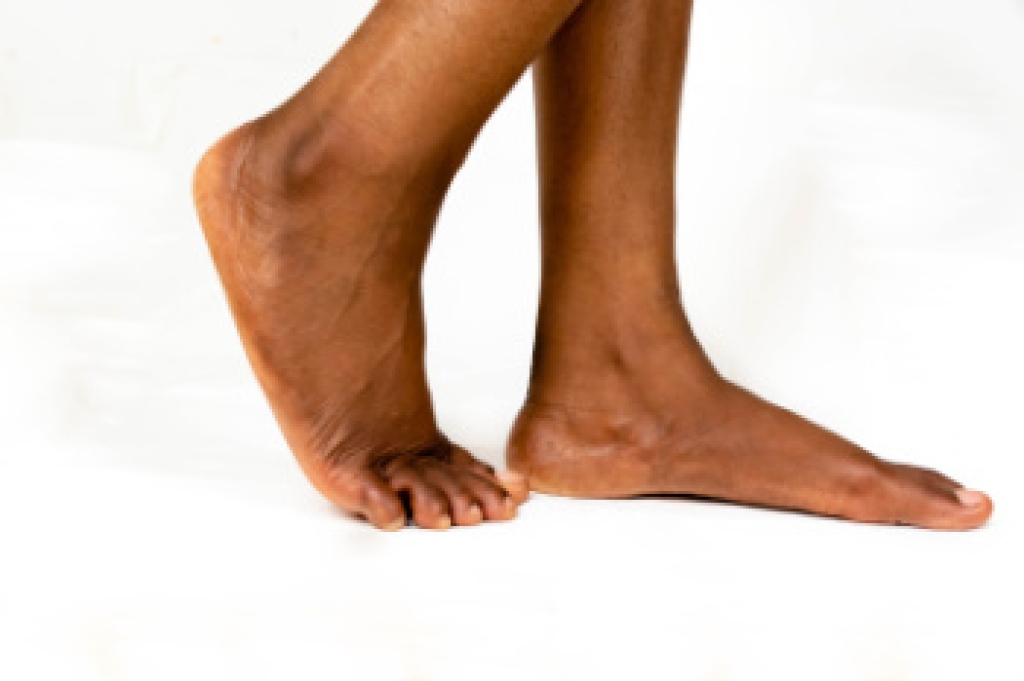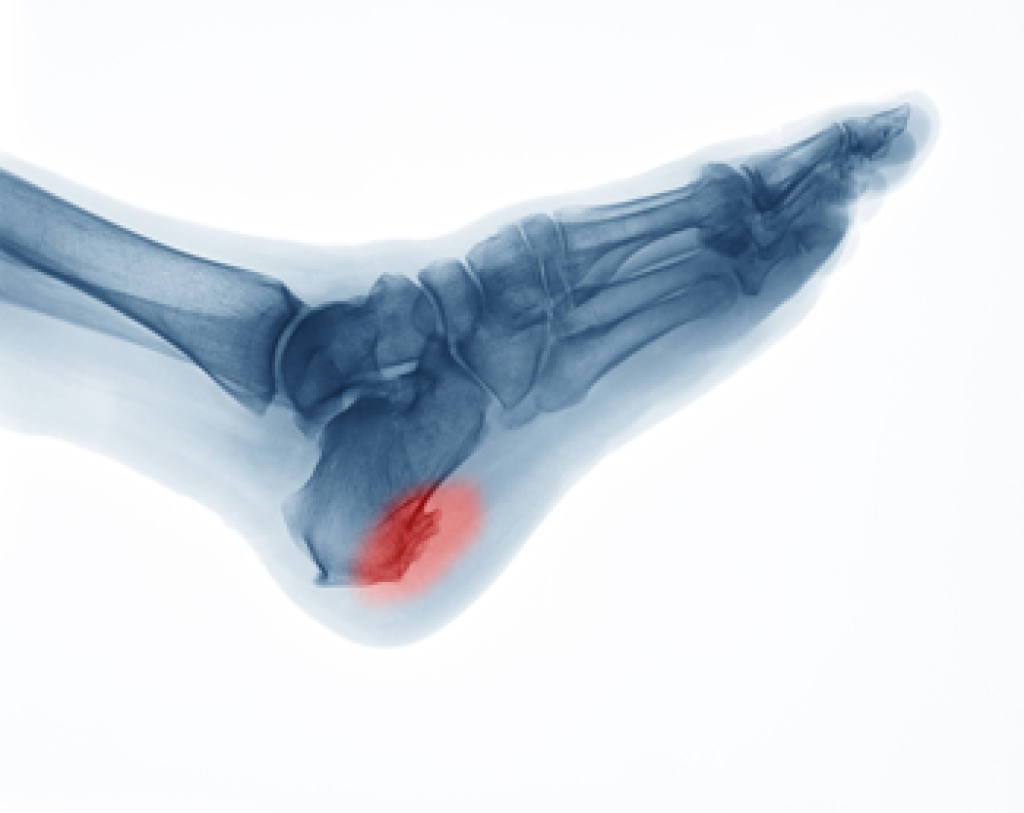
Possible Causes of Ankle Pain

Ankle pain is a frequent complaint with various underlying causes, often resulting from injury or overuse. One of the most common causes is a sprained ankle, which occurs when the ligaments are overstretched or torn, usually from twisting the foot. Tendonitis, especially involving the Achilles tendon, can also cause significant pain due to inflammation from overuse or sudden increases in physical activity. Arthritis, including osteoarthritis and rheumatoid arthritis, can lead to chronic ankle pain, stiffness, and swelling. Stress fractures, tiny cracks in the ankle bones that can happen from repetitive activities or excessive weight-bearing, are another frequent culprit. Ankle impingement, where soft tissues become compressed, may cause pain, particularly with certain movements. Additionally, gout, a form of arthritis caused by uric acid buildup, can trigger sudden, intense ankle pain. If you have ankle pain that is not getting better, it is suggested that you consult a podiatrist for a proper diagnosis and treatment solutions.

Ankle pain can have many different causes and the pain may potentially be serious. If you have ankle pain, consult with one of our podiatrists from APEX Foot & Ankle Center. Our doctors will assess your condition and provide you with quality foot and ankle treatment.

Ankle pain is any condition that causes pain in the ankle. Due to the fact that the ankle consists of tendons, muscles, bones, and ligaments, ankle pain can come from a number of different conditions.

Causes

The most common causes of ankle pain include:

  • Types of arthritis (rheumatoid, osteoarthritis, and gout)
  • Ankle sprains
  • Broken ankles
  • Achilles tendinitis
  • Achilles tendon rupture
  • Stress fractures
  • Tarsal tunnel syndrome
  • Plantar fasciitis

Symptoms

Symptoms of ankle injury vary based upon the condition. Pain may include general pain and discomfort, swelling, aching, redness, bruising, burning or stabbing sensations, and/or loss of sensation.

Diagnosis

Due to the wide variety of potential causes of ankle pain, podiatrists will utilize a number of different methods to properly diagnose ankle pain. This can include asking for personal and family medical histories and of any recent injuries. Further diagnosis may include sensation tests, a physical examination, and potentially x-rays or other imaging tests.

Treatment

Just as the range of causes varies widely, so do treatments. Some more common treatments are rest, ice packs, keeping pressure off the foot, orthotics and braces, medication for inflammation and pain, and surgery.

If you have any questions please feel free to contact our offices located in Fort Myers, Shellpoint, and Naples, FL . We offer the newest diagnostic tools and technology to treat your foot and ankle needs.


Read more about Various Causes of Ankle Pain

Causes and Treatment of Heel Pain

Heel pain is a common complaint that can arise from several causes. The most frequent cause is plantar fasciitis, an inflammation of the thick band of tissue connecting the heel to the toes. Other common causes include Achilles tendonitis, heel spurs, or overuse from activities like running. Less common causes include stress fractures, nerve entrapment, or tarsal tunnel syndrome. Symptoms typically include sharp or aching pain, often worse in the morning or after long periods of rest. Swelling, redness, or stiffness may accompany the pain. Diagnosis involves a physical examination and sometimes imaging tests like X-rays or MRI scans to rule out fractures or other conditions. Treatment depends on the cause but often includes rest and wearing supportive shoes. A podiatrist may recommend orthotics or targeted exercises, and in rare cases, surgery may be necessary for more severe conditions. If you are experiencing heel pain, it is suggested that you visit a podiatrist for a proper diagnosis and appropriate treatment.

Many people suffer from bouts of heel pain. For more information, contact one of our podiatrists of APEX Foot & Ankle Center. Our doctors can provide the care you need to keep you pain-free and on your feet.

Causes of Heel Pain

Heel pain is often associated with plantar fasciitis. The plantar fascia is a band of tissues that extends along the bottom of the foot. A rip or tear in this ligament can cause inflammation of the tissue.

Achilles tendonitis is another cause of heel pain. Inflammation of the Achilles tendon will cause pain from fractures and muscle tearing. Lack of flexibility is also another symptom.

Heel spurs are another cause of pain. When the tissues of the plantar fascia undergo a great deal of stress, it can lead to ligament separation from the heel bone, causing heel spurs.

Why Might Heel Pain Occur?

  • Wearing ill-fitting shoes                
  • Wearing non-supportive shoes
  • Weight change           
  • Excessive running

Treatments

Heel pain should be treated as soon as possible for immediate results. Keeping your feet in a stress-free environment will help. If you suffer from Achilles tendonitis or plantar fasciitis, applying ice will reduce the swelling. Stretching before an exercise like running will help the muscles. Using all these tips will help make heel pain a condition of the past.

If you have any questions, please feel free to contact our offices located in Fort Myers, Shellpoint, and Naples, FL . We offer the newest diagnostic and treatment technologies for all your foot care needs.

Read more about Heel Pain

Treatment of Tarsal Tunnel Syndrome

Tarsal tunnel syndrome is a condition caused by compression of the posterior tibial nerve as it passes through the tarsal tunnel, a narrow channel inside the ankle. This compression can result in pain, tingling, or numbness in the foot, particularly in the arch, heel, or toes. Some individuals may also experience a burning sensation or shooting pain. Diagnosis is typically made through a physical examination, where a doctor may apply pressure to the affected area to elicit symptoms. Imaging tests, such as MRI scans, ultrasounds, or nerve conduction studies can also be used to assess the extent of the nerve compression. Treatment varies depending on severity. If symptoms persist, steroid injections or surgery to release the compressed nerve may be necessary for long-term relief. If you feel pain, tingling, numbness, or burning on the inside of your ankle, it is strongly suggested that you schedule an appointment with a podiatrist for a proper diagnosis and treatment.

Tarsal tunnel syndrome can be very uncomfortable to live with. If you are experiencing tarsal tunnel syndrome, contact one of our podiatrists of APEX Foot & Ankle Center. Our doctors can provide the care you need to keep you pain-free and on your feet.

Tarsal Tunnel Syndrome

Tarsal tunnel syndrome, which can also be called tibial nerve dysfunction, is an uncommon condition of misfiring peripheral nerves in the foot. The tibial nerve is the peripheral nerve in the leg responsible for sensation and movement of the foot and calf muscles. In tarsal tunnel syndrome, the tibial nerve is damaged, causing problems with movement and feeling in the foot of the affected leg.

Common Cause of Tarsal Tunnel Syndrome

  • Involves pressure or an injury, direct pressure on the tibial nerve for an extended period of time, sometimes caused by other body structures close by or near the knee.
  • Diseases that damage nerves, including diabetes, may cause tarsal tunnel syndrome.
  • At times, tarsal tunnel syndrome can appear without an obvious cause in some cases.

The Effects of Tarsal Tunnel Syndrome

  • Different sensations, an afflicted person may experience pain, tingling, burning or other unusual sensations in the foot of the affected leg.
  • The foot muscles, toes and ankle become weaker, and curling your toes or flexing your foot can become difficult.
  • If condition worsens, infections and ulcers may develop on the foot that is experiencing the syndrome.

A physical exam of the leg can help identify the presence of tarsal tunnel syndrome. Medical tests, such as a nerve biopsy, are also used to diagnose the condition. Patients may receive physical therapy and prescriptive medication. In extreme cases, some may require surgery.

If you have any questions please contact our offices located in Fort Myers, Shellpoint, and Naples, FL . We offer the newest diagnostic and treatment technologies for all your foot and ankle needs.

Read more about Tarsal Tunnel Syndrome

Problematic Flat Feet

Flat feet, or fallen arches, occur when the arch of the foot is lower than normal. Children are often born with flat feet, and in most cases, the condition naturally resolves by the age of seven to 10 as the foot develops. Flat feet are classified based on arch height and heel aversion angle and can be either flexible or rigid. In flexible flat feet, the arch appears when the foot is lifted but disappears when standing, while rigid flat feet have no arch even when off the ground. Flat feet can be caused by genetics, injury, or conditions like arthritis. Symptoms include foot pain, particularly in the heel or arch, and difficulty standing for long periods. Pain occurs due to abnormal pressure on muscles and ligaments. Treatment includes supportive footwear, orthotics, and targeted stretching. In severe cases, surgery may be considered to correct alignment and relieve discomfort. If you have painful flat feet, it is suggested that you schedule an appointment with a podiatrist for appropriate treatment.

Flatfoot is a condition many people suffer from. If you have flat feet, contact one of our podiatrists from APEX Foot & Ankle Center. Our doctors will treat your foot and ankle needs.
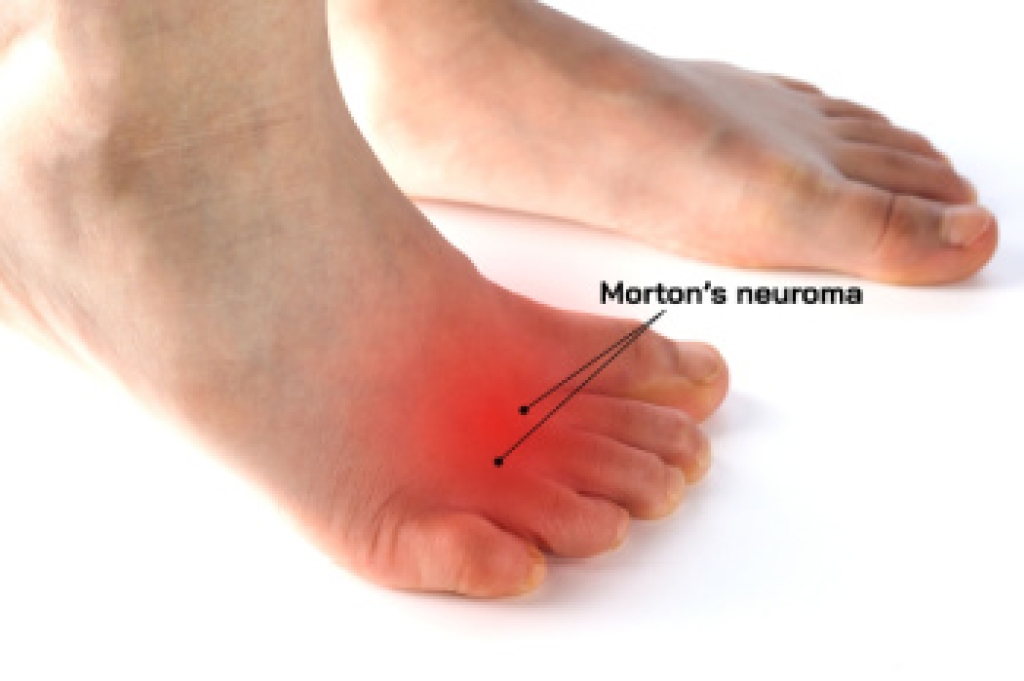
What Are Flat Feet?

Flatfoot is a condition in which the arch of the foot is depressed and the sole of the foot is almost completely in contact with the ground. About 20-30% of the population generally has flat feet because their arches never formed during growth.

Conditions & Problems:

Having flat feet makes it difficult to run or walk because of the stress placed on the ankles.

Alignment – The general alignment of your legs can be disrupted, because the ankles move inward which can cause major discomfort.

Knees – If you have complications with your knees, flat feet can be a contributor to arthritis in that area.  

Symptoms

  • Pain around the heel or arch area
  • Trouble standing on the tip toe
  • Swelling around the inside of the ankle
  • Flat look to one or both feet
  • Having your shoes feel uneven when worn

Treatment

If you are experiencing pain and stress on the foot you may weaken the posterior tibial tendon, which runs around the inside of the ankle. 

If you have any questions, please feel free to contact our offices located in Fort Myers, Shellpoint, and Naples, FL . We offer the newest diagnostic and treatment technologies for all your foot care needs.

Read more about What is Flexible Flat Foot?

How Diabetes Affects the Feet

Diabetes can significantly impact foot health, primarily through a condition known as diabetic neuropathy. This occurs when high blood sugar levels damage the nerves in the feet, leading to symptoms like numbness, tingling, and pain. In severe cases, diabetic patients might experience a loss of sensation, making it difficult to detect injuries or infections. Additionally, poor circulation can slow down healing, which increases the risk of ulcers and infections. Proper management of blood sugar levels is key to preventing these complications. Regular foot inspections, wearing proper footwear, and daily foot care can help mitigate the effects. Treatment often involves managing diabetes effectively, controlling pain with medications, and in some cases, foot exercises. To ensure optimal foot health and address any concerns, it is suggested you schedule an appointment with a podiatrist for specialized care and preventive strategies tailored to your needs.
 

Diabetic foot care is important in preventing foot ailments such as ulcers. If you are suffering from diabetes or have any other concerns about your feet, contact one of our podiatrists from APEX Foot & Ankle Center. Our doctors can provide the care you need to keep you pain-free and on your feet.

Diabetic Foot Care

Diabetes affects millions of people every year. The condition can damage blood vessels in many parts of the body, especially the feet. Because of this, taking care of your feet is essential if you have diabetes, and having a podiatrist help monitor your foot health is highly recommended.

The Importance of Caring for Your Feet

  • Routinely inspect your feet for bruises or sores.
  • Wear socks that fit your feet comfortably.
  • Wear comfortable shoes that provide adequate support.

Patients with diabetes should have their doctor monitor their blood levels, as blood sugar levels play such a huge role in diabetic care. Monitoring these levels on a regular basis is highly advised.

It is always best to inform your healthcare professional of any concerns you may have regarding your feet, especially for diabetic patients. Early treatment and routine foot examinations are keys to maintaining proper health, especially because severe complications can arise if proper treatment is not applied.

If you have any questions, please feel free to contact our offices located in Fort Myers, Shellpoint, and Naples, FL . We offer the newest diagnostic and treatment technologies for all your foot care needs.

Read more about Diabetic Foot Conditions

Plantar Warts Can Be Treated!

Plantar warts are small growths that develop on parts of the feet that bear weight. They're typically found on the bottom of the foot. Don't live with plantar warts, and call us today!

Types and Symptoms of Heel Spurs

Heel spurs are bony protrusions that form on the heel bone, or calcaneus. The two primary types are plantar and dorsal heel spurs. Plantar heel spurs develop on the bottom of the heel, where the plantar fascia attaches to the bone, often causing pain in the arch or heel. Dorsal heel spurs form on the back of the heel and can lead to discomfort in the Achilles tendon area. Common symptoms include sharp or aching pain, particularly with movement or pressure. The primary causes of heel spurs are repetitive strain, improper footwear, or conditions such as plantar fasciitis. Overuse or excessive stress can trigger inflammation and heel spur formation. If you have heel pain, it is suggested that you schedule an appointment with a podiatrist who can provide a proper diagnosis and treatment.

Heel spurs can be incredibly painful and sometimes may make you unable to participate in physical activities. To get medical care for your heel spurs, contact one of our podiatrists from APEX Foot & Ankle Center. Our doctors will do everything possible to treat your condition.

Heels Spurs

Heel spurs are formed by calcium deposits on the back of the foot where the heel is. This can also be caused by small fragments of bone breaking off one section of the foot, attaching onto the back of the foot. Heel spurs can also be bone growth on the back of the foot and may grow in the direction of the arch of the foot.

Older individuals usually suffer from heel spurs and pain sometimes intensifies with age. One of the main condition's spurs are related to is plantar fasciitis.

Pain

The pain associated with spurs is often because of weight placed on the feet. When someone is walking, their entire weight is concentrated on the feet. Bone spurs then have the tendency to affect other bones and tissues around the foot. As the pain continues, the feet will become tender and sensitive over time.

Treatments

There are many ways to treat heel spurs. If one is suffering from heel spurs in conjunction with pain, there are several methods for healing. Medication, surgery, and herbal care are some options.

If you have any questions, please feel free to contact our offices located in Fort Myers, Shellpoint, and Naples, FL . We offer the newest diagnostic and treatment technologies for all your foot care needs.

Read more about How to Treat Heel Spurs

Facts About Morton’s Neuroma

Morton’s neuroma is a painful condition affecting the nerves in the ball of the foot, typically between the third and fourth toes. This condition occurs when the tissue around the nerve thickens due to irritation or pressure, often from wearing tight or high-heeled shoes. Symptoms of Morton's neuroma include sharp pain, burning, or a sensation like stepping on a small stone. Numbness or tingling in the toes can also be experienced. Risk factors include wearing narrow footwear, having foot conditions like flat feet or bunions, or engaging in high-impact sports. A podiatrist can provide custom orthotics, lifestyle modifications, or non-invasive therapies to alleviate discomfort and prevent long-term damage. If left untreated, Morton’s neuroma can lead to chronic pain and permanent nerve damage, like numbness in the toes. If you have pain in the ball of the foot that may be from Morton’s neuroma, it is suggested that you make an appointment with a podiatrist for an exam, diagnosis, and treatment options.

Morton’s neuroma is a very uncomfortable condition to live with. If you think you have Morton’s neuroma, contact one of our podiatrists of APEX Foot & Ankle Center. Our doctors will attend to all of your foot care needs and answer any of your related questions.  

Morton’s Neuroma

Morton's neuroma is a painful foot condition that commonly affects the areas between the second and third or third and fourth toe, although other areas of the foot are also susceptible. Morton’s neuroma is caused by an inflamed nerve in the foot that is being squeezed and aggravated by surrounding bones.

What Increases the Chances of Having Morton’s Neuroma?

  • Ill-fitting high heels or shoes that add pressure to the toe or foot
  • Jogging, running or any sport that involves constant impact to the foot
  • Flat feet, bunions, and any other foot deformities

Morton’s neuroma is a very treatable condition. Orthotics and shoe inserts can often be used to alleviate the pain on the forefront of the feet. In more severe cases, corticosteroids can also be prescribed. In order to figure out the best treatment for your neuroma, it’s recommended to seek the care of a podiatrist who can diagnose your condition and provide different treatment options.

If you have any questions, please feel free to contact our offices located in Fort Myers, Shellpoint, and Naples, FL . We offer the newest diagnostic and treatment technologies for all your foot care needs.

Read more about Morton's Neuroma

Facts About Ingrown Toenail Surgery and Prognosis

Ingrown toenail surgery is a common procedure to treat toenails that have grown into the surrounding skin, causing pain and potential infection. The surgery typically involves removing part or all of the affected toenail and, in some cases, treating the nail bed with a chemical or surgical method to prevent regrowth. The procedure is usually performed under local anesthesia, ensuring minimal discomfort. Post-surgery, patients may experience some pain, swelling, and redness, but these symptoms generally improve within a few weeks. The prognosis for ingrown toenail surgery is generally positive, with most individuals experiencing significant relief from pain and discomfort. Proper foot care and following post-operative instructions are essential for a successful recovery and to prevent recurrence. If you have an ingrown toenail, it is suggested that you make an appointment with a podiatrist who can determine if surgery is right for you.

Ingrown toenails can become painful if they are not treated properly. For more information about ingrown toenails, contact one of our podiatrists of APEX Foot & Ankle Center. Our doctors can provide the care you need to keep you pain-free and on your feet.

Ingrown Toenails

Ingrown toenails occur when a toenail grows sideways into the bed of the nail, causing pain, swelling, and possibly infection.

Causes

  • Bacterial infections
  • Improper nail cutting such as cutting it too short or not straight across
  • Trauma to the toe, such as stubbing, which causes the nail to grow back irregularly
  • Ill-fitting shoes that bunch the toes too close together
  • Genetic predisposition

Prevention

Because ingrown toenails are not something found outside of shoe-wearing cultures, going barefoot as often as possible will decrease the likeliness of developing ingrown toenails. Wearing proper fitting shoes and using proper cutting techniques will also help decrease your risk of developing ingrown toenails.

Treatment

Ingrown toenails are a very treatable foot condition. In minor cases, soaking the affected area in salt or antibacterial soaps will not only help with the ingrown nail itself, but also help prevent any infections from occurring. In more severe cases, surgery is an option. In either case, speaking to your podiatrist about this condition will help you get a better understanding of specific treatment options that are right for you.

If you have any questions, please feel free to contact our offices located in Fort Myers, Shellpoint, and Naples, FL . We offer the newest diagnostic and treatment technologies for all your foot care needs.

Read more about Ingrown Toenail Care

Why Barefoot Is Best for Babies

Allowing babies to walk or crawl barefoot offers numerous benefits for their overall development. Barefoot play optimizes sensory motor development by letting babies experience various textures and surfaces, enhancing their sensory awareness and coordination. When infants walk without shoes, they develop a better sense of their body in space, promoting awareness and balance. This natural movement improves agility and strengthens the muscles in their feet and legs. Additionally, being barefoot allows for the proper development of the foot’s arch and alignment, as it encourages natural foot mechanics. By allowing their feet to move freely and interact directly with their environment, babies gain essential motor skills and support their physical growth effectively. If you notice unusual foot or walking symptoms in your child and are interested in learning about foot development, it is suggested that you consult a podiatrist who can evaluate foot health, and provide you with the information you are seeking.

The health of a child’s feet is vital to their overall well-being. If you have any questions regarding foot health, contact one of our podiatrists of APEX Foot & Ankle Center. Our doctors can provide the care you need to keep you pain-free and on your feet.

Tips for Keeping Children's Feet Healthy

  • Make sure their shoes fit properly
  • Look for any signs of in-toeing or out-toeing
  • Check to see if they have Clubfoot (condition that affects your child’s foot and ankle, twisting the heel and toes inward) which is one of the most common nonmajor birth defects.
  • Lightly cover your baby’s feet (Tight covers may keep your baby from moving their feet freely, and could prevent normal development)
  • Allow your toddler to go shoeless (Shoes can be restricting for a young child’s foot)
  • Cut toenails straight across to avoid ingrown toenails
  • Keep your child’s foot clean and dry
  • Cover cuts and scrapes. Wash any scratches with soap and water and cover them with a bandage until they’ve healed.

If you have any questions, please feel free to contact our offices located in Fort Myers, Shellpoint, and Naples, FL . We offer the newest diagnostic and treatment technologies for all your foot care needs.

Read more about What to Do to Keep Your Child’s Feet Healthy

Connect With Us

Advanced Podiatric Procedures & Services in the Fort Myers, FL 33908 and Naples, FL 34110 areas