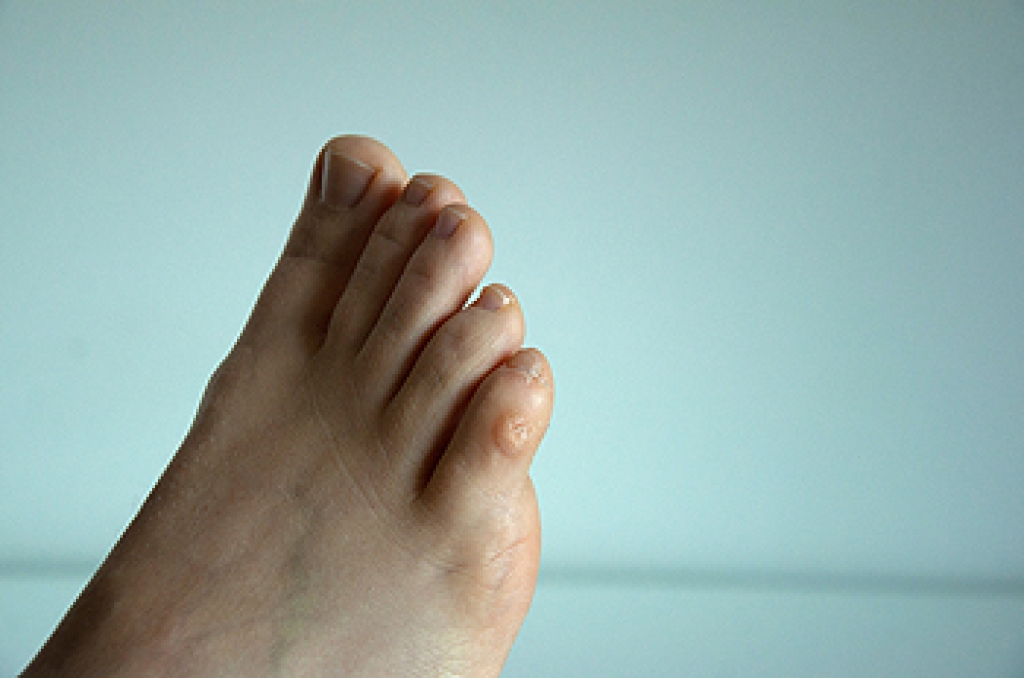
How to Get Rid of Corns on Your Feet

Corns are hard bumps that develop on the skin, typically on the feet. They can occur due to pressure and friction caused by poorly fitting shoes. The skin hardens to protect the delicate tissue underneath. Corns are like calluses, but they can become tender and cause pain too. They are generally not serious but may be uncomfortable. Removing the ill-fitting shoes or source of friction is the best way to prevent corns from worsening. Usually soaking the affected foot, applying a moisturizer, and rubbing the corn with a washcloth will help soften the corn and remove excess layers of skin that have built up. If you develop a corn that does not heal, begins to bleed, or becomes infected it is suggested that you seek the counsel of a podiatrist. 

Corns can make walking very painful and should be treated immediately. If you have questions regarding your feet and ankles, contact one of our podiatrists of APEX Foot & Ankle Center. Our doctors will treat your foot and ankle needs.

Corns: What Are They? And How Do You Get Rid of Them?
Corns are thickened areas on the skin that can become painful. They are caused by excessive pressure and friction on the skin. Corns press into the deeper layers of the skin and are usually round in shape.

Ways to Prevent Corns
There are many ways to get rid of painful corns such as:

  • Wearing properly fitting shoes that have been measured by a professional
  • Wearing shoes that are not sharply pointed or have high heels
  • Wearing only shoes that offer support

Treating Corns

Although most corns slowly disappear when the friction or pressure stops, this isn’t always the case. Consult with your podiatrist to determine the best treatment option for your case of corns.

If you have any questions, please feel free to contact our offices located in Fort Myers, Shellpoint, and Naples, FL . We offer the newest diagnostic and treatment technologies for all your foot care needs.


Read more about Corns and Calluses

What is Diabetic Neuropathy?

Many people who have had diabetes for a long time may also have a condition known as diabetic neuropathy. The most common form is peripheral neuropathy, which in diabetics usually affects the feet. Symptoms include numbness, reduced ability to feel pain or temperature changes, and tingling or burning sensations. Sharp pains or cramps may also occur. These can further evolve into foot ulcers (wounds that do not heal properly) and infections from cracks or sores in the skin. If ignored or left untreated, gangrene may develop which could lead to surgery or amputation. The main causes of peripheral neuropathy are high levels of sugar and triglycerides in the blood which can damage the nerves and blood vessels in the feet. Since the symptoms of peripheral neuropathy develop over time, it is easy to overlook this condition. Daily foot care is imperative to maintain healthy feet. Another important way to prevent or handle diabetic neuropathy is to schedule regular visits to a podiatrist who can monitor the condition of your feet and treat them accordingly.

Neuropathy

Neuropathy can be a potentially serious condition, especially if it is left undiagnosed. If you have any concerns that you may be experiencing nerve loss in your feet, consult with one of our podiatrists from APEX Foot & Ankle Center. Our doctors will assess your condition and provide you with quality foot and ankle treatment for neuropathy.

What Is Neuropathy?

Neuropathy is a condition that leads to damage to the nerves in the body. Peripheral neuropathy, or neuropathy that affects your peripheral nervous system, usually occurs in the feet. Neuropathy can be triggered by a number of different causes. Such causes include diabetes, infections, cancers, disorders, and toxic substances.

Symptoms of Neuropathy Include:

  • Numbness
  • Sensation loss
  • Prickling and tingling sensations
  • Throbbing, freezing, burning pains
  • Muscle weakness

Those with diabetes are at serious risk due to being unable to feel an ulcer on their feet. Diabetics usually also suffer from poor blood circulation. This can lead to the wound not healing, infections occurring, and the limb may have to be amputated.

Treatment

To treat neuropathy in the foot, podiatrists will first diagnose the cause of the neuropathy. Figuring out the underlying cause of the neuropathy will allow the podiatrist to prescribe the best treatment, whether it be caused by diabetes, toxic substance exposure, infection, etc. If the nerve has not died, then it’s possible that sensation may be able to return to the foot.

Pain medication may be issued for pain. Electrical nerve stimulation can be used to stimulate nerves. If the neuropathy is caused from pressure on the nerves, then surgery may be necessary.

If you have any questions, please feel free to contact our offices located in Fort Myers, Shellpoint, and Naples, FL . We offer the newest diagnostic and treatment technologies for all your foot care needs.
Read more about Neuropathy

The Heel of My Foot Hurts!

Many people complain about pain in the heel of their foot at some point in their lives. Plantar fasciitis, or inflammation of the plantar fascia, is one of the most common causes of this. The plantar fascia is the broad band of connective tissue running along the bottom of the foot that joins the heel bone to the toes, provides support for the arch of the foot, acts as a shock absorber, and bears the body’s weight. Plantar fasciitis develops when this band of tissue becomes irritated, torn, or inflamed. This condition can be extremely painful, especially with the day’s first steps. The pain at the bottom of the heel, and sometimes the midfoot area, can be sharp and stabbing or dull and achy. Once a person starts walking, the pain usually reduces but it may come on again after prolonged periods on one’s feet or when standing after sitting for a while. While causes of plantar fasciitis are not clear, research shows that heel spurs can result from plantar fasciitis, which can cause pain. This ailment is common among athletes, those who are on their feet a lot, and those who are obese. If you are suffering with heel pain, it is suggested you see a podiatrist who can make a proper diagnosis and lead you in treatment.

Plantar fasciitis is a common foot condition that is often caused by a strain injury. If you are experiencing heel pain or symptoms of plantar fasciitis, contact one of our podiatrists from APEX Foot & Ankle Center. Our doctors can provide the care you need to keep you pain-free and on your feet.

What Is Plantar Fasciitis?

Plantar fasciitis is one of the most common causes of heel pain. The plantar fascia is a ligament that connects your heel to the front of your foot. When this ligament becomes inflamed, plantar fasciitis is the result. If you have plantar fasciitis you will have a stabbing pain that usually occurs with your first steps in the morning. As the day progresses and you walk around more, this pain will start to disappear, but it will return after long periods of standing or sitting.

What Causes Plantar Fasciitis?

  • Excessive running
  • Having high arches in your feet
  • Other foot issues such as flat feet
  • Pregnancy (due to the sudden weight gain)
  • Being on your feet very often

There are some risk factors that may make you more likely to develop plantar fasciitis compared to others. The condition most commonly affects adults between the ages of 40 and 60. It also tends to affect people who are obese because the extra pounds result in extra stress being placed on the plantar fascia.

Prevention

  • Take good care of your feet – Wear shoes that have good arch support and heel cushioning.
  • Maintain a healthy weight
  • If you are a runner, alternate running with other sports that won’t cause heel pain

There are a variety of treatment options available for plantar fasciitis along with the pain that accompanies it. Additionally, physical therapy is a very important component in the treatment process. It is important that you meet with your podiatrist to determine which treatment option is best for you.

If you have any questions, please feel free to contact our offices located in Fort Myers, Shellpoint, and Naples, FL . We offer the newest diagnostic and treatment technologies for all your foot care needs.

 

Read more about Plantar Fasciitis

Gout Is a Form of Arthritis

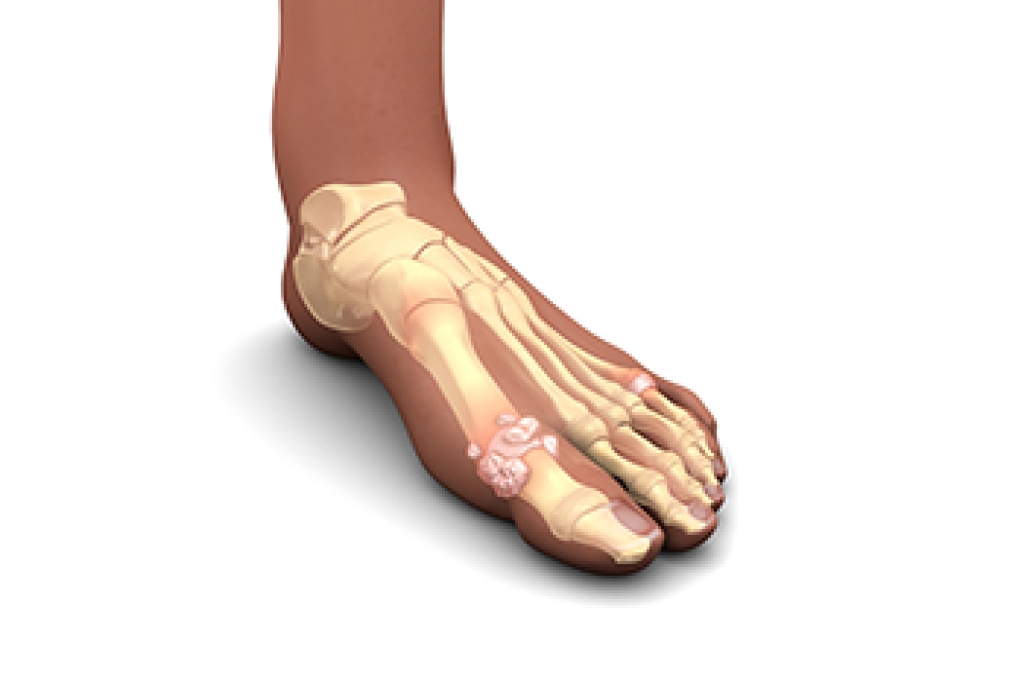
Gout is an extremely painful form of arthritis. The pain and discomfort that many gout patients experience are the result of uric acid crystals that are caught between the joints of the feet. The big toe is generally affected by gout, and the pain that is associated with this condition can be debilitating. Gout may develop from genetic factors, or from eating foods that contain high levels of purines. These types of foods and drinks include red meat, shellfish, excess alcohol, and drinks that are made with large amounts of sugar. It is important to eat foods that are healthy and to engage in a regular exercise regime that may help to prevent painful gout attacks. Additionally, when blood pressure and weight are kept at a normal range, gout attacks may be reduced. Relief also may be found when adequate rest is gotten daily and the weight of blankets and sheets is kept off of the affected foot. If you suffer from gout, please seek the counsel of a podiatrist who can effectively treat this condition.

Gout is a foot condition that requires certain treatment and care. If you are seeking treatment, contact one of our podiatrists from APEX Foot & Ankle Center. Our doctors will treat your foot and ankle needs.

What Is Gout?

Gout is a type of arthritis caused by a buildup of uric acid in the bloodstream. It often develops in the foot, especially the big toe area, although it can manifest in other parts of the body as well. Gout can make walking and standing very painful and is especially common in diabetics and the obese.

People typically get gout because of a poor diet. Genetic predisposition is also a factor. The children of parents who have had gout frequently have a chance of developing it themselves.

Gout can easily be identified by redness and inflammation of the big toe and the surrounding areas of the foot. Other symptoms include extreme fatigue, joint pain, and running high fevers. Sometimes corticosteroid drugs can be prescribed to treat gout, but the best way to combat this disease is to get more exercise and eat a better diet.

If you have any questions, please feel free to contact our offices located in Fort Myers, Shellpoint, and Naples, FL . We offer the newest diagnostic and treatment technologies for all your foot care needs.

Read more about Gout

Should I See a Podiatrist?

Our feet do so much for us and yet they are often ignored. Podiatrists are doctors who specialize in the treatment of the feet and ankles. There are several specific foot conditions that would benefit from this type of care. Neuropathy occurs when there is damage to the peripheral nerves. Numbness and loss of sensation from neuropathy can make it difficult to know when a foot injury has occurred. Although this condition cannot be cured, a podiatrist can suggest measures to take to minimize the danger of neuropathy.  A change in the color of feet is often an indicator of a disease such as an infection, like cellulitis, that needs to be treated. A podiatrist can help with foot deformities like bunions or hammertoes. Foot pain can arise for numerous reasons and wearing shoes that fit properly in addition to having feet examined by a podiatrist can help ward off more severe foot problems. Overall, rather than neglecting symptoms of foot problems, consult a podiatrist for proper diagnosis and treatment.

If you are dealing with pain in your feet and ankles, you may want to seek help from a podiatrist. Feel free to contact one of our podiatrists from APEX Foot & Ankle Center. Our doctors can provide the care you need to keep you pain-free and on your feet.

What Is a Podiatrist?

A podiatrist is a doctor of podiatric medicine who diagnoses and treats conditions of the foot, ankle, and related structures of the leg. Your podiatrist may specialize in a certain field such as sports medicine, wound care, pediatrics, and diabetic care. Podiatrists have the ability to become board certified through training, clinical experience, and then taking an exam.

What Do Podiatrists Do?

On a daily basis, a podiatrist may perform the following activities:

  • Diagnose foot ailments such as ulcers, tumors, fractures, etc.
  • Use innovative methods to treat conditions
  • Use corrective orthotics, casts, and strappings to correct deformities
  • Correct walking patterns and balance
  • Provide individual consultations to patients

It is very important that you take care of your feet. It’s easy to take having healthy feet for granted, however foot problems tend to be among the most common health conditions. Podiatrists can help diagnose and treat a variety of feet related conditions, so it is crucial that you visit one if you need assistance.

If you have any questions, please feel free to contact our offices located in Fort Myers, Shellpoint, and Naples, FL . We offer the newest diagnostic and treatment technologies for all your foot care needs.

Read more about What is a Podiatrist?

Connect With Us

Advanced Podiatric Procedures & Services in the Fort Myers, FL 33908 and Naples, FL 34110 areas