Types of Arthritis That Can Affect The Feet

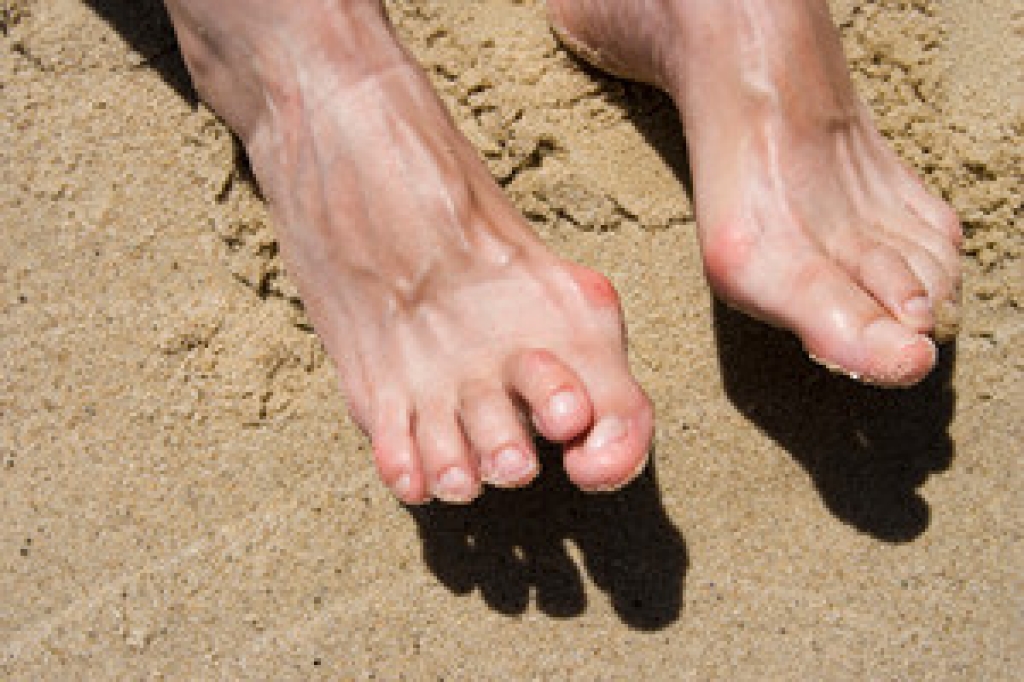
The medical term that is known as osteoarthritis may cause bone spurs at the bottom of the big toe, which may lead to the development of a bunion. If you have this type of arthritis, relief may be found when larger size shoes are worn. This may prevent additional pressure from being exerted on the bunion. A common type of arthritis that is referred to as rheumatoid arthritis typically causes inflammation on the ball of the foot. Calluses may develop as a result of the bones pushing against the skin on that part of the foot. An additional form of arthritis, which is known as gout, can affect the big toe, and may come from eating foods that are high in purine levels. Gout attacks may be prevented when healthy eating habits are implemented into the daily routine. If you have arthritis in your feet, it is strongly suggested that you consult with a podiatrist who can help you to manage this condition.

Arthritis can be a difficult condition to live with. If you are seeking treatment, contact one of our podiatrists from APEX Foot & Ankle Center. Our doctors can provide the care you need to keep you pain-free and on your feet.

Arthritic Foot Care  

Arthritis is a joint disorder that involves the inflammation of different joints in your body, such as those in your feet. Arthritis is often caused by a degenerative joint disease and causes mild to severe pain in all affected areas. In addition to this, swelling and stiffness in the affected joints can also be a common symptom of arthritis.

In many cases, wearing ill-fitting shoes can worsen the effects and pain of arthritis. Wearing shoes that have a lower heel and extra room can help your feet feel more comfortable. In cases of rheumatoid arthritis, the arch in your foot may become problematic. Buying shoes with proper arch support that contour to your feet can help immensely.

Alleviating Arthritic Pain

  • Exercises that stretch the foot can prevent further pain and injury and increase mobility
  • Most of the pain can be alleviated with anti-inflammatory drugs, heat, and topical medications
  • Massages can help temporarily alleviate pain.

It is best to see your doctor for the treatment that is right for your needs and symptoms. Conditions vary, and a podiatrist can help you determine the right method of care for your feet.

If you have any questions please feel free to contact our offices located in Fort Myers, Shellpoint, and Naples, FL . We offer the newest diagnostic tools and technology to treat your foot and ankle needs.


Read more about Arthritic Foot Care

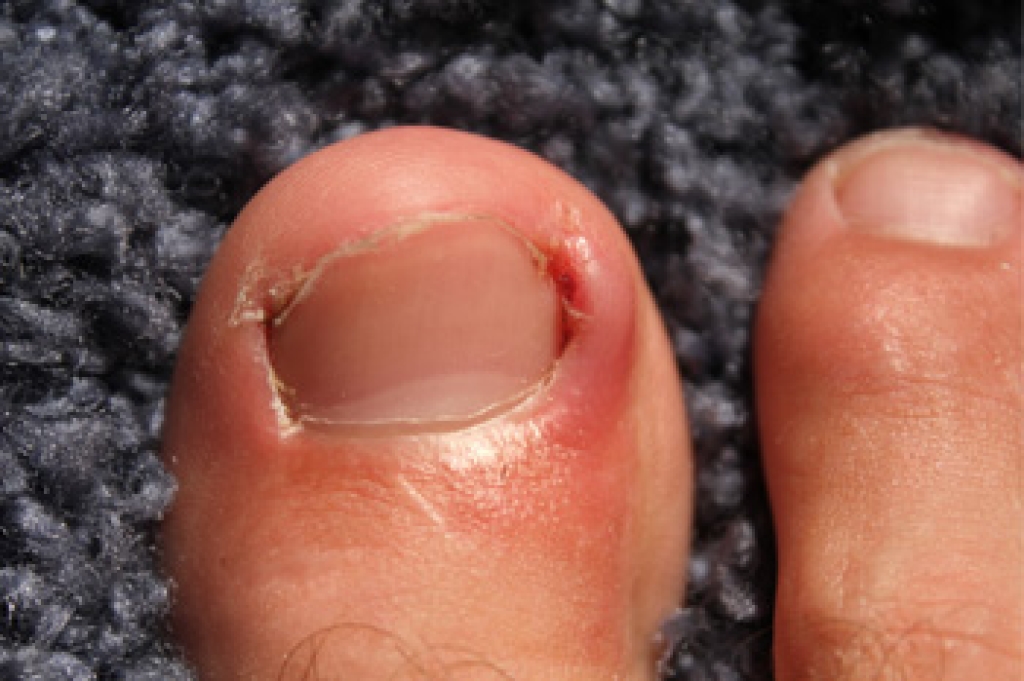
Are You Suffering From Ingrown Toenails?

If left untreated, an ingrown toenail can lead to more serious concerns, such as an infection. Knowing proper nail care can help in the prevention of an ingrown toenail. Give us a call, and get treated!

How to Avoid and Treat Tarsal Tunnel Syndrome

Tarsal tunnel syndrome may arise from repeated pressure that results in damage to the posterior tibial nerve. Symptoms such as sharp pains, the feeling of pins and needles, and a burning sensation may occur if this syndrome is affecting you. Tarsal tunnel syndrome may be caused by inflammation from arthritis, diabetes, severely flat feet, and inflammation from injuries or trauma. Frequent stretching and rest between high levels of activity may help to prevent this syndrome from occurring. It is recommended that you see a podiatrist for a proper diagnosis and advised recovery regime.

Tarsal tunnel syndrome can be very uncomfortable to live with. If you are experiencing tarsal tunnel syndrome, contact one of our podiatrists of APEX Foot & Ankle Center. Our doctors can provide the care you need to keep you pain-free and on your feet.

Tarsal Tunnel Syndrome

Tarsal tunnel syndrome, which can also be called tibial nerve dysfunction, is an uncommon condition of misfiring peripheral nerves in the foot. The tibial nerve is the peripheral nerve in the leg responsible for sensation and movement of the foot and calf muscles. In tarsal tunnel syndrome, the tibial nerve is damaged, causing problems with movement and feeling in the foot of the affected leg.

Common Cause of Tarsal Tunnel Syndrome

  • Involves pressure or an injury, direct pressure on the tibial nerve for an extended period of time, sometimes caused by other body structures close by or near the knee.
  • Diseases that damage nerves, including diabetes, may cause tarsal tunnel syndrome.
  • At times, tarsal tunnel syndrome can appear without an obvious cause in some cases.

The Effects of Tarsal Tunnel Syndrome

  • Different sensations, an afflicted person may experience pain, tingling, burning or other unusual sensations in the foot of the affected leg.
  • The foot muscles, toes and ankle become weaker, and curling your toes or flexing your foot can become difficult.
  • If condition worsens, infections and ulcers may develop on the foot that is experiencing the syndrome.

A physical exam of the leg can help identify the presence of tarsal tunnel syndrome. Medical tests, such as a nerve biopsy, are also used to diagnose the condition. Patients may receive physical therapy and prescriptive medication. In extreme cases, some may require surgery.

If you have any questions please contact our offices located in Fort Myers, Shellpoint, and Naples, FL . We offer the newest diagnostic and treatment technologies for all your foot and ankle needs.

Read more about Tarsal Tunnel Syndrome

How Does Ankle Pain Occur?

There are several reasons why ankle pain can exist. Many patients experience an ankle sprain, which occurs when the ligaments become injured. The function of the ligaments is to connect the bones in the ankle together, and if they should become torn or stretched, an ankle sprain may result. This can be caused by unexpectedly stepping off of a curb, or twisting the foot, and it is typically followed by severe pain and discomfort. Arthritis is a common ailment, and if it affects the feet, it may be difficult to walk. Some of the symptoms that are associated with this are pain and stiffness in the ankle joints, and many people notice a limited range of motion. The medical term that is known as flat feet may also lead to ankle pain. This may be a result of a lack or absence of an arch in the foot. If you have any type of ankle pain, it is strongly advised that you seek the counsel of a podiatrist, who can diagnosis and treat this type of injury.

Ankle pain can have many different causes and the pain may potentially be serious. If you have ankle pain, consult with one of our podiatrists from APEX Foot & Ankle Center. Our doctors will assess your condition and provide you with quality foot and ankle treatment.

Ankle pain is any condition that causes pain in the ankle. Due to the fact that the ankle consists of tendons, muscles, bones, and ligaments, ankle pain can come from a number of different conditions.

Causes

The most common causes of ankle pain include:

  • Types of arthritis (rheumatoid, osteoarthritis, and gout)
  • Ankle sprains
  • Broken ankles
  • Achilles tendinitis
  • Achilles tendon rupture
  • Stress fractures
  • Tarsal tunnel syndrome
  • Plantar fasciitis

Symptoms

Symptoms of ankle injury vary based upon the condition. Pain may include general pain and discomfort, swelling, aching, redness, bruising, burning or stabbing sensations, and/or loss of sensation.

Diagnosis

Due to the wide variety of potential causes of ankle pain, podiatrists will utilize a number of different methods to properly diagnose ankle pain. This can include asking for personal and family medical histories and of any recent injuries. Further diagnosis may include sensation tests, a physical examination, and potentially x-rays or other imaging tests.

Treatment

Just as the range of causes varies widely, so do treatments. Some more common treatments are rest, ice packs, keeping pressure off the foot, orthotics and braces, medication for inflammation and pain, and surgery.

If you have any questions please feel free to contact our offices located in Fort Myers, Shellpoint, and Naples, FL . We offer the newest diagnostic tools and technology to treat your foot and ankle needs.

Read more about Ankle Pain

What Does Morton’s Neuroma Feel Like?

A common symptom of the medical condition that is known as Morton’s neuroma is a burning sensation in the ball of the foot. Some patients equate the pain and discomfort that is associated with this ailment as a feeling that is similar to standing on a pebble. It may be difficult to walk and perform daily activities, and the affected foot may tingle or feel numb. There are a number of reasons why Morton’s neuroma may develop. These reasons include wearing shoes that are tight in the toe area and existing medical conditions, such as hammertoes, flat feet, or bunions. When specific sporting activities are frequently participated in, excess pressure may be put on the bottom of the foot, which may cause this condition to develop. Some patients find it helpful to perform stretching techniques that are designed to make the tendons and ligaments more flexible. If you are experiencing this type of foot pain, it is advised that you seek the counsel of a podiatrist who can properly treat this condition.

Morton’s neuroma is a very uncomfortable condition to live with. If you think you have Morton’s neuroma, contact one of our podiatrists of APEX Foot & Ankle Center. Our doctors will attend to all of your foot care needs and answer any of your related questions.  

Morton’s Neuroma

Morton's neuroma is a painful foot condition that commonly affects the areas between the second and third or third and fourth toe, although other areas of the foot are also susceptible. Morton’s neuroma is caused by an inflamed nerve in the foot that is being squeezed and aggravated by surrounding bones.

What Increases the Chances of Having Morton’s Neuroma?

  • Ill-fitting high heels or shoes that add pressure to the toe or foot
  • Jogging, running or any sport that involves constant impact to the foot
  • Flat feet, bunions, and any other foot deformities

Morton’s neuroma is a very treatable condition. Orthotics and shoe inserts can often be used to alleviate the pain on the forefront of the feet. In more severe cases, corticosteroids can also be prescribed. In order to figure out the best treatment for your neuroma, it’s recommended to seek the care of a podiatrist who can diagnose your condition and provide different treatment options.

If you have any questions, please feel free to contact our offices located in Fort Myers, Shellpoint, and Naples, FL . We offer the newest diagnostic and treatment technologies for all your foot care needs.

Read more about Morton's Neuroma

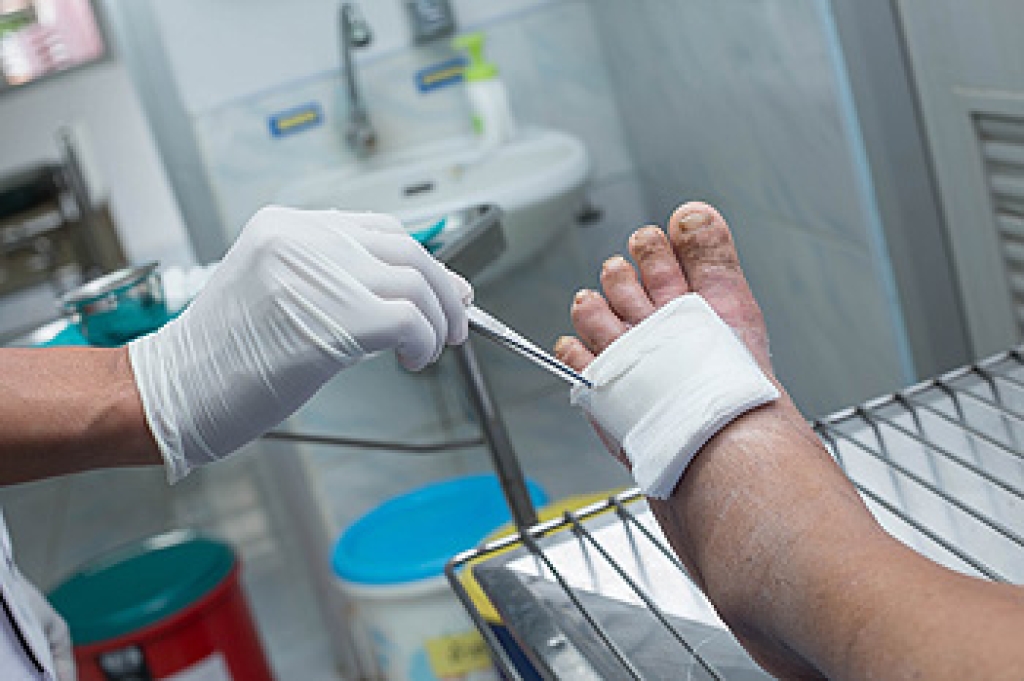
Diabetic Foot Ulcers Require Prompt Care

A common type of wound that many diabetic patients contend with is known as a foot ulcer. It typically develops on the sole of the foot, and can become infected if it is not promptly treated. It can form as a result of neuropathy that may exist in the foot. This can make it difficult to feel any cuts and bruises on the bottom of the foot, which may lead to a foot ulcer. Research has indicated the first step in treating this type of wound is to implement methods that can prevent infection. These can be obtained by maintaining normal glucose levels, and keeping the wound clean and properly bandaged. Many patients are advised to keep the weight off of the affected foot, and this can help to accelerate the healing process. If you are afflicted with a diabetic foot ulcer, it is strongly advised that you are under the care of a podiatrist.

Wound care is an important part in dealing with diabetes. If you have diabetes and a foot wound or would like more information about wound care for diabetics, consult with one of our podiatrists from APEX Foot & Ankle Center. Our doctors will assess your condition and provide you with quality foot and ankle treatment.

What Is Wound Care?

Wound care is the practice of taking proper care of a wound. This can range from the smallest to the largest of wounds. While everyone can benefit from proper wound care, it is much more important for diabetics. Diabetics often suffer from poor blood circulation which causes wounds to heal much slower than they would in a non-diabetic. 

What Is the Importance of Wound Care?

While it may not seem apparent with small ulcers on the foot, for diabetics, any size ulcer can become infected. Diabetics often also suffer from neuropathy, or nerve loss. This means they might not even feel when they have an ulcer on their foot. If the wound becomes severely infected, amputation may be necessary. Therefore, it is of the upmost importance to properly care for any and all foot wounds.

How to Care for Wounds

The best way to care for foot wounds is to prevent them. For diabetics, this means daily inspections of the feet for any signs of abnormalities or ulcers. It is also recommended to see a podiatrist several times a year for a foot inspection. If you do have an ulcer, run the wound under water to clear dirt from the wound; then apply antibiotic ointment to the wound and cover with a bandage. Bandages should be changed daily and keeping pressure off the wound is smart. It is advised to see a podiatrist, who can keep an eye on it.

If you have any questions please contact our offices located in Fort Myers, Shellpoint, and Naples, FL . We offer the newest diagnostic and treatment technologies for all your foot and ankle needs.

Read more about Wound Care

How Are Ingrown Toenails Treated?

The condition that is known as ingrown toenails happens as a result of the edge of the nail growing into the skin surrounding the nail. It can typically cause severe pain and discomfort, and it may be difficult to wear shoes that are normally worn. The edges of the nail can appear red, swollen, and tender when touched, and it is beneficial to begin treatment as quickly as possible. This can consist of soaking the affected nail in warm water, which is helpful in softening the skin around the nail. This may also make it easier to move the edge of the toenail away from the skin with a piece of cotton. If an ingrown toenail should become infected, surgery may be required to remove a portion of the nail. If you are afflicted with this ailment, it is strongly suggested that you consult with a podiatrist who can offer you proper treatment techniques.

Ingrown toenails can become painful if they are not treated properly. For more information about ingrown toenails, contact one of our podiatrists of APEX Foot & Ankle Center. Our doctors can provide the care you need to keep you pain-free and on your feet.

Ingrown Toenails

Ingrown toenails occur when a toenail grows sideways into the bed of the nail, causing pain, swelling, and possibly infection.

Causes

  • Bacterial infections
  • Improper nail cutting such as cutting it too short or not straight across
  • Trauma to the toe, such as stubbing, which causes the nail to grow back irregularly
  • Ill-fitting shoes that bunch the toes too close together
  • Genetic predisposition

Prevention

Because ingrown toenails are not something found outside of shoe-wearing cultures, going barefoot as often as possible will decrease the likeliness of developing ingrown toenails. Wearing proper fitting shoes and using proper cutting techniques will also help decrease your risk of developing ingrown toenails.

Treatment

Ingrown toenails are a very treatable foot condition. In minor cases, soaking the affected area in salt or antibacterial soaps will not only help with the ingrown nail itself, but also help prevent any infections from occurring. In more severe cases, surgery is an option. In either case, speaking to your podiatrist about this condition will help you get a better understanding of specific treatment options that are right for you.

If you have any questions, please feel free to contact our offices located in Fort Myers, Shellpoint, and Naples, FL . We offer the newest diagnostic and treatment technologies for all your foot care needs.

Read more about Ingrown Toenail Care

Why Live with Pain and Numbness in Your Feet?

Suffering from this type of pain? You may have the foot condition known as Morton's neuroma. Morton's neuroma may develop as a result of ill-fitting footwear and existing foot deformities. We can help.

Podiatrists Treat Foot Conditions

The parts of the body that podiatrists treat are the feet and ankles. There are numerous conditions that affect the feet, including heel pain, bunions, hammertoes, and ingrown toenails. Some patients have flat feet or elevated arches, and podiatrists may recommend they wear custom-made orthotics which may help to provide substantial relief. If you are a diabetic patient, it is strongly suggested that you be under the care of a podiatrist, who can help you to manage proper foot care. This may include trimming the toenails, and checking for any cuts or scrapes that may initially go unnoticed. For those who are interested in pursuing a career in podiatry, it is advised that you consult with this type of doctor who can help you in determining if this is a correct career choice for you.

If you are experiencing pain in the feet or ankles, don’t join the stubborn majority refusing treatment. Feel free to contact one of our podiatrists from APEX Foot & Ankle Center. Our doctors can provide the care you need to keep you pain-free and on your feet.

What Is a Podiatrist?

Someone would seek the care of a podiatrist if they have suffered a foot injury or have common foot ailments such as heal spurs, bunions, arch problems, deformities, ingrown toenails, corns, foot and ankle problems, etc.

Podiatric Treatment

A podiatrist will treat the problematic areas of the feet, ankle or lower leg by prescribing the following:

  • Physical therapy
  • Drugs
  • Orthotic inserts or soles
  • Surgery on lower extremity fractures

A common podiatric procedure a podiatrist will use is a scanner or force plate which will allow the podiatrist to know the designs of orthotics. Patients are then told to follow a series of tasks to complete the treatment. The computer will scan the foot a see which areas show weight distribution and pressure points. The podiatrist will read the analysis and then determine which treatment plans are available.

If you have any questions, please feel free to contact our offices located in Fort Myers, Shellpoint, and Naples, FL . We offer the newest diagnostic and treatment technologies for all your foot care needs.

Read more about What is a Podiatrist?

How to Take Care of Children’s Feet

The importance of properly taking care of your child’s feet is crucial in possibly preventing certain foot conditions from developing. Children’s feet may be sweaty for the majority of the day, and it is important to wash and dry them on a daily basis. This may prevent athlete’s foot from occurring. Research has indicated that children's feet may become stronger when they can walk barefoot while indoors. This can be a result of the grasping motion that occurs when the toes touch the floor. Ingrown toenails may be prevented when the toenails are cut frequently and in a straight line. Additionally, when it is time for your child to walk outside, it is helpful to purchase shoes that fit properly. This can be accomplished by measuring your child’s foot to determine the correct shoe size. If you would like more information about how to take care of your child’s feet, it is suggested that you speak with a podiatrist.

The health of a child’s feet is vital to their overall well-being. If you have any questions regarding foot health, contact one of our podiatrists of APEX Foot & Ankle Center. Our doctors can provide the care you need to keep you pain-free and on your feet.

Tips for Keeping Children's Feet Healthy

  • Make sure their shoes fit properly
  • Look for any signs of in-toeing or out-toeing
  • Check to see if they have Clubfoot (condition that affects your child’s foot and ankle, twisting the heel and toes inward) which is one of the most common nonmajor birth defects.
  • Lightly cover your baby’s feet (Tight covers may keep your baby from moving their feet freely, and could prevent normal development)
  • Allow your toddler to go shoeless (Shoes can be restricting for a young child’s foot)
  • Cut toenails straight across to avoid ingrown toenails
  • Keep your child’s foot clean and dry
  • Cover cuts and scrapes. Wash any scratches with soap and water and cover them with a bandage until they’ve healed.

If you have any questions, please feel free to contact our offices located in Fort Myers, Shellpoint, and Naples, FL . We offer the newest diagnostic and treatment technologies for all your foot care needs.

Read more about What to Do to Keep Your Child’s Feet Healthy

Connect With Us

Advanced Podiatric Procedures & Services in the Fort Myers, FL 33908 and Naples, FL 34110 areas