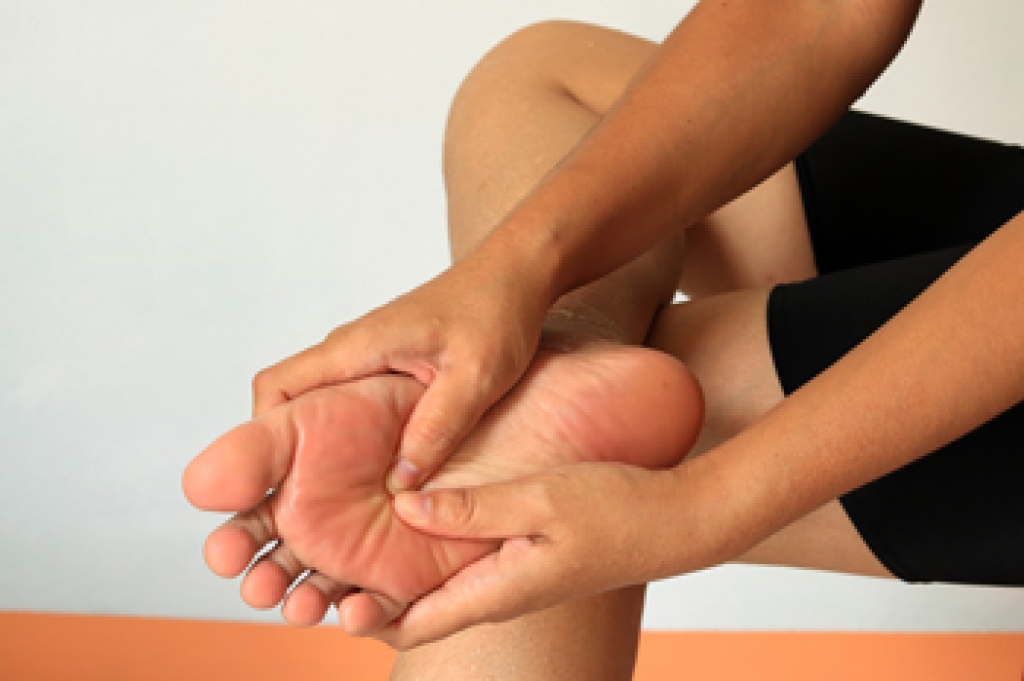
What Is Cuboid Syndrome?

The cuboid bone is a cube-shaped bone located on the outer side of the foot. When this bone is displaced due to overuse or an ankle sprain, a condition called cuboid syndrome develops. This is a very common injury in athletes and ballet dancers and represents 4% of all foot injuries. Cuboid syndrome typically causes pain in the outer side of the foot and other symptoms can include difficulty walking, running, and jumping. The most effective treatment for this condition is to restore the cuboid bone to its correct position via cuboid manipulation. Taping the cuboid bone or doing simple foot exercises may also help with the pain. If you suspect that you have cuboid syndrome, it is recommended that you seek the care of a podiatrist who can properly diagnose this condition and offer treatment techniques that are best for you.

Cuboid syndrome, also known as cuboid subluxation, occurs when the joints and ligaments near the cuboid bone in the foot become torn. If you have cuboid syndrome, consult with one of our podiatrists from APEX Foot & Ankle Center. Our doctors will assess your condition and provide you with quality foot and ankle treatment.

Cuboid syndrome is a common cause of lateral foot pain, which is pain on the outside of the foot. The condition may happen suddenly due to an ankle sprain, or it may develop slowly overtime from repetitive tension through the bone and surrounding structures.

Causes

The most common causes of cuboid syndrome include:

  • Injury – The most common cause of this ailment is an ankle sprain.
  • Repetitive Strain – Tension placed through the peroneus longus muscle from repetitive activities such as jumping and running may cause excessive traction on the bone causing it to sublux.
  • Altered Foot Biomechanics – Most people suffering from cuboid subluxation have flat feet.

Symptoms

A common symptom of cuboid syndrome is pain along the outside of the foot which can be felt in the ankle and toes. This pain may create walking difficulties and may cause those with the condition to walk with a limp.

Diagnosis

Diagnosis of cuboid syndrome is often difficult, and it is often misdiagnosed. X-rays, MRIs and CT scans often fail to properly show the cuboid subluxation. Although there isn’t a specific test used to diagnose cuboid syndrome, your podiatrist will usually check if pain is felt while pressing firmly on the cuboid bone of your foot.

Treatment

Just as the range of causes varies widely, so do treatments. Some more common treatments are ice therapy, rest, exercise, taping, and orthotics.

If you have any questions, please feel free to contact our offices located in Fort Myers, Shellpoint, and Naples, FL . We offer the newest diagnostic and treatment technologies for all your foot care needs.

Read more about All About Cuboid Syndrome

Decreasing Amputation Risk in Patients With Diabetic Foot Ulcers

Diabetic foot ulcers can increase a patient’s risk of lower limb amputation. However, with proper care, amputation may be prevented. There are various approaches that may help decrease the risk of amputations and improve the quality of life for a patient with diabetic foot ulcers. These approaches include monitoring the feet for any breaks in the skin, screening the patient for neuropathy (a condition that causes a reduction or loss of sensation in the feet), following guidelines for treating foot ulcer infections, removing dead tissue and debris from the affected foot, and relieving pressure from the part of the foot that is ulcerated. For more information about decreasing the risk of amputation due to diabetic foot ulcers, it is recommended that you consult with a podiatrist today. 

Limb salvage can be an effective way in preventing the need for limb amputation. If you have diabetes, cancer, or any other condition that could lead to foot amputation if left unchecked, consult with one of our podiatrists from APEX Foot & Ankle Center. Our doctors will assess your condition and provide you with quality foot and ankle treatment.

What Is Limb Salvage?

Limb salvage is the attempt of saving a limb, such as the foot from amputation. Podiatrists also try to make sure that there is enough function in the foot after the salvage that it is still usable. Diabetes is the number one cause of non-traumatic amputations in the United States. Those with diabetes experience poor blood circulation, which prevents proper healing of an ulcer. If the ulcer is left uncheck, it could become infected, which could result in the need for amputation.

However, there are other causes as well, such as cancer and traumatic injury. Links between higher mortality rates and amputation have been found. This translates into higher healthcare costs, and a reduced quality of life and mobility for amputees. Podiatrists have attempted to increase the prevalence of limb salvage in an attempt to solve these issues.

Diagnosis and Treatment

Limb salvage teams have grown in recent years that utilize a number of different treatments to save the infected limb. This includes podiatrists that specialize in wound care, rehabilitation, orthotics, and surgery. Through a combination of these methods, limb salvage has been found to be an effective treatment for infected limbs, and as an alternative to amputation. Podiatrists will first evaluate the potential for limb salvage and determine if the limb can be saved or must be amputated. 

If you have any questions, please feel free to contact our offices located in Fort Myers, Shellpoint, and Naples, FL . We offer the newest diagnostic and treatment technologies for all your foot care needs.
Read more about Limb Salvage

Why Live with Pain and Numbness in Your Feet?

Suffering from this type of pain? You may have the foot condition known as Morton's neuroma. Morton's neuroma may develop as a result of ill-fitting footwear and existing foot deformities. We can help.

Conditions That Can Cause Flat Feet

The majority of babies are born with flat feet, and the arch generally develops as the aging process occurs. The arches are designed for standing and balancing, and enable us to walk, run, and jump. Additionally, they can help the foot to absorb the shock while running, and evenly distribute body weight. There can be several reasons that may cause flat feet. These can include obesity, pregnancy, and medical conditions that can consist of diabetes and high blood pressure. The symptoms that patients can experience may include pain inside the ankle, and the feet may feel stiff. If you have flat feet, it is suggested that you consult with a podiatrist who can treat this condition. Treatment may include prescribing custom made orthotics.

Flatfoot is a condition many people suffer from. If you have flat feet, contact one of our podiatrists from APEX Foot & Ankle Center. Our doctors will treat your foot and ankle needs.

What Are Flat Feet?

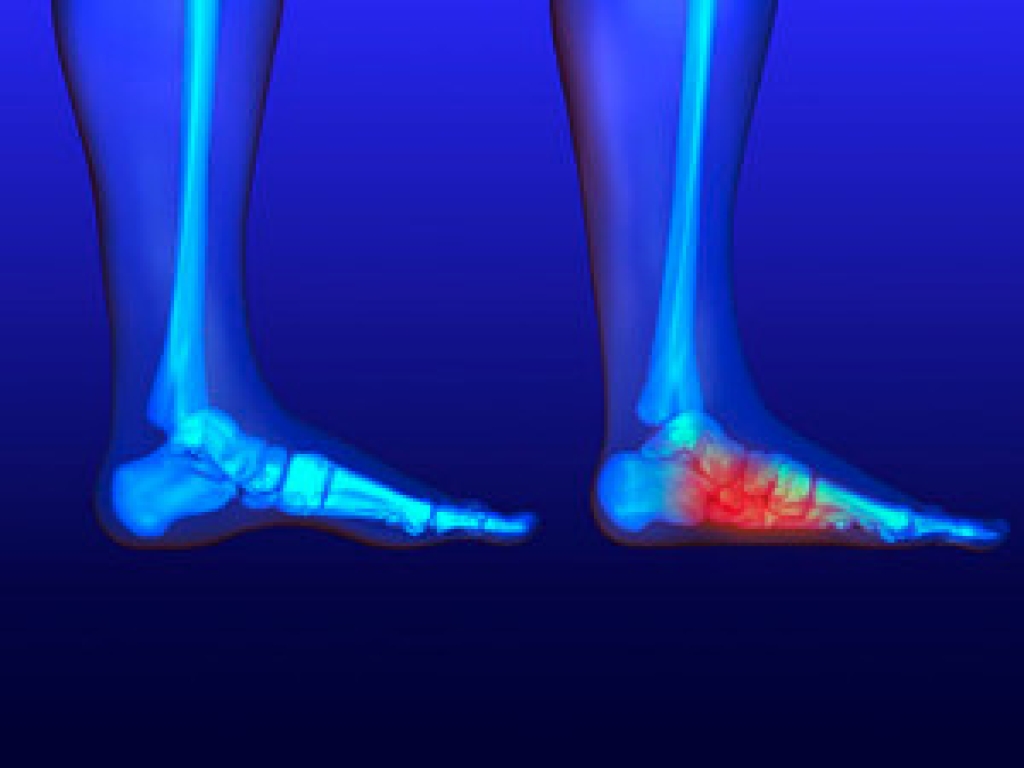
Flatfoot is a condition in which the arch of the foot is depressed and the sole of the foot is almost completely in contact with the ground. About 20-30% of the population generally has flat feet because their arches never formed during growth.

Conditions & Problems:

Having flat feet makes it difficult to run or walk because of the stress placed on the ankles.

Alignment – The general alignment of your legs can be disrupted, because the ankles move inward which can cause major discomfort.

Knees – If you have complications with your knees, flat feet can be a contributor to arthritis in that area.  

Symptoms

  • Pain around the heel or arch area
  • Trouble standing on the tip toe
  • Swelling around the inside of the ankle
  • Flat look to one or both feet
  • Having your shoes feel uneven when worn

Treatment

If you are experiencing pain and stress on the foot you may weaken the posterior tibial tendon, which runs around the inside of the ankle. 

If you have any questions, please feel free to contact our offices located in Fort Myers, Shellpoint, and Naples, FL . We offer the newest diagnostic and treatment technologies for all your foot care needs.

Read more about Flat Feet

Can Taking Vitamins Help to Heal Cracked Heels?

When the skin splits on the heel, it can cause pain and discomfort. This condition that is known as cracked heels can happen for several reasons. These can include aging skin, standing on hard surfaces for the majority of the day, and wearing shoes that have an open back. Additionally, some patients have certain medical conditions that can contribute to the onset of cracked heels, consisting of psoriasis or eczema. Research has indicated that it may be beneficial to incorporate specific vitamins such as zinc and iron into your diet, and that this may help protect the skin on the heels. If you have cracked heels, it is suggested that you consult with a podiatrist who can offer the correct treatment options for you.

If the skin on your feet starts to crack, you may want to see a podiatrist to find treatment. If you have any concerns, contact one of our podiatrists from APEX Foot & Ankle Center. Our doctors can provide the care you need to keep you pain-free and on your feet.

Cracked Heels

It is important to moisturize your cracked heels in order to prevent pain, bleeding, and infection. The reason cracked heels form is because the skin on the foot is too dry to support the immense pressure placed on them. When the foot expands, the dry skin on the foot begins to split.

Ways to Help Heal Them

  • Invest in a good foot cream
  • Try Using Petroleum Jelly
  • Ease up on Soaps
  • Drink Plenty of Water

Ways to Prevent Cracked Heels

  • Moisturize After Showering
  • Skip a Shower
  • Keep Shower Water Lukewarm
  • Don’t Scrub Your Feet

If you are unsure how to proceed in treating cracked heels, seek guidance from a podiatrist. Your doctor will help you with any questions or information you may need. 

If you have any questions, please feel free to contact our offices located in Fort Myers, Shellpoint, and Naples, FL . We offer the newest diagnostic and treatment technologies for all your foot care needs.

Read more about Solutions for Cracked Heels

Connect With Us

Advanced Podiatric Procedures & Services in the Fort Myers, FL 33908 and Naples, FL 34110 areas