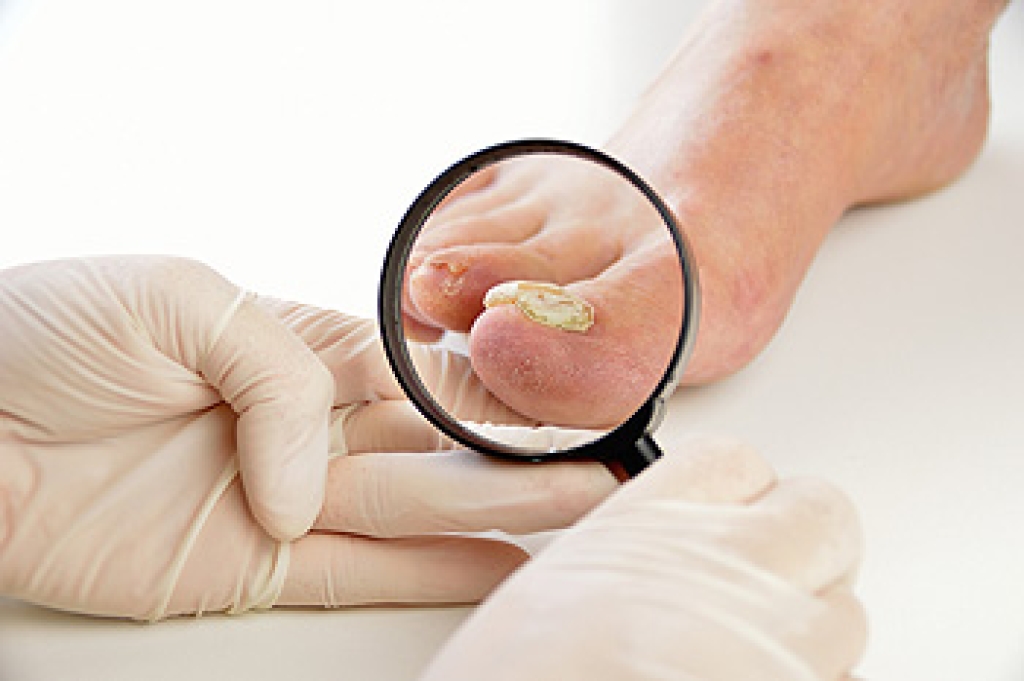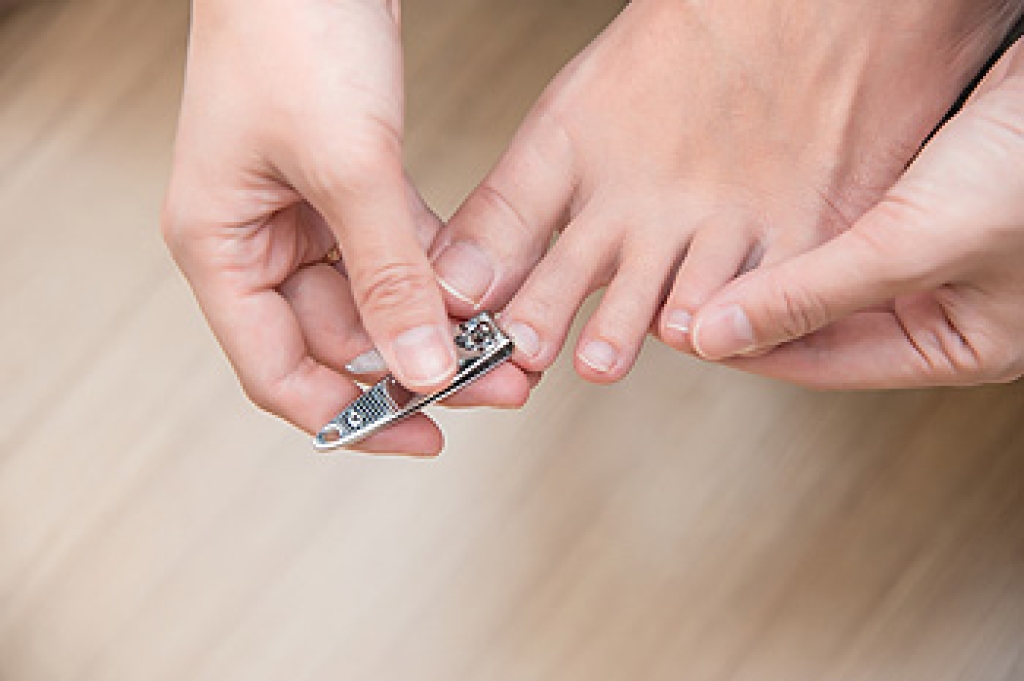
What to Do If You Have an Ingrown Toenail

There are many different things that may cause an ingrown toenail to develop. One of the most common causes is wearing shoes that are too tight along with socks and tights. You may also develop an ingrown toenail if you improperly trim your toenail. If you are looking to trim your nails, it is advised that you trim straight across instead of in a rounded shape. If you have an ingrown toenail and want to prevent it from becoming infected, it is crucial that you keep your feet clean. However, if the condition worsens and becomes severe, you may need to have surgery. If you are experiencing any pain and suspect that you have an ingrown toenail, you should see your podiatrist for treatment.

Ingrown toenails may initially present themselves as a minor discomfort, but they may progress into an infection in the skin without proper treatment. For more information about ingrown toenails, contact one of our podiatrists of APEX Foot & Ankle Center. Our doctors can provide the care you need to keep you pain-free and on your feet.

Ingrown Toenails

Ingrown toenails are caused when the corner or side of a toenail grows into the soft flesh surrounding it. They often result in redness, swelling, pain, and in some cases, infection. This condition typically affects the big toe and may recur if it is not treated properly.

Causes

  • Improper toenail trimming
  • Genetics
  • Improper shoe fitting
  • Injury from pedicures or nail picking
  • Abnormal gait
  • Poor hygiene

You are more likely to develop an ingrown toenail if you are obese, have diabetes, arthritis, or have any fungal infection in your nails. Additionally, people who have foot or toe deformities are at a higher risk of developing an ingrown toenail.

Symptoms

Some symptoms of ingrown toenails are redness, swelling, and pain. In rare cases, there may be a yellowish drainage coming from the nail.

Treatment

Ignoring an ingrown toenail can have serious complications. Infections of the nail border can progress to a deeper soft-tissue infection, which can then turn into a bone infection. You should always speak with your podiatrist if you suspect you have an ingrown toenail, especially if you have diabetes or poor circulation.

If you have any questions, please feel free to contact our offices located in Fort Myers, Shellpoint, and Naples, FL . We offer the newest diagnostic and treatment technologies for all your foot care needs.
Read more about Ingrown Toenail Care

What Causes Gout?

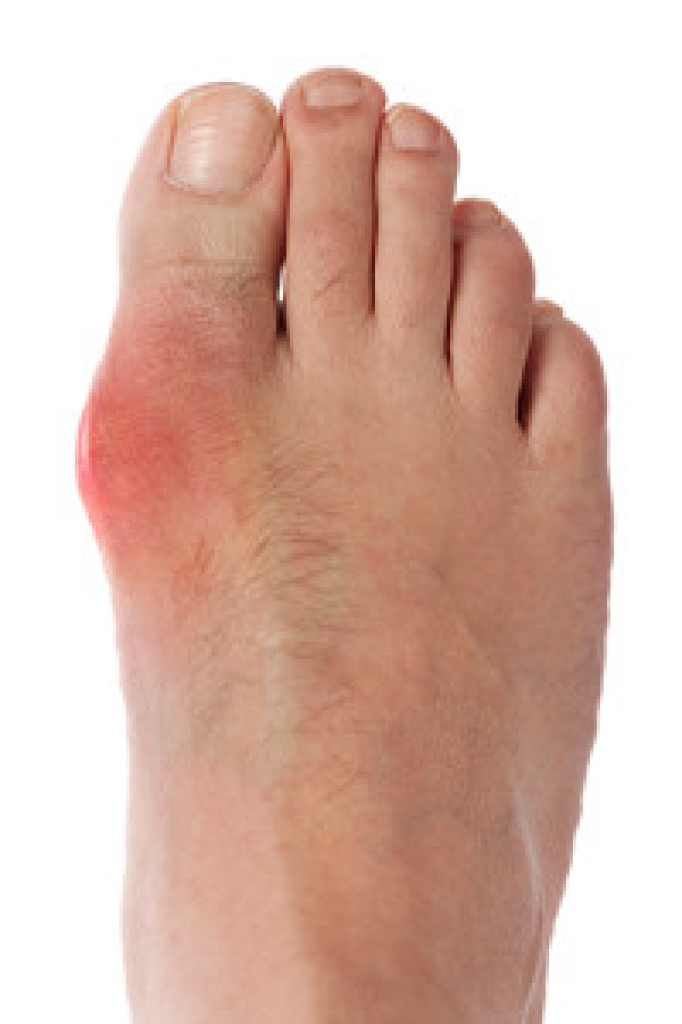
Gout is commonly known to be a very painful condition that affects the big toe and the surrounding areas. It is considered to be a form of arthritis and may often occur as an acute attack. The specific cause of gout is the formation of excess crystals, which collect in the blood stream and commonly develop in the joints of the feet. This may often be the result of ingesting foods that have excess purines, which are often responsible for the production of uric crystals. These types of foods may include indulging in an overabundance of alcohol, red meat, and shellfish. The pain that is associated with this ailment is typically a result of stiff joints, and is often accompanied by tenderness, swelling, and redness. Gout attacks may be avoided by implementing dietary and lifestyle changes, which may lower the level of uric acid in the blood. If you are experiencing a gout attack, it’s suggested to schedule a consultation with a podiatrist for additional information and a proper diagnosis.

Gout is a foot condition that requires certain treatment and care. If you are seeking treatment, contact one of our podiatrists from APEX Foot & Ankle Center. Our doctors will treat your foot and ankle needs.

What Is Gout?

Gout is a type of arthritis caused by a buildup of uric acid in the bloodstream. It often develops in the foot, especially the big toe area, although it can manifest in other parts of the body as well. Gout can make walking and standing very painful and is especially common in diabetics and the obese.

People typically get gout because of a poor diet. Genetic predisposition is also a factor. The children of parents who have had gout frequently have a chance of developing it themselves.

Gout can easily be identified by redness and inflammation of the big toe and the surrounding areas of the foot. Other symptoms include extreme fatigue, joint pain, and running high fevers. Sometimes corticosteroid drugs can be prescribed to treat gout, but the best way to combat this disease is to get more exercise and eat a better diet.

If you have any questions, please feel free to contact our offices located in Fort Myers, Shellpoint, and Naples, FL . We offer the newest diagnostic and treatment technologies for all your foot care needs.
Read more about Everything You Need to Know About Gout

The Importance of Exfoliating and Moisturizing Your Feet

If you want to keep your feet in great shape, you should take precautions each day to ensure they stay healthy. One of the most important tips for healthy feet is to keep them moisturized. Although many people choose to moisturize their feet at night, it may also be effective to moisturize your feet in the morning too. Moisturizing in the morning will make your skin feel supple throughout the day. Prior to moisturizing, it is best to exfoliate your skin with a pumice stone. Exfoliating will help you remove any dead skin from your feet so they they look and feel fresh and renewed. Another tip is to trim your toenails on a regular basis, and apply a drop of tea tree oil under the nail to help prevent toenail fungus.

Everyday foot care is very important to prevent infection and other foot ailments. If you need your feet checked, contact one of our podiatrists from APEX Foot & Ankle Center. Our doctors can provide the care you need to keep you pain-free and on your feet.

Everyday Foot Care

Often, people take care of their bodies, face and hair more so than they do for their feet. But the feet are a very important aspect of our bodies, and one that we should pay more attention to. Without our feet, we would not be able to perform most daily tasks.

It is best to check your feet regularly to make sure there are no new bruises or cuts that you may not have noticed before. For dry feet, moisturizer can easily be a remedy and can be applied as often as necessary to the affected areas. Wearing shoes that fit well can also help you maintain good foot health, as well as making it easier to walk and do daily activities without the stress or pain of ill-fitting shoes, high heels, or even flip flops. Wearing clean socks with closed shoes is important to ensure that sweat and bacteria do not accumulate within the shoe. Clean socks help to prevent Athlete’s foot, fungi problems, bad odors, and can absorb sweat.

If you have any questions, please feel free to contact our offices located in Fort Myers, Shellpoint, and Naples, FL . We offer the newest diagnostic and treatment technologies for all your foot care needs.
Read more about Every Day Foot Care

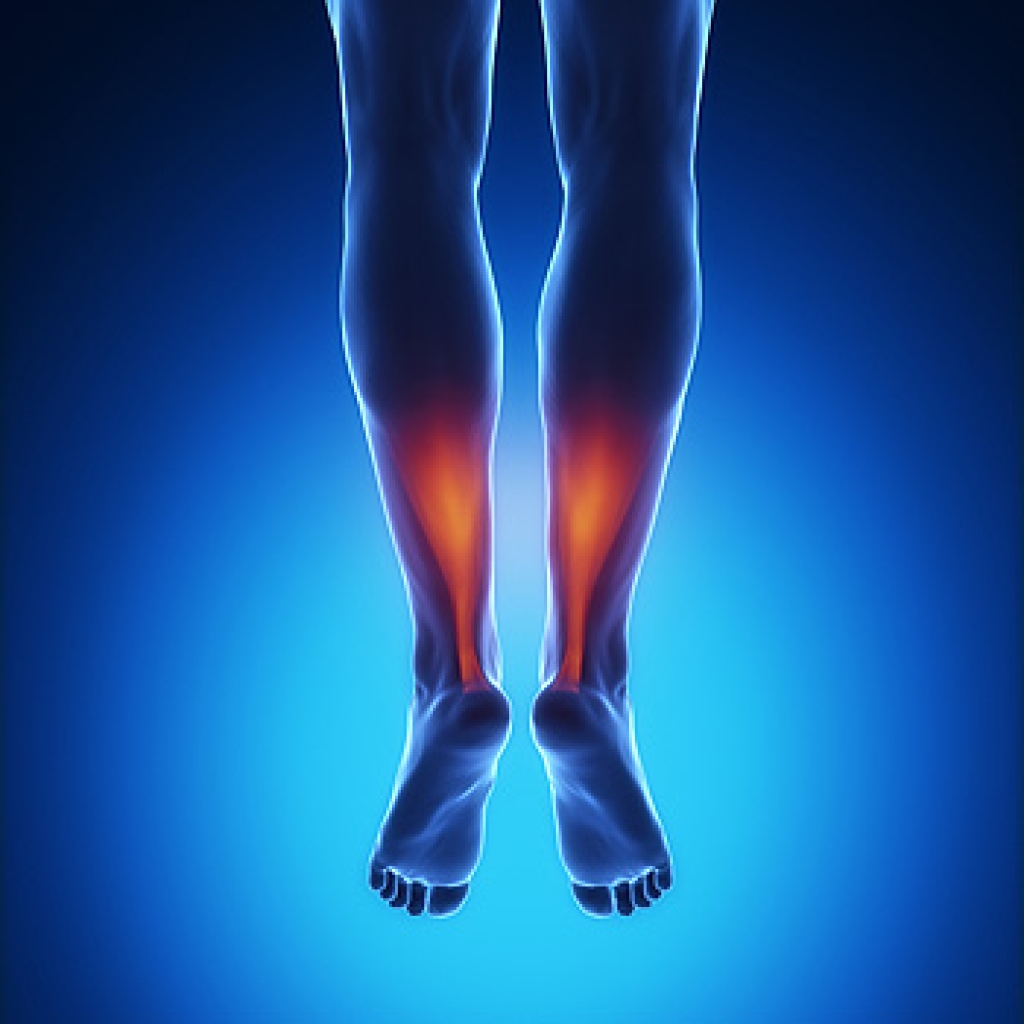
What is the Achilles Tendon?

The longest tendon in the body is referred to as the Achilles tendon. Its location lies in the back of the foot and its purpose is to connect the heel bone to the calf. Research has shown that it may become damaged or torn as a result of a sudden injury, and it’s advised to seek treatment as soon as possible. Typical symptoms of an Achilles tendon rupture may include difficulty in standing on tiptoes in addition to bruising and swelling at the point of an injury. In order to obtain a proper diagnosis, a podiatrist may use a method referred to as the Thompson’s test. This involves squeezing the calf muscles while lying face down so movement in the ankle can be observed. For severe tears, surgery may be a necessary option as a permanent solution which may prevent the tendon from re-rupturing. For less severe tears, it may be advantageous to wear a brace or a cast so healing can commence. Please consult with a podiatrist for additional information about Achilles tendon injuries.

Achilles tendon injuries need immediate attention to avoid future complications. If you have any concerns, contact one of our podiatrists of APEX Foot & Ankle Center. Our doctors can provide the care you need to keep you pain-free and on your feet.

What Is the Achilles Tendon?

The Achilles tendon is a tendon that connects the lower leg muscles and calf to the heel of the foot. It is the strongest tendon in the human body and is essential for making movement possible. Because this tendon is such an integral part of the body, any injuries to it can create immense difficulties and should immediately be presented to a doctor.

What Are the Symptoms of an Achilles Tendon Injury?

There are various types of injuries that can affect the Achilles tendon. The two most common injuries are Achilles tendinitis and ruptures of the tendon.

Achilles Tendinitis Symptoms

  • Inflammation
  • Dull to severe pain
  • Increased blood flow to the tendon
  • Thickening of the tendon

Rupture Symptoms

  • Extreme pain and swelling in the foot
  • Total immobility

Treatment and Prevention

Achilles tendon injuries are diagnosed by a thorough physical evaluation, which can include an MRI. Treatment involves rest, physical therapy, and in some cases, surgery. However, various preventative measures can be taken to avoid these injuries, such as:

  • Thorough stretching of the tendon before and after exercise
  • Strengthening exercises like calf raises, squats, leg curls, leg extensions, leg raises, lunges, and leg presses

If you have any questions please feel free to contact our offices located in Fort Myers, Shellpoint, and Naples, FL . We offer the newest diagnostic tools and technology to treat your foot and ankle needs.

Read more about What are Achilles Tendon Injuries

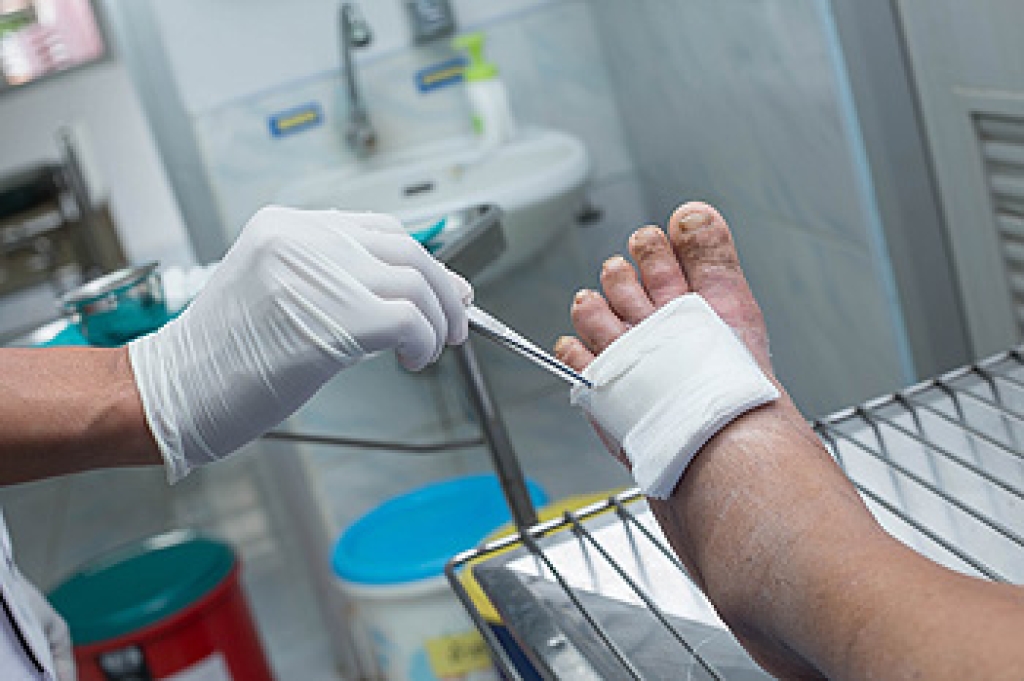
Diabetes and Foot Wounds

If you have diabetes, research has shown that minor cuts and scratches may take longer to heal than for non-diabetics. These types of seemingly insignificant wounds can result in serious infections if not treated promptly. One of the ways to alleviate this is to inspect the feet daily for any noticeable  cuts, blisters or swelling. For patients who have diabetic neuropathy there may be a loss of feeling in the feet, and unnoticed wounds may possibly result in foot ulcers, which may ultimately lead to amputation. It’s suggested to consult with a podiatrist who can perform a process referred to as debridement, which is how dead tissue can be removed. Many podiatrists may recommend staying off the feet whenever possible in addition to wearing a boot that may help to take pressure off any wounds while walking or standing. Daily changing of any bandages on the wounds may aid in proper healing. Ingesting a healthy diet and keeping sugar levels within your target range may promote accelerated healing for foot wounds.

Wound care is an important part in dealing with diabetes. If you have diabetes and a foot wound or would like more information about wound care for diabetics, consult with one of our podiatrists from APEX Foot & Ankle Center. Our doctors will assess your condition and provide you with quality foot and ankle treatment.

What Is Wound Care?

Wound care is the practice of taking proper care of a wound. This can range from the smallest to the largest of wounds. While everyone can benefit from proper wound care, it is much more important for diabetics. Diabetics often suffer from poor blood circulation which causes wounds to heal much slower than they would in a non-diabetic. 

What Is the Importance of Wound Care?

While it may not seem apparent with small ulcers on the foot, for diabetics, any size ulcer can become infected. Diabetics often also suffer from neuropathy, or nerve loss. This means they might not even feel when they have an ulcer on their foot. If the wound becomes severely infected, amputation may be necessary. Therefore, it is of the upmost importance to properly care for any and all foot wounds.

How to Care for Wounds

The best way to care for foot wounds is to prevent them. For diabetics, this means daily inspections of the feet for any signs of abnormalities or ulcers. It is also recommended to see a podiatrist several times a year for a foot inspection. If you do have an ulcer, run the wound under water to clear dirt from the wound; then apply antibiotic ointment to the wound and cover with a bandage. Bandages should be changed daily and keeping pressure off the wound is smart. It is advised to see a podiatrist, who can keep an eye on it.

If you have any questions please contact our offices located in Fort Myers, Shellpoint, and Naples, FL . We offer the newest diagnostic and treatment technologies for all your foot and ankle needs.

Read more about Wound Care

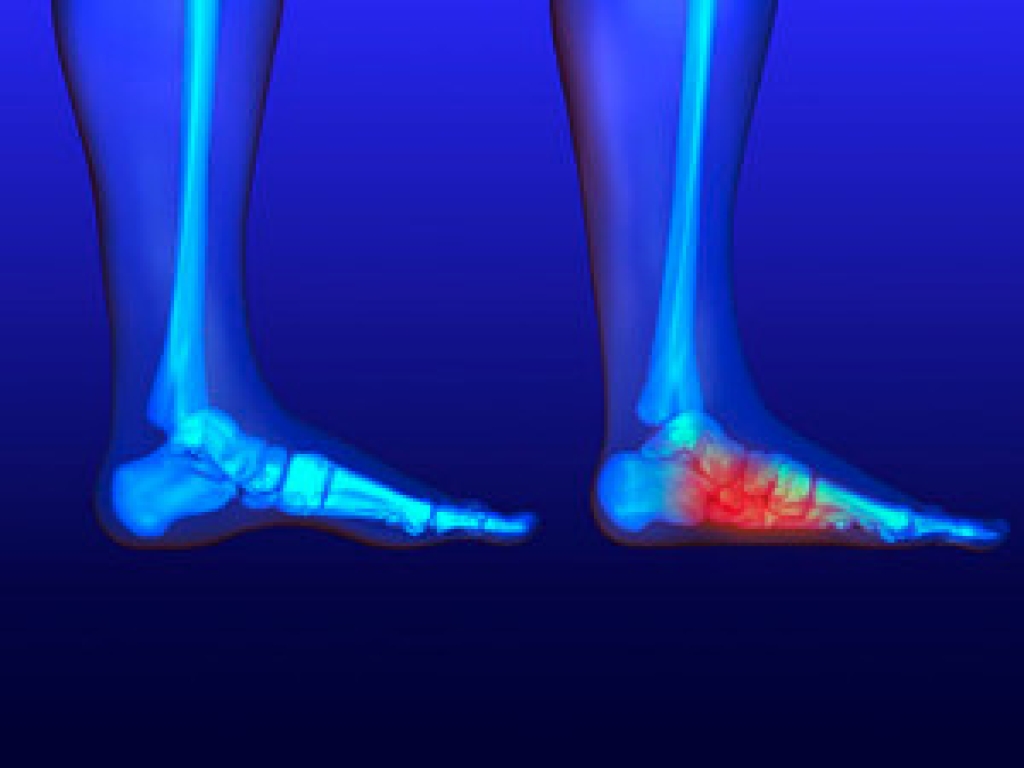
Causes of Flat Feet

Flat feet or fallen arches is the name given to a condition where the arch is absent from the foot. This is evident when the foot lies completely flat while standing. The foot may roll inward, which is often referred to as over-pronation. In addition to the 26 bones that comprise the foot, there are muscles, ligaments and tendons which work together to allow movement to occur. Daily activities such as standing and walking are easily achieved when a normal arch is present. There are several reasons that contribute in the development of flat feet including damaged tendons, arthritis, or from the additional weight the feet endure from being obese. Pain may often be experienced in patients who have flat feet, and this may occur in any part of the foot. If you feel you may have flat feet, it’s advised to consult with a podiatrist who can perform a proper diagnosis.

Flatfoot is a condition many people suffer from. If you have flat feet, contact one of our podiatrists from APEX Foot & Ankle Center. Our doctors will treat your foot and ankle needs.

What Are Flat Feet?

Flatfoot is a condition in which the arch of the foot is depressed and the sole of the foot is almost completely in contact with the ground. About 20-30% of the population generally has flat feet because their arches never formed during growth.

Conditions & Problems:

Having flat feet makes it difficult to run or walk because of the stress placed on the ankles.

Alignment – The general alignment of your legs can be disrupted, because the ankles move inward which can cause major discomfort.

Knees – If you have complications with your knees, flat feet can be a contributor to arthritis in that area.  

Symptoms

  • Pain around the heel or arch area
  • Trouble standing on the tip toe
  • Swelling around the inside of the ankle
  • Flat look to one or both feet
  • Having your shoes feel uneven when worn

Treatment

If you are experiencing pain and stress on the foot you may weaken the posterior tibial tendon, which runs around the inside of the ankle. 

If you have any questions, please feel free to contact our offices located in Fort Myers, Shellpoint, and Naples, FL . We offer the newest diagnostic and treatment technologies for all your foot care needs.
Read more about Flat Feet

Reasons Why Your Baby’s Feet Might Smell

It is not uncommon for your baby’s feet to give off an unpleasant smell, and this is largely due to the socks they wear. The shoes and socks that infants wear often are not made of breathable material, which results in their feet becoming sweaty. Nevertheless, it would be unnecessary to put deodorant on your child’s feet. You should ensure that you are keeping your baby’s feet clean and dry; when you are inside, it is important to immediately take off your child’s shoes to air their feet out. Try to avoid giving your child socks that are not made from a natural material, since they will make his feet sweatier than usual.

The health of a child’s feet is vital to their overall well-being. If you have any questions regarding foot health, contact one of our podiatrists of APEX Foot & Ankle Center. Our doctors can provide the care you need to keep you pain-free and on your feet.

Tips for Keeping Children's Feet Healthy

  • Make sure their shoes fit properly
  • Look for any signs of in-toeing or out-toeing
  • Check to see if they have Clubfoot (condition that affects your child’s foot and ankle, twisting the heel and toes inward) which is one of the most common nonmajor birth defects.
  • Lightly cover your baby’s feet (Tight covers may keep your baby from moving their feet freely, and could prevent normal development)
  • Allow your toddler to go shoeless (Shoes can be restricting for a young child’s foot)
  • Cut toenails straight across to avoid ingrown toenails
  • Keep your child’s foot clean and dry
  • Cover cuts and scrapes. Wash any scratches with soap and water and cover them with a bandage until they’ve healed.

If you have any questions, please feel free to contact our offices located in Fort Myers, Shellpoint, and Naples, FL . We offer the newest diagnostic and treatment technologies for all your foot care needs.

Read more about What to Do to Keep Your Child’s Feet Healthy

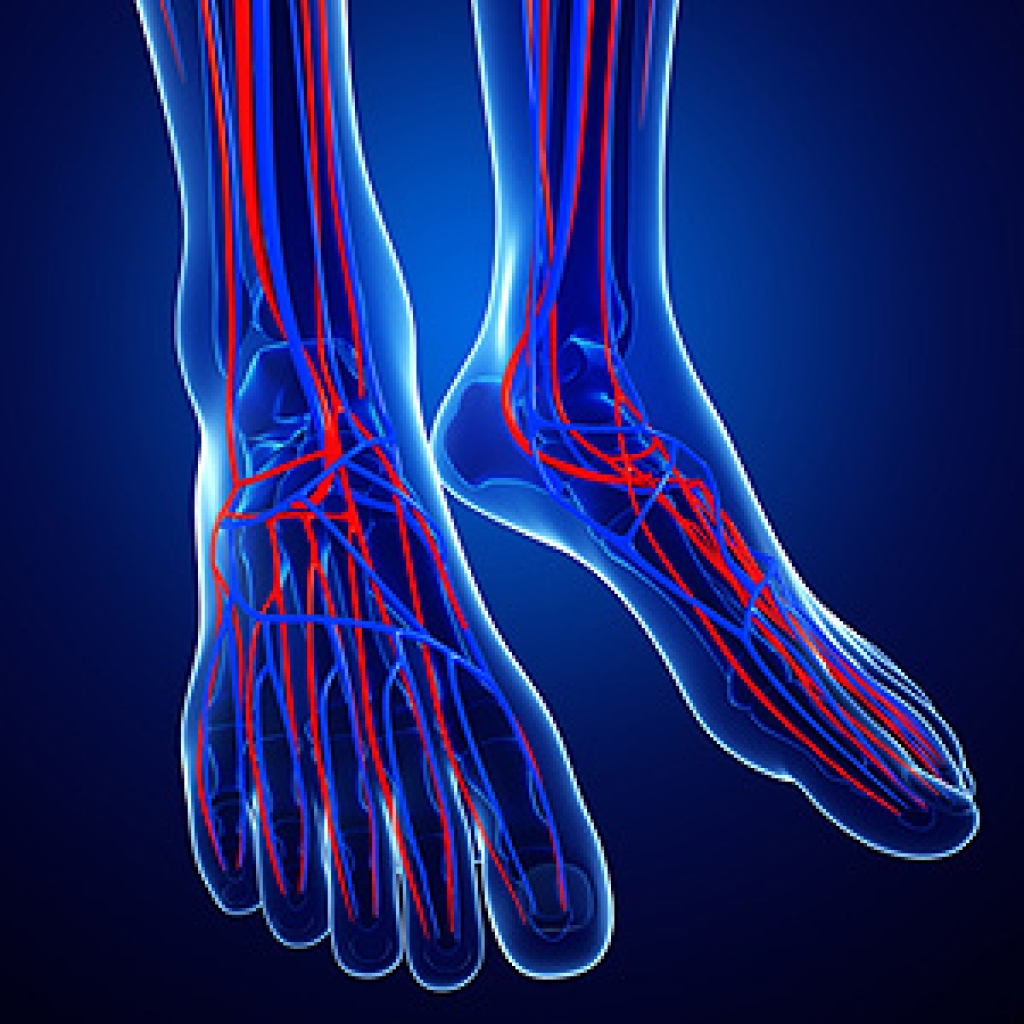
Symptoms of Poor Circulation in the Feet

One of the first ways to tell if poor circulation exists in the feet is by the numbness and tingling that is often experienced. More severe examples may be a cold feeling that develops in the feet in addition to possible cramping. Poor circulation may be a symptom of vascular disease which often occurs with blocked arteries. When this occurs, the blood is not carrying adequate amounts of oxygen to and away from the heart, and this is often noticed in the feet. The development of sores on the feet may be a sign that poor circulation exists, and may have difficulty in healing properly. You may also notice a slower growth pattern in your toenails If you feel you may have poor circulation in your feet, speaking with a podiatrist is recommended.

While poor circulation itself isn’t a condition; it is a symptom of another underlying health condition you may have. If you have any concerns with poor circulation in your feet contact one of our podiatrists of APEX Foot & Ankle Center. Our doctors will treat your foot and ankle needs.

Poor Circulation in the Feet

Peripheral artery disease (PAD) can potentially lead to poor circulation in the lower extremities. PAD is a condition that causes the blood vessels and arteries to narrow. In a linked condition called atherosclerosis, the arteries stiffen up due to a buildup of plaque in the arteries and blood vessels. These two conditions can cause a decrease in the amount of blood that flows to your extremities, therefore resulting in pain.

Symptoms

Some of the most common symptoms of poor circulation are:

  • Numbness
  • Tingling
  • Throbbing or stinging pain in limbs
  • Pain
  • Muscle Cramps

Treatment for poor circulation often depends on the underlying condition that causes it. Methods for treatment may include insulin for diabetes, special exercise programs, surgery for varicose veins, or compression socks for swollen legs.

As always, see a podiatrist as he or she will assist in finding a regimen that suits you. A podiatrist can also prescribe you any needed medication. 

If you have any questions, please feel free to contact our offices located in Fort Myers, Shellpoint, and Naples, FL . We offer the newest diagnostic and treatment technologies for all your foot care needs.
Read more about Causes, Symptoms, and Treatment of Poor Blood Circulation in the Feet

How to Treat Toenail Fungus

Onychomycosis, more commonly known as Toenail fungus, affects approximately half of all Americans by the age of 70. This fungal infection occurs when microscopic fungi gains entry through a small trauma in the nail, and the growth process arises due to moisture from the patient’s socks and shoes. Common symptoms of toenail fungus include swelling, crumbling, thickening, and yellowing of the nail. In certain cases, some may even experience a complete loss of the nail itself. Toenail fungus can be caused by walking around in damp areas such as gym locker rooms, shower stalls, or swimming pools. The condition can easily spread from one person to another or even to other parts of the body. Those with diabetes should be especially careful when it comes to toenail fungus, because they are at an increased risk of contracting it. This may be due to the fact that diabetics have a compromised immune system.


If left untreated, toenail fungus may spread to other toenails, skin, or even fingernails. If you suspect you have toenail fungus it is important to seek treatment right away. For more information about treatment, contact one of our podiatrists of APEX Foot & Ankle Center. Our doctors can provide the care you need to keep you pain-free and on your feet.

Symptoms

  • Warped or oddly shaped nails
  • Yellowish nails
  • Loose/separated nail
  • Buildup of bits and pieces of nail fragments under the nail
  • Brittle, broken, thickened nail

Treatment

If self-care strategies and over-the-counter medications does not help your fungus, your podiatrist may give you a prescription drug instead. Even if you find relief from your toenail fungus symptoms, you may experience a repeat infection in the future.

Prevention

In order to prevent getting toenail fungus in the future, you should always make sure to wash your feet with soap and water. After washing, it is important to dry your feet thoroughly especially in between the toes. When trimming your toenails, be sure to trim straight across instead of in a rounded shape. It is crucial not to cover up discolored nails with nail polish because that will prevent your nail from being able to “breathe”.

In some cases, surgical procedure may be needed to remove the toenail fungus. Consult with your podiatrist about the best treatment options for your case of toenail fungus.  

If you have any questions please contact our offices located in Fort Myers, Shellpoint, and Naples, FL . We offer the newest diagnostic and treatment technologies for all your foot and ankle needs.

Read more about Toenail Fungus

What is the Achilles Tendon?

The Achilles tendon is one of the longest tendons in the body, and its purpose is to connect the heel bone to the calf.  If an injury should occur to the Achilles tendon, severe pain may be felt.  An acute tear to the Achilles tendon is often due to a sports mishap.  If you are involved in tennis, soccer, volleyball, or similar sports, this type of injury may be more likely to occur.  If you feel that damage may have been done to the Achilles tendon, swelling, stiffness, and reduced strength in the foot may be experienced.  To determine the severity of the injury, an MRI or ultrasound may be performed. Treatment will typically consist of resting the foot, wearing different footwear, or using orthotic devices. Schedule a consultation with your podiatrist for a proper evaluation if you believe you've sustained an Achilles tendon injury. 

Achilles tendon injuries need immediate attention to avoid future complications. If you have any concerns, contact one of our podiatrists of APEX Foot & Ankle Center. Our doctors can provide the care you need to keep you pain-free and on your feet.

What Is the Achilles Tendon?

The Achilles tendon is a tendon that connects the lower leg muscles and calf to the heel of the foot. It is the strongest tendon in the human body and is essential for making movement possible. Because this tendon is such an integral part of the body, any injuries to it can create immense difficulties and should immediately be presented to a doctor.

What Are the Symptoms of an Achilles Tendon Injury?

There are various types of injuries that can affect the Achilles tendon. The two most common injuries are Achilles tendinitis and ruptures of the tendon.

Achilles Tendinitis Symptoms

  • Inflammation
  • Dull to severe pain
  • Increased blood flow to the tendon
  • Thickening of the tendon

Rupture Symptoms

  • Extreme pain and swelling in the foot
  • Total immobility

Treatment and Prevention

Achilles tendon injuries are diagnosed by a thorough physical evaluation, which can include an MRI. Treatment involves rest, physical therapy, and in some cases, surgery. However, various preventative measures can be taken to avoid these injuries, such as:

  • Thorough stretching of the tendon before and after exercise
  • Strengthening exercises like calf raises, squats, leg curls, leg extensions, leg raises, lunges, and leg presses

If you have any questions please feel free to contact our offices located in Fort Myers, Shellpoint, and Naples, FL . We offer the newest diagnostic tools and technology to treat your foot and ankle needs.

Read more about What are Achilles Tendon Injuries

Connect With Us

Advanced Podiatric Procedures & Services in the Fort Myers, FL 33908 and Naples, FL 34110 areas