
You don't need an excuse to have beautiful nails. Step outside without worrying about the appearance of your feet.
You don't need an excuse to have beautiful nails. Step outside without worrying about the appearance of your feet.
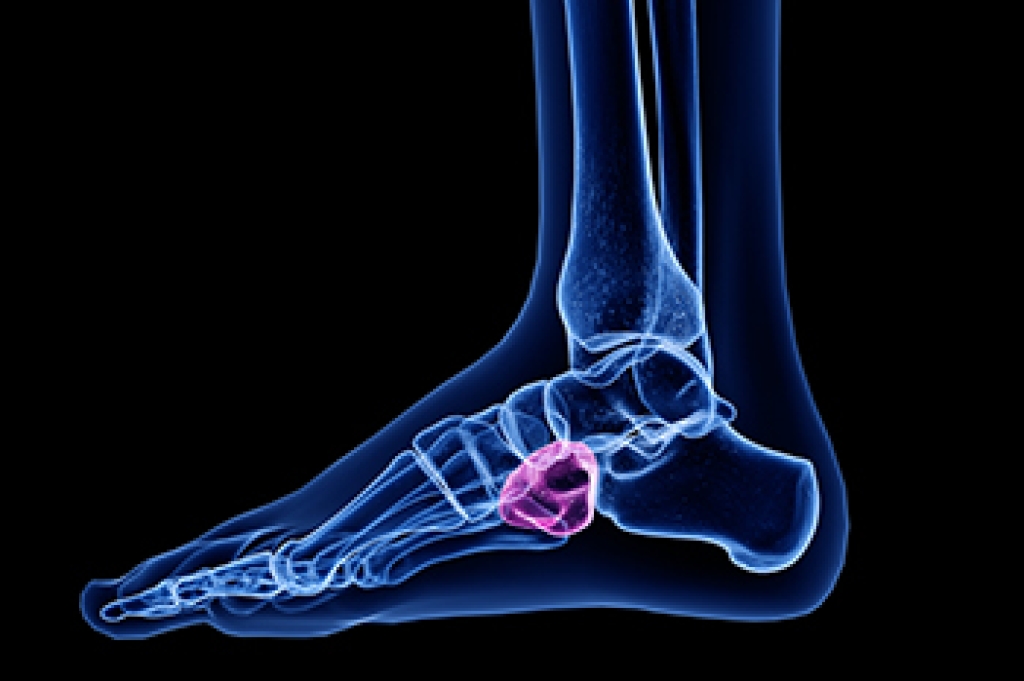
Cuboid syndrome occurs when the cuboid bone—located on the outer side of the foot, between the heel and the pinky toe—shifts out of its normal position. This typically occurs abruptly, sometimes along with an ankle sprain, or by landing on a hard surface. Sometimes wearing high heels or shoes that do not fit correctly or failing to stretch the feet properly before physical activity can cause cuboid syndrome, as well as certain conditions such as having flat feet or tendon problems. Cuboid syndrome can cause pain, tenderness, swelling, and weakness on the outside of the middle of the foot and may even prevent normal movement of the foot. If you are experiencing these types of symptoms, see a podiatrist for an examination and diagnosis. If you do have cuboid syndrome, your podiatrist can treat it through physical therapy, taping, bracing, or in some cases—after swelling and pain have lessened—a maneuver called the cuboid whip to help guide your cuboid bone back into position.
Cuboid syndrome, also known as cuboid subluxation, occurs when the joints and ligaments near the cuboid bone in the foot become torn. If you have cuboid syndrome, consult with one of our podiatrists from APEX Foot & Ankle Center. Our doctors will assess your condition and provide you with quality foot and ankle treatment.
Cuboid syndrome is a common cause of lateral foot pain, which is pain on the outside of the foot. The condition may happen suddenly due to an ankle sprain, or it may develop slowly overtime from repetitive tension through the bone and surrounding structures.
Causes
The most common causes of cuboid syndrome include:
Symptoms
A common symptom of cuboid syndrome is pain along the outside of the foot which can be felt in the ankle and toes. This pain may create walking difficulties and may cause those with the condition to walk with a limp.
Diagnosis
Diagnosis of cuboid syndrome is often difficult, and it is often misdiagnosed. X-rays, MRIs and CT scans often fail to properly show the cuboid subluxation. Although there isn’t a specific test used to diagnose cuboid syndrome, your podiatrist will usually check if pain is felt while pressing firmly on the cuboid bone of your foot.
Treatment
Just as the range of causes varies widely, so do treatments. Some more common treatments are ice therapy, rest, exercise, taping, and orthotics.
If you have any questions, please feel free to contact our offices located in Fort Myers, Shellpoint, and Naples, FL . We offer the newest diagnostic and treatment technologies for all your foot care needs.
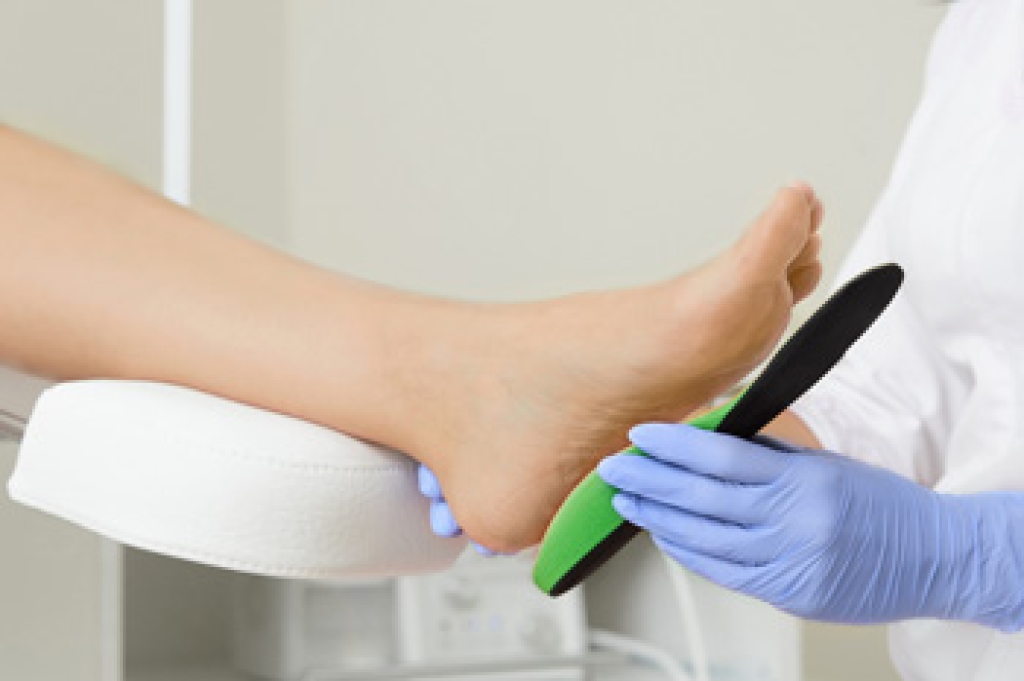 While at first glance, you may assume that there is no difference between over-the-counter (OTC) insoles and custom orthotics, a closer look reveals several key distinctions. OTC insoles are a “one-size-fits-most,” generic approach to supporting your feet. Custom orthotics are customized, prescription medical devices. Your podiatrist starts by reviewing your medical history, examining your feet and diagnosing your condition. Custom orthotics are then created from molds or 3D images of your actual feet. They are designed to specifically treat your medical condition: from arthritis, flat feet and hammertoes to bunions, high arches, deformities, plantar fasciitis and more. Custom orthotics can also help correct certain gait abnormalities and restore function in your feet and ankles. OTC, or prefabricated insoles, are typically made of rubber, flexible plastic or gel which can often lose integrity quickly. Custom orthotics are constructed with superior materials that are durable, light weight, moldable, and cushioning. If you are suffering from foot or ankle pain, or have difficulty walking, see a podiatrist. They will evaluate and diagnose your condition and discuss if custom orthotics can provide the relief you seek.
If you are having discomfort in your feet and would like to try orthotics, contact one of our podiatrists from APEX Foot & Ankle Center. Our doctors can provide the care you need to keep you pain-free and on your feet.
What Are Orthotics?
Orthotics are inserts you can place into your shoes to help with a variety of foot problems such as flat feet or foot pain. Orthotics provide relief and comfort for minor foot and heel pain but can’t correct serious biomechanical problems in your feet.
Over-the-Counter Inserts
Orthotics come in a wide variety of over-the-counter inserts that are used to treat foot pain, heel pain, and minor problems. For example, arch supports can be inserted into your shoes to help correct overarched or flat feet, while gel insoles are often used because they provide comfort and relief from foot and heel pain by alleviating pressure.
Prescription Orthotics
If over-the-counter inserts don’t work for you or if you have a more severe foot concern, it is possible to have your podiatrist prescribe custom orthotics. These high-quality inserts are designed to treat problems such as abnormal motion, plantar fasciitis, and severe forms of heel pain. They can even be used to help patients suffering from diabetes by treating foot ulcers and painful calluses and are usually molded to your feet individually, which allows them to provide full support and comfort.
If you are experiencing minor to severe foot or heel pain, it’s recommended to speak with your podiatrist about the possibilities of using orthotics. A podiatrist can determine which type of orthotic is right for you and allow you to take the first steps towards being pain-free.
If you have any questions, please feel free to contact our offices located in Fort Myers, Shellpoint, and Naples, FL . We offer the newest diagnostic and treatment technologies for all your foot care needs.
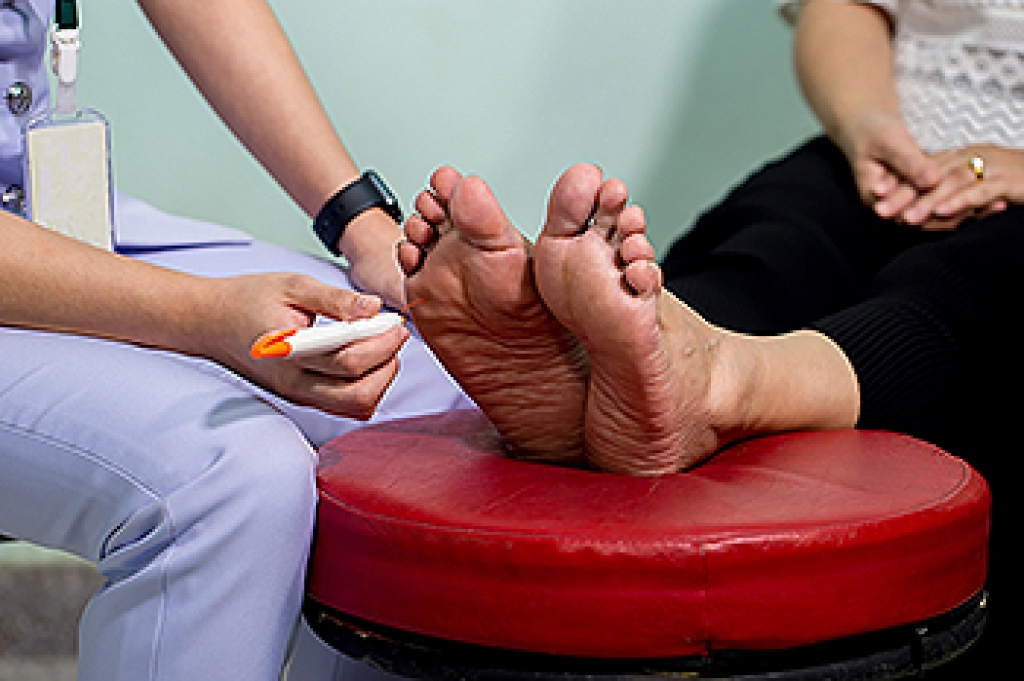 People who are diabetic are often concerned about the health of their feet. Elevated blood sugar levels in diabetic patients may lead to possible nerve damage, foot ulcers, and foot deformities. It is important for patients to examine their feet daily, and notice any cuts, bruises, or broken skin. Additionally, it is beneficial to take extra time and care while trimming the toenails, and it helps to wear shoes and socks that fit correctly. Research has indicated that diabetic patients who refrain from walking barefoot can have fewer foot injuries. If you have diabetes, it is strongly suggested that you be under the care of a podiatrist who can correctly monitor this condition.
Diabetic foot care is important in preventing foot ailments such as ulcers. If you are suffering from diabetes or have any other concerns about your feet, contact one of our podiatrists from APEX Foot & Ankle Center. Our doctors can provide the care you need to keep you pain-free and on your feet.
Diabetic Foot Care
Diabetes affects millions of people every year. The condition can damage blood vessels in many parts of the body, especially the feet. Because of this, taking care of your feet is essential if you have diabetes, and having a podiatrist help monitor your foot health is highly recommended.
The Importance of Caring for Your Feet
Patients with diabetes should have their doctor monitor their blood levels, as blood sugar levels play such a huge role in diabetic care. Monitoring these levels on a regular basis is highly advised.
It is always best to inform your healthcare professional of any concerns you may have regarding your feet, especially for diabetic patients. Early treatment and routine foot examinations are keys to maintaining proper health, especially because severe complications can arise if proper treatment is not applied.
If you have any questions, please feel free to contact our offices located in Fort Myers, Shellpoint, and Naples, FL . We offer the newest diagnostic and treatment technologies for all your foot care needs.

The tarsal navicular bone helps connect the ankle to other bones that are lower in the foot. This bone gets its nautical sounding name because it has a shape that is like a small boat. The navicular bone helps form and stabilize the arch and helps us walk efficiently. Kohler’s Disease is a rare bone disorder in which the navicular bone experiences a loss of blood supply and density, causing the bone to weaken and be susceptible to compression from other bones in the foot. This can affect some children typically aged 3-7, and it most commonly occurs in boys. The symptoms a child may experience with Kohler’s Disease include pain, tenderness, swelling, and redness in the middle of the foot. While this disorder may sound scary, the prognosis is usually good: Kohler’s Disease generally corrects itself as the child matures. Until that time, the child may compensate for the discomfort they are feeling by walking on the outside of the affected foot. If you see your child walking like this or even limping, it is wise to take them to a podiatrist for an examination and diagnosis. If their findings indicate that your child has Kohler’s Disease, the podiatrist can help treat the disorder and provide relief through techniques such as casting, anti-inflammatory medications, custom orthotics and special supportive footwear.
The health of a child’s feet is vital to their overall well-being. If you have any questions regarding foot health, contact one of our podiatrists of APEX Foot & Ankle Center. Our doctors can provide the care you need to keep you pain-free and on your feet.
Tips for Keeping Children's Feet Healthy
If you have any questions, please feel free to contact our offices located in Fort Myers, Shellpoint, and Naples, FL . We offer the newest diagnostic and treatment technologies for all your foot care needs.
Do you suffer from heel pain when you get up in the morning? If so, you should seek professional help and have a proper diagnosis performed. Heel pain can be caused by several different foot-related conditions.
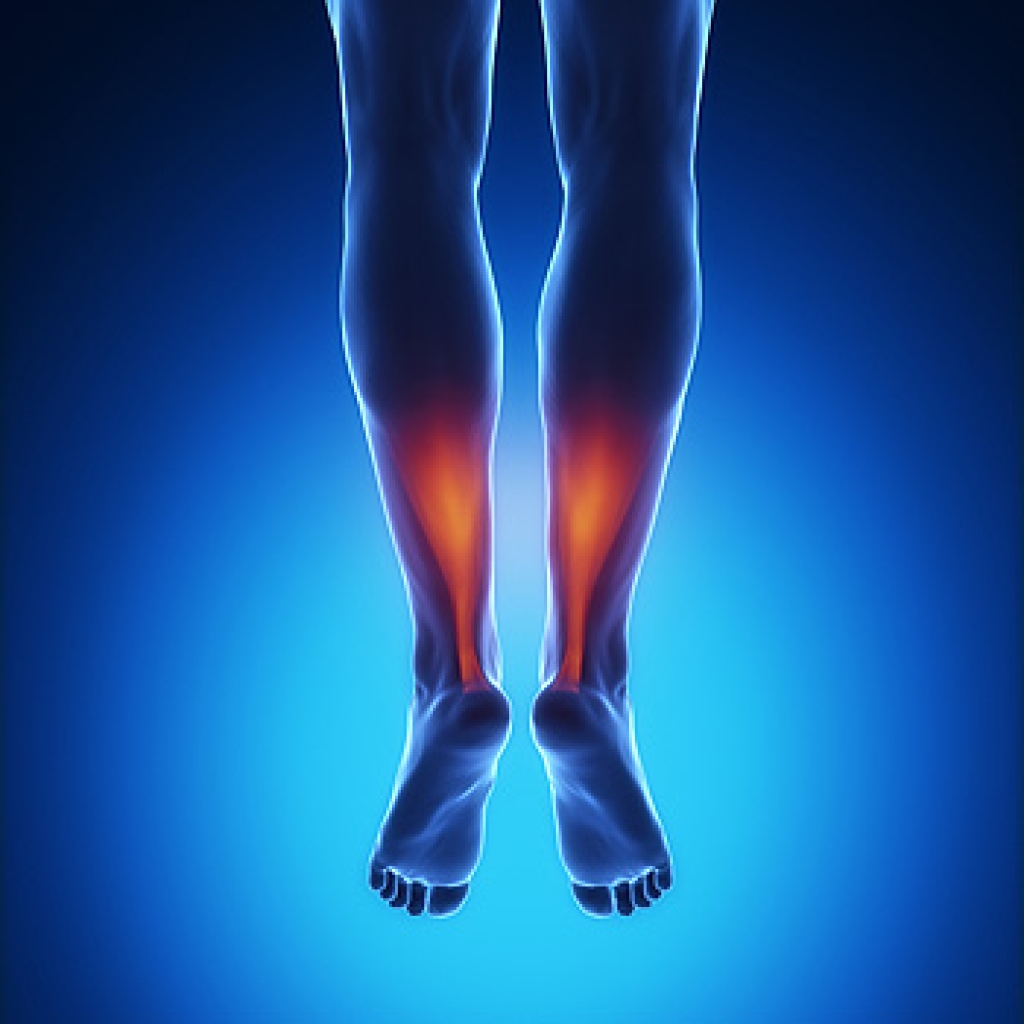 The Achilles tendon is a thick band of fibrous tissue that runs along the back of the lower leg, connecting the heel bone to the calf muscles. When the Achilles tendon is injured, resulting symptoms may include pain, aching, stiffness, soreness or tenderness in the heel or back of the leg, enlargement of the tendon, and damage to the surrounding tissues. There are two main types of Achilles tendon disorders – Achilles tendonitis and Achilles tendonosis. Tendonitis is a typically short-lived inflammation of the tendon. Tendonosis, which can evolve from tendonitis if the former is not treated promptly, can lead to tears in the tendon and degeneration over time. If you have symptoms of an Achilles tendon injury, it is suggested that you consult with a podiatrist.
Achilles tendon injuries need immediate attention to avoid future complications. If you have any concerns, contact one of our podiatrists of APEX Foot & Ankle Center. Our doctors can provide the care you need to keep you pain-free and on your feet.
What Is the Achilles Tendon?
The Achilles tendon is a tendon that connects the lower leg muscles and calf to the heel of the foot. It is the strongest tendon in the human body and is essential for making movement possible. Because this tendon is such an integral part of the body, any injuries to it can create immense difficulties and should immediately be presented to a doctor.
What Are the Symptoms of an Achilles Tendon Injury?
There are various types of injuries that can affect the Achilles tendon. The two most common injuries are Achilles tendinitis and ruptures of the tendon.
Achilles Tendinitis Symptoms
Rupture Symptoms
Treatment and Prevention
Achilles tendon injuries are diagnosed by a thorough physical evaluation, which can include an MRI. Treatment involves rest, physical therapy, and in some cases, surgery. However, various preventative measures can be taken to avoid these injuries, such as:
If you have any questions please feel free to contact our offices located in Fort Myers, Shellpoint, and Naples, FL . We offer the newest diagnostic tools and technology to treat your foot and ankle needs.

Many women find that as pregnancy progresses their feet and ankles begin to swell uncomfortably. The main cause of this is a buildup of fluids in the mother that help to support the growing fetus at the same time as her circulation slows down. Symptoms usually occur during the last trimester as the uterus expands, putting more pressure on the legs and feet. This swelling, also known as edema, is usually worse in hot weather and at the end of the day. Among the ways to reduce it are to avoid standing for long periods of time, wear compression stockings, limit salt intake, keep legs elevated on pillows while sleeping, drink lots of water, and do foot exercises to improve circulation. Edema also can be a sign of certain serious health conditions, such as preeclampsia, which may cause high blood pressure and deep vein thrombosis (blood clots). If swelling appears suddenly, is present more in one foot than the other, or does not subside after resting, please do not hesitate to see a podiatrist as soon as possible for a complete exam and diagnosis of your condition.
Pregnant women with swollen feet can be treated with a variety of different methods that are readily available. For more information about other cures for swollen feet during pregnancy, consult with one of our podiatrists from APEX Foot & Ankle Center. Our doctors will attend to all of your foot and ankle needs.
What Foot Problems Can Arise During Pregnancy?
One problem that can occur is overpronation, which occurs when the arch of the foot flattens and tends to roll inward. This can cause pain and discomfort in your heels while you’re walking or even just standing up, trying to support your baby.
Another problem is edema, or swelling in the extremities. This often affects the feet during pregnancy but tends to occur in the later stages.
How Can I Keep My Feet Healthy During Pregnancy?
If you have any questions, please feel free to contact our offices located in Fort Myers, Shellpoint, and Naples, FL . We offer the newest diagnostic and treatment technologies for all your foot care needs.
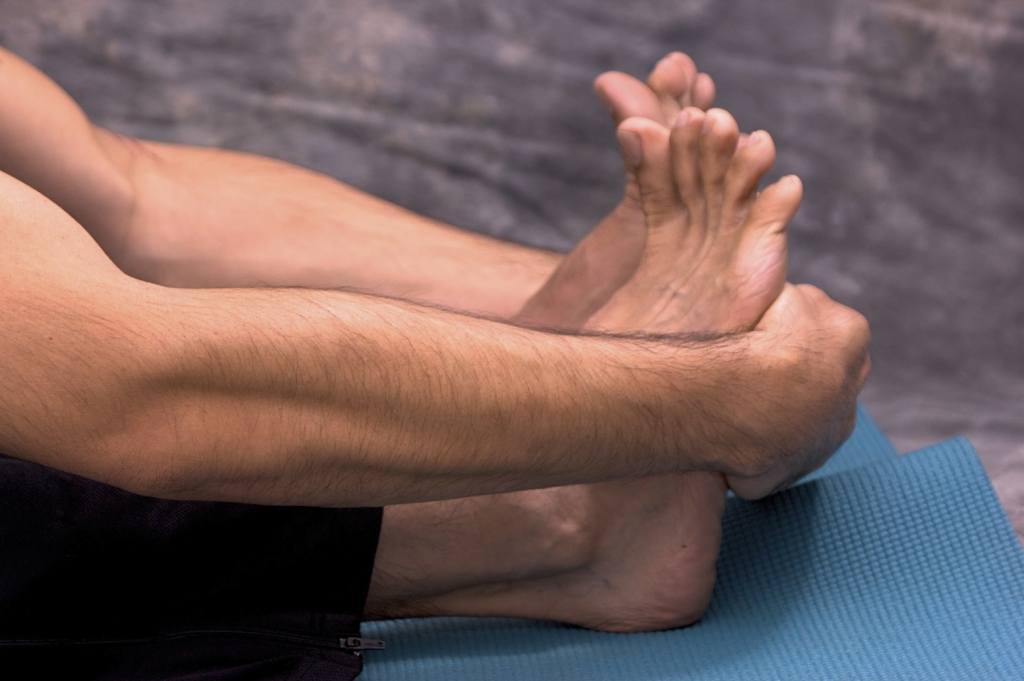
When you stretch the rest of your body, your feet can seem like an afterthought. However, there are many benefits to stretching your feet. Did you know that keeping your feet strong and flexible can prevent pain and injuries? Exercises that increase foot flexibility can improve the range of motion in your feet, making it easier to walk, run, stand, and exercise. Strengthening exercises improve the health of your foot muscles, allowing them to provide stronger support and protection to the feet as a whole. Most foot stretches are simple, usually requiring very little time and special equipment. To learn more about stretching your feet, please consult with a podiatrist.
Stretching the feet is a great way to prevent injuries. If you have any concerns with your feet consult with one of our podiatrists from APEX Foot & Ankle Center. Our doctors will assess your condition and provide you with quality foot and ankle treatment.
Stretching the Feet
Stretching the muscles in the foot is an important part in any physical activity. Feet that are tight can lead to less flexibility and make you more prone to injury. One of the most common forms of foot pain, plantar fasciitis, can be stretched out to help ease the pain. Stretching can not only ease pain from plantar fasciitis but also prevent it as well. However, it is important to see a podiatrist first if stretching is right for you. Podiatrists can also recommend other ways to stretch your feet. Once you know whether stretching is right for you, here are some excellent stretches you can do.
It is best to go easy when first stretching your foot and work your way up. If your foot starts hurting, stop exercising and ice and rest the foot. It is advised to then see a podiatrist for help.
If you have any questions please contact our offices located in Fort Myers, Shellpoint, and Naples, FL . We offer the newest diagnostic and treatment technologies for all your foot and ankle needs.
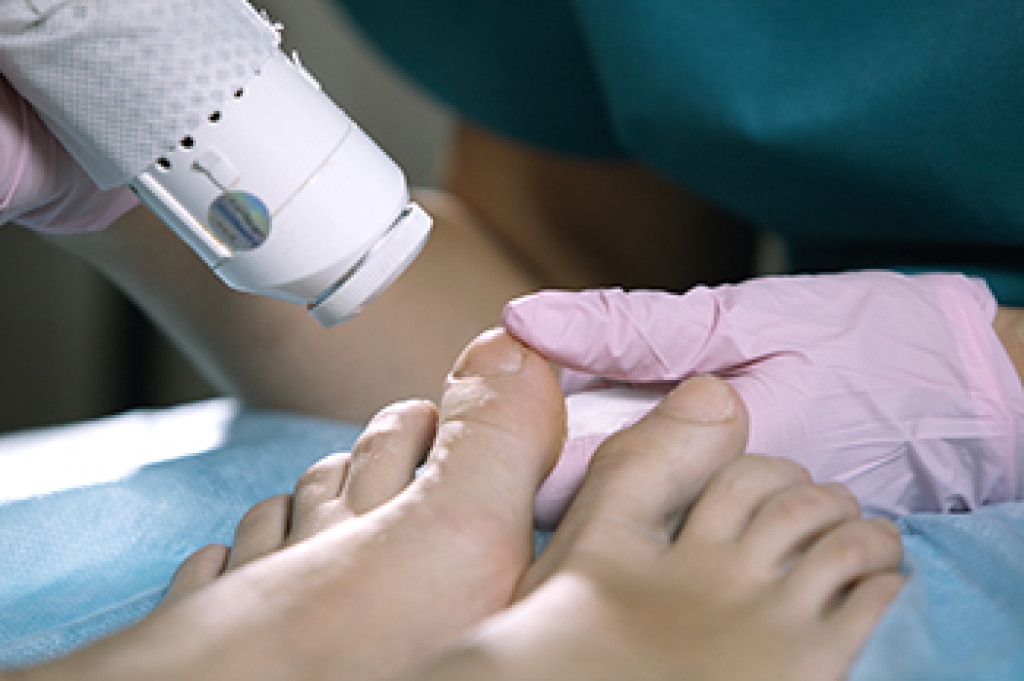
Onychomycosis is a fungal infection of the nail typically characterized by a thickening and discoloration of the nail, a separation of the nail from its bed, pain, and even permanent damage to the nail in severe cases. Because onychomycosis can be difficult to cure and is prone to reoccur, home remedies are typically ineffective, as are many topical and oral antifungal medications. Laser therapy treatments to eradicate toenail fungus have proved to be successful in many patients. This technology utilizes pulses of energy to create precisely targeted heat that kills the fungus living in the nail bed (under the toenail) and prevents it from growing back. The FDA has approved several types of laser devices for the treatment of onychomycosis. If you have a toenail fungus, it is suggested that you make an appointment with a podiatrist to see if you might be a good candidate for Laser therapy treatment.
Laser treatment can be an effective way to get rid of toenail fungus. If you have any questions about laser treatment, consult with one of our podiatrists from APEX Foot & Ankle Center. Our doctors will assess your condition and provide you with quality treatment for fungal nails.
What Are Toenail Fungal Infections?
Onychomycosis, or fungal infection of the nail, is a relatively common and non-serious condition. Around 10 percent of U.S. citizens are afflicted with fungal nails. Common forms of fungus that infect the nail include dermatophytes, yeasts, and molds.
Symptoms of Toenail Fungal Infections Include:
Diagnosis for Fungal Nails
Fungal infections are diagnosed by fungal culture and microscopy. This will rule out any other conditions such as nail trauma, psoriasis, lichen planus, and onychogryphosis.
What Is Laser Treatment?
Laser treatment is a non-invasive, safe, quick, and painless procedure that uses the heat from a laser to kill fungus in the nail. Each infected nail is targeted with a laser for several minutes. The treatment is usually utilized several different times over a select period. During this time, a podiatrist will keep an eye on the infection.
If you have any questions, please feel free to contact our offices located in Fort Myers, Shellpoint, and Naples, FL . We offer the newest diagnostic and treatment technologies for all your foot care needs.
Connect With Us