
Several Reasons Why Children Can Have Blisters on Their Feet

Many children can develop blisters on their feet. They appear to be small areas that are filled with liquid, and this is the body’s natural defense in protecting raw skin. These bubbles will gradually drain as new skin grows in the damaged area. They are generally caused by excess friction that can happen from wearing shoes that do not fit correctly. Other causes can include sunburn, frostbite, or they can develop as a result of an allergic reaction to an insect bite. It is beneficial to protect the blister by covering it with a protective bandage, which may help to prevent it from draining prematurely. If the blister on your child’s foot becomes infected, it is suggested that you speak with a podiatrist who can effectively treat this ailment.

Blisters are prone to making everyday activities extremely uncomfortable. If your feet are hurting, contact one of our podiatrists of APEX Foot & Ankle Center. Our doctors can provide the care you need to keep you pain-free and on your feet.

Foot Blisters

Foot blisters develop as a result of constantly wearing tight or ill-fitting footwear. This happens due to the constant rubbing from the shoe, which can often lead to pain.

What Are Foot Blisters?

A foot blister is a small fluid-filled pocket that forms on the upper-most layer of the skin. Blisters are filled with clear fluid and can lead to blood drainage or pus if the area becomes infected.

How Do Blisters Form?

Blisters on the feet are often the result of constant friction of skin and material, usually by shoe rubbing. Walking in sandals, boots, or shoes that don’t fit properly for long periods of time can result in a blister. Having consistent foot moisture and humidity can easily lead to blister formation.

Prevention & Treatment

It is important to properly care for the affected area in order to prevent infection and ease the pain. Do not lance the blister and use a Band-Aid to provide pain relief. Also, be sure to keep your feet dry and wear proper fitting shoes. If you see blood or pus in a blister, seek assistance from a podiatrist.

If you have any questions, please feel free to contact our offices located in Fort Myers, Shellpoint, and Naples, FL . We offer the newest diagnostic and treatment technologies for all your foot care needs.

Read more about Blisters

Falling, Babies, and Children

Babies need extra care in preventing falling injuries. It is important to refrain from leaving your child sitting on a table, or lying in a crib with the sides down. Research has indicated it is beneficial to install sliding gates at both ends of the stairwells, with openings of an appropriate size. Many parents view a stationary activity center as a better choice for the child’s safety rather than a baby walker, coupled with adult supervision. When bed rails are installed as the child sleeps in their first bed, additional emotional and physical support may be provided. It can also be helpful to lock all doors that lead outside, as this may help to prevent falling down the steps. As the child gets older, it is important to ensure that playground areas have a soft surface beneath the slides. Feet can be negatively affected when falling occurs, and it is suggested that you confer with a podiatrist  who can help offer you and your child fall prevention techniques.

Preventing falls among the elderly is very important. If you are older and have fallen or fear that you are prone to falling, consult with one of our podiatrists from APEX Foot & Ankle Center. Our doctors will assess your condition and provide you with quality advice and care.

Every 11 seconds, an elderly American is being treated in an emergency room for a fall related injury. Falls are the leading cause of head and hip injuries for those 65 and older. Due to decreases in strength, balance, senses, and lack of awareness, elderly persons are very susceptible to falling. Thankfully, there are a number of things older persons can do to prevent falls.

How to Prevent Falls

Some effective methods that older persons can do to prevent falls include:

  • Enrolling in strength and balance exercise program to increase balance and strength
  • Periodically having your sight and hearing checked
  • Discuss any medications you have with a doctor to see if it increases the risk of falling
  • Clearing the house of falling hazards and installing devices like grab bars and railings
  • Utilizing a walker or cane
  • Wearing shoes that provide good support and cushioning
  • Talking to family members about falling and increasing awareness

Falling can be a traumatic and embarrassing experience for elderly persons; this can make them less willing to leave the house, and less willing to talk to someone about their fears of falling. Doing such things, however, will increase the likelihood of tripping or losing one’s balance. Knowing the causes of falling and how to prevent them is the best way to mitigate the risk of serious injury.  

If you have any questions, please feel free to contact our offices located in Fort Myers, Shellpoint, and Naples, FL . We offer the newest diagnostic and treatment technologies for all your foot care needs.

Read more about Falls Prevention

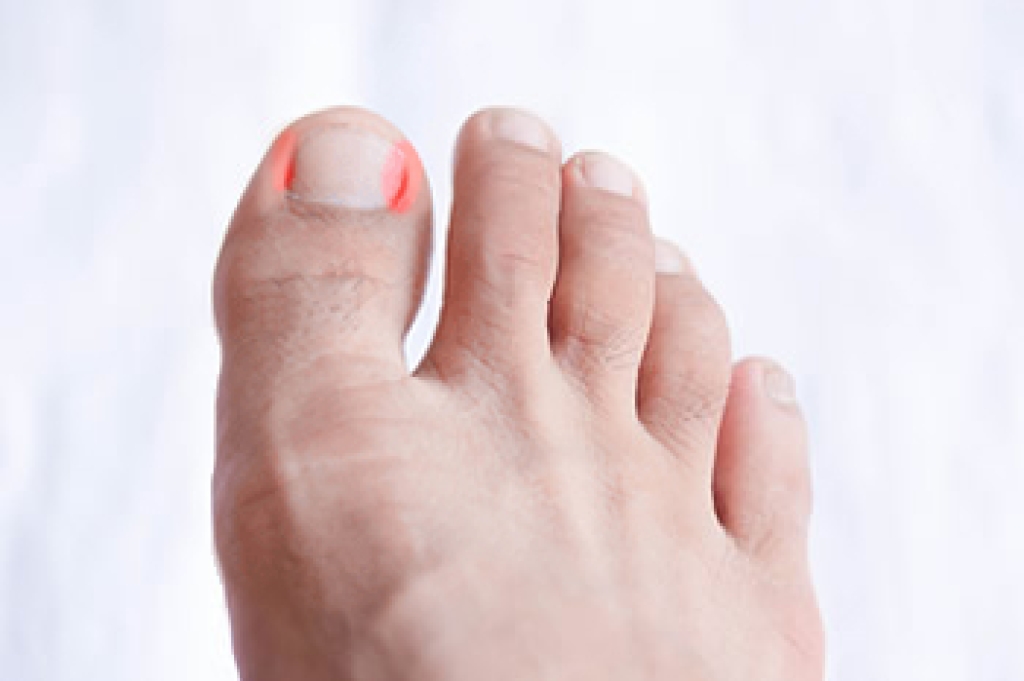
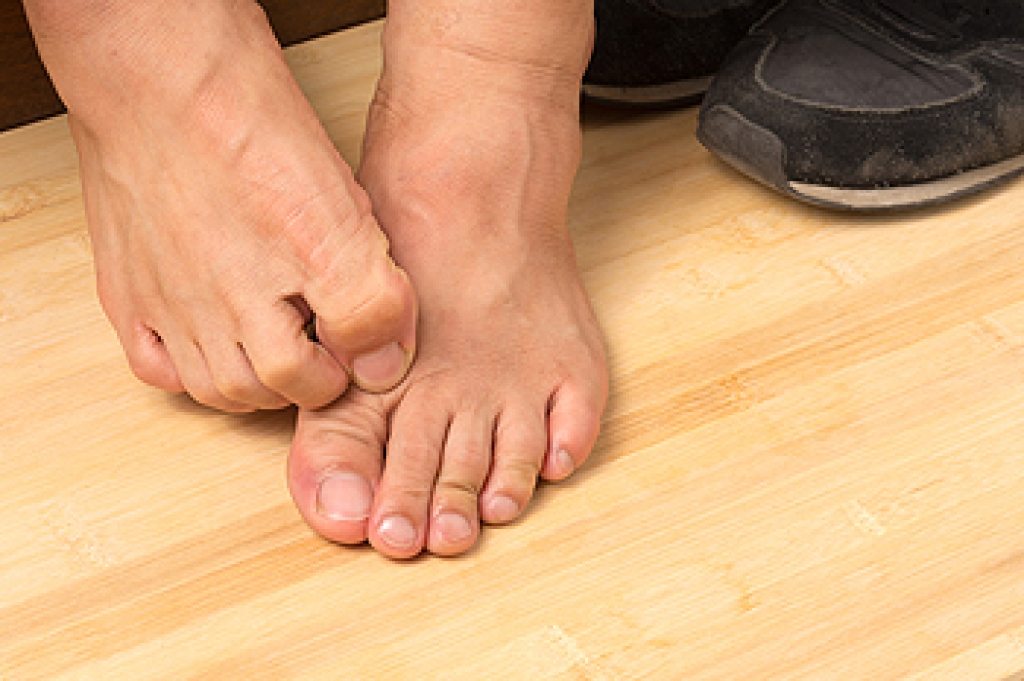
Reasons Why an Ingrown Toenail Can Develop

Improperly trimming the toenails is a leading cause of developing an ingrown toenail. This is defined as a painful foot condition that causes the sides of the toenail to grow into the outer edges of the skin. Additional reasons why this ailment may occur can include genetic factors, and wearing shoes that do not have adequate room for the toes to move freely in. Common symptoms that many patients experience can include severe pain, redness, and the surrounding area may become swollen. If you have developed an ingrown toenail, it is strongly suggested that you seek the counsel of a podiatrist who can offer you the right treatment options to cure the ingrown toenail and prevent a possible infection.

Ingrown toenails can become painful if they are not treated properly. For more information about ingrown toenails, contact one of our podiatrists of APEX Foot & Ankle Center. Our doctors can provide the care you need to keep you pain-free and on your feet.

Ingrown Toenails

Ingrown toenails occur when a toenail grows sideways into the bed of the nail, causing pain, swelling, and possibly infection.

Causes

  • Bacterial infections
  • Improper nail cutting such as cutting it too short or not straight across
  • Trauma to the toe, such as stubbing, which causes the nail to grow back irregularly
  • Ill-fitting shoes that bunch the toes too close together
  • Genetic predisposition

Prevention

Because ingrown toenails are not something found outside of shoe-wearing cultures, going barefoot as often as possible will decrease the likeliness of developing ingrown toenails. Wearing proper fitting shoes and using proper cutting techniques will also help decrease your risk of developing ingrown toenails.

Treatment

Ingrown toenails are a very treatable foot condition. In minor cases, soaking the affected area in salt or antibacterial soaps will not only help with the ingrown nail itself, but also help prevent any infections from occurring. In more severe cases, surgery is an option. In either case, speaking to your podiatrist about this condition will help you get a better understanding of specific treatment options that are right for you.

If you have any questions, please feel free to contact our offices located in Fort Myers, Shellpoint, and Naples, FL . We offer the newest diagnostic and treatment technologies for all your foot care needs.
Read more about Ingrown Toenail Care

Heel Pain Can Be Treated!

Do you suffer from heel pain when you get up in the morning? If so, you should seek professional help and have a proper diagnosis performed. Heel pain can be caused by several different foot-related conditions.

Diagnosing Athlete's Foot

The term athlete’s foot refers to a fungal infection of the skin of the feet. This can be highly unpleasant and cause symptoms such as dry, flaky, red, scaly, and itchy skin on the soles of the feet and between the toes. The skin may also sting, burn, crack, or blister. Athlete’s foot can be diagnosed by a podiatrist through a physical examination. The doctor may also perform the potassium hydroxide (KOH) test. This simple test involves taking a small sample of skin from your foot and placing it in a potassium hydroxide (KOH) solution, then viewing the results under a microscope. The KOH solution destroys human cells, leaving behind only the fungal cells. If fungal cells are present, this confirms the diagnosis of athlete’s foot. If you suspect you may have athlete’s foot, please seek the care of a podiatrist. 

Athlete’s foot is an inconvenient condition that can be easily reduced with the proper treatment. If you have any concerns about your feet and ankles, contact one of our podiatrists from APEX Foot & Ankle Center.  Our doctors will treat your foot and ankle needs.

Athlete’s Foot: The Sole Story

Athlete's foot, also known as tinea pedis, can be an extremely contagious foot infection. It is commonly contracted in public changing areas and bathrooms, dormitory style living quarters, around locker rooms and public swimming pools, or anywhere your feet often come into contact with other people.

Solutions to Combat Athlete’s Foot

  • Hydrate your feet by using lotion
  • Exfoliate
  • Buff off nails
  • Use of anti-fungal products
  • Examine your feet and visit your doctor if any suspicious blisters or cuts develop

Athlete’s foot can cause many irritating symptoms such as dry and flaking skin, itching, and redness. Some more severe symptoms can include bleeding and cracked skin, intense itching and burning, and even pain when walking. In the worst cases, Athlete’s foot can cause blistering as well. Speak to your podiatrist for a better understanding of the different causes of Athlete’s foot, as well as help in determining which treatment options are best for you.

If you have any questions please feel free to contact our offices located in Fort Myers, Shellpoint, and Naples, FL . We offer the newest diagnostic and treatment technologies for all your foot and ankle needs.

Read more about Athlete’s Foot

Why Are My Toes Red?

Red discoloration of the toes can be alarming and may require medical treatment depending on the underlying cause of the redness. Chilblains, red or purple marks that appear on the toes and other parts of the body following exposure to cold weather, can be itchy and uncomfortable, and may turn into ulcers or blisters over time. A bunion, which is a bony bump that can form at the base of the big toe, can cause redness, swelling, stiffness, and pain in the affected toe. Certain infections of the toenail and surrounding skin may cause redness as well. Discoloration and bruising are also a common sign of a broken toe. If you have noticed redness in one or more of your toes, please consult with a podiatrist. 


A broken toe can be very painful and lead to complications if not properly fixed. If you have any concerns about your feet, contact one of our podiatrists from APEX Foot & Ankle Center. Our doctors will treat your foot and ankle needs.

What to Know About a Broken Toe

Although most people try to avoid foot trauma such as banging, stubbing, or dropping heavy objects on their feet, the unfortunate fact is that it is a common occurrence. Given the fact that toes are positioned in front of the feet, they typically sustain the brunt of such trauma. When trauma occurs to a toe, the result can be a painful break (fracture).

Symptoms of a Broken Toe

  • Throbbing pain
  • Swelling
  • Bruising on the skin and toenail
  • The inability to move the toe
  • Toe appears crooked or disfigured
  • Tingling or numbness in the toe

Generally, it is best to stay off of the injured toe with the affected foot elevated.

Severe toe fractures may be treated with a splint, cast, and in some cases, minor surgery. Due to its position and the pressure it endures with daily activity, future complications can occur if the big toe is not properly treated.

If you have any questions, please feel free to contact our offices located in Fort Myers, Shellpoint, and Naples, FL . We offer the newest diagnostic and treatment technologies for all your foot care needs.

Read more about What to Know About a Broken Toe

Symptoms of an Ankle Sprain

Ankle sprains occur when the ligaments that support the ankle stretch too much or tear. Depending on the severity of your sprain, you may experience symptoms that range from mild pain and swelling to debilitating pain that makes walking nearly impossible. The pain of an ankle sprain often has a sudden onset, usually after a fall or blow to the ankle, and progressively worsens over the course of a few hours. There may be swelling or bruising on or around the ankle. You may also have difficulty moving the affected ankle. Instability at the ankle joint can make it difficult to walk. If you believe you may have sprained your ankle, it is suggested that you see a podiatrist as soon as possible. 

Ankle sprains are common but need immediate attention. If you need your feet checked, contact one of our podiatrists from APEX Foot & Ankle Center. Our doctors can provide the care you need to keep you pain-free and on your feet.

How Does an Ankle Sprain Occur?

Ankle sprains take place when the ligaments in your ankle are torn or stretched beyond their limits. There are multiple ways that the ankle can become injured, including twisting or rolling over onto your ankle, putting undue stress on it, or causing trauma to the ankle itself.

What Are the Symptoms?

  • Mild to moderate bruising
  • Limited mobility
  • Swelling
  • Discoloration of the skin (depending on severity)

Preventing a Sprain

  • Wearing appropriate shoes for the occasion
  • Stretching before exercises and sports
  • Knowing your limits

Treatment of a Sprain

Treatment of a sprain depends on the severity.  Many times, people are told to rest and remain off their feet completely, while others are given an air cast. If the sprain is very severe, surgery may be required.

If you have suffered an ankle sprain previously, you may want to consider additional support such as a brace and regular exercises to strengthen the ankle.

If you have any questions please feel free to contact our offices located in Fort Myers, Shellpoint, and Naples, FL . We offer the newest diagnostic tools and technology to treat your foot and ankle needs.

Read more about Ankle Sprains

Why Is It Important to Have Flexible Feet?

We often think of flexibility as being an important part of physical fitness - but when was the last time that you thought about the flexibility of your feet? The feet are often neglected when it comes to stretching and improving flexibility. This is unfortunate, as the feet can greatly benefit from being flexible. Our feet absorb shock when we walk or run while also acting as rigid levers for pushing off the ground. By molding and adapting to the surfaces that we walk on, our feet help keep us balanced. When the feet are too rigid, stiff, and inflexible, their ability to absorb shock, push off from the ground, and balance ourselves may be impaired. For this reason, stretching your feet daily is very important. To learn about how to stretch your feet to improve their flexibility, please consult with a podiatrist. 

Stretching the feet is a great way to prevent injuries. If you have any concerns with your feet consult with one of our podiatrists from APEX Foot & Ankle Center. Our doctors will assess your condition and provide you with quality foot and ankle treatment.

Stretching the Feet

Being the backbone of the body, the feet carry your entire weight and can easily become overexerted, causing cramps and pain. As with any body part, stretching your feet can serve many benefits. From increasing flexibility to even providing some pain relief, be sure to give your feet a stretch from time to time. This is especially important for athletes or anyone performing aerobic exercises, but anyone experiencing foot pain or is on their feet constantly should also engage in this practice.

Great ways to stretch your feet:

  • Crossing one leg over the others and carefully pull your toes back. Do 10-20 repetitions and repeat the process for each foot
  • Face a wall with your arms out and hands flat against the wall. Step back with one foot and keep it flat on the floor while moving the other leg forward. Lean towards the wall until you feel a stretch. Hold for 30 seconds and perform 10 repetitions for each foot
  • Be sure not to overextend or push your limbs too hard or you could risk pulling or straining your muscle

Individuals who tend to their feet by regular stretching every day should be able to minimize foot pain and prevent new problems from arising.

If you have any questions please contact our offices located in Fort Myers, Shellpoint, and Naples, FL . We offer the newest diagnostic and treatment technologies for all your foot and ankle needs.

Read more about Stretching Your Feet

Reminder: When Was the Last Time...?

Custom orthotics, or shoe inserts, should be periodically replaced. Orthotics must fit properly to give you the best results. Protect your feet and ankles!

Take a Stand Against Foot Pain on the Job

Jobs that require standing on your feet most of the day can be problematic for your feet. Painful blisters, bunions, plantar warts, sore muscles, and worse conditions can develop if you do not take care of your feet. First and foremost, choose comfortable shoes that fit well, offer adequate arch and heel support, and afford plenty of room in front, and on top, of the toes. Foot orthotics or insoles can also help provide additional cushioning and even improve the way you stand to ease stress on the entire body. Secondly, don’t skip any scheduled breaks; these respites are important to get off of your feet and relieve the strain they’ve been under. Thirdly, strengthening the muscles in your legs with regular exercise, weight lifting, and walking will increase your endurance and help prep your body for prolonged standing. Consult with a podiatrist for more information and guidance on how to prioritize your foot heath while on the job.

While working on the feet, it is important to take the proper care of them. For more information about working on your feet, contact one of our podiatrists from APEX Foot & Ankle Center. Our doctors will treat your foot and ankle needs.

Working on Your Feet

Standing on your feet for long periods of time can cause stress and pain in your feet. Your whole body may experience change in terms of posture, back pain, bunions, callouses and or plantar warts. There are ways to avoid these conditions with proper foot care, smart choices and correct posture.

Positive Changes

Negative heeled shoe – Choosing this shoe type places the heel slightly lower than the ball of the foot. These are great for overall foot health. Find shoes that fit you correctly.

Go barefoot – Our feet were not designed to be enclosed for all hours of the day. Try to periodically expose your feet to air.

Eliminate Pain

Foot Exercises – Performing simple exercises, incorporating yoga and doing stretches are beneficial. This will allow increased blood flow to the area and muscles of the foot.

Achilles tendon – Stretching the foot out flat on the floor will relax the calf muscles and tendon. These exercises can be performed almost anywhere. Make sure you add these exercises to your daily regimen. 

With a little bit of this information and knowing more about foot health, you will notice changes. Foot stretches and proper footwear will help with pain and prevent further issues.

If you have any questions please contact our offices located in Fort Myers, Shellpoint, and Naples, FL . We offer the newest diagnostic and treatment technologies for all your foot and ankle needs.

Read more about How to Handle a Long Work Day on Your Feet

Connect With Us

Advanced Podiatric Procedures & Services in the Fort Myers, FL 33908 and Naples, FL 34110 areas