
Have your child's feet been examined lately? Healthy feet are happy feet. If your child is complaining of foot pain, it may be a sign of underlying problems.
Have your child's feet been examined lately? Healthy feet are happy feet. If your child is complaining of foot pain, it may be a sign of underlying problems.
 Sever’s disease, also known as calcaneal apophysitis, is a childhood foot injury in which the growth plate of the heel bone becomes inflamed due to repetitive overuse. It is one of the most common causes of heel pain in active children between the ages of 8 and 14. Treatment for Sever’s disease is almost always conservative. Resting the affected foot by limiting participation in sports or any other activities that place excess pressure on the heel bone is usually required for full recovery. Anti-inflammatory medications and ice packs can be used to reduce pain and swelling. In some cases, orthotic inserts may be needed to give the affected heel extra cushioning and support. Fortunately, the prognosis for Sever’s disease is very good. With proper treatment, this condition often goes away within several weeks. If your child complains of heel pain, it is suggested that you take them to see a podiatrist.
Sever's disease often occurs in children and teens. If your child is experiencing foot or ankle pain, see one of our podiatrists from APEX Foot & Ankle Center. Our doctors can treat your child’s foot and ankle needs.
Sever’s Disease
Sever’s disease is also known as calcaneal apophysitis, which is a medical condition that causes heel pain I none or both feet. The disease is known to affect children between the ages of 8 and 14.
Sever’s disease occurs when part of the child’s heel known as the growth plate (calcaneal epiphysis) is attached to the Achilles tendon. This area can suffer injury when the muscles and tendons of the growing foot do not keep pace with bone growth. Therefore, the constant pain which one experiences at the back of the heel will make the child unable to put any weight on the heel. The child is then forced to walk on their toes.
Symptoms
Acute pain – Pain associated with Sever’s disease is usually felt in the heel when the child engages in physical activity such as walking, jumping and or running.
Highly active – Children who are very active are among the most susceptible in experiencing Sever’s disease, because of the stress and tension placed on their feet.
If you have any questions, please feel free to contact our offices located in Fort Myers, Shellpoint, and Naples, FL . We offer the newest diagnostic and treatment technologies for all your foot care needs.
 Many people across the globe suffer from heel pain. It can occur from a variety of foot conditions, including plantar fasciitis, arthritis, or possibly from an Achilles tendon injury. There are patients who develop heel spurs, and the symptoms are often similar to those of plantar fasciitis, which can consist of heel pain in the morning after arising. If an injury has occurred, it may also result in a heel fracture. Common symptoms of this type of heel condition can include swelling, excessive pain, difficulty walking. There are many methods of treating heel pain, and it is strongly suggested that you consult with a podiatrist who can determine what the best healing technique is for you.
Many people suffer from bouts of heel pain. For more information, contact one of our podiatrists of APEX Foot & Ankle Center. Our doctors can provide the care you need to keep you pain-free and on your feet.
Causes of Heel Pain
Heel pain is often associated with plantar fasciitis. The plantar fascia is a band of tissues that extends along the bottom of the foot. A rip or tear in this ligament can cause inflammation of the tissue.
Achilles tendonitis is another cause of heel pain. Inflammation of the Achilles tendon will cause pain from fractures and muscle tearing. Lack of flexibility is also another symptom.
Heel spurs are another cause of pain. When the tissues of the plantar fascia undergo a great deal of stress, it can lead to ligament separation from the heel bone, causing heel spurs.
Why Might Heel Pain Occur?
Treatments
Heel pain should be treated as soon as possible for immediate results. Keeping your feet in a stress-free environment will help. If you suffer from Achilles tendonitis or plantar fasciitis, applying ice will reduce the swelling. Stretching before an exercise like running will help the muscles. Using all these tips will help make heel pain a condition of the past.
If you have any questions, please feel free to contact our offices located in Fort Myers, Shellpoint, and Naples, FL . We offer the newest diagnostic and treatment technologies for all your foot care needs.

Hyperhidrosis is a condition where the body’s normal system of regulating height through sweating (thermoregulation) goes awry, and sweat glands become hyperactive. People with hyperhidrosis sweat profusely—up to four or five times more than usual—even when they are not nervous, engaged in rigorous physical activity, and regardless of the weather. Secondary hyperhidrosis is triggered by certain medications or underlying health conditions and sweating can occur all over the body. Primary hyperhidrosis causes only specific parts of the body to sweat and its causes are unknown—although some research suggests that genetics may play a part. Palmoplantar hyperhidrosis causes sweating in the hands and soles of the feet. Hyperhidrosis can be uncomfortable, and psychologically and socially debilitating. If you believe you may have some form of hyperhidrosis, contact a podiatrist who can offer several treatments which may help manage the excessive sweating on your feet.
If you are suffering from hyperhidrosis contact one of our podiatrists of APEX Foot & Ankle Center. Our doctors can provide the care you need to attend to all of your foot and ankle needs.
Hyperhidrosis of the Feet
Hyperhidrosis is a rare disorder that can cause people to have excessive sweating of their feet. This can usually occur all on its own without rigorous activity involved. People who suffer from hyperhidrosis may also experience sweaty palms.
Although it is said that sweating is a healthy process meant to cool down the body temperature and to maintain a proper internal temperature, hyperhidrosis may prove to be a huge hindrance on a person’s everyday life.
Plantar hyperhidrosis is considered to be the main form of hyperhidrosis. Secondary hyperhidrosis can refer to sweating that occurs in areas other than the feet or hands and armpits. Often this may be a sign of it being related to another medical condition such as menopause, hyperthyroidism and even Parkinson’s disease.
In order to alleviate this condition, it is important to see your doctor so that they may prescribe the necessary medications so that you can begin to live a normal life again. If this is left untreated, it is said that it will persist throughout an individual’s life.
A last resort approach would be surgery, but it is best to speak with your doctor to find out what may be the best treatment for you.
If you have any questions, please feel free to contact our offices located in Fort Myers, Shellpoint, and Naples, FL . We offer the newest diagnostic and treatment technologies for all your foot care needs.
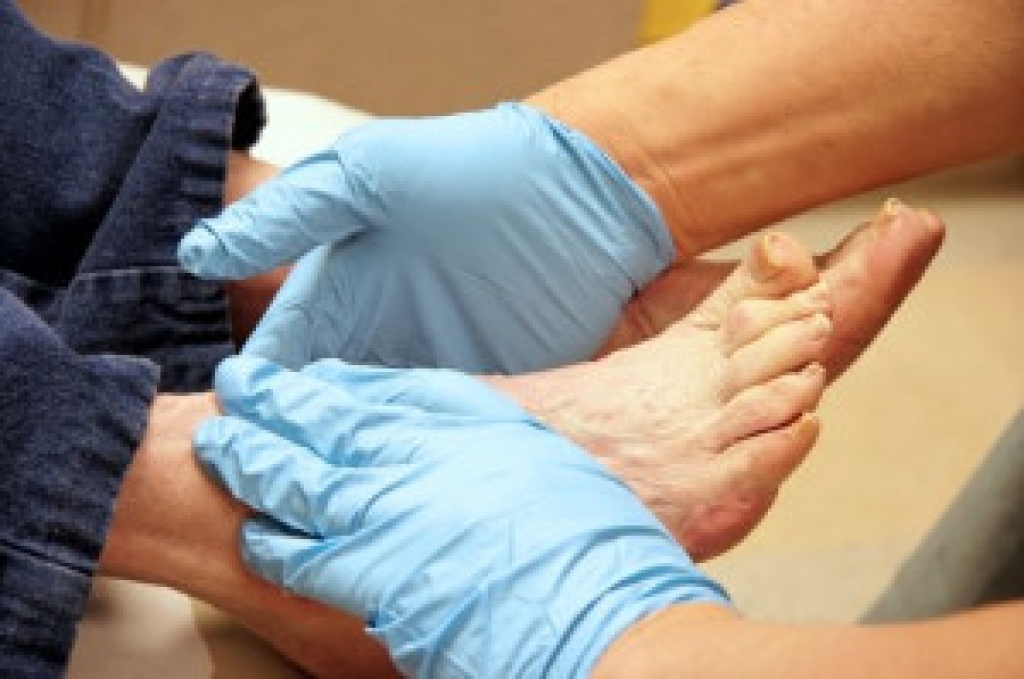
Painful, slow-healing foot wounds are unfortunately a common occurrence in people who have diabetes. Left untreated, these wounds can grow and become diabetic foot ulcers (DFUs). About 1 in 4 people with diabetes will develop a diabetic foot ulcer at some point in their lives. Why are foot wounds so common among diabetics? The answers lie in the way that blood glucose levels affect the nervous system and circulation. High levels of glucose can damage peripheral nerves. These are the nerves responsible for sensation in the lower limbs. When they are damaged, your ability to feel pain and other early signs of a foot injury are diminished. This means that many cuts, sores, and scrapes on the feet are left undetected until they begin to cause more serious symptoms. Another complication of high glucose levels is poor circulation or blood flow to the lower limbs. When blood moves more slowly towards the feet, it cannot deliver nutrients quickly enough to heal wounds efficiently, thus slowing down the healing process. If you have diabetes, it is important to monitor the health of your feet to avoid foot wounds, DFUs, and all of their associated complications. A podiatrist can help you maintain your foot health.
Diabetic foot care is important in preventing foot ailments such as ulcers. If you are suffering from diabetes or have any other concerns about your feet, contact one of our podiatrists from APEX Foot & Ankle Center. Our doctors can provide the care you need to keep you pain-free and on your feet.
Diabetic Foot Care
Diabetes affects millions of people every year. The condition can damage blood vessels in many parts of the body, especially the feet. Because of this, taking care of your feet is essential if you have diabetes, and having a podiatrist help monitor your foot health is highly recommended.
The Importance of Caring for Your Feet
Patients with diabetes should have their doctor monitor their blood levels, as blood sugar levels play such a huge role in diabetic care. Monitoring these levels on a regular basis is highly advised.
It is always best to inform your healthcare professional of any concerns you may have regarding your feet, especially for diabetic patients. Early treatment and routine foot examinations are keys to maintaining proper health, especially because severe complications can arise if proper treatment is not applied.
If you have any questions, please feel free to contact our offices located in Fort Myers, Shellpoint, and Naples, FL . We offer the newest diagnostic and treatment technologies for all your foot care needs.

Your feet are covered most of the day. If you're diabetic, periodic screening is important for good health. Numbness is often a sign of diabetic foot and can mask a sore or wound.
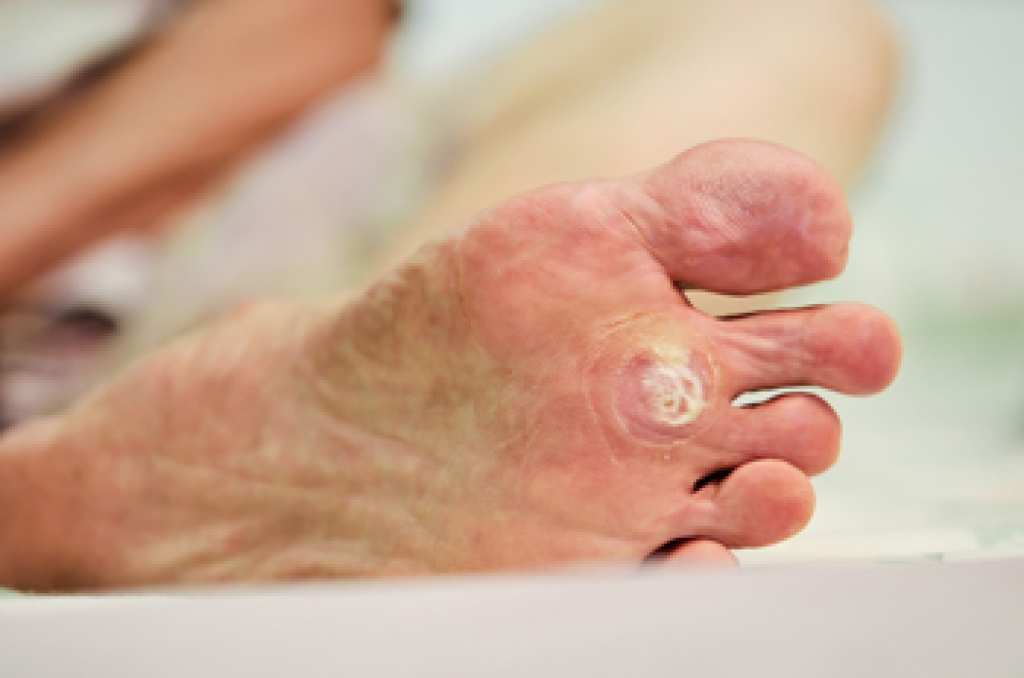 A plantar wart is found on the sole of the foot. It develops and grows inward as a result of the pressure the foot endures from standing and walking. They can cause severe pain and discomfort, and it can be difficult to walk. It is identified as a small area of hardened skin that can form on the ball or the heel of the foot. Many patients notice there are small, black dots in the center of the wart, and there may be several of them that can form a cluster. A common form of treatment is referred to as keratolytic therapy. This is accomplished by using acid on the wart that can help it to diminish. Additionally, there are several treatments available, and it is suggested that you consult with a podiatrist who can determine what the best one is for you.
Plantar warts can be very uncomfortable. If you need your feet checked, contact one of our podiatrists from APEX Foot & Ankle Center. Our doctors will assist you with all of your foot and ankle needs.
About Plantar Warts
Plantar warts are the result of HPV, or human papillomavirus, getting into open wounds on the feet. They are mostly found on the heels or balls of the feet.
While plantar warts are generally harmless, those experiencing excessive pain or those suffering from diabetes or a compromised immune system require immediate medical care. Plantar warts are easily diagnosed, usually through scraping off a bit of rough skin or by getting a biopsy.
Symptoms
Treatment
To help prevent developing plantar warts, avoid walking barefoot over abrasive surfaces that can cause cuts or wounds for HPV to get into. Avoiding direct contact with other warts, as well as not picking or rubbing existing warts, can help prevent the further spread of plantar warts. However, if you think you have developed plantar warts, speak to your podiatrist. He or she can diagnose the warts on your feet and recommend the appropriate treatment options.
If you have any questions, please feel free to contact our offices located in Fort Myers, Shellpoint, and Naples, FL . We offer the newest diagnostic and treatment technologies for all your foot care needs.

A broken ankle can be complex—involving all three bones of the ankle (talus, fibula, and tibia)—or simple when just one of these bones breaks. You may be experiencing a broken ankle if you have pain, tenderness, swelling, or bruising in the area. In more severe breaks, your ankle may be misshapen or a bone may be protruding. The manner of treatment your podiatrist takes to heal your broken ankle depends on the complexity and nature of the break as well as where it occurs. They may be able to help treat your ankle by icing it, stabilizing it with a cast, splint, or boot, and by instructing you to keep weight off of it for a period of time to allow it to heal on its own. In some cases, a surgical intervention may be necessary to properly realign the ankle and repair damaged bones. It is important to seek the care of a podiatrist if you suspect that your ankle is broken so it can heal properly, and to avoid a worsening condition or infection from developing.
Broken ankles need immediate treatment. If you are seeking treatment, contact one of our podiatrists from APEX Foot & Ankle Center. Our doctors can provide the care you need to keep you pain-free and on your feet.
Broken Ankles
A broken ankle is experienced when a person fractures their tibia or fibula in the lower leg and ankle area. Both of these bones are attached at the bottom of the leg and combine to form what we know to be our ankle.
When a physician is referring to a break of the ankle, he or she is usually referring to a break in the area where the tibia and fibula are joined to create our ankle joint. Ankles are more prone to fractures because the ankle is an area that suffers a lot of pressure and stress. There are some obvious signs when a person experiences a fractured ankle, and the following symptoms may be present.
Symptoms of a Fractured Ankle
If you suspect an ankle fracture, it is recommended to seek treatment as soon as possible. The sooner you have your podiatrist diagnose the fracture, the quicker you’ll be on the way towards recovery.
If you have any questions, please feel free to contact our offices located in Fort Myers, Shellpoint, and Naples, FL . We offer the newest diagnostic and treatment technologies for all your foot care needs.
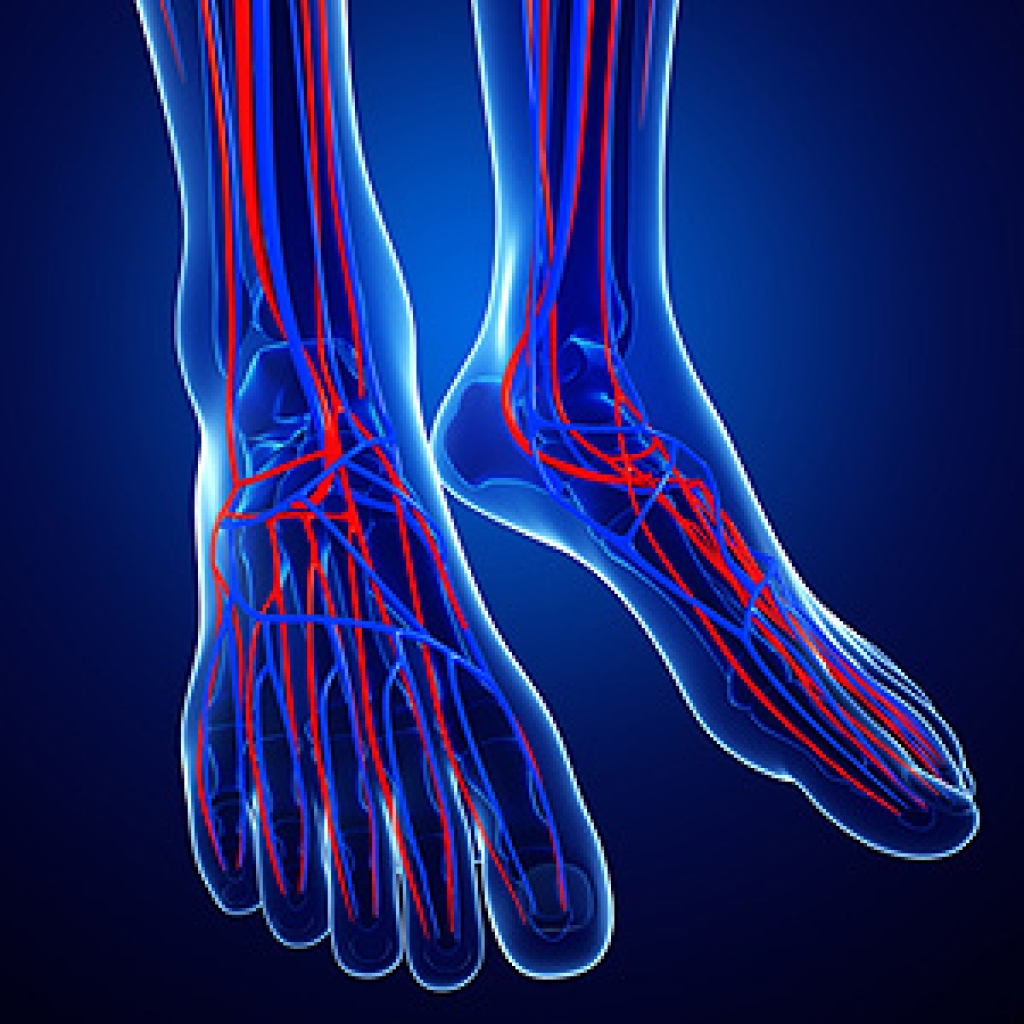
A Doppler ultrasound is an imaging test that uses sound waves to visualize blood flow throughout the body. In podiatry, a Doppler ultrasound can be used to diagnose peripheral artery disease and other conditions that may affect blood flow in the feet and ankles. You may need to undergo this imaging test if you are experiencing the symptoms of poor circulation in your lower limbs, which include numbness, weakness, coldness, cramping, or skin discoloration. A Doppler ultrasound is painless and noninvasive, and there are no known risks. It usually takes between 30 minutes and one hour to complete. If you have symptoms of poor circulation in your feet or ankles, please consult with a podiatrist.
Vascular testing plays an important part in diagnosing disease like peripheral artery disease. If you have symptoms of peripheral artery disease, or diabetes, consult with one of our podiatrists from APEX Foot & Ankle Center. Our doctors will assess your condition and provide you with quality foot and ankle treatment.
What Is Vascular Testing?
Vascular testing checks for how well blood circulation is in the veins and arteries. This is most often done to determine and treat a patient for peripheral artery disease (PAD), stroke, and aneurysms. Podiatrists utilize vascular testing when a patient has symptoms of PAD or if they believe they might. If a patient has diabetes, a podiatrist may determine a vascular test to be prudent to check for poor blood circulation.
How Is it Conducted?
Most forms of vascular testing are non-invasive. Podiatrists will first conduct a visual inspection for any wounds, discoloration, and any abnormal signs prior to a vascular test.
The most common tests include:
These tests are safe, painless, and easy to do. Once finished, the podiatrist can then provide a diagnosis and the best course for treatment.
If you have any questions please contact our offices located in Fort Myers, Shellpoint, and Naples, FL . We offer the newest diagnostic and treatment technologies for all your foot and ankle needs.

With one in four older Americans falling each year, these types of injuries are quite common among senior citizens. However, there are some preventative measures older adults can take to help reduce their risk of falling, including: having vision and hearing checked every year, removing tripping hazards and installing grab bars in the home, making sure side effects from prescribed medications do not increase risk of falling, and engaging in safe exercises that strengthen muscles and improve balance and flexibility. A podiatrist can also analyze and correct gait abnormalities, create custom orthotics, treat any foot or ankle conditions that may impede mobility, and make recommendations for proper footwear—all of which can help improve flexibility, balance and mobility.
Preventing falls among the elderly is very important. If you are older and have fallen or fear that you are prone to falling, consult with one of our podiatrists from APEX Foot & Ankle Center. Our doctors will assess your condition and provide you with quality advice and care.
Every 11 seconds, an elderly American is being treated in an emergency room for a fall related injury. Falls are the leading cause of head and hip injuries for those 65 and older. Due to decreases in strength, balance, senses, and lack of awareness, elderly persons are very susceptible to falling. Thankfully, there are a number of things older persons can do to prevent falls.
How to Prevent Falls
Some effective methods that older persons can do to prevent falls include:
Falling can be a traumatic and embarrassing experience for elderly persons; this can make them less willing to leave the house, and less willing to talk to someone about their fears of falling. Doing such things, however, will increase the likelihood of tripping or losing one’s balance. Knowing the causes of falling and how to prevent them is the best way to mitigate the risk of serious injury.
If you have any questions, please feel free to contact our offices located in Fort Myers, Shellpoint, and Naples, FL . We offer the newest diagnostic and treatment technologies for all your foot care needs.
Connect With Us