Foot Wounds Need Immediate Attention

A foot ulcer is a wound on the sole of the foot. It can be common among diabetic patients and generally requires prompt medical attention to avoid amputation. It is defined as a wound that develops on the surface of the skin and may extend to the tendons and bones. Diabetic patients often do not have the ability to heal normally or quickly, therefore this type of wound is usually treated with antibiotics. Diabetes can make it difficult to feel sensations on the feet so many patients are unable to notice existing cuts, scrapes, or bruises that have developed. Foot ulcers can also affect people who have abnormal foot bones or muscles in the feet. This can include people who have arthritis in the feet, as well as claw feet. If you have a wound on your foot, it is strongly advised that you are under the care of a podiatrist who can determine what the best treatment is for you.

Wound care is an important part in dealing with diabetes. If you have diabetes and a foot wound or would like more information about wound care for diabetics, consult with one of our podiatrists from APEX Foot & Ankle Center. Our doctors will assess your condition and provide you with quality foot and ankle treatment.

What Is Wound Care?

Wound care is the practice of taking proper care of a wound. This can range from the smallest to the largest of wounds. While everyone can benefit from proper wound care, it is much more important for diabetics. Diabetics often suffer from poor blood circulation which causes wounds to heal much slower than they would in a non-diabetic. 

What Is the Importance of Wound Care?

While it may not seem apparent with small ulcers on the foot, for diabetics, any size ulcer can become infected. Diabetics often also suffer from neuropathy, or nerve loss. This means they might not even feel when they have an ulcer on their foot. If the wound becomes severely infected, amputation may be necessary. Therefore, it is of the upmost importance to properly care for any and all foot wounds.

How to Care for Wounds

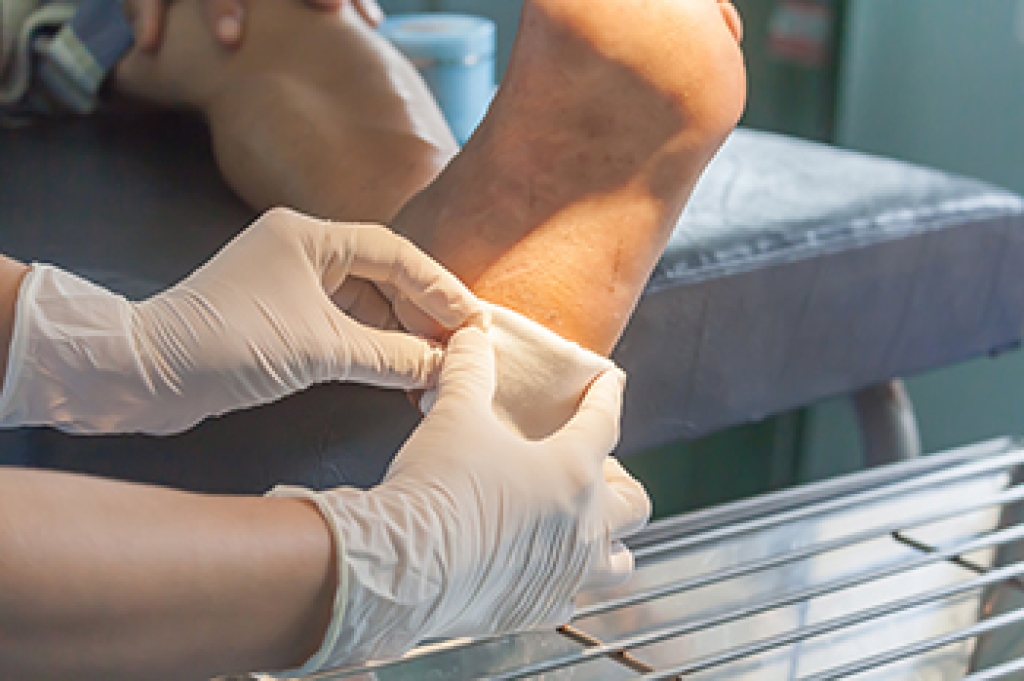
The best way to care for foot wounds is to prevent them. For diabetics, this means daily inspections of the feet for any signs of abnormalities or ulcers. It is also recommended to see a podiatrist several times a year for a foot inspection. If you do have an ulcer, run the wound under water to clear dirt from the wound; then apply antibiotic ointment to the wound and cover with a bandage. Bandages should be changed daily and keeping pressure off the wound is smart. It is advised to see a podiatrist, who can keep an eye on it.

If you have any questions please contact our offices located in Fort Myers, Shellpoint, and Naples, FL . We offer the newest diagnostic and treatment technologies for all your foot and ankle needs.
Read more about Wound Care

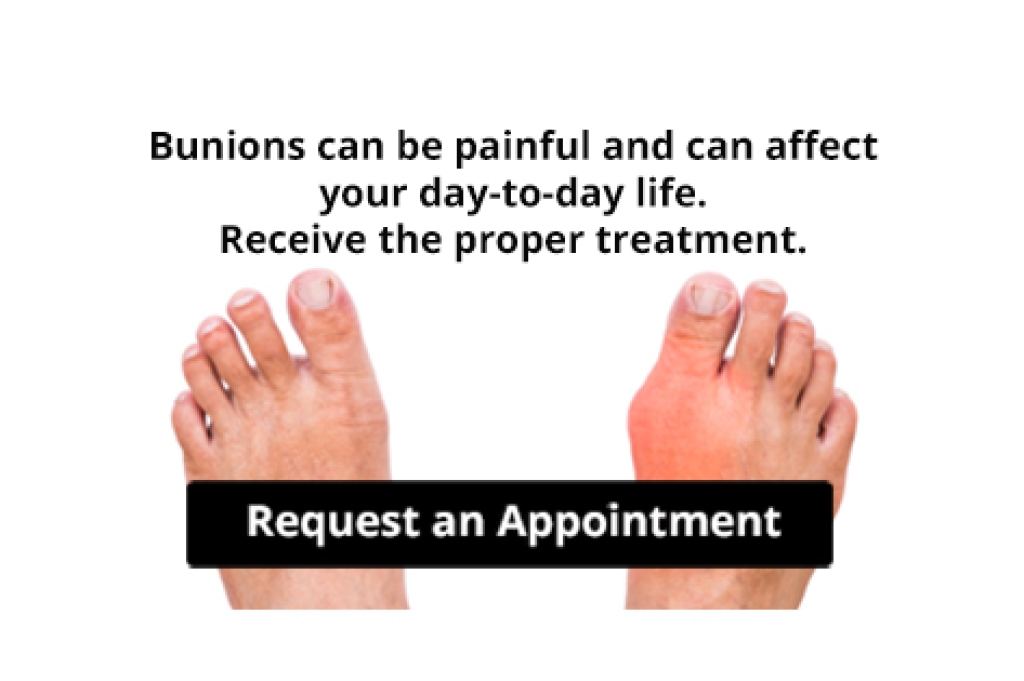
Are Bunions Affecting Your Everyday Life?

Have you noticed a bony protrusion on the side of your big toe? If so, you may have developed the foot condition known as a bunion. Don't let bunions interfere with your daily activities.

How Is Plantar Fasciitis Treated?

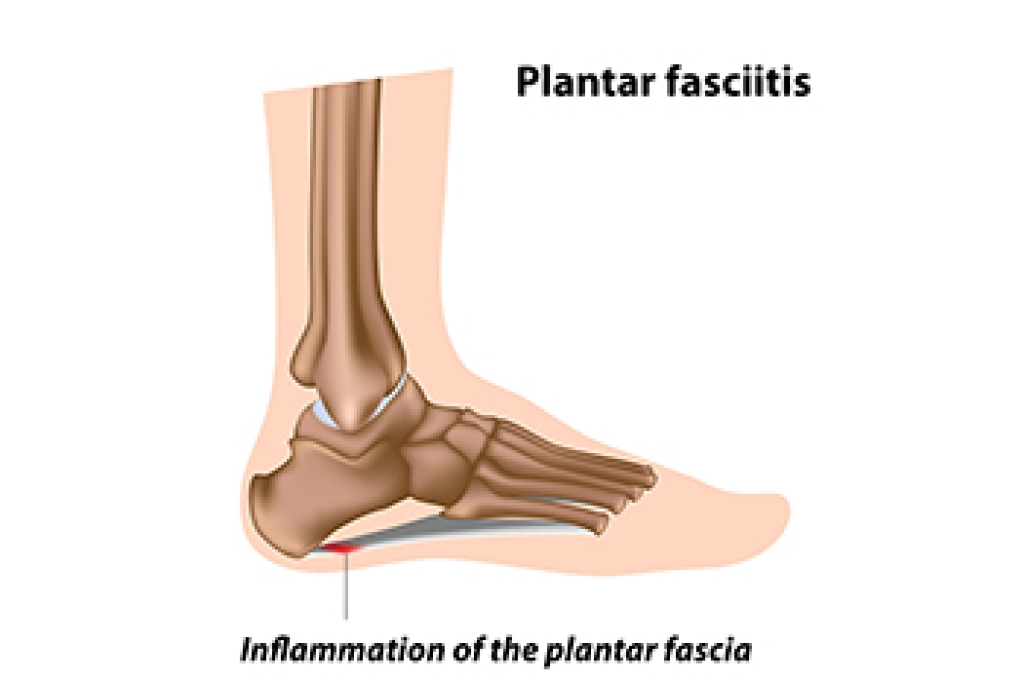
Plantar fasciitis is a common condition that causes heel pain. When the fascia, or band of tissue connecting the heel to the toes, becomes irritated or inflamed, it can cause pain in the heel. This condition is usually most painful when walking after sleeping or being off one’s feet for a lengthy time. Plantar fasciitis usually occurs because of poor weight distribution in the foot or after excessive and prolonged use. It is most apt to happen to those who run long distances or spend a lot of time on their feet. Risk factors include tight calf muscles, advanced age, poor arch support, being overweight, or wearing footwear that lacks proper support. One can try to relieve discomfort by staying off of their feet, icing the affected area, stretching the foot and calf, and wearing comfortable, supportive shoes and insoles. Compression socks might also be helpful. If you think you are suffering from plantar fasciitis, consult with a podiatrist who can ensure a proper diagnosis and provide effective treatment.

Plantar fasciitis can be very painful and inconvenient. If you are experiencing heel pain or symptoms of plantar fasciitis, contact one of our podiatrists  from APEX Foot & Ankle Center. Our doctors can provide the care you need to keep you pain-free and on your feet.

What Is Plantar Fasciitis?

Plantar fasciitis is the inflammation of the thick band of tissue that runs along the bottom of your foot, known as the plantar fascia, and causes mild to severe heel pain.

What Causes Plantar Fasciitis?

  • Excessive running
  • Non-supportive shoes
  • Overpronation
  • Repeated stretching and tearing of the plantar fascia

How Can It Be Treated?

  • Conservative measures – anti-inflammatories, ice packs, stretching exercises, physical therapy, orthotic devices
  • Shockwave therapy – sound waves are sent to the affected area to facilitate healing and are usually used for chronic cases of plantar fasciitis
  • Surgery – usually only used as a last resort when all else fails. The plantar fascia can be surgically detached from the heel

While very treatable, plantar fasciitis is definitely not something that should be ignored. Especially in severe cases, speaking to your doctor right away is highly recommended to avoid complications and severe heel pain. Your podiatrist can work with you to provide the appropriate treatment options tailored to your condition.

If you have any questions, please feel free to contact our offices located in Fort Myers, Shellpoint, and Naples, FL . We offer the newest diagnostic and treatment technologies for all your foot care needs.

Read more about Plantar Fasciitis

Protect Your Hard Working Feet All Day Long

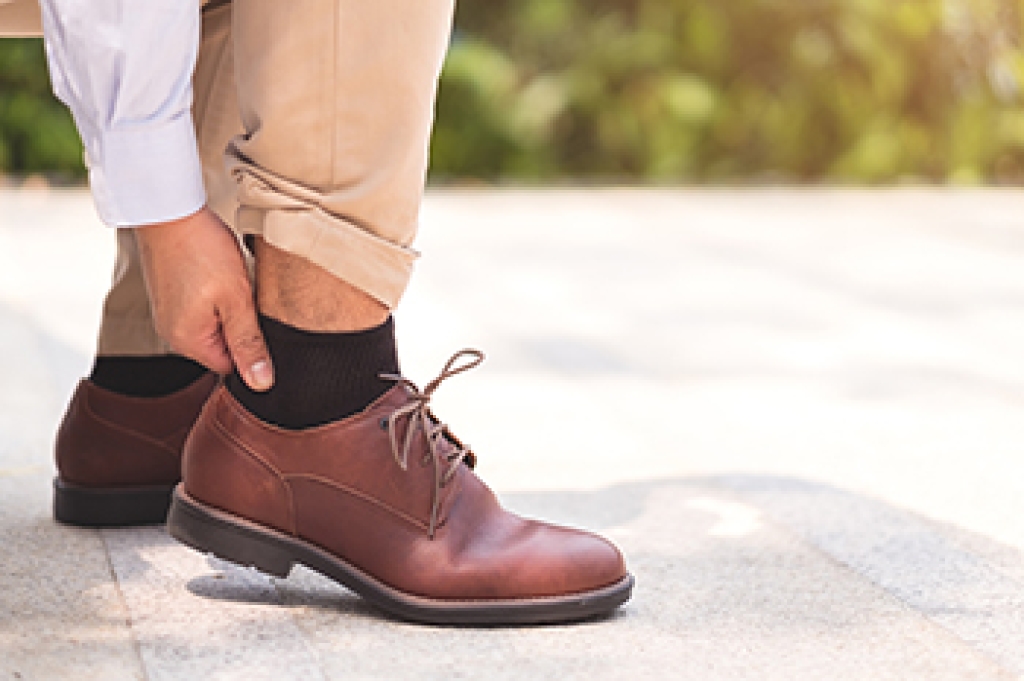
Standing all day while working can lead to pain, swelling, and long-term foot complications. That is why it is vital to use scheduled work breaks to elevate your feet, and take other precautionary measures to mitigate the damages working on your feet can cause to your feet and ankles. The best line of defense starts with proper footwear. Invest in a good pair (or two) of work shoes that provide proper support in the ankle and heels, plenty of cushioning, and stability. Your podiatrist can recommend other specific features to look for, based on the structure of your feet. They can also create custom orthotics to address any specific structural or alignment issues you may have which may cause pain and stress in other areas of your body. There are certain stretches and exercises your podiatrist may also suggest to stretch your feet, calf muscles and Achilles tendon. They may also recommend compression stockings to help stimulate circulation in your feet and reduce swelling. After a long day standing on the job, it is important to help your feet and ankles recover. Pamper your feet by soaking them in a warm bath. Massaging your feet and/or icing them may help to reduce swelling and soothe sore muscles. Contact a podiatrist near you to learn more about protecting your hard working feet on the job.

While working on the feet, it is important to take the proper care of them. For more information about working on your feet, contact one of our podiatrists from APEX Foot & Ankle Center. Our doctors will treat your foot and ankle needs.

Working on Your Feet

Standing on your feet for long periods of time can cause stress and pain in your feet. Your whole body may experience change in terms of posture, back pain, bunions, callouses and or plantar warts. There are ways to avoid these conditions with proper foot care, smart choices and correct posture.

Positive Changes

Negative heeled shoe – Choosing this shoe type places the heel slightly lower than the ball of the foot. These are great for overall foot health. Find shoes that fit you correctly.

Go barefoot – Our feet were not designed to be enclosed for all hours of the day. Try to periodically expose your feet to air.

Eliminate Pain

Foot Exercises – Performing simple exercises, incorporating yoga and doing stretches are beneficial. This will allow increased blood flow to the area and muscles of the foot.

Achilles tendon – Stretching the foot out flat on the floor will relax the calf muscles and tendon. These exercises can be performed almost anywhere. Make sure you add these exercises to your daily regimen. 

With a little bit of this information and knowing more about foot health, you will notice changes. Foot stretches and proper footwear will help with pain and prevent further issues.

If you have any questions please contact our offices located in Fort Myers, Shellpoint, and Naples, FL . We offer the newest diagnostic and treatment technologies for all your foot and ankle needs.
Read more about Working on Your Feet

Running Shoes for Specific Arches

Running shoes are worn for various reasons that can range from training for a marathon to getting in shape. The right shoes will fit correctly from the beginning and will not need a break-in period. It helps to wear shoes that have approximately a half inch of space between the top of the shoe and the top of the toe. This can help to improve comfort as running can negatively impact the feet. A shoe that fits slightly tighter is the running preference for speed. This type of shoe may provide a heel that is form-fitting and can hold the foot in place easily. It is important to be aware of the kind of arch the foot has and there are different types of running shoes that can be accommodating. Neutral running shoes will benefit those people who have medium arches and offer added shock absorption. People who have low or flat arches may want to choose stability running shoes as they may be helpful in minimizing overpronation. Motion control shoes can help runners who have excessive pronation since these shoes can help to stabilize the foot. A podiatrist is qualified in determining what type of running shoes are best for you, and it is suggested that you speak with this type of doctor who can provide you with correct information.

You should always make sure your running shoes fit properly in order to avoid injury. For more information, contact one of our podiatrists from APEX Foot & Ankle Center. Our doctors can provide the care you need to keep you pain-free and on your feet.

Choosing the Right Running Shoe for Your Foot Type

Improper shoe sizing can cause a myriad of problems for your feet. Shoes that don’t fit you properly can lead to muscular imbalances in your body, which can result in foot, knee, and hip injuries.

Tips for Finding the Right Running Shoe

  • Make sure you have a thumb’s width of wiggle room between the end of your longest toe and the front of the shoe.
  • There should be little to no slipping at the heel
  • Don’t assume your size in one shoe brand will be your size in another
  • Do not lace up your shoes too tightly
  • Walk around in the store with your new shoes before you buy them

If you have any questions, please feel free to contact our offices located in Fort Myers, Shellpoint, and Naples, FL . We offer the newest diagnostic and treatment technologies for all your foot care needs.

Read more about Choosing the Right Running Shoe

Two Tips for Picking the Right Shoe Size

Admittedly, selecting the right shoe size can feel difficult and somewhat intimidating. However, it is still an important task that can be critical to maintaining the overall health of your feet. For example, selecting tight or ill-fitting footwear can make the foot repeatedly rub against the shoe material, which can potentially lead to foot complications. To select the right shoe size, first, you can consider bringing a tracing of your foot with you to the shoe store. On a piece of paper, trace the outline of your foot with a pencil. When considering shoes to try on at the store, you can place the shoe on the paper. If the shoe is smaller than the outline of your foot, then immediately move on to consider another pair of shoes. Second, to select the ideal shoe size for you, you might consider wearing the same kind of socks while you are shoe shopping that you would ultimately wear with the shoes. This is important because if you normally prefer to wear thick socks, yet you try on shoes with no socks or very thin socks, you might find that the shoes eventually feel tighter than you would like. Being an expert shoe shopper is certainly something that takes practice. For more information on how you can select the right shoe size, consult with a podiatrist.

Getting the right shoe size is an important part of proper foot health. Seek the assistance of one of our podiatrists from APEX Foot & Ankle Center. Our doctors will provide the care you need to keep you pain-free and on your feet.

Getting the Right Shoe Size

There are many people who wear shoes that are the incorrect size, negatively affecting their feet and posture. Selecting the right shoes is not a difficult process, so long as you keep several things in mind when it comes to choosing the right pair.

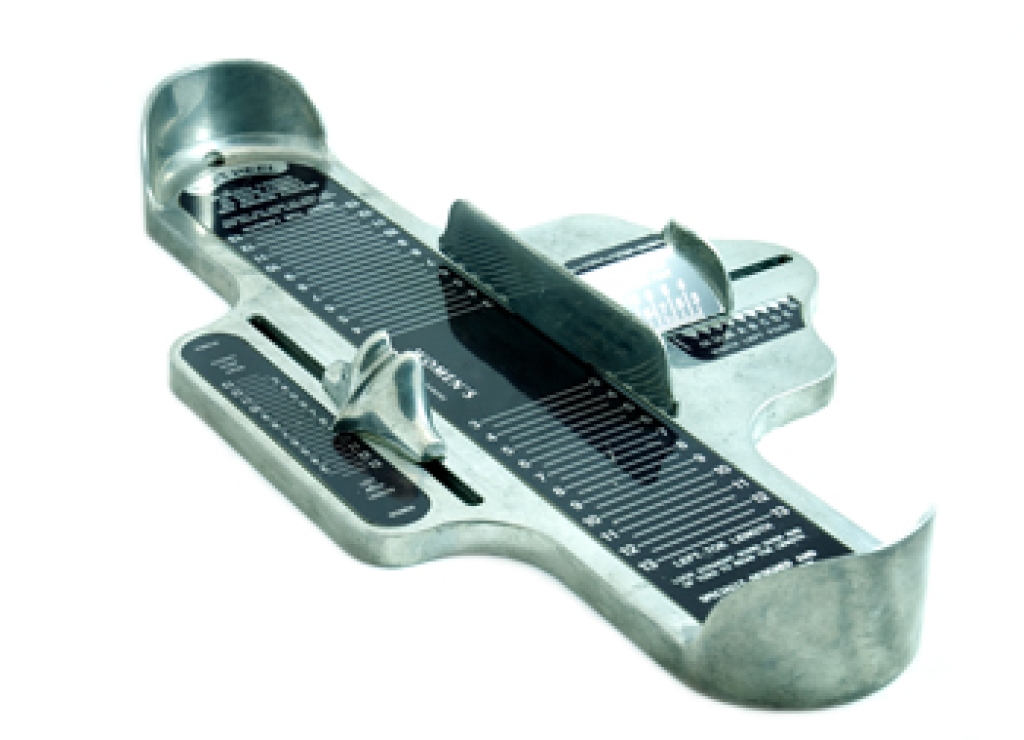
  • When visiting the shoe store, use the tools available to measure your foot.
  • Be sure there is ‘wiggle room’. There should be about an inch between your toes and the tip of your shoes.
  • Do not always assume you are the same size, as manufacturers run differently.
  • Purchase shoes later in the day, as your feet swell as the day progresses.
  • If a shoe is not comfortable, it is not suitable. Most shoes can’t be ‘broken in’, and comfort should be the ultimate goal when it comes to choosing the right pair of shoes

As our feet hold our body weight and keep us moving, it is important to treat them right. Picking the right pair of shoes can provide your feet comfort and mobility without pain.

If you have any questions, please feel free to contact our offices located in Fort Myers, Shellpoint, and Naples, FL . We offer the newest diagnostic and treatment technologies for all your foot care needs.

Read more about Getting the Right Shoe Size

Are You Suffering From Ingrown Toenails?

If left untreated, an ingrown toenail can lead to more serious concerns, such as an infection. Knowing proper nail care can help in the prevention of an ingrown toenail. Give us a call, and get treated!

Complications of Morton’s Neuroma

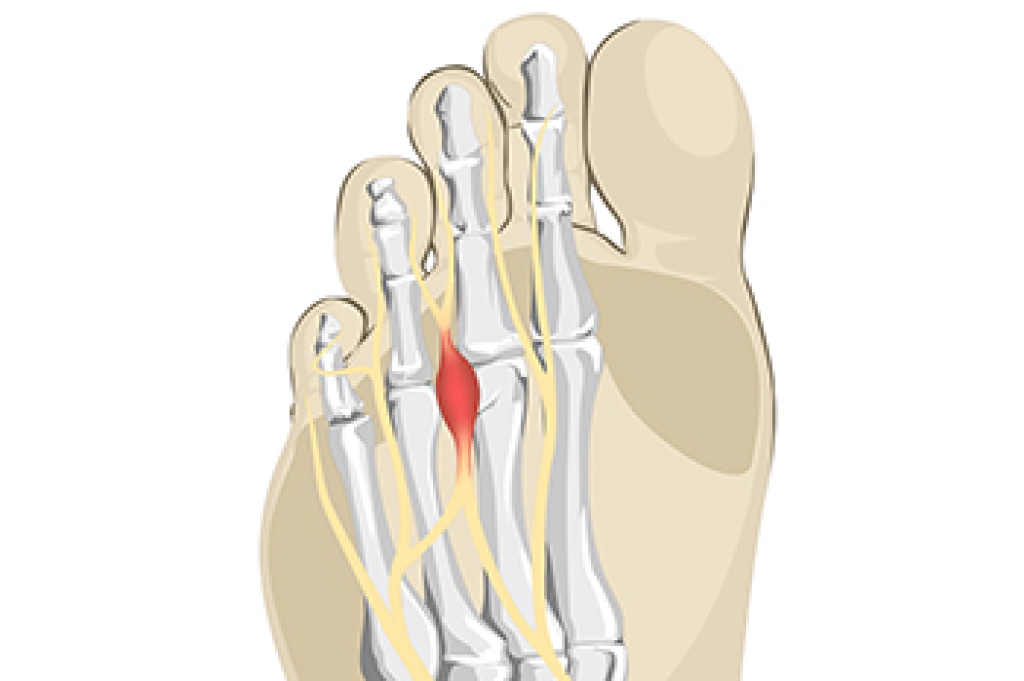
Morton’s neuroma is a potentially uncomfortable and painful condition that primarily affects the nerves in one’s feet. This condition occurs when the nerve between the third and fourth toe becomes damaged. Although it is significantly less common, Morton’s neuroma can also affect the nerve between the second and third toe. The precise cause of Morton’s neuroma is still not fully known. However, footwear that is too tight and forces your toes into abnormal positions is generally thought to increase your risk of developing Morton’s neuroma. If you have Morton’s neuroma, you might find it more difficult to walk. Additionally, activities that require putting pressure on the feet can cause sharp or shooting pains. For example, someone with Morton’s neuroma may find it especially difficult to use the affected foot to press down the gas pedal when driving. Lastly, wearing high heels might prove to be especially uncomfortable or painful for someone with Morton’s neuroma. If you believe that you have this condition, please contact a podiatrist to treat the problem.

Morton’s neuroma is a very uncomfortable condition to live with. If you think you have Morton’s neuroma, contact one of our podiatrists of APEX Foot & Ankle Center. Our doctors will attend to all of your foot care needs and answer any of your related questions.  

Morton’s Neuroma

Morton's neuroma is a painful foot condition that commonly affects the areas between the second and third or third and fourth toe, although other areas of the foot are also susceptible. Morton’s neuroma is caused by an inflamed nerve in the foot that is being squeezed and aggravated by surrounding bones.

What Increases the Chances of Having Morton’s Neuroma?

  • Ill-fitting high heels or shoes that add pressure to the toe or foot
  • Jogging, running or any sport that involves constant impact to the foot
  • Flat feet, bunions, and any other foot deformities

Morton’s neuroma is a very treatable condition. Orthotics and shoe inserts can often be used to alleviate the pain on the forefront of the feet. In more severe cases, corticosteroids can also be prescribed. In order to figure out the best treatment for your neuroma, it’s recommended to seek the care of a podiatrist who can diagnose your condition and provide different treatment options.

If you have any questions, please feel free to contact our offices located in Fort Myers, Shellpoint, and Naples, FL . We offer the newest diagnostic and treatment technologies for all your foot care needs.

Read more about What is Morton's Neuroma?

The Link Between Diabetes and Cracked Heels

Cracked heels, also known as heel fissures, is a common and unsightly condition that negatively impacts the wellness of your feet. Simply put, this condition occurs when the skin surrounding the heel and bottom of the feet becomes exceedingly dry. This skin can crack, causing fissures. In many cases, this condition is harmless. However, cracked heels can be unattractive and, in severe cases, might lead to infection and swelling. If you are diabetic, you stand at an increased risk of suffering from cracked heels. This is because diabetes can make your feet dry and deprive the skin of necessary nutrients, making cracked heels more likely. Additionally, in some cases, diabetes can damage the nerves present in one’s feet, which can prevent sweat glands in the feet from releasing sweat. The deprivation of sweat can reduce the moisture in the feet, increasing the probability of the onset of cracked heels. Therefore, while cracked heels are not necessarily a sign of diabetes, diabetics can face an increased risk of suffering from this affliction. If you are a diabetic and want to protect yourself from cracked heels, consider contacting a podiatrist.

Cracked heels are unsightly and can cause further damage to your shoes and feet. If you have any concerns, contact one of our podiatrists from APEX Foot & Ankle Center. Our doctors can provide the care you need to keep you pain-free and on your feet.

Cracked Heels

Cracked heels appear unappealing and can make it harder for you walk around in sandals. Aside from looking unpleasant, cracked heels can also tear stockings, socks, and wear out your shoes. There are several methods to help restore a cracked heel and prevent further damage.

How Do You Get Them?

Dry skin is the number one culprit in creating cracked heels. Many athletes, walkers, joggers, and even swimmers suffer from cracked heels. Age and skin oil production play a role to getting cracked heels as well.

Promote Healing

Over the counter medicines can help, especially for those that need instant relief or who suffer from chronic dry feet.

Wear Socks – Wearing socks with medicated creams helps lock in moisture.

Moisturizers – Applying both day and night will help alleviate dryness which causes cracking.

Pumice Stones – These exfoliate and remove dead skin, which allows for smoother moisturizer application and better absorption into the skin. 

Change in Diet

Eating healthy with a well-balanced diet will give the skin a fresh and radiant look. Your body responds to the kinds of food you ingest. Omega-3 fatty acids and zinc supplements can also revitalize skin tissue.

Most importantly, seek professional help if unsure how to proceed in treating cracked heels. A podiatrist will help you with any questions or information needed. 

If you have any questions, please feel free to contact our offices located in Fort Myers, Shellpoint, and Naples, FL . We offer the newest diagnostic and treatment technologies for all your foot care needs.

Read more about Solutions for Cracked Heels

Is Laser Treatment Right for My Toenail Fungus?

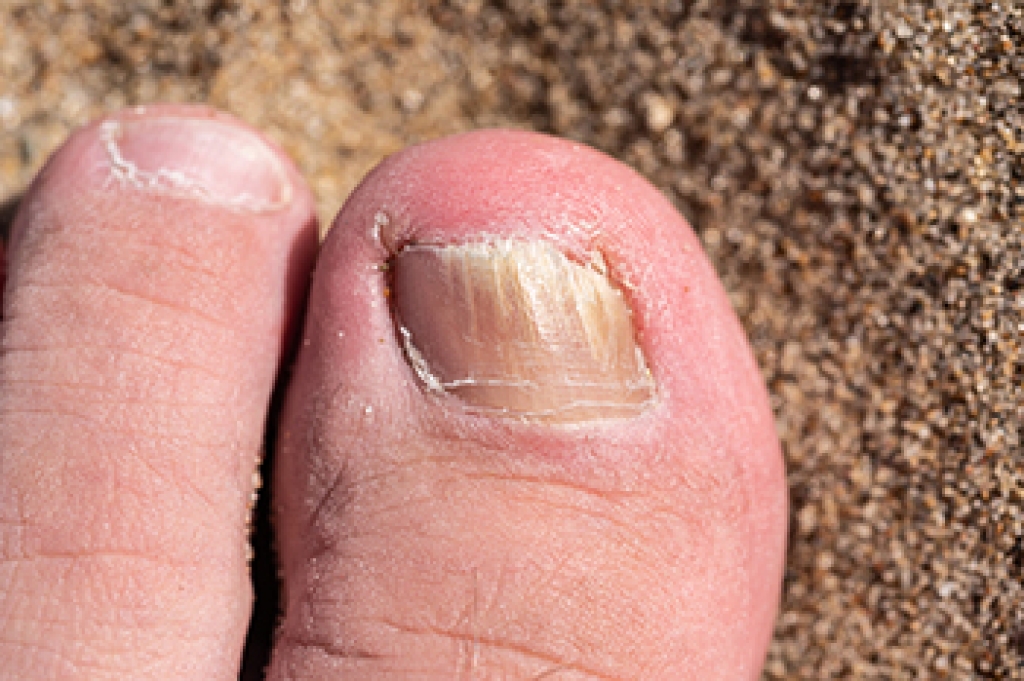
Toenail fungus is a stubborn and often hard to treat infection of the toenails. Laser treatment is a possible remedy that has helped many people to cure toenail fungus. It is a safe treatment, and may have to be repeated several times for serious infections. It is administered through pulses of energy that produce heat, which penetrates to the nail bed. The tissue becomes decomposed, and this destroys the fungus and surrounding nail. This is generally effective in preventing new fungal growth. There is often a high improvement rate after several weeks, and a culture is taken to prove the infection is gone. After the affected foot is cleaned with a sterile solution, the laser is pointed at the nails to be treated. There are some people who experience side effects, including bleeding and mild pain. If you are afflicted with toenail fungus, please consult with a podiatrist who can determine if laser treatment is right for you.

Laser treatment can be an effective way to get rid of toenail fungus. If you have any questions about laser treatment, consult with one of our podiatrists from APEX Foot & Ankle Center. Our doctors will assess your condition and provide you with quality treatment for fungal nails.

What Are Toenail Fungal Infections?

Onychomycosis, or fungal infection of the nail, is a relatively common and non-serious condition. Around 10 percent of U.S. citizens are afflicted with fungal nails. Common forms of fungus that infect the nail include dermatophytes, yeasts, and molds.

Symptoms of Toenail Fungal Infections Include:

  • Nail thickening
  • Brittleness of the nail
  • Discoloration of the nail

Diagnosis for Fungal Nails

Fungal infections are diagnosed by fungal culture and microscopy. This will rule out any other conditions such as nail trauma, psoriasis, lichen planus, and onychogryphosis.

What Is Laser Treatment?

Laser treatment is a non-invasive, safe, quick, and painless procedure that uses the heat from a laser to kill fungus in the nail. Each infected nail is targeted with a laser for several minutes. The treatment is usually utilized several different times over a select period. During this time, a podiatrist will keep an eye on the infection.

If you have any questions, please feel free to contact our offices located in Fort Myers, Shellpoint, and Naples, FL . We offer the newest diagnostic and treatment technologies for all your foot care needs.

Read more about Laser Treatment for Fungal Nails

Connect With Us

Advanced Podiatric Procedures & Services in the Fort Myers, FL 33908 and Naples, FL 34110 areas