How Do Achilles Tendon Injuries Occur?

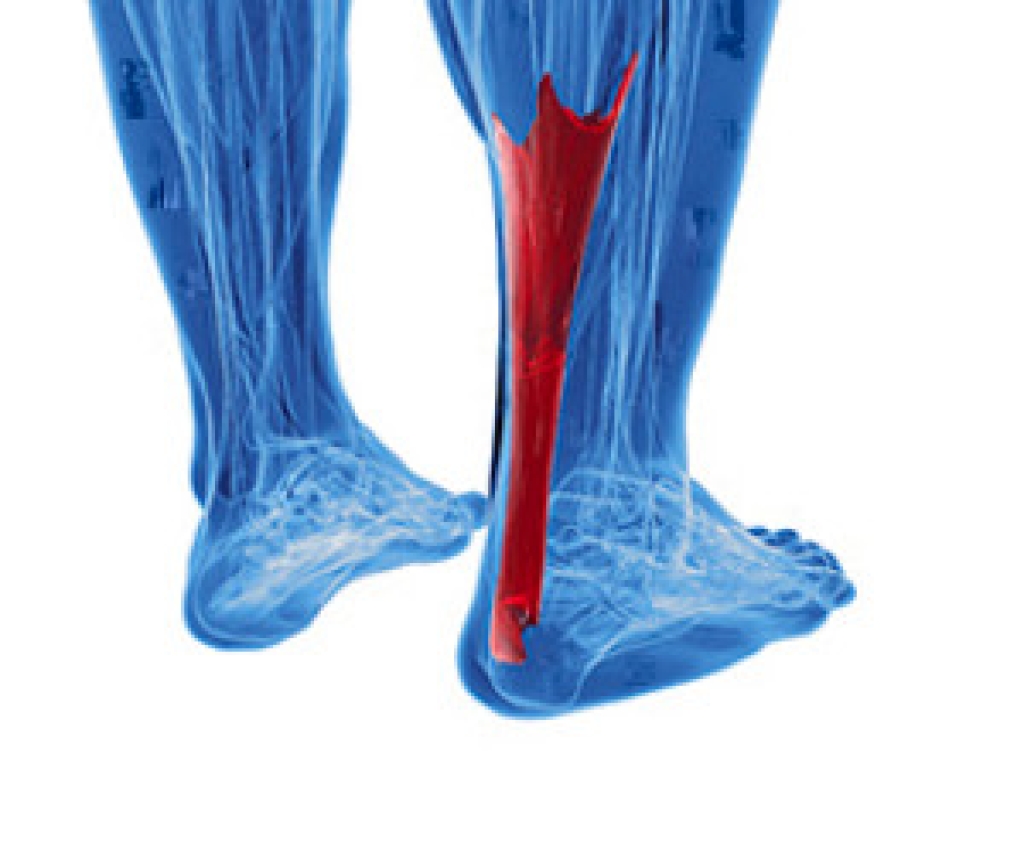
The pain that is experienced by patients who have endured an Achilles tendon injury can be debilitating. It can occur as a result of participating in running and jumping activities, or from not warming up before beginning a run. The Achilles tendon is defined as a portion of tissue that is located in the back of the leg. The function is to connect the heel to the calf muscles. It is responsible for the ability to point and flex the toes. If this tendon becomes injured or torn, it may lead to a condition that is known as Achilles tendonitis. Existing medical conditions can contribute to the onset of an Achilles tendon injury. These can include arthritis, structural foot abnormalities, in addition to being overweight. The symptoms that are often associated with this type of injury can consist of swelling, heel pain, and it is generally difficult to walk. If you have injured your Achilles tendon, it is suggested that you speak to a podiatrist who can determine the severity of your injury, and offer you the best treatment options.

Achilles tendon injuries need immediate attention to avoid future complications. If you have any concerns, contact one of our podiatrists of APEX Foot & Ankle Center. Our doctors can provide the care you need to keep you pain-free and on your feet.

What Is the Achilles Tendon?

The Achilles tendon is a tendon that connects the lower leg muscles and calf to the heel of the foot. It is the strongest tendon in the human body and is essential for making movement possible. Because this tendon is such an integral part of the body, any injuries to it can create immense difficulties and should immediately be presented to a doctor.

What Are the Symptoms of an Achilles Tendon Injury?

There are various types of injuries that can affect the Achilles tendon. The two most common injuries are Achilles tendinitis and ruptures of the tendon.

Achilles Tendinitis Symptoms

  • Inflammation
  • Dull to severe pain
  • Increased blood flow to the tendon
  • Thickening of the tendon

Rupture Symptoms

  • Extreme pain and swelling in the foot
  • Total immobility

Treatment and Prevention

Achilles tendon injuries are diagnosed by a thorough physical evaluation, which can include an MRI. Treatment involves rest, physical therapy, and in some cases, surgery. However, various preventative measures can be taken to avoid these injuries, such as:

  • Thorough stretching of the tendon before and after exercise
  • Strengthening exercises like calf raises, squats, leg curls, leg extensions, leg raises, lunges, and leg presses

If you have any questions please feel free to contact our offices located in Fort Myers, Shellpoint, and Naples, FL . We offer the newest diagnostic tools and technology to treat your foot and ankle needs.
Read more about Achilles Tendon Injuries

Common Symptoms of Athlete's Foot

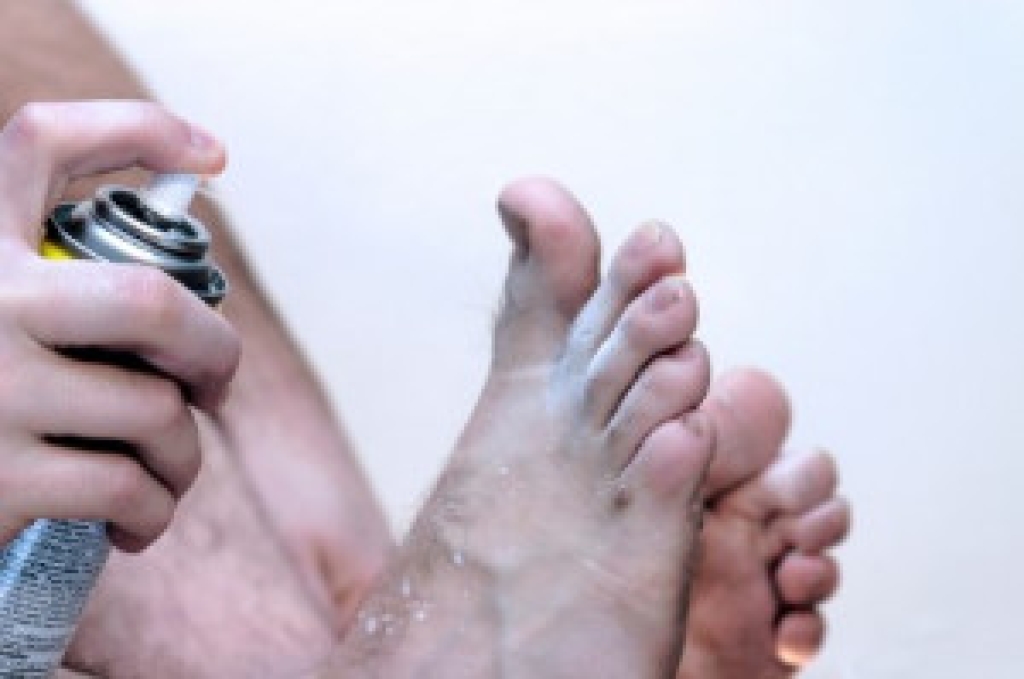
Athlete’s foot is a contagious fungal skin infection. This fungal infection typically thrives in moist, warm environments. Not wearing the proper footwear in locations such as gyms, locker rooms, public swimming pools, and communal showers may increase your risk of getting this fungal infection. There are certain symptoms that are commonly associated with this condition. These may include itchy blisters on the feet, dry skin on the soles or sides of the feet, a stinging or burning sensation between the toes, and cracking or peeling of the skin between the toes. Some patients have found antifungal powder to be helpful in trying to relieve these symptoms. For a proper diagnosis and advised plan of treatment, it’s suggested that you consult with a podiatrist.

Athlete’s foot is an inconvenient condition that can be easily reduced with the proper treatment. If you have any concerns about your feet and ankles, contact one of our podiatrists from APEX Foot & Ankle Center.  Our doctors will treat your foot and ankle needs.

Athlete’s Foot: The Sole Story

Athlete's foot, also known as tinea pedis, can be an extremely contagious foot infection. It is commonly contracted in public changing areas and bathrooms, dormitory style living quarters, around locker rooms and public swimming pools, or anywhere your feet often come into contact with other people.

Solutions to Combat Athlete’s Foot

  • Hydrate your feet by using lotion
  • Exfoliate
  • Buff off nails
  • Use of anti-fungal products
  • Examine your feet and visit your doctor if any suspicious blisters or cuts develop

Athlete’s foot can cause many irritating symptoms such as dry and flaking skin, itching, and redness. Some more severe symptoms can include bleeding and cracked skin, intense itching and burning, and even pain when walking. In the worst cases, Athlete’s foot can cause blistering as well. Speak to your podiatrist for a better understanding of the different causes of Athlete’s foot, as well as help in determining which treatment options are best for you.

If you have any questions please feel free to contact our offices located in Fort Myers, Shellpoint, and Naples, FL . We offer the newest diagnostic and treatment technologies for all your foot and ankle needs.

Read more about Athlete's Foot

The Cuboid Bone Has Six Sides

There are seven tarsal bones that are located on the outer edge of each foot. One of them is referred to as the cuboid bone, which has six sides. Its function is to provide stability for the foot, as this may help to evenly distribute the weight of the body. This bone may be more prone to injury for athletes and ballet dancers. When an injury occurs, the condition referred to as cuboid syndrome may develop. This type of injury can be a result of an ankle sprain, repetitive dance movements, or frequently participating in running and jumping activities. The symptoms that are commonly associated with this condition can include swelling and chronic pain on the outside of the foot, in addition to limited mobility which may make walking difficult. Moderate relief may be felt when the affected foot is elevated, and it may help to wrap the foot in an elastic bandage that can provide support. If you have pain in this area of your foot, please consult with a podiatrist for a proper diagnosis.

Cuboid syndrome, also known as cuboid subluxation, occurs when the joints and ligaments near the cuboid bone in the foot become torn. If you have cuboid syndrome, consult with one of our podiatrists from APEX Foot & Ankle Center. Our doctors will assess your condition and provide you with quality foot and ankle treatment.

Cuboid syndrome is a common cause of lateral foot pain, which is pain on the outside of the foot. The condition may happen suddenly due to an ankle sprain, or it may develop slowly overtime from repetitive tension through the bone and surrounding structures.

Causes

The most common causes of cuboid syndrome include:

  • Injury – The most common cause of this ailment is an ankle sprain.
  • Repetitive Strain – Tension placed through the peroneus longus muscle from repetitive activities such as jumping and running may cause excessive traction on the bone causing it to sublux.
  • Altered Foot Biomechanics – Most people suffering from cuboid subluxation have flat feet.

Symptoms

A common symptom of cuboid syndrome is pain along the outside of the foot which can be felt in the ankle and toes. This pain may create walking difficulties and may cause those with the condition to walk with a limp.

Diagnosis

Diagnosis of cuboid syndrome is often difficult, and it is often misdiagnosed. X-rays, MRIs and CT scans often fail to properly show the cuboid subluxation. Although there isn’t a specific test used to diagnose cuboid syndrome, your podiatrist will usually check if pain is felt while pressing firmly on the cuboid bone of your foot.

Treatment

Just as the range of causes varies widely, so do treatments. Some more common treatments are ice therapy, rest, exercise, taping, and orthotics.

If you have any questions, please feel free to contact our offices located in Fort Myers, Shellpoint, and Naples, FL . We offer the newest diagnostic and treatment technologies for all your foot care needs.

Read more about Cuboid Syndrome

Heel Pain Can Be Treated!

Do you suffer from heel pain when you get up in the morning? If so, you should seek professional help and have a proper diagnosis performed. Heel pain can be caused by several different foot-related conditions.

Prompt Treatment of Diabetic Wounds

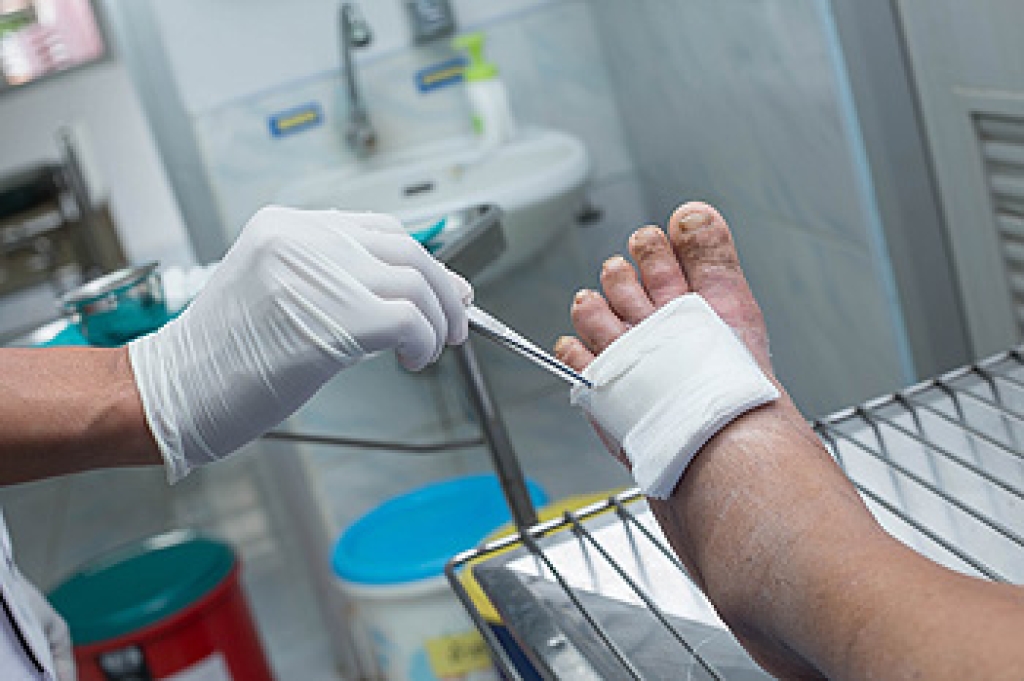
Foot wounds are serious conditions that can develop in diabetic patients. People who have diabetes may have difficulty in feeling if there are cuts on their feet, which can develop into foot ulcers. This type of wound requires prompt treatment, which includes cleaning the wound, followed by dressing it with a proper bandage. Diabetic patients may reduce their risk of getting cuts and bruises on their feet by wearing shoes that are comfortable. Additionally, it is beneficial to avoid walking barefoot, wear clean socks, and maintain control of blood glucose levels. If you have developed a wound on your foot, it is advised you confer with a podiatrist who can offer proper treatment options which may include prescribing antibiotics.

Wound care is an important part in dealing with diabetes. If you have diabetes and a foot wound or would like more information about wound care for diabetics, consult with one of our podiatrists from APEX Foot & Ankle Center. Our doctors will assess your condition and provide you with quality foot and ankle treatment.

What Is Wound Care?

Wound care is the practice of taking proper care of a wound. This can range from the smallest to the largest of wounds. While everyone can benefit from proper wound care, it is much more important for diabetics. Diabetics often suffer from poor blood circulation which causes wounds to heal much slower than they would in a non-diabetic. 

What Is the Importance of Wound Care?

While it may not seem apparent with small ulcers on the foot, for diabetics, any size ulcer can become infected. Diabetics often also suffer from neuropathy, or nerve loss. This means they might not even feel when they have an ulcer on their foot. If the wound becomes severely infected, amputation may be necessary. Therefore, it is of the upmost importance to properly care for any and all foot wounds.

How to Care for Wounds

The best way to care for foot wounds is to prevent them. For diabetics, this means daily inspections of the feet for any signs of abnormalities or ulcers. It is also recommended to see a podiatrist several times a year for a foot inspection. If you do have an ulcer, run the wound under water to clear dirt from the wound; then apply antibiotic ointment to the wound and cover with a bandage. Bandages should be changed daily and keeping pressure off the wound is smart. It is advised to see a podiatrist, who can keep an eye on it.

If you have any questions please contact our offices located in Fort Myers, Shellpoint, and Naples, FL . We offer the newest diagnostic and treatment technologies for all your foot and ankle needs.

Read more about Wound Care

Connect With Us

Advanced Podiatric Procedures & Services in the Fort Myers, FL 33908 and Naples, FL 34110 areas