The Connection Between Obesity and Foot Pain

Obesity and foot pain often share a close relationship, intertwining in ways that impact an individual's mobility and overall quality of life. Excess weight puts undue stress on the feet, leading to various painful conditions, such as plantar fasciitis, flat feet, and osteoarthritis. The added pressure strains the muscles, tendons, and ligaments in the feet, causing discomfort and limiting movement. Furthermore, obesity can complicate existing foot issues, making them more difficult to manage and treat. The structural changes in the feet due to excess weight can alter the distribution of pressure and impact the biomechanics of walking, leading to chronic pain and discomfort. Addressing obesity through lifestyle modifications, including a balanced diet and regular exercise, can significantly alleviate foot pain and improve overall foot health. Losing weight reduces the load on the feet, allowing them to function more efficiently and with less strain. Additionally, incorporating low-impact exercises, such as swimming or cycling, can help strengthen the muscles surrounding the feet and promote better support and stability. If you are overweight and have foot pain, it is suggested that you consult a podiatrist who can offer you effective management and relief tips.

Obesity has become very problematic at this point in time and can have extremely negative effects on the feet. If you’re an obese individual and are concerned about your feet, contact one of our podiatrists from APEX Foot & Ankle Center. Our doctors can provide the care you need to keep you pain-free and on your feet.

Obesity and Your Feet

Since your feet are what support your entire weight when standing, any additional weight can result in pain and swelling. Being overweight is one of the main contributors to foot complications.

Problems & Complications

Extra Weight – Even putting on just a few extra pounds could create serious complications for your feet. As your weight increases, your balance and body will shift, creating new stresses on your feet. This uneven weight distribution can cause pain, even while doing the simplest tasks, such as walking.

Diabetes – People who are overweight are at serious risk of developing type-2 diabetes, which has a drastic impact on the health of your feet. As you get older, your diabetes might worsen, which could lead to loss of feeling in your feet, sores, and bruises. You could also become more prone to various infections.

Plantar fasciitis – Pressure and stress that is placed on muscles, joints, and tendons can trigger plantar fasciitis, which is an inflammation of tissue that forms along the bottom of the foot. 

If you have any questions, please feel free to contact our offices located in Fort Myers, Shellpoint, and Naples, FL . We offer the newest diagnostic and treatment technologies for all your foot care needs.


Read more about How Obesity Affects Your Feet

Types and Considerations of Toe Fractures

Toe fractures, though often considered minor injuries, can cause significant discomfort and hinder mobility. There are several types of toe fractures, each with its own characteristics and treatment considerations. A common type is a closed fracture, where the bone breaks but does not penetrate the skin. Open fractures occur when the broken bone pierces through the skin, increasing the risk of infection and requiring immediate medical attention. Stress fractures, caused by repetitive stress or overuse, are hairline cracks in the bone that may develop gradually over time. Another type is a displaced fracture, where the broken ends of the bone do not align properly, potentially requiring realignment through manipulation or surgery. Avulsion fractures involve the tearing away of a piece of bone where a tendon or ligament attaches. Regardless of the type of fracture, prompt evaluation by a podiatrist is suggested to determine the appropriate treatment approach and ensure optimal healing and recovery of the injured toe. If you have fractured your toe, it is strongly suggested that you confer with this type of doctor who can determine the type of fracture, and offer the treatment solution that is best for you.

A broken toe can be very painful and lead to complications if not properly fixed. If you have any concerns about your feet, contact one of our podiatrists from APEX Foot & Ankle Center. Our doctors will treat your foot and ankle needs.

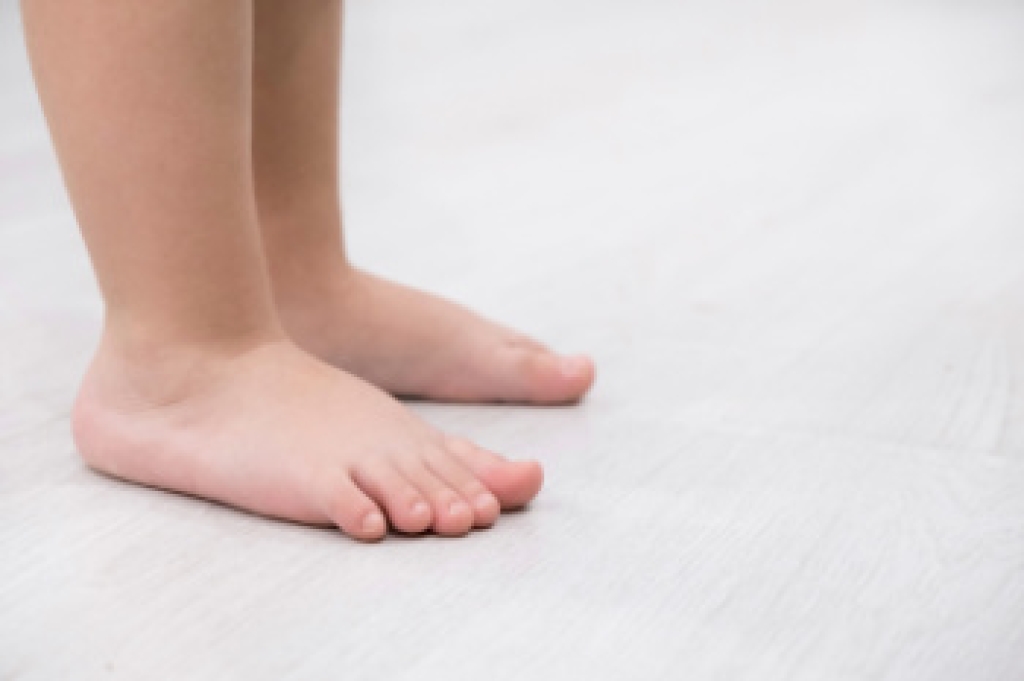
What to Know About a Broken Toe

Although most people try to avoid foot trauma such as banging, stubbing, or dropping heavy objects on their feet, the unfortunate fact is that it is a common occurrence. Given the fact that toes are positioned in front of the feet, they typically sustain the brunt of such trauma. When trauma occurs to a toe, the result can be a painful break (fracture).

Symptoms of a Broken Toe

  • Throbbing pain
  • Swelling
  • Bruising on the skin and toenail
  • The inability to move the toe
  • Toe appears crooked or disfigured
  • Tingling or numbness in the toe

Generally, it is best to stay off of the injured toe with the affected foot elevated.

Severe toe fractures may be treated with a splint, cast, and in some cases, minor surgery. Due to its position and the pressure it endures with daily activity, future complications can occur if the big toe is not properly treated.

If you have any questions, please feel free to contact our offices located in Fort Myers, Shellpoint, and Naples, FL . We offer the newest diagnostic and treatment technologies for all your foot care needs.
Read more about What to Know About a Broken Toe

Wounds That Don't Heal Need to Be Checked

Your feet are covered most of the day. If you're diabetic, periodic screening is important for good health. Numbness is often a sign of diabetic foot and can mask a sore or wound.

Athletic Advantages for Flat-Footed Children

Flat feet, which are often considered to be a hindrance to athletes, need not deter children aged 11 to 15 years from pursuing their athletic aspirations. Flat feet may lack the arch typically associated with athletic prowess, but they can offer unique advantages in various sports. For instance, individuals with flat feet tend to have increased stability and a lower center of gravity, which can enhance balance and agility in activities such as gymnastics, martial arts, and dance. Additionally, the absence of a pronounced arch allows for greater surface contact with the ground, facilitating better shock absorption and energy transfer during running and jumping. With proper training, footwear selection, and the use of orthotics, children with flat feet can excel in sports and lead active lifestyles without limitations. If your child has flat feet, and is interested in participating in sporting activities, it is suggested that you consult a podiatrist who can accurately address any concerns you may have.

Flatfoot is a condition many people suffer from. If you have flat feet, contact one of our podiatrists from APEX Foot & Ankle Center. Our doctors will treat your foot and ankle needs.

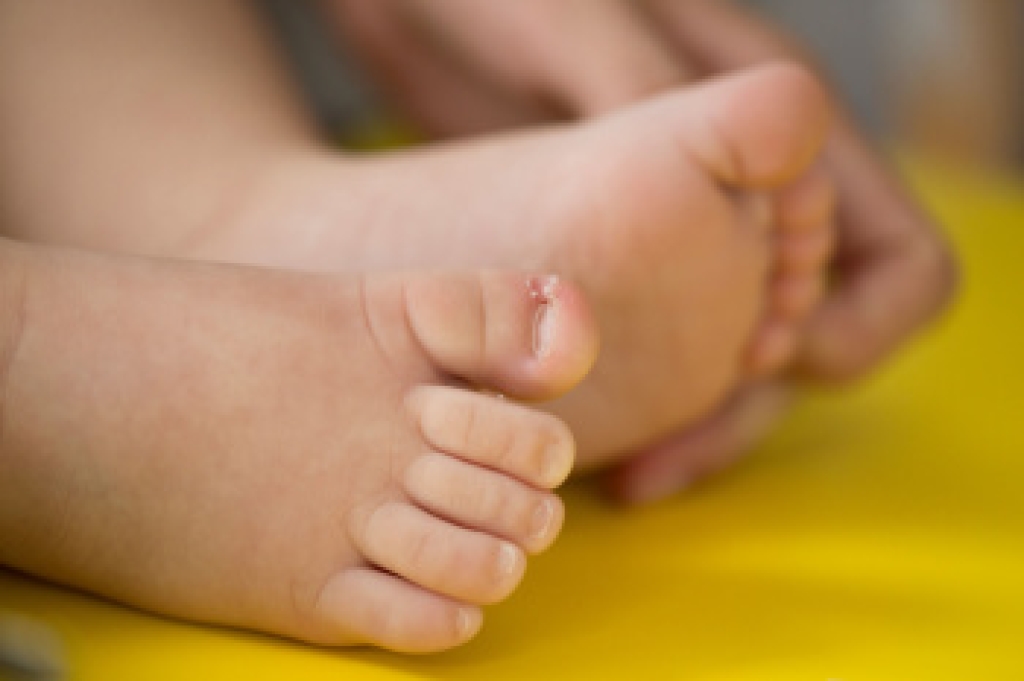
What Are Flat Feet?

Flatfoot is a condition in which the arch of the foot is depressed and the sole of the foot is almost completely in contact with the ground. About 20-30% of the population generally has flat feet because their arches never formed during growth.

Conditions & Problems:

Having flat feet makes it difficult to run or walk because of the stress placed on the ankles.

Alignment – The general alignment of your legs can be disrupted, because the ankles move inward which can cause major discomfort.

Knees – If you have complications with your knees, flat feet can be a contributor to arthritis in that area.  

Symptoms

  • Pain around the heel or arch area
  • Trouble standing on the tip toe
  • Swelling around the inside of the ankle
  • Flat look to one or both feet
  • Having your shoes feel uneven when worn

Treatment

If you are experiencing pain and stress on the foot you may weaken the posterior tibial tendon, which runs around the inside of the ankle. 

If you have any questions, please feel free to contact our offices located in Fort Myers, Shellpoint, and Naples, FL . We offer the newest diagnostic and treatment technologies for all your foot care needs.
Read more about Flat Feet

The Realities of Ingrown Toenails

Ingrown toenails occur when the edge or corner of a toenail grows into the surrounding skin, leading to pain, swelling, and potential infection. Typically affecting the big toe, ingrown toenails can result from a variety of factors. Improper nail trimming, such as rounding the corners or cutting them too short, increases the likelihood of ingrowth. Wearing tight-fitting shoes or high heels can exert pressure on the toes, contributing to the development of ingrown nails. Additionally, injury or trauma to the toe, genetic predisposition, and underlying health conditions like fungal infections or diabetes can elevate the risk. Ignoring ingrown toenails can lead to complications, including infections that may require medical intervention. Seeking timely attention from a podiatrist for ingrown toenails can help alleviate discomfort and prevent potential complications. If you have an ingrown toenail, it is suggested that you contact a podiatrist who can offer successful treatment options, which may include minor surgery for relief.

Ingrown toenails may initially present themselves as a minor discomfort, but they may progress into an infection in the skin without proper treatment. For more information about ingrown toenails, contact one of our podiatrists of APEX Foot & Ankle Center. Our doctors can provide the care you need to keep you pain-free and on your feet.

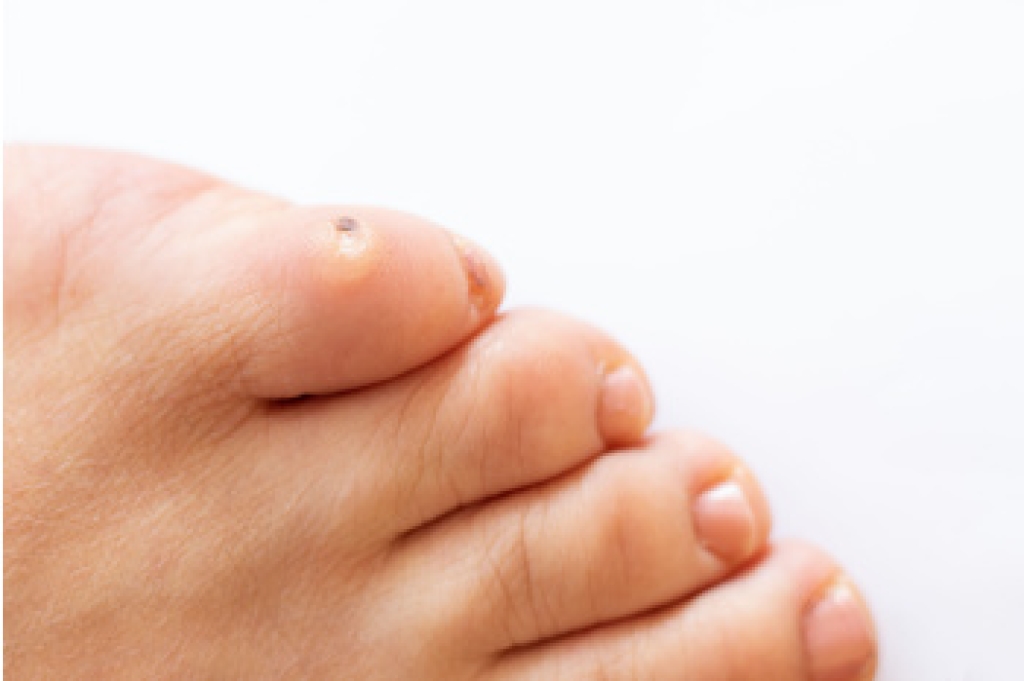
Ingrown Toenails

Ingrown toenails are caused when the corner or side of a toenail grows into the soft flesh surrounding it. They often result in redness, swelling, pain, and in some cases, infection. This condition typically affects the big toe and may recur if it is not treated properly.

Causes

  • Improper toenail trimming
  • Genetics
  • Improper shoe fitting
  • Injury from pedicures or nail picking
  • Abnormal gait
  • Poor hygiene

You are more likely to develop an ingrown toenail if you are obese, have diabetes, arthritis, or have any fungal infection in your nails. Additionally, people who have foot or toe deformities are at a higher risk of developing an ingrown toenail.

Symptoms

Some symptoms of ingrown toenails are redness, swelling, and pain. In rare cases, there may be a yellowish drainage coming from the nail.

Treatment

Ignoring an ingrown toenail can have serious complications. Infections of the nail border can progress to a deeper soft-tissue infection, which can then turn into a bone infection. You should always speak with your podiatrist if you suspect you have an ingrown toenail, especially if you have diabetes or poor circulation.

If you have any questions, please feel free to contact our offices located in Fort Myers, Shellpoint, and Naples, FL . We offer the newest diagnostic and treatment technologies for all your foot care needs.
Read more about Ingrown Toenail Care

Common Causes of Foot Corns

Foot corns develop in response to the persistent pressure or friction exerted on specific areas of the feet. This pressure often occurs on the toes, the tops of the feet, or between toes, where bones are close to the surface of the skin. Various factors contribute to the formation of foot corns. Age-related changes in foot structure and biomechanics can impact gait and alter the way shoes fit, leading to increased friction and corn development. Wearing ill-fitting socks or shoes, whether too tight or too loose, can cause constant rubbing against the skin. Obesity can further complicate matters by causing abnormal weight distribution and contributing to foot deformities, like flat feet or hammertoes, which increase pressure on certain areas of the feet. Conditions such as osteoarthritis or diabetes also heighten the risk of foot corns. In the case of diabetes, peripheral neuropathy can impair sensation in the feet, making it difficult to detect and address areas of excessive pressure or friction. Consulting a podiatrist for persistent foot corns is suggested, as this medically trained foot doctor can provide personalized treatment and guidance.

If you have any concerns regarding your feet and ankles, contact one of our podiatrists of APEX Foot & Ankle Center. Our doctors will treat your foot and ankle needs.

Corns: What Are They? and How Do You Get Rid of Them?
Corns can be described as areas of the skin that have thickened to the point of becoming painful or irritating. They are often layers and layers of the skin that have become dry and rough, and are normally smaller than calluses.

Ways to Prevent Corns
There are many ways to get rid of painful corns such as wearing:

  • Well-fitting socks
  • Comfortable shoes that are not tight around your foot
  • Shoes that offer support

Treating Corns
Treatment of corns involves removing the dead skin that has built up in the specific area of the foot. Consult with Our doctors to determine the best treatment option for your case of corns.

If you have any questions, please feel free to contact our offices located in Fort Myers, Shellpoint, and Naples, FL . We offer the newest diagnostic and treatment technologies for all your foot care needs.
Read more about Corns: What Are They, and How Do You Get Rid of Them

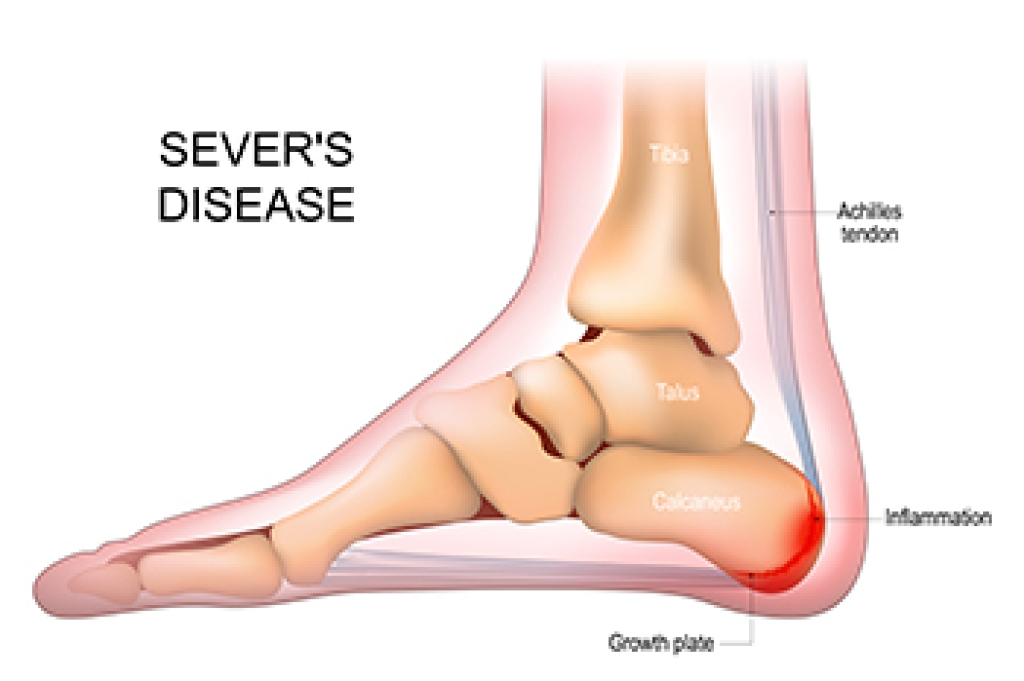
Heel Pain in Active Children May Indicate Sever's Disease

Active children often experience heel pain, a common ailment that can stem from various factors related to growth and physical activity. One prevalent condition associated with heel pain in children is Sever's disease, also known as calcaneal apophysitis. This condition occurs when the growth plate at the back of the heel becomes inflamed due to repetitive stress and strain, typically during periods of rapid growth. Signs of Sever's disease include heel pain, particularly during physical activities like running or jumping, as well as tenderness and swelling in the affected area. Children may also exhibit a limp or reluctance to participate in sports and activities they once enjoyed. Parents and caregivers need to recognize these signs and seek appropriate medical attention to manage symptoms and prevent further complications. With proper rest, supportive footwear, and guided physical activity, children can recover from Sever's disease and resume their active lifestyles with minimized discomfort. If your active child has heel pain, it is strongly suggested that a podiatrist is contacted who can diagnose and treat Sever’s disease.

Sever's disease often occurs in children and teens. If your child is experiencing foot or ankle pain, see one of our podiatrists from APEX Foot & Ankle Center. Our doctors can treat your child’s foot and ankle needs.

Sever’s Disease

Sever’s disease is also known as calcaneal apophysitis, which is a medical condition that causes heel pain I none or both feet. The disease is known to affect children between the ages of 8 and 14.

Sever’s disease occurs when part of the child’s heel known as the growth plate (calcaneal epiphysis) is attached to the Achilles tendon. This area can suffer injury when the muscles and tendons of the growing foot do not keep pace with bone growth. Therefore, the constant pain which one experiences at the back of the heel will make the child unable to put any weight on the heel. The child is then forced to walk on their toes.

Symptoms

Acute pain – Pain associated with Sever’s disease is usually felt in the heel when the child engages in physical activity such as walking, jumping and or running.

Highly active – Children who are very active are among the most susceptible in experiencing Sever’s disease, because of the stress and tension placed on their feet.

If you have any questions, please feel free to contact our offices located in Fort Myers, Shellpoint, and Naples, FL . We offer the newest diagnostic and treatment technologies for all your foot care needs.

Read more about Sever's Disease

It's Time for Beautiful Feet

You don't need an excuse to have beautiful nails. Step outside without worrying about the appearance of your feet.

Proper Footwear for a Productive Workday

In the hustle and bustle of our daily lives, the importance of wearing appropriate shoes often takes a backseat. However, the effect of choosing the right footwear for your workday cannot be overstated. The shoes you wear play a pivotal role in supporting your feet and maintaining overall well-being. Wearing ill-fitting or improper shoes can lead to a cascade of issues, from discomfort and fatigue to more severe problems like joint pain and posture issues. Investing in the right pair of shoes tailored to your work environment is an investment in your health and productivity. The correct shoes provide adequate support, preventing strain on your feet and lower limbs throughout the day. By prioritizing proper footwear, you not only enhance your physical comfort but also contribute to a more focused and effective work routine, setting the foundation for a successful and pain-free professional journey. If you experience any type of foot pain as a result of the shoes you wear while working, it is suggested that you consult a podiatrist who can offer treatment options.

While working on the feet, it is important to take the proper care of them. For more information about working on your feet, contact one of our podiatrists from APEX Foot & Ankle Center. Our doctors will treat your foot and ankle needs.

Working on Your Feet

Standing on your feet for long periods of time can cause stress and pain in your feet. Your whole body may experience change in terms of posture, back pain, bunions, callouses and or plantar warts. There are ways to avoid these conditions with proper foot care, smart choices and correct posture.

Positive Changes

Negative heeled shoe – Choosing this shoe type places the heel slightly lower than the ball of the foot. These are great for overall foot health. Find shoes that fit you correctly.

Go barefoot – Our feet were not designed to be enclosed for all hours of the day. Try to periodically expose your feet to air.

Eliminate Pain

Foot Exercises – Performing simple exercises, incorporating yoga and doing stretches are beneficial. This will allow increased blood flow to the area and muscles of the foot.

Achilles tendon – Stretching the foot out flat on the floor will relax the calf muscles and tendon. These exercises can be performed almost anywhere. Make sure you add these exercises to your daily regimen. 

With a little bit of this information and knowing more about foot health, you will notice changes. Foot stretches and proper footwear will help with pain and prevent further issues.

If you have any questions please contact our offices located in Fort Myers, Shellpoint, and Naples, FL . We offer the newest diagnostic and treatment technologies for all your foot and ankle needs.

Read more about How to Handle a Long Work Day on Your Feet

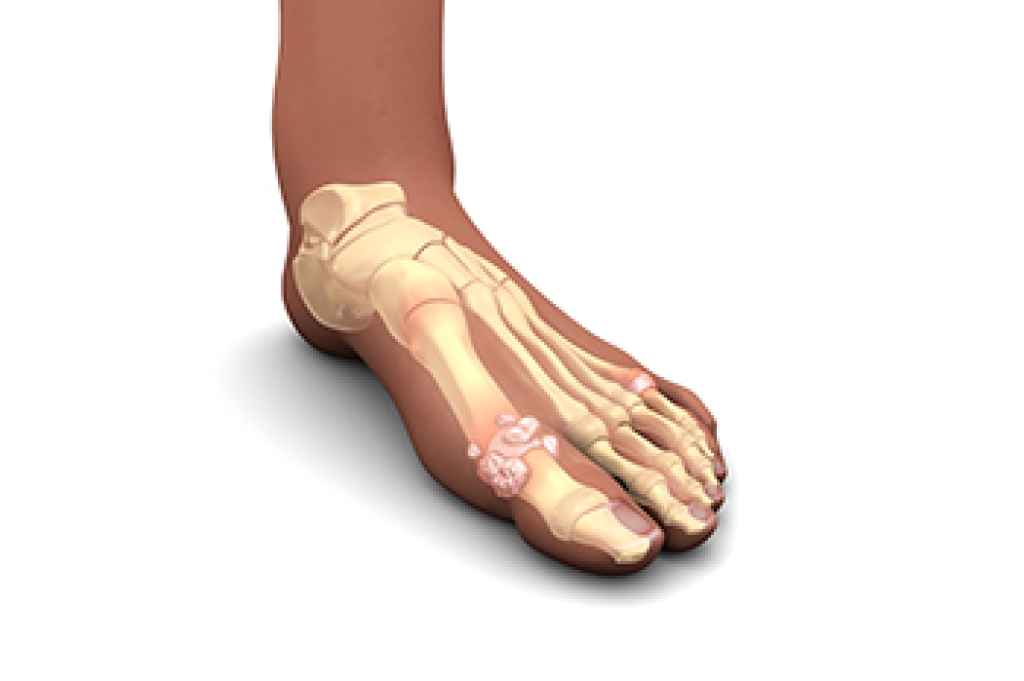
Causes of Gout and How It Is Diagnosed

Gout, a form of inflammatory arthritis, develops when there is an excess buildup of uric acid in the body, leading to the formation of needle-like crystals in the joints. The primary cause of gout lies in the body's inability to metabolize uric acid efficiently, resulting in its accumulation. Dietary factors, such as consuming purine-rich foods like organ meats and certain seafood contribute to elevated uric acid levels. Additionally, genetic predispositions and underlying health conditions, such as kidney dysfunction, may increase the risk of gout. Diagnosis involves a comprehensive examination by podiatrists, considering symptoms like sudden, intense joint pain, swelling, and redness. Blood tests may be conducted to measure uric acid levels, and imaging studies such as X-rays or ultrasound can aid in visualizing joint damage. If you have been afflicted with gout, it is strongly suggested that you are under the care of a podiatrist who can help you to successfully manage this condition.

Gout is a painful condition that can be treated. If you are seeking treatment, contact one of our podiatrists from APEX Foot & Ankle Center. Our doctors will treat your foot and ankle needs.

What Is Gout?

Gout is a form of arthritis that is characterized by sudden, severe attacks of pain, redness, and tenderness in the joints. The condition usually affects the joint at the base of the big toe. A gout attack can occur at any random time, such as the middle of the night while you are asleep.

Symptoms

  • Intense Joint Pain - Usually around the large joint of your big toe, and it most severe within the first four to twelve hours
  • Lingering Discomfort - Joint discomfort may last from a few days to a few weeks
  • Inflammation and Redness -Affected joints may become swollen, tender, warm and red
  • Limited Range of Motion - May experience a decrease in joint mobility

Risk Factors

  • Genetics - If family members have gout, you’re more likely to have it
  • Medications - Diuretic medications can raise uric acid levels
  • Gender/Age - Gout is more common in men until the age of 60. It is believed that estrogen protects women until that point
  • Diet - Eating red meat and shellfish increases your risk
  • Alcohol - Having more than two alcoholic drinks per day increases your risk
  • Obesity - Obese people are at a higher risk for gout

Prior to visiting your podiatrist to receive treatment for gout, there are a few things you should do beforehand. If you have gout you should write down your symptoms--including when they started and how often you experience them, important medical information you may have, and any questions you may have. Writing down these three things will help your podiatrist in assessing your specific situation so that he or she may provide the best route of treatment for you.

If you have any questions, please feel free to contact our offices located in Fort Myers, Shellpoint, and Naples, FL . We offer the newest diagnostic and treatment technologies for all your foot care needs.

Read more about Gout

Connect With Us

Advanced Podiatric Procedures & Services in the Fort Myers, FL 33908 and Naples, FL 34110 areas