All About Tarsal Tunnel Syndrome

Tarsal tunnel syndrome, also known as TTS, occurs when the posterior tibial nerve becomes compressed and damaged, in turn causing inflammation. This is usually caused by continual overuse of the foot and ankle such as prolonged walking, running, standing, or exercising. If left untreated, TTS can cause permanent nerve damage. Some common treatments are wearing specialized shoes and inserts, over-the-counter pain and anti-inflammatory medications, physical therapy and rest. Strengthening exercises should be done to help prevent problems. These exercises include heel-toe raises, pencil toe lifts and balance exercises. If not treated right away, TTS can lead to the risk of developing other conditions such as flat feet, fallen arches, rheumatoid arthritis, varicose veins and the susceptibility to becoming overweight. If you notice any symptoms of TTS, it is important that you see a podiatrist right away. 
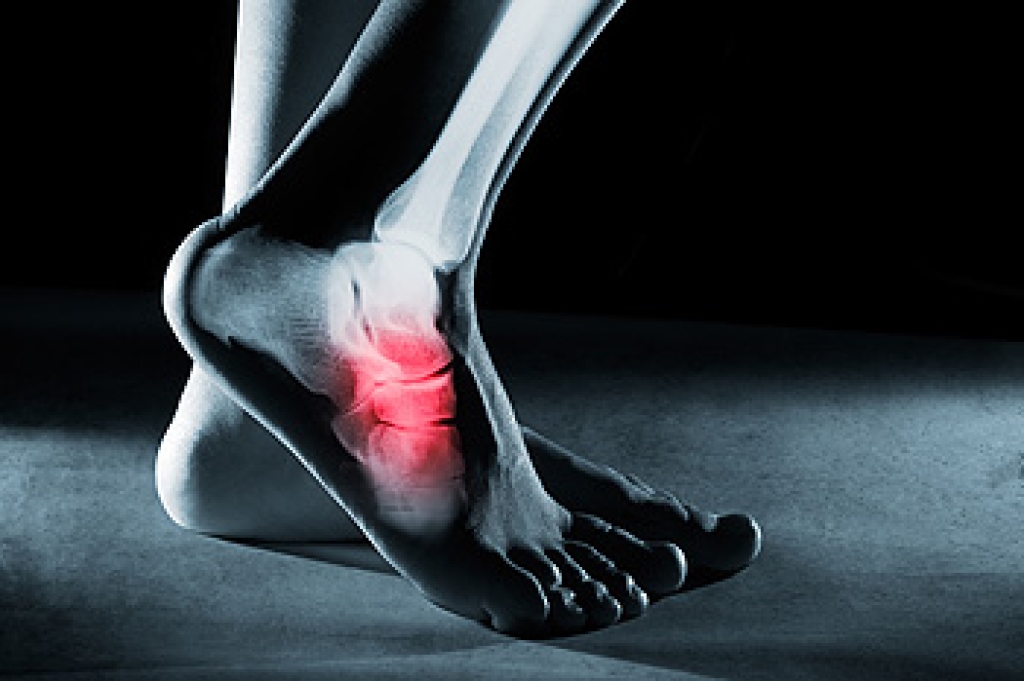


Tarsal tunnel syndrome can be very uncomfortable to live with. If you are experiencing tarsal tunnel syndrome, contact one of our podiatrists of APEX Foot & Ankle Center. Our doctors can provide the care you need to keep you pain-free and on your feet.

Tarsal Tunnel Syndrome

Tarsal tunnel syndrome, which can also be called tibial nerve dysfunction, is an uncommon condition of misfiring peripheral nerves in the foot. The tibial nerve is the peripheral nerve in the leg responsible for sensation and movement of the foot and calf muscles. In tarsal tunnel syndrome, the tibial nerve is damaged, causing problems with movement and feeling in the foot of the affected leg.

Common Cause of Tarsal Tunnel Syndrome

  • Involves pressure or an injury, direct pressure on the tibial nerve for an extended period of time, sometimes caused by other body structures close by or near the knee.
  • Diseases that damage nerves, including diabetes, may cause tarsal tunnel syndrome.
  • At times, tarsal tunnel syndrome can appear without an obvious cause in some cases.

The Effects of Tarsal Tunnel Syndrome

  • Different sensations, an afflicted person may experience pain, tingling, burning or other unusual sensations in the foot of the affected leg.
  • The foot muscles, toes and ankle become weaker, and curling your toes or flexing your foot can become difficult.
  • If condition worsens, infections and ulcers may develop on the foot that is experiencing the syndrome.

A physical exam of the leg can help identify the presence of tarsal tunnel syndrome. Medical tests, such as a nerve biopsy, are also used to diagnose the condition. Patients may receive physical therapy and prescriptive medication. In extreme cases, some may require surgery.

If you have any questions please contact our offices located in Fort Myers, Shellpoint, and Naples, FL . We offer the newest diagnostic and treatment technologies for all your foot and ankle needs.


Read more about Treating Tarsal Tunnel Syndrome

Foot Care for Osteoarthritis

Osteoarthritis commonly affects the joints in the feet and ankles. There are many non-surgical ways to manage the pain from this ailment. For example, you can receive steroid injections at the site of the joint. Anti-inflammatory medications and pain relieving drugs are also known to help. Pads, arch supports, canes, braces or specialized orthotics could prove to be beneficial while walking and remaining active. Many patients also attend physical therapy to strengthen their feet and ankles. Additionally, losing weight may help with arthritic symptoms. One of the most essential elements of caring for arthritic feet is wearing the correct shoes. Make sure your shoes are shaped like your foot, have rubber soles, have support, fit properly and allow for flexible movement. Another helpful tip is to stretch the Achilles tendon and toes in order to minimize foot pain. If these methods are not improving osteoarthritis discomfort, surgery may be a viable option. If you have any questions about how osteoarthritis influences your feet and ankles, schedule a consultation with a podiatrist.

Arthritis can be a difficult condition to live with. If you are seeking treatment, contact one of our podiatrists from APEX Foot & Ankle Center. Our doctors can provide the care you need to keep you pain-free and on your feet.

Arthritic Foot Care  

Arthritis is a term that is commonly used to describe joint pain.  The condition itself can occur to anyone of any age, race, or gender, and there are over 100 types of it.  Nevertheless, arthritis is more commonly found in women compared to men, and it is also more prevalent in those who are overweight. The causes of arthritis vary depending on which type of arthritis you have. Osteoarthritis for example, is often caused by injury, while rheumatoid arthritis is caused by a misdirected immune system.

Symptoms

  • Swelling
  • Pain
  • Stiffness
  • Decreased Range of Motion

Arthritic symptoms range in severity, and they may come and go. Some symptoms stay the same for several years but could potentially get worse with time. Severe cases of arthritis can prevent its sufferers from performing daily activities and make walking difficult.

Risk Factors

  • Occupation – Occupations requiring repetitive knee movements have been linked to osteoarthritis
  • Obesity – Excess weight can contribute to osteoarthritis development
  • Infection – Microbial agents can infect the joints and trigger arthritis
  • Joint Injuries – Damage to joints may lead to osteoarthritis
  • Age – Risk increases with age
  • Gender –Most types are more common in women
  • Genetics – Arthritis can be hereditary

If you suspect your arthritis is affecting your feet, it is crucial that you see a podiatrist immediately. Your doctor will be able to address your specific case and help you decide which treatment method is best for you.

If you have any questions please feel free to contact our offices located in Fort Myers, Shellpoint, and Naples, FL . We offer the newest diagnostic tools and technology to treat your foot and ankle needs.

Read more about How to Care for Your Arthritic Foot

Wounds That Don't Heal Need to Be Checked

Your feet are covered most of the day. If you're diabetic, periodic screening is important for good health. Numbness is often a sign of diabetic foot and can mask a sore or wound.

Exercising to Keep the Feet Healthy

When the feet are flexible and strong, the risk of injury decreases. There are a few simple exercises to incorporate into your daily routine in order to maintain healthy feet and ankles. For flexibility, you can alternate among raising, pointing and curling your toes while sitting in a chair. You can also bring one foot up to the alternate thigh, and use your fingers to stretch the big toe up, down and to the side. For strength, try spreading the toes as far apart as possible while sitting. If you would like extra resistance, try putting a rubber band around the toes. You could also practice picking up a towel or marble off of the floor with your toes to improve strength. If you are near sand of any type, you can walk barefoot for an exercise that works both the feet and the legs. If you are in pain, you can try stretching the big toe and Achilles tendon, or rolling a golf ball under your foot while sitting. Remember to perform these tasks to the level that you believe is safe for your body. It is unhealthy to overdo these stretches. If you would like additional information about exercising the feet, contact your local podiatrist.

Exercising your feet regularly with the proper foot wear is a great way to prevent injuries and build strength. If you have any concerns about your feet, contact one of our podiatrists from APEX Foot & Ankle Center. Our doctors can provide the care you need to keep you pain-free and on your feet.

Exercise for Your Feet

Exercise for your feet can help you gain strength, mobility and flexibility in your feet. They say that strengthening your feet can be just as rewarding as strengthening another part of the body. Your feet are very important, and we often forget about them in our daily tasks. But it is because of our feet that are we able to get going and do what we need to. For those of us fortunate enough to not have any foot problems, it is an important gesture to take care of them to ensure good health in the long run.

Some foot health exercises can include ankle pumps, tip-toeing, toe rises, lifting off the floor doing reps and sets, and flexing the toes. It is best to speak with Our doctors to determine an appropriate regimen for your needs. Everyone’s needs and bodies are different, and the activities required to maintain strength in the feet vary from individual to individual. 

Once you get into a routine of doing regular exercise, you may notice a difference in your feet and how strong they may become.

If you have any questions, please feel free to contact our offices located in Fort Myers, Shellpoint, and Naples, FL . We offer the newest diagnostic and treatment technologies for all your foot care needs.

Read more about Exercise for Your Feet

Flat Feet and Babies

When babies are born, the foot bones have not fully developed, and the feet are generally flexible. It is beneficial for toddlers to walk barefoot while indoors, because this helps the feet to become strong as the toes grasp the floor. When shoes are worn outside, they should fit correctly, and be constructed of a breathable material. It is beneficial to measure your child’s feet every three months up to age three. This is helpful in choosing the correct size shoes, which should have adequate room for the toes to move freely in. Flat feet is a common condition that babies are born with, and will typically outgrow by the age of seven. If you notice your child is walking with their toes pointed inward or outward, it is suggested to schedule a consultation with a podiatrist who can properly diagnose any foot condition.

The health of a child’s feet is vital to their overall well-being. If you have any questions regarding foot health, contact one of our podiatrists of APEX Foot & Ankle Center. Our doctors can provide the care you need to keep you pain-free and on your feet.

Tips for Keeping Children's Feet Healthy

  • Make sure their shoes fit properly
  • Look for any signs of in-toeing or out-toeing
  • Check to see if they have Clubfoot (condition that affects your child’s foot and ankle, twisting the heel and toes inward) which is one of the most common nonmajor birth defects.
  • Lightly cover your baby’s feet (Tight covers may keep your baby from moving their feet freely, and could prevent normal development)
  • Allow your toddler to go shoeless (Shoes can be restricting for a young child’s foot)
  • Cut toenails straight across to avoid ingrown toenails
  • Keep your child’s foot clean and dry
  • Cover cuts and scrapes. Wash any scratches with soap and water and cover them with a bandage until they’ve healed.

If you have any questions, please feel free to contact our offices located in Fort Myers, Shellpoint, and Naples, FL . We offer the newest diagnostic and treatment technologies for all your foot care needs.

Read more about What to Do to Keep Your Child’s Feet Healthy

Who Is at Risk for Foot Wounds?

Foot wounds are described as deep tissue being exposed on the feet when the outer skin is damaged. Wounds are also referred to as ulcers. Some groups of people are more susceptible to having wounds on the feet than others. These people typically have diabetes, neuropathy or vascular disease. If you have one or more of these ailments, be sure to check your feet regularly. People also experience wounds from wearing ill-fitting shoes, staying in bed for long periods of time, or incurring an injury. Indications of the presence of an ulcer include drainage, odors, and inflammation. It is imperative to treat a wound early in order to prevent an infection from potentially forming. If an infection materializes, antibiotics or surgery may be necessary. If you believe you have a wound in the foot or ankle area, be sure to see a podiatrist to obtain the proper treatments.

Wound care is an important part in dealing with diabetes. If you have diabetes and a foot wound or would like more information about wound care for diabetics, consult with one of our podiatrists from APEX Foot & Ankle Center. Our doctors will assess your condition and provide you with quality foot and ankle treatment.

What Is Wound Care?

Wound care is the practice of taking proper care of a wound. This can range from the smallest to the largest of wounds. While everyone can benefit from proper wound care, it is much more important for diabetics. Diabetics often suffer from poor blood circulation which causes wounds to heal much slower than they would in a non-diabetic. 

What Is the Importance of Wound Care?

While it may not seem apparent with small ulcers on the foot, for diabetics, any size ulcer can become infected. Diabetics often also suffer from neuropathy, or nerve loss. This means they might not even feel when they have an ulcer on their foot. If the wound becomes severely infected, amputation may be necessary. Therefore, it is of the upmost importance to properly care for any and all foot wounds.

How to Care for Wounds

The best way to care for foot wounds is to prevent them. For diabetics, this means daily inspections of the feet for any signs of abnormalities or ulcers. It is also recommended to see a podiatrist several times a year for a foot inspection. If you do have an ulcer, run the wound under water to clear dirt from the wound; then apply antibiotic ointment to the wound and cover with a bandage. Bandages should be changed daily and keeping pressure off the wound is smart. It is advised to see a podiatrist, who can keep an eye on it.

If you have any questions please contact our offices located in Fort Myers, Shellpoint, and Naples, FL . We offer the newest diagnostic and treatment technologies for all your foot and ankle needs.
Read more about Wound Care

What Causes a Bunion to Develop?

If you notice a bony protrusion at the base of your big toe, you may have a bunion. A bunion is considered to be a bone deformity and may develop for specific reasons. These reasons can include certain genetic factors. The disorder causes the big toe to move toward the toe next to it, and the joint will gradually extend outward. There are additional reasons why bunions may form, which can include forms of arthritis, low arches, or foot injuries. The symptoms that are often associated with this condition are pain and discomfort on and near the affected area, swelling, numbness, and a burning sensation. Mild relief may be found when proper shoes are worn and when ceasing any activity that causes pain. If you have a bunion, it is suggested that you seek the counsel of a podiatrist who can treat this condition.

If you are suffering from bunions, contact one of our podiatrists of APEX Foot & Ankle Center. Our doctors can provide the care you need to keep you pain-free and on your feet.

What Is a Bunion?

A bunion is formed of swollen tissue or an enlargement of boney growth, usually located at the base joint of the toe that connects to the foot. The swelling occurs due to the bones in the big toe shifting inward, which impacts the other toes of the foot. This causes the area around the base of the big toe to become inflamed and painful.

Why Do Bunions Form?

Genetics – Susceptibility to bunions are often hereditary

Stress on the feet – Poorly fitted and uncomfortable footwear that places stress on feet, such as heels, can worsen existing bunions

How Are Bunions Diagnosed?

Doctors often perform two tests – blood tests and x-rays – when trying to diagnose bunions, especially in the early stages of development. Blood tests help determine if the foot pain is being caused by something else, such as arthritis, while x-rays provide a clear picture of your bone structure to your doctor.

How Are Bunions Treated?

  • Refrain from wearing heels or similar shoes that cause discomfort
  • Select wider shoes that can provide more comfort and reduce pain
  • Anti-inflammatory and pain management drugs
  • Orthotics or foot inserts
  • Surgery

If you have any questions, please feel free to contact our offices located in Fort Myers, Shellpoint, and Naples, FL . We offer the newest diagnostic and treatment technologies for all your foot care needs.

Read more about What Are Bunions?

It's Time for Beautiful Feet

You don't need an excuse to have beautiful nails. Step outside without worrying about the appearance of your feet.

The Dangers of Wearing Flip Flops

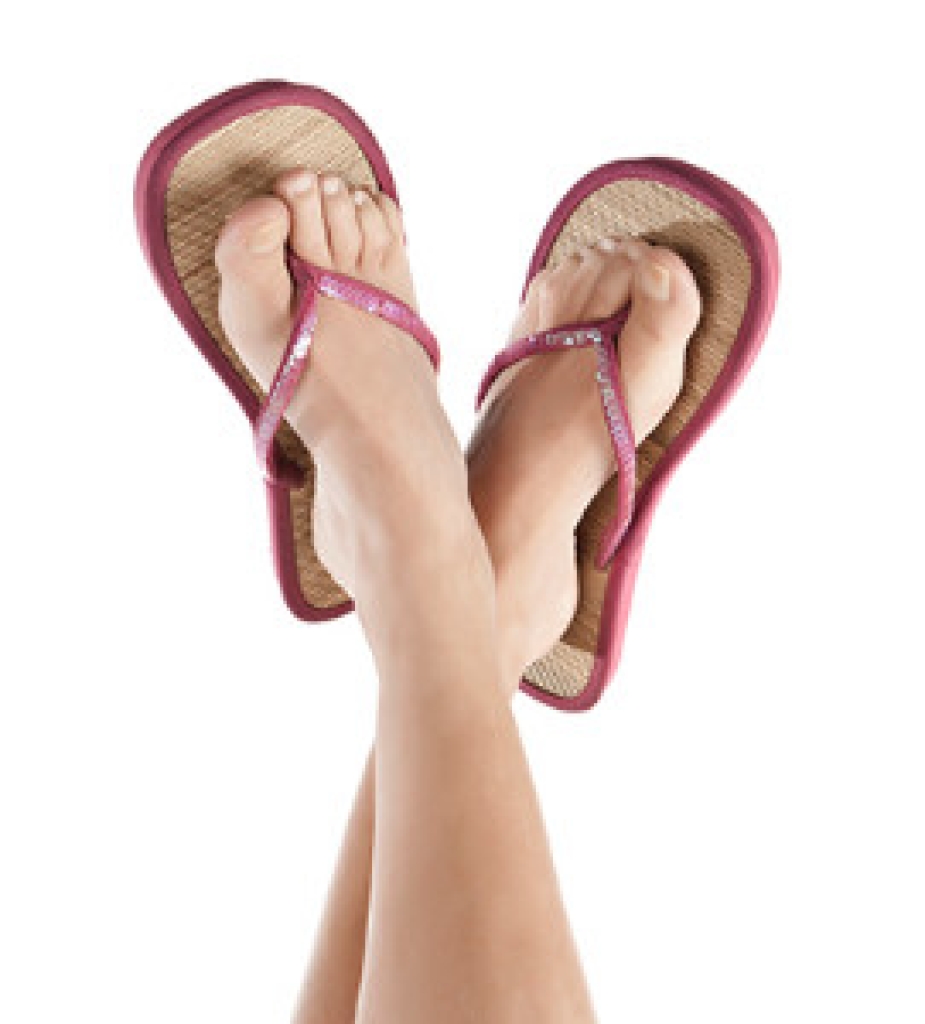
Research has indicated that many flip-flops do not provide adequate support nor shock absorption that the feet need for comfort. The function of flip-flops is to cover the bottom of the feet, but arch support is not present in many of these types of shoes. While flip-flops are being worn, the muscles and ligaments in the feet may change slightly, and this can negatively affect the joints next to them. This can produce a chain effect that may be harmful to the rest of the body. It is suggested to wear flip flops in moderation, or if you are going to be sitting for the majority of the day. If you would like additional information about how flip-flops can affect the feet, it is advised that you schedule a consultation with a podiatrist.

Flip-flops can cause a lot of problems for your feet. If you have any concerns about your feet or ankles, contact one of our podiatrists from APEX Foot & Ankle Center. Our doctors will assist you with all of your foot and ankle needs.

Flip-Flops and Feet

Flip-flops have managed to become a summer essential for a lot of people. While the shoes may be stylish and easy to slip on and off, they can be dangerous to those who wear them too often. These shoes might protect you from fungal infections such as athlete’s foot, but they can also give you foot pain and sprained ankles if you trip while wearing them.

When Are They Okay to Wear?

Flip-flops should only be worn for very short periods of time. They can help protect your feet in places that are crawling with fungi, such as gym locker rooms. Athlete’s foot and plantar warts are two common fungi that flip-flops may help protect your feet against.

Why Are They Bad for My Feet?

These shoes do not offer any arch support, so they are not ideal for everyday use. They also do not provide shock absorption or heel cushioning which can be problematic for your feet. Additionally, you may suffer from glass cuts, puncture wounds, and stubbed toes since they offer little protection for your feet.

More Reasons Why They Are Bad for Your Feet

  • They Slow You Down
  • May Cause Blisters and Calluses
  • Expose Your Feet to Bacteria

If you have any questions, please feel free to contact our offices located in Fort Myers, Shellpoint, and Naples, FL . We offer the newest diagnostic and treatment technologies for all your foot care needs.

Read more about Flipping Out About Flip Flops

What Is a Gout Attack?

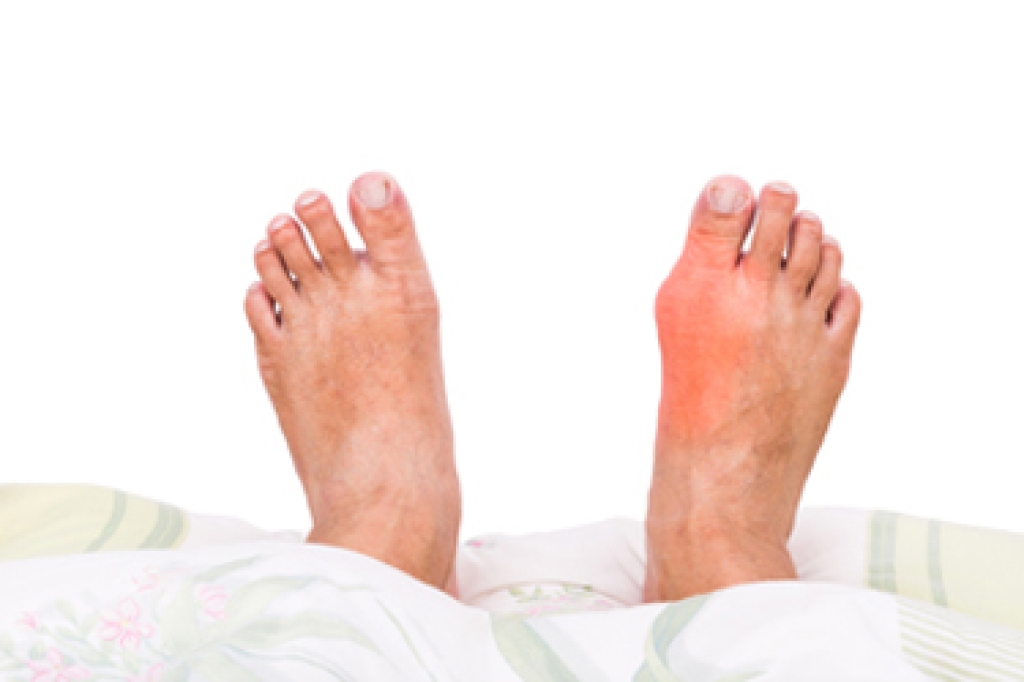
A painful form of arthritis that affects the feet is referred to as gout. It typically affects the joints in the big toe, and occurs as a result of excess uric acid in the bloodstream. The medical term for this is known as hyperuricemia. The symptoms that are associated with this condition often include severe pain and discomfort, swelling, and heat may emanate from the affected area. Research has indicated there can be existing medical conditions that precede the onset of a gout attack. These often include high blood pressure, diabetes, and poor kidney function. This condition may also develop as a result of eating specific foods that have elevated purine levels which include red meat, and seafood. If you have frequent gout flare ups, it is suggested to speak to a podiatrist who can guide you toward proper treatment and preventive measures.

Gout is a painful condition that can be treated. If you are seeking treatment, contact one of our podiatrists from APEX Foot & Ankle Center. Our doctors will treat your foot and ankle needs.

What Is Gout?

Gout is a form of arthritis that is characterized by sudden, severe attacks of pain, redness, and tenderness in the joints. The condition usually affects the joint at the base of the big toe. A gout attack can occur at any random time, such as the middle of the night while you are asleep.

Symptoms

  • Intense Joint Pain - Usually around the large joint of your big toe, and it most severe within the first four to twelve hours
  • Lingering Discomfort - Joint discomfort may last from a few days to a few weeks
  • Inflammation and Redness -Affected joints may become swollen, tender, warm and red
  • Limited Range of Motion - May experience a decrease in joint mobility

Risk Factors

  • Genetics - If family members have gout, you’re more likely to have it
  • Medications - Diuretic medications can raise uric acid levels
  • Gender/Age - Gout is more common in men until the age of 60. It is believed that estrogen protects women until that point
  • Diet - Eating red meat and shellfish increases your risk
  • Alcohol - Having more than two alcoholic drinks per day increases your risk
  • Obesity - Obese people are at a higher risk for gout

Prior to visiting your podiatrist to receive treatment for gout, there are a few things you should do beforehand. If you have gout you should write down your symptoms--including when they started and how often you experience them, important medical information you may have, and any questions you may have. Writing down these three things will help your podiatrist in assessing your specific situation so that he or she may provide the best route of treatment for you.

If you have any questions, please feel free to contact our offices located in Fort Myers, Shellpoint, and Naples, FL . We offer the newest diagnostic and treatment technologies for all your foot care needs.

Read more about Gout

Connect With Us

Advanced Podiatric Procedures & Services in the Fort Myers, FL 33908 and Naples, FL 34110 areas