What Causes Pain in the Ball of the Foot While Running?

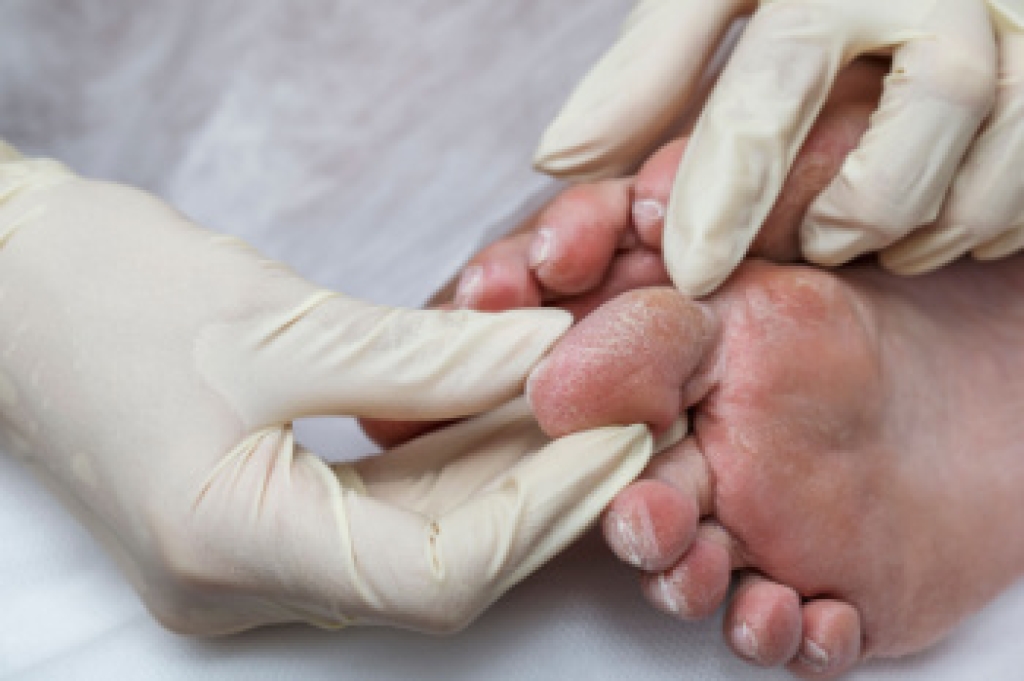
Pain in the ball of the foot while running can be caused by various factors, including soft tissue injuries, bone injuries, and inflammation. Soft tissue injuries, such as strain or sprain of the muscles, tendons, or ligaments, can result in pain and swelling in the ball of the foot. Bone injuries, like metatarsal fractures or stress fractures, often cause sharp, localized pain that worsens with pressure. Inflammation in the area, such as bursitis or plantar metatarsalgia, can also lead to discomfort, with symptoms including swelling, redness, and increased sensitivity. The pain may worsen with activity, especially when running or standing for extended periods. If this type of foot pain is slowing you down while running, it is suggested that you promptly consult a podiatrist who can offer effective relief and treatment solutions.

Foot Pain

Foot pain can be extremely painful and debilitating. If you have a foot pain, consult with one of our podiatrists from APEX Foot & Ankle Center. Our doctors will assess your condition and provide you with quality foot and ankle treatment.

Causes

Foot pain is a very broad condition that could be caused by one or more ailments. The most common include:

  • Bunions
  • Hammertoes
  • Plantar Fasciitis
  • Bone Spurs
  • Corns
  • Tarsal Tunnel Syndrome
  • Ingrown Toenails
  • Arthritis (such as Gout, Rheumatoid, and Osteoarthritis)
  • Flat Feet
  • Injury (from stress fractures, broken toe, foot, ankle, Achilles tendon ruptures, and sprains)
  • And more

Diagnosis

To figure out the cause of foot pain, podiatrists utilize several different methods. This can range from simple visual inspections and sensation tests to X-rays and MRI scans. Prior medical history, family medical history, and any recent physical traumatic events will all be taken into consideration for a proper diagnosis.

Treatment

Treatment depends upon the cause of the foot pain. Whether it is resting, staying off the foot, or having surgery; podiatrists have a number of treatment options available for foot pain.

If you have any questions, please feel free to contact our offices located in Fort Myers, Shellpoint, and Naples, FL . We offer the newest diagnostic and treatment technologies for all your foot care needs.

Read more about Foot Pain

Tinea Pedis Is the Silent Invader

Tinea pedis, commonly known as athlete’s foot, is more than just an itchy nuisance. It is a fungal infection that thrives in warm, damp environments like locker rooms, public showers, and sweaty shoes. Many people do not realize they have it until symptoms like peeling skin, redness, and a burning sensation appear. The infection often starts between the toes but can spread to the soles and even the toenails, if left untreated. Ignoring tinea pedis can lead to chronic infections, cracked skin, and secondary bacterial infections. Prevention is key. Keeping feet dry, wearing breathable shoes, and avoiding walking barefoot in public spaces can reduce the risk. Mild antifungal treatments can help, but persistent or severe cases require medical attention. If symptoms worsen or do not improve, it is suggested that you see a podiatrist for stronger treatments and long-term solutions to keep your feet healthy.

Athlete’s Foot

Athlete’s foot is often an uncomfortable condition to experience. Thankfully, podiatrists specialize in treating athlete’s foot and offer the best treatment options. If you have any questions about athlete’s foot, consult with one of our podiatrists from APEX Foot & Ankle Center. Our doctors will assess your condition and provide you with quality treatment.

What Is Athlete’s Foot?

Tinea pedis, more commonly known as athlete’s foot, is a non-serious and common fungal infection of the foot. Athlete’s foot is contagious and can be contracted by touching someone who has it or infected surfaces. The most common places contaminated by it are public showers, locker rooms, and swimming pools. Once contracted, it grows on feet that are left inside moist, dark, and warm shoes and socks.

Prevention

The most effective ways to prevent athlete’s foot include:

  • Thoroughly washing and drying feet
  • Avoid going barefoot in locker rooms and public showers
  • Using shower shoes in public showers
  • Wearing socks that allow the feet to breathe
  • Changing socks and shoes frequently if you sweat a lot

Symptoms

Athlete’s foot initially occurs as a rash between the toes. However, if left undiagnosed, it can spread to the sides and bottom of the feet, toenails, and if touched by hand, the hands themselves. Symptoms include:

  • Redness
  • Burning
  • Itching
  • Scaly and peeling skin

Diagnosis and Treatment

Diagnosis is quick and easy. Skin samples will be taken and either viewed under a microscope or sent to a lab for testing. Sometimes, a podiatrist can diagnose it based on simply looking at it. Once confirmed, treatment options include oral and topical antifungal medications.

If you have any questions, please feel free to contact our offices located in Fort Myers, Shellpoint, and Naples, FL . We offer the newest diagnostic and treatment technologies for all your foot care needs.
Read more about Athlete's Foot

Causes and Treatment of Corns on the Feet

Corns, or hyperkeratosis, are thickened patches of skin that often develop on the feet due to various factors, with age being a primary contributor. As people age, changes in foot structure, joint alignment, and foot function can lead to altered gait patterns, increasing the risk of corn formation. Ill-fitting socks and shoes are also common causes. Loose socks can cause friction, while tight socks irritate the skin. Shoes that are too tight or too loose, particularly high-heeled or narrow shoes, can create localized pressure, leading to corns. Obesity can affect weight distribution and gait. This leads to foot deformities like flat feet or excessive pronation, which can also predispose individuals to corns. Structural issues like hammertoes or bunions can worsen the problem. Treatment varies based on severity and location. A podiatrist may use debridement to remove thickened skin or perform surgery in more advanced cases. Corticosteroid injections may also help with pain. If you are experiencing corn pain, it is suggested that you make an appointment with a podiatrist for proper care.

Corns can make walking very painful and should be treated immediately. If you have questions regarding your feet and ankles, contact one of our podiatrists of APEX Foot & Ankle Center. Our doctors will treat your foot and ankle needs.

Corns: What Are They? And How Do You Get Rid of Them?
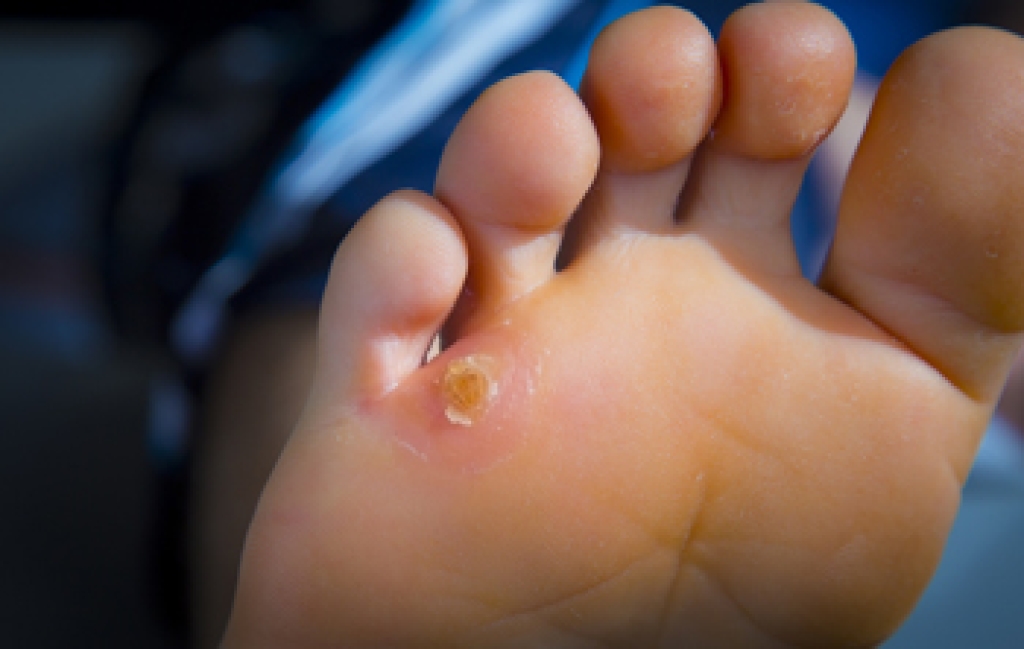
Corns are thickened areas on the skin that can become painful. They are caused by excessive pressure and friction on the skin. Corns press into the deeper layers of the skin and are usually round in shape.

Ways to Prevent Corns
There are many ways to get rid of painful corns such as:

  • Wearing properly fitting shoes that have been measured by a professional
  • Wearing shoes that are not sharply pointed or have high heels
  • Wearing only shoes that offer support

Treating Corns

Although most corns slowly disappear when the friction or pressure stops, this isn’t always the case. Consult with your podiatrist to determine the best treatment option for your case of corns.

If you have any questions, please feel free to contact our offices located in Fort Myers, Shellpoint, and Naples, FL . We offer the newest diagnostic and treatment technologies for all your foot care needs.

Read more about Understanding Corns and Calluses

Wounds That Don't Heal Need to Be Checked

Your feet are covered most of the day. If you're diabetic, periodic screening is important for good health. Numbness is often a sign of diabetic foot and can mask a sore or wound.

Risk Factors of Gout

Gout is a form of arthritis characterized by sudden, intense pain and inflammation in the joints, most commonly affecting the big toe. It occurs when uric acid, a waste product from the breakdown of purines in food, builds up in the blood and forms sharp crystals in the joints. There are several causes of gout, including genetics, obesity, excessive alcohol consumption, and a diet high in purine-rich foods such as red meat and seafood. Certain medical conditions like high blood pressure, diabetes, and kidney disease can also increase the risk. When uric acid crystals accumulate in the joints, they trigger an inflammatory response, leading to swelling, redness, and severe pain. Over time, repeated gout attacks can damage the affected joints, causing long-term issues such as joint deformity and reduced mobility. If you have had one or more gout attacks, it is suggested that you consult a podiatrist who can help you to manage this uncomfortable condition.

Gout is a foot condition that requires certain treatment and care. If you are seeking treatment, contact one of our podiatrists from APEX Foot & Ankle Center. Our doctors will treat your foot and ankle needs.

What Is Gout?

Gout is a type of arthritis caused by a buildup of uric acid in the bloodstream. It often develops in the foot, especially the big toe area, although it can manifest in other parts of the body as well. Gout can make walking and standing very painful and is especially common in diabetics and the obese.

People typically get gout because of a poor diet. Genetic predisposition is also a factor. The children of parents who have had gout frequently have a chance of developing it themselves.

Gout can easily be identified by redness and inflammation of the big toe and the surrounding areas of the foot. Other symptoms include extreme fatigue, joint pain, and running high fevers. Sometimes corticosteroid drugs can be prescribed to treat gout, but the best way to combat this disease is to get more exercise and eat a better diet.

If you have any questions, please feel free to contact our offices located in Fort Myers, Shellpoint, and Naples, FL . We offer the newest diagnostic and treatment technologies for all your foot care needs.

Read more about Everything You Need to Know About Gout

Shower Falls Prevention Tips

Preventing falls in the shower is essential to protect your feet and ankles from injury. Start by ensuring the shower floor is slip-resistant. Use non-slip mats or adhesive strips to improve traction. Installing grab bars inside and outside the shower provides extra stability, especially when entering or exiting. A sturdy shower chair can be helpful for those with balance concerns or limited mobility. Use a handheld showerhead to reduce movement and maintain control while washing. Keep soap and toiletries within easy reach to avoid overextending or bending awkwardly. Good lighting in the bathroom also helps prevent missteps. Regularly inspect the shower area for hazards, such as loose tiles or leaking water. Wearing shower-safe, non-slip footwear adds another layer of safety. If you experience a fall or suspect a foot or ankle injury, it is suggested that you promptly see a podiatrist for evaluation and care.

Preventing falls among the elderly is very important. If you are older and have fallen or fear that you are prone to falling, consult with one of our podiatrists from APEX Foot & Ankle Center. Our doctors will assess your condition and provide you with quality advice and care.

Every 11 seconds, an elderly American is being treated in an emergency room for a fall related injury. Falls are the leading cause of head and hip injuries for those 65 and older. Due to decreases in strength, balance, senses, and lack of awareness, elderly persons are very susceptible to falling. Thankfully, there are a number of things older persons can do to prevent falls.

How to Prevent Falls

Some effective methods that older persons can do to prevent falls include:

  • Enrolling in strength and balance exercise program to increase balance and strength
  • Periodically having your sight and hearing checked
  • Discuss any medications you have with a doctor to see if it increases the risk of falling
  • Clearing the house of falling hazards and installing devices like grab bars and railings
  • Utilizing a walker or cane
  • Wearing shoes that provide good support and cushioning
  • Talking to family members about falling and increasing awareness

Falling can be a traumatic and embarrassing experience for elderly persons; this can make them less willing to leave the house, and less willing to talk to someone about their fears of falling. Doing such things, however, will increase the likelihood of tripping or losing one’s balance. Knowing the causes of falling and how to prevent them is the best way to mitigate the risk of serious injury.  

If you have any questions, please feel free to contact our offices located in Fort Myers, Shellpoint, and Naples, FL . We offer the newest diagnostic and treatment technologies for all your foot care needs.

Read more about Falls Prevention

Circulation Problems and the Feet

Circulation problems in the feet occur when blood flow to the feet, toes, or ankles is restricted due to narrowed arteries. Poor circulation is often the result of atherosclerosis, where plaque builds up in the blood vessels. A result of poor circulation is peripheral arterial disease, or PAD. Patients with PAD may experience symptoms like numbness, tingling, burning sensations, or cramping in the feet or lower legs during activity. Additional signs include cool, pale skin, hair loss on the feet, slow-healing sores, and a diminished pulse. People with diabetes, high cholesterol, high blood pressure, or a history of smoking are at increased risk of developing PAD. A podiatrist can assess your circulation issues through non-invasive tests, such as the ankle-brachial index, or ABI, or a Doppler ultrasound to determine blood flow and identify any blockages. Timely diagnosis and treatment by a podiatrist can help reduce symptoms and prevent complications, like non-healing foot wounds or infections. If you have circulation problems in the feet, it is suggested that you schedule an appointment with a podiatrist for an exam and treatment.

Poor circulation is a serious condition and needs immediate medical attention. If you have any concerns with poor circulation in your feet contact one of our podiatrists of APEX Foot & Ankle Center. Our doctors will treat your foot and ankle needs.

Poor Circulation in the Feet

Poor blood circulation in the feet and legs is can be caused by peripheral artery disease (PAD), which is the result of a buildup of plaque in the arteries.

Plaque buildup or atherosclerosis results from excess calcium and cholesterol in the bloodstream. This can restrict the amount of blood which can flow through the arteries. Poor blood circulation in the feet and legs are sometimes caused by inflammation in the blood vessels, known as vasculitis.

Causes

Lack of oxygen and oxygen from poor blood circulation restricts muscle growth and development. It can also cause:

  • Muscle pain, stiffness, or weakness 
  • Numbness or cramping in the legs
  • Skin discoloration
  • Slower nail & hair growth
  • Erectile dysfunction

Those who have diabetes or smoke are at greatest risk for poor circulation, as are those who are over 50. If you have poor circulation in the feet and legs it may be caused by PAD and is important to make changes to your lifestyle in order to reduce risk of getting a heart attack or stroke. Exercise and maintaining a healthy lifestyle will dramatically improve conditions.

As always, see a podiatrist as he or she will assist in finding a regimen that suits you. A podiatrist can also prescribe you any needed medication. 

If you have any questions, please feel free to contact our offices located in Fort Myers, Shellpoint, and Naples, FL . We offer the newest diagnostic and treatment technologies for all your foot care needs.

Read more about Causes Symptoms and Treatment for Poor Circulation in the Feet

The Dangers of Wearing Worn Out Running Shoes

Wearing worn-out running shoes can lead to foot, toe, and ankle problems as a result of inadequate support and cushioning. Over time, the foam and tread in running shoes degrades, reducing their ability to absorb shock and stabilize the foot. This can increase pressure on the arches, contribute to overpronation or underpronation, and lead to conditions like arch pain or Achilles tendon discomfort. Signs of wear include new foot pain, flattened midsoles, or uneven tread patterns. For runners with flat feet or for those who overpronate, worn out shoes can aggravate these structural issues, increasing the risk of foot and other injuries. Experts suggest that active runners replace their shoes every 300 to 500 miles, or approximately every six months. A podiatrist can assess a runner’s foot alignment, gait, and running habits to help them choose appropriate footwear and reduce injury risks. If you are experiencing foot pain after running, it is suggested that you schedule an appointment with a podiatrist for an exam, diagnosis, and treatment options.

All runners should take extra precaution when trying to avoid injury. If you have any concerns about your feet, contact one of our podiatrists of APEX Foot & Ankle Center. Our doctors will treat your foot and ankle needs.

How to Prevent Running Injuries

There are a lot of mistakes a runner can make prior to a workout that can induce injury. A lot of athletes tend to overstretch before running, instead of saving those workouts for a post-run routine. Deep lunges and hand-to-toe hamstring pulls should be performed after a workout instead of during a warmup. Another common mistake is jumping into an intense routine before your body is physically prepared for it. You should try to ease your way into long-distance running instead of forcing yourself to rush into it.

More Tips for Preventing Injury

  • Incorporate Strength Training into Workouts - This will help improve the body’s overall athleticism
  • Improve and Maintain Your Flexibility – Stretching everyday will help improve overall performance
  • “Warm Up” Before Running and “Cool Down” Afterward – A warm up of 5-10 minutes helps get rid of lactic acid in the muscles and prevents delayed muscle soreness
  • Cross-Training is Crucial
  • Wear Proper Running Shoes
  • Have a Formal Gait Analysis – Poor biomechanics can easily cause injury

If you have any questions, please feel free to contact our offices located in Fort Myers, Shellpoint, and Naples, FL . We offer the newest diagnostic and treatment technologies for all your foot care needs.

Read more about How to Prevent Running Injuries

Understanding Toenail Fungus

Toenail fungus is a common condition that causes thickened, discolored, and brittle nails. It typically begins as a white or yellow spot under the tip of the nail and can spread, making the nail appear distorted. The main cause of toenail fungus is fungi that thrive in warm, moist environments like sweaty socks, damp shoes, or public areas such as swimming pools or showers. Sharing personal items, like nail clippers or towels, can also increase the risk of infection. Treatment for toenail fungus often includes antifungal medications, either topical or oral, to clear the infection. In some cases, a podiatrist may recommend laser treatment or, in severe instances, partial removal of the affected nail. Because toenail fungus can be persistent and difficult to treat on your own, visiting a podiatrist ensures proper diagnosis and effective treatment. If you are dealing with toenail fungus, it is suggested that you make an appointment with a podiatrist.

If left untreated, toenail fungus may spread to other toenails, skin, or even fingernails. If you suspect you have toenail fungus it is important to seek treatment right away. For more information about treatment, contact one of our podiatrists of APEX Foot & Ankle Center. Our doctors can provide the care you need to keep you pain-free and on your feet.

Symptoms

  • Warped or oddly shaped nails
  • Yellowish nails
  • Loose/separated nail
  • Buildup of bits and pieces of nail fragments under the nail
  • Brittle, broken, thickened nail

Treatment

If self-care strategies and over-the-counter medications does not help your fungus, your podiatrist may give you a prescription drug instead. Even if you find relief from your toenail fungus symptoms, you may experience a repeat infection in the future.

Prevention

In order to prevent getting toenail fungus in the future, you should always make sure to wash your feet with soap and water. After washing, it is important to dry your feet thoroughly especially in between the toes. When trimming your toenails, be sure to trim straight across instead of in a rounded shape. It is crucial not to cover up discolored nails with nail polish because that will prevent your nail from being able to “breathe”.

In some cases, surgical procedure may be needed to remove the toenail fungus. Consult with your podiatrist about the best treatment options for your case of toenail fungus.  

If you have any questions please contact our offices located in Fort Myers, Shellpoint, and Naples, FL . We offer the newest diagnostic and treatment technologies for all your foot and ankle needs.

Read more about Toenail Fungus

It's Time for Beautiful Feet

You don't need an excuse to have beautiful nails. Step outside without worrying about the appearance of your feet.

Connect With Us

Advanced Podiatric Procedures & Services in the Fort Myers, FL 33908 and Naples, FL 34110 areas