
What Should I Do if My Child Is Limping?

Seeing your child have difficulty walking can be alarming. If you’ve noticed your child limping, you should first ask them if they have recently injured their leg or foot or stood on something sharp. Inspect their feet for any blisters, cuts, or wounds. If your child reports an injury and can’t put weight on the affected leg, or if you see a wound, you should seek medical care. If there is no readily apparent cause for the limping, it may be due to an underlying medical condition. There are many health problems that could lead to limping, such as juvenile arthritis. To learn more about what to do if your child is limping, please consult with a podiatrist.  

Making sure that your children maintain good foot health is very important as they grow. If you have any questions, contact one of our podiatrists of APEX Foot & Ankle Center. Our doctors can provide the care you need to keep you pain-free and on your feet.

Keeping Children's Feet Healthy

Having healthy feet during childhood can help prevent medical problems later in life, namely in the back and legs. As children grow, their feet require different types of care. Here are some things to consider...

Although babies do not walk yet, it is still very important to take care of their feet.

Avoid putting tight shoes or socks on his or her feet.

Allow the baby to stretch and kick his or her feet to feel comfortable.

As a toddler, kids are now on the move and begin to develop differently. At this age, toddlers are getting a feel for walking, so don’t be alarmed if your toddler is unsteady or ‘walks funny’. 

As your child gets older, it is important to teach them how to take care of their feet.

Show them proper hygiene to prevent infections such as fungus.

Be watchful for any pain or injury.

Have all injuries checked by a doctor as soon as possible.

Comfortable, protective shoes should always be worn, especially at play.

If you have any questions, please feel free to contact our offices located in Fort Myers, Shellpoint, and Naples, FL . We offer the newest diagnostic and treatment technologies for all your foot care needs.
Read more about How to Care for Your Child's Feet

Why Is My Child Experiencing Heel Pain?

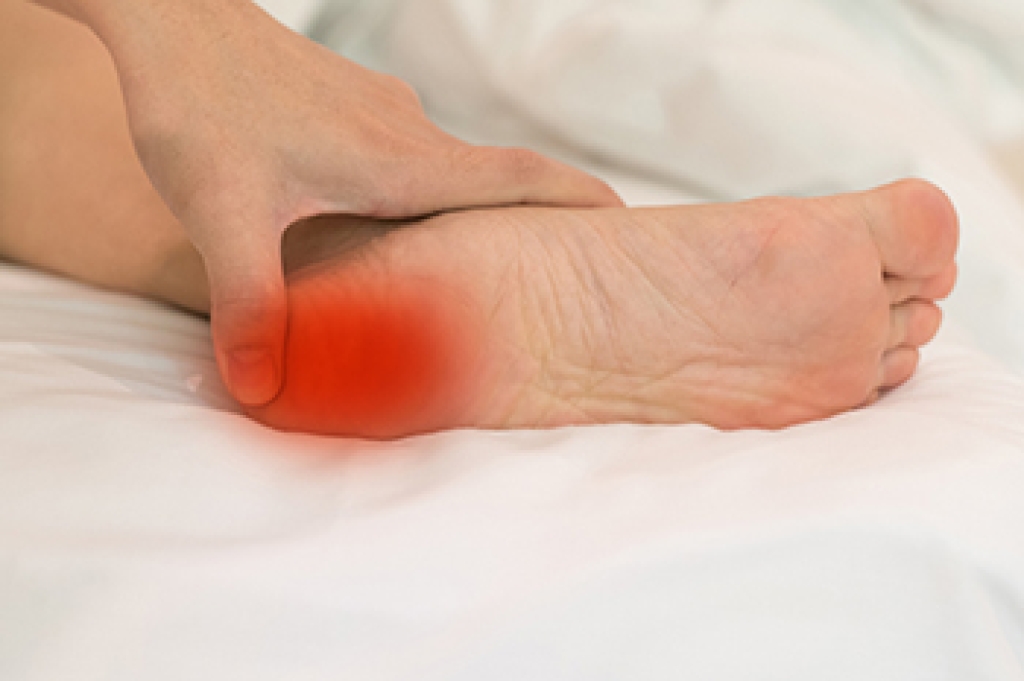
Sever’s disease is a common heel pain condition that often affects children between the ages of 9 and 13 who are particularly athletic and involved in sports like soccer, gymnastics, baseball, basketball, and football. It is a result of the bones in the calves growing faster than the Achilles tendon (which connects the calf muscle to the heel). When this happens, the tendon tightens, which can result in a sore or swollen heel. The most common sign of Sever’s disease is heel pain that develops slowly and gets worse with activity. The pain will usually subside with rest and it is not typically present during low impact sports like swimming or cycling. If your child complains of heel pain, consulting with a podiatrist for a proper diagnosis is suggested.

Sever's disease often occurs in children and teens. If your child is experiencing foot or ankle pain, see one of our podiatrists from APEX Foot & Ankle Center. Our doctors can treat your child’s foot and ankle needs.

Sever’s Disease

Sever’s disease is also known as calcaneal apophysitis, which is a medical condition that causes heel pain I none or both feet. The disease is known to affect children between the ages of 8 and 14.

Sever’s disease occurs when part of the child’s heel known as the growth plate (calcaneal epiphysis) is attached to the Achilles tendon. This area can suffer injury when the muscles and tendons of the growing foot do not keep pace with bone growth. Therefore, the constant pain which one experiences at the back of the heel will make the child unable to put any weight on the heel. The child is then forced to walk on their toes.

Symptoms

Acute pain – Pain associated with Sever’s disease is usually felt in the heel when the child engages in physical activity such as walking, jumping and or running.

Highly active – Children who are very active are among the most susceptible in experiencing Sever’s disease, because of the stress and tension placed on their feet.

If you have any questions, please feel free to contact our offices located in Fort Myers, Shellpoint, and Naples, FL . We offer the newest diagnostic and treatment technologies for all your foot care needs.
Read more about Sever's Disease

Are Bunions Affecting Your Everyday Life?

Have you noticed a bony protrusion on the side of your big toe? If so, you may have developed the foot condition known as a bunion. Don't let bunions interfere with your daily activities.

The Basics of Diabetic Foot Care

Although diabetes is known primarily for affecting blood sugar, it has cascading effects on every part of the body, including the feet. People with diabetes need to be extra attentive to the health of their feet because diabetes can impair circulation and nerve function in the feet, leading to an increased risk of developing poorly healing foot wounds. When washing the feet, use a gentle soap and lukewarm water, then dry your feet thoroughly, particularly between the toes. Moisturize the tops and bottoms of your feet (but not the toes) to prevent dry skin, and see a podiatrist if you have corns, calluses, cracked heels, or other skin problems. Trim your toenails straight across and not too short to prevent ingrown toenails. Finally, inspect the feet daily for any unusual sensations or changes in appearance, such as new or worsening cuts, scrapes, sores, or discoloration. If you notice anything amiss, please see a podiatrist for treatment as soon as possible. 

Diabetic foot care is important in preventing foot ailments such as ulcers. If you are suffering from diabetes or have any other concerns about your feet, contact one of our podiatrists from APEX Foot & Ankle Center. Our doctors can provide the care you need to keep you pain-free and on your feet.

Diabetic Foot Care

Diabetes affects millions of people every year. The condition can damage blood vessels in many parts of the body, especially the feet. Because of this, taking care of your feet is essential if you have diabetes, and having a podiatrist help monitor your foot health is highly recommended.

The Importance of Caring for Your Feet

  • Routinely inspect your feet for bruises or sores.
  • Wear socks that fit your feet comfortably.
  • Wear comfortable shoes that provide adequate support.

Patients with diabetes should have their doctor monitor their blood levels, as blood sugar levels play such a huge role in diabetic care. Monitoring these levels on a regular basis is highly advised.

It is always best to inform your healthcare professional of any concerns you may have regarding your feet, especially for diabetic patients. Early treatment and routine foot examinations are keys to maintaining proper health, especially because severe complications can arise if proper treatment is not applied.

If you have any questions, please feel free to contact our offices located in Fort Myers, Shellpoint, and Naples, FL . We offer the newest diagnostic and treatment technologies for all your foot care needs.

Read more about Diabetic Foot Care

Why Daily Foot Care Matters During the Summer

Summer is no time for a vacation from foot care. Daily foot hygiene can help combat warmer, more humid weather and the dangers of exposing more of your feet to the elements. If you wear sandals, forego flip flops for more supportive sandals to avoid heel and arch pain. Be sure to wash your feet thoroughly after a day of wearing sandals to remove any germs they may have been exposed to. Choose shoes that fit well and don’t cause friction that can lead to blisters. Instead of bursting a blister that may develop, clean and then cover it with a bandage to allow it to heal on its own. Whatever shoes you wear, air them out between uses to keep foot fungus at bay. Keep yourself hydrated to help prevent swollen feet and ankles and moisturize your feet at night to keep your heels from drying out and cracking. Don’t forget to put sunscreen on the tops of your feet to avoid sunburns. Finally, check your feet regularly and contact a podiatrist if you have any questions or notice anything unusual or uncomfortable.

Everyday foot care is very important to prevent infection and other foot ailments. If you need your feet checked, contact one of our podiatrists from APEX Foot & Ankle Center. Our doctors can provide the care you need to keep you pain-free and on your feet.

Everyday Foot Care

Often, people take care of their bodies, face and hair more so than they do for their feet. But the feet are a very important aspect of our bodies, and one that we should pay more attention to. Without our feet, we would not be able to perform most daily tasks.

It is best to check your feet regularly to make sure there are no new bruises or cuts that you may not have noticed before. For dry feet, moisturizer can easily be a remedy and can be applied as often as necessary to the affected areas. Wearing shoes that fit well can also help you maintain good foot health, as well as making it easier to walk and do daily activities without the stress or pain of ill-fitting shoes, high heels, or even flip flops. Wearing clean socks with closed shoes is important to ensure that sweat and bacteria do not accumulate within the shoe. Clean socks help to prevent Athlete’s foot, fungi problems, bad odors, and can absorb sweat.

If you have any questions, please feel free to contact our offices located in Fort Myers, Shellpoint, and Naples, FL . We offer the newest diagnostic and treatment technologies for all your foot care needs.
Read more about Every Day Foot Care

When Walking Normally Is No Easy Feat

Walking may not seem to be a complex activity, however, several body functions, structures, and systems need to work together seamlessly to allow a person to walk normally. A person’s gait (way of walking) can be affected by genetic factors, injuries, physical abnormalities or conditions affecting the feet and legs, illnesses, inner ear problems, and age. These abnormal gait patterns may be temporary or permanent, usually falling into one of five categories. When someone drags their feet, or looks stiff while walking, this can indicate a spastic gait. When legs bend inwardly or hit each other during walking, this is known as a scissors gait. If a person’s toes scrape against or point towards the ground, they may have a steppage gait. Moving from side-to-side with short steps is indicative of a waddling gait. A propulsive gait is walking with a stooping, stiff posture, with the head and neck pushed forward. Using state-of-the-art technology, a podiatrist can perform a biomechanical assessment and gait analysis. Custom orthotics and other methods can be used to help improve feet function and ease any associated pain—including treating any underlying foot condition.

If you are having discomfort in your feet and would like to try orthotics, contact one of our podiatrists from APEX Foot & Ankle Center. Our doctors can provide the care you need to keep you pain-free and on your feet.

What Are Orthotics?

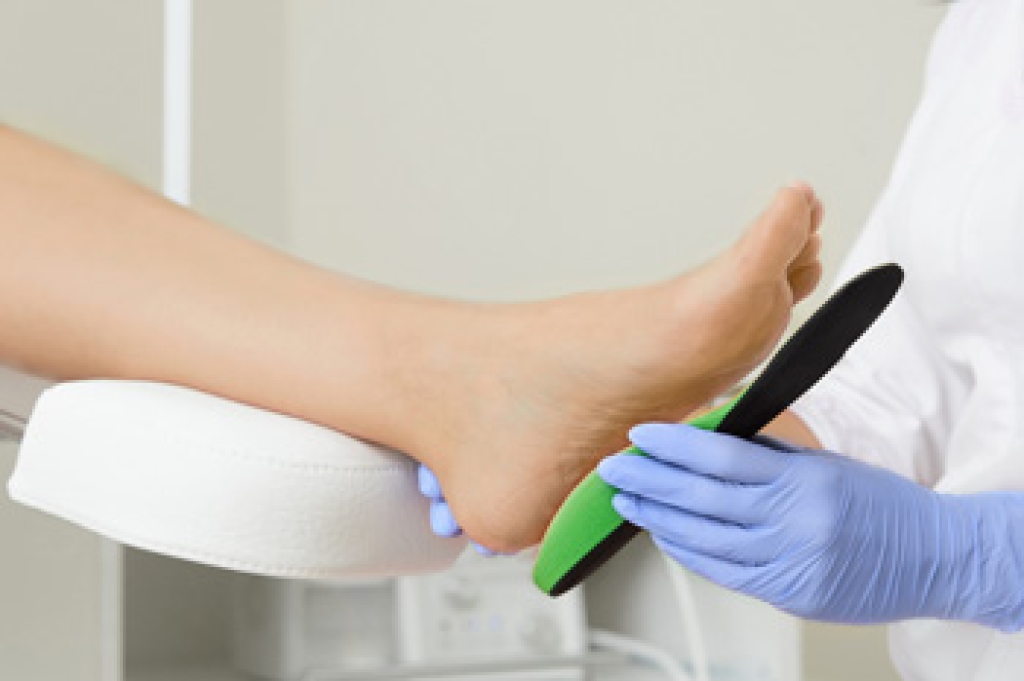
Orthotics are inserts you can place into your shoes to help with a variety of foot problems such as flat feet or foot pain. Orthotics provide relief and comfort for minor foot and heel pain but can’t correct serious biomechanical problems in your feet.

Over-the-Counter Inserts

Orthotics come in a wide variety of over-the-counter inserts that are used to treat foot pain, heel pain, and minor problems. For example, arch supports can be inserted into your shoes to help correct overarched or flat feet, while gel insoles are often used because they provide comfort and relief from foot and heel pain by alleviating pressure.

Prescription Orthotics

If over-the-counter inserts don’t work for you or if you have a more severe foot concern, it is possible to have your podiatrist prescribe custom orthotics. These high-quality inserts are designed to treat problems such as abnormal motion, plantar fasciitis, and severe forms of heel pain. They can even be used to help patients suffering from diabetes by treating foot ulcers and painful calluses and are usually molded to your feet individually, which allows them to provide full support and comfort.

If you are experiencing minor to severe foot or heel pain, it’s recommended to speak with your podiatrist about the possibilities of using orthotics. A podiatrist can determine which type of orthotic is right for you and allow you to take the first steps towards being pain-free.

If you have any questions, please feel free to contact our offices located in Fort Myers, Shellpoint, and Naples, FL . We offer the newest diagnostic and treatment technologies for all your foot care needs.
Read more about Ankle Foot Orthotics for Athletes

What Does a Bunion Look Like?

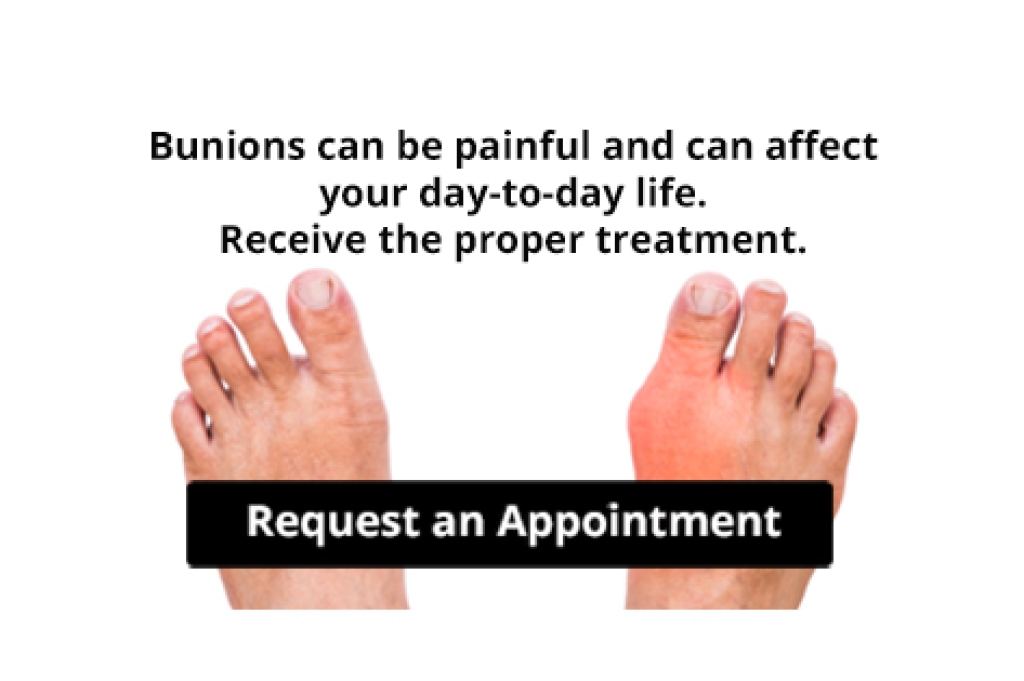
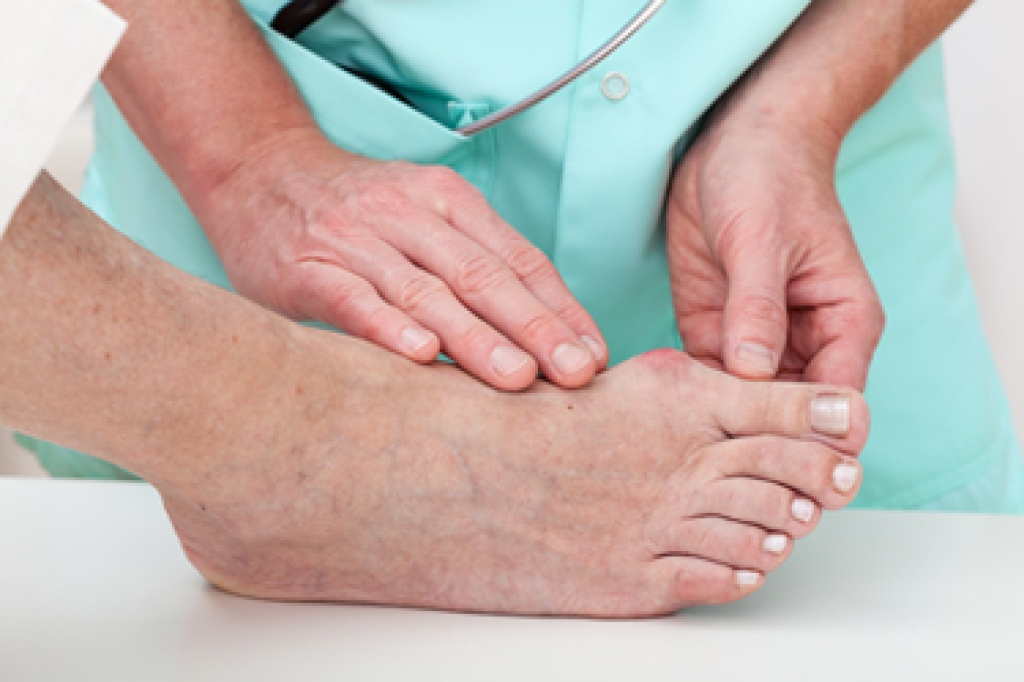
A bunion is a bony bump located on the outside of the big toe. The bump may be swollen, red, and irritated due to friction as it rubs against your shoes. Bunions deform the feet, making the first metatarsal foot bone stick out and causing the big toe to point towards the other toes. Thick, hardened skin or calluses often form on the second toe and underneath the big toe. A bunion can also make it difficult to find comfortable shoes, as they change the structure of the feet. They can also cause pain and discomfort while walking or standing. Bunions tend to get worse without treatment, so if you have bunions, it is suggested that you seek the care of a podiatrist to stop or slow their progression and get the right treatment for you.

If you are suffering from bunion pain, contact one of our podiatrists of APEX Foot & Ankle Center. Our doctors can provide the care you need to keep you pain-free and on your feet.

What Is a Bunion?

Bunions are painful bony bumps that usually develop on the inside of the foot at the joint of the big toe. As the deformity increases over time, it may become painful to walk and wear shoes. Women are more likely to exacerbate existing bunions since they often wear tight, narrow shoes that shift their toes together. Bunion pain can be relieved by wearing wider shoes with enough room for the toes.

Causes

  • Genetics – some people inherit feet that are more prone to bunion development
  • Inflammatory Conditions - rheumatoid arthritis and polio may cause bunion development

Symptoms

  • Redness and inflammation
  • Pain and tenderness
  • Callus or corns on the bump
  • Restricted motion in the big toe

In order to diagnose your bunion, your podiatrist may ask about your medical history, symptoms, and general health. Your doctor might also order an x-ray to take a closer look at your feet. Nonsurgical treatment options include orthotics, padding, icing, changes in footwear, and medication. If nonsurgical treatments don’t alleviate your bunion pain, surgery may be necessary.

If you have any questions, please feel free to contact our offices located in Fort Myers, Shellpoint, and Naples, FL . We offer the newest diagnostic and treatment technologies for all your foot care needs.

Read more about What Are Bunions?

Are You Suffering From Ingrown Toenails?

If left untreated, an ingrown toenail can lead to more serious concerns, such as an infection. Knowing proper nail care can help in the prevention of an ingrown toenail. Give us a call, and get treated!

Painful Conditions of the Inner Foot

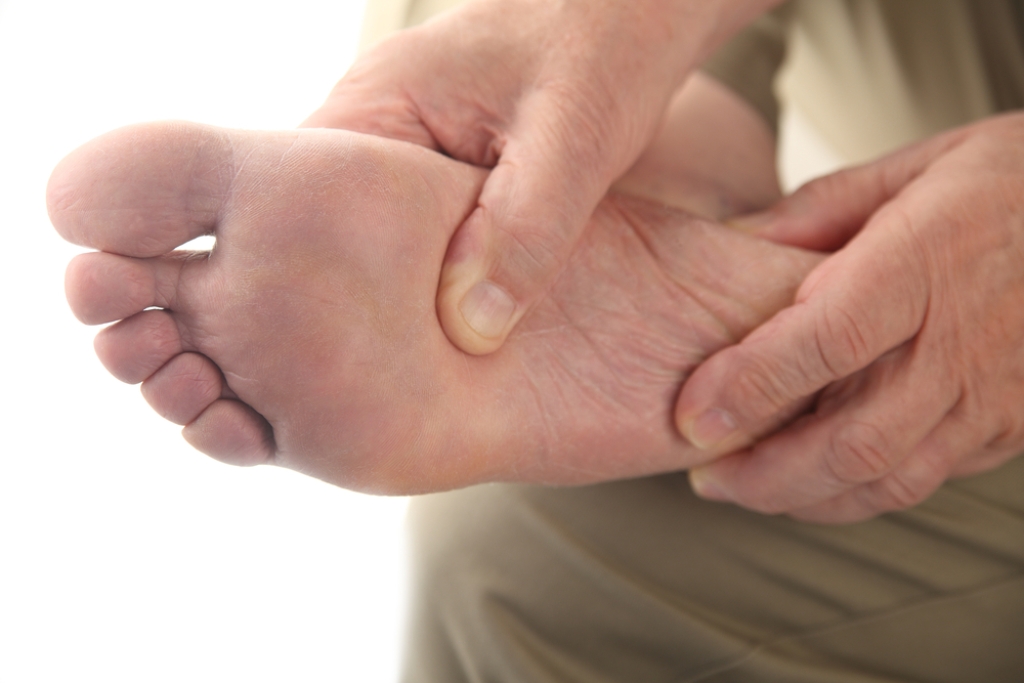
There are many painful conditions that can develop in a variety of areas on the feet. Where the pain is felt can indicate what is causing the pain. One common and well known painful condition is a bunion, which causes the joint of the big toe to become swollen and points the big toe towards the smaller toes. Another common painful injury is an abductor hallucis strain. This occurs when the abductor hallucis muscle, which runs from the heel to the big toe, gets strained or torn, leading to pain and tenderness in the area. Yet another well known injury, a medial calcaneal nerve entrapment, can lead to a burning and tender sensation along the inside of the foot, similar to tarsal tunnel syndrome. Because of the variety of injuries that can lead to foot pain, patients who are suffering from foot pain should consult with a podiatrist for a proper diagnosis.

Foot Pain

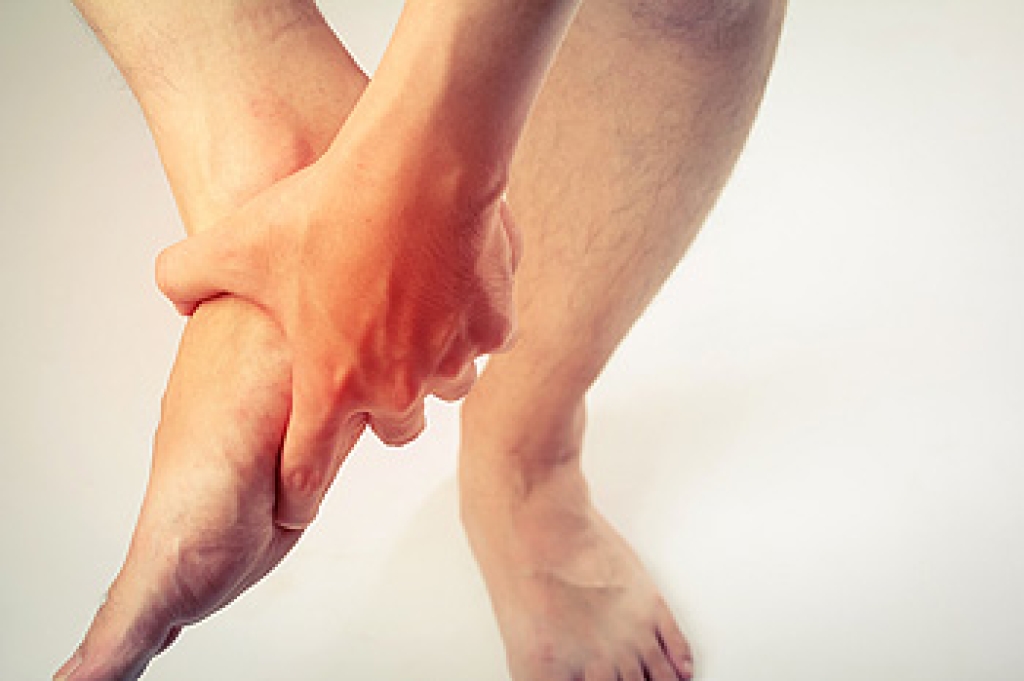
Foot pain can be extremely painful and debilitating. If you have a foot pain, consult with one of our podiatrists from APEX Foot & Ankle Center. Our doctors will assess your condition and provide you with quality foot and ankle treatment.

Causes

Foot pain is a very broad condition that could be caused by one or more ailments. The most common include:

  • Bunions
  • Hammertoes
  • Plantar Fasciitis
  • Bone Spurs
  • Corns
  • Tarsal Tunnel Syndrome
  • Ingrown Toenails
  • Arthritis (such as Gout, Rheumatoid, and Osteoarthritis)
  • Flat Feet
  • Injury (from stress fractures, broken toe, foot, ankle, Achilles tendon ruptures, and sprains)
  • And more

Diagnosis

To figure out the cause of foot pain, podiatrists utilize several different methods. This can range from simple visual inspections and sensation tests to X-rays and MRI scans. Prior medical history, family medical history, and any recent physical traumatic events will all be taken into consideration for a proper diagnosis.

Treatment

Treatment depends upon the cause of the foot pain. Whether it is resting, staying off the foot, or having surgery; podiatrists have a number of treatment options available for foot pain.

If you have any questions, please feel free to contact our offices located in Fort Myers, Shellpoint, and Naples, FL . We offer the newest diagnostic and treatment technologies for all your foot care needs.
Read more about Foot Pain

A Disease That Can Affect Children's Foot Health

One of the medical conditions that children can suffer from is known as hand-foot-mouth disease. This is a viral infection, and often appears in the summer and fall. The symptoms many children experience include blisters that can form on the mouth, soles of the feet, and the palm of the hands. Additionally, some children may begin to cough, and can develop a fever. It is considered to be contagious, and can spread from sneezing, coughing, or talking. It is recommended that the child refrains from school activities until all signs of this condition are gone. If your child has a foot rash, it is strongly suggested that you seek the counsel of a podiatrist who can determine the cause.

The health of a child’s feet is vital to their overall well-being. If you have any questions regarding foot health, contact one of our podiatrists of APEX Foot & Ankle Center. Our doctors can provide the care you need to keep you pain-free and on your feet.

Tips for Keeping Children's Feet Healthy

  • Make sure their shoes fit properly
  • Look for any signs of in-toeing or out-toeing
  • Check to see if they have Clubfoot (condition that affects your child’s foot and ankle, twisting the heel and toes inward) which is one of the most common nonmajor birth defects.
  • Lightly cover your baby’s feet (Tight covers may keep your baby from moving their feet freely, and could prevent normal development)
  • Allow your toddler to go shoeless (Shoes can be restricting for a young child’s foot)
  • Cut toenails straight across to avoid ingrown toenails
  • Keep your child’s foot clean and dry
  • Cover cuts and scrapes. Wash any scratches with soap and water and cover them with a bandage until they’ve healed.

If you have any questions, please feel free to contact our offices located in Fort Myers, Shellpoint, and Naples, FL . We offer the newest diagnostic and treatment technologies for all your foot care needs.

Read more about What to Do to Keep Your Child’s Feet Healthy

Connect With Us

Advanced Podiatric Procedures & Services in the Fort Myers, FL 33908 and Naples, FL 34110 areas