
How to Properly Cut Your Toenails and Avoid Ingrown Toenails

While it may seem obvious how to clip your toenails, many people clip them the wrong way. Clipping your toenails improperly can cause the nail to become ingrown. While generally not serious, it can cause pain and discomfort. If you are a diabetic, an ingrown toenail can be a serious health risk, and it is advised to see a podiatrist if you have one. To help prevent ingrown toenails, cut them straight across and not as a rounded edge. Furthermore, do not clip them too short as this can also increase the risk of an ingrown toenail. Lastly, wearing shoes that don’t press against your toenails can help prevent the nail from becoming compressed and ingrown.

Ingrown toenails can become painful if they are not treated properly. For more information about ingrown toenails, contact one of our podiatrists of APEX Foot & Ankle Center. Our doctors can provide the care you need to keep you pain-free and on your feet.

Ingrown Toenails

Ingrown toenails occur when a toenail grows sideways into the bed of the nail, causing pain, swelling, and possibly infection.

Causes

  • Bacterial infections
  • Improper nail cutting such as cutting it too short or not straight across
  • Trauma to the toe, such as stubbing, which causes the nail to grow back irregularly
  • Ill-fitting shoes that bunch the toes too close together
  • Genetic predisposition

Prevention

Because ingrown toenails are not something found outside of shoe-wearing cultures, going barefoot as often as possible will decrease the likeliness of developing ingrown toenails. Wearing proper fitting shoes and using proper cutting techniques will also help decrease your risk of developing ingrown toenails.

Treatment

Ingrown toenails are a very treatable foot condition. In minor cases, soaking the affected area in salt or antibacterial soaps will not only help with the ingrown nail itself, but also help prevent any infections from occurring. In more severe cases, surgery is an option. In either case, speaking to your podiatrist about this condition will help you get a better understanding of specific treatment options that are right for you.

If you have any questions, please feel free to contact our offices located in Fort Myers, Shellpoint, and Naples, FL . We offer the newest diagnostic and treatment technologies for all your foot care needs.
Read more about Ingrown Toenail Care

Bunions and How They are Treated

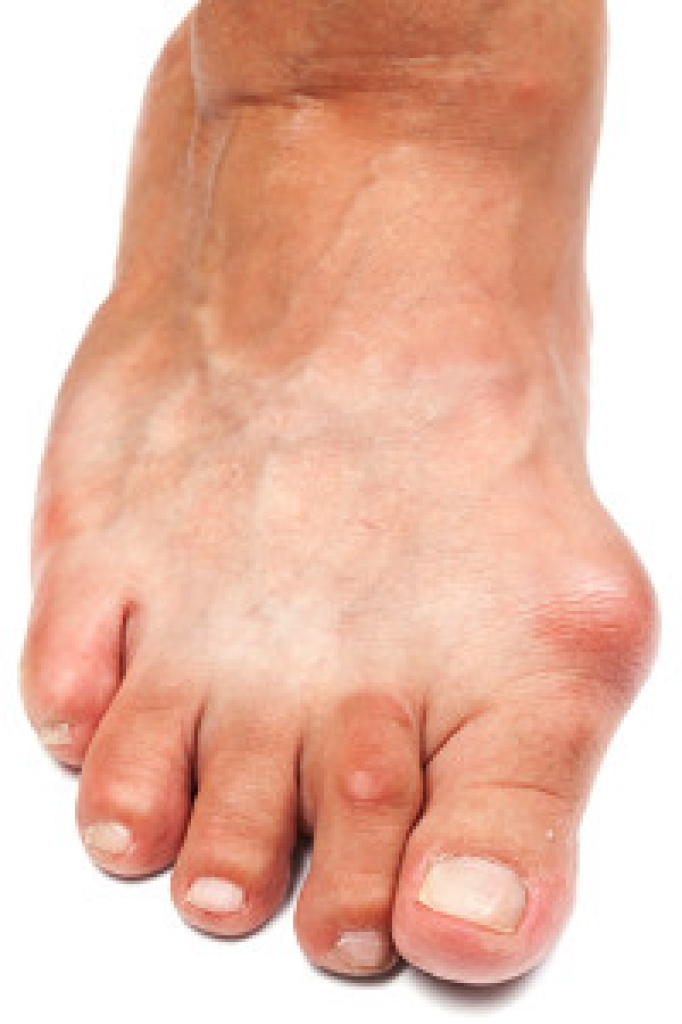
A bunion is a deformity that occurs on the joint at the base of the big toe. Though the exact cause of bunions is somewhat disputed, wearing tight fitting shoes and genetics tend to play a role in the development and exacerbation of them. Common symptoms that are usually associated with bunions include swelling, soreness, pain, and redness around the joint and bump. Bunions can become worse over time, and poorly-supportive footwear, like high heels, have been associated with worsening them. It is recommended to see a podiatrist when you notice a bunion forming even when it does not cause pain. If you have a bunion that is causing you pain, you should see one right away. A podiatrist will generally offer non-surgical options first if the bunion is not severe. These include bunion pads to relieve pressure off the bunion, pain and anti-inflammatory medication, and suggesting roomier shoes. If the pain continues or worsens and all non-surgical options have failed, surgery may be considered.

If you are suffering from bunions, contact one of our podiatrists of APEX Foot & Ankle Center. Our doctors can provide the care you need to keep you pain-free and on your feet.

What Is a Bunion?

A bunion is formed of swollen tissue or an enlargement of boney growth, usually located at the base joint of the toe that connects to the foot. The swelling occurs due to the bones in the big toe shifting inward, which impacts the other toes of the foot. This causes the area around the base of the big toe to become inflamed and painful.

Why Do Bunions Form?

Genetics – Susceptibility to bunions are often hereditary

Stress on the feet – Poorly fitted and uncomfortable footwear that places stress on feet, such as heels, can worsen existing bunions

How Are Bunions Diagnosed?

Podiatrists often perform two tests – blood tests and x-rays – when trying to diagnose bunions, especially in the early stages of development. Blood tests help determine if the foot pain is being caused by something else, such as arthritis, while x-rays provide a clear picture of your bone structure to your provider.

How Are Bunions Treated?

  • Refrain from wearing heels or similar shoes that cause discomfort
  • Select wider shoes that can provide more comfort and reduce pain
  • Anti-inflammatory and pain management drugs
  • Orthotics or foot inserts
  • Surgery

If you have any questions, please feel free to contact our offices located in Fort Myers, Shellpoint, and Naples, FL . We offer the newest diagnostic and treatment technologies for all your foot care needs.
Read more about Bunions

What is Rheumatoid Arthritis?

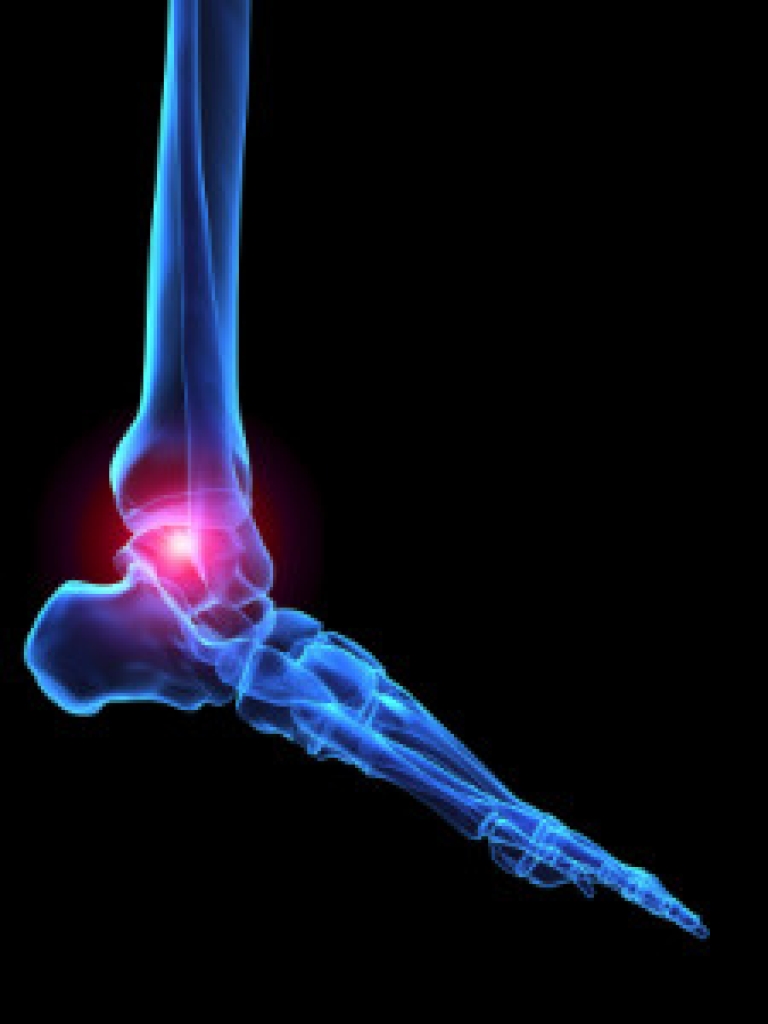
Rheumatoid arthritis is a disorder and form of arthritis in which the body’s immune system attacks the lining of the joints. This can cause pain and inflammation and over time can damage the joints and bone. Rheumatoid arthritis can occur in any joint in the body but often occurs in the hands, wrists, and feet. Symptoms include pain, stiffness, and inflammation. Other symptoms can include fatigue, numbness, fever, sweating, and weight loss. These symptoms can often come and go and can last for days or weeks. There is currently no cure for rheumatoid arthritis; however seeing a doctor, such as a podiatrist, if you are experiencing pain in your feet can help provide a diagnosis and treatment. Treatment options may include therapy, medication, and, in some cases, surgery.

Because RA affects more than just your joints, including the joints in your feet and ankles, it is important to seek early diagnosis from your podiatrist if you feel like the pain in your feet might be caused by RA. For more information, contact one of our podiatrists of APEX Foot & Ankle Center. Our doctors will assist you with all of your podiatric concerns.

What Is Rheumatoid Arthritis?

Rheumatoid Arthritis (RA) is an autoimmune disorder in which the body’s own immune system attacks the membranes surrounding the joints. Inflammation of the lining and eventually the destruction of the joint’s cartilage and bone occur, causing severe pain and immobility.

Rheumatoid Arthritis of the Feet

Although RA usually attacks multiple bones and joints throughout the entire body, almost 90 percent of cases result in pain in the foot or ankle area.

Symptoms

  • Swelling and pain in the feet
  • Stiffness in the feet
  • Pain on the ball or sole of feet
  • Joint shift and deformation

Diagnosis

Quick diagnosis of RA in the feet is important so that the podiatrist can treat the area effectively. Your doctor will ask you about your medical history, occupation, and lifestyle to determine the origin of the condition. Rheumatoid Factor tests help to determine if someone is affected by the disease.

If you have any questions, please feel free to contact our offices located in Fort Myers, Shellpoint, and Naples, FL . We offer the newest diagnostic and treatment technologies for all your foot care needs.

Read more about Rheumatoid Arthritis in the Feet

What is Tarsal Tunnel Syndrome?

Tarsal tunnel syndrome is a condition in which the posterior tibial nerve in the tarsal tunnel becomes pinched or compressed. This causes a number of symptoms including burning and shooting pain, a pins and needles sensation, numbness, and tightness in the foot. There are several reasons why the nerve could become compressed, which include bony prominences, bone spurs, abnormal heel position, and the swelling of tendons in the tarsal tunnel. Due to the nature of tarsal tunnel syndrome, diagnosis may be difficult because it can seem to mimic the symptoms of other conditions; heel pain and arch pain are some examples. It is best to see a podiatrist if you are experiencing any of those symptoms. Podiatrists can offer a number of treatments, such as orthotics, taping or bracing, rest, icing, anti-inflammatory medication, or even surgery if other treatments do not improve your condition.

Tarsal tunnel syndrome can be very uncomfortable to live with. If you are experiencing tarsal tunnel syndrome, contact one of our podiatrists of APEX Foot & Ankle Center. Our doctors can provide the care you need to keep you pain-free and on your feet.

Tarsal Tunnel Syndrome

Tarsal tunnel syndrome, which can also be called tibial nerve dysfunction, is an uncommon condition of misfiring peripheral nerves in the foot. The tibial nerve is the peripheral nerve in the leg responsible for sensation and movement of the foot and calf muscles. In tarsal tunnel syndrome, the tibial nerve is damaged, causing problems with movement and feeling in the foot of the affected leg.

Common Cause of Tarsal Tunnel Syndrome

  • Involves pressure or an injury, direct pressure on the tibial nerve for an extended period of time, sometimes caused by other body structures close by or near the knee.
  • Diseases that damage nerves, including diabetes, may cause tarsal tunnel syndrome.
  • At times, tarsal tunnel syndrome can appear without an obvious cause in some cases.

The Effects of Tarsal Tunnel Syndrome

  • Different sensations, an afflicted person may experience pain, tingling, burning or other unusual sensations in the foot of the affected leg.
  • The foot muscles, toes and ankle become weaker, and curling your toes or flexing your foot can become difficult.
  • If condition worsens, infections and ulcers may develop on the foot that is experiencing the syndrome.

A physical exam of the leg can help identify the presence of tarsal tunnel syndrome. Medical tests, such as a nerve biopsy, are also used to diagnose the condition. Patients may receive physical therapy and prescriptive medication. In extreme cases, some may require surgery.

If you have any questions please contact our offices located in Fort Myers, Shellpoint, and Naples, FL . We offer the newest diagnostic and treatment technologies for all your foot and ankle needs.

Read more about Tarsal Tunnel Syndrome

Biomechanics and its Role in Podiatry

Biomechanics, or the study of mechanics in biological organisms such as humans, plays an important part in podiatry. Understanding the mechanics of the foot allows podiatrists to understand injuries, make proper diagnoses, and provide treatment strategies. For those who have foot injuries, podiatrists understanding the biomechanics of the feet lets them know if the injury is caused from impact, movement, or other variables. With the exact cause known, podiatrists can offer a number of solutions, such as orthotics, keeping pressure off the foot, and other methods to treat the condition. Biomechanics allows podiatrists to get a better understanding of our feet and how they work.

If you have any concerns about your feet, contact one of our podiatrists from APEX Foot & Ankle Center. Our doctors can provide the care you need to keep you pain-free and on your feet.

Biomechanics in Podiatry

Podiatric biomechanics is a particular sector of specialty podiatry with licensed practitioners who are trained to diagnose and treat conditions affecting the foot, ankle and lower leg. Biomechanics deals with the forces that act against the body, causing an interference with the biological structures. It focuses on the movement of the ankle, the foot and the forces that interact with them.

A History of Biomechanics

  • Biomechanics dates back to the BC era in Egypt where evidence of professional foot care has been recorded.
  • In 1974, biomechanics gained a higher profile from the studies of Merton Root, who claimed that by changing or controlling the forces between the ankle and the foot, corrections or conditions could be implemented to gain strength and coordination in the area.

Modern technological improvements are based on past theories and therapeutic processes that provide a better understanding of podiatric concepts for biomechanics. Computers can provide accurate information about the forces and patterns of the feet and lower legs.

Understanding biomechanics of the feet can help improve and eliminate pain, stopping further stress to the foot.

If you have any questions please feel free to contact our offices located in Fort Myers, Shellpoint, and Naples, FL . We offer the newest diagnostic and treatment technologies for all your foot and ankle needs.

Read more about The Importance of Biomechanics in Podiatry

Connect With Us

Advanced Podiatric Procedures & Services in the Fort Myers, FL 33908 and Naples, FL 34110 areas