Why Won’t My Foot Wound Heal?

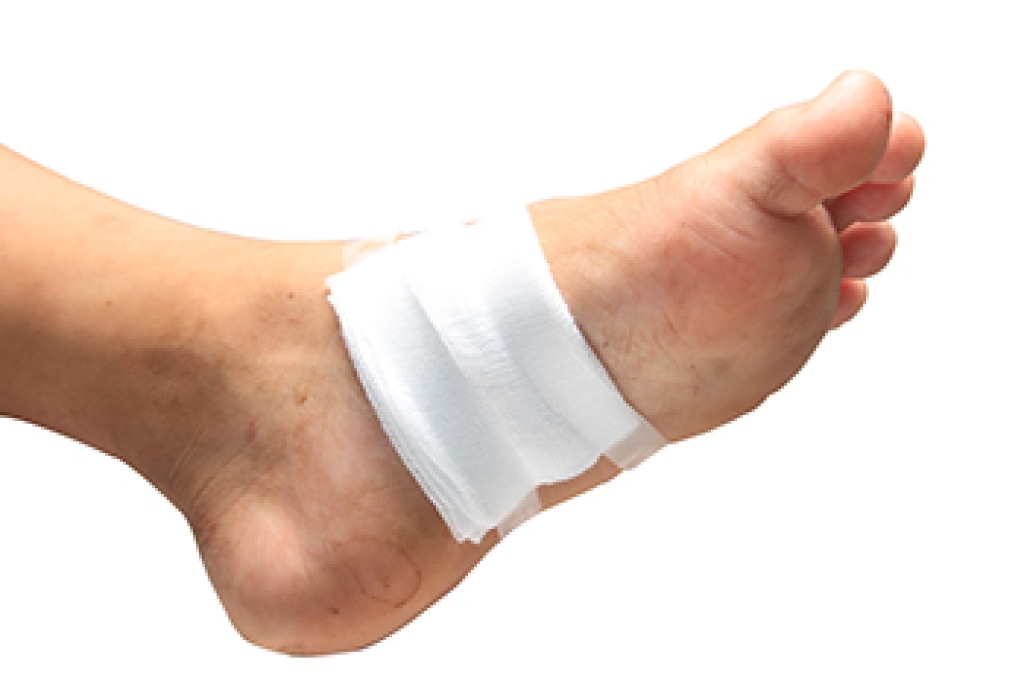
Chronic foot wounds can leave one open to infection, pain, and other problems. Foot ulcers that are slow to heal can be a complication of diabetes. These can become quite serious and put one at risk for amputation if not dealt with immediately. When a diabetic suffers from peripheral arterial disease or PAD, it can interfere with feeling normal sensations, including pain that might be felt on the feet. Practicing daily foot care, with careful examinations of the feet, help in finding such wounds and caring for them. When foot wounds are inflamed, white cells gather in the wound. These cells fight off infection and recruit other immune cells to promote tissue healing. If this process does not go as planned, healing is slow or stuck in this phase. Research has shown that sometimes the white cell process goes awry in diabetics and healing is delayed. More research needs to be done on why this is so. In the meanwhile, it is important for diabetics to be under the care of a podiatrist to treat such wounds and prevent them from causing serious problems.

Wound care is an important part in dealing with diabetes. If you have diabetes and a foot wound or would like more information about wound care for diabetics, consult with one of our podiatrists from APEX Foot & Ankle Center. Our doctors will assess your condition and provide you with quality foot and ankle treatment.

What Is Wound Care?

Wound care is the practice of taking proper care of a wound. This can range from the smallest to the largest of wounds. While everyone can benefit from proper wound care, it is much more important for diabetics. Diabetics often suffer from poor blood circulation which causes wounds to heal much slower than they would in a non-diabetic. 

What Is the Importance of Wound Care?

While it may not seem apparent with small ulcers on the foot, for diabetics, any size ulcer can become infected. Diabetics often also suffer from neuropathy, or nerve loss. This means they might not even feel when they have an ulcer on their foot. If the wound becomes severely infected, amputation may be necessary. Therefore, it is of the upmost importance to properly care for any and all foot wounds.

How to Care for Wounds

The best way to care for foot wounds is to prevent them. For diabetics, this means daily inspections of the feet for any signs of abnormalities or ulcers. It is also recommended to see a podiatrist several times a year for a foot inspection. If you do have an ulcer, run the wound under water to clear dirt from the wound; then apply antibiotic ointment to the wound and cover with a bandage. Bandages should be changed daily and keeping pressure off the wound is smart. It is advised to see a podiatrist, who can keep an eye on it.

If you have any questions please contact our offices located in Fort Myers, Shellpoint, and Naples, FL . We offer the newest diagnostic and treatment technologies for all your foot and ankle needs.

Read more about Wound Care

Heel Pain Can Be Treated!

Do you suffer from heel pain when you get up in the morning? If so, you should seek professional help and have a proper diagnosis performed. Heel pain can be caused by several different foot-related conditions.

Tips on Shoes for Trail Runners

If you participate in trail running, deciding when to replace your shoes can be a guessing game. Running experts agree that keeping track of the life of your shoes is an important way to prevent injury. In addition, it is also recommended that runners have a number of pairs of shoes to wear, depending on the type of terrain, stride habits, and training goals. While replacing running shoes can become expensive, the cost of not doing so is the health of your feet and ankles. Most trail shoes last between 300 and 500 miles. Wear and tear of the shoe involves paying attention to the upper, the midsole, and the outsole. The most important of these is the midsole cushioning, which can be hardest to monitor. You can tell when the cushion is wearing out by how much it springs back to shape after a run. A flattened midsole is a major contributor to overuse injuries. Experts suggest having at least two pairs of trail shoes that can be alternated. For more information on how to protect your feet from injury as a trail runner, please consult with a podiatrist.

All runners should take extra precaution when trying to avoid injury. If you have any concerns about your feet, contact one of our podiatrists of APEX Foot & Ankle Center. Our doctors will treat your foot and ankle needs.

How to Prevent Running Injuries

There are a lot of mistakes a runner can make prior to a workout that can induce injury. A lot of athletes tend to overstretch before running, instead of saving those workouts for a post-run routine. Deep lunges and hand-to-toe hamstring pulls should be performed after a workout instead of during a warmup. Another common mistake is jumping into an intense routine before your body is physically prepared for it. You should try to ease your way into long-distance running instead of forcing yourself to rush into it.

More Tips for Preventing Injury

  • Incorporate Strength Training into Workouts - This will help improve the body’s overall athleticism
  • Improve and Maintain Your Flexibility – Stretching everyday will help improve overall performance
  • “Warm Up” Before Running and “Cool Down” Afterward – A warm up of 5-10 minutes helps get rid of lactic acid in the muscles and prevents delayed muscle soreness
  • Cross-Training is Crucial
  • Wear Proper Running Shoes
  • Have a Formal Gait Analysis – Poor biomechanics can easily cause injury

If you have any questions, please feel free to contact our offices located in Fort Myers, Shellpoint, and Naples, FL . We offer the newest diagnostic and treatment technologies for all your foot care needs.

Read more about How to Prevent Running Injuries

More Pain-Free Running and Fitness Walking

Running and walking shoes are different. If one runs, wearing walking shoes is not appropriate, as most walking shoes are too stiff and do not flex as is necessary for runners. The same applies for fitness walkers. Fitness walkers should look for running shoes. Luckily since the running market is so big, designers keep up well with the newest materials and technology so there are a wide range of options for different needs. Running shoes vary in cushioning, levels of heel-to-toe drop, and stability. The newer designs seem to provide what is needed with less weight and a more seamless construction to minimize points of friction that can lead to blisters and corns. Walking shoes lag in technology and seem to be designed with comfort as the top priority. While comfort is important, if one is walking for exercise, well-cushioned shoes may cause leg stiffness and many walking shoes are too stiff and heavy for this purpose, interfering with natural foot motion and speed. If you run or walk with fitness goals, consult with a podiatrist regarding best shoe choices for you.

For more information about walking shoes versus running shoes, consult with one of our podiatrists from APEX Foot & Ankle Center. Our doctors can measure your feet to determine what your needs are and help you find an appropriate pair of footwear.

Foot Health: The Differences between Walking & Running Shoes

There are great ways to stay in shape: running and walking are two great exercises to a healthy lifestyle. It is important to know that running shoes and walking shoes are not interchangeable. There is a key difference on how the feet hit the ground when someone is running or walking. This is why one should be aware that a shoe is designed differently for each activity.

You may be asking yourself what the real differences are between walking and running shoes and the answers may shock you.

Differences

Walking doesn’t involve as much stress or impact on the feet as running does. However, this doesn’t mean that you should be any less prepared. When you’re walking, you land on your heels and have your foot roll forward. This rolling motion requires additional support to the feet.

Flexibility – Walking shoes are designed to have soft, flexible soles. This allows the walker to push off easily with each step.

If you have any questions, please feel free to contact our offices located in Fort Myers, Shellpoint, and Naples, FL . We offer the newest diagnostic and treatment technologies for all your foot care needs.

Read more about Walking Shoes vs. Running Shoes

Ways to Deal With Swelling Feet When Pregnant

For many pregnant women, having swollen feet becomes a growing concern. The main cause of swelling, or edema, is a natural increase in bodily fluids that results in swelling to the legs and feet. This can cause the feet to change in size, and shoes that used to fit no longer do. The amount of swelling can increase or decrease as the day goes on, but there are measures that can be taken to help reduce this discomfort. A few ways to keep edema under control include avoiding standing for long periods, elevating the feet whenever possible, and stopping wearing socks with tight elastic tops. Further, experts suggest doing a little exercise, such as walking and swimming, to keep the feet and ankles moving. It is also important to wear comfortable shoes that provide adequate cushioning to absorb the body’s extra weight. Finally, cutting down on salt, wearing compression socks, and drinking plenty of fluids are suggested. For more information about swollen feet during pregnancy, please visit a podiatrist for an exam and possible treatment measures.

Pregnant women with swollen feet can be treated with a variety of different methods that are readily available. For more information about other cures for swollen feet during pregnancy, consult with one of our podiatrists from APEX Foot & Ankle Center. Our doctors will attend to all of your foot and ankle needs.

What Foot Problems Can Arise During Pregnancy?

One problem that can occur is overpronation, which occurs when the arch of the foot flattens and tends to roll inward.  This can cause pain and discomfort in your heels while you’re walking or even just standing up, trying to support your baby.  

Another problem is edema, or swelling in the extremities. This often affects the feet during pregnancy but tends to occur in the later stages. 

How Can I Keep My Feet Healthy During Pregnancy?

  • Wearing orthotics can provide extra support for the feet and help distribute weight evenly
  • Minimize the amount of time spent walking barefoot
  • Wear shoes with good arch support
  • Wear shoes that allow for good circulation to the feet
  • Elevate feet if you experience swelling
  • Massage your feet
  • Get regular, light exercise, such as walking, to promote blood circulation to the feet

If you have any questions, please feel free to contact our offices located in Fort Myers, Shellpoint, and Naples, FL . We offer the newest diagnostic and treatment technologies for all your foot care needs.

Read more about Pregnancy and Foot Health

Connect With Us

Advanced Podiatric Procedures & Services in the Fort Myers, FL 33908 and Naples, FL 34110 areas