The Most Common Foot Ailments for the Summer

Foot problems tend to be more prevalent during the summer, and certain conditions pop up more than others. The most common foot problems for the summer are heel pain, corns, calluses, and blisters. Heel pain is usually the result of an inflamed plantar fascia, which is the long band of connective tissue that runs from the heel to the toes. Heel pain is often experienced by people who have flat feet and can be helped by offering added support in footwear. A couple of other foot issues people are faced with during the summer months are corns, calluses, and blisters. In order to prevent developing them, you should make sure you are wearing shoes that fit properly and have a lot of padding.

Everyday foot care is very important to prevent infection and other foot ailments. If you need your feet checked, contact one of our podiatrists from APEX Foot & Ankle Center. Our doctors can provide the care you need to keep you pain-free and on your feet.

Everyday Foot Care

Often, people take care of their bodies, face and hair more so than they do for their feet. But the feet are a very important aspect of our bodies, and one that we should pay more attention to. Without our feet, we would not be able to perform most daily tasks.

It is best to check your feet regularly to make sure there are no new bruises or cuts that you may not have noticed before. For dry feet, moisturizer can easily be a remedy and can be applied as often as necessary to the affected areas. Wearing shoes that fit well can also help you maintain good foot health, as well as making it easier to walk and do daily activities without the stress or pain of ill-fitting shoes, high heels, or even flip flops. Wearing clean socks with closed shoes is important to ensure that sweat and bacteria do not accumulate within the shoe. Clean socks help to prevent Athlete’s foot, fungi problems, bad odors, and can absorb sweat.

If you have any questions, please feel free to contact our offices located in Fort Myers, Shellpoint, and Naples, FL . We offer the newest diagnostic and treatment technologies for all your foot care needs.
Read more about Every Day Foot Care

What is Plantar Fasciitis

Plantar fasciitis occurs when the plantar fascia in your foot becomes inflamed. The plantar fascia is a long ligament that runs along the bottom of your foot, providing it with structural support. Plantar fasciitis pain is usually felt early in the morning and tends to go away as the day goes on. Common treatment methods for the condition are rest, ice, and arch supports. In some cases, none of these at-home treatments may be effective, so it is important that you see a podiatrist if this is the case for you.

Plantar fasciitis can be very painful and inconvenient. If you are experiencing heel pain or symptoms of plantar fasciitis, contact one of our podiatrists  from APEX Foot & Ankle Center. Our doctors can provide the care you need to keep you pain-free and on your feet.

What Is Plantar Fasciitis?

Plantar fasciitis is the inflammation of the thick band of tissue that runs along the bottom of your foot, known as the plantar fascia, and causes mild to severe heel pain.

What Causes Plantar Fasciitis?

  • Excessive running
  • Non-supportive shoes
  • Overpronation
  • Repeated stretching and tearing of the plantar fascia

How Can It Be Treated?

  • Conservative measures – anti-inflammatories, ice packs, stretching exercises, physical therapy, orthotic devices
  • Shockwave therapy – sound waves are sent to the affected area to facilitate healing and are usually used for chronic cases of plantar fasciitis
  • Surgery – usually only used as a last resort when all else fails. The plantar fascia can be surgically detached from the heel

While very treatable, plantar fasciitis is definitely not something that should be ignored. Especially in severe cases, speaking to your doctor right away is highly recommended to avoid complications and severe heel pain. Your podiatrist can work with you to provide the appropriate treatment options tailored to your condition.

If you have any questions, please feel free to contact our offices located in Fort Myers, Shellpoint, and Naples, FL . We offer the newest diagnostic and treatment technologies for all your foot care needs.

Read more about Plantar Fasciitis

What are Varicose Veins?

Varicose veins are enlarged veins that appear as dark purple or blue in color and are typically found in the feet. Many believe that the cause of varicose veins is standing or sitting down for too long, since it increases the amount of pressure in the body’s lower half. Fortunately for those with the condition, there are exercises you can do in order to help treat it; the most effective one being walking. Walking is beneficial since it helps increase blood circulation and prevents it from pooling in the legs. Another exercise is to pedal as if you were riding a bike. This can be done by lying flat on your back and pedaling your legs in the air. Performing this exercise will also help increase blood circulation.

Poor circulation is a serious condition and needs immediate medical attention. If you have any concerns with poor circulation in your feet contact one of our podiatrists of APEX Foot & Ankle Center. Our doctors will treat your foot and ankle needs.

Poor Circulation in the Feet

Poor blood circulation in the feet and legs is can be caused by peripheral artery disease (PAD), which is the result of a buildup of plaque in the arteries.

Plaque buildup or atherosclerosis results from excess calcium and cholesterol in the bloodstream. This can restrict the amount of blood which can flow through the arteries. Poor blood circulation in the feet and legs are sometimes caused by inflammation in the blood vessels, known as vasculitis.

Causes

Lack of oxygen and oxygen from poor blood circulation restricts muscle growth and development. It can also cause:

  • Muscle pain, stiffness, or weakness 
  • Numbness or cramping in the legs
  • Skin discoloration
  • Slower nail & hair growth
  • Erectile dysfunction

Those who have diabetes or smoke are at greatest risk for poor circulation, as are those who are over 50. If you have poor circulation in the feet and legs it may be caused by PAD and is important to make changes to your lifestyle in order to reduce risk of getting a heart attack or stroke. Exercise and maintaining a healthy lifestyle will dramatically improve conditions.

As always, see a podiatrist as he or she will assist in finding a regimen that suits you. A podiatrist can also prescribe you any needed medication. 

If you have any questions, please feel free to contact our offices located in Fort Myers, Shellpoint, and Naples, FL . We offer the newest diagnostic and treatment technologies for all your foot care needs.

Read more about Causes, Symptoms, and Treatment of Poor Blood Circulation in the Feet

Indians’ Outfielder Placed On Disabled List with Sprained Ankle

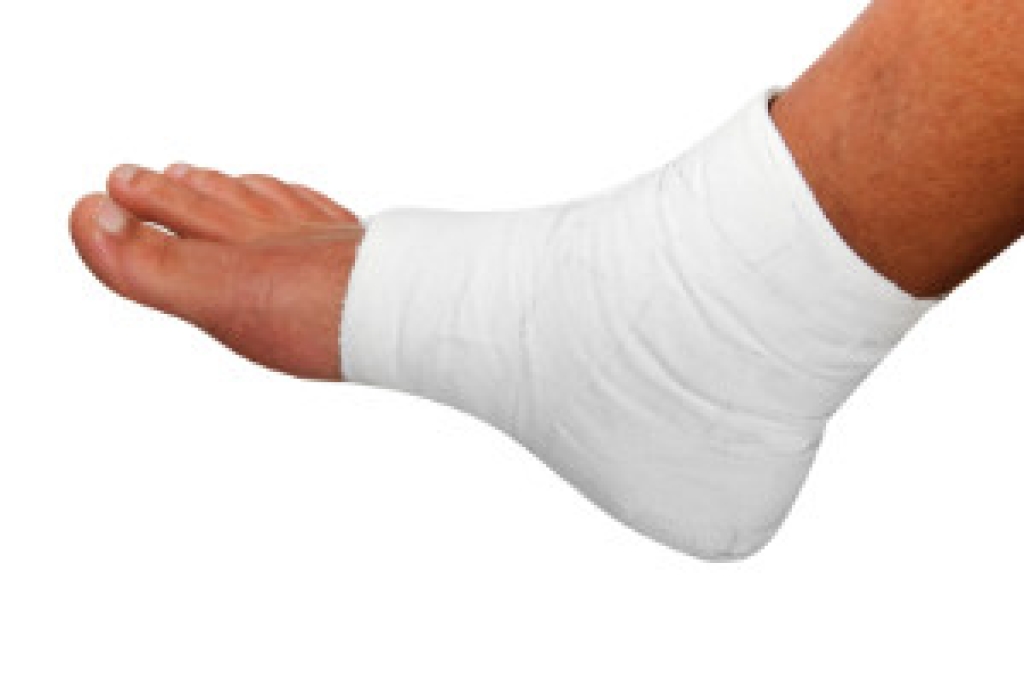
Michael Brantley of the Cleveland Indians was recently placed on the disabled list due to a sprained ankle. The outfielder suffered the injury earlier this season during a game against Kansas City and has not fully recovered from its effects. Brantley had already missed five games on paternity leave, but that wasn’t enough time for him to fully recover from the ankle injury. Fortunately, the Indians consider this to be a minor setback as Brantley is expected to be back within a week or so. While Brantley is out, the team is expected to give extra at-bats to Daniel Robertson and Austin Jackson.

Ankle sprains are common but need immediate attention. If you need your feet checked, contact one of our podiatrists from APEX Foot & Ankle Center. Our doctors can provide the care you need to keep you pain-free and on your feet.

How Does an Ankle Sprain Occur?

Ankle sprains take place when the ligaments in your ankle are torn or stretched beyond their limits. There are multiple ways that the ankle can become injured, including twisting or rolling over onto your ankle, putting undue stress on it, or causing trauma to the ankle itself.

What Are the Symptoms?

  • Mild to moderate bruising
  • Limited mobility
  • Swelling
  • Discoloration of the skin (depending on severity)

Preventing a Sprain

  • Wearing appropriate shoes for the occasion
  • Stretching before exercises and sports
  • Knowing your limits

Treatment of a Sprain

Treatment of a sprain depends on the severity.  Many times, people are told to rest and remain off their feet completely, while others are given an air cast. If the sprain is very severe, surgery may be required.

If you have suffered an ankle sprain previously, you may want to consider additional support such as a brace and regular exercises to strengthen the ankle.

If you have any questions please feel free to contact our offices located in Fort Myers, Shellpoint, and Naples, FL . We offer the newest diagnostic tools and technology to treat your foot and ankle needs.

Read more about Ankle Sprains

The Dangers of Wearing Flip-Flops

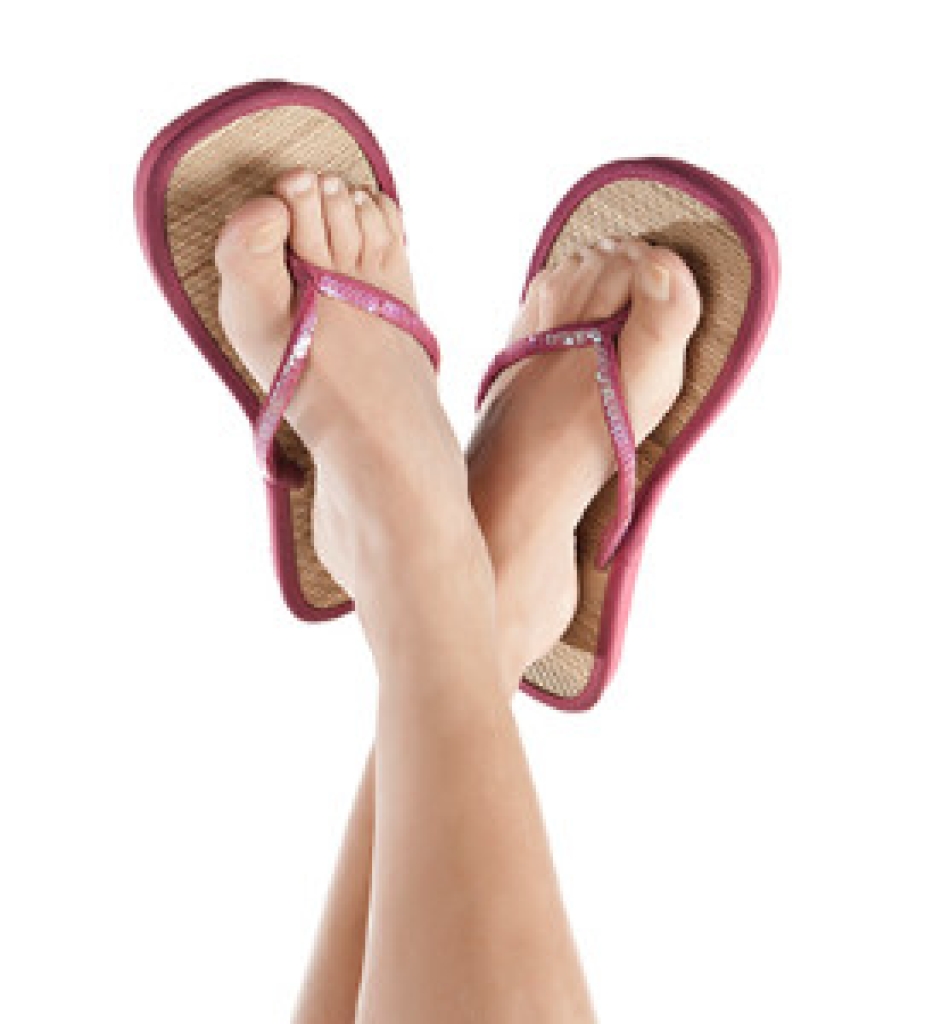
Flip-flops are a summer essential for many different women across the country. However, these shoes can potentially be dangerous for your feet. Some of the most common injuries experienced by flip-flop lovers are stress fractures, tendonitis, arch pain, and heel pain. In addition, these shoes offer minimal protection for your feet, which can make you more prone to cuts, sunburn, and fungal infection. Flip-flops aren’t always bad, but they should be used in moderation. It is best to wear these shoes for short distances such as walking around the beach or in locker rooms. You should not wear them if you plan on running or walking for any significant length of time.  

Flip-flops are not always the best choice of footwear. If you have any concerns about your feet or ankles, contact one of our podiatrists from APEX Foot & Ankle Center. Our doctors will assist you with all of your foot and ankle needs.

Flip-Flops and Feet

When the weather starts warming up, people enjoy wearing flip-flops.  Flip-flops are comfortable, stylish, and easy to slip on and off; they're perfect for any summer beach goer.  However, these shoes can cause harm to the feet.

How Can Flip-Flops Affect Me Long-Term?

  • Ankle problems
  • Hip problems
  • Lower back problems
  • Pain in the balls of the feet
  • Problems with foot arches
  • Changes in the way you walk

Are There Injuries Associated with Flip-Flops?

Yes.  Since flip-flops are relatively weak and do not provide the same amount of support as sneakers, people who wear flip-flops regularly are more susceptible to injuries. On top of that, the open nature of the shoe makes your feet more prone to other problems, such as cuts and even infections.  Common injuries and ailments include:

  • Sprained ankles
  • Blisters
  • Infections
  • Cuts and Scrapes

I like Wearing Flip-Flops. Are There Safe Alternatives?

When buying flip-flops, try to find ones that have sturdy soles and that are made of high-quality materials that will support for your feet.  These flip-flops will cost more but will also last longer as a result.

If you have any questions, please feel free to contact our offices located in Fort Myers, Shellpoint, and Naples, FL . We offer the newest diagnostic and treatment technologies for all your foot care needs.

Read more about Flip Flops and Feet

Ingrown Toenails 101

If you have swelling, pain, redness, or infection near your big toe; you may have an ingrown toenail. Ingrown toenails result when the corner of a nail grows into the soft flesh that surrounds it. While ingrown toenails may cause minimal pain at first, they can spread and worsen very quickly. People who have diabetes or other serious conditions that cause poor blood flow to the feet are at a higher risk of developing ingrown toenails. Nevertheless, there are at-home remedies that can be performed in order to treat minor cases of ingrown toenails. One method is to soak your feet in warm water for 15 to 20 minutes a few times per day. Soaking will help reduce swelling along with tenderness in the feet. If you have an ingrown toenail that is progressively worsening, you should seek the assistance of a podiatrist right away.

Ingrown toenails can become painful if they are not treated properly. For more information about ingrown toenails, contact one of our podiatrists of APEX Foot & Ankle Center. Our doctors can provide the care you need to keep you pain-free and on your feet.

Ingrown Toenails

Ingrown toenails occur when a toenail grows sideways into the bed of the nail, causing pain, swelling, and possibly infection.

Causes

  • Bacterial infections
  • Improper nail cutting such as cutting it too short or not straight across
  • Trauma to the toe, such as stubbing, which causes the nail to grow back irregularly
  • Ill-fitting shoes that bunch the toes too close together
  • Genetic predisposition

Prevention

Because ingrown toenails are not something found outside of shoe-wearing cultures, going barefoot as often as possible will decrease the likeliness of developing ingrown toenails. Wearing proper fitting shoes and using proper cutting techniques will also help decrease your risk of developing ingrown toenails.

Treatment

Ingrown toenails are a very treatable foot condition. In minor cases, soaking the affected area in salt or antibacterial soaps will not only help with the ingrown nail itself, but also help prevent any infections from occurring. In more severe cases, surgery is an option. In either case, speaking to your podiatrist about this condition will help you get a better understanding of specific treatment options that are right for you.

If you have any questions, please feel free to contact our offices located in Fort Myers, Shellpoint, and Naples, FL . We offer the newest diagnostic and treatment technologies for all your foot care needs.

Read more about Ingrown Toenail Care

Summertime Foot Care Tips

Now that the warm weather is starting to approach us, you may be tempted to start wearing open toed shoes. However, it is important that you take good care of your feet so that you can be confident while wearing your favorite sandals this summer. Getting rid of the dead skin that may have built up during the winter months should be one of the first steps you take toward improving your foot health. This can be done via the natural route by using sea salt or grape seeds as exfoliants. If you still have dead skin on your feet after exfoliating, you may want to seek the assistance of a podiatrist for treatment. Another tip to have healthy feet is to make sure your toenails are cut straight across, instead of in a rounded shape. You should try to make an effort to trim your toenails every two to three weeks.

Everyday foot care is very important to prevent infection and other foot ailments. If you need your feet checked, contact one of our podiatrists from APEX Foot & Ankle Center. Our doctors can provide the care you need to keep you pain-free and on your feet.

Everyday Foot Care

Often, people take care of their bodies, face and hair more so than they do for their feet. But the feet are a very important aspect of our bodies, and one that we should pay more attention to. Without our feet, we would not be able to perform most daily tasks.

It is best to check your feet regularly to make sure there are no new bruises or cuts that you may not have noticed before. For dry feet, moisturizer can easily be a remedy and can be applied as often as necessary to the affected areas. Wearing shoes that fit well can also help you maintain good foot health, as well as making it easier to walk and do daily activities without the stress or pain of ill-fitting shoes, high heels, or even flip flops. Wearing clean socks with closed shoes is important to ensure that sweat and bacteria do not accumulate within the shoe. Clean socks help to prevent Athlete’s foot, fungi problems, bad odors, and can absorb sweat.

If you have any questions, please feel free to contact our offices located in Fort Myers, Shellpoint, and Naples, FL . We offer the newest diagnostic and treatment technologies for all your foot care needs.

Read more about Every Day Foot Care

Choosing the Right Shoe for Your Activity

It is important that you choose the right pair of shoes to wear in order to avoid any sort of injury. Wearing the wrong pair can cause you discomfort and aggravate any pre-existing conditions you may have. Depending on what type of activity you are about to partake in, you should research what type of shoe would be the best fit for you. For example if you are going hiking, you should look for a shoe that is stiffer, with a high ankle. If you are going running, you should look for a flexible shoe that has a breathable material. Walking shoes should have good arch support and should be stiffer than a running shoe, although slightly more flexible than a hiking shoe.

Getting the right shoe size is an important part of proper foot health. Seek the assistance of one of our podiatrists from APEX Foot & Ankle Center. Our doctors will provide the care you need to keep you pain-free and on your feet.

Getting the Right Shoe Size

There are many people who wear shoes that are the incorrect size, negatively affecting their feet and posture. Selecting the right shoes is not a difficult process, so long as you keep several things in mind when it comes to choosing the right pair.

  • When visiting the shoe store, use the tools available to measure your foot.
  • Be sure there is ‘wiggle room’. There should be about an inch between your toes and the tip of your shoes.
  • Do not always assume you are the same size, as manufacturers run differently.
  • Purchase shoes later in the day, as your feet swell as the day progresses.
  • If a shoe is not comfortable, it is not suitable. Most shoes can’t be ‘broken in’, and comfort should be the ultimate goal when it comes to choosing the right pair of shoes

As our feet hold our body weight and keep us moving, it is important to treat them right. Picking the right pair of shoes can provide your feet comfort and mobility without pain.

If you have any questions, please feel free to contact our offices located in Fort Myers, Shellpoint, and Naples, FL . We offer the newest diagnostic and treatment technologies for all your foot care needs.

Read more about Getting the Right Shoe Size: To Keep Your Feet Happy

The Harmful Effects of Heels

Women are often faced with social pressure to wear high heels. Although they make for a wonderful fashion statement, high heels may slowly harm your feet. Heels cause your body to shift forward, therefore pushing all your weight onto the ball of your foot. Wearing high heels may push your hips and knees forward as well, which forces your back to compensate and hyperextend. Consequently, your entire spine may become misaligned. Other problems that may stem from wearing heels include stress fractures, knee pain, back pain, and tendinitis. If you still choose to wear heels, you should know that moderation is key. Another tip is to wear a commuter shoe on your way to work to save yourself from the pain that wearing heels may cause.

High heels have a history of causing foot and ankle problems. If you have any concerns about your feet or ankles, contact one of our podiatrists from APEX Foot & Ankle Center. Our doctors can provide the care you need to keep you pain-free and on your feet.

Effects of High Heels on the Feet

High heels are popular shoes among women because of their many styles and societal appeal.  Despite this, high heels can still cause many health problems if worn too frequently.

Which Parts of My Body Will Be Affected by High Heels?

  • Ankle Joints
  • Achilles Tendon – May shorten and stiffen with prolonged wear
  • Balls of the Feet
  • Knees – Heels cause the knees to bend constantly, creating stress on them
  • Back – They decrease the spine’s ability to absorb shock, which may lead to back pain.  The vertebrae of the lower back may compress.

What Kinds of Foot Problems Can Develop from Wearing High Heels?

  • Corns
  • Calluses
  • Hammertoe
  • Bunions
  • Morton’s Neuroma
  • Plantar Fasciitis

How Can I Still Wear High Heels and Maintain Foot Health?

If you want to wear high heeled shoes, make sure that you are not wearing them every day, as this will help prevent long term physical problems.  Try wearing thicker heels as opposed to stilettos to distribute weight more evenly across the feet.  Always make sure you are wearing the proper shoes for the right occasion, such as sneakers for exercising.  If you walk to work, try carrying your heels with you and changing into them once you arrive at work.  Adding inserts to your heels can help cushion your feet and absorb shock. Full foot inserts or metatarsal pads are available. 

If you have any questions, please feel free to contact our offices located in Fort Myers, Shellpoint, and Naples, FL . We offer the newest diagnostic and treatment technologies for all your foot care needs.

Read more about Effect of High Heels on the Feet

Avoid Hard Surfaces While Running

Running can be a very effective way to stay in shape, burn calories and increase your overall health, both mental and physical.  However, pounding the pavement is exactly what your feet are doing, and this can lead to some serious foot and ankle issues.  The ground that we run on is generally a hard surface, so the constant impact of our feet is something that needs to be taken into consideration when running often.  Some tips to consider would be to try finding a track surface to run on.  Though this option may not be available to all, the surface is made to absorb some of the shock of the impact, thereby reducing the stress on your joints and muscles.  Shoes should be well-fitting and there are insoles available that also may help absorb the shock.  

Exercising your feet regularly with the proper foot wear is a great way to prevent injuries. If you have any concerns about your feet, contact one of our podiatrists of APEX Foot & Ankle Center. Our doctors will treat your foot and ankle needs.

How to Prevent Running Injuries

Many common running injuries are caused by overuse and overtraining. When the back of the kneecap starts wearing out and starts causing pain in your knee, this is commonly referred to as runner’s knee. Runner’s knee is a decrease in strength in your quadriceps and can occur if you’re not wearing properly fitted or supporting shoes. To prevent runner’s knee, focusing on hip strengthening is a good idea, as well as strengthening your quads to keep the kneecaps aligned.

What Are Some Causes of Running Injuries? 
- One cause of a common running injury is called iliotibial band syndrome.
- Plantar fasciitis is also another common injury.
- Stress fractures can occur from overtraining, lack of calcium, or even your running style.

Best Ways to Prevent Running Injuries
- Wear footwear that fits properly and suits your running needs.
- Running shoes are the only protective gear that runners have to safeguard them from injury.
- Make a training schedule. Adding strengthening exercises as well as regular stretching can help keep you strong and limber and can lessen the possibility of injuries.
- Stretching keeps muscles limber; this will help you gain better flexibility.

If you have any questions, please feel free to contact our offices located in Fort Myers, Shellpoint, and Naples, FL . We offer the newest diagnostic and treatment technologies for all your foot care needs.

Read more about How to Prevent Running Injuries

Connect With Us

Advanced Podiatric Procedures & Services in the Fort Myers, FL 33908 and Naples, FL 34110 areas