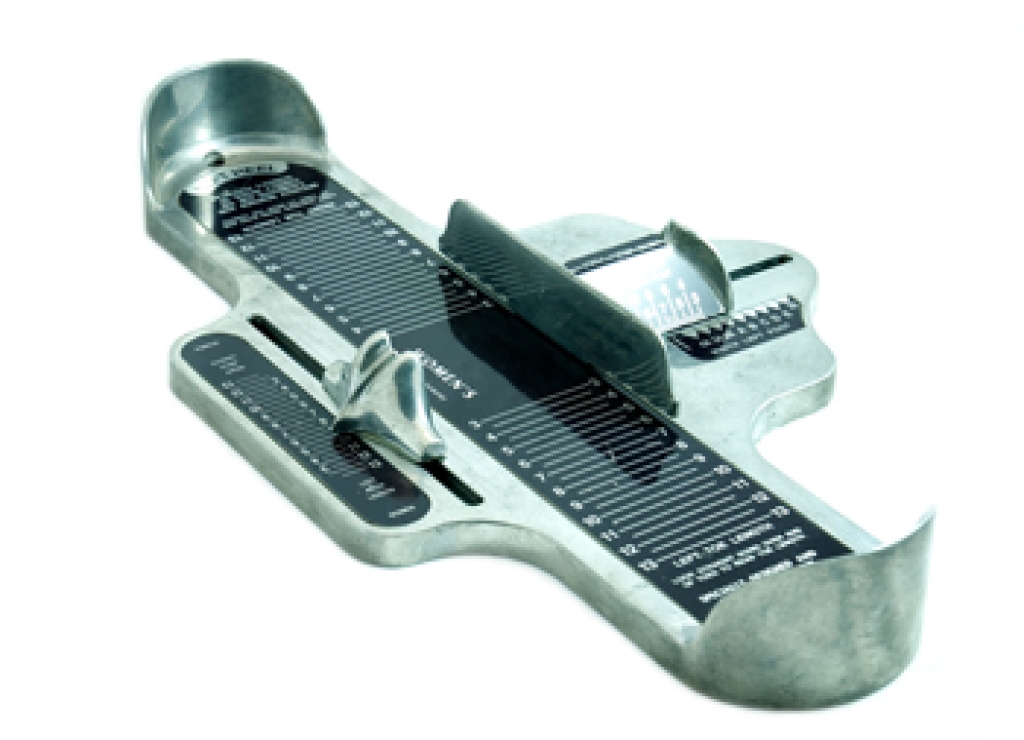
Using the Brannock Device for Proper Shoe Fitting

Fitting shoes properly is an important aspect of foot health and overall comfort. The Brannock device, a ubiquitous foot-measuring tool found in shoe stores, is a valuable tool for ensuring the right fit. Using the Brannock device is a straightforward process. Start by removing your current footwear and placing one foot onto the device's base, ensuring your heel is snug against the heel cup. Then, adjust the slider to reach the tip of your longest toe, typically the big toe. The device provides three key measurements, which are the heel-to-toe length, arch length, and width. Pay attention to all three as they contribute to a well-fitted shoe. The Brannock device takes the guesswork out of shoe sizing, enabling you to find the ideal fit. Remember that feet can vary in size, and it is essential to measure both feet. When trying on shoes, use the larger foot's measurements as a guide for the best overall fit. Properly fitted shoes can prevent discomfort, reduce the risk of foot problems, and provide a foundation for healthy, happy feet. A podiatrist can assist you in how to use the Brannock device to obtain your proper shoe size, and it is suggested that you confer with this type of doctor for any questions you may have.

It is important to find shoes that fit you properly in order to avoid a variety of different foot problems. For more information about treatment, contact one of our podiatrists from APEX Foot & Ankle Center. Our doctors will treat your foot and ankle needs.

Proper Shoe Fitting

Shoes have many different functions. They cushion our body weight, protect our feet, and allow us to safely play sports. You should always make sure that the shoes you wear fit you properly in order to avoid injuries and deformities such as: bunions, corns, calluses, hammertoes, plantar fasciitis, stress fractures, and more. It is important to note that although a certain pair of shoes might be a great fit for someone else, that doesn’t mean they will be a great fit for you. This is why you should always try on shoes before buying them to make sure they are worth the investment. Typically, shoes need to be replaced ever six months to one year of regular use.

Tips for Proper Shoe Fitting

  • Select a shoe that is shaped like your foot
  • Don’t buy shoes that fit too tight, expecting them to stretch to fit
  • Make sure there is enough space (3/8” to ½”) for your longest toe at the end of each shoe when you are standing up
  • Walk in the shoes to make sure they fit and feel right
  • Don’t select shoes by the size marked inside the shoe, but by how the shoe fits your foot

The shoes you buy should always feel as good as they look. Shoes that fit properly will last longer, feel better, and improve your way of life each day.

If you have any questions please contact our offices located in Fort Myers, Shellpoint, and Naples, FL . We offer the newest diagnostic and treatment technologies for all your foot and ankle needs.
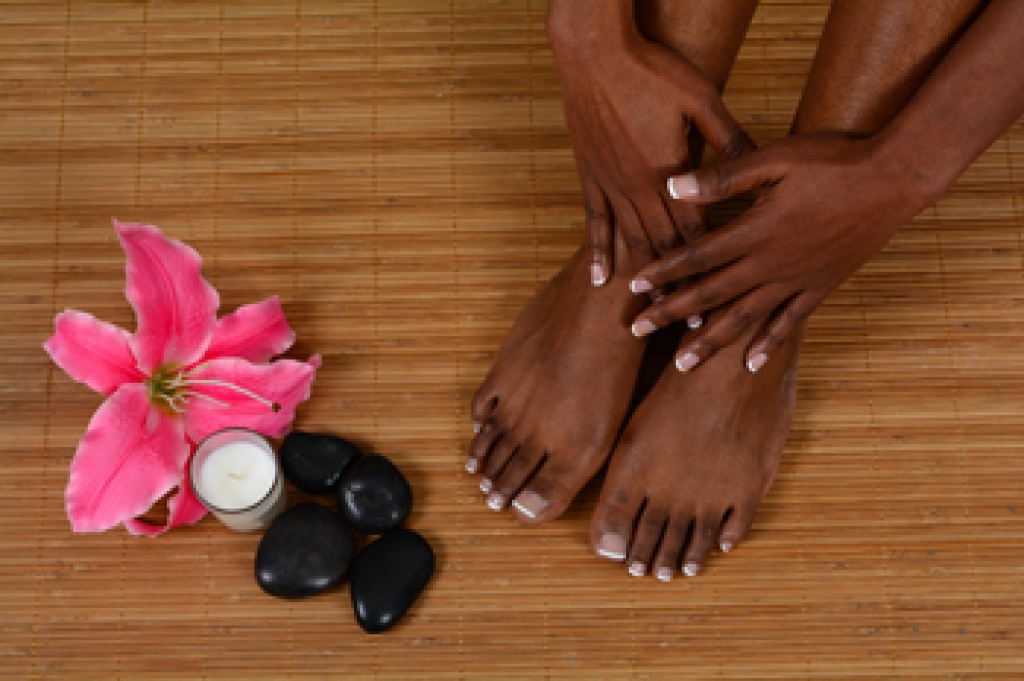
Read more about How to Get a Proper Shoe Fit

How a Podiatrist Can Help With Foot Care

A podiatrist specializes in foot care, providing comprehensive services that can maintain foot health in addition to addressing issues that affect daily comfort and mobility. These medically trained foot doctors offer routine care like trimming nails and managing calluses, which can prevent complications, especially in individuals with diabetes or circulation problems. Podiatrists diagnose and treat conditions such as bunions, heel pain, and plantar fasciitis, often relieving chronic discomfort. They also provide expert advice on proper footwear to support various foot shapes and alleviate pressure points. For athletes, they can help optimize foot function and performance through custom orthotics and injury management. Moreover, a podiatrist plays a vital role in the early detection of serious health problems manifested in the feet, ensuring timely interventions. In an effort to keep your feet healthy, it is suggested that you make routine appointments with a podiatrist who can help you prevent minor issues from becoming severe.

Everyday foot care is very important to prevent infection and other foot ailments. If you need your feet checked, contact one of our podiatrists from APEX Foot & Ankle Center. Our doctors can provide the care you need to keep you pain-free and on your feet.

Everyday Foot Care

Often, people take care of their bodies, face and hair more so than they do for their feet. But the feet are a very important aspect of our bodies, and one that we should pay more attention to. Without our feet, we would not be able to perform most daily tasks.

It is best to check your feet regularly to make sure there are no new bruises or cuts that you may not have noticed before. For dry feet, moisturizer can easily be a remedy and can be applied as often as necessary to the affected areas. Wearing shoes that fit well can also help you maintain good foot health, as well as making it easier to walk and do daily activities without the stress or pain of ill-fitting shoes, high heels, or even flip flops. Wearing clean socks with closed shoes is important to ensure that sweat and bacteria do not accumulate within the shoe. Clean socks help to prevent Athlete’s foot, fungi problems, bad odors, and can absorb sweat.

If you have any questions, please feel free to contact our offices located in Fort Myers, Shellpoint, and Naples, FL . We offer the newest diagnostic and treatment technologies for all your foot care needs.

Read more about Everyday Foot Care

Treatment of Clubfoot

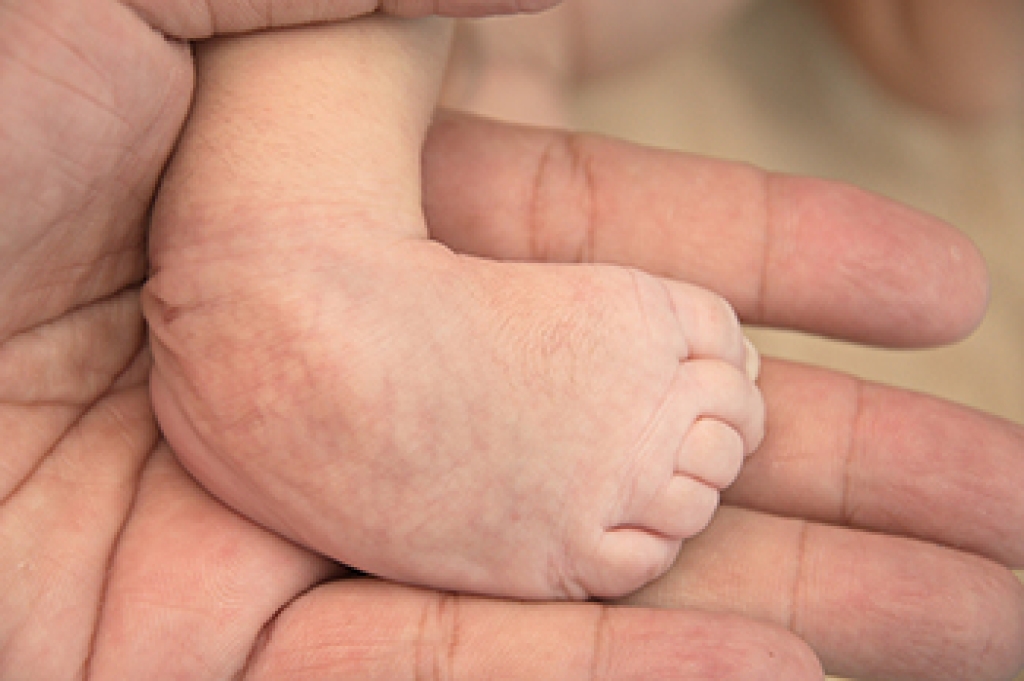
Clubfoot, or talipes equinovarus, is a congenital birth defect where the foot and ankle are misshapen or misaligned. It typically presents as a downward and inward turn of the hindfoot and ankle, with inward twisting of the forefoot. The two types of clubfoot are positional clubfoot, caused by unusual positioning in the uterus, and true clubfoot, a structural malformation from developmental errors in the womb. True clubfoot often involves underdeveloped leg or foot bones or calf muscles. Treatment varies, including immobilization with casts or physical therapy for positional clubfoot and complex surgery for true clubfoot. If your newborn has clubfoot, it is strongly suggested that you schedule an appointment with a podiatrist immediately to begin treatment as soon as possible.

Congenital foot problems require immediate attention to avoid future complications. If you have any concerns, contact one of our podiatrists of APEX Foot & Ankle Center. Our doctors can provide the care you need to keep you pain-free and on your feet.

Congenital foot problems are deformities affecting the feet, toes, and/or ankles that children are born with. Some of these conditions have a genetic cause while others just happen. Some specific foot ailments that children may be born with include clubfeet, polydactyly/macrodactyly, and cleft foot. There are several other foot anomalies that can occur congenitally. What all of these conditions have in common is that a child may experience difficulty walking or performing everyday activities, as well as trouble finding footwear that fits their foot deformity. Some of these conditions are more serious than others. Consulting with a podiatrist as early as possible will help in properly diagnosing a child’s foot condition while getting the necessary treatment underway.

What are Causes of Congenital Foot Problem?

A congenital foot problem is one that happens to a child at birth. These conditions can be caused by a genetic predisposition, developmental or positional abnormalities during gestation, or with no known cause.

What are Symptoms of Congenital Foot Problems?

Symptoms vary by the congenital condition. Symptoms may consist of the following:

  • Clubfoot, where tendons are shortened, bones are shaped differently, and the Achilles tendon is tight, causing the foot to point in and down. It is also possible for the soles of the feet to face each other.
  • Polydactyly, which usually consists of a nubbin or small lump of tissue without a bone, a toe that is partially formed but has no joints, or an extra toe.
  • Vertical talus, where the talus bone forms in the wrong position causing other bones in the foot to line up improperly, the front of the foot to point up, and the bottom of the foot to stiffen, with no arch, and to curve out.
  • Tarsal coalition, when there is an abnormal connection of two or more bones in the foot leading to severe, rigid flatfoot.
  • Cleft foot, where there are missing toes, a V-shaped cleft, and other anatomical differences.
  • Macrodactyly, when the toes are abnormally large due to overgrowth of the underlying bone or soft tissue.

Treatment and Prevention

While there is nothing one can do to prevent congenital foot problems, raising awareness and receiving neonatal screenings are important. Early detection by taking your child to a podiatrist leads to the best outcome possible.

If you have any questions, please feel free to contact our offices located in Fort Myers, Shellpoint, and Naples, FL . We offer the newest diagnostic and treatment technologies for all your foot care needs.

Read more about Congenital Foot Problems

Indicators of Diabetic Foot Problems

Diabetic feet are prone to various problems due to the impact it can have on blood circulation and nerve function. It is essential for individuals with diabetes to be aware of these signs and symptoms to prevent complications. One common issue is neuropathy, which can lead to loss of sensation in the feet. This means you may not feel pain, heat, or cold as well as you should, and may experience tingling or numbness. Peripheral artery disease, or PAD, is another concern, reducing blood flow to the feet and resulting in cramping, pain, or slow healing sores. Diabetic ulcers are slow healing wounds that can develop due to nerve damage and poor circulation. It is helpful to be aware of any open sores or blisters on your feet. If you have diabetes and notice changes in your feet, it is strongly suggested that you schedule an appointment with a podiatrist to have a thorough examination and treatment that may help to avoid serious foot problems.

Diabetic foot care is important in preventing foot ailments such as ulcers. If you are suffering from diabetes or have any other concerns about your feet, contact one of our podiatrists from APEX Foot & Ankle Center. Our doctors can provide the care you need to keep you pain-free and on your feet.

Diabetic Foot Care

Diabetes affects millions of people every year. The condition can damage blood vessels in many parts of the body, especially the feet. Because of this, taking care of your feet is essential if you have diabetes, and having a podiatrist help monitor your foot health is highly recommended.

The Importance of Caring for Your Feet

  • Routinely inspect your feet for bruises or sores.
  • Wear socks that fit your feet comfortably.
  • Wear comfortable shoes that provide adequate support.

Patients with diabetes should have their doctor monitor their blood levels, as blood sugar levels play such a huge role in diabetic care. Monitoring these levels on a regular basis is highly advised.

It is always best to inform your healthcare professional of any concerns you may have regarding your feet, especially for diabetic patients. Early treatment and routine foot examinations are keys to maintaining proper health, especially because severe complications can arise if proper treatment is not applied.

If you have any questions, please feel free to contact our offices located in Fort Myers, Shellpoint, and Naples, FL . We offer the newest diagnostic and treatment technologies for all your foot care needs.

Read more about Diabetic Foot Care

Reminder: When Was the Last Time...?

Custom orthotics, or shoe inserts, should be periodically replaced. Orthotics must fit properly to give you the best results. Protect your feet and ankles!

Conservative Treatments for Forefoot and Toe Pain

Forefoot disorders are common and can significantly impact a person's ability to walk and may affect their overall quality of life. One prevalent issue is metatarsalgia, which causes pain in the front part of the foot. To alleviate metatarsalgia, individuals can use metatarsal pads, bars, or forefoot cushions. Another common problem is hallux valgus, characterized by the deviation of the big toe towards the other toes. Treatment options for hallux valgus include toe spreaders, valgus splints, and bunion shields. Hallux limitus and hallux rigidus, which cause limited movement in the big toe, can benefit from kinetic wedge foot orthoses or rocker soles. Additionally, hammer, claw, and mallet toes, which involve unusual bending of the smaller toes, can be managed with toe sleeves, padding, or metatarsal off-loading insoles. Morton's neuroma, a painful condition affecting the metatarsal area due to a benign nerve growth, can be relieved through the use of metatarsal bars, plantar pads, or cushioned insoles. It is important for individuals with these forefoot disorders to avoid wearing tight-fitting or high-heeled shoes and instead opt for comfortable footwear. If you suffer from forefoot pain, including toe pain, it is suggested that you make an appointment with a podiatrist for a proper diagnosis and appropriate management strategies.

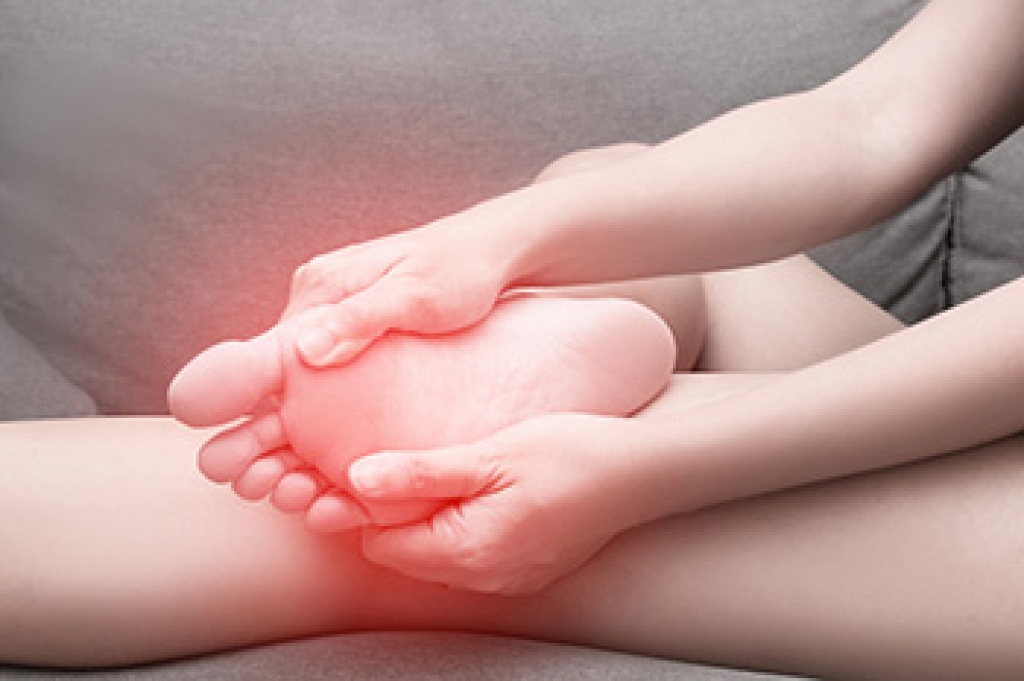
Foot Pain

Foot pain can be extremely painful and debilitating. If you have a foot pain, consult with one of our podiatrists from APEX Foot & Ankle Center. Our doctors will assess your condition and provide you with quality foot and ankle treatment.

Causes

Foot pain is a very broad condition that could be caused by one or more ailments. The most common include:

  • Bunions
  • Hammertoes
  • Plantar Fasciitis
  • Bone Spurs
  • Corns
  • Tarsal Tunnel Syndrome
  • Ingrown Toenails
  • Arthritis (such as Gout, Rheumatoid, and Osteoarthritis)
  • Flat Feet
  • Injury (from stress fractures, broken toe, foot, ankle, Achilles tendon ruptures, and sprains)
  • And more

Diagnosis

To figure out the cause of foot pain, podiatrists utilize several different methods. This can range from simple visual inspections and sensation tests to X-rays and MRI scans. Prior medical history, family medical history, and any recent physical traumatic events will all be taken into consideration for a proper diagnosis.

Treatment

Treatment depends upon the cause of the foot pain. Whether it is resting, staying off the foot, or having surgery; podiatrists have a number of treatment options available for foot pain.

If you have any questions, please feel free to contact our offices located in Fort Myers, Shellpoint, and Naples, FL . We offer the newest diagnostic and treatment technologies for all your foot care needs.

Read more about Foot Pain

High Heels Can Be Problematic for Women

In the realm of women's fashion, high heels often take center stage. However, this type of shoe can lead to a number of potential foot, toe, and ankle problems. For instance, the classic pump can be a double-edged sword for fashion enthusiasts. The rigid material and elevated height may contribute to the development of a painful knot on the back of the heel, commonly referred to as a pump bump. This not only causes discomfort but can also lead to blisters, swelling, bursitis, and persistent Achilles tendon pain. Ultra-high heels force the feet into a position that places excessive stress on the ball of the foot. This heightened pressure can result in inflammation of the metatarsal and sesamoid bones, as well as the toe bones, potentially leading to hairline fractures. Many high heel shoes have a narrow toe box that can lead to toe problems, like bunions and hammertoe. The risk of ankle sprains is common for those wearing high heels, as the concentration of weight on a small area increases the chances of wobbling and tripping. Prioritizing both style and foot health is not only a wise choice but a necessary one. If you have incurred a foot problem or injury caused by frequently wearing high heels, it is suggested that you make an appointment with a podiatrist who can provide appropriate treatment.

High heels have a history of causing foot and ankle problems. If you have any concerns about your feet or ankles, contact one of our podiatrists from APEX Foot & Ankle Center. Our doctors can provide the care you need to keep you pain-free and on your feet.

Effects of High Heels on the Feet

High heels are popular shoes among women because of their many styles and societal appeal.  Despite this, high heels can still cause many health problems if worn too frequently.

Which Parts of My Body Will Be Affected by High Heels?

  • Ankle Joints
  • Achilles Tendon – May shorten and stiffen with prolonged wear
  • Balls of the Feet
  • Knees – Heels cause the knees to bend constantly, creating stress on them
  • Back – They decrease the spine’s ability to absorb shock, which may lead to back pain.  The vertebrae of the lower back may compress.

What Kinds of Foot Problems Can Develop from Wearing High Heels?

  • Corns
  • Calluses
  • Hammertoe
  • Bunions
  • Morton’s Neuroma
  • Plantar Fasciitis

How Can I Still Wear High Heels and Maintain Foot Health?

If you want to wear high heeled shoes, make sure that you are not wearing them every day, as this will help prevent long term physical problems.  Try wearing thicker heels as opposed to stilettos to distribute weight more evenly across the feet.  Always make sure you are wearing the proper shoes for the right occasion, such as sneakers for exercising.  If you walk to work, try carrying your heels with you and changing into them once you arrive at work.  Adding inserts to your heels can help cushion your feet and absorb shock. Full foot inserts or metatarsal pads are available. 

If you have any questions, please feel free to contact our offices located in Fort Myers, Shellpoint, and Naples, FL . We offer the newest diagnostic and treatment technologies for all your foot care needs.

Read more about Effect of High Heels on the Feet

Treatment of Morton’s Neuroma

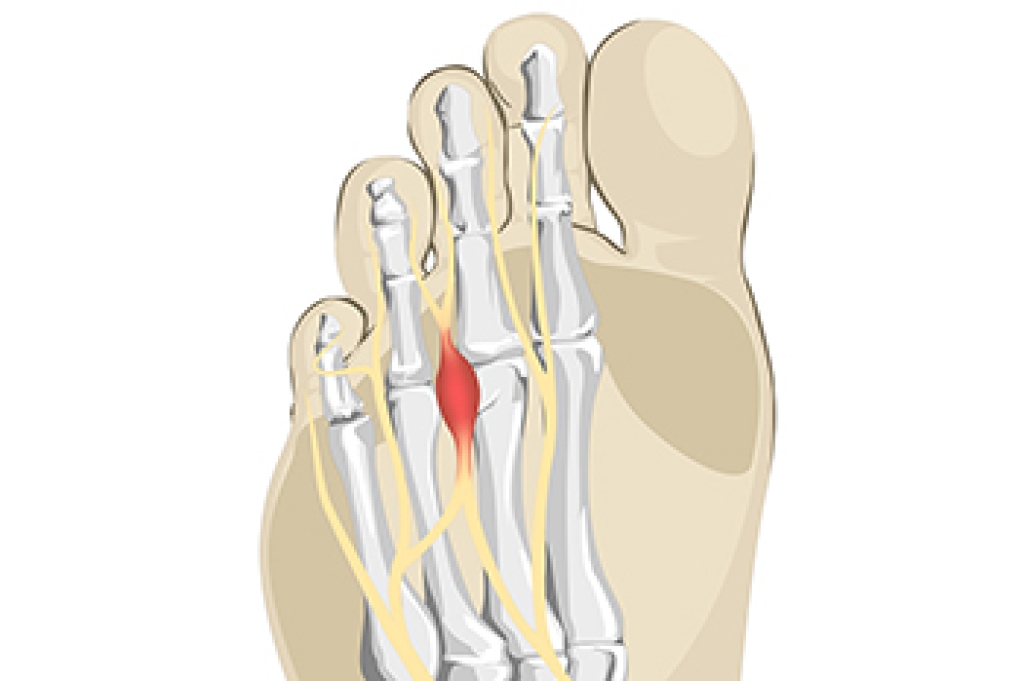
A podiatrist manages Morton's neuroma, which is a painful condition involving thickened nerve tissue between the toes. Morton's neuroma typically feels like a sharp, burning pain in the ball of the foot, often with a sensation that is likened to a small rock or pebble inside the shoe under the forefoot. It may also feel like a stinging, burning, or numbing sensation in the toes adjacent to the neuroma. The discomfort from Morton's neuroma is generally felt between the third and fourth toes, but can also occur in other parts of the foot. Activities that involve pressure on the forefoot, such as walking or running, can exacerbate the pain. Initial treatments may include wearing proper footwear with a wide toe box and low heels, custom orthotic devices to alleviate pressure, and padding techniques. If these conservative measures fail, the podiatrist may administer corticosteroid injections to reduce inflammation and pain. In cases where non-surgical treatments do not provide relief, the podiatrist may recommend surgery, which involves either removing the affected nerve or releasing the tissue surrounding it to relieve pressure. If you believe you have Morton's neuroma, it is suggested that you make an appointment with a podiatrist who can begin appropriate and effective treatment.

Morton’s neuroma is a very uncomfortable condition to live with. If you think you have Morton’s neuroma, contact one of our podiatrists of APEX Foot & Ankle Center. Our doctors will attend to all of your foot care needs and answer any of your related questions.  

Morton’s Neuroma

Morton's neuroma is a painful foot condition that commonly affects the areas between the second and third or third and fourth toe, although other areas of the foot are also susceptible. Morton’s neuroma is caused by an inflamed nerve in the foot that is being squeezed and aggravated by surrounding bones.

What Increases the Chances of Having Morton’s Neuroma?

  • Ill-fitting high heels or shoes that add pressure to the toe or foot
  • Jogging, running or any sport that involves constant impact to the foot
  • Flat feet, bunions, and any other foot deformities

Morton’s neuroma is a very treatable condition. Orthotics and shoe inserts can often be used to alleviate the pain on the forefront of the feet. In more severe cases, corticosteroids can also be prescribed. In order to figure out the best treatment for your neuroma, it’s recommended to seek the care of a podiatrist who can diagnose your condition and provide different treatment options.

If you have any questions, please feel free to contact our offices located in Fort Myers, Shellpoint, and Naples, FL . We offer the newest diagnostic and treatment technologies for all your foot care needs.

Read more about What is Morton's Neuroma?

What Is Turf Toe?

Turf toe is an injury to the big toe's ligaments, commonly afflicting athletes like those who play football or soccer as they often play on artificial surfaces. It arises when there is excessive force exerted on the toe's metatarsophalangeal, or MTP, joints, through actions such as sprinting or jumping. This injury can also happen to dancers and gymnasts, given their frequent hard surface toe flexes. Turf toe can result from overextending the big toe upwards, which can happen due to various activities that stress the toe, such as certain sports movements, wearing heels, or improper walking. The risk may increase by choosing to wear footwear that is too tight.  The toe's joint and the sesamoid bones within the tendons bear the body's weight and aid movement. If these are forced backward beyond their limit, or if the toe stays flat instead of lifting during motion, the ligaments can strain or tear. Turf toe may occur in an instant from a sharp movement, or it may happen gradually from repetitive strain. This is generally a minor ailment, sidestepping the need for surgery. Symptoms range from pain and swelling to a snapping sensation during the incident. Initial mild symptoms can worsen with continuous stress, potentially leading to severe and immediate manifestations upon injury. If you suffer from toe pain, it is suggested that you make an appointment with a podiatrist for a proper diagnosis and treatment.

Toe pain can disrupt your daily activities. If you have any concerns, contact one of our podiatrists of APEX Foot & Ankle Center. Our doctors can provide the care you need to keep you pain-free and on your feet.

What Causes Toe Pain?

Most severe toe pain is caused due to a sports injury, trauma from dropping something heavy on the toe, or bumping into something rigid. Other problems can develop over time for various reasons.

Toe pain can be caused by one or more ailments. The most common include:

  • Trauma
  • Sports injury
  • Wearing shoes that are too tight
  • Arthritis
  • Gout
  • Corns and calluses
  • Hammertoe
  • Bunions
  • Blisters
  • Ingrown toenails
  • Sprains
  • Fractures (broken bones)
  • Dislocations

When to See a Podiatrist

  • Severe pain
  • Persistent pain that lasts more than a week
  • Signs of infection
  • Continued swelling
  • Pain that prevents walking

Diagnosis

In many cases the cause of toe pain is obvious, but in others, a podiatrist may want to use more advanced methods to determine the problem. These can range from simple visual inspections and sensation tests to X-rays and MRI scans. Prior medical history, family medical history, and any recent physical traumatic events will all be taken into consideration for a proper diagnosis.

Treatment

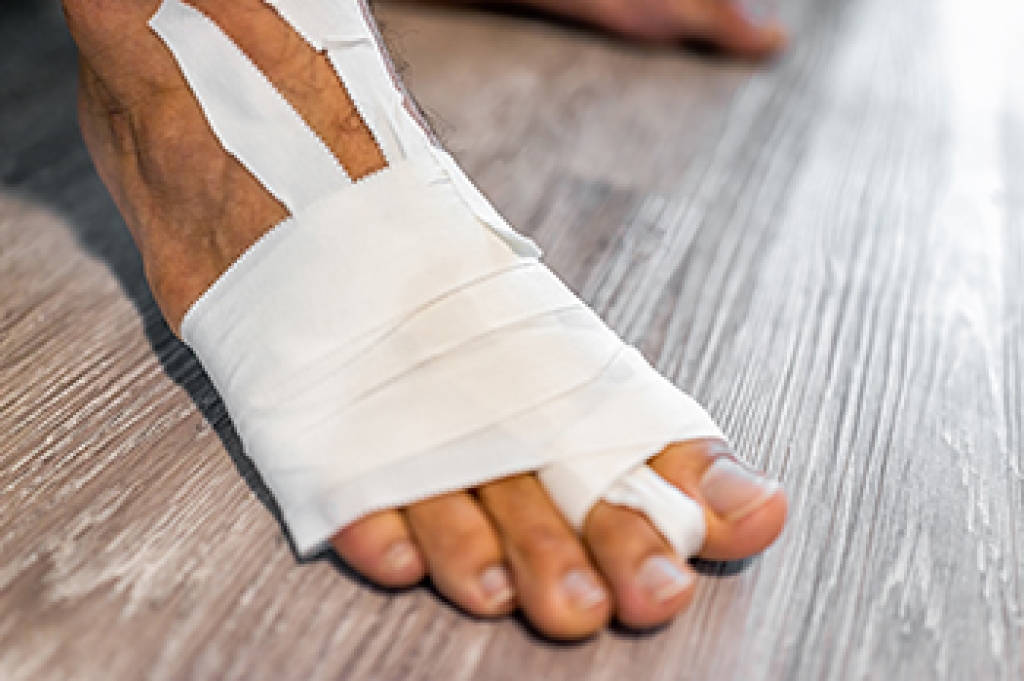
Treatments for toe pain and injuries vary and may include shoe inserts, padding, taping, medicines, injections, and in some cases, surgery. If you believe that you have broken a toe, please see a podiatrist as soon as possible.

If you have any questions please contact our offices located in Fort Myers, Shellpoint, and Naples, FL . We offer the newest diagnostic and treatment technologies for all your foot and ankle needs.
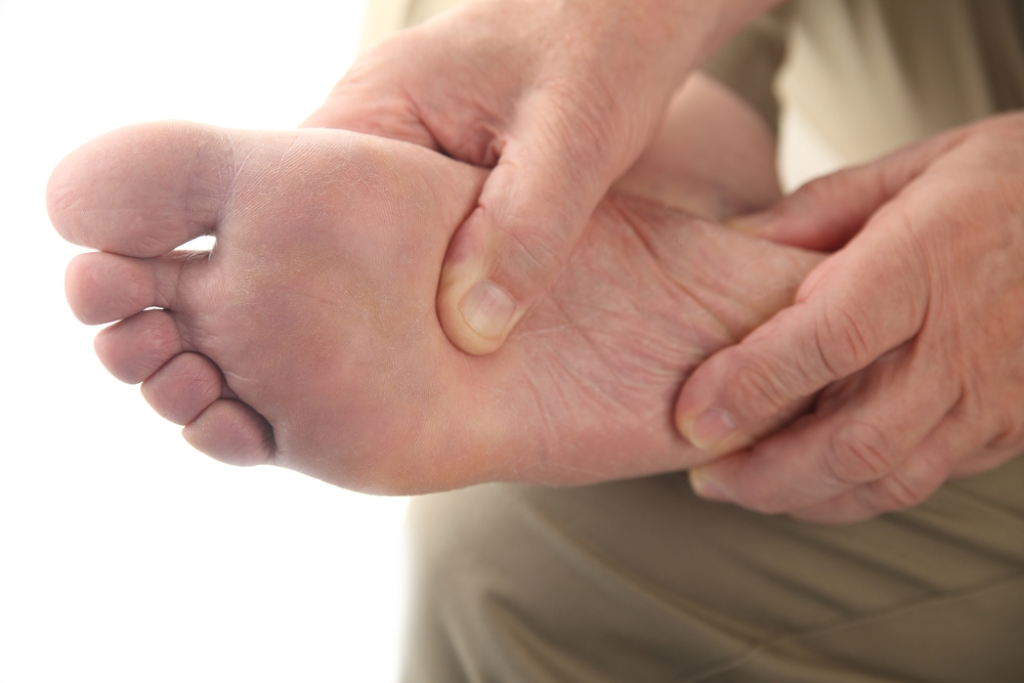
Read more about Toe Pain

Plantar Warts Can Be Treated!

Plantar warts are small growths that develop on parts of the feet that bear weight. They're typically found on the bottom of the foot. Don't live with plantar warts, and call us today!

Connect With Us

Advanced Podiatric Procedures & Services in the Fort Myers, FL 33908 and Naples, FL 34110 areas