
Have your child's feet been examined lately? Healthy feet are happy feet. If your child is complaining of foot pain, it may be a sign of underlying problems.
Have your child's feet been examined lately? Healthy feet are happy feet. If your child is complaining of foot pain, it may be a sign of underlying problems.
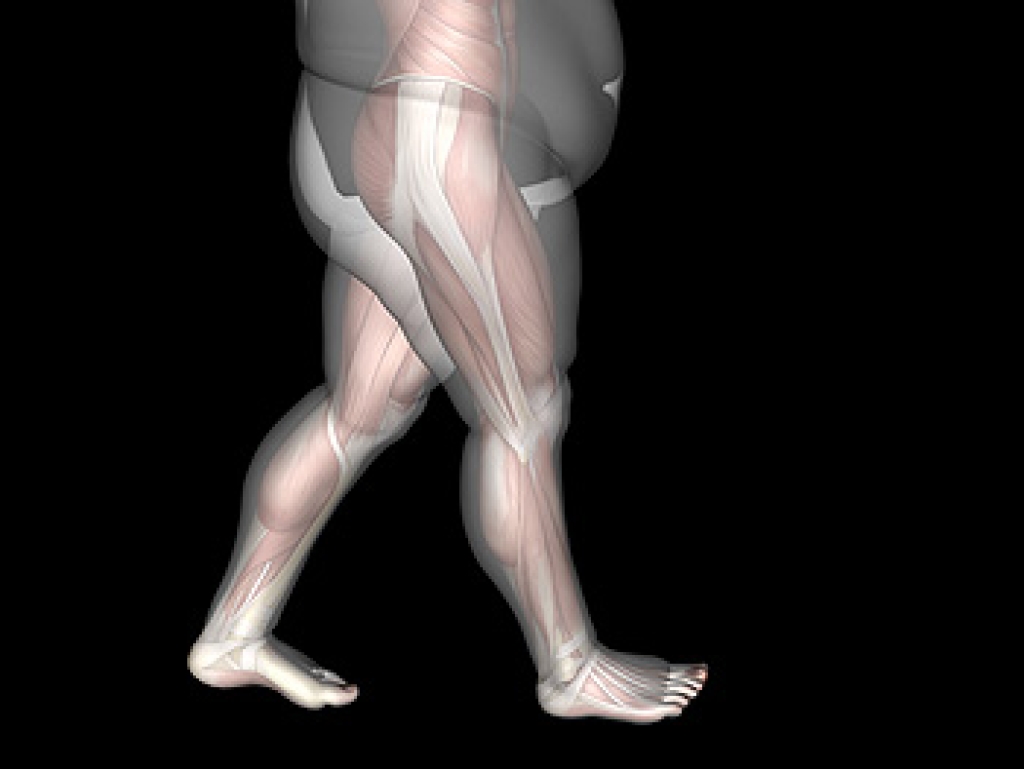 Research has indicated patients who are obese may suffer from tendon damage in the feet and ankles. This may precede serious foot conditions. People who are obese may choose to wear shoes that have little or no support because they are easy to slip into, but these types of shoes can cause severe arch problems, and can lead to possible bone damage. Additionally, being excessively overweight can damage the plantar fascia, which is a band of tissue that is located on the bottom of the foot. This connects the heel to the toes, and plantar fasciitis may develop if it becomes inflamed. Children may endure structural changes to the feet if they are overweight, and this may change the way they walk. If you have concerns about how obesity can affect the feet, it is strongly suggested that you speak to a podiatrist who can answer any questions or concerns you may have.
The more you weigh, the harder your feet must work to support your body. If you’re an obese individual and are concerned about your feet, contact one of our podiatrists from APEX Foot & Ankle Center. Our doctors can provide the care you need to keep you pain-free and on your feet.
Obesity and Your Feet
People who are overweight are putting more pressure on their ankles, knees, and hips as well as their feet. This unfortunately can lead to variety of different issues.
Problems & Complications Stemming from Obesity
If you have any questions please contact our offices located in Fort Myers, Shellpoint, and Naples, FL . We offer the newest diagnostic and treatment technologies for all your foot and ankle needs.
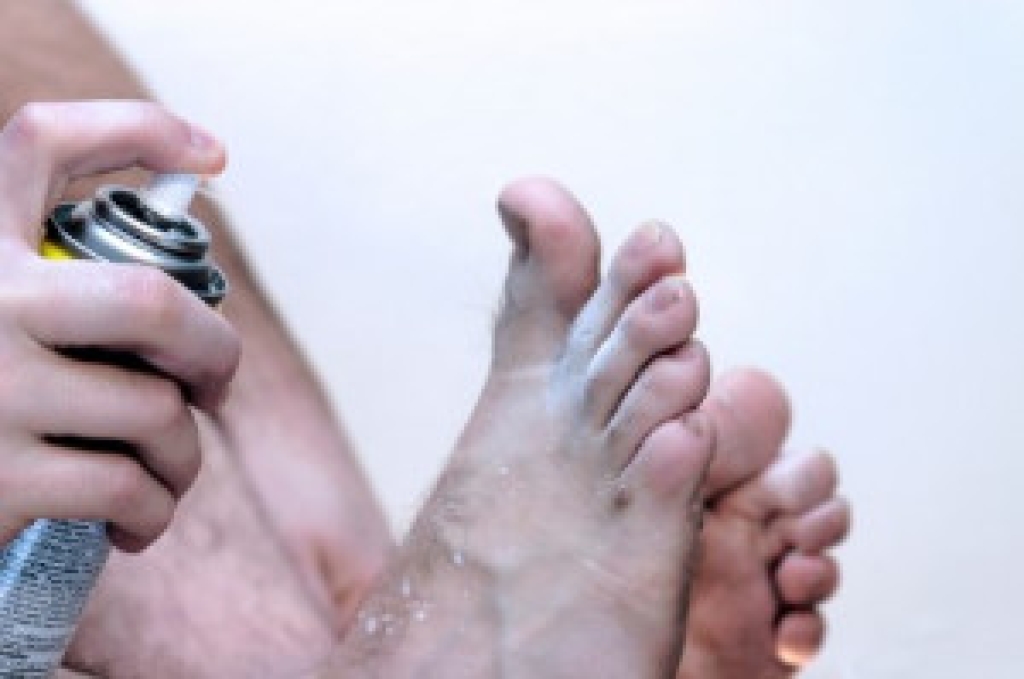 The medical term for athlete’s foot is known as tinea pedis. It is a condition that affects the feet, and is caused by a fungus. Many patients notice symptoms of this condition between the toes and on the bottom of the feet, which often include severe itchiness and a burning sensation. The fungus of this contagious ailment lives and thrives in warm and moist environments. These can include public swimming pools, shower room floors, and surrounding areas. To avoid getting this uncomfortable condition, it is important to wear appropriate shoes while in these areas. Additionally, it is beneficial to wear clean shoes and socks, and it will also help to keep the toenails trimmed. Relief may be found while using an antifungal spray on the affected areas. For more severe cases, it is suggested that you speak to a podiatrist who can offer proper treatment options, which may include medication.
Athlete’s Foot
Athlete’s foot is often an uncomfortable condition to experience. Thankfully, podiatrists specialize in treating athlete’s foot and offer the best treatment options. If you have any questions about athlete’s foot, consult with one of our podiatrists from APEX Foot & Ankle Center. Our doctors will assess your condition and provide you with quality treatment.
What Is Athlete’s Foot?
Tinea pedis, more commonly known as athlete’s foot, is a non-serious and common fungal infection of the foot. Athlete’s foot is contagious and can be contracted by touching someone who has it or infected surfaces. The most common places contaminated by it are public showers, locker rooms, and swimming pools. Once contracted, it grows on feet that are left inside moist, dark, and warm shoes and socks.
Prevention
The most effective ways to prevent athlete’s foot include:
Symptoms
Athlete’s foot initially occurs as a rash between the toes. However, if left undiagnosed, it can spread to the sides and bottom of the feet, toenails, and if touched by hand, the hands themselves. Symptoms include:
Diagnosis and Treatment
Diagnosis is quick and easy. Skin samples will be taken and either viewed under a microscope or sent to a lab for testing. Sometimes, a podiatrist can diagnose it based on simply looking at it. Once confirmed, treatment options include oral and topical antifungal medications.
If you have any questions, please feel free to contact our offices located in Fort Myers, Shellpoint, and Naples, FL . We offer the newest diagnostic and treatment technologies for all your foot care needs.
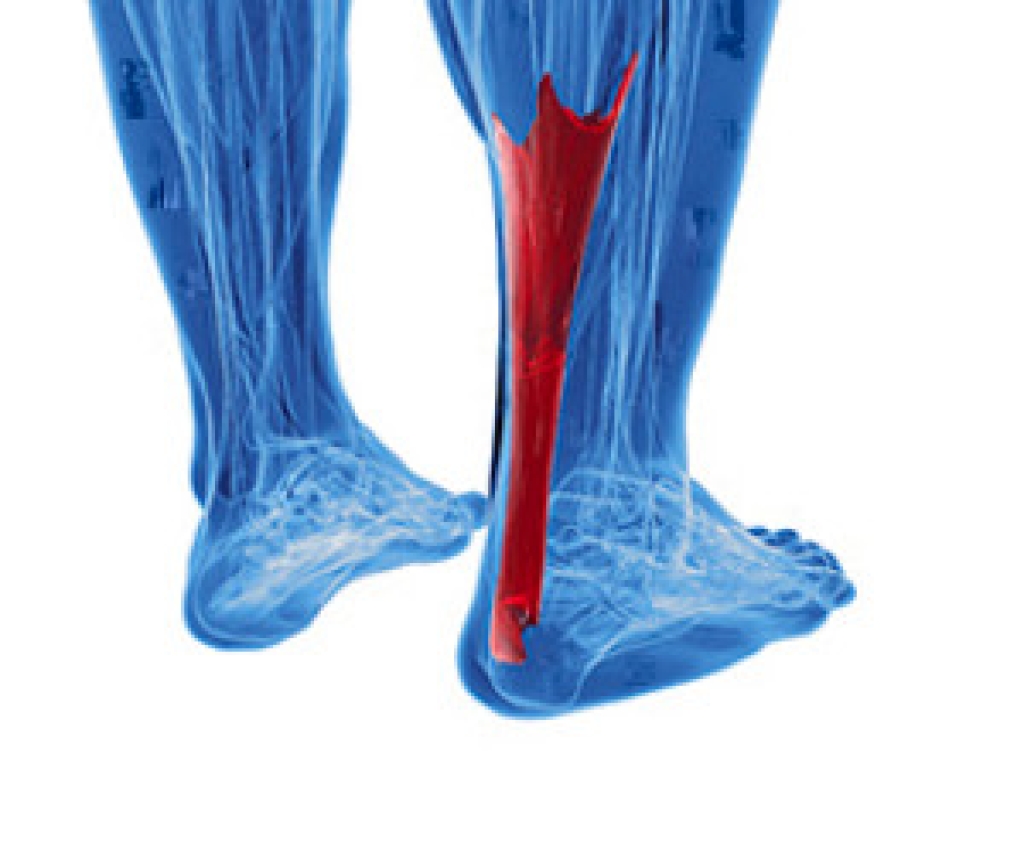 People who participate in sporting activities may experience Achilles tendon injuries. If it is torn, surgery may be necessary to repair the tendon, and a lengthy recovery period is often needed. The Achilles tendon is located in the back of the calf, and its purpose is to connect the heel to the calf muscles. It may become injured if sudden jumping or sprinting is performed. This may occur if certain sports are played that can include volleyball and basketball. There are existing conditions which could weaken the Achilles tendon. These can consist of diabetes, specific forms of arthritis that can include gout, or if certain medications are taken. The symptoms that are often associated with this condition can include difficulty in walking, and there may be severe pain while attempting to point and flex the foot. If you have endured an Achilles tendon injury, it is advised to speak with a podiatrist who can guide you toward the proper treatment.
Achilles tendon injuries need immediate attention to avoid future complications. If you have any concerns, contact one of our podiatrists of APEX Foot & Ankle Center. Our doctors can provide the care you need to keep you pain-free and on your feet.
What Is the Achilles Tendon?
The Achilles tendon is a tendon that connects the lower leg muscles and calf to the heel of the foot. It is the strongest tendon in the human body and is essential for making movement possible. Because this tendon is such an integral part of the body, any injuries to it can create immense difficulties and should immediately be presented to a doctor.
What Are the Symptoms of an Achilles Tendon Injury?
There are various types of injuries that can affect the Achilles tendon. The two most common injuries are Achilles tendinitis and ruptures of the tendon.
Achilles Tendinitis Symptoms
Rupture Symptoms
Treatment and Prevention
Achilles tendon injuries are diagnosed by a thorough physical evaluation, which can include an MRI. Treatment involves rest, physical therapy, and in some cases, surgery. However, various preventative measures can be taken to avoid these injuries, such as:
If you have any questions please feel free to contact our offices located in Fort Myers, Shellpoint, and Naples, FL . We offer the newest diagnostic tools and technology to treat your foot and ankle needs.
You have flat feet when the en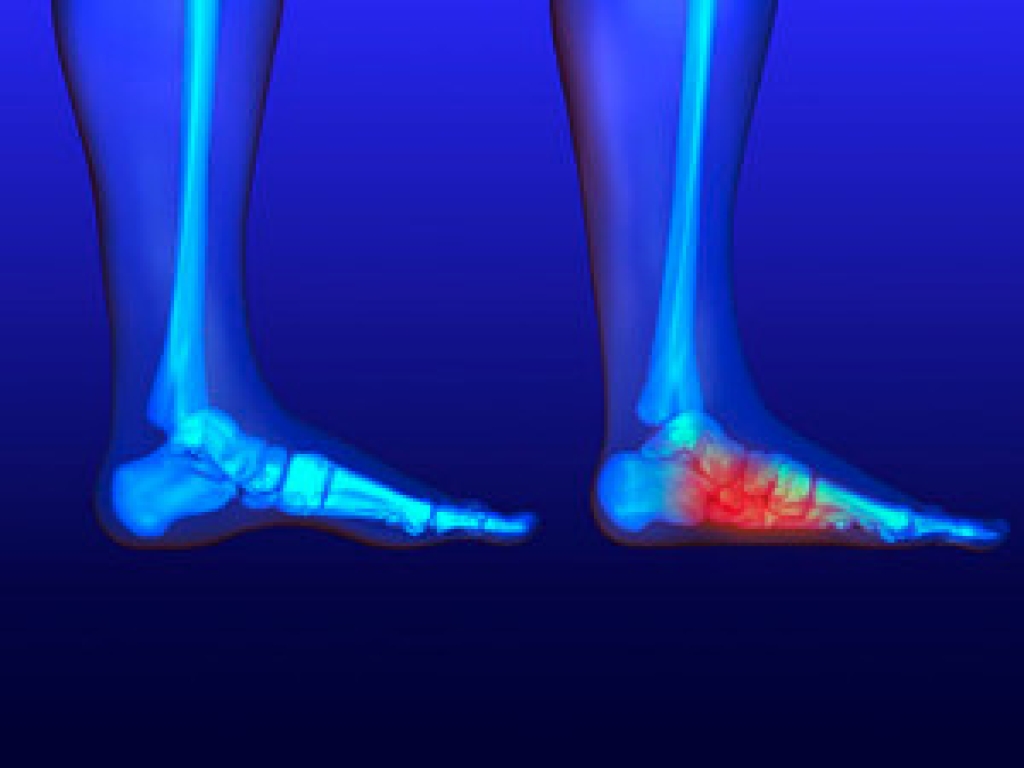 tire soles of your feet can touch the floor when you stand up. It is a very common and usually painless condition that occurs when the arches do not develop during childhood. It can also happen after an injury or from the stress brought upon by age. The majority of people that have flat feet will not show any signs or symptoms. Occasionally foot pain can surface in the heel or arch area. Flat feet is most common in infants and toddlers as the arches of their feet have yet to develop at this age. Most arches will develop throughout childhood, but there are some that will never develop them. Factors that can increase your risk of flat feet include obesity, diabetes, rheumatoid arthritis, injury to the foot or ankle and aging. If you are experiencing pain as a result of flat feet, it is advised that you consult with a podiatrist.
Flatfoot is a condition many people suffer from. If you have flat feet, contact one of our podiatrists from APEX Foot & Ankle Center. Our doctors will treat your foot and ankle needs.
What Are Flat Feet?
Flatfoot is a condition in which the arch of the foot is depressed and the sole of the foot is almost completely in contact with the ground. About 20-30% of the population generally has flat feet because their arches never formed during growth.
Conditions & Problems:
Having flat feet makes it difficult to run or walk because of the stress placed on the ankles.
Alignment – The general alignment of your legs can be disrupted, because the ankles move inward which can cause major discomfort.
Knees – If you have complications with your knees, flat feet can be a contributor to arthritis in that area.
Symptoms
Treatment
If you are experiencing pain and stress on the foot you may weaken the posterior tibial tendon, which runs around the inside of the ankle.
If you have any questions, please feel free to contact our offices located in Fort Myers, Shellpoint, and Naples, FL . We offer the newest diagnostic and treatment technologies for all your foot care needs.
Connect With Us