What Can Be Done About Ugly Bunions?

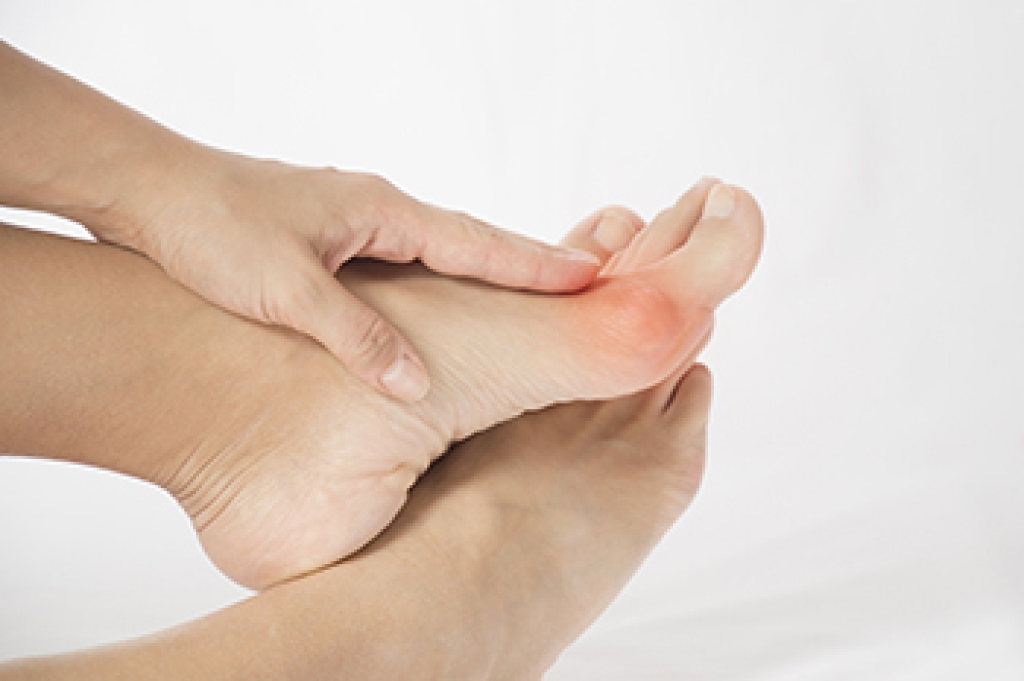
Bunions are bony deformities of the big toe joint. They are unattractive, are a common affliction, and can affect people of all ages. Medically, bunions are referred to as hallux valgus. The metatarsal bones in the foot fan out from the base near the ankle to each toe and the distance between them increases as they approach the toes. With bunions, the distance and angle at the base, between the first and second metatarsals, increases over time and a bump develops on a big toe joint. The foot widens and the deformed big toe joint presses uncomfortably against shoes. Pressure from shoes pushes the big toe towards the smaller toes, which emphasizes the bulge on the side of the foot. As time passes, the second toe can lie on top of the big toe and calluses and corns can develop on the toes, leading to further distortion and pain. Walking can also become problematic. If bunions are not tended to, arthritis can develop. It is not just shoes that contribute to bunion formation. Genes, gait, and being female can add to a propensity toward bunions. Wearing narrow-toed shoes or high heels for a prolonged time should be avoided because these types of shoes force the weight down to the ball of the feet and push the toes together. Insoles or orthotics can help and surgery for permanent removal may be an option. If you have a bunion or notice that one may be forming, it is suggested that you consult with a podiatrist who can give you advice and offer treatment options.

If you are suffering from bunions, contact one of our podiatrists of APEX Foot & Ankle Center. Our doctors can provide the care you need to keep you pain-free and on your feet.

What Is a Bunion?

A bunion is formed of swollen tissue or an enlargement of boney growth, usually located at the base joint of the toe that connects to the foot. The swelling occurs due to the bones in the big toe shifting inward, which impacts the other toes of the foot. This causes the area around the base of the big toe to become inflamed and painful.

Why Do Bunions Form?

Genetics – Susceptibility to bunions are often hereditary

Stress on the feet – Poorly fitted and uncomfortable footwear that places stress on feet, such as heels, can worsen existing bunions

How Are Bunions Diagnosed?

Doctors often perform two tests – blood tests and x-rays – when trying to diagnose bunions, especially in the early stages of development. Blood tests help determine if the foot pain is being caused by something else, such as arthritis, while x-rays provide a clear picture of your bone structure to your doctor.

How Are Bunions Treated?

  • Refrain from wearing heels or similar shoes that cause discomfort
  • Select wider shoes that can provide more comfort and reduce pain
  • Anti-inflammatory and pain management drugs
  • Orthotics or foot inserts
  • Surgery

If you have any questions, please feel free to contact our offices located in Fort Myers, Shellpoint, and Naples, FL . We offer the newest diagnostic and treatment technologies for all your foot care needs.
Read more about What Are Bunions?

Certain Medical Conditions May Cause Cracked Heels

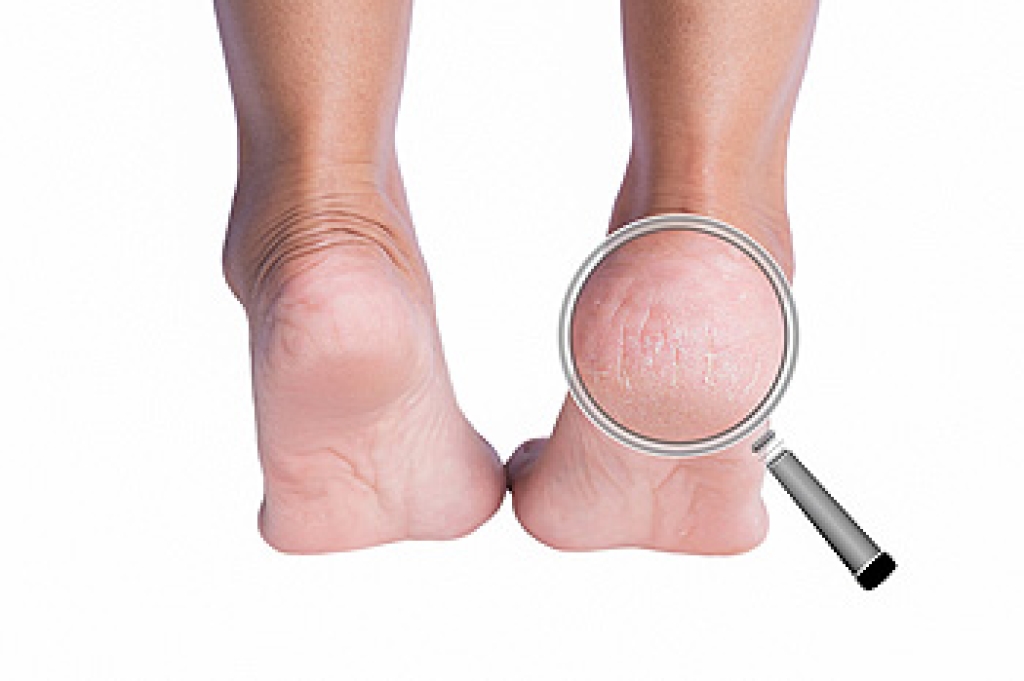
The foot condition that is known as cracked heels affects approximately 20 percent of adults throughout the country. Severely cracked heels are referred to as fissures, and may bleed and become infected. Cracked heels can happen from frequently wearing shoes that have an open back, or from standing on hard surfaces for most of the day. Having the correct knowledge of why this condition develops can be followed by implementing prevention strategies. These can include washing and drying the feet thoroughly, followed by applying a good moisturizer on them. It is helpful to avoid flip-flops when possible, and instead, it is beneficial to choose a shoe that has a cushioned heel. There may be existing medical conditions that may cause cracked heels to develop. These can include thyroid disorders, poor circulation, and elevated glucose levels. If you have cracked heels, it is suggested that you speak with a podiatrist who can offer you correct relief and treatment methods.

Cracked heels are unsightly and can cause further damage to your shoes and feet. If you have any concerns, contact one of our podiatrists from APEX Foot & Ankle Center. Our doctors can provide the care you need to keep you pain-free and on your feet.

Cracked Heels

Cracked heels appear unappealing and can make it harder for you walk around in sandals. Aside from looking unpleasant, cracked heels can also tear stockings, socks, and wear out your shoes. There are several methods to help restore a cracked heel and prevent further damage.

How Do You Get Them?

Dry skin is the number one culprit in creating cracked heels. Many athletes, walkers, joggers, and even swimmers suffer from cracked heels. Age and skin oil production play a role to getting cracked heels as well.

Promote Healing

Over the counter medicines can help, especially for those that need instant relief or who suffer from chronic dry feet.

Wear Socks – Wearing socks with medicated creams helps lock in moisture.

Moisturizers – Applying both day and night will help alleviate dryness which causes cracking.

Pumice Stones – These exfoliate and remove dead skin, which allows for smoother moisturizer application and better absorption into the skin. 

Change in Diet

Eating healthy with a well-balanced diet will give the skin a fresh and radiant look. Your body responds to the kinds of food you ingest. Omega-3 fatty acids and zinc supplements can also revitalize skin tissue.

Most importantly, seek professional help if unsure how to proceed in treating cracked heels. A podiatrist will help you with any questions or information needed. 

If you have any questions, please feel free to contact our offices located in Fort Myers, Shellpoint, and Naples, FL . We offer the newest diagnostic and treatment technologies for all your foot care needs.

Read more about Solutions for Cracked Heels

The Link Between Overpronation and Flat Feet

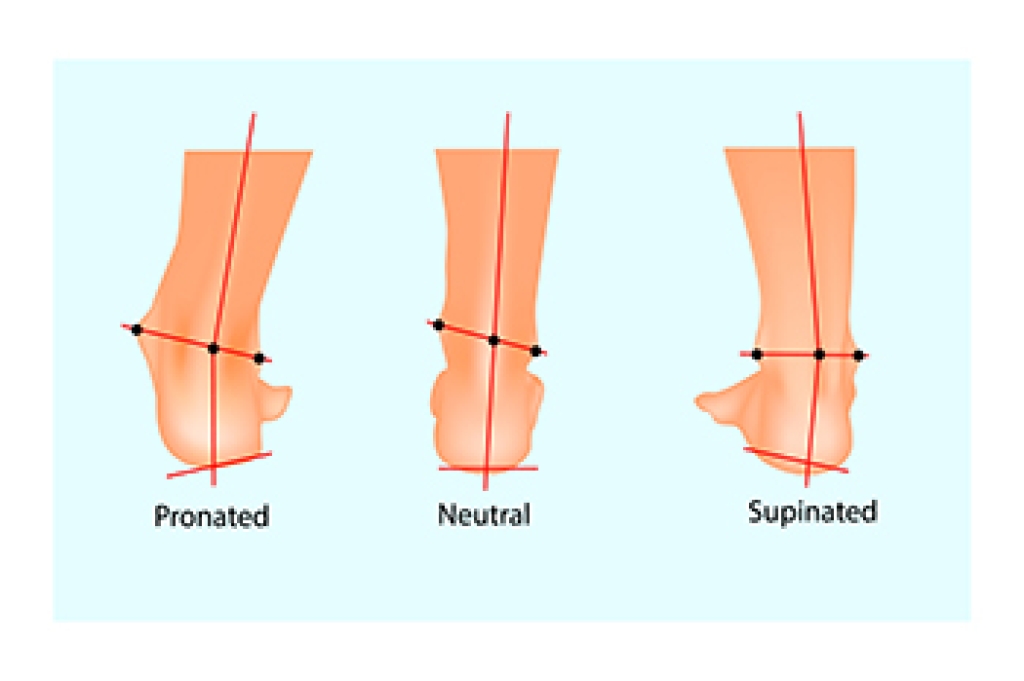
One of the main causes of poor foot posture is overpronation. This condition occurs when your gait, or how you walk or run, causes the arch of the foot to flatten. This can cause the ankle to roll inward, instead of remaining straight, and puts stress on the muscles, tendons, and ligaments that support the foot arches. The result is a flattening of the feet. However, flat feet are a different matter entirely. Flat feet, or pes planus, are the collapse or absence of the arch. This condition is common among women over 40, pregnant women, in addition to people who are overweight or have certain medical conditions. Pregnant women are also at risk of overpronation, as the result of gait changes due to a redistribution of their weight. Obesity or walking for long periods of time can also contribute to overpronation. Furthermore, patients whose feet are already slightly flattened are more apt to develop overpronation. If you believe that you may be suffering the effects of overpronation or flat feet, it is suggested that you make an appointment with a podiatrist for a gait analysis and an examination of the arches. 

If you have any concerns about your feet, contact one of our podiatrists from APEX Foot & Ankle Center. Our doctors can provide the care you need to keep you pain-free and on your feet.

Biomechanics in Podiatry

Podiatric biomechanics is a particular sector of specialty podiatry with licensed practitioners who are trained to diagnose and treat conditions affecting the foot, ankle and lower leg. Biomechanics deals with the forces that act against the body, causing an interference with the biological structures. It focuses on the movement of the ankle, the foot and the forces that interact with them.

A History of Biomechanics

  • Biomechanics dates back to the BC era in Egypt where evidence of professional foot care has been recorded.
  • In 1974, biomechanics gained a higher profile from the studies of Merton Root, who claimed that by changing or controlling the forces between the ankle and the foot, corrections or conditions could be implemented to gain strength and coordination in the area.

Modern technological improvements are based on past theories and therapeutic processes that provide a better understanding of podiatric concepts for biomechanics. Computers can provide accurate information about the forces and patterns of the feet and lower legs.

Understanding biomechanics of the feet can help improve and eliminate pain, stopping further stress to the foot.

If you have any questions please feel free to contact our offices located in Fort Myers, Shellpoint, and Naples, FL . We offer the newest diagnostic and treatment technologies for all your foot and ankle needs.

Read more about Biomechanics in Podiatry

Are You Suffering From Ingrown Toenails?

If left untreated, an ingrown toenail can lead to more serious concerns, such as an infection. Knowing proper nail care can help in the prevention of an ingrown toenail. Give us a call, and get treated!

Treatment for a Broken Toe

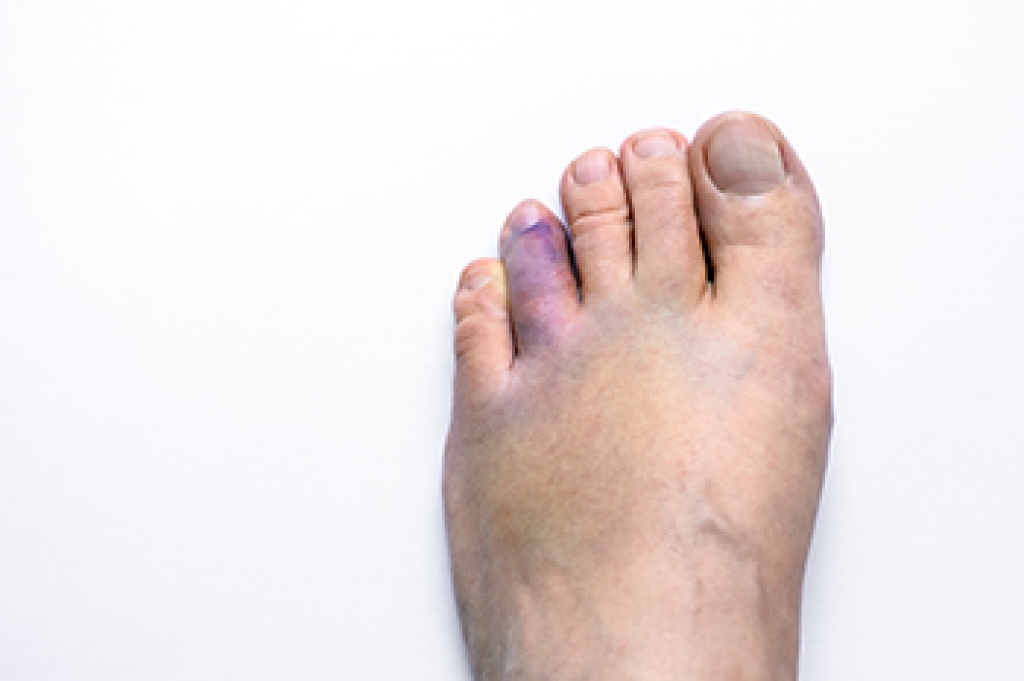
Common reasons people can break a toe can include a heavy object dropping on one of them, or it may happen from stubbing it into a piece of furniture. There is no mistaking a broken toe when it happens, as there is immediate pain, bruising, and swelling. Additionally, it is often difficult to walk, and mild relief may be found when the foot is frequently elevated. It is beneficial to have an X-ray performed which can confirm the fracture, and determine its severity. Patients may find success in using the buddy taping method as a possible remedy for their broken toe. This is done by taping the affected toe to the toe next to it, which can generally provide the stability that is needed as it heals. Severely broken toes may have a bone protruding from them and will require medical attention. If you have a broken toe, it is suggested that you visit a podiatrist who can correctly diagnose it, and offer the treatment method that is right for you.

Broken toes may cause a lot of pain and should be treated as soon as possible. If you have any concerns about your feet, contact one of our podiatrists from APEX Foot & Ankle Center. Our doctors will treat your foot and ankle needs.

What Is a Broken Toe?

A broken toe occurs when one or more of the toe bones of the foot are broken after an injury. Injuries such as stubbing your toe or dropping a heavy object on it may cause a toe fracture.

Symptoms of a Broken Toe

  • Swelling
  • Pain (with/without wearing shoes)
  • Stiffness
  • Nail Injury

Although the injured toe should be monitored daily, it is especially important to have a podiatrist look at your toe if you have severe symptoms. Some of these symptoms include worsening or new pain that is not relieved with medication, sores, redness, or open wounds near the toe.

If you have any questions please feel free to contact our offices located in Fort Myers, Shellpoint, and Naples, FL . We offer the newest diagnostic tools and technology to treat your foot and ankle needs.

Read more about What to Know About a Broken Toe

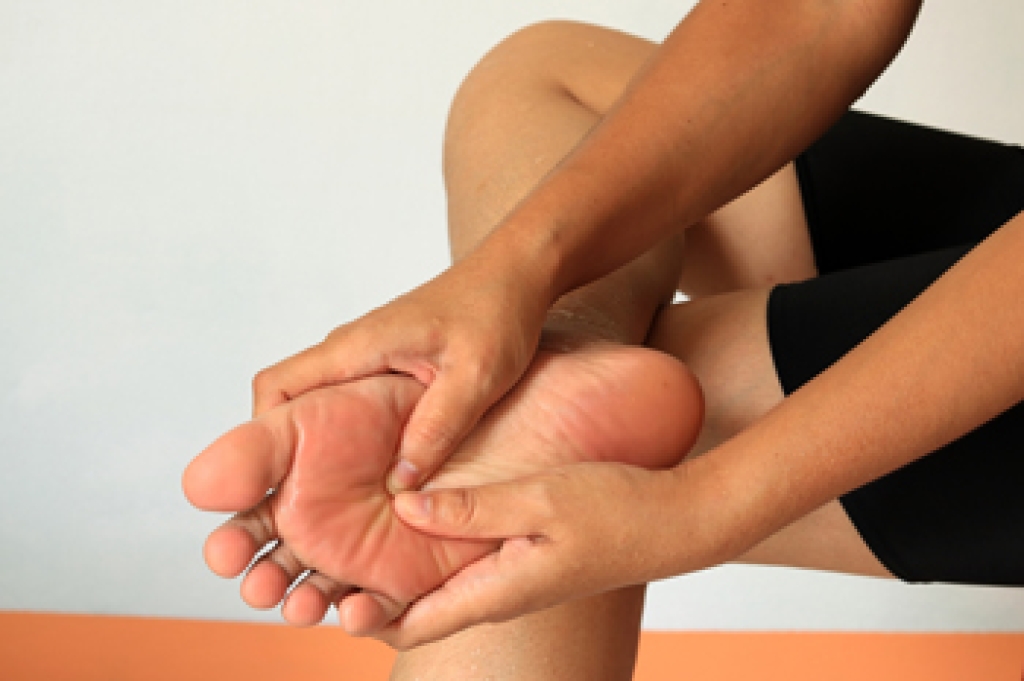
Nerve Problems That Cause Foot Pain

While there are numerous causes for foot pain, if you feel pain on the top of the foot or through the arch, it may be caused by nerve problems. Common symptoms of nerve pain in the feet are burning and shooting or stabbing pain when a nerve is aggravated. Unfortunately, such nerve pain in the feet can occur when you are active and when you are resting. The four most common causes of nerve pain in the feet are Morton’s neuroma, tarsal tunnel syndrome, peripheral neuropathy caused by diabetes, and a pinched nerve. With Morton’s neuroma, the pain will be felt between the third and fourth toes as the nerve in that area thickens. This condition affects women more often as a result of frequent wearing of high heels. Tarsal tunnel syndrome is caused when the tibial nerve that is located near the heel is compressed. A pinched nerve, which is also called nerve entrapment, is often caused by swelling, tight shoes, or trauma to the foot. Diabetic foot neuropathy is the result of nerve damage caused by high levels of blood sugar. If you are experiencing any type of shooting or stabbing pain in the feet, it is suggested that you make an appointment with a podiatrist to determine the cause and find appropriate treatment.

Foot Pain

Foot pain can be extremely painful and debilitating. If you have a foot pain, consult with one of our podiatrists from APEX Foot & Ankle Center. Our doctors will assess your condition and provide you with quality foot and ankle treatment.

Causes

Foot pain is a very broad condition that could be caused by one or more ailments. The most common include:

  • Bunions
  • Hammertoes
  • Plantar Fasciitis
  • Bone Spurs
  • Corns
  • Tarsal Tunnel Syndrome
  • Ingrown Toenails
  • Arthritis (such as Gout, Rheumatoid, and Osteoarthritis)
  • Flat Feet
  • Injury (from stress fractures, broken toe, foot, ankle, Achilles tendon ruptures, and sprains)
  • And more

Diagnosis

To figure out the cause of foot pain, podiatrists utilize several different methods. This can range from simple visual inspections and sensation tests to X-rays and MRI scans. Prior medical history, family medical history, and any recent physical traumatic events will all be taken into consideration for a proper diagnosis.

Treatment

Treatment depends upon the cause of the foot pain. Whether it is resting, staying off the foot, or having surgery; podiatrists have a number of treatment options available for foot pain.

If you have any questions, please feel free to contact our offices located in Fort Myers, Shellpoint, and Naples, FL . We offer the newest diagnostic and treatment technologies for all your foot care needs.
Read more about Foot Pain

Symptoms of an Achilles Tendon Injury

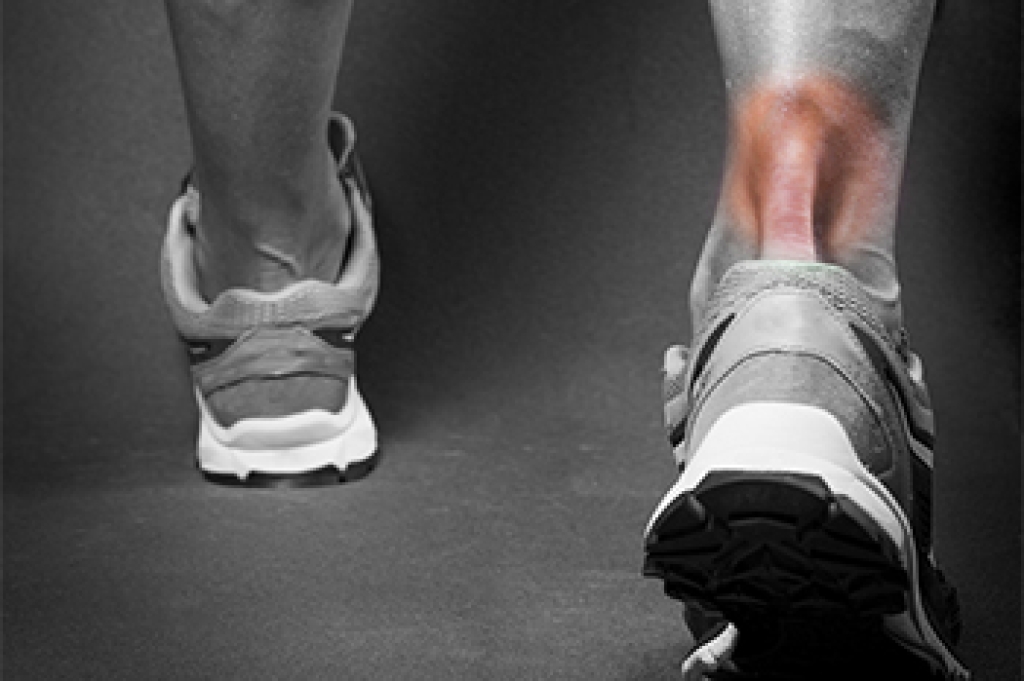
The most common reason an Achilles tendon injury can happen is overuse. Many runners experience this type of injury, possibly as a result of increasing speed and distance too quickly. Additionally, it may happen from not stretching properly before running or jogging. The Achilles tendon is located in the lower calf area and connects the heel to the calf muscles. This type of injury generally causes severe pain and discomfort and can be challenging to walk. Additional symptoms associated with an Achilles tendon injury can include stiffness, swelling, and a burning sensation. An Achilles tendon injury may cause some patients to feel weak and existing calluses on their feet may change in size. This may be a result of the impact an Achilles tendon injury can have on the skin while walking. If you have incurred this type of injury, it is strongly suggested that you consult with a podiatrist as quickly as possible who can guide you toward the right treatment methods.

Achilles tendon injuries need immediate attention to avoid future complications. If you have any concerns, contact one of our podiatrists of APEX Foot & Ankle Center. Our doctors can provide the care you need to keep you pain-free and on your feet.

What Is the Achilles Tendon?

The Achilles tendon is a tendon that connects the lower leg muscles and calf to the heel of the foot. It is the strongest tendon in the human body and is essential for making movement possible. Because this tendon is such an integral part of the body, any injuries to it can create immense difficulties and should immediately be presented to a doctor.

What Are the Symptoms of an Achilles Tendon Injury?

There are various types of injuries that can affect the Achilles tendon. The two most common injuries are Achilles tendinitis and ruptures of the tendon.

Achilles Tendinitis Symptoms

  • Inflammation
  • Dull to severe pain
  • Increased blood flow to the tendon
  • Thickening of the tendon

Rupture Symptoms

  • Extreme pain and swelling in the foot
  • Total immobility

Treatment and Prevention

Achilles tendon injuries are diagnosed by a thorough physical evaluation, which can include an MRI. Treatment involves rest, physical therapy, and in some cases, surgery. However, various preventative measures can be taken to avoid these injuries, such as:

  • Thorough stretching of the tendon before and after exercise
  • Strengthening exercises like calf raises, squats, leg curls, leg extensions, leg raises, lunges, and leg presses

If you have any questions please feel free to contact our offices located in Fort Myers, Shellpoint, and Naples, FL . We offer the newest diagnostic tools and technology to treat your foot and ankle needs.

Read more about What are Achilles Tendon Injuries

Why Live with Pain and Numbness in Your Feet?

Suffering from this type of pain? You may have the foot condition known as Morton's neuroma. Morton's neuroma may develop as a result of ill-fitting footwear and existing foot deformities. We can help.

Caring for Wounds on the Feet

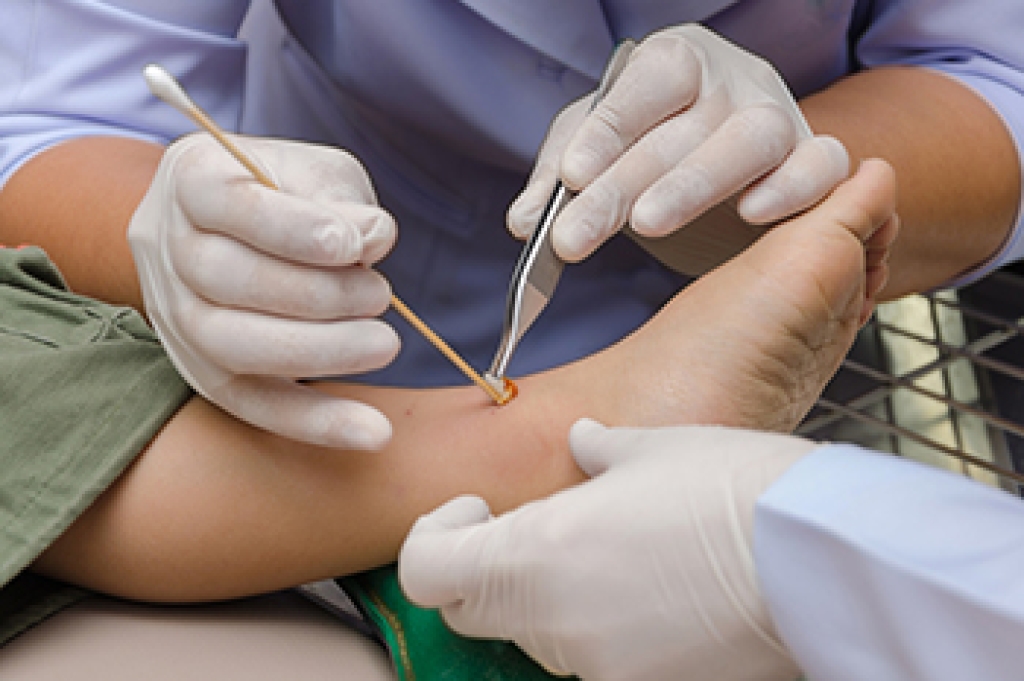
Cuts and sores are common occurrences, and many happen to the feet. This is especially true during the summer months, when people are more likely to wear sandals and flip flops. In most cases, these minor wounds heal with a small amount of antiseptic gel and a bandage. However, if a wound does not heal properly, it may cause painful foot conditions. Signs that a wound needs professional care can include excessive bleeding, increasing pain, and pus or discharge. If a foot wound is becoming worse, a podiatrist can treat it with a series of actions. This can begin with flushing out the wound for any foreign particles that may be embedded, likely followed with a tetanus shot. With larger wounds, especially those bleeding profusely, stitches may be required, and pain medication will likely be prescribed. In certain cases, such as a diabetic ulcer, surgical treatment may be necessary. For more information about foot wound care, it is suggested that you make an appointment with a podiatrist as quickly as possible.

Wound care is an important part in dealing with diabetes. If you have diabetes and a foot wound or would like more information about wound care for diabetics, consult with one of our podiatrists from APEX Foot & Ankle Center. Our doctors will assess your condition and provide you with quality foot and ankle treatment.

What Is Wound Care?

Wound care is the practice of taking proper care of a wound. This can range from the smallest to the largest of wounds. While everyone can benefit from proper wound care, it is much more important for diabetics. Diabetics often suffer from poor blood circulation which causes wounds to heal much slower than they would in a non-diabetic. 

What Is the Importance of Wound Care?

While it may not seem apparent with small ulcers on the foot, for diabetics, any size ulcer can become infected. Diabetics often also suffer from neuropathy, or nerve loss. This means they might not even feel when they have an ulcer on their foot. If the wound becomes severely infected, amputation may be necessary. Therefore, it is of the upmost importance to properly care for any and all foot wounds.

How to Care for Wounds

The best way to care for foot wounds is to prevent them. For diabetics, this means daily inspections of the feet for any signs of abnormalities or ulcers. It is also recommended to see a podiatrist several times a year for a foot inspection. If you do have an ulcer, run the wound under water to clear dirt from the wound; then apply antibiotic ointment to the wound and cover with a bandage. Bandages should be changed daily and keeping pressure off the wound is smart. It is advised to see a podiatrist, who can keep an eye on it.

If you have any questions please contact our offices located in Fort Myers, Shellpoint, and Naples, FL . We offer the newest diagnostic and treatment technologies for all your foot and ankle needs.

Read more about Wound Care

Symptoms of Athlete’s Foot

Athlete’s foot is a common and often uncomfortable foot infection caused by having contact with a fungus known as trichophyton. It often affects the space between the toes, and sometimes is found on the bottom of the feet. Unfortunately, it is quite easy to get athlete's foot, which is extremely contagious if certain conditions are met. This fungus thrives in warm and moist places, such as the inside of shoes. Symptoms of athlete’s foot are easy to recognize. The most noticeable signs are itchy toes and dry skin. The infected skin can become chapped and flaked when the shoes are removed and the toes are exposed to dry air. The skin also may begin to ooze fluid, especially if the infection is not treated immediately. The affected area may begin to redden, which is exacerbated by scratching. To make matters worse, the open skin can attract bacteria, further infecting the foot. That may produce swelling, which can be quite painful. At this point, it is suggested that you make an appointment with a podiatrist who can offer an array of treatment options to deal with an athlete’s foot infection.

Athlete’s foot is an inconvenient condition that can be easily reduced with the proper treatment. If you have any concerns about your feet and ankles, contact one of our podiatrists from APEX Foot & Ankle Center.  Our doctors will treat your foot and ankle needs.

Athlete’s Foot: The Sole Story

Athlete's foot, also known as tinea pedis, can be an extremely contagious foot infection. It is commonly contracted in public changing areas and bathrooms, dormitory style living quarters, around locker rooms and public swimming pools, or anywhere your feet often come into contact with other people.

Solutions to Combat Athlete’s Foot

  • Hydrate your feet by using lotion
  • Exfoliate
  • Buff off nails
  • Use of anti-fungal products
  • Examine your feet and visit your doctor if any suspicious blisters or cuts develop

Athlete’s foot can cause many irritating symptoms such as dry and flaking skin, itching, and redness. Some more severe symptoms can include bleeding and cracked skin, intense itching and burning, and even pain when walking. In the worst cases, Athlete’s foot can cause blistering as well. Speak to your podiatrist for a better understanding of the different causes of Athlete’s foot, as well as help in determining which treatment options are best for you.

If you have any questions please feel free to contact our offices located in Fort Myers, Shellpoint, and Naples, FL . We offer the newest diagnostic and treatment technologies for all your foot and ankle needs.

Read more about Athlete's Foot

Connect With Us

Advanced Podiatric Procedures & Services in the Fort Myers, FL 33908 and Naples, FL 34110 areas