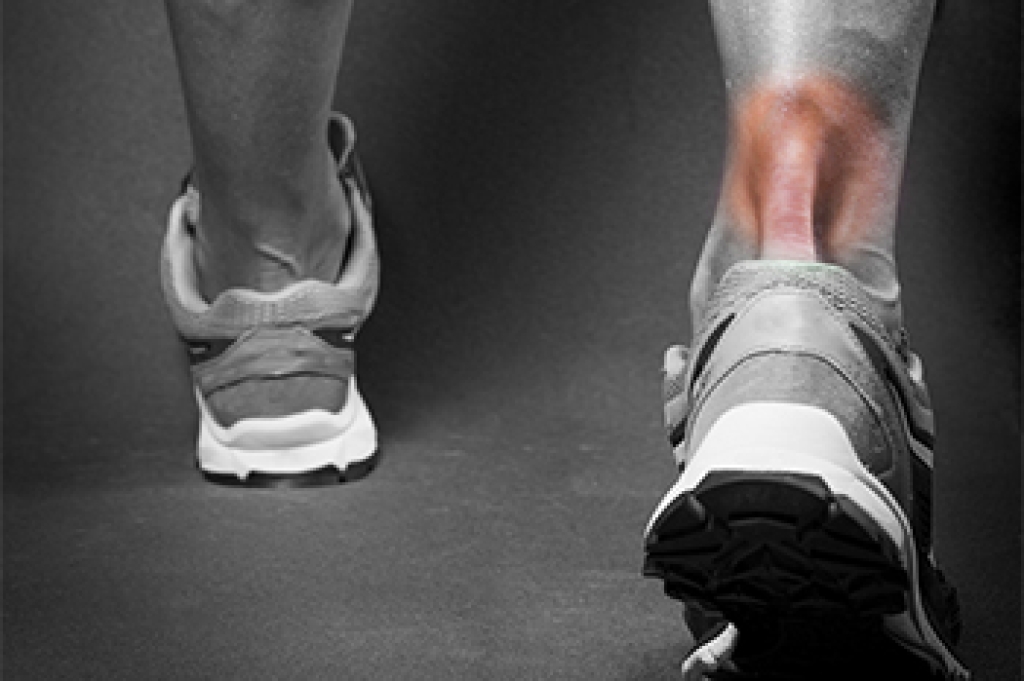
Various Reasons for an Achilles Tendon Injury to Happen

The Achilles tendon is the largest tendon in the body, and it connects the heel to the calf muscles. An Achilles tendon injury can cause severe pain and discomfort, and can happen to anyone. There are specific groups of people who may be prone to developing this type of injury. These can include runners who increase speed and mileage too quickly, or people who have tight or weak calf muscles. Additionally, patients who have feet that naturally roll inward while walking and running may develop an Achilles tendon injury more easily than others. Decreased blood supply in people who are over 30 years old may cause this type of injury to happen, and patients may develop a temporary risk of enduring this condition who frequently take certain antibiotics. If you have pain in the calf that radiates to the heel, you may have this affliction, and it is suggested that you consult with a podiatrist as quickly as possible who can effectively treat you.

Achilles tendon injuries need immediate attention to avoid future complications. If you have any concerns, contact one of our podiatrists of APEX Foot & Ankle Center. Our doctors can provide the care you need to keep you pain-free and on your feet.

What Is the Achilles Tendon?

The Achilles tendon is a tendon that connects the lower leg muscles and calf to the heel of the foot. It is the strongest tendon in the human body and is essential for making movement possible. Because this tendon is such an integral part of the body, any injuries to it can create immense difficulties and should immediately be presented to a doctor.

What Are the Symptoms of an Achilles Tendon Injury?

There are various types of injuries that can affect the Achilles tendon. The two most common injuries are Achilles tendinitis and ruptures of the tendon.

Achilles Tendinitis Symptoms

  • Inflammation
  • Dull to severe pain
  • Increased blood flow to the tendon
  • Thickening of the tendon

Rupture Symptoms

  • Extreme pain and swelling in the foot
  • Total immobility

Treatment and Prevention

Achilles tendon injuries are diagnosed by a thorough physical evaluation, which can include an MRI. Treatment involves rest, physical therapy, and in some cases, surgery. However, various preventative measures can be taken to avoid these injuries, such as:

  • Thorough stretching of the tendon before and after exercise
  • Strengthening exercises like calf raises, squats, leg curls, leg extensions, leg raises, lunges, and leg presses

If you have any questions please feel free to contact our offices located in Fort Myers, Shellpoint, and Naples, FL . We offer the newest diagnostic tools and technology to treat your foot and ankle needs.


Read more about The Causes, Types, and Treatments of Achilles Tendon Injuries

Cracked Heels and Diabetes

Cracked heels are a common occurrence. Heels can become cracked from dry skin brought on by bathing for too long in water that is too hot, using harsh cleansers, not moisturizing enough, and having poor circulation. Foot problems can take longer to heal, and it is harder to keep feet free of infections. It is important for everyone, but especially diabetics, to check their feet regularly, wash, dry, and moisturize them daily, avoid going barefoot, trim toenails properly and carefully, and wear well-fitting shoes. If you have cracked heels that are not responding to routine foot care along with having diabetes as a complication, it is suggested you see a podiatrist for an evaluation and a treatment plan.

If the skin on your feet starts to crack, you may want to see a podiatrist to find treatment. If you have any concerns, contact one of our podiatrists from APEX Foot & Ankle Center. Our doctors can provide the care you need to keep you pain-free and on your feet.

Cracked Heels

It is important to moisturize your cracked heels in order to prevent pain, bleeding, and infection. The reason cracked heels form is because the skin on the foot is too dry to support the immense pressure placed on them. When the foot expands, the dry skin on the foot begins to split.

Ways to Help Heal Them

  • Invest in a good foot cream
  • Try Using Petroleum Jelly
  • Ease up on Soaps
  • Drink Plenty of Water

Ways to Prevent Cracked Heels

  • Moisturize After Showering
  • Skip a Shower
  • Keep Shower Water Lukewarm
  • Don’t Scrub Your Feet

If you are unsure how to proceed in treating cracked heels, seek guidance from a podiatrist. Your doctor will help you with any questions or information you may need. 

If you have any questions, please feel free to contact our offices located in Fort Myers, Shellpoint, and Naples, FL . We offer the newest diagnostic and treatment technologies for all your foot care needs.

Read more about Solutions for Cracked Heels

Plantar Warts Can Be Treated!

Plantar warts are small growths that develop on parts of the feet that bear weight. They're typically found on the bottom of the foot. Don't live with plantar warts, and call us today!

Foot Pain From Driving

Foot pain from driving is more common than some might imagine. Such pain is sometimes jokingly referred to as “driver’s foot,” “clutch foot,” or “accelerator foot.” Drivers may experience foot pain from driving as cramps in their feet, pain in one or both heels, pain in the ball of the foot around the big toe joint, or across the top of the foot. Pain may be worse if one is stuck in traffic for prolonged periods of time and needing to hold the foot in one position for longer than usual. The angle of the foot while driving might also contribute to pain. Because we tend to rest the heels of our feet on the floor when driving, this area is more apt to become sore or bruised. One can also experience pain where the ankle meets the foot from the tension of holding the pedals in certain places or having pedals that are hard to push down. If you experience foot pain while driving, or if pain persists when not driving, it is a good idea to consult with a podiatrist to see what the problem might be. This health professional is an expert in treatment options for all foot and ankle-related conditions.

Foot Pain

Foot pain can be extremely painful and debilitating. If you have a foot pain, consult with one of our podiatrists from APEX Foot & Ankle Center. Our doctors will assess your condition and provide you with quality foot and ankle treatment.

Causes

Foot pain is a very broad condition that could be caused by one or more ailments. The most common include:

  • Bunions
  • Hammertoes
  • Plantar Fasciitis
  • Bone Spurs
  • Corns
  • Tarsal Tunnel Syndrome
  • Ingrown Toenails
  • Arthritis (such as Gout, Rheumatoid, and Osteoarthritis)
  • Flat Feet
  • Injury (from stress fractures, broken toe, foot, ankle, Achilles tendon ruptures, and sprains)
  • And more

Diagnosis

To figure out the cause of foot pain, podiatrists utilize several different methods. This can range from simple visual inspections and sensation tests to X-rays and MRI scans. Prior medical history, family medical history, and any recent physical traumatic events will all be taken into consideration for a proper diagnosis.

Treatment

Treatment depends upon the cause of the foot pain. Whether it is resting, staying off the foot, or having surgery; podiatrists have a number of treatment options available for foot pain.

If you have any questions, please feel free to contact our offices located in Fort Myers, Shellpoint, and Naples, FL . We offer the newest diagnostic and treatment technologies for all your foot care needs.

Read more about Foot Pain

Simple Foot Care Techniques for Diabetic Patients

Diabetes is a serious medical condition that happens due to elevated glucose levels in the blood. The feet are often affected, and daily attention must be paid to them. This can begin with washing and drying the feet, followed by checking the soles for existing cuts, bruises, or scrapes. Secondly, the toenails must be trimmed correctly, and many people prefer to schedule regular visits to a podiatrist who can cut toenails properly. It is beneficial to wear shoes that fit correctly, and slippers worn inside the house can help to protect the feet while walking. Additionally, wearing sneakers while at the beach can help to shield the skin on the feet from the sand and sun. Poor circulation may be improved when the feet are frequently elevated, and a gentle exercise program is implemented. Many diabetic patients have high glucose levels as a result of the types of foods that are consumed. It is beneficial to reduce the intake of sugary foods and drinks and limit bread and pasta as much as possible. If you have diabetes, it is strongly advised that you are under the care of a podiatrist who can treat and help you to manage this condition. 

Diabetic foot care is important in preventing foot ailments such as ulcers. If you are suffering from diabetes or have any other concerns about your feet, contact one of our podiatrists from APEX Foot & Ankle Center. Our doctors can provide the care you need to keep you pain-free and on your feet.

Diabetic Foot Care

Diabetes affects millions of people every year. The condition can damage blood vessels in many parts of the body, especially the feet. Because of this, taking care of your feet is essential if you have diabetes, and having a podiatrist help monitor your foot health is highly recommended.

The Importance of Caring for Your Feet

  • Routinely inspect your feet for bruises or sores.
  • Wear socks that fit your feet comfortably.
  • Wear comfortable shoes that provide adequate support.

Patients with diabetes should have their doctor monitor their blood levels, as blood sugar levels play such a huge role in diabetic care. Monitoring these levels on a regular basis is highly advised.

It is always best to inform your healthcare professional of any concerns you may have regarding your feet, especially for diabetic patients. Early treatment and routine foot examinations are keys to maintaining proper health, especially because severe complications can arise if proper treatment is not applied.

If you have any questions, please feel free to contact our offices located in Fort Myers, Shellpoint, and Naples, FL . We offer the newest diagnostic and treatment technologies for all your foot care needs.

Read more about How to Care for Diabetic Foot

Connect With Us

Advanced Podiatric Procedures & Services in the Fort Myers, FL 33908 and Naples, FL 34110 areas