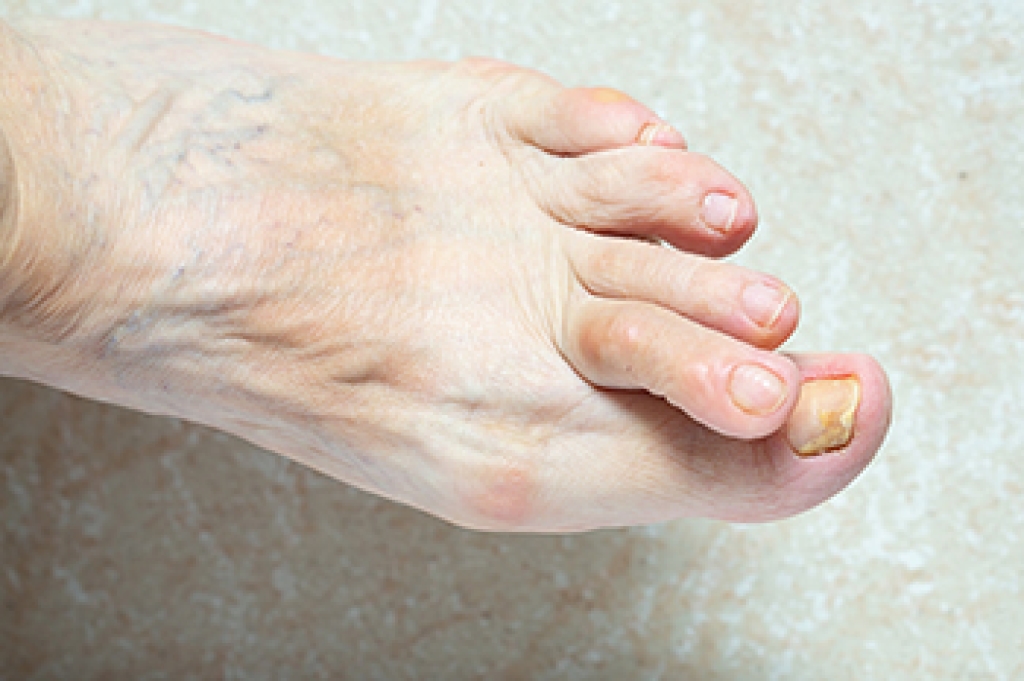
Definition and Reasons for Developing Hammertoe

Hammertoe, a relatively common foot condition, is often the source of discomfort and inconvenience for many individuals. This deformity occurs when the middle joint of one or more of your smaller toes becomes bent and stuck in an abnormal position. The affected toes often resemble the shape of a hammer, hence the name. Hammertoes can develop for a variety of reasons, including genetics, foot structure, or wearing ill-fitting shoes. High heels and shoes that squeeze the toes together can exacerbate the problem. Hammertoes can lead to pain, corns, calluses, and difficulty finding comfortable footwear. While the condition can be hereditary, early intervention through wearing proper footwear and certain medical treatment can help prevent or alleviate the discomfort associated with hammertoes, allowing individuals to maintain healthier and happier feet. If you are afflicted with hammertoe, it is strongly suggested that you are under the care of a podiatrist who can guide you toward effective relief options.

Hammertoes can be a painful condition to live with. For more information, contact one of our podiatrists of APEX Foot & Ankle Center. Our doctors will answer any of your foot- and ankle-related questions.

Hammertoe

Hammertoe is a foot deformity that occurs due to an imbalance in the muscles, tendons, or ligaments that normally hold the toe straight. It can be caused by the type of shoes you wear, your foot structure, trauma, and certain disease processes.

Symptoms

  • Painful and/or difficult toe movement
  • Swelling
  • Joint stiffness
  • Calluses/Corns
  • Physical deformity

Risk Factors

  • Age – The risk of hammertoe increases with age
  • Sex – Women are more likely to have hammertoe compared to men
  • Toe Length – You are more likely to develop hammertoe if your second toe is longer than your big toe
  • Certain Diseases – Arthritis and diabetes may make you more likely to develop hammertoe

Treatment

If you have hammertoe, you should change into a more comfortable shoe that provides enough room for your toes. Exercises such as picking up marbles may strengthen and stretch your toe muscles. Nevertheless, it is important to seek assistance from a podiatrist in order to determine the severity of your hammertoe and see which treatment option will work best for you.

If you have any questions, please feel free to contact our offices located in Fort Myers, Shellpoint, and Naples, FL . We offer the newest diagnostic and treatment technologies for all your foot care needs.
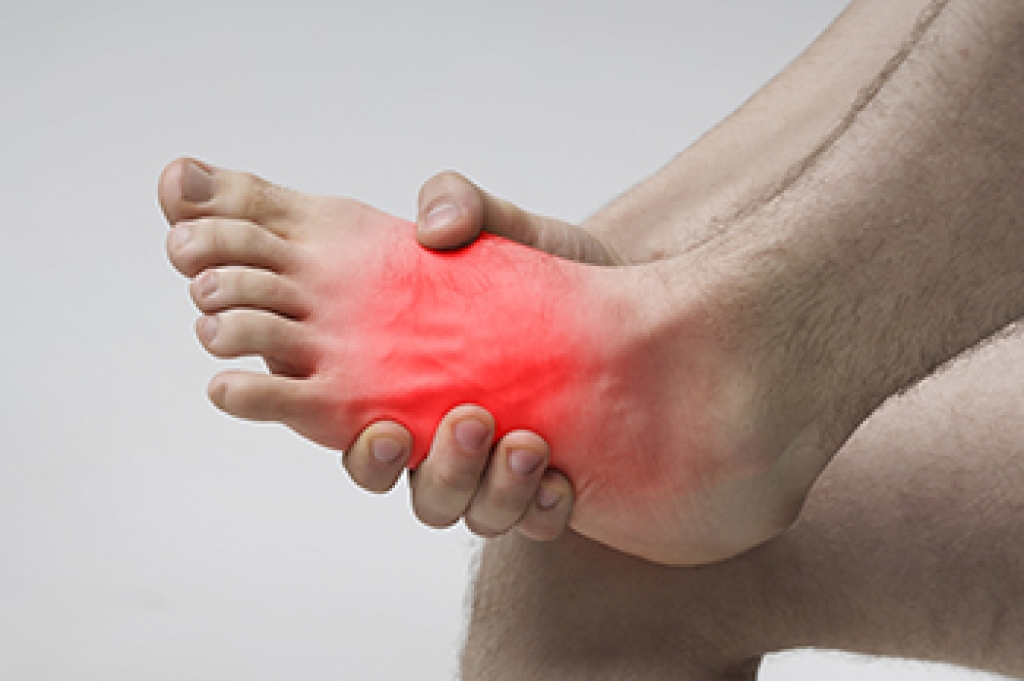

Read more about Hammertoe

Tendonitis Across the Top of the Foot

Extensor tendonitis is a common foot issue that causes discomfort across the top of the foot. This condition stems from irritation or inflammation of tendons that are critical for lifting the toes. Repetitive friction and pressure, often due to ill-fitting shoes, are common causes of extensor tendonitis. The primary tendons involved are the extensor hallucis longus, which lifts the big toe, and the extensor digitorum, for the other toes. Extending from lower leg muscles, these tendons cross the front of the ankle, span the upper foot, and attach to toe tips. Their limited protection renders them susceptible to injuries and leads to pain. Overuse or excessive pressure causes inflammation and swelling in these tendons. In time, this can weaken them and cause scarring that reduces flexibility and strength. Risk factors include tight shoes, prolonged weight-bearing, and calf muscle tightness.  Pain from extensor tendonitis usually worsens with activity but subsides during rest. Common signs are swelling, tenderness, and bruising. If you are experiencing symptoms of extensor tendonitis, it is suggested that you make an appointment with a podiatrist for a diagnosis and the appropriate treatment options.

Foot Pain

Foot pain can be extremely painful and debilitating. If you have a foot pain, consult with one of our podiatrists from APEX Foot & Ankle Center. Our doctors will assess your condition and provide you with quality foot and ankle treatment.

Causes

Foot pain is a very broad condition that could be caused by one or more ailments. The most common include:

  • Bunions
  • Hammertoes
  • Plantar Fasciitis
  • Bone Spurs
  • Corns
  • Tarsal Tunnel Syndrome
  • Ingrown Toenails
  • Arthritis (such as Gout, Rheumatoid, and Osteoarthritis)
  • Flat Feet
  • Injury (from stress fractures, broken toe, foot, ankle, Achilles tendon ruptures, and sprains)
  • And more

Diagnosis

To figure out the cause of foot pain, podiatrists utilize several different methods. This can range from simple visual inspections and sensation tests to X-rays and MRI scans. Prior medical history, family medical history, and any recent physical traumatic events will all be taken into consideration for a proper diagnosis.

Treatment

Treatment depends upon the cause of the foot pain. Whether it is resting, staying off the foot, or having surgery; podiatrists have a number of treatment options available for foot pain.

If you have any questions, please feel free to contact our offices located in Fort Myers, Shellpoint, and Naples, FL . We offer the newest diagnostic and treatment technologies for all your foot care needs.
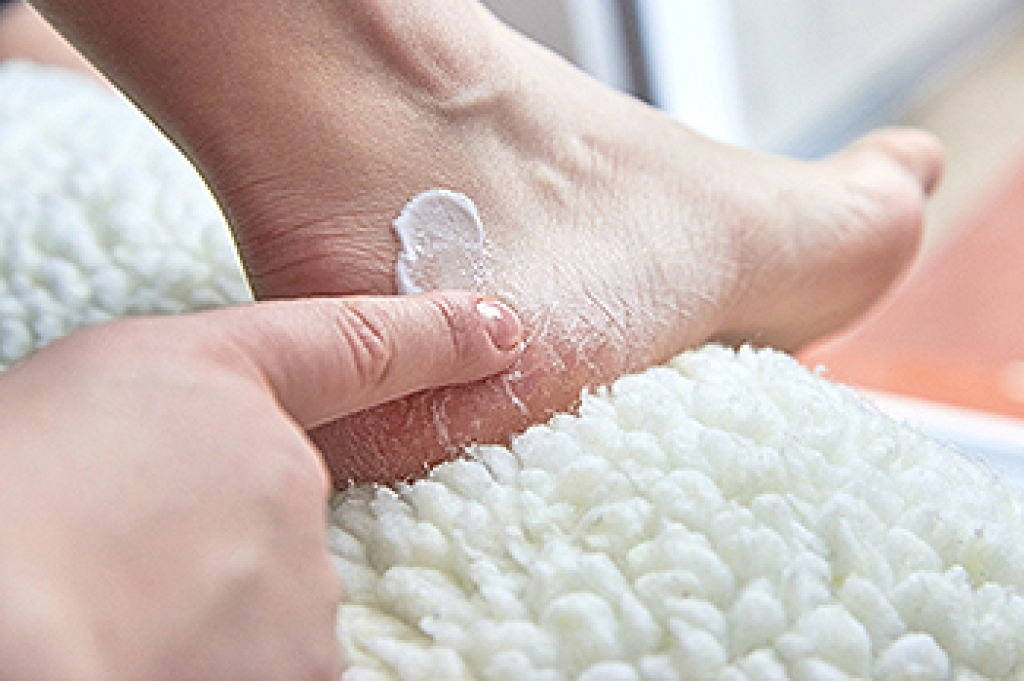
Read more about Foot Pain

Aesthetic Concerns of Cracked Heels

Dry, cracked heels are a common issue that can cause discomfort. These fissures in the skin often result from dryness, pressure, or various lifestyle and medical factors. While not usually a severe health concern, untreated cracked heels can become painful. This condition typically starts with dry skin. Daily activities such as standing, walking, or running exert pressure on the feet, causing the heel pads to expand. When combined with dryness, the skin can crack, creating openings for bacteria and viruses. Other potential causes of cracked heels include lifestyle choices that can include walking barefoot, taking hot showers, or using harsh soaps. Wearing ill-fitting shoes with poor support can also contribute to cracked heels. On a medical front, factors like diabetes, vitamin deficiencies, fungal infections, and hypothyroidism may also lead to developing cracked heels. Preventing cracked heels involves addressing dry skin and its underlying causes. Moisturizing is key, and products such as custom shoe inserts, padded socks, and heel relief sleeves can help protect and hydrate the skin. To treat existing dry, cracked heels, it is helpful to focus on hydration and protection. If this problem persists or causes pain, it is strongly suggested that you make an appointment with a podiatrist for a more advanced treatment plan.

If the skin on your feet starts to crack, you may want to see a podiatrist to find treatment. If you have any concerns, contact one of our podiatrists from APEX Foot & Ankle Center. Our doctors can provide the care you need to keep you pain-free and on your feet.

Cracked Heels

It is important to moisturize your cracked heels in order to prevent pain, bleeding, and infection. The reason cracked heels form is because the skin on the foot is too dry to support the immense pressure placed on them. When the foot expands, the dry skin on the foot begins to split.

Ways to Help Heal Them

  • Invest in a good foot cream
  • Try Using Petroleum Jelly
  • Ease up on Soaps
  • Drink Plenty of Water

Ways to Prevent Cracked Heels

  • Moisturize After Showering
  • Skip a Shower
  • Keep Shower Water Lukewarm
  • Don’t Scrub Your Feet

If you are unsure how to proceed in treating cracked heels, seek guidance from a podiatrist. Your doctor will help you with any questions or information you may need. 

If you have any questions, please feel free to contact our offices located in Fort Myers, Shellpoint, and Naples, FL . We offer the newest diagnostic and treatment technologies for all your foot care needs.
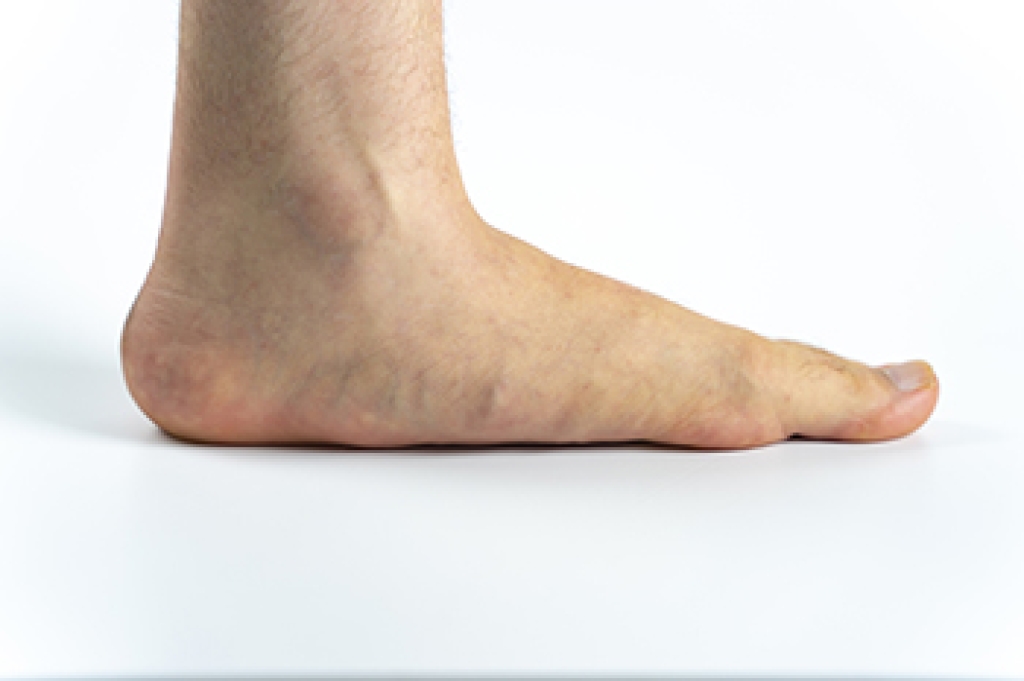
Read more about Solutions for Cracked Heels

Early Intervention for Flat Feet

Children with flat feet do not always naturally outgrow this condition, contrary to what parents may be told. Research supports the belief that untreated flat feet can lead to long-term problems. While children may not experience foot pain due to their soft and forgiving bones, they may complain of leg, knee, and growing pains. When left untreated, flat feet can result in painful adult flat feet in the future. Early intervention is crucial to prevent these issues. Treatment options may include orthotics, strengthening exercises, ballet, and surgery if necessary. Monitoring a child's flat feet without intervention might lead to further complications and becoming unresponsive to treatment later. Recognizing the potential long-term consequences of untreated flat feet is essential for both foot health and overall body posture. Early intervention can help children develop the correct foot structure and prevent future problems. If you have a child with flat feet and want to learn more about early intervention, it is suggested that you make an appointment with a podiatrist for a consultation.

Flatfoot is a condition many people suffer from. If you have flat feet, contact one of our podiatrists from APEX Foot & Ankle Center. Our doctors will treat your foot and ankle needs.

What Are Flat Feet?

Flatfoot is a condition in which the arch of the foot is depressed and the sole of the foot is almost completely in contact with the ground. About 20-30% of the population generally has flat feet because their arches never formed during growth.

Conditions & Problems:

Having flat feet makes it difficult to run or walk because of the stress placed on the ankles.

Alignment – The general alignment of your legs can be disrupted, because the ankles move inward which can cause major discomfort.

Knees – If you have complications with your knees, flat feet can be a contributor to arthritis in that area.  

Symptoms

  • Pain around the heel or arch area
  • Trouble standing on the tip toe
  • Swelling around the inside of the ankle
  • Flat look to one or both feet
  • Having your shoes feel uneven when worn

Treatment

If you are experiencing pain and stress on the foot you may weaken the posterior tibial tendon, which runs around the inside of the ankle. 

If you have any questions, please feel free to contact our offices located in Fort Myers, Shellpoint, and Naples, FL . We offer the newest diagnostic and treatment technologies for all your foot care needs.

Read more about Flatfoot

Connect With Us

Advanced Podiatric Procedures & Services in the Fort Myers, FL 33908 and Naples, FL 34110 areas