Symptoms of an Achilles Tendon Injury

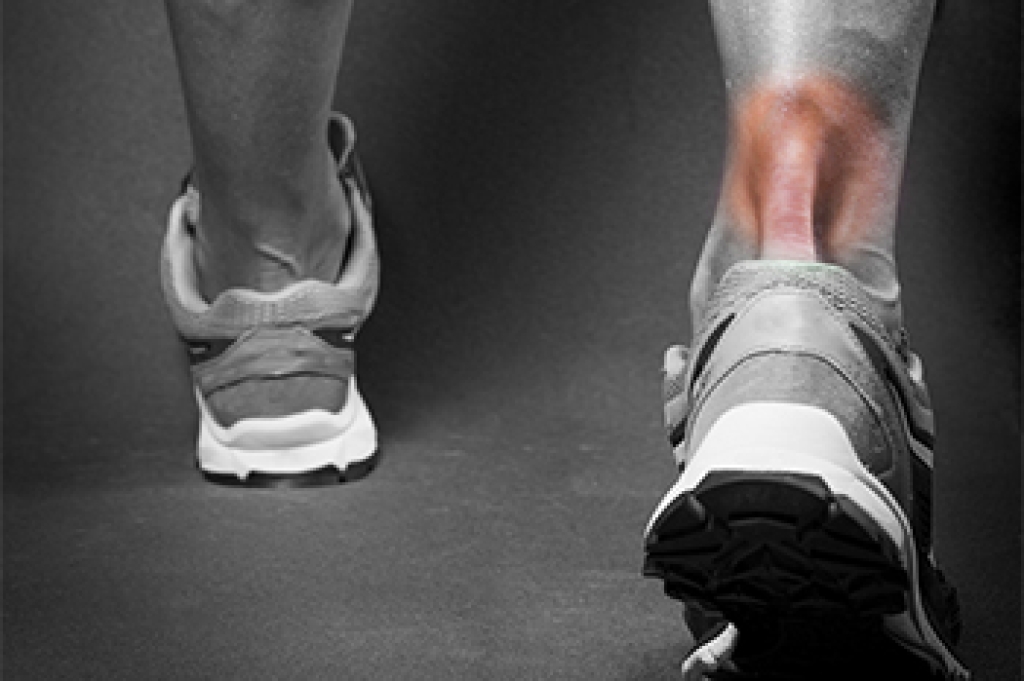
The most common reason an Achilles tendon injury can happen is overuse. Many runners experience this type of injury, possibly as a result of increasing speed and distance too quickly. Additionally, it may happen from not stretching properly before running or jogging. The Achilles tendon is located in the lower calf area and connects the heel to the calf muscles. This type of injury generally causes severe pain and discomfort and can be challenging to walk. Additional symptoms associated with an Achilles tendon injury can include stiffness, swelling, and a burning sensation. An Achilles tendon injury may cause some patients to feel weak and existing calluses on their feet may change in size. This may be a result of the impact an Achilles tendon injury can have on the skin while walking. If you have incurred this type of injury, it is strongly suggested that you consult with a podiatrist as quickly as possible who can guide you toward the right treatment methods.

Achilles tendon injuries need immediate attention to avoid future complications. If you have any concerns, contact one of our podiatrists of APEX Foot & Ankle Center. Our doctors can provide the care you need to keep you pain-free and on your feet.

What Is the Achilles Tendon?

The Achilles tendon is a tendon that connects the lower leg muscles and calf to the heel of the foot. It is the strongest tendon in the human body and is essential for making movement possible. Because this tendon is such an integral part of the body, any injuries to it can create immense difficulties and should immediately be presented to a doctor.

What Are the Symptoms of an Achilles Tendon Injury?

There are various types of injuries that can affect the Achilles tendon. The two most common injuries are Achilles tendinitis and ruptures of the tendon.

Achilles Tendinitis Symptoms

  • Inflammation
  • Dull to severe pain
  • Increased blood flow to the tendon
  • Thickening of the tendon

Rupture Symptoms

  • Extreme pain and swelling in the foot
  • Total immobility

Treatment and Prevention

Achilles tendon injuries are diagnosed by a thorough physical evaluation, which can include an MRI. Treatment involves rest, physical therapy, and in some cases, surgery. However, various preventative measures can be taken to avoid these injuries, such as:

  • Thorough stretching of the tendon before and after exercise
  • Strengthening exercises like calf raises, squats, leg curls, leg extensions, leg raises, lunges, and leg presses

If you have any questions please feel free to contact our offices located in Fort Myers, Shellpoint, and Naples, FL . We offer the newest diagnostic tools and technology to treat your foot and ankle needs.

Read more about What are Achilles Tendon Injuries

Why Live with Pain and Numbness in Your Feet?

Suffering from this type of pain? You may have the foot condition known as Morton's neuroma. Morton's neuroma may develop as a result of ill-fitting footwear and existing foot deformities. We can help.

Caring for Wounds on the Feet

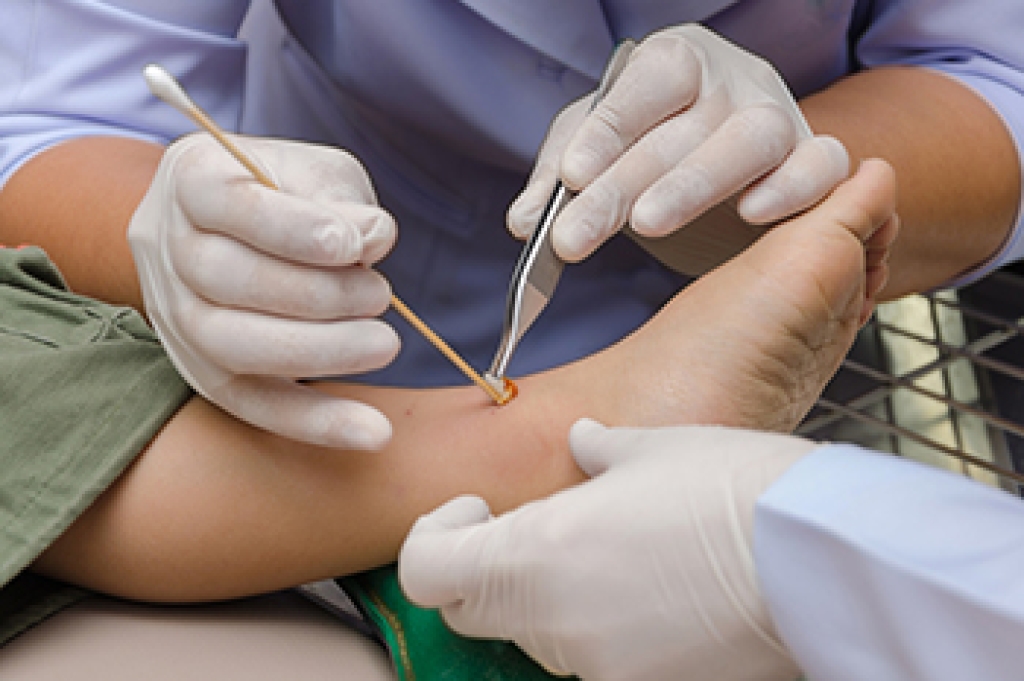
Cuts and sores are common occurrences, and many happen to the feet. This is especially true during the summer months, when people are more likely to wear sandals and flip flops. In most cases, these minor wounds heal with a small amount of antiseptic gel and a bandage. However, if a wound does not heal properly, it may cause painful foot conditions. Signs that a wound needs professional care can include excessive bleeding, increasing pain, and pus or discharge. If a foot wound is becoming worse, a podiatrist can treat it with a series of actions. This can begin with flushing out the wound for any foreign particles that may be embedded, likely followed with a tetanus shot. With larger wounds, especially those bleeding profusely, stitches may be required, and pain medication will likely be prescribed. In certain cases, such as a diabetic ulcer, surgical treatment may be necessary. For more information about foot wound care, it is suggested that you make an appointment with a podiatrist as quickly as possible.

Wound care is an important part in dealing with diabetes. If you have diabetes and a foot wound or would like more information about wound care for diabetics, consult with one of our podiatrists from APEX Foot & Ankle Center. Our doctors will assess your condition and provide you with quality foot and ankle treatment.

What Is Wound Care?

Wound care is the practice of taking proper care of a wound. This can range from the smallest to the largest of wounds. While everyone can benefit from proper wound care, it is much more important for diabetics. Diabetics often suffer from poor blood circulation which causes wounds to heal much slower than they would in a non-diabetic. 

What Is the Importance of Wound Care?

While it may not seem apparent with small ulcers on the foot, for diabetics, any size ulcer can become infected. Diabetics often also suffer from neuropathy, or nerve loss. This means they might not even feel when they have an ulcer on their foot. If the wound becomes severely infected, amputation may be necessary. Therefore, it is of the upmost importance to properly care for any and all foot wounds.

How to Care for Wounds

The best way to care for foot wounds is to prevent them. For diabetics, this means daily inspections of the feet for any signs of abnormalities or ulcers. It is also recommended to see a podiatrist several times a year for a foot inspection. If you do have an ulcer, run the wound under water to clear dirt from the wound; then apply antibiotic ointment to the wound and cover with a bandage. Bandages should be changed daily and keeping pressure off the wound is smart. It is advised to see a podiatrist, who can keep an eye on it.

If you have any questions please contact our offices located in Fort Myers, Shellpoint, and Naples, FL . We offer the newest diagnostic and treatment technologies for all your foot and ankle needs.

Read more about Wound Care

Symptoms of Athlete’s Foot

Athlete’s foot is a common and often uncomfortable foot infection caused by having contact with a fungus known as trichophyton. It often affects the space between the toes, and sometimes is found on the bottom of the feet. Unfortunately, it is quite easy to get athlete's foot, which is extremely contagious if certain conditions are met. This fungus thrives in warm and moist places, such as the inside of shoes. Symptoms of athlete’s foot are easy to recognize. The most noticeable signs are itchy toes and dry skin. The infected skin can become chapped and flaked when the shoes are removed and the toes are exposed to dry air. The skin also may begin to ooze fluid, especially if the infection is not treated immediately. The affected area may begin to redden, which is exacerbated by scratching. To make matters worse, the open skin can attract bacteria, further infecting the foot. That may produce swelling, which can be quite painful. At this point, it is suggested that you make an appointment with a podiatrist who can offer an array of treatment options to deal with an athlete’s foot infection.

Athlete’s foot is an inconvenient condition that can be easily reduced with the proper treatment. If you have any concerns about your feet and ankles, contact one of our podiatrists from APEX Foot & Ankle Center.  Our doctors will treat your foot and ankle needs.

Athlete’s Foot: The Sole Story

Athlete's foot, also known as tinea pedis, can be an extremely contagious foot infection. It is commonly contracted in public changing areas and bathrooms, dormitory style living quarters, around locker rooms and public swimming pools, or anywhere your feet often come into contact with other people.

Solutions to Combat Athlete’s Foot

  • Hydrate your feet by using lotion
  • Exfoliate
  • Buff off nails
  • Use of anti-fungal products
  • Examine your feet and visit your doctor if any suspicious blisters or cuts develop

Athlete’s foot can cause many irritating symptoms such as dry and flaking skin, itching, and redness. Some more severe symptoms can include bleeding and cracked skin, intense itching and burning, and even pain when walking. In the worst cases, Athlete’s foot can cause blistering as well. Speak to your podiatrist for a better understanding of the different causes of Athlete’s foot, as well as help in determining which treatment options are best for you.

If you have any questions please feel free to contact our offices located in Fort Myers, Shellpoint, and Naples, FL . We offer the newest diagnostic and treatment technologies for all your foot and ankle needs.

Read more about Athlete's Foot

Warning Signs of Diabetic Neuropathy

Diabetic neuropathy is one of the more serious side effects of maintaining high blood sugar levels for a long period of time. Neuropathy brought on by diabetes is the result of damage to the peripheral nerves, blocking the messages that control sensation to the feet. The effect is numbness, tingling, burning pain, and a reduced ability to detect changes in temperature. Weakness in the lower limbs and feet may result in pain, which can be treated with a number of medications. Infections from sores on the feet are commonly associated with peripheral diabetic neuropathy. In many cases, these sores, cuts, or other injuries to the feet become ulcerated because the patient is unable to detect them. Therefore, taking the time each day to inspect the feet, especially the soles, is imperative to ward off further damage. Increasing the level of exercise is thought to be helpful, and some patients receive pain relief from electro-stimulation treatments. If you have diabetes and are experiencing problems in the feet, it is suggested that you make an appointment with a podiatrist for an exam and treatment options.

Diabetic foot care is important in preventing foot ailments such as ulcers. If you are suffering from diabetes or have any other concerns about your feet, contact one of our podiatrists from APEX Foot & Ankle Center. Our doctors can provide the care you need to keep you pain-free and on your feet.

Diabetic Foot Care

Diabetes affects millions of people every year. The condition can damage blood vessels in many parts of the body, especially the feet. Because of this, taking care of your feet is essential if you have diabetes, and having a podiatrist help monitor your foot health is highly recommended.

The Importance of Caring for Your Feet

  • Routinely inspect your feet for bruises or sores.
  • Wear socks that fit your feet comfortably.
  • Wear comfortable shoes that provide adequate support.

Patients with diabetes should have their doctor monitor their blood levels, as blood sugar levels play such a huge role in diabetic care. Monitoring these levels on a regular basis is highly advised.

It is always best to inform your healthcare professional of any concerns you may have regarding your feet, especially for diabetic patients. Early treatment and routine foot examinations are keys to maintaining proper health, especially because severe complications can arise if proper treatment is not applied.

If you have any questions, please feel free to contact our offices located in Fort Myers, Shellpoint, and Naples, FL . We offer the newest diagnostic and treatment technologies for all your foot care needs.

Read more about Diabetic Foot Care

Connect With Us

Advanced Podiatric Procedures & Services in the Fort Myers, FL 33908 and Naples, FL 34110 areas