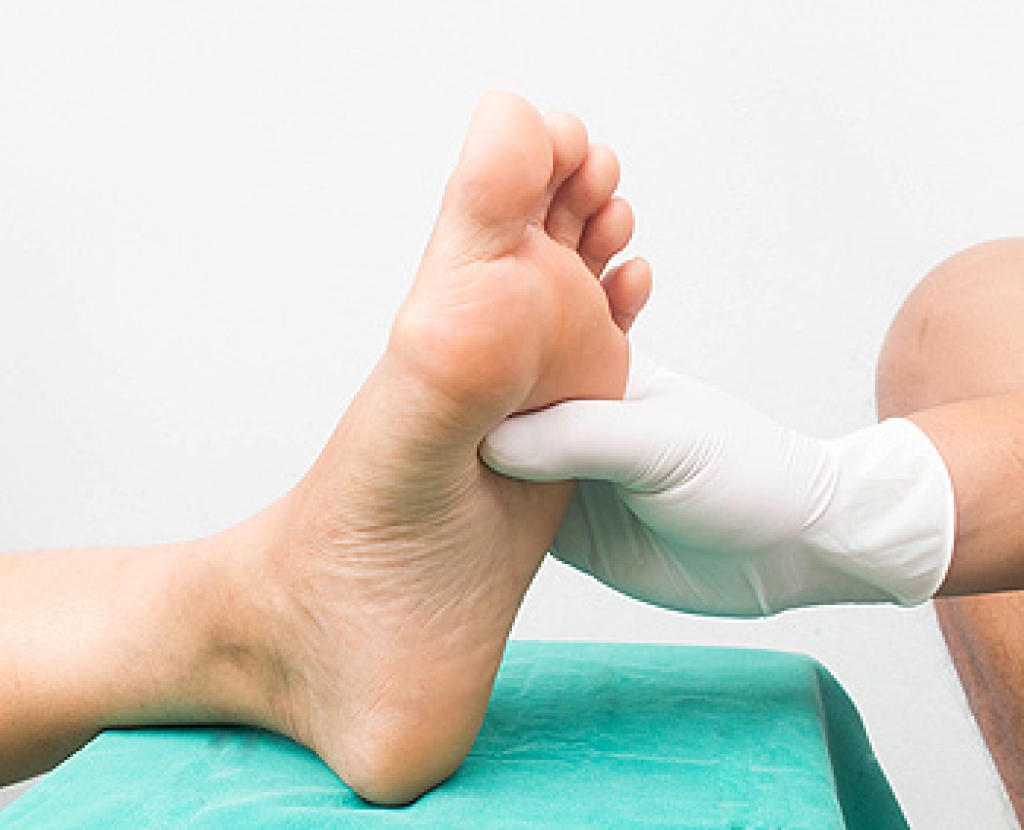
Warning Signs of Diabetic Neuropathy

Diabetic neuropathy is one of the more serious side effects of maintaining high blood sugar levels for a long period of time. Neuropathy brought on by diabetes is the result of damage to the peripheral nerves, blocking the messages that control sensation to the feet. The effect is numbness, tingling, burning pain, and a reduced ability to detect changes in temperature. Weakness in the lower limbs and feet may result in pain, which can be treated with a number of medications. Infections from sores on the feet are commonly associated with peripheral diabetic neuropathy. In many cases, these sores, cuts, or other injuries to the feet become ulcerated because the patient is unable to detect them. Therefore, taking the time each day to inspect the feet, especially the soles, is imperative to ward off further damage. Increasing the level of exercise is thought to be helpful, and some patients receive pain relief from electro-stimulation treatments. If you have diabetes and are experiencing problems in the feet, it is suggested that you make an appointment with a podiatrist for an exam and treatment options.

Diabetic foot care is important in preventing foot ailments such as ulcers. If you are suffering from diabetes or have any other concerns about your feet, contact one of our podiatrists from APEX Foot & Ankle Center. Our doctors can provide the care you need to keep you pain-free and on your feet.

Diabetic Foot Care

Diabetes affects millions of people every year. The condition can damage blood vessels in many parts of the body, especially the feet. Because of this, taking care of your feet is essential if you have diabetes, and having a podiatrist help monitor your foot health is highly recommended.

The Importance of Caring for Your Feet

  • Routinely inspect your feet for bruises or sores.
  • Wear socks that fit your feet comfortably.
  • Wear comfortable shoes that provide adequate support.

Patients with diabetes should have their doctor monitor their blood levels, as blood sugar levels play such a huge role in diabetic care. Monitoring these levels on a regular basis is highly advised.

It is always best to inform your healthcare professional of any concerns you may have regarding your feet, especially for diabetic patients. Early treatment and routine foot examinations are keys to maintaining proper health, especially because severe complications can arise if proper treatment is not applied.

If you have any questions, please feel free to contact our offices located in Fort Myers, Shellpoint, and Naples, FL . We offer the newest diagnostic and treatment technologies for all your foot care needs.


Read more about Diabetic Foot Care

The Importance of Daily Foot Care

The feet can be a barometer of our health, and like other parts of our bodies, it is important to care for our feet. The feet need to be strong, limber, and stable to perform daily functions, keep us upright, and prevent us from falling. Foot pain is common, yet many of us do not care for our feet as we should. A daily foot routine can go a long way in preventing foot problems. Things to consider doing as part of such a routine include washing, drying, and moisturizing the feet daily, cutting toenails regularly and straight across to prevent ingrown toenails, and wearing shoes that are comfortable and fit well. Examining the feet for brewing issues, such as cuts, growths, or discoloration, is also important. If you would like more information on caring for your feet, it is suggested that you make an appointment with a podiatrist today.

Everyday foot care is very important to prevent infection and other foot ailments. If you need your feet checked, contact one of our podiatrists from APEX Foot & Ankle Center. Our doctors can provide the care you need to keep you pain-free and on your feet.

Everyday Foot Care

Often, people take care of their bodies, face and hair more so than they do for their feet. But the feet are a very important aspect of our bodies, and one that we should pay more attention to. Without our feet, we would not be able to perform most daily tasks.

It is best to check your feet regularly to make sure there are no new bruises or cuts that you may not have noticed before. For dry feet, moisturizer can easily be a remedy and can be applied as often as necessary to the affected areas. Wearing shoes that fit well can also help you maintain good foot health, as well as making it easier to walk and do daily activities without the stress or pain of ill-fitting shoes, high heels, or even flip flops. Wearing clean socks with closed shoes is important to ensure that sweat and bacteria do not accumulate within the shoe. Clean socks help to prevent Athlete’s foot, fungi problems, bad odors, and can absorb sweat.

If you have any questions, please feel free to contact our offices located in Fort Myers, Shellpoint, and Naples, FL . We offer the newest diagnostic and treatment technologies for all your foot care needs.
Read more about Every Day Foot Care

Do Your Child's Feet Hurt?

Have your child's feet been examined lately? Healthy feet are happy feet. If your child is complaining of foot pain, it may be a sign of underlying problems.

Plantar Fasciitis Symptoms and Risk Factors

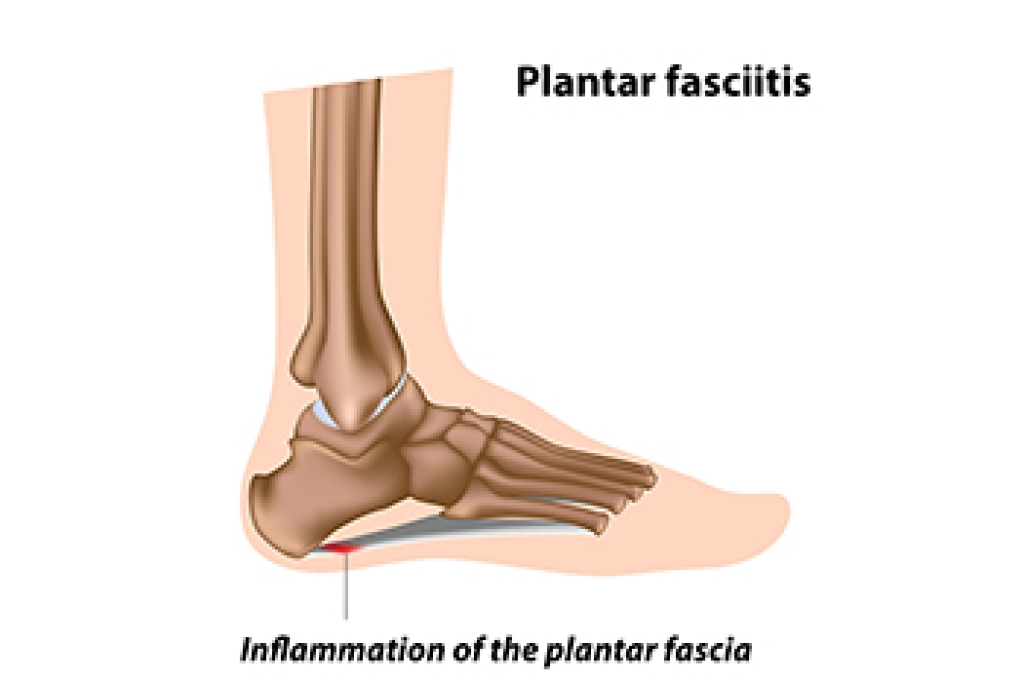
Most complaints of heel pain derive from plantar fasciitis, which involves inflammation of the band of tissue that runs under the feet from the toes to the heels. At first, plantar fasciitis starts as discomfort in the heel or arch, especially if your shoes have inadequate cushioning and an inflexible sole. Then the pain may also be felt when you first wake up, or after sitting or standing for long periods, but it generally fades as you become active again. Wearing shoes that do not fit properly and do not afford enough cushioning or arch support increases the chances of developing plantar fasciitis. Tightness in the calf muscles, another symptom of plantar fasciitis, is related to a problem with a tight Achilles tendon. Many pregnant women experience plantar fasciitis, as the result of gaining weight, retaining water, and increasing pressure on the feet. Long distance runners and soldiers, who may strike heel first while running, might be more prone to plantar fasciitis. If heel pain is a growing problem, it is suggested that you consult a podiatrist for an evaluation and treatment options.

Plantar fasciitis can be very painful and inconvenient. If you are experiencing heel pain or symptoms of plantar fasciitis, contact one of our podiatrists  from APEX Foot & Ankle Center. Our doctors can provide the care you need to keep you pain-free and on your feet.

What Is Plantar Fasciitis?

Plantar fasciitis is the inflammation of the thick band of tissue that runs along the bottom of your foot, known as the plantar fascia, and causes mild to severe heel pain.

What Causes Plantar Fasciitis?

  • Excessive running
  • Non-supportive shoes
  • Overpronation
  • Repeated stretching and tearing of the plantar fascia

How Can It Be Treated?

  • Conservative measures – anti-inflammatories, ice packs, stretching exercises, physical therapy, orthotic devices
  • Shockwave therapy – sound waves are sent to the affected area to facilitate healing and are usually used for chronic cases of plantar fasciitis
  • Surgery – usually only used as a last resort when all else fails. The plantar fascia can be surgically detached from the heel

While very treatable, plantar fasciitis is definitely not something that should be ignored. Especially in severe cases, speaking to your doctor right away is highly recommended to avoid complications and severe heel pain. Your podiatrist can work with you to provide the appropriate treatment options tailored to your condition.

If you have any questions, please feel free to contact our offices located in Fort Myers, Shellpoint, and Naples, FL . We offer the newest diagnostic and treatment technologies for all your foot care needs.

Read more about Plantar Fasciitis

How to Determine the Right Running Shoe for You

Having the right running shoe is paramount to reducing the chances of pain and injury. However, knowing how to find the shoe that best serves a runner’s needs can be confusing. Here are a few tips for simplifying the decision. The first consideration is knowing the type of running you will be doing and how often you will be doing it. Second, identify the terrain or environment you will be running in. For instance, trail shoes will have more grip and tread on the soles, while road shoes have flatter soles. Third, consider any previous running injuries you may have encountered and see a podiatrist who can examine your gait. Running shoes offer different types of cushioning, support, and stability based on the biomechanics of your feet. A podiatrist, who is a medically trained foot doctor, is a good source of information for anyone interested in finding the running shoe that will best serve your needs and protect your feet. If you are serious about running, it is suggested that you make an appointment with a podiatrist for an evaluation. 

If you are a runner, wearing the right running shoe is essential. For more information, contact one of our podiatrists from APEX Foot & Ankle Center. Our doctors can provide the care you need to keep you pain-free and on your feet.

Choosing the Right Running Shoe for Your Foot Type

To increase performance and avoid the risk of injury, it is important to choose the right running shoe based on your foot type. The general design of running shoes revolves around pronation, which is how the ankle rolls from outside to inside when the foot strikes the ground.

  • Neutral runners are able to choose from a wide variety of shoes, including minimalist shoes or even going barefoot.
  • Runners who overpronate, or experience an over-abundance of ankle rolling, should choose shoes that provide extra motion control and stability.
  • Runners who underpronate, or supinate, have feet that have high arches and lack flexibility, preventing shock absorption. They require shoes with more flexibility and cushion.

If you have any questions, please feel free to contact our offices located in Fort Myers, Shellpoint, and Naples, FL . We offer the newest diagnostic and treatment technologies for all your foot care needs.
Read more about Choosing the Right Running Shoe for Your Foot Type

Symptoms and Causes of Morton’s Neuroma

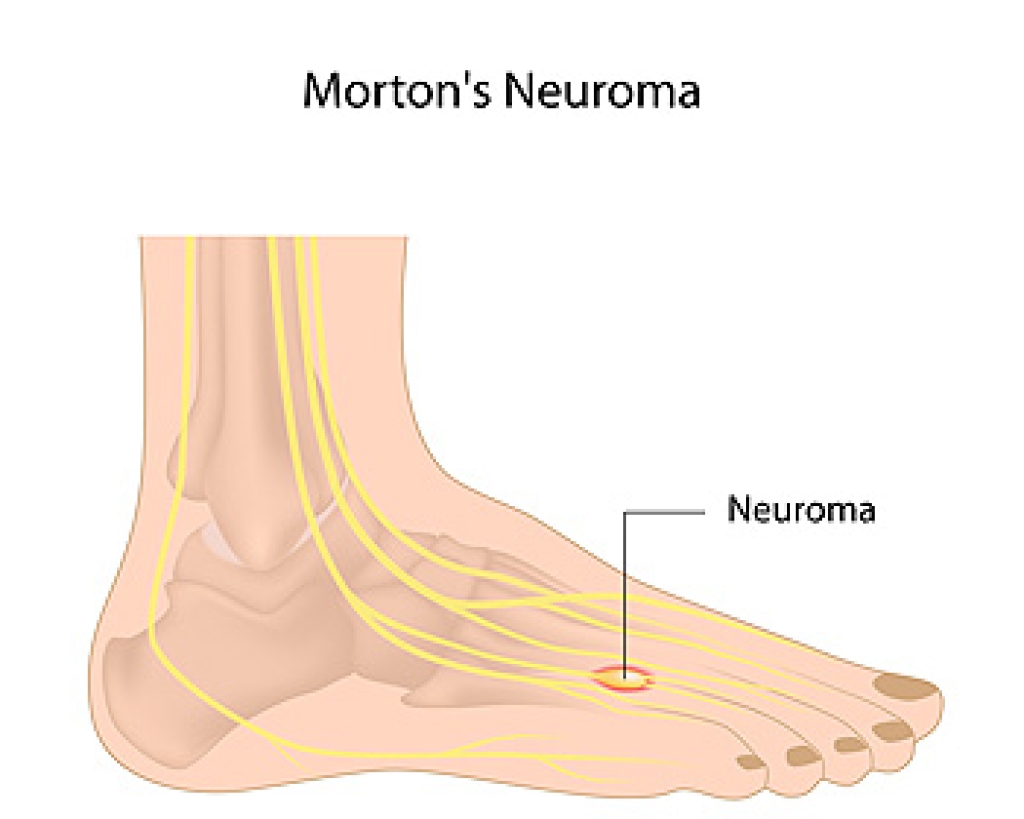
Pain in the ball of the foot, sometimes described as having a stone in the bottom of the shoe, is generally a symptom of Morton’s neuroma. This benign condition is the result of extra nerve tissue growing between the third and fourth toes of the foot. Simply putting weight on the foot when standing or walking can set off the nerve pain from Morton’s neuroma. Among the contributing factors leading to Morton’s neuroma are wearing high-heeled shoes with narrow toe boxes and playing sports for extended periods. Not surprisingly, cases of Morton’s neuroma are more likely to be found in women between 40 and 70 years old. On the other hand, most men with this condition are under 30 years old. Symptoms include pain in the ball of the foot, a burning and tingling pain in the nearby toes, and feeling like a sock is bunched up inside the shoe. Changes to footwear and massaging the affected area can help to alleviate the pain. In more severe cases, a surgical solution may be necessary. If you believe you have Morton’s neuroma, it is suggested that you consult a podiatrist for an exam and diagnosis before deciding on treatment options.

Morton’s neuroma is a very uncomfortable condition to live with. If you think you have Morton’s neuroma, contact one of our podiatrists of APEX Foot & Ankle Center. Our doctors will attend to all of your foot care needs and answer any of your related questions.  

Morton’s Neuroma

Morton's neuroma is a painful foot condition that commonly affects the areas between the second and third or third and fourth toe, although other areas of the foot are also susceptible. Morton’s neuroma is caused by an inflamed nerve in the foot that is being squeezed and aggravated by surrounding bones.

What Increases the Chances of Having Morton’s Neuroma?

  • Ill-fitting high heels or shoes that add pressure to the toe or foot
  • Jogging, running or any sport that involves constant impact to the foot
  • Flat feet, bunions, and any other foot deformities

Morton’s neuroma is a very treatable condition. Orthotics and shoe inserts can often be used to alleviate the pain on the forefront of the feet. In more severe cases, corticosteroids can also be prescribed. In order to figure out the best treatment for your neuroma, it’s recommended to seek the care of a podiatrist who can diagnose your condition and provide different treatment options.

If you have any questions, please feel free to contact our offices located in Fort Myers, Shellpoint, and Naples, FL . We offer the newest diagnostic and treatment technologies for all your foot care needs.
Read more about Morton's Neuroma

Why Your Feet Might Ache at Night

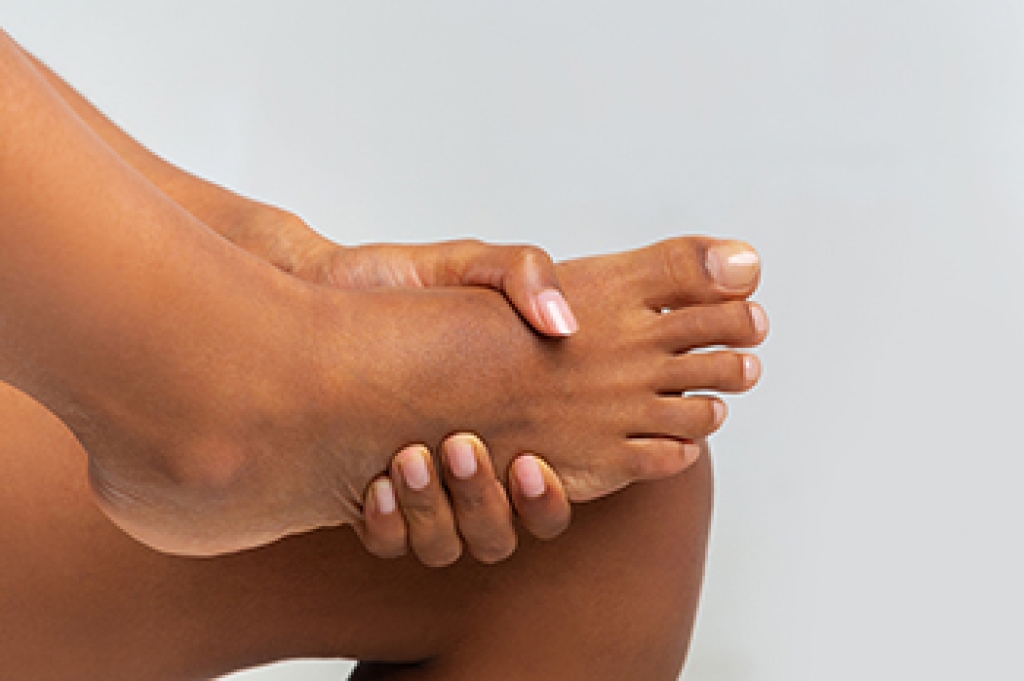
A person might feel foot pain at night from various causes, including lifestyle factors and medical conditions. Such pain may be dull or throbbing and be felt in the ball of the foot, the heel, the toes, the arches, or the ankles. Aching feet can interfere with sleep, and sleep disturbances can make pain feel worse. Lifestyle factors contributing to foot pain at night include standing for prolonged periods, wearing ill-fitting footwear, or pregnancy. One can get muscle fatigue and suffer cramps or spasms in their feet during pregnancy, and the body processes calcium differently, which can also cause foot cramps. Medical conditions leading to nighttime foot achiness include foot problems like Morton’s neuroma or plantar fasciitis or health conditions such as diabetes. Wearing correctly fitting shoes, getting plenty of hydration, and doing foot stretches can help reduce foot pain at night. If your feet continually hurt you at night, it is suggested that you visit a podiatrist for an examination, diagnosis, and treatment options.

Foot Pain

Foot pain can be extremely painful and debilitating. If you have a foot pain, consult with one of our podiatrists from APEX Foot & Ankle Center. Our doctors will assess your condition and provide you with quality foot and ankle treatment.

Causes

Foot pain is a very broad condition that could be caused by one or more ailments. The most common include:

  • Bunions
  • Hammertoes
  • Plantar Fasciitis
  • Bone Spurs
  • Corns
  • Tarsal Tunnel Syndrome
  • Ingrown Toenails
  • Arthritis (such as Gout, Rheumatoid, and Osteoarthritis)
  • Flat Feet
  • Injury (from stress fractures, broken toe, foot, ankle, Achilles tendon ruptures, and sprains)
  • And more

Diagnosis

To figure out the cause of foot pain, podiatrists utilize several different methods. This can range from simple visual inspections and sensation tests to X-rays and MRI scans. Prior medical history, family medical history, and any recent physical traumatic events will all be taken into consideration for a proper diagnosis.

Treatment

Treatment depends upon the cause of the foot pain. Whether it is resting, staying off the foot, or having surgery; podiatrists have a number of treatment options available for foot pain.

If you have any questions, please feel free to contact our offices located in Fort Myers, Shellpoint, and Naples, FL . We offer the newest diagnostic and treatment technologies for all your foot care needs.

Read more about Foot Pain

Wounds That Don't Heal Need to Be Checked

Your feet are covered most of the day. If you're diabetic, periodic screening is important for good health. Numbness is often a sign of diabetic foot and can mask a sore or wound.

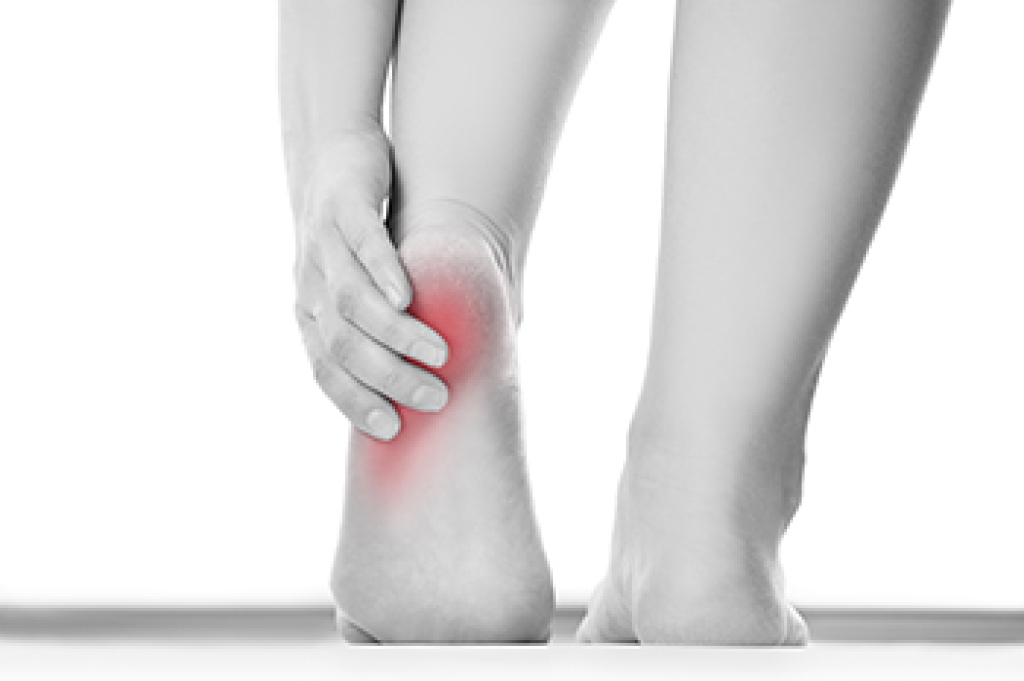
Causes of Heel Pain When Walking

Experiencing heel pain while walking is a common complaint. The three most common causes of heel pain are plantar fasciitis, bursitis, and Achilles tendonitis. Plantar fasciitis is when the plantar fascia, the band of connective tissue running on the sole from the heels to the toes, becomes inflamed or sustains micro tears. This band supports the arch of the foot and absorbs shock when running, jumping, and walking. Bursitis is the swelling and inflammation of the bursa, which are fluid-filled sacs that cushion the heel bone. Achilles tendonitis involves irritation and inflammation of the tendon that runs from the calf muscle to the heel bone. All three conditions may result from overuse or wearing shoes that do not fit properly. For these and other causes of heel pain, it is suggested that you visit a podiatrist for a proper diagnosis and treatment plan.

Many people suffer from bouts of heel pain. For more information, contact one of our podiatrists of APEX Foot & Ankle Center. Our doctors can provide the care you need to keep you pain-free and on your feet.

Causes of Heel Pain

Heel pain is often associated with plantar fasciitis. The plantar fascia is a band of tissues that extends along the bottom of the foot. A rip or tear in this ligament can cause inflammation of the tissue.

Achilles tendonitis is another cause of heel pain. Inflammation of the Achilles tendon will cause pain from fractures and muscle tearing. Lack of flexibility is also another symptom.

Heel spurs are another cause of pain. When the tissues of the plantar fascia undergo a great deal of stress, it can lead to ligament separation from the heel bone, causing heel spurs.

Why Might Heel Pain Occur?

  • Wearing ill-fitting shoes                
  • Wearing non-supportive shoes
  • Weight change           
  • Excessive running

Treatments

Heel pain should be treated as soon as possible for immediate results. Keeping your feet in a stress-free environment will help. If you suffer from Achilles tendonitis or plantar fasciitis, applying ice will reduce the swelling. Stretching before an exercise like running will help the muscles. Using all these tips will help make heel pain a condition of the past.

If you have any questions, please feel free to contact our offices located in Fort Myers, Shellpoint, and Naples, FL . We offer the newest diagnostic and treatment technologies for all your foot care needs.
Read more about Heel Pain

2 Categories of Hyperhidrosis

Plantar hyperhidrosis is defined as excessive sweating of the feet. This condition is also referred to as polyhidrosis or sudorrhea, and it may affect more than one area of the body. It is often embarrassing and uncomfortable, and emotional well-being may become affected. This condition can fall into one of two categories. Excessive sweating from unknown causes may be classified as primary idiopathic hyperhidrosis and often occurs in only one area of the body. An underlying health issue such as gout, menopause or obesity may indicate secondary hyperhidrosis, which may cause distress in addition to existing conditions. Patients who have plantar hyperhidrosis may develop a fungal or bacterial infection of the feet, indicating the need to practice a good foot care routine. If you are afflicted with this condition, it is suggested that you consult with a podiatrist who can guide you toward relief and possible prevention techniques.

If you are suffering from hyperhidrosis contact one of our podiatrists of APEX Foot & Ankle Center. Our doctors can provide the care you need to attend to all of your foot and ankle needs.

Hyperhidrosis of the Feet

Hyperhidrosis is a rare disorder that can cause people to have excessive sweating of their feet. This can usually occur all on its own without rigorous activity involved. People who suffer from hyperhidrosis may also experience sweaty palms.

Although it is said that sweating is a healthy process meant to cool down the body temperature and to maintain a proper internal temperature, hyperhidrosis may prove to be a huge hindrance on a person’s everyday life.

Plantar hyperhidrosis is considered to be the main form of hyperhidrosis. Secondary hyperhidrosis can refer to sweating that occurs in areas other than the feet or hands and armpits. Often this may be a sign of it being related to another medical condition such as menopause, hyperthyroidism and even Parkinson’s disease.

In order to alleviate this condition, it is important to see your doctor so that they may prescribe the necessary medications so that you can begin to live a normal life again. If this is left untreated, it is said that it will persist throughout an individual’s life.

A last resort approach would be surgery, but it is best to speak with your doctor to find out what may be the best treatment for you.

If you have any questions, please feel free to contact our offices located in Fort Myers, Shellpoint, and Naples, FL . We offer the newest diagnostic and treatment technologies for all your foot care needs.

Read more about Hyperhidrosis of the Feet

Connect With Us

Advanced Podiatric Procedures & Services in the Fort Myers, FL 33908 and Naples, FL 34110 areas