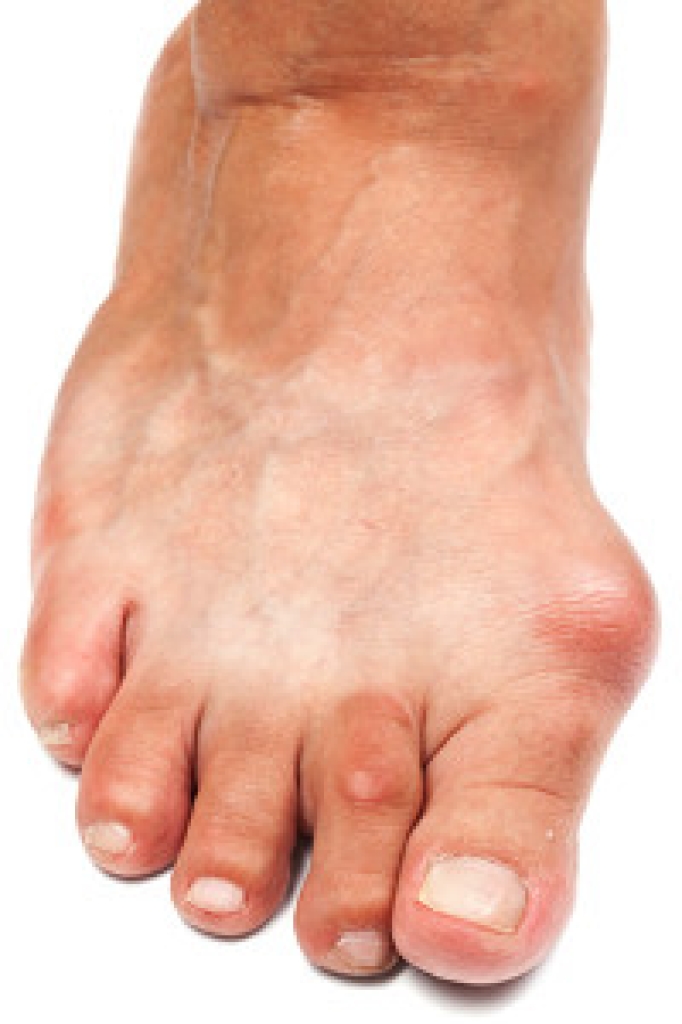
Wearing Correct Shoes Are Helpful in Preventing Bunions

A bone that extends on the side of the big toe is referred to as a bunion. A common reason for this condition to develop can come from wearing shoes that do not provide adequate room for the toes to move freely in. The toes may shift, and one toe may overlap the other. The toes have limited space to move around in, and this may result in cramping. There are other factors that can contribute to the development of bunions, which includes genetics or arthritis. Mild relief may be found when the correct size shoes are worn, and this is helpful in preventing pressure that is put on the bunion. When this condition exists, a diagnosis is performed, which includes having an X-ray, MRI, or ultrasound taken. If you have developed a bunion, it is strongly suggested that you seek the counsel of a podiatrist who can properly treat this ailment.

If you are suffering from bunion pain, contact one of our podiatrists of APEX Foot & Ankle Center. Our doctors can provide the care you need to keep you pain-free and on your feet.

What Is a Bunion?

Bunions are painful bony bumps that usually develop on the inside of the foot at the joint of the big toe. As the deformity increases over time, it may become painful to walk and wear shoes. Women are more likely to exacerbate existing bunions since they often wear tight, narrow shoes that shift their toes together. Bunion pain can be relieved by wearing wider shoes with enough room for the toes.

Causes

  • Genetics – some people inherit feet that are more prone to bunion development
  • Inflammatory Conditions - rheumatoid arthritis and polio may cause bunion development

Symptoms

  • Redness and inflammation
  • Pain and tenderness
  • Callus or corns on the bump
  • Restricted motion in the big toe

In order to diagnose your bunion, your podiatrist may ask about your medical history, symptoms, and general health. Your doctor might also order an x-ray to take a closer look at your feet. Nonsurgical treatment options include orthotics, padding, icing, changes in footwear, and medication. If nonsurgical treatments don’t alleviate your bunion pain, surgery may be necessary.

If you have any questions, please feel free to contact our offices located in Fort Myers, Shellpoint, and Naples, FL . We offer the newest diagnostic and treatment technologies for all your foot care needs.
Read more about Bunions

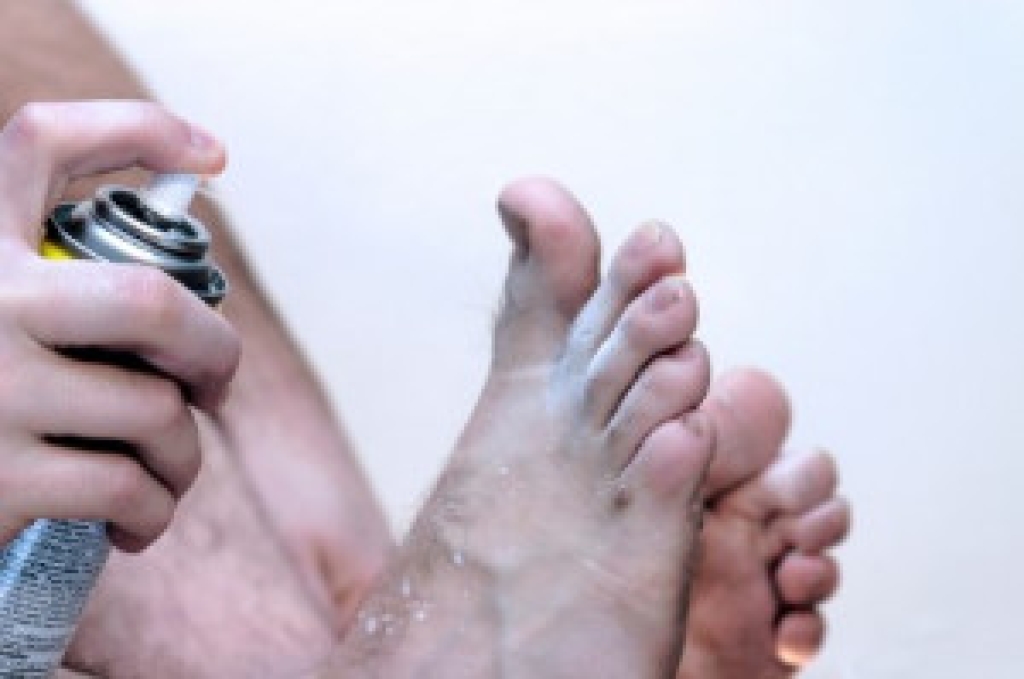
What Are the Symptoms of Athlete’s Foot?

If you notice an uncomfortable rash on your foot, you may have a condition that is known as athlete’s foot. Symptoms of this ailment include a burning sensation between the toes or on the soles of the feet, in addition to dry and flaky skin. In severe cases, blisters can form. It is known to be contagious, and it is important to take precautions, which can help to prevent this condition. These include wearing appropriate shoes while in public pools, shower room floors, and surrounding areas. Additionally, it is helpful to alternate shoes that are frequently worn, and ensuring clean tools are used while pedicures are performed. It is beneficial to wear cotton socks, which is advantageous in absorbing any moisture the feet produces. If you notice you have this condition, it is suggested that you speak to a podiatrist who can offer proper treatment options.

Athlete’s foot is an inconvenient condition that can be easily reduced with the proper treatment. If you have any concerns about your feet and ankles, contact one of our podiatrists from APEX Foot & Ankle Center.  Our doctors will treat your foot and ankle needs.

Athlete’s Foot: The Sole Story

Athlete's foot, also known as tinea pedis, can be an extremely contagious foot infection. It is commonly contracted in public changing areas and bathrooms, dormitory style living quarters, around locker rooms and public swimming pools, or anywhere your feet often come into contact with other people.

Solutions to Combat Athlete’s Foot

  • Hydrate your feet by using lotion
  • Exfoliate
  • Buff off nails
  • Use of anti-fungal products
  • Examine your feet and visit your doctor if any suspicious blisters or cuts develop

Athlete’s foot can cause many irritating symptoms such as dry and flaking skin, itching, and redness. Some more severe symptoms can include bleeding and cracked skin, intense itching and burning, and even pain when walking. In the worst cases, Athlete’s foot can cause blistering as well. Speak to your podiatrist for a better understanding of the different causes of Athlete’s foot, as well as help in determining which treatment options are best for you.

If you have any questions please feel free to contact our offices located in Fort Myers, Shellpoint, and Naples, FL . We offer the newest diagnostic and treatment technologies for all your foot and ankle needs.

Read more about Athlete’s Foot

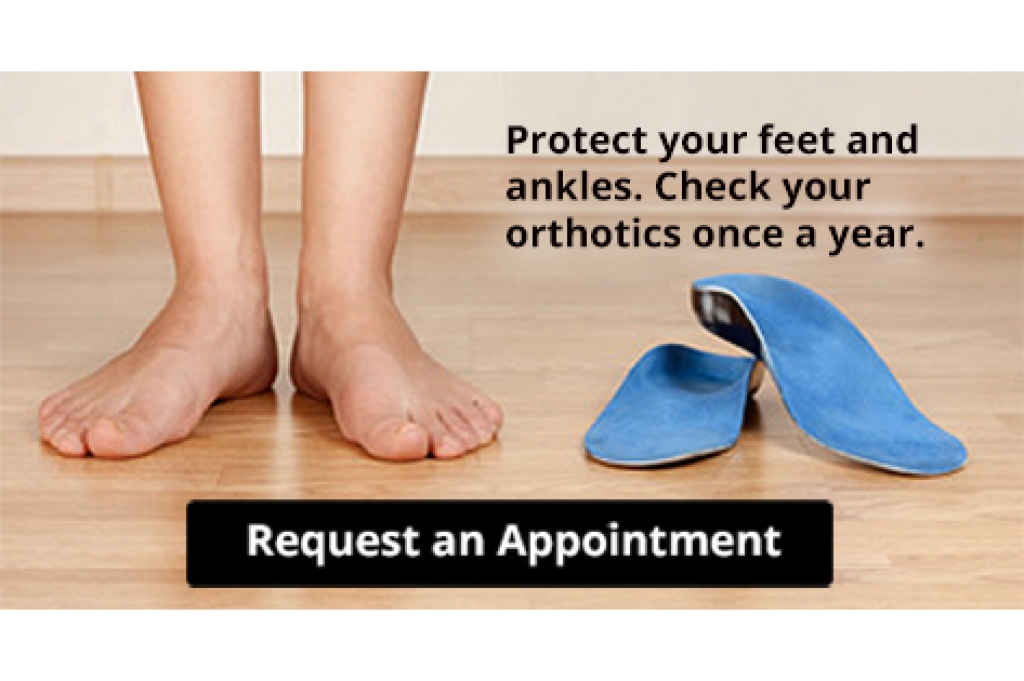
Reminder: When Was the Last Time...?

Custom orthotics, or shoe inserts, should be periodically replaced. Orthotics must fit properly to give you the best results. Protect your feet and ankles!

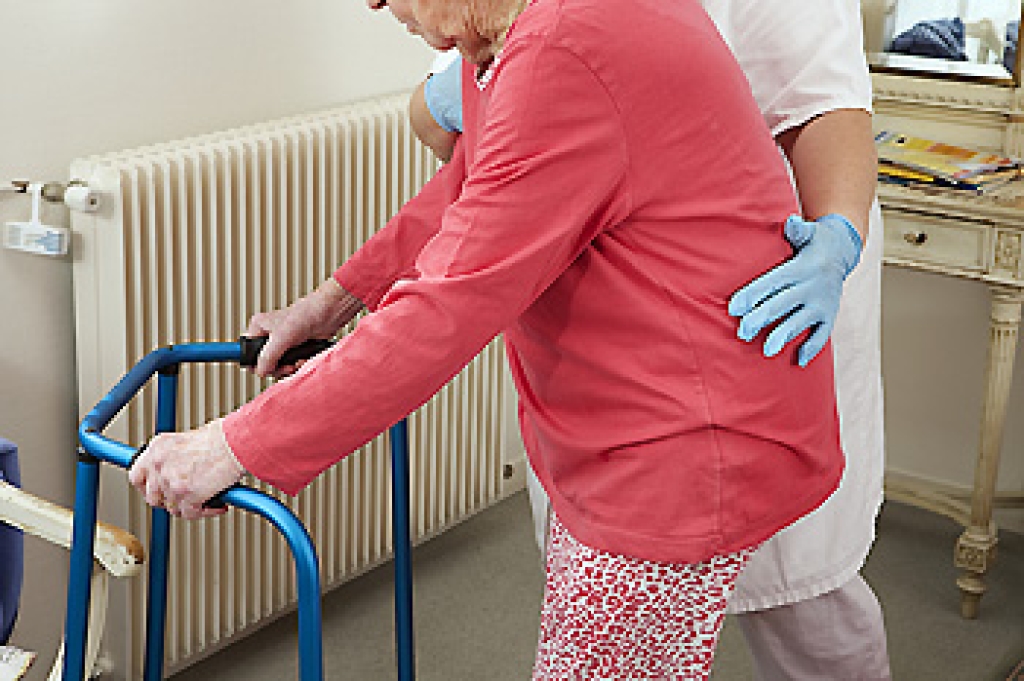
Methods That May Prevent Falling

Many elderly people who fall may find difficulty in getting up without assistance. Research has shown that twenty percent of people in their mid-sixties will endure a fall, and many of these falls may lead to serious injuries. This is one reason why it is important to implement methods to help prevent falling. These may include learning about side effects that may occur while existing medications are taken, wearing glasses, using hearing aids consistently, and removing any clutter in the home that may be present. It may also be helpful to wear shoes that fit correctly, and using grab bars in the bathroom and shower area can play a significant role in preventing falls. If you would like additional information about the importance of falls prevention, please consult with a podiatrist.

Preventing falls among the elderly is very important. If you are older and have fallen or fear that you are prone to falling, consult with one of our podiatrists from APEX Foot & Ankle Center. Our doctors will assess your condition and provide you with quality advice and care.

Every 11 seconds, an elderly American is being treated in an emergency room for a fall related injury. Falls are the leading cause of head and hip injuries for those 65 and older. Due to decreases in strength, balance, senses, and lack of awareness, elderly persons are very susceptible to falling. Thankfully, there are a number of things older persons can do to prevent falls.

How to Prevent Falls

Some effective methods that older persons can do to prevent falls include:

  • Enrolling in strength and balance exercise program to increase balance and strength
  • Periodically having your sight and hearing checked
  • Discuss any medications you have with a doctor to see if it increases the risk of falling
  • Clearing the house of falling hazards and installing devices like grab bars and railings
  • Utilizing a walker or cane
  • Wearing shoes that provide good support and cushioning
  • Talking to family members about falling and increasing awareness

Falling can be a traumatic and embarrassing experience for elderly persons; this can make them less willing to leave the house, and less willing to talk to someone about their fears of falling. Doing such things, however, will increase the likelihood of tripping or losing one’s balance. Knowing the causes of falling and how to prevent them is the best way to mitigate the risk of serious injury.  

If you have any questions, please feel free to contact our offices located in Fort Myers, Shellpoint, and Naples, FL . We offer the newest diagnostic and treatment technologies for all your foot care needs.
Read more about Falls Prevention

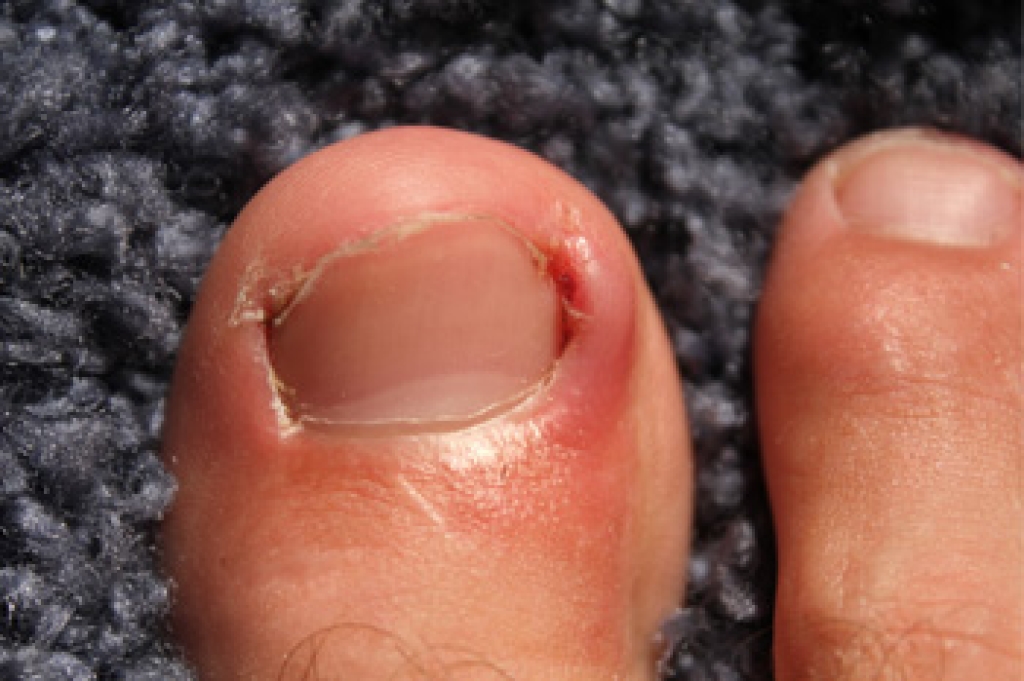
Possible Causes of Ingrown Toenails

A condition that is known as ingrown toenails may be a result of the toenail growing into the surrounding skin. The big toe is typically affected, and can cause pain and discomfort. There are several symptoms that may be associated with this condition, including possible discharge, redness and irritation around the toe, and pain when the toe is touched. There are many reasons why this ailment might develop. These may include toenails that have been trimmed incorrectly, wearing shoes that may be too tight, or an injury that may have happened to the toe. If you have an ingrown toenail, it may be helpful to gently push the affected skin away from the nail. If it should become infected, it is advised that you consult a podiatrist who can discuss the best treatment options for you.

Ingrown toenails can become painful if they are not treated properly. For more information about ingrown toenails, contact one of our podiatrists of APEX Foot & Ankle Center. Our doctors can provide the care you need to keep you pain-free and on your feet.

Ingrown Toenails

Ingrown toenails occur when a toenail grows sideways into the bed of the nail, causing pain, swelling, and possibly infection.

Causes

  • Bacterial infections
  • Improper nail cutting such as cutting it too short or not straight across
  • Trauma to the toe, such as stubbing, which causes the nail to grow back irregularly
  • Ill-fitting shoes that bunch the toes too close together
  • Genetic predisposition

Prevention

Because ingrown toenails are not something found outside of shoe-wearing cultures, going barefoot as often as possible will decrease the likeliness of developing ingrown toenails. Wearing proper fitting shoes and using proper cutting techniques will also help decrease your risk of developing ingrown toenails.

Treatment

Ingrown toenails are a very treatable foot condition. In minor cases, soaking the affected area in salt or antibacterial soaps will not only help with the ingrown nail itself, but also help prevent any infections from occurring. In more severe cases, surgery is an option. In either case, speaking to your podiatrist about this condition will help you get a better understanding of specific treatment options that are right for you.

If you have any questions, please feel free to contact our offices located in Fort Myers, Shellpoint, and Naples, FL . We offer the newest diagnostic and treatment technologies for all your foot care needs.
Read more about Ingrown Toenails

Connect With Us

Advanced Podiatric Procedures & Services in the Fort Myers, FL 33908 and Naples, FL 34110 areas