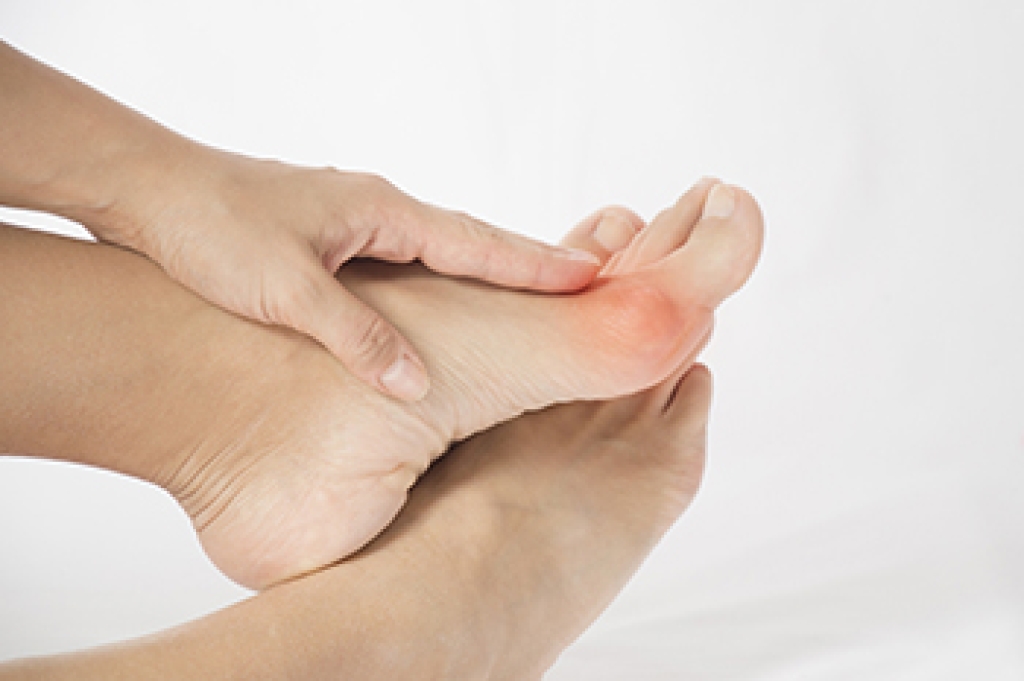
Top 9 Foot Care Tips for Elderly Adults

If you are a caregiver for an aging adult, helping them take care of their feet can help keep them healthy, active and improve their quality of life. Healthy feet can also help older adults avoid falls and broken bones. Here are the top nine things you can do to promote better foot health in an elderly person. 1) Inspect their feet daily for any redness, breaks in the skin or anything unusual. 2) Help them eat healthy foods, drink plenty of water, and engage in low impact exercise and stretching. 3) Trim their toenails straight across. 4) Make sure footwear fits properly, and have their feet measured for length and width every time they buy new shoes. 5) Don’t allow them to walk barefoot, even around the house. 6) Keep their feet clean, dry, and moisturized. 7) Make sure their socks are not tight to avoid cutting off circulation. 8) Never trim corns or calluses with a sharp instrument. 9) Have their feet checked regularly by a podiatrist, especially if they are diabetic.

If you need your feet checked, contact one of our podiatrists of APEX Foot & Ankle Center. Our doctors will attend to all of your foot and ankle needs and provide you with quality treatment.

Geriatrics and Podiatry
When people age, some common issues that may occur are bone density loss, dry skin, poor circulation, and rough brittle nails. These issues may also affect your foot health if the necessary steps are not taken to alleviate the problems.

It is important to take care of your feet because feet that are injured or diseased can affect your overall health. Having painful feet hinders your ability to do daily activities or may decrease your willingness to do the things that you need to do.

Visiting Your Geriatrician
As we age, health problems become more likely, so it is essential to visit your doctor for check-ups to ensure that you are doing the best you can to take care of your health. It is recommended to check your feet frequently for any possible cuts, bruises, swelling, corns or any other irregularities. 

Taking Care of Elderly Feet
Cracked or dry feet can be treated by applying moisturizer often. It is also important not to wear old socks because the older the sock is, the higher the possibility there will be that there is bacteria there. Wear fresh socks and make sure they fit properly.

Proper foot health means that you can have a more active lifestyle and you will not be bogged down by pain. Foot health also leads to good circulation, which is paramount for overall health.

If you have any questions, please feel free to contact our offices located in Fort Myers, Shellpoint, and Naples, FL . We offer the newest diagnostic and treatment technologies for all your foot care needs.

Read more about Geriatrics and Podiatry

It's Time for Beautiful Feet

You don't need an excuse to have beautiful nails. Step outside without worrying about the appearance of your feet.

What Might Cause Pain in the Middle, Outside Part of the Foot?

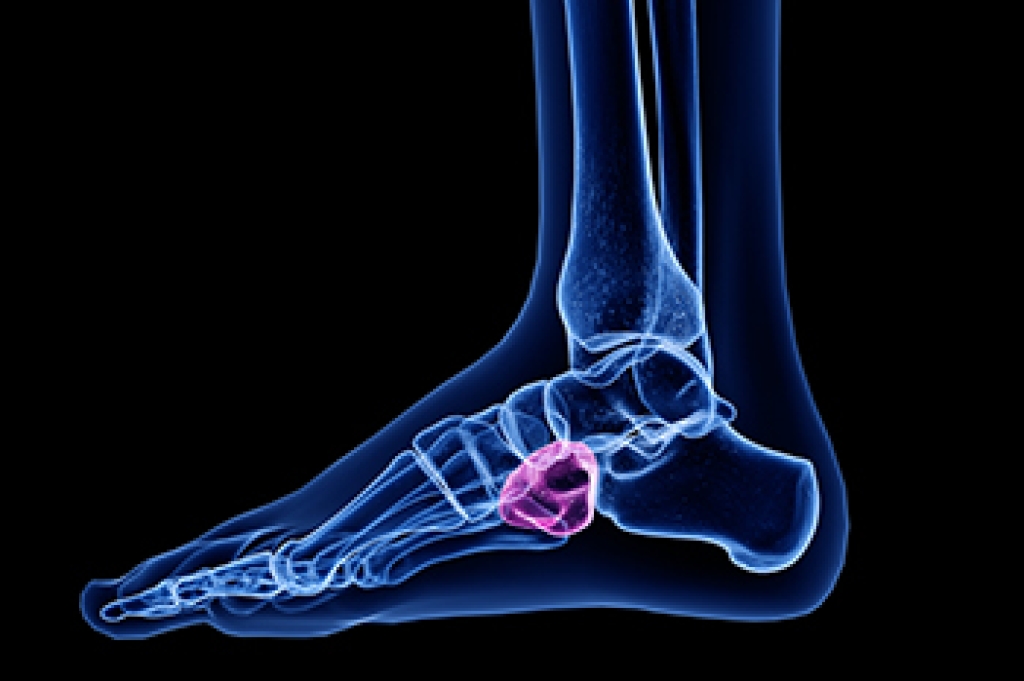
Cuboid syndrome occurs when the cuboid bone—located on the outer side of the foot, between the heel and the pinky toe—shifts out of its normal position. This typically occurs abruptly, sometimes along with an ankle sprain, or by landing on a hard surface. Sometimes wearing high heels or shoes that do not fit correctly or failing to stretch the feet properly before physical activity can cause cuboid syndrome, as well as certain conditions such as having flat feet or tendon problems. Cuboid syndrome can cause pain, tenderness, swelling, and weakness on the outside of the middle of the foot and may even prevent normal movement of the foot. If you are experiencing these types of symptoms, see a podiatrist for an examination and diagnosis. If you do have cuboid syndrome, your podiatrist can treat it through physical therapy, taping, bracing, or in some cases—after swelling and pain have lessened—a maneuver called the cuboid whip to help guide your cuboid bone back into position.

Cuboid syndrome, also known as cuboid subluxation, occurs when the joints and ligaments near the cuboid bone in the foot become torn. If you have cuboid syndrome, consult with one of our podiatrists from APEX Foot & Ankle Center. Our doctors will assess your condition and provide you with quality foot and ankle treatment.

Cuboid syndrome is a common cause of lateral foot pain, which is pain on the outside of the foot. The condition may happen suddenly due to an ankle sprain, or it may develop slowly overtime from repetitive tension through the bone and surrounding structures.

Causes

The most common causes of cuboid syndrome include:

  • Injury – The most common cause of this ailment is an ankle sprain.
  • Repetitive Strain – Tension placed through the peroneus longus muscle from repetitive activities such as jumping and running may cause excessive traction on the bone causing it to sublux.
  • Altered Foot Biomechanics – Most people suffering from cuboid subluxation have flat feet.

Symptoms

A common symptom of cuboid syndrome is pain along the outside of the foot which can be felt in the ankle and toes. This pain may create walking difficulties and may cause those with the condition to walk with a limp.

Diagnosis

Diagnosis of cuboid syndrome is often difficult, and it is often misdiagnosed. X-rays, MRIs and CT scans often fail to properly show the cuboid subluxation. Although there isn’t a specific test used to diagnose cuboid syndrome, your podiatrist will usually check if pain is felt while pressing firmly on the cuboid bone of your foot.

Treatment

Just as the range of causes varies widely, so do treatments. Some more common treatments are ice therapy, rest, exercise, taping, and orthotics.

If you have any questions, please feel free to contact our offices located in Fort Myers, Shellpoint, and Naples, FL . We offer the newest diagnostic and treatment technologies for all your foot care needs.
Read more about Cuboid Syndrome

Key Differences Between Store-Bought and Custom Orthotics

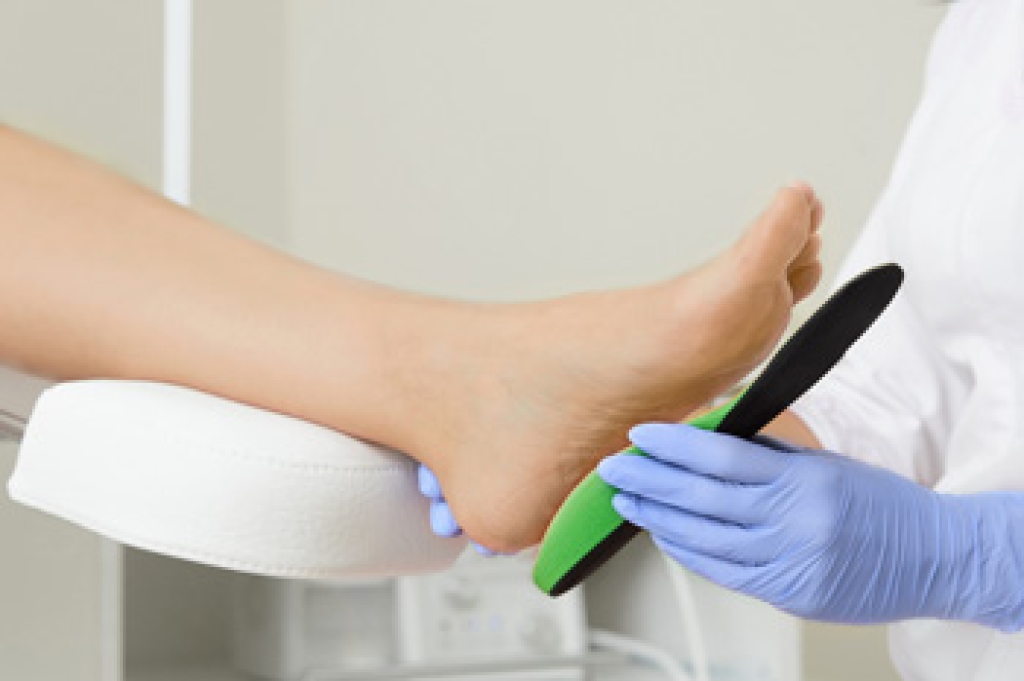
While at first glance, you may assume that there is no difference between over-the-counter (OTC) insoles and custom orthotics, a closer look reveals several key distinctions. OTC insoles are a “one-size-fits-most,” generic approach to supporting your feet. Custom orthotics are customized, prescription medical devices. Your podiatrist starts by reviewing your medical history, examining your feet and diagnosing your condition. Custom orthotics are then created from molds or 3D images of your actual feet. They are designed to specifically treat your medical condition: from arthritis, flat feet and hammertoes to bunions, high arches, deformities, plantar fasciitis and more. Custom orthotics can also help correct certain gait abnormalities and restore function in your feet and ankles. OTC, or prefabricated insoles, are typically made of rubber, flexible plastic or gel which can often lose integrity quickly. Custom orthotics are constructed with superior materials that are durable, light weight, moldable, and cushioning. If you are suffering from foot or ankle pain, or have difficulty walking, see a podiatrist. They will evaluate and diagnose your condition and discuss if custom orthotics can provide the relief you seek.

If you are having discomfort in your feet and would like to try orthotics, contact one of our podiatrists from APEX Foot & Ankle Center. Our doctors can provide the care you need to keep you pain-free and on your feet.

What Are Orthotics?

Orthotics are inserts you can place into your shoes to help with a variety of foot problems such as flat feet or foot pain. Orthotics provide relief and comfort for minor foot and heel pain but can’t correct serious biomechanical problems in your feet.

Over-the-Counter Inserts

Orthotics come in a wide variety of over-the-counter inserts that are used to treat foot pain, heel pain, and minor problems. For example, arch supports can be inserted into your shoes to help correct overarched or flat feet, while gel insoles are often used because they provide comfort and relief from foot and heel pain by alleviating pressure.

Prescription Orthotics

If over-the-counter inserts don’t work for you or if you have a more severe foot concern, it is possible to have your podiatrist prescribe custom orthotics. These high-quality inserts are designed to treat problems such as abnormal motion, plantar fasciitis, and severe forms of heel pain. They can even be used to help patients suffering from diabetes by treating foot ulcers and painful calluses and are usually molded to your feet individually, which allows them to provide full support and comfort.

If you are experiencing minor to severe foot or heel pain, it’s recommended to speak with your podiatrist about the possibilities of using orthotics. A podiatrist can determine which type of orthotic is right for you and allow you to take the first steps towards being pain-free.

If you have any questions, please feel free to contact our offices located in Fort Myers, Shellpoint, and Naples, FL . We offer the newest diagnostic and treatment technologies for all your foot care needs.
Read more about Foot Orthotics

Feet are Affected with Diabetes

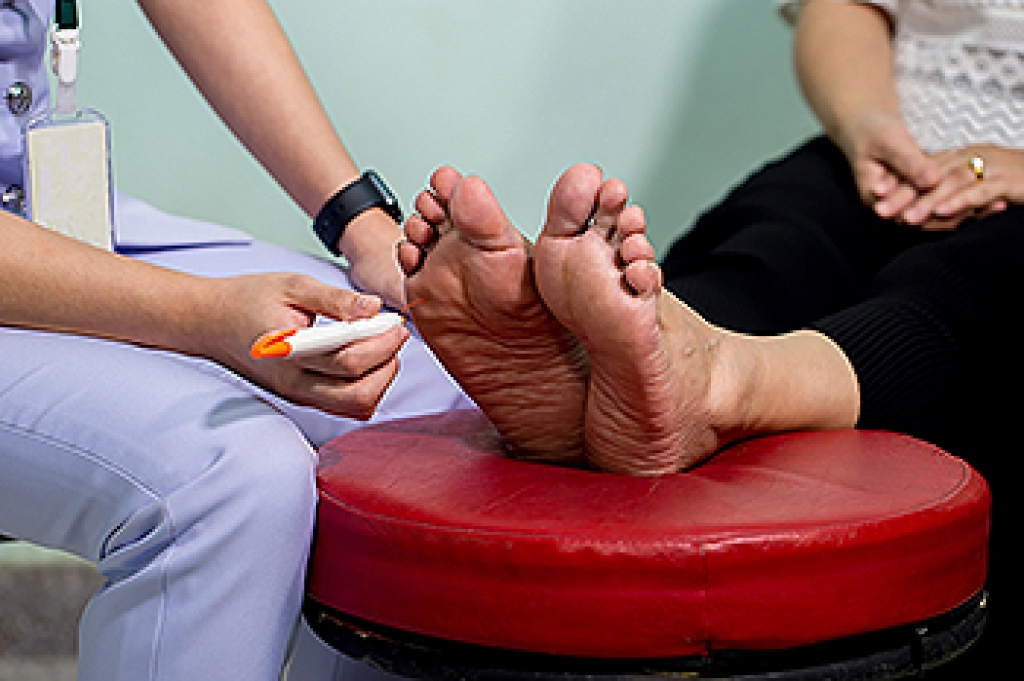
People who are diabetic are often concerned about the health of their feet. Elevated blood sugar levels in diabetic patients may lead to possible nerve damage, foot ulcers, and foot deformities. It is important for patients to examine their feet daily, and notice any cuts, bruises, or broken skin. Additionally, it is beneficial to take extra time and care while trimming the toenails, and it helps to wear shoes and socks that fit correctly. Research has indicated that diabetic patients who refrain from walking barefoot can have fewer foot injuries. If you have diabetes, it is strongly suggested that you be under the care of a podiatrist who can correctly monitor this condition.

Diabetic foot care is important in preventing foot ailments such as ulcers. If you are suffering from diabetes or have any other concerns about your feet, contact one of our podiatrists from APEX Foot & Ankle Center. Our doctors can provide the care you need to keep you pain-free and on your feet.

Diabetic Foot Care

Diabetes affects millions of people every year. The condition can damage blood vessels in many parts of the body, especially the feet. Because of this, taking care of your feet is essential if you have diabetes, and having a podiatrist help monitor your foot health is highly recommended.

The Importance of Caring for Your Feet

  • Routinely inspect your feet for bruises or sores.
  • Wear socks that fit your feet comfortably.
  • Wear comfortable shoes that provide adequate support.

Patients with diabetes should have their doctor monitor their blood levels, as blood sugar levels play such a huge role in diabetic care. Monitoring these levels on a regular basis is highly advised.

It is always best to inform your healthcare professional of any concerns you may have regarding your feet, especially for diabetic patients. Early treatment and routine foot examinations are keys to maintaining proper health, especially because severe complications can arise if proper treatment is not applied.

If you have any questions, please feel free to contact our offices located in Fort Myers, Shellpoint, and Naples, FL . We offer the newest diagnostic and treatment technologies for all your foot care needs.

Read more about Diabetic Foot Conditions

Connect With Us

Advanced Podiatric Procedures & Services in the Fort Myers, FL 33908 and Naples, FL 34110 areas