Surgical Treatment of Hammertoes

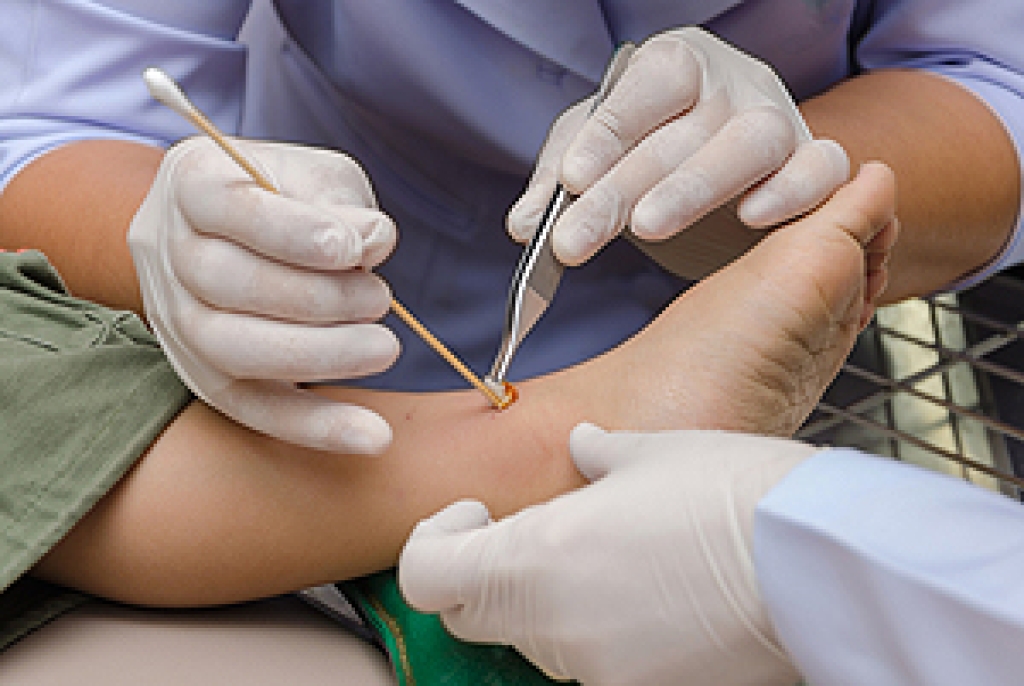
Hammertoes are a foot condition characterized by an abnormal bending of the second, third, fourth, or pinky toes. This deformity of the toes can cause pain and irritation in the toes, as well as corns and calluses. There are many nonsurgical treatment options for hammertoes, including shoe modifications, splinting the toe, padding or trimming corns and calluses, and certain exercises, therapies, and medications. However, sometimes these more conservative treatments fail and surgery may become an option. There are several surgical treatment options. In a joint fusion, the cartilage surfaces of the affected joint are removed and a screw is placed into the area to prevent motion. In a phalangeal head resection, a portion of the phalanx bone is removed and tension in the affected tendon is released. There are also tendon transfers, in which the tendons that are too tight may be cut or transferred to relieve tension and straighten the toes. To find the best treatment for your hammertoes, please consult with a podiatrist.

Hammertoes can be a painful condition to live with. For more information, contact one of our podiatrists of APEX Foot & Ankle Center. Our doctors will answer any of your foot- and ankle-related questions.

Hammertoe

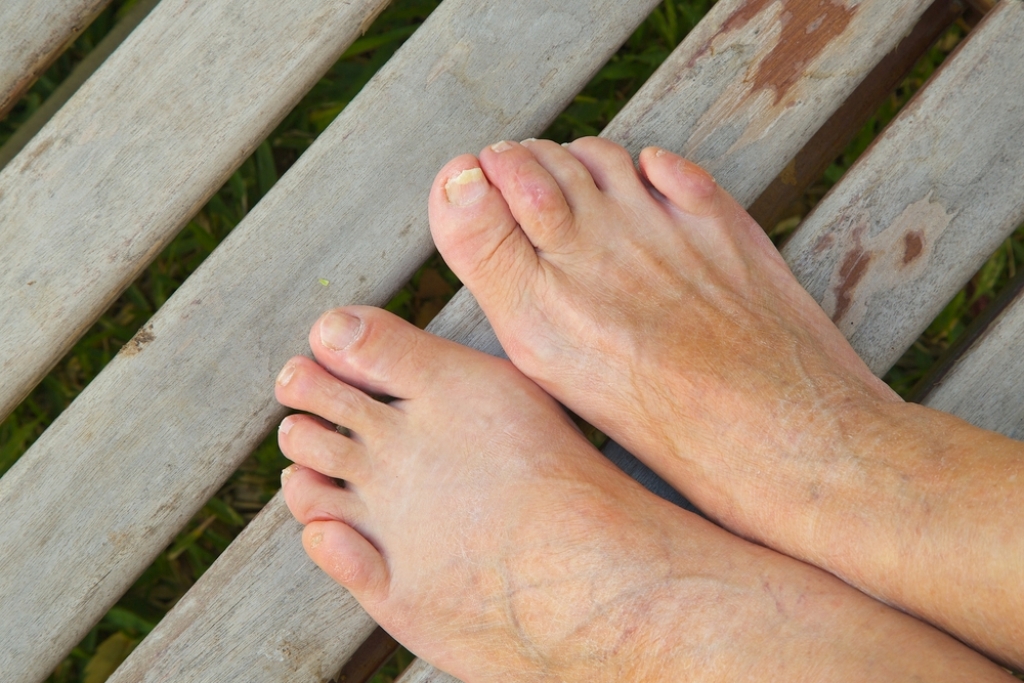
Hammertoe is a foot deformity that occurs due to an imbalance in the muscles, tendons, or ligaments that normally hold the toe straight. It can be caused by the type of shoes you wear, your foot structure, trauma, and certain disease processes.

Symptoms

  • Painful and/or difficult toe movement
  • Swelling
  • Joint stiffness
  • Calluses/Corns
  • Physical deformity

Risk Factors

  • Age – The risk of hammertoe increases with age
  • Sex – Women are more likely to have hammertoe compared to men
  • Toe Length – You are more likely to develop hammertoe if your second toe is longer than your big toe
  • Certain Diseases – Arthritis and diabetes may make you more likely to develop hammertoe

Treatment

If you have hammertoe, you should change into a more comfortable shoe that provides enough room for your toes. Exercises such as picking up marbles may strengthen and stretch your toe muscles. Nevertheless, it is important to seek assistance from a podiatrist in order to determine the severity of your hammertoe and see which treatment option will work best for you.

If you have any questions, please feel free to contact our offices located in Fort Myers, Shellpoint, and Naples, FL . We offer the newest diagnostic and treatment technologies for all your foot care needs.
Read more about Hammertoe

What Is Causing My Foot Pain?

Pain is a common symptom of many foot problems. When going to the doctor, it is helpful to describe where in the foot the pain is occurring and under what conditions you feel it. Pain in certain areas of the foot and at certain times is often associated with specific conditions. For example, pain in the sole of the foot that is most intense when taking your first steps after a long rest, such as when you first wake up in the morning, can be indicative of plantar fasciitis. Sharp pain in the back of your foot that worsens with activity and is accompanied by tenderness in the Achilles tendon may be a sign of Achilles tendinopathy. Burning, tingling, or shooting pains in the ankle and heel that worsen with standing and activity may be indicative of tarsal tunnel syndrome. Regardless of what may be causing your pain, a podiatrist can examine your foot and diagnose the problem. If you are experiencing foot pain, consult with a podiatrist today.

Foot Pain

Foot pain can be extremely painful and debilitating. If you have a foot pain, consult with one of our podiatrists from APEX Foot & Ankle Center. Our doctors will assess your condition and provide you with quality foot and ankle treatment.

Causes

Foot pain is a very broad condition that could be caused by one or more ailments. The most common include:

  • Bunions
  • Hammertoes
  • Plantar Fasciitis
  • Bone Spurs
  • Corns
  • Tarsal Tunnel Syndrome
  • Ingrown Toenails
  • Arthritis (such as Gout, Rheumatoid, and Osteoarthritis)
  • Flat Feet
  • Injury (from stress fractures, broken toe, foot, ankle, Achilles tendon ruptures, and sprains)
  • And more

Diagnosis

To figure out the cause of foot pain, podiatrists utilize several different methods. This can range from simple visual inspections and sensation tests to X-rays and MRI scans. Prior medical history, family medical history, and any recent physical traumatic events will all be taken into consideration for a proper diagnosis.

Treatment

Treatment depends upon the cause of the foot pain. Whether it is resting, staying off the foot, or having surgery; podiatrists have a number of treatment options available for foot pain.

If you have any questions, please feel free to contact our offices located in Fort Myers, Shellpoint, and Naples, FL . We offer the newest diagnostic and treatment technologies for all your foot care needs.

Read more about Foot Pain

Foot Conditions That Can Affect Elderly People

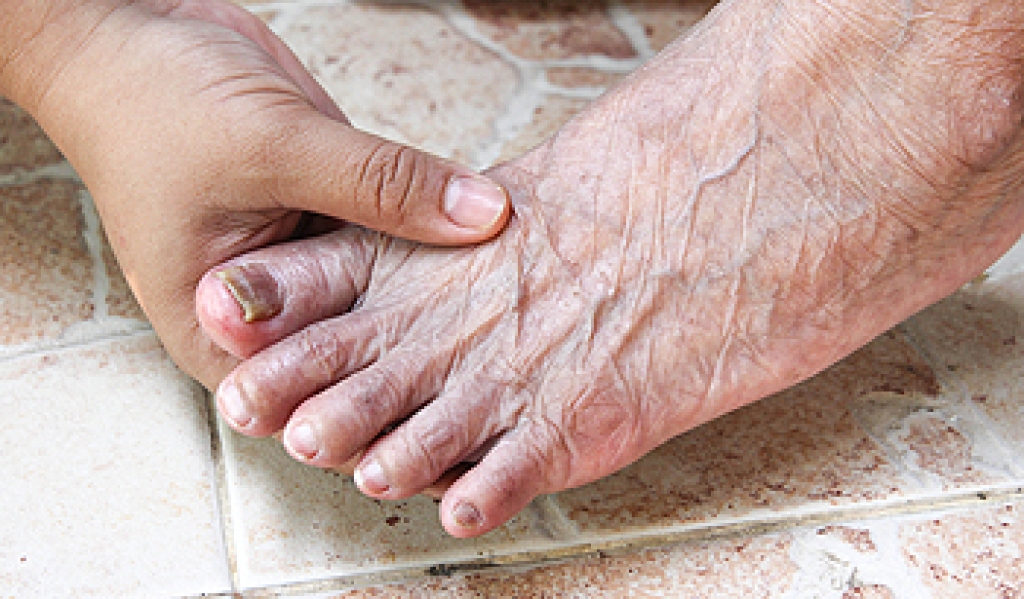
Elderly people may experience foot conditions, including the toenails becoming brittle, a loss of cushioning in the feet as the aging process occurs, and poor circulation. It is beneficial to wear shoes that fit correctly, as this may help to prevent some foot ailments, such as ingrown toenails, corns, and bunions, from developing. Circulation issues may be prevented when gentle stretches are frequently performed, and it may help to elevate the feet as often as possible. Washing and drying the feet thoroughly may help to prevent athlete’s foot from developing. Additionally, applying a good moisturizer daily may reduce the chances of getting cracked heels. If you would like more information about how to care for elderly feet, it is suggested that you confer with a podiatrist.

Proper foot care is something many older adults forget to consider. If you have any concerns about your feet and ankles, contact one of our podiatrists from APEX Foot & Ankle Center. Our doctors can provide the care you need to keep you pain-free and on your feet.

The Elderly and Their Feet

As we age we start to notice many changes in our body, but the elder population may not notice them right away. Medical conditions may prevent the elderly to take notice of their foot health right away. Poor vision is a lead contributor to not taking action for the elderly.

Common Conditions 

  • Neuropathy – can reduce feeling in the feet and can hide many life-threatening medical conditions.
  • Reduced flexibility – prevents the ability of proper toenail trimming, and foot cleaning. If left untreated, it may lead to further medical issues.
  • Foot sores – amongst the older population can be serious before they are discovered. Some of the problematic conditions they may face are:
  • Gouging toenails affecting nearby toe
  • Shoes that don’t fit properly
  • Pressure sores
  • Loss of circulation in legs & feet
  • Edema & swelling of feet and ankles

Susceptible Infections

Diabetes and poor circulation can cause general loss of sensitivity over the years, turning a simple cut into a serious issue.

If you have any questions, please feel free to contact our offices located in Fort Myers, Shellpoint, and Naples, FL . We offer the newest diagnostic and treatment technologies for all your foot care needs.

Read more about Taking Care of Elderly Feet

Wearing Shoes That Do Not Fit Properly May Cause Corns

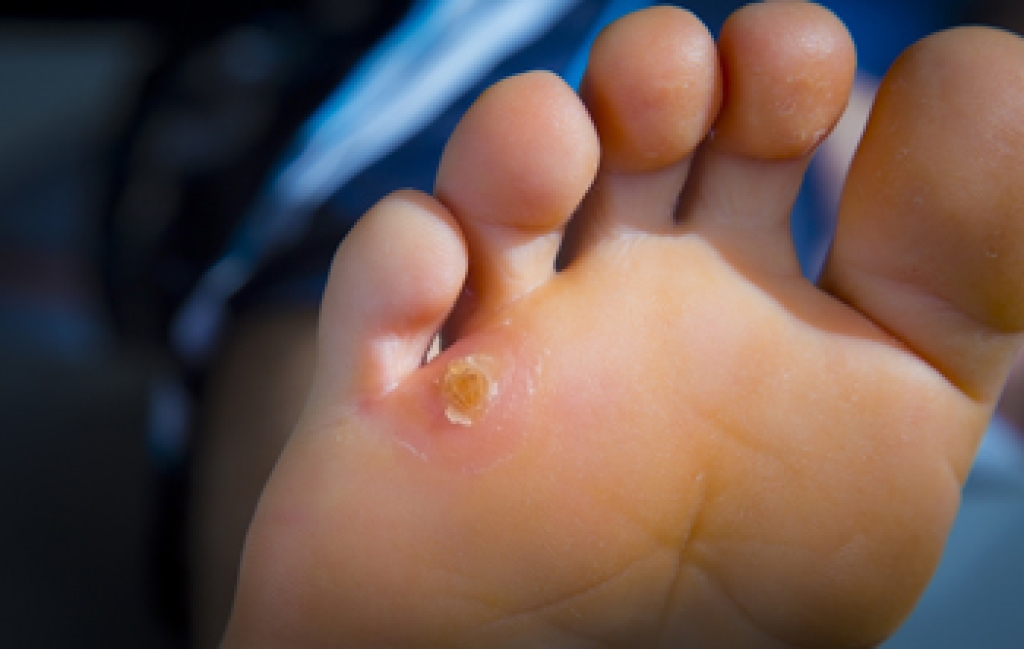
A small area of hardened skin that develops on the bottom of the feet or between the toes may be indicative of a corn. A corn can cause severe pain and discomfort, and it generally forms as a result of excessive friction. This friction is typically caused by wearing shoes that do not fit correctly, which can also affect your gait. The corn may diminish in size when wearing properly fitted shoes, or when the activity that caused the friction is temporarily ceased. Some patients find mild relief when a protective pad is worn over the corn. If the corn is severe, it is suggested that you consult with a podiatrist who can offer effective treatment solutions, such as trimming the corn. 

If you have any concerns regarding your feet and ankles, contact one of our podiatrists of APEX Foot & Ankle Center. Our doctors will treat your foot and ankle needs.

Corns: What Are They? and How Do You Get Rid of Them?
Corns can be described as areas of the skin that have thickened to the point of becoming painful or irritating. They are often layers and layers of the skin that have become dry and rough, and are normally smaller than calluses.

Ways to Prevent Corns
There are many ways to get rid of painful corns such as wearing:

  • Well-fitting socks
  • Comfortable shoes that are not tight around your foot
  • Shoes that offer support

Treating Corns
Treatment of corns involves removing the dead skin that has built up in the specific area of the foot. Consult with Our doctors to determine the best treatment option for your case of corns.

If you have any questions, please feel free to contact our offices located in Fort Myers, Shellpoint, and Naples, FL . We offer the newest diagnostic and treatment technologies for all your foot care needs.

Read more about Understanding Corns and Calluses

Are Bunions Affecting Your Everyday Life?

Have you noticed a bony protrusion on the side of your big toe? If so, you may have developed the foot condition known as a bunion. Don't let bunions interfere with your daily activities.

Foot Conditions That Can Develop as Children Run Barefoot

Summer is the season when children like to remove their shoes and run barefoot. Despite the freedom and enjoyment this can provide, there may be foot ailments that can develop. These can include insect bites, blisters, minor cuts and bruises. Sweaty feet may be prevented when a foot powder is applied at the beginning of the day. Splinters can also be a common condition among children, and there may be effective herbal remedies that can be applied for prompt removal. If you would like additional information about effective treatment techniques for minor wounds on children’s feet, please confer with a podiatrist.

Making sure that your children maintain good foot health is very important as they grow. If you have any questions, contact one of our podiatrists of APEX Foot & Ankle Center. Our doctors can provide the care you need to keep you pain-free and on your feet.

Keeping Children's Feet Healthy

Having healthy feet during childhood can help prevent medical problems later in life, namely in the back and legs. As children grow, their feet require different types of care. Here are some things to consider...

Although babies do not walk yet, it is still very important to take care of their feet.

Avoid putting tight shoes or socks on his or her feet.

Allow the baby to stretch and kick his or her feet to feel comfortable.

As a toddler, kids are now on the move and begin to develop differently. At this age, toddlers are getting a feel for walking, so don’t be alarmed if your toddler is unsteady or ‘walks funny’. 

As your child gets older, it is important to teach them how to take care of their feet.

Show them proper hygiene to prevent infections such as fungus.

Be watchful for any pain or injury.

Have all injuries checked by a doctor as soon as possible.

Comfortable, protective shoes should always be worn, especially at play.

If you have any questions, please feel free to contact our offices located in Fort Myers, Shellpoint, and Naples, FL . We offer the newest diagnostic and treatment technologies for all your foot care needs.

Read more about How to Care for Your Child's Feet

Three Grades of Ankle Sprains

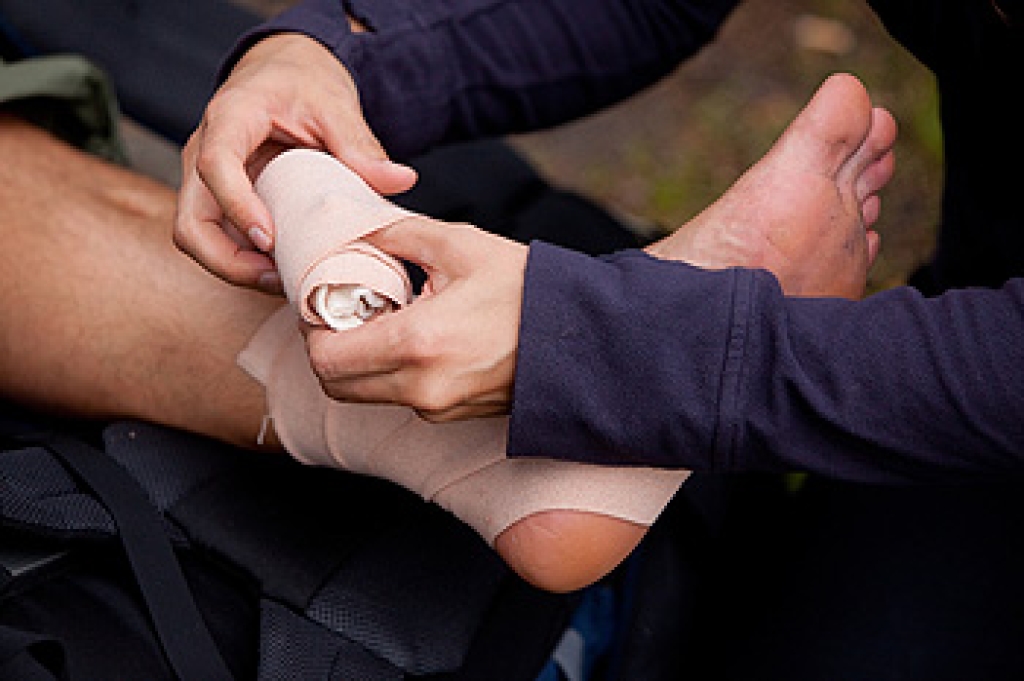
The foot injury that is known as an ankle sprain often produces severe pain and discomfort. It can occur as a result of suddenly twisting the ankle beyond its normal range, which can affect the ligaments. There are three types of ankle sprains. These are categorized into grades, with grade one consisting of minor ligament tears. The patient is often able to walk, and may experience minimal pain. Bruising and swelling may accompany a grade two sprain that is often tender when touched. A complete ligament tear can be indicative of a grade three sprain which makes walking difficult. Many ankle sprains can be prevented when you wear shoes that fit properly, and it can help to warm up and cool down before and after exercising. If you have sprained your ankle, it is strongly suggested that you confer with a podiatrist who can help you with proper treatment techniques.

Although ankle sprains are common, they aren’t always minor injuries. If you need your ankle injury looked at, contact one of our podiatrists from APEX Foot & Ankle Center. Our doctors can provide the care you need to keep you pain-free and on your feet.

How Does an Ankle Sprain Occur?

Ankle sprains are the result of a tear in the ligaments within the ankle. These injuries may happen when you make a rapid shifting movement while your foot is planted. A less common way to sprain your ankle is when your ankle rolls inward while your foot turns outward.

What Are the Symptoms?

  • Pain at the sight of the tear
  • Bruising/Swelling
  • Ankle area is tender to touch
  • In severe cases, may hear/feel something tear
  • Skin discoloration

Preventing a Sprain

  • Wearing appropriate shoes for the occasion
  • Stretching before exercises and sports
  • Knowing your limits

Treatment of a Sprain

In many cases, the RICE method (Rest, Ice, Compression, and Elevate) is used to treat ankle sprains. However, you should see a podiatrist to see which treatment option would work best with your injury. In severe cases, surgery may be required.

It is important to ask your doctor about rehab options after you receive treatment for your injury. Stretching, strength training, and balance exercises may help the ankle heal while also preventing further injury.

If you have any questions, please feel free to contact our offices located in Fort Myers, Shellpoint, and Naples, FL . We offer the newest diagnostic and treatment technologies for all your foot care needs.

Read more about Ankle Sprains

Home Care for Diabetic Foot Ulcers

The risk of developing slow-healing open sores on the feet, also known as foot ulcers, is particularly high among people with diabetes. They often form on the ball of the foot or on the bottom of the big toe. If you are diabetic and have a foot ulcer, it is highly suggested that you get it treated by a medical professional. In addition to following your doctor’s instructions, you can also better care for your diabetic foot ulcer at home by keeping pressure off of the affected foot, regularly cleaning the ulcer and changing your bandages, and taking your medications as directed. To prevent future foot ulcers, you should try to keep your blood sugar under control through diet, exercise, medication, and avoiding smoking. Wear shoes when you are on your feet to avoid potential injuries, and inspect the feet daily to detect any cuts, scrapes, or sores early. For more information about treatment and prevention of diabetic foot ulcers, speak with a podiatrist today. 

Wound care is an important part in dealing with diabetes. If you have diabetes and a foot wound or would like more information about wound care for diabetics, consult with one of our podiatrists from APEX Foot & Ankle Center. Our doctors will assess your condition and provide you with quality foot and ankle treatment.

What Is Wound Care?

Wound care is the practice of taking proper care of a wound. This can range from the smallest to the largest of wounds. While everyone can benefit from proper wound care, it is much more important for diabetics. Diabetics often suffer from poor blood circulation which causes wounds to heal much slower than they would in a non-diabetic. 

What Is the Importance of Wound Care?

While it may not seem apparent with small ulcers on the foot, for diabetics, any size ulcer can become infected. Diabetics often also suffer from neuropathy, or nerve loss. This means they might not even feel when they have an ulcer on their foot. If the wound becomes severely infected, amputation may be necessary. Therefore, it is of the upmost importance to properly care for any and all foot wounds.

How to Care for Wounds

The best way to care for foot wounds is to prevent them. For diabetics, this means daily inspections of the feet for any signs of abnormalities or ulcers. It is also recommended to see a podiatrist several times a year for a foot inspection. If you do have an ulcer, run the wound under water to clear dirt from the wound; then apply antibiotic ointment to the wound and cover with a bandage. Bandages should be changed daily and keeping pressure off the wound is smart. It is advised to see a podiatrist, who can keep an eye on it.

If you have any questions please contact our offices located in Fort Myers, Shellpoint, and Naples, FL . We offer the newest diagnostic and treatment technologies for all your foot and ankle needs.

Read more about Wound Care

A Common Type of Achilles Tendon Injury

The medical condition that is referred to as Achilles tendinopathy is a type of Achilles tendon injury. The Achilles tendon is located in the calf, and connects the heel bone to the calf muscles. The common cause of this type of injury is overuse, and it can occur in patients who are not involved in sporting activities. Additional causes of Achilles tendinopathy include arthritis, wearing shoes that do not fit correctly, or taking specific types of antibiotics. Common symptoms that are often associated with this ailment can consist of swelling, pain in the back of the heel, and difficulty walking. Relief may be found when the activity that caused the injury is temporarily stopped, and it may be beneficial to engage in physical therapy, or to wear shoe inserts. If you have pain in the back of your heel, it is suggested that you consult with a podiatrist who can help you get proper treatment.  

Achilles tendon injuries need immediate attention to avoid future complications. If you have any concerns, contact one of our podiatrists of APEX Foot & Ankle Center. Our doctors can provide the care you need to keep you pain-free and on your feet.

What Is the Achilles Tendon?

The Achilles tendon is a tendon that connects the lower leg muscles and calf to the heel of the foot. It is the strongest tendon in the human body and is essential for making movement possible. Because this tendon is such an integral part of the body, any injuries to it can create immense difficulties and should immediately be presented to a doctor.

What Are the Symptoms of an Achilles Tendon Injury?

There are various types of injuries that can affect the Achilles tendon. The two most common injuries are Achilles tendinitis and ruptures of the tendon.

Achilles Tendinitis Symptoms

  • Inflammation
  • Dull to severe pain
  • Increased blood flow to the tendon
  • Thickening of the tendon

Rupture Symptoms

  • Extreme pain and swelling in the foot
  • Total immobility

Treatment and Prevention

Achilles tendon injuries are diagnosed by a thorough physical evaluation, which can include an MRI. Treatment involves rest, physical therapy, and in some cases, surgery. However, various preventative measures can be taken to avoid these injuries, such as:

  • Thorough stretching of the tendon before and after exercise
  • Strengthening exercises like calf raises, squats, leg curls, leg extensions, leg raises, lunges, and leg presses

If you have any questions please feel free to contact our offices located in Fort Myers, Shellpoint, and Naples, FL . We offer the newest diagnostic tools and technology to treat your foot and ankle needs.

Read more about What are Achilles Tendon Injuries

Are You Suffering From Ingrown Toenails?

If left untreated, an ingrown toenail can lead to more serious concerns, such as an infection. Knowing proper nail care can help in the prevention of an ingrown toenail. Give us a call, and get treated!

Connect With Us

Advanced Podiatric Procedures & Services in the Fort Myers, FL 33908 and Naples, FL 34110 areas