The Definition of Tarsal Tunnel Syndrome

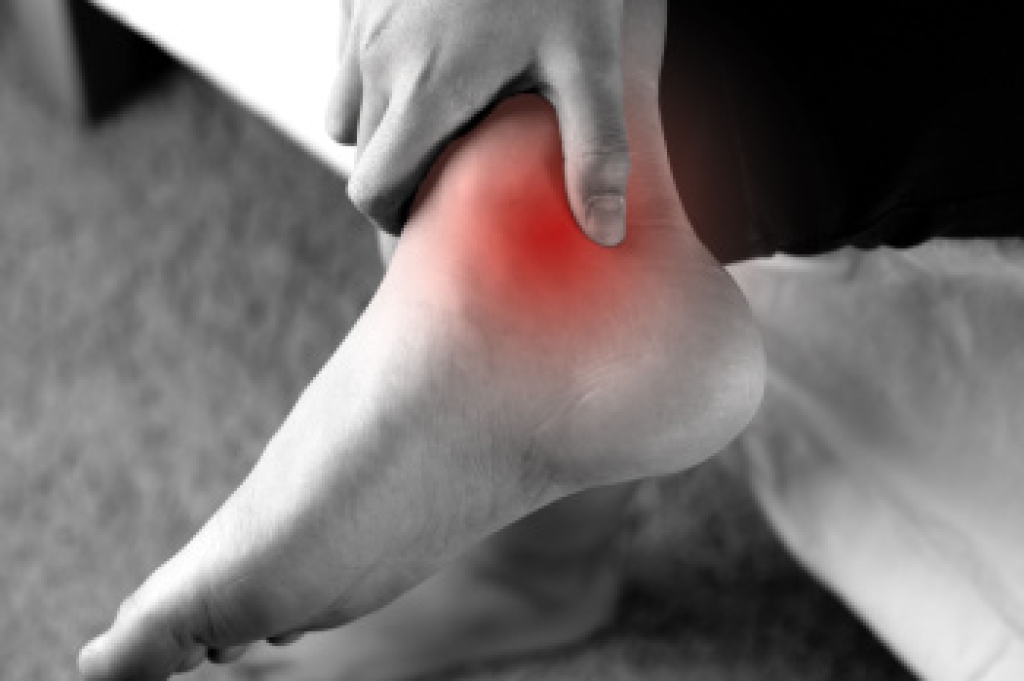
Tarsal tunnel syndrome is a relatively lesser-known condition compared to other nerve-related disorders, yet it can cause significant discomfort and affect daily life. This syndrome occurs when the tibial nerve, which runs along the inside of the ankle, becomes compressed or squeezed as it passes through the tarsal tunnel, which is a narrow space formed by bone and ligaments on the inner side of the ankle. One important fact about tarsal tunnel syndrome is that it shares similarities with carpal tunnel syndrome, a condition affecting the wrist. Individuals with tarsal tunnel syndrome may experience symptoms such as numbness, tingling, burning pain, or electric shock-like sensations in the ankle, heel, and sole of the foot. Various factors, including injury, inflammation, flat feet, or systemic conditions like diabetes, can contribute to the development of this syndrome. If you are experiencing pain in this part of your foot, it is suggested that you visit a podiatrist who can diagnose and treat tarsal tunnel syndrome.

Tarsal tunnel syndrome can be very uncomfortable to live with. If you are experiencing tarsal tunnel syndrome, contact one of our podiatrists of APEX Foot & Ankle Center. Our doctors can provide the care you need to keep you pain-free and on your feet.

Tarsal Tunnel Syndrome

Tarsal tunnel syndrome, which can also be called tibial nerve dysfunction, is an uncommon condition of misfiring peripheral nerves in the foot. The tibial nerve is the peripheral nerve in the leg responsible for sensation and movement of the foot and calf muscles. In tarsal tunnel syndrome, the tibial nerve is damaged, causing problems with movement and feeling in the foot of the affected leg.

Common Cause of Tarsal Tunnel Syndrome

  • Involves pressure or an injury, direct pressure on the tibial nerve for an extended period of time, sometimes caused by other body structures close by or near the knee.
  • Diseases that damage nerves, including diabetes, may cause tarsal tunnel syndrome.
  • At times, tarsal tunnel syndrome can appear without an obvious cause in some cases.

The Effects of Tarsal Tunnel Syndrome

  • Different sensations, an afflicted person may experience pain, tingling, burning or other unusual sensations in the foot of the affected leg.
  • The foot muscles, toes and ankle become weaker, and curling your toes or flexing your foot can become difficult.
  • If condition worsens, infections and ulcers may develop on the foot that is experiencing the syndrome.

A physical exam of the leg can help identify the presence of tarsal tunnel syndrome. Medical tests, such as a nerve biopsy, are also used to diagnose the condition. Patients may receive physical therapy and prescriptive medication. In extreme cases, some may require surgery.

If you have any questions please contact our offices located in Fort Myers, Shellpoint, and Naples, FL . We offer the newest diagnostic and treatment technologies for all your foot and ankle needs.

Read more about Treating Tarsal Tunnel Syndrome

Heel Spur Facts

Heel spurs occur in two main forms. One is called heel spur syndrome and the other is termed insertional Achilles tendinitis. Heel spur syndrome involves a bony growth at the bottom of the heel, often resulting from repetitive stress or strain on the foot. Symptoms include sharp pain upon standing or walking, particularly after periods of rest. Conversely, insertional Achilles tendinitis involves inflammation where the Achilles tendon connects to the heel bone. This condition commonly arises from overuse, tight calf muscles, or poor footwear, leading to pain and swelling at the back of the heel. Treatment for both conditions typically starts with conservative measures like rest, stretching, and orthotics. If you have pain that could signify one of these types of heel spurs, it is suggested that you schedule an appointment with a podiatrist who can provide corticosteroid injections or custom shoe inserts to alleviate discomfort. In severe cases, surgical options, such as heel spur removal or Achilles tendon repair, may be considered.

Heel spurs can be incredibly painful and sometimes may make you unable to participate in physical activities. To get medical care for your heel spurs, contact one of our podiatrists from APEX Foot & Ankle Center. Our doctors will do everything possible to treat your condition.

Heels Spurs

Heel spurs are formed by calcium deposits on the back of the foot where the heel is. This can also be caused by small fragments of bone breaking off one section of the foot, attaching onto the back of the foot. Heel spurs can also be bone growth on the back of the foot and may grow in the direction of the arch of the foot.

Older individuals usually suffer from heel spurs and pain sometimes intensifies with age. One of the main condition's spurs are related to is plantar fasciitis.

Pain

The pain associated with spurs is often because of weight placed on the feet. When someone is walking, their entire weight is concentrated on the feet. Bone spurs then have the tendency to affect other bones and tissues around the foot. As the pain continues, the feet will become tender and sensitive over time.

Treatments

There are many ways to treat heel spurs. If one is suffering from heel spurs in conjunction with pain, there are several methods for healing. Medication, surgery, and herbal care are some options.

If you have any questions, please feel free to contact our offices located in Fort Myers, Shellpoint, and Naples, FL . We offer the newest diagnostic and treatment technologies for all your foot care needs.

Read more about Heel Spurs

Various Types of Heel Pain Symptoms

Heel pain can manifest in several forms, each indicating distinct underlying causes and contributing factors. Side heel pain, also known as lateral heel pain, typically occurs on the outer edge of the heel and may stem from conditions like Achilles tendonitis or Haglund's deformity, where a bony prominence irritates the surrounding tissue. Inside heel pain often arises from conditions like plantar fasciitis or heel spurs, which involve inflammation and irritation of the tissues on the underside of the foot near the heel. Additionally, individuals may experience right or left heel pain, which could result from biomechanical issues, uneven weight distribution, or asymmetrical gait patterns. Identifying the specific location and characteristics of heel pain is essential for accurate diagnosis and effective treatment. If you have any type of heel pain, it is suggested that you consult a podiatrist who can provide you with a tailored treatment plan.

Many people suffer from bouts of heel pain. For more information, contact one of our podiatrists of APEX Foot & Ankle Center. Our doctors can provide the care you need to keep you pain-free and on your feet.

Causes of Heel Pain

Heel pain is often associated with plantar fasciitis. The plantar fascia is a band of tissues that extends along the bottom of the foot. A rip or tear in this ligament can cause inflammation of the tissue.

Achilles tendonitis is another cause of heel pain. Inflammation of the Achilles tendon will cause pain from fractures and muscle tearing. Lack of flexibility is also another symptom.

Heel spurs are another cause of pain. When the tissues of the plantar fascia undergo a great deal of stress, it can lead to ligament separation from the heel bone, causing heel spurs.

Why Might Heel Pain Occur?

  • Wearing ill-fitting shoes                
  • Wearing non-supportive shoes
  • Weight change           
  • Excessive running

Treatments

Heel pain should be treated as soon as possible for immediate results. Keeping your feet in a stress-free environment will help. If you suffer from Achilles tendonitis or plantar fasciitis, applying ice will reduce the swelling. Stretching before an exercise like running will help the muscles. Using all these tips will help make heel pain a condition of the past.

If you have any questions, please feel free to contact our offices located in Fort Myers, Shellpoint, and Naples, FL . We offer the newest diagnostic and treatment technologies for all your foot care needs.

Read more about Heel Pain

Do Your Child's Feet Hurt?

Have your child's feet been examined lately? Healthy feet are happy feet. If your child is complaining of foot pain, it may be a sign of underlying problems.

Nurturing Your Feet With a Foot Care Routine

Your feet bear the weight of your bodiy and facilitate movement with every step. To ensure their health and well-being, it is important to establish a consistent foot care routine. Start by cleaning your feet daily with mild soap and warm water, paying special attention to the spaces between your toes. Regularly trimming toenails straight across helps prevent ingrown toenails and infections. Moisturizing your feet with a hydrating lotion or cream keeps the skin soft and supple, preventing dryness and cracks. Additionally, wearing properly fitting shoes with adequate support and cushioning can help prevent discomfort and reduce the risk of foot problems, such as bunions or plantar fasciitis. Finally, incorporating gentle stretches and exercises into your routine promotes flexibility and strength in the muscles and ligaments of the feet. If you are experiencing any foot problems, or are seeking additional information about effective foot care routine strategies, it is suggested that you consult a podiatrist.

Everyday foot care is very important to prevent infection and other foot ailments. If you need your feet checked, contact one of our podiatrists from APEX Foot & Ankle Center. Our doctors can provide the care you need to keep you pain-free and on your feet.

Everyday Foot Care

Often, people take care of their bodies, face and hair more so than they do for their feet. But the feet are a very important aspect of our bodies, and one that we should pay more attention to. Without our feet, we would not be able to perform most daily tasks.

It is best to check your feet regularly to make sure there are no new bruises or cuts that you may not have noticed before. For dry feet, moisturizer can easily be a remedy and can be applied as often as necessary to the affected areas. Wearing shoes that fit well can also help you maintain good foot health, as well as making it easier to walk and do daily activities without the stress or pain of ill-fitting shoes, high heels, or even flip flops. Wearing clean socks with closed shoes is important to ensure that sweat and bacteria do not accumulate within the shoe. Clean socks help to prevent Athlete’s foot, fungi problems, bad odors, and can absorb sweat.

If you have any questions, please feel free to contact our offices located in Fort Myers, Shellpoint, and Naples, FL . We offer the newest diagnostic and treatment technologies for all your foot care needs.

Read more about Every Day Foot Care

Tennis and Foot Cramps

Playing tennis is not only a great way to stay active but also a test of endurance and agility. However, foot muscle cramps can unexpectedly disrupt your game and cause discomfort. These cramps, often attributed to overuse, dehydration, or inadequate stretching, can occur in various foot muscles, including the arches, toes, and calves. The repetitive movements involved in tennis, such as sudden stops, pivots, and quick changes in direction, can strain the foot muscles, leading to cramping. Insufficient hydration and electrolyte imbalances can contribute to muscle cramps during intense physical activity. It is important to stay hydrated, maintain proper nutrition, and incorporate regular stretching and warm-up exercises into your routine while playing Tennis frequently. Wearing supportive footwear and orthotic inserts can also help alleviate strain on the foot muscles. By understanding the factors contributing to foot muscle cramps and implementing preventive measures, you can enjoy a more comfortable and uninterrupted tennis experience while safeguarding your foot health. If you enjoy playing tennis and have developed foot cramps, it is suggested that you consult a podiatrist.

Ankle and foot injuries are common among athletes and in many sports. They can be caused by several problems and may be potentially serious. If you are feeling pain or think you were injured in a sporting event or when exercising, consult with one of our podiatrists from APEX Foot & Ankle Center. Our doctors will assess your condition and provide you with quality foot and ankle treatment.

Common Injuries

The most common injuries that occur in sporting activities include:

  • Achilles Tendonitis
  • Achilles Tendon Rupture
  • Ankle Sprains
  • Broken Foot
  • Plantar Fasciitis
  • Stress Fractures
  • Turf Toe

Symptoms

Symptoms vary depending upon the injury and in some cases, there may be no symptoms at all. However, in most cases, some form of symptom is experienced. Pain, aching, burning, bruising, tenderness, tightness or stiffness, sensation loss, difficulty moving, and swelling are the most common symptoms.

Treatment

Just as symptoms vary depending upon the injury, so do treatment options. A common treatment method is known as the RICE method. This method involves rest, applying ice, compression and elevating the afflicted foot or ankle. If the injury appears to be more serious, surgery might be required, such as arthroscopic or reconstructive surgery. Lastly, rehabilitation or therapy might be needed to gain full functionality in the afflicted area. Any discomfort experienced by an athlete must be evaluated by a licensed, reputable medical professional.  

If you have any questions please contact our offices located in Fort Myers, Shellpoint, and Naples, FL . We offer the newest diagnostic and treatment technologies for all your foot and ankle needs.

Read more about Sports Related Foot and Ankle Injuries

The Connection Between Obesity and Foot Pain

Obesity and foot pain often share a close relationship, intertwining in ways that impact an individual's mobility and overall quality of life. Excess weight puts undue stress on the feet, leading to various painful conditions, such as plantar fasciitis, flat feet, and osteoarthritis. The added pressure strains the muscles, tendons, and ligaments in the feet, causing discomfort and limiting movement. Furthermore, obesity can complicate existing foot issues, making them more difficult to manage and treat. The structural changes in the feet due to excess weight can alter the distribution of pressure and impact the biomechanics of walking, leading to chronic pain and discomfort. Addressing obesity through lifestyle modifications, including a balanced diet and regular exercise, can significantly alleviate foot pain and improve overall foot health. Losing weight reduces the load on the feet, allowing them to function more efficiently and with less strain. Additionally, incorporating low-impact exercises, such as swimming or cycling, can help strengthen the muscles surrounding the feet and promote better support and stability. If you are overweight and have foot pain, it is suggested that you consult a podiatrist who can offer you effective management and relief tips.

Obesity has become very problematic at this point in time and can have extremely negative effects on the feet. If you’re an obese individual and are concerned about your feet, contact one of our podiatrists from APEX Foot & Ankle Center. Our doctors can provide the care you need to keep you pain-free and on your feet.

Obesity and Your Feet

Since your feet are what support your entire weight when standing, any additional weight can result in pain and swelling. Being overweight is one of the main contributors to foot complications.

Problems & Complications

Extra Weight – Even putting on just a few extra pounds could create serious complications for your feet. As your weight increases, your balance and body will shift, creating new stresses on your feet. This uneven weight distribution can cause pain, even while doing the simplest tasks, such as walking.

Diabetes – People who are overweight are at serious risk of developing type-2 diabetes, which has a drastic impact on the health of your feet. As you get older, your diabetes might worsen, which could lead to loss of feeling in your feet, sores, and bruises. You could also become more prone to various infections.

Plantar fasciitis – Pressure and stress that is placed on muscles, joints, and tendons can trigger plantar fasciitis, which is an inflammation of tissue that forms along the bottom of the foot. 

If you have any questions, please feel free to contact our offices located in Fort Myers, Shellpoint, and Naples, FL . We offer the newest diagnostic and treatment technologies for all your foot care needs.

Read more about How Obesity Affects Your Feet

Types and Considerations of Toe Fractures

Toe fractures, though often considered minor injuries, can cause significant discomfort and hinder mobility. There are several types of toe fractures, each with its own characteristics and treatment considerations. A common type is a closed fracture, where the bone breaks but does not penetrate the skin. Open fractures occur when the broken bone pierces through the skin, increasing the risk of infection and requiring immediate medical attention. Stress fractures, caused by repetitive stress or overuse, are hairline cracks in the bone that may develop gradually over time. Another type is a displaced fracture, where the broken ends of the bone do not align properly, potentially requiring realignment through manipulation or surgery. Avulsion fractures involve the tearing away of a piece of bone where a tendon or ligament attaches. Regardless of the type of fracture, prompt evaluation by a podiatrist is suggested to determine the appropriate treatment approach and ensure optimal healing and recovery of the injured toe. If you have fractured your toe, it is strongly suggested that you confer with this type of doctor who can determine the type of fracture, and offer the treatment solution that is best for you.

A broken toe can be very painful and lead to complications if not properly fixed. If you have any concerns about your feet, contact one of our podiatrists from APEX Foot & Ankle Center. Our doctors will treat your foot and ankle needs.

What to Know About a Broken Toe

Although most people try to avoid foot trauma such as banging, stubbing, or dropping heavy objects on their feet, the unfortunate fact is that it is a common occurrence. Given the fact that toes are positioned in front of the feet, they typically sustain the brunt of such trauma. When trauma occurs to a toe, the result can be a painful break (fracture).

Symptoms of a Broken Toe

  • Throbbing pain
  • Swelling
  • Bruising on the skin and toenail
  • The inability to move the toe
  • Toe appears crooked or disfigured
  • Tingling or numbness in the toe

Generally, it is best to stay off of the injured toe with the affected foot elevated.

Severe toe fractures may be treated with a splint, cast, and in some cases, minor surgery. Due to its position and the pressure it endures with daily activity, future complications can occur if the big toe is not properly treated.

If you have any questions, please feel free to contact our offices located in Fort Myers, Shellpoint, and Naples, FL . We offer the newest diagnostic and treatment technologies for all your foot care needs.

Read more about What to Know About a Broken Toe

Wounds That Don't Heal Need to Be Checked

Your feet are covered most of the day. If you're diabetic, periodic screening is important for good health. Numbness is often a sign of diabetic foot and can mask a sore or wound.

Athletic Advantages for Flat-Footed Children

Flat feet, which are often considered to be a hindrance to athletes, need not deter children aged 11 to 15 years from pursuing their athletic aspirations. Flat feet may lack the arch typically associated with athletic prowess, but they can offer unique advantages in various sports. For instance, individuals with flat feet tend to have increased stability and a lower center of gravity, which can enhance balance and agility in activities such as gymnastics, martial arts, and dance. Additionally, the absence of a pronounced arch allows for greater surface contact with the ground, facilitating better shock absorption and energy transfer during running and jumping. With proper training, footwear selection, and the use of orthotics, children with flat feet can excel in sports and lead active lifestyles without limitations. If your child has flat feet, and is interested in participating in sporting activities, it is suggested that you consult a podiatrist who can accurately address any concerns you may have.

Flatfoot is a condition many people suffer from. If you have flat feet, contact one of our podiatrists from APEX Foot & Ankle Center. Our doctors will treat your foot and ankle needs.

What Are Flat Feet?

Flatfoot is a condition in which the arch of the foot is depressed and the sole of the foot is almost completely in contact with the ground. About 20-30% of the population generally has flat feet because their arches never formed during growth.

Conditions & Problems:

Having flat feet makes it difficult to run or walk because of the stress placed on the ankles.

Alignment – The general alignment of your legs can be disrupted, because the ankles move inward which can cause major discomfort.

Knees – If you have complications with your knees, flat feet can be a contributor to arthritis in that area.  

Symptoms

  • Pain around the heel or arch area
  • Trouble standing on the tip toe
  • Swelling around the inside of the ankle
  • Flat look to one or both feet
  • Having your shoes feel uneven when worn

Treatment

If you are experiencing pain and stress on the foot you may weaken the posterior tibial tendon, which runs around the inside of the ankle. 

If you have any questions, please feel free to contact our offices located in Fort Myers, Shellpoint, and Naples, FL . We offer the newest diagnostic and treatment technologies for all your foot care needs.

Read more about Flat Feet

Connect With Us

Advanced Podiatric Procedures & Services in the Fort Myers, FL 33908 and Naples, FL 34110 areas