
You don't need an excuse to have beautiful nails. Step outside without worrying about the appearance of your feet.
You don't need an excuse to have beautiful nails. Step outside without worrying about the appearance of your feet.

Stress fractures are a common injury among first-time marathoners, often caused by the repetitive impact of running long distances. These small cracks in the bones, typically found in the feet or lower legs, occur when the body is not given enough time to recover between runs. First-time marathoners are particularly susceptible due to a sudden increase in training intensity or from wearing inadequate footwear. Repetitive striking of the ground with each step, combined with poor running form or weak muscles, can lead to these microfractures. The primary cause of stress fractures is overuse, but factors like improper shoes, running on hard surfaces, or inadequate nutrition can contribute. Symptoms include localized pain, swelling, and tenderness that worsens with activity. Early intervention is key to preventing further injury. A podiatrist can diagnose the fractures, provide a treatment plan, and offer advice on proper footwear, running techniques, and rehabilitation exercises to prevent future issues. If you are a first-time marathoner experiencing pain, it is suggested that you schedule an appointment with a podiatrist.
Activities where too much pressure is put on the feet can cause stress fractures. To learn more, contact one of our podiatrists from APEX Foot & Ankle Center. Our doctors can provide the care you need to keep your pain free and on your feet.
Dealing with Stress Fractures of the Foot and Ankle
Stress fractures occur in the foot and ankle when muscles in these areas weaken from too much or too little use. The feet and ankles then lose support when walking or running from the impact of the ground. Since there is no protection, the bones receive the full impact of each step. Stress on the feet can cause cracks to form in the bones, thus creating stress fractures.
What Are Stress Fractures?
Stress fractures occur frequently in individuals whose daily activities cause great impact on the feet and ankles. Stress factors are most common among:
Symptoms
Pain from the fractures occur in the area of the fractures and can be constant or intermittent. It will often cause sharp or dull pain with swelling and tenderness. Engaging in any kind of activity which involves high impact will aggravate pain.
If you have any questions please contact our offices located in Fort Myers, Shellpoint, and Naples, FL . We offer the newest diagnostic and treatment technologies for all your foot and ankle needs.

Ankle sprains are a common injury among basketball players due to the high-intensity movements such as quick direction changes, jumping, and landing. These actions put significant stress on the ankle ligaments, increasing the risk of spraining the ankle. Weak or imbalanced muscles surrounding the ankle joint and poor conditioning can make players more vulnerable. To prevent ankle sprains, strengthening exercises like the single leg calf raise help improve stability and strengthen the calves, which support the ankle. Single leg ladder drills can enhance coordination, agility, and ankle stability, helping players react quickly and safely during movements. The plate raise exercise targets the muscles of the lower legs and feet, enhancing balance and joint support. If you have endured an ankle injury while playing basketball, it is suggested that you contact a podiatrist who can treat various foot and ankle injuries, and guide you on additional injury prevention tips.
Ankle and foot injuries are common among athletes and in many sports. They can be caused by several problems and may be potentially serious. If you are feeling pain or think you were injured in a sporting event or when exercising, consult with one of our podiatrists from APEX Foot & Ankle Center. Our doctors will assess your condition and provide you with quality foot and ankle treatment.
Common Injuries
The most common injuries that occur in sporting activities include:
Symptoms
Symptoms vary depending upon the injury and in some cases, there may be no symptoms at all. However, in most cases, some form of symptom is experienced. Pain, aching, burning, bruising, tenderness, tightness or stiffness, sensation loss, difficulty moving, and swelling are the most common symptoms.
Treatment
Just as symptoms vary depending upon the injury, so do treatment options. A common treatment method is known as the RICE method. This method involves rest, applying ice, compression and elevating the afflicted foot or ankle. If the injury appears to be more serious, surgery might be required, such as arthroscopic or reconstructive surgery. Lastly, rehabilitation or therapy might be needed to gain full functionality in the afflicted area. Any discomfort experienced by an athlete must be evaluated by a licensed, reputable medical professional.
If you have any questions please contact our offices located in Fort Myers, Shellpoint, and Naples, FL . We offer the newest diagnostic and treatment technologies for all your foot and ankle needs.

High heels may look stylish, but they can take a toll on women’s feet and ankles. Wearing them shifts body weight forward, putting extra pressure on the toes and ball of the foot. This can lead to problems like bunions, ankle sprains from twisting, and even joint issues over time like osteoarthritis. High heels can also affect how the feet and ankles move, altering one's walking pattern, posture, and balance. These changes may extend to the knees and hips, causing pain and stiffness. Long-term wear increases the risk of musculoskeletal pain and balance issues, especially in uneven or slippery conditions. Limiting heel height, choosing supportive designs, and giving your feet regular breaks can help. If you experience ongoing pain or foot problems from wearing high heels, it is suggested that you consult a podiatrist for expert advice and treatment.
High heels have a history of causing foot and ankle problems. If you have any concerns about your feet or ankles, contact one of our podiatrists from APEX Foot & Ankle Center. Our doctors can provide the care you need to keep you pain-free and on your feet.
Effects of High Heels on the Feet
High heels are popular shoes among women because of their many styles and societal appeal. Despite this, high heels can still cause many health problems if worn too frequently.
Which Parts of My Body Will Be Affected by High Heels?
What Kinds of Foot Problems Can Develop from Wearing High Heels?
How Can I Still Wear High Heels and Maintain Foot Health?
If you want to wear high heeled shoes, make sure that you are not wearing them every day, as this will help prevent long term physical problems. Try wearing thicker heels as opposed to stilettos to distribute weight more evenly across the feet. Always make sure you are wearing the proper shoes for the right occasion, such as sneakers for exercising. If you walk to work, try carrying your heels with you and changing into them once you arrive at work. Adding inserts to your heels can help cushion your feet and absorb shock. Full foot inserts or metatarsal pads are available.
If you have any questions, please feel free to contact our offices located in Fort Myers, Shellpoint, and Naples, FL . We offer the newest diagnostic and treatment technologies for all your foot care needs.

Capsulitis of the foot is an inflammation of the ligament-like capsule surrounding a joint, most commonly affecting the second toe at the ball of the foot. It occurs when excessive pressure or stress causes irritation, often due to improper footwear, abnormal foot mechanics, or activities that involve repetitive forefoot impact. People with high arches, flat feet, or a second toe longer than the big toe are more prone to developing capsulitis. Symptoms include pain under the ball of the foot, swelling, and a sensation of walking on a marble. The second toe may also appear elevated or shift out of alignment. Early treatment is important and includes wearing supportive footwear and avoiding high-impact activities. Surgery is rarely needed to correct the issue. If you have symptoms of capsulitis, it is suggested that you make an appointment with a podiatrist for a proper diagnosis and treatment.
Foot Pain
Foot pain can be extremely painful and debilitating. If you have a foot pain, consult with one of our podiatrists from APEX Foot & Ankle Center. Our doctors will assess your condition and provide you with quality foot and ankle treatment.
Causes
Foot pain is a very broad condition that could be caused by one or more ailments. The most common include:
Diagnosis
To figure out the cause of foot pain, podiatrists utilize several different methods. This can range from simple visual inspections and sensation tests to X-rays and MRI scans. Prior medical history, family medical history, and any recent physical traumatic events will all be taken into consideration for a proper diagnosis.
Treatment
Treatment depends upon the cause of the foot pain. Whether it is resting, staying off the foot, or having surgery; podiatrists have a number of treatment options available for foot pain.
If you have any questions, please feel free to contact our offices located in Fort Myers, Shellpoint, and Naples, FL . We offer the newest diagnostic and treatment technologies for all your foot care needs.

Do you suffer from heel pain when you get up in the morning? If so, you should seek professional help and have a proper diagnosis performed. Heel pain can be caused by several different foot-related conditions.

Tarsal tunnel syndrome occurs when the tibial nerve, which runs through the tarsal tunnel, becomes compressed or irritated. The tarsal tunnel is a narrow space located on the inner side of the ankle, formed by bone and soft tissues. It allows nerves, blood vessels, and tendons to pass from the leg to the foot. When the tibial nerve is compressed in this confined space, it can cause sharp or burning pain, numbness, or tingling that radiates into the sole of the foot. Symptoms often worsen with activity or later in the day. Common causes of tarsal tunnel syndrome include flat feet or plantar fasciitis, which increase strain on the inner ankle structures. Repetitive movement, prolonged standing, or extra body weight may also contribute to the problem. Diagnosis typically involves a physical exam, nerve conduction tests, and imaging studies to pinpoint the issue. If you are experiencing ankle pain, it is suggested that you schedule an appointment with a podiatrist for a diagnosis and treatment options.
Tarsal tunnel syndrome can be very uncomfortable to live with. If you are experiencing tarsal tunnel syndrome, contact one of our podiatrists of APEX Foot & Ankle Center. Our doctors can provide the care you need to keep you pain-free and on your feet.
Tarsal Tunnel Syndrome
Tarsal tunnel syndrome, which can also be called tibial nerve dysfunction, is an uncommon condition of misfiring peripheral nerves in the foot. The tibial nerve is the peripheral nerve in the leg responsible for sensation and movement of the foot and calf muscles. In tarsal tunnel syndrome, the tibial nerve is damaged, causing problems with movement and feeling in the foot of the affected leg.
Common Cause of Tarsal Tunnel Syndrome
The Effects of Tarsal Tunnel Syndrome
A physical exam of the leg can help identify the presence of tarsal tunnel syndrome. Medical tests, such as a nerve biopsy, are also used to diagnose the condition. Patients may receive physical therapy and prescriptive medication. In extreme cases, some may require surgery.
If you have any questions please contact our offices located in Fort Myers, Shellpoint, and Naples, FL . We offer the newest diagnostic and treatment technologies for all your foot and ankle needs.
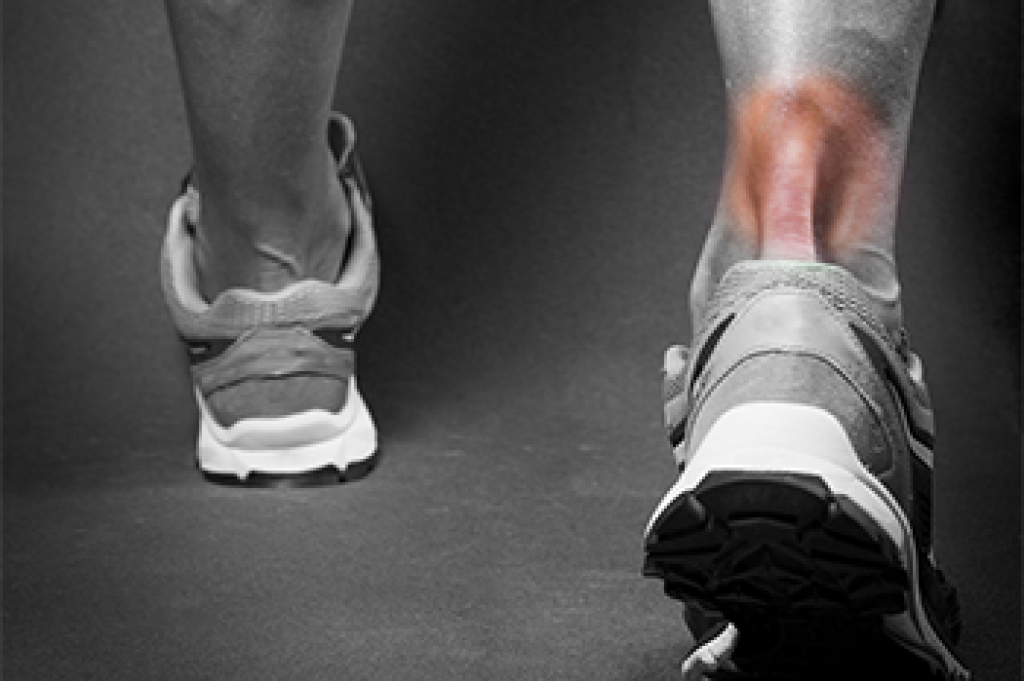
Achilles tendon injuries are uncommon in pediatric and adolescent populations but can require surgery in severe cases, such as complete ruptures or deep lacerations. These injuries can occur during sports or accidents, especially in active teens, although young tendons are typically resilient and heal well with conservative care. Surgery is usually reserved for complex or complete tears that cannot heal adequately on their own. Despite being rare, surgical repair generally has positive outcomes for young patients, with most regaining full function and mobility following rehabilitation. Recovery includes targeted exercises to restore strength, flexibility, and balance, reducing the risk of re-injury. If your child has incurred an Achilles tendon injury, it is strongly suggested that you have it evaluated by a podiatrist to determine the best course of action and ensure a safe, effective return to activity for the growing foot and tendon structure.
Achilles tendon injuries need immediate attention to avoid future complications. If you have any concerns, contact one of our podiatrists of APEX Foot & Ankle Center. Our doctors can provide the care you need to keep you pain-free and on your feet.
What Is the Achilles Tendon?
The Achilles tendon is a tendon that connects the lower leg muscles and calf to the heel of the foot. It is the strongest tendon in the human body and is essential for making movement possible. Because this tendon is such an integral part of the body, any injuries to it can create immense difficulties and should immediately be presented to a doctor.
What Are the Symptoms of an Achilles Tendon Injury?
There are various types of injuries that can affect the Achilles tendon. The two most common injuries are Achilles tendinitis and ruptures of the tendon.
Achilles Tendinitis Symptoms
Rupture Symptoms
Treatment and Prevention
Achilles tendon injuries are diagnosed by a thorough physical evaluation, which can include an MRI. Treatment involves rest, physical therapy, and in some cases, surgery. However, various preventative measures can be taken to avoid these injuries, such as:
If you have any questions please feel free to contact our offices located in Fort Myers, Shellpoint, and Naples, FL . We offer the newest diagnostic tools and technology to treat your foot and ankle needs.

Ingrown toenails, a common foot issue, occur when the nail's edge grows into the surrounding skin, leading to redness, swelling, and pain. This condition often affects the big toe and can result from improper nail trimming, wearing tight footwear, or injury. In cases where pain intensifies, or infection signs like pus and increased swelling appear, it is wise to consult a podiatrist. A podiatrist can assess the severity and recommend treatments based on individual needs. They may lift the nail to relieve pressure, or in more severe cases, remove part of the nail to prevent further issues. They might also suggest preventive measures, such as proper nail-cutting techniques, footwear advice, and orthotics if foot structure contributes to the problem. If you suffer from an ingrown toenail, it is suggested that you get prompt podiatric care to alleviate pain and help prevent recurring ingrown nails and potential infections.
Ingrown toenails may initially present themselves as a minor discomfort, but they may progress into an infection in the skin without proper treatment. For more information about ingrown toenails, contact one of our podiatrists of APEX Foot & Ankle Center. Our doctors can provide the care you need to keep you pain-free and on your feet.
Ingrown Toenails
Ingrown toenails are caused when the corner or side of a toenail grows into the soft flesh surrounding it. They often result in redness, swelling, pain, and in some cases, infection. This condition typically affects the big toe and may recur if it is not treated properly.
Causes
You are more likely to develop an ingrown toenail if you are obese, have diabetes, arthritis, or have any fungal infection in your nails. Additionally, people who have foot or toe deformities are at a higher risk of developing an ingrown toenail.
Symptoms
Some symptoms of ingrown toenails are redness, swelling, and pain. In rare cases, there may be a yellowish drainage coming from the nail.
Treatment
Ignoring an ingrown toenail can have serious complications. Infections of the nail border can progress to a deeper soft-tissue infection, which can then turn into a bone infection. You should always speak with your podiatrist if you suspect you have an ingrown toenail, especially if you have diabetes or poor circulation.
If you have any questions, please feel free to contact our offices located in Fort Myers, Shellpoint, and Naples, FL . We offer the newest diagnostic and treatment technologies for all your foot care needs.

Hammertoe is a condition characterized by an abnormal bend in the middle joint of a toe, often caused by imbalanced muscle or tendon forces, wearing ill-fitting footwear, or underlying conditions like arthritis. Symptoms include pain, swelling, and difficulty wearing shoes, which can lead to corns and calluses. When conservative treatments, such as orthotics or targeted exercises fail, a podiatrist may recommend surgery. Two common types are fusion and tendon transfer. Fusion involves permanently joining the affected joint to correct the toe's position. Tendon transfer repositions the tendon to restore balance and function, allowing for better alignment. Recovery from hammertoe surgery varies, but patients typically need to wear a special boot and limit activity for an extented period of time. A podiatrist can provide a comprehensive evaluation and help determine what the best surgical approach is for each individual case. If you are experiencing symptoms of hammertoe, it is suggested that you schedule an appointment with a podiatrist for tailored treatment options, which may include surgery for relief.
Foot surgery is sometimes necessary to treat a foot ailment. To learn more, contact one of our podiatrists of APEX Foot & Ankle Center. Our doctors will assist you with all of your foot and ankle needs.
When Is Surgery Necessary?
Foot and ankle surgery is generally reserved for cases in which less invasive, conservative procedures have failed to alleviate the problem. Some of the cases in which surgery may be necessary include:
What Types of Surgery Are There?
The type of surgery you receive will depend on the nature of the problem you have. Some of the possible surgeries include:
Benefits of Surgery
Although surgery is usually a last resort, it can provide more complete pain relief compared to non-surgical methods and may allow you to finally resume full activity.
Surgical techniques have also become increasingly sophisticated. Techniques like endoscopic surgery allow for smaller incisions and faster recovery times.
If you have any questions, please feel free to contact our offices located in Fort Myers, Shellpoint, and Naples, FL . We offer the newest diagnostic and treatment technologies for all your foot care needs.
Connect With Us