
Reasons That Foot Pain Occurs

Many people experience foot pain at some point in their lives, and it may become worse while walking. A common condition that patients are affected by is known as plantar fasciitis. The pain from this ailment is often felt in the heel and arch area and comes from inflammation of the plantar fascia. The pain may be worse upon arising in the morning and may improve as the day progresses. There is another painful foot condition that is referred to as Morton’s neuroma and this affects the nerve between the third and fourth toes. It often happens as a result of wearing shoes that do not have enough room for the toes to move freely in and can compress the nerves. The pain may be diminished when custom-made orthotics are worn, and in severe cases, surgery may be recommended. An injury to the Achilles tendon may cause tendonitis to develop, which generally causes severe pain and discomfort. This can occur from increasing speed and distance too quickly while running, possibly causing the tendon to rupture. If you have foot pain for any reason, it is strongly advised that you seek the counsel of a podiatrist who can help you with effective treatment methods so you can resume painless everyday living.

Foot Pain

Foot pain can be extremely painful and debilitating. If you have a foot pain, consult with one of our podiatrists from APEX Foot & Ankle Center. Our doctors will assess your condition and provide you with quality foot and ankle treatment.

Causes

Foot pain is a very broad condition that could be caused by one or more ailments. The most common include:

  • Bunions
  • Hammertoes
  • Plantar Fasciitis
  • Bone Spurs
  • Corns
  • Tarsal Tunnel Syndrome
  • Ingrown Toenails
  • Arthritis (such as Gout, Rheumatoid, and Osteoarthritis)
  • Flat Feet
  • Injury (from stress fractures, broken toe, foot, ankle, Achilles tendon ruptures, and sprains)
  • And more

Diagnosis

To figure out the cause of foot pain, podiatrists utilize several different methods. This can range from simple visual inspections and sensation tests to X-rays and MRI scans. Prior medical history, family medical history, and any recent physical traumatic events will all be taken into consideration for a proper diagnosis.

Treatment

Treatment depends upon the cause of the foot pain. Whether it is resting, staying off the foot, or having surgery; podiatrists have a number of treatment options available for foot pain.

If you have any questions, please feel free to contact our offices located in Fort Myers, Shellpoint, and Naples, FL . We offer the newest diagnostic and treatment technologies for all your foot care needs.
Read more about Foot Pain

Nerve Compression in the Ankle May Cause Pain, Burning, and Numbness

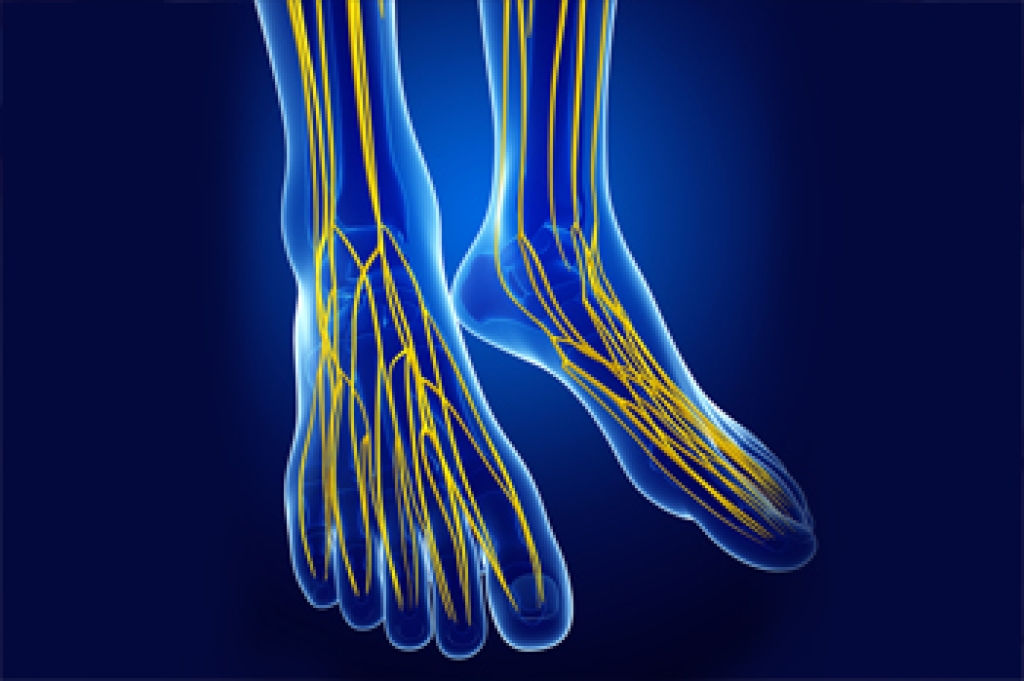
There is a narrow passageway called the tarsal tunnel, which is located on the inside of the ankle. The tibial nerve, starting at the back of the leg, runs down through the tarsal tunnel, along with veins, arteries, and tendons. Because so many structures pass through the tarsal tunnel, the interior space is very confined. This space becomes even more constricted if an ankle injury occurs that causes inflammation or a swollen vein or tendon, or if a cyst develops within the tunnel. This can cause the tibial tendon to become squeezed, or compressed, and result in pain, burning, tingling, or numbness along the nerve’s path. This condition is known as tarsal tunnel syndrome. Flat feet, and inflammation due to arthritis and diabetes may also contribute to this condition developing. It is important to have tarsal tunnel syndrome diagnosed and treated as early as possible, not only to relieve pain and inflammation, but to avoid permanent nerve damage. A podiatrist can assess your condition and devise an appropriate treatment plan to get you on the road to recovery as soon as possible.

Tarsal tunnel syndrome can be very uncomfortable to live with. If you are experiencing tarsal tunnel syndrome, contact one of our podiatrists of APEX Foot & Ankle Center. Our doctors can provide the care you need to keep you pain-free and on your feet.

Tarsal Tunnel Syndrome

Tarsal tunnel syndrome, which can also be called tibial nerve dysfunction, is an uncommon condition of misfiring peripheral nerves in the foot. The tibial nerve is the peripheral nerve in the leg responsible for sensation and movement of the foot and calf muscles. In tarsal tunnel syndrome, the tibial nerve is damaged, causing problems with movement and feeling in the foot of the affected leg.

Common Cause of Tarsal Tunnel Syndrome

  • Involves pressure or an injury, direct pressure on the tibial nerve for an extended period of time, sometimes caused by other body structures close by or near the knee.
  • Diseases that damage nerves, including diabetes, may cause tarsal tunnel syndrome.
  • At times, tarsal tunnel syndrome can appear without an obvious cause in some cases.

The Effects of Tarsal Tunnel Syndrome

  • Different sensations, an afflicted person may experience pain, tingling, burning or other unusual sensations in the foot of the affected leg.
  • The foot muscles, toes and ankle become weaker, and curling your toes or flexing your foot can become difficult.
  • If condition worsens, infections and ulcers may develop on the foot that is experiencing the syndrome.

A physical exam of the leg can help identify the presence of tarsal tunnel syndrome. Medical tests, such as a nerve biopsy, are also used to diagnose the condition. Patients may receive physical therapy and prescriptive medication. In extreme cases, some may require surgery.

If you have any questions please contact our offices located in Fort Myers, Shellpoint, and Naples, FL . We offer the newest diagnostic and treatment technologies for all your foot and ankle needs.

Read more about Tarsal Tunnel Syndrome

A Heel Spur May Be Misdiagnosed

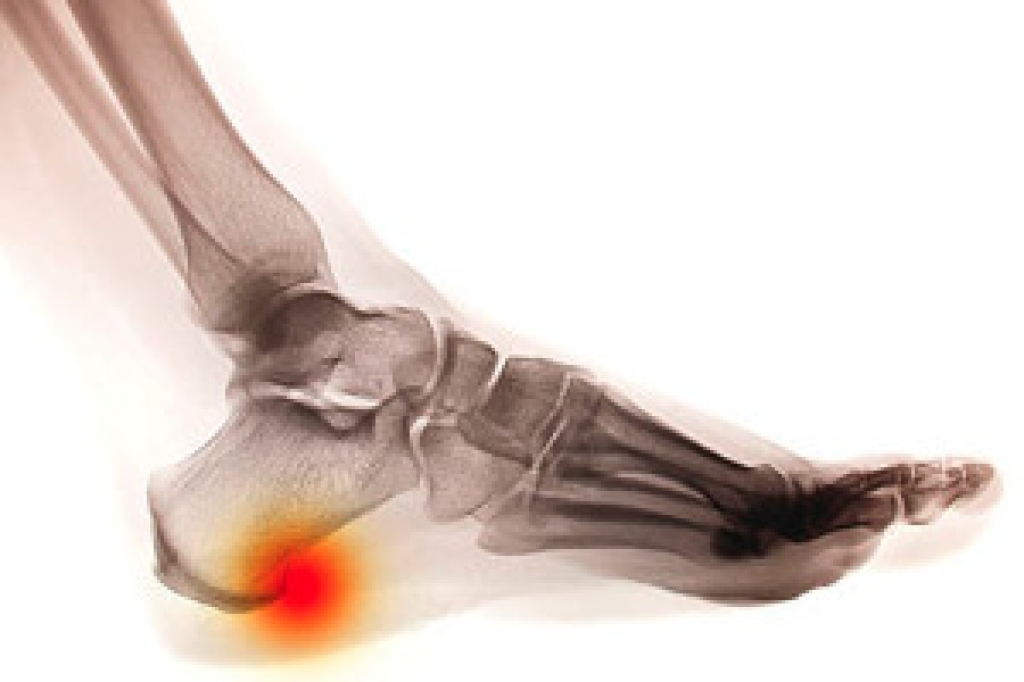
As small as a heel spur is, it can bring severe pain and discomfort to the patient. It is a bony protrusion that may be pointed and is found underneath the heel. It is a calcium build-up, and can gradually come from wearing shoes that do not fit correctly. Many times a heel spur may be misdiagnosed as plantar fasciitis, which is another condition that affects the heel. A diagnosis consists of undergoing an examination that can determine how tender the heel is, in addition to possibly having an X-ray taken. There are patients who find mild relief when anti-inflammatory medications are taken, despite being a temporary fix. Another option that may be considered are custom-made orthotics, and these may help to diminish pressure on the Achilles tendon. If you have heel pain, it is strongly suggested that a podiatrist is consulted who can determine what the cause is, and offer correct treatment options. 

Heel spurs can be incredibly painful and sometimes may make you unable to participate in physical activities. To get medical care for your heel spurs, contact one of our podiatrists from APEX Foot & Ankle Center. Our doctors will do everything possible to treat your condition.

Heels Spurs

Heel spurs are formed by calcium deposits on the back of the foot where the heel is. This can also be caused by small fragments of bone breaking off one section of the foot, attaching onto the back of the foot. Heel spurs can also be bone growth on the back of the foot and may grow in the direction of the arch of the foot.

Older individuals usually suffer from heel spurs and pain sometimes intensifies with age. One of the main condition's spurs are related to is plantar fasciitis.

Pain

The pain associated with spurs is often because of weight placed on the feet. When someone is walking, their entire weight is concentrated on the feet. Bone spurs then have the tendency to affect other bones and tissues around the foot. As the pain continues, the feet will become tender and sensitive over time.

Treatments

There are many ways to treat heel spurs. If one is suffering from heel spurs in conjunction with pain, there are several methods for healing. Medication, surgery, and herbal care are some options.

If you have any questions, please feel free to contact our offices located in Fort Myers, Shellpoint, and Naples, FL . We offer the newest diagnostic and treatment technologies for all your foot care needs.

Read more about Heel Spurs

Foot Wounds Need Immediate Attention

A foot ulcer is a wound on the sole of the foot. It can be common among diabetic patients and generally requires prompt medical attention to avoid amputation. It is defined as a wound that develops on the surface of the skin and may extend to the tendons and bones. Diabetic patients often do not have the ability to heal normally or quickly, therefore this type of wound is usually treated with antibiotics. Diabetes can make it difficult to feel sensations on the feet so many patients are unable to notice existing cuts, scrapes, or bruises that have developed. Foot ulcers can also affect people who have abnormal foot bones or muscles in the feet. This can include people who have arthritis in the feet, as well as claw feet. If you have a wound on your foot, it is strongly advised that you are under the care of a podiatrist who can determine what the best treatment is for you.

Wound care is an important part in dealing with diabetes. If you have diabetes and a foot wound or would like more information about wound care for diabetics, consult with one of our podiatrists from APEX Foot & Ankle Center. Our doctors will assess your condition and provide you with quality foot and ankle treatment.

What Is Wound Care?

Wound care is the practice of taking proper care of a wound. This can range from the smallest to the largest of wounds. While everyone can benefit from proper wound care, it is much more important for diabetics. Diabetics often suffer from poor blood circulation which causes wounds to heal much slower than they would in a non-diabetic. 

What Is the Importance of Wound Care?

While it may not seem apparent with small ulcers on the foot, for diabetics, any size ulcer can become infected. Diabetics often also suffer from neuropathy, or nerve loss. This means they might not even feel when they have an ulcer on their foot. If the wound becomes severely infected, amputation may be necessary. Therefore, it is of the upmost importance to properly care for any and all foot wounds.

How to Care for Wounds

The best way to care for foot wounds is to prevent them. For diabetics, this means daily inspections of the feet for any signs of abnormalities or ulcers. It is also recommended to see a podiatrist several times a year for a foot inspection. If you do have an ulcer, run the wound under water to clear dirt from the wound; then apply antibiotic ointment to the wound and cover with a bandage. Bandages should be changed daily and keeping pressure off the wound is smart. It is advised to see a podiatrist, who can keep an eye on it.

If you have any questions please contact our offices located in Fort Myers, Shellpoint, and Naples, FL . We offer the newest diagnostic and treatment technologies for all your foot and ankle needs.

Read more about Wound Care

Are Bunions Affecting Your Everyday Life?

Have you noticed a bony protrusion on the side of your big toe? If so, you may have developed the foot condition known as a bunion. Don't let bunions interfere with your daily activities.

Connect With Us

Advanced Podiatric Procedures & Services in the Fort Myers, FL 33908 and Naples, FL 34110 areas