Understanding Foot Pain in Kids and Teens

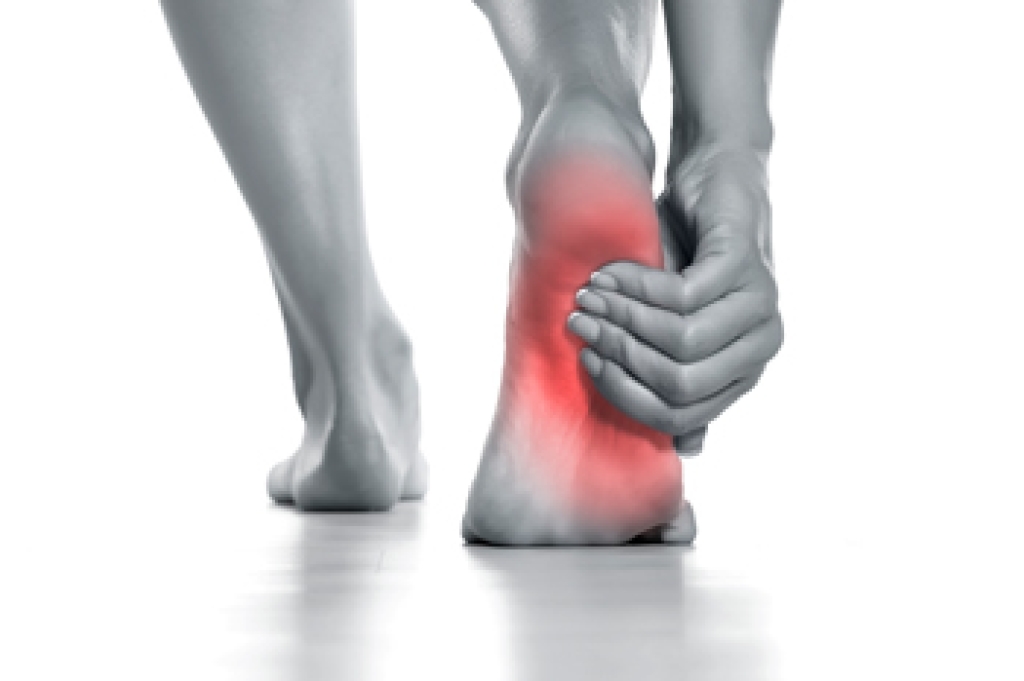
Foot pain is not just an adult problem. Children and adolescents often experience discomfort in their feet, which can affect their ability to participate in sports, play, and daily activities. Growth spurts, flat feet, and overuse injuries are common causes. Conditions like Sever’s disease, which involves inflammation at the growth plate in the heel, frequently occur during periods of rapid growth. Wearing improper footwear can also lead to pain, especially if shoes do not provide enough support or cushioning. Ignoring foot pain in young people may result in long-term issues, including changes in walking patterns and posture. Early evaluation and treatment can make a big difference in restoring comfort and preventing more serious problems later. If your child frequently complains of foot pain or you notice limping, it is suggested that you see a podiatrist for a proper diagnosis and treatment tailored to their growing feet.

Foot Pain

Foot pain can be extremely painful and debilitating. If you have a foot pain, consult with one of our podiatrists from APEX Foot & Ankle Center. Our doctors will assess your condition and provide you with quality foot and ankle treatment.

Causes

Foot pain is a very broad condition that could be caused by one or more ailments. The most common include:

  • Bunions
  • Hammertoes
  • Plantar Fasciitis
  • Bone Spurs
  • Corns
  • Tarsal Tunnel Syndrome
  • Ingrown Toenails
  • Arthritis (such as Gout, Rheumatoid, and Osteoarthritis)
  • Flat Feet
  • Injury (from stress fractures, broken toe, foot, ankle, Achilles tendon ruptures, and sprains)
  • And more

Diagnosis

To figure out the cause of foot pain, podiatrists utilize several different methods. This can range from simple visual inspections and sensation tests to X-rays and MRI scans. Prior medical history, family medical history, and any recent physical traumatic events will all be taken into consideration for a proper diagnosis.

Treatment

Treatment depends upon the cause of the foot pain. Whether it is resting, staying off the foot, or having surgery; podiatrists have a number of treatment options available for foot pain.

If you have any questions, please feel free to contact our offices located in Fort Myers, Shellpoint, and Naples, FL . We offer the newest diagnostic and treatment technologies for all your foot care needs.


Read more about Foot Pain

Why Live with Pain and Numbness in Your Feet?

Suffering from this type of pain? You may have the foot condition known as Morton's neuroma. Morton's neuroma may develop as a result of ill-fitting footwear and existing foot deformities. We can help.

Why Mushrooms Are Bad for Gout

Gout is a type of arthritis caused by the buildup of uric acid crystals in the joints, leading to severe pain and inflammation. This occurs when the body produces too much uric acid or struggles to eliminate it efficiently. Mushrooms are considered harmful for individuals with gout because they contain purines, which break down into uric acid. High purine intake can lead to elevated uric acid levels, triggering painful gout flare-ups. The big toe is often the most affected joint, as uric acid crystals tend to accumulate in cooler areas of the body. This can cause intense swelling, redness, and difficulty walking. Avoiding purine-rich foods, such as mushrooms, can help prevent these painful episodes and support better management of gout symptoms for improved joint health. If you have gout, it is suggested that you are under the care of a podiatrist who can help you to manage this painful condition, which may include educating you on dietary restrictions.

Gout is a painful condition that can be treated. If you are seeking treatment, contact one of our podiatrists from APEX Foot & Ankle Center. Our doctors will treat your foot and ankle needs.

What Is Gout?

Gout is a form of arthritis that is characterized by sudden, severe attacks of pain, redness, and tenderness in the joints. The condition usually affects the joint at the base of the big toe. A gout attack can occur at any random time, such as the middle of the night while you are asleep.

Symptoms

  • Intense Joint Pain - Usually around the large joint of your big toe, and it most severe within the first four to twelve hours
  • Lingering Discomfort - Joint discomfort may last from a few days to a few weeks
  • Inflammation and Redness -Affected joints may become swollen, tender, warm and red
  • Limited Range of Motion - May experience a decrease in joint mobility

Risk Factors

  • Genetics - If family members have gout, you’re more likely to have it
  • Medications - Diuretic medications can raise uric acid levels
  • Gender/Age - Gout is more common in men until the age of 60. It is believed that estrogen protects women until that point
  • Diet - Eating red meat and shellfish increases your risk
  • Alcohol - Having more than two alcoholic drinks per day increases your risk
  • Obesity - Obese people are at a higher risk for gout

Prior to visiting your podiatrist to receive treatment for gout, there are a few things you should do beforehand. If you have gout you should write down your symptoms--including when they started and how often you experience them, important medical information you may have, and any questions you may have. Writing down these three things will help your podiatrist in assessing your specific situation so that he or she may provide the best route of treatment for you.

If you have any questions, please feel free to contact our offices located in Fort Myers, Shellpoint, and Naples, FL . We offer the newest diagnostic and treatment technologies for all your foot care needs.
Read more about Gout

Understanding Charcot Foot and Its Warning Signs

Charcot foot is a serious condition that affects people with peripheral neuropathy, most commonly those with diabetes. It weakens the bones in the foot, causing them to fracture and dislocate without significant pain. As the condition progresses, the arch collapses, leading to a rocker-bottom type of deformity. Early signs include swelling, redness, and warmth in the foot, often mistaken for infection. If left untreated, Charcot foot can lead to severe deformity, ulceration, and an increased risk of limb loss. Early diagnosis and treatment are critical. Offloading the foot with a total contact cast or custom orthotic device helps protect and stabilize the bones during healing. In advanced cases, surgery may be necessary. If you have diabetes and notice changes in your feet, it is suggested that you see a podiatrist for a proper diagnosis and treatment.

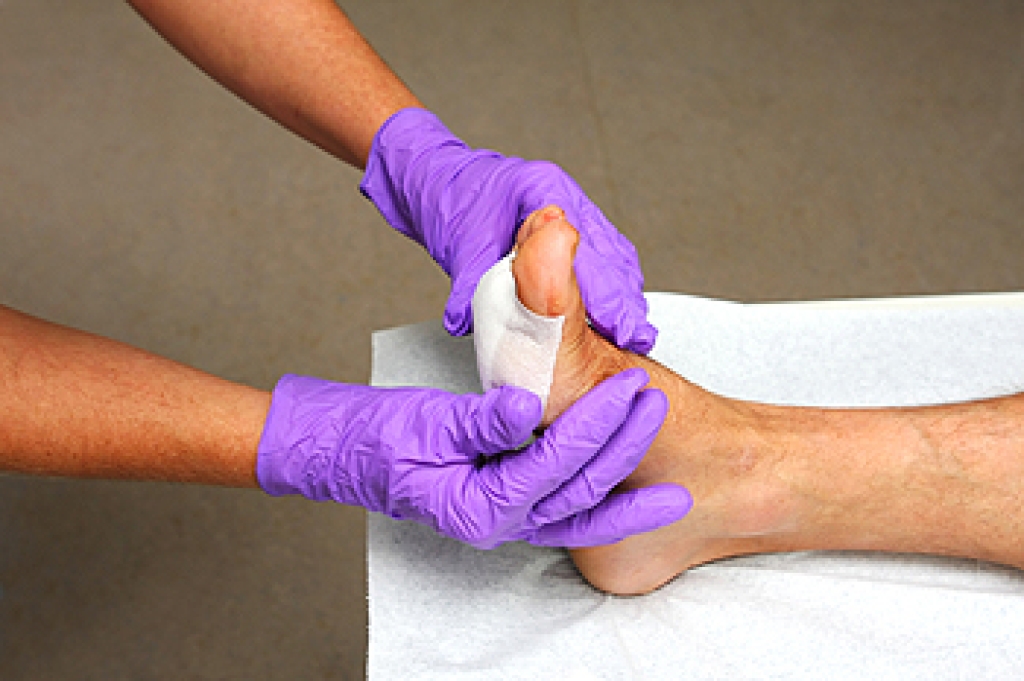
Wound care is an important part in dealing with diabetes. If you have diabetes and a foot wound or would like more information about wound care for diabetics, consult with one of our podiatrists from APEX Foot & Ankle Center. Our doctors will assess your condition and provide you with quality foot and ankle treatment.

What Is Wound Care?

Wound care is the practice of taking proper care of a wound. This can range from the smallest to the largest of wounds. While everyone can benefit from proper wound care, it is much more important for diabetics. Diabetics often suffer from poor blood circulation which causes wounds to heal much slower than they would in a non-diabetic. 

What Is the Importance of Wound Care?

While it may not seem apparent with small ulcers on the foot, for diabetics, any size ulcer can become infected. Diabetics often also suffer from neuropathy, or nerve loss. This means they might not even feel when they have an ulcer on their foot. If the wound becomes severely infected, amputation may be necessary. Therefore, it is of the upmost importance to properly care for any and all foot wounds.

How to Care for Wounds

The best way to care for foot wounds is to prevent them. For diabetics, this means daily inspections of the feet for any signs of abnormalities or ulcers. It is also recommended to see a podiatrist several times a year for a foot inspection. If you do have an ulcer, run the wound under water to clear dirt from the wound; then apply antibiotic ointment to the wound and cover with a bandage. Bandages should be changed daily and keeping pressure off the wound is smart. It is advised to see a podiatrist, who can keep an eye on it.

If you have any questions please contact our offices located in Fort Myers, Shellpoint, and Naples, FL . We offer the newest diagnostic and treatment technologies for all your foot and ankle needs.

Read more about Wound Care

When Cracked Heels Become a Serious Concern

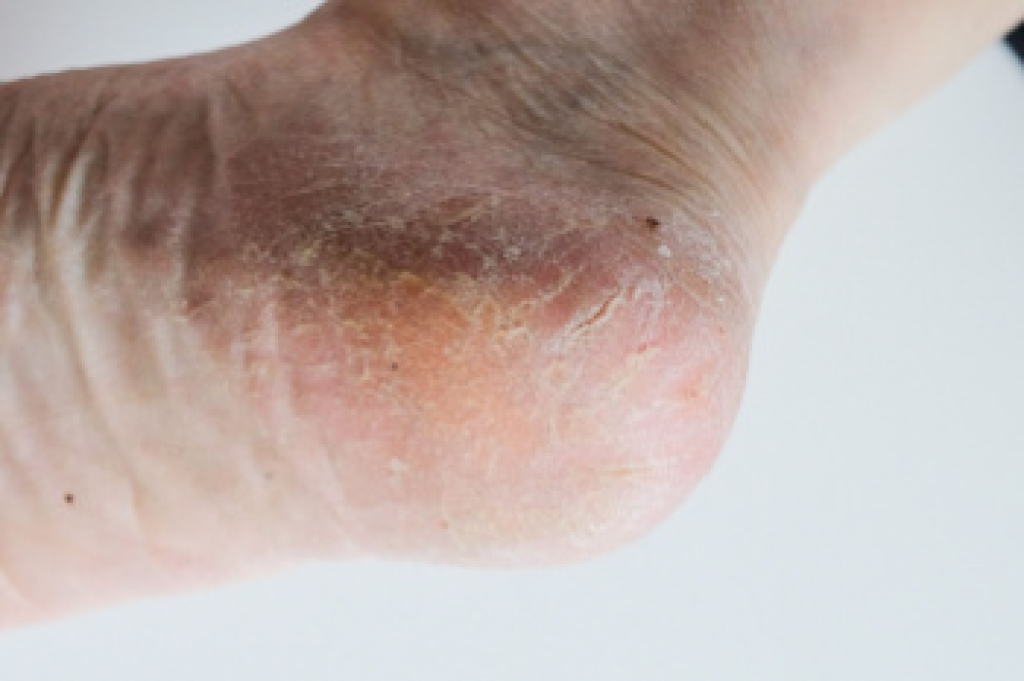
Cracked heels and fissures can develop from prolonged dryness, excessive pressure, and underlying health conditions. When the skin on the heels loses moisture and elasticity, deep cracks may form, making walking painful and increasing the risk of infection. Standing for long periods, wearing unsupportive footwear, and exposure to harsh environments can worsen the condition. Certain medical conditions like diabetes, thyroid disorders, and poor circulation can slow healing and lead to complications. If the cracks become deep, bleed, or show signs of infection, such as redness, swelling, or drainage, medical attention is necessary. Seeking care from a podiatrist early can prevent further damage and promote healing for healthier, more comfortable feet. If you have developed cracked heels, it is suggested that you consult a podiatrist who can provide appropriate treatment, including debridement, prescription creams, and specialized footwear recommendations.

Cracked heels are unsightly and can cause further damage to your shoes and feet. If you have any concerns, contact one of our podiatrists from APEX Foot & Ankle Center. Our doctors can provide the care you need to keep you pain-free and on your feet.

Cracked Heels

Cracked heels appear unappealing and can make it harder for you walk around in sandals. Aside from looking unpleasant, cracked heels can also tear stockings, socks, and wear out your shoes. There are several methods to help restore a cracked heel and prevent further damage.

How Do You Get Them?

Dry skin is the number one culprit in creating cracked heels. Many athletes, walkers, joggers, and even swimmers suffer from cracked heels. Age and skin oil production play a role to getting cracked heels as well.

Promote Healing

Over the counter medicines can help, especially for those that need instant relief or who suffer from chronic dry feet.

Wear Socks – Wearing socks with medicated creams helps lock in moisture.

Moisturizers – Applying both day and night will help alleviate dryness which causes cracking.

Pumice Stones – These exfoliate and remove dead skin, which allows for smoother moisturizer application and better absorption into the skin. 

Change in Diet

Eating healthy with a well-balanced diet will give the skin a fresh and radiant look. Your body responds to the kinds of food you ingest. Omega-3 fatty acids and zinc supplements can also revitalize skin tissue.

Most importantly, seek professional help if unsure how to proceed in treating cracked heels. A podiatrist will help you with any questions or information needed. 

If you have any questions, please feel free to contact our offices located in Fort Myers, Shellpoint, and Naples, FL . We offer the newest diagnostic and treatment technologies for all your foot care needs.
Read more about Solutions for Cracked Heels

Connect With Us

Advanced Podiatric Procedures & Services in the Fort Myers, FL 33908 and Naples, FL 34110 areas