Can Running Injuries Be Prevented?

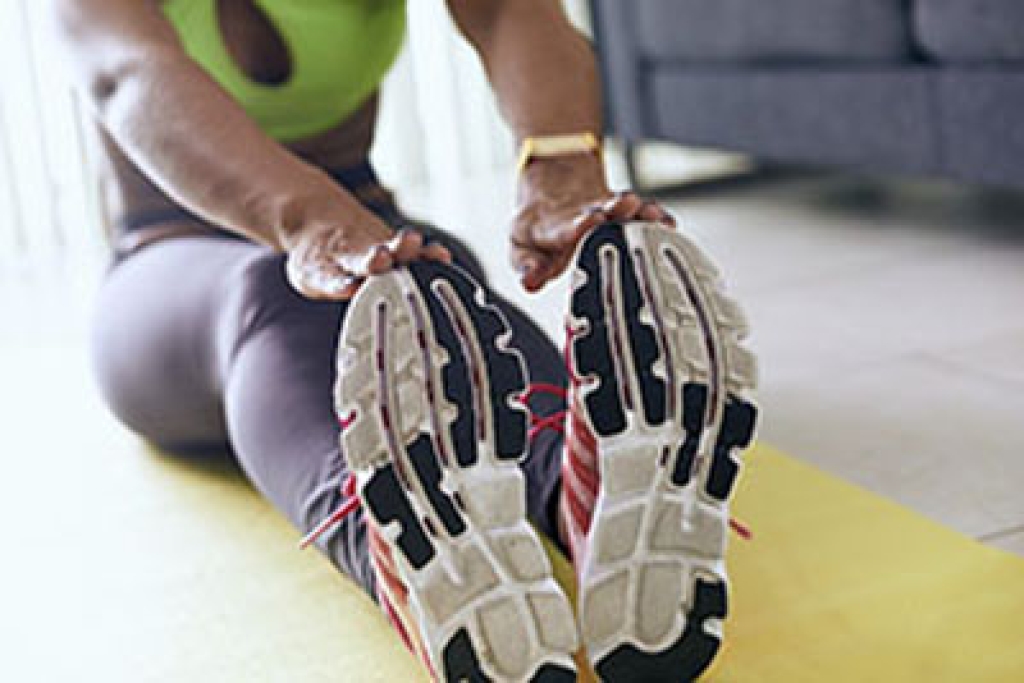
The sport of running is known to be therapeutic and enjoyable. Research has indicated there are methods which can be implemented which may prevent painful running injuries. When the legs and feet are warmed up, the muscles become flexible, and can be less prone to having an injury occur. This can be accomplished by performing leg swings. It is beneficial to perform this type of stretch by standing on one leg, and swinging the other leg forward and backward. This can be instrumental in developing strength. It is helpful to run with a specific reason in mind, which can vary from running up and down hills to running on smooth pavement. This awareness may prevent running injuries by focusing on what type of steps are being taken. Additionally, it helps the body to run in small increments on a daily basis, and this may help to keep the body limber. If you would like additional information about how to prevent running injuries, please schedule a consultation with a podiatrist.

All runners should take extra precaution when trying to avoid injury. If you have any concerns about your feet, contact one of our podiatrists of APEX Foot & Ankle Center. Our doctors will treat your foot and ankle needs.

How to Prevent Running Injuries

There are a lot of mistakes a runner can make prior to a workout that can induce injury. A lot of athletes tend to overstretch before running, instead of saving those workouts for a post-run routine. Deep lunges and hand-to-toe hamstring pulls should be performed after a workout instead of during a warmup. Another common mistake is jumping into an intense routine before your body is physically prepared for it. You should try to ease your way into long-distance running instead of forcing yourself to rush into it.

More Tips for Preventing Injury

  • Incorporate Strength Training into Workouts - This will help improve the body’s overall athleticism
  • Improve and Maintain Your Flexibility – Stretching everyday will help improve overall performance
  • “Warm Up” Before Running and “Cool Down” Afterward – A warm up of 5-10 minutes helps get rid of lactic acid in the muscles and prevents delayed muscle soreness
  • Cross-Training is Crucial
  • Wear Proper Running Shoes
  • Have a Formal Gait Analysis – Poor biomechanics can easily cause injury

If you have any questions, please feel free to contact our offices located in Fort Myers, Shellpoint, and Naples, FL . We offer the newest diagnostic and treatment technologies for all your foot care needs.

Read more about Preventing Running Injuries

Excess Friction May Cause Blisters

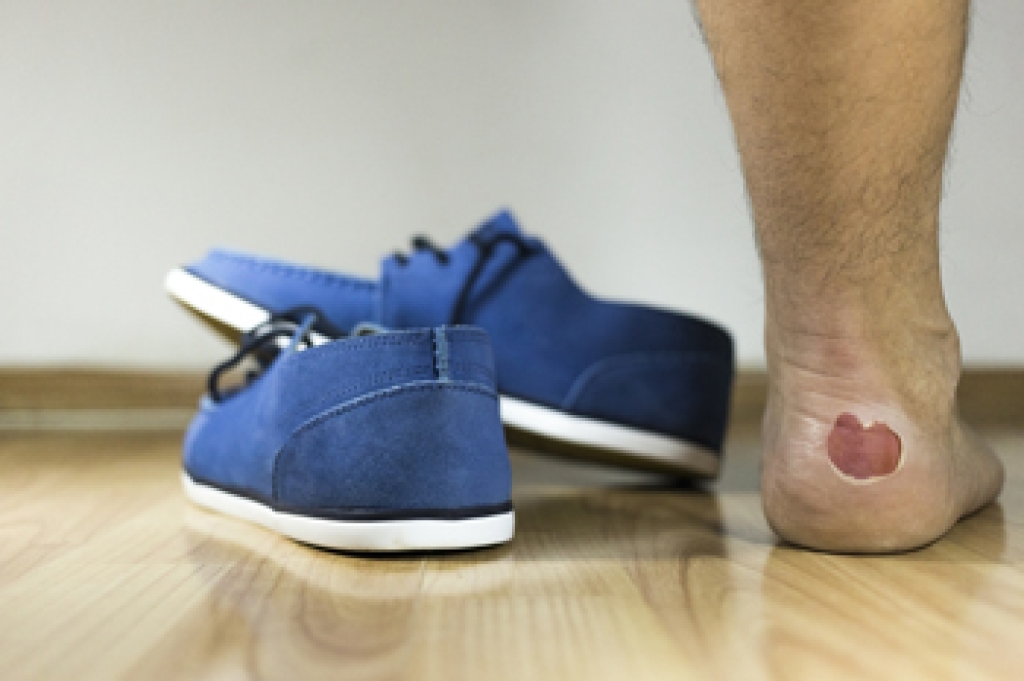
Many patients will experience blisters on the feet as a result of friction. These can form on the back of the foot from wearing shoes and socks that do not fit correctly, which may cause difficulty in walking. When the skin in the affected area becomes damaged, the body’s natural response will be to form a small bubble over it. This is filled with liquid that will protect the area that has become raw. Additionally, there may be other reasons for blisters to form. These can include allergic reactions to insect bites, frostbite, or severe burns, and medical conditions such as herpes or eczema. As new skin grows, the majority of blisters will drain and heal on their own. If your blister has become infected, or is not healing in a timely fashion, it is suggested that you consult with a podiatrist.

Blisters are prone to making everyday activities extremely uncomfortable. If your feet are hurting, contact one of our podiatrists of APEX Foot & Ankle Center. Our doctors can provide the care you need to keep you pain-free and on your feet.

Foot Blisters

Foot blisters develop as a result of constantly wearing tight or ill-fitting footwear. This happens due to the constant rubbing from the shoe, which can often lead to pain.

What Are Foot Blisters?

A foot blister is a small fluid-filled pocket that forms on the upper-most layer of the skin. Blisters are filled with clear fluid and can lead to blood drainage or pus if the area becomes infected.

How Do Blisters Form?

Blisters on the feet are often the result of constant friction of skin and material, usually by shoe rubbing. Walking in sandals, boots, or shoes that don’t fit properly for long periods of time can result in a blister. Having consistent foot moisture and humidity can easily lead to blister formation.

Prevention & Treatment

It is important to properly care for the affected area in order to prevent infection and ease the pain. Do not lance the blister and use a Band-Aid to provide pain relief. Also, be sure to keep your feet dry and wear proper fitting shoes. If you see blood or pus in a blister, seek assistance from a podiatrist.

If you have any questions, please feel free to contact our offices located in Fort Myers, Shellpoint, and Naples, FL . We offer the newest diagnostic and treatment technologies for all your foot care needs.
Read more about Blisters

Do Your Child's Feet Hurt?

Have your child's feet been examined lately? Healthy feet are happy feet. If your child is complaining of foot pain, it may be a sign of underlying problems.

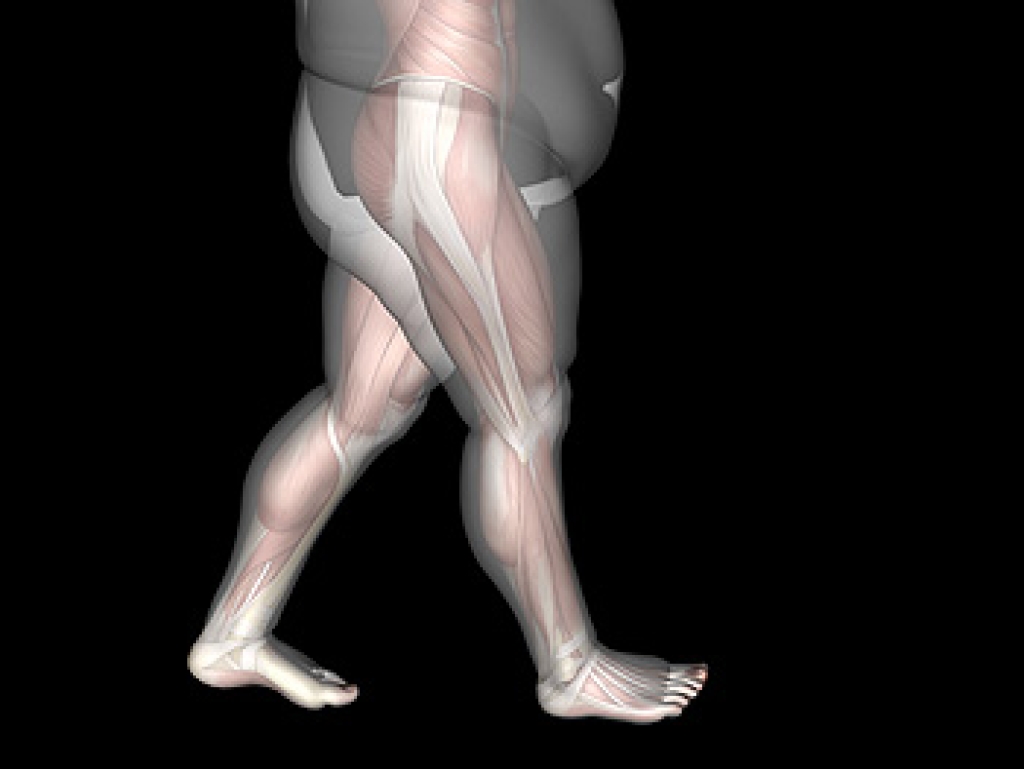
Potential Foot Damage as a Result of Obesity

Research has indicated patients who are obese may suffer from tendon damage in the feet and ankles. This may precede serious foot conditions. People who are obese may choose to wear shoes that have little or no support because they are easy to slip into, but these types of shoes can cause severe arch problems, and can lead to possible bone damage. Additionally, being excessively overweight can damage the plantar fascia, which is a band of tissue that is located on the bottom of the foot. This connects the heel to the toes, and plantar fasciitis may develop if it becomes inflamed. Children may endure structural changes to the feet if they are overweight, and this may change the way they walk. If you have concerns about how obesity can affect the feet, it is strongly suggested that you speak to a podiatrist who can answer any questions or concerns you may have.

The more you weigh, the harder your feet must work to support your body. If you’re an obese individual and are concerned about your feet, contact one of our podiatrists from APEX Foot & Ankle Center. Our doctors can provide the care you need to keep you pain-free and on your feet.

Obesity and Your Feet

People who are overweight are putting more pressure on their ankles, knees, and hips as well as their feet. This unfortunately can lead to variety of different issues.

Problems & Complications Stemming from Obesity

  • When the body is overweight, it tries to compensate by changing the way that it moves. An obese person may lean forward and put extra weight on the wrong part of the foot. This puts unnecessary stress on the feet.
  • Obese people are also more likely to develop type II diabetes which is a condition that causes a lot of foot problems. People with diabetes often don’t feel the cuts and sores that they may have on their feet, which can lead to more complicated and severe issues.
  • Plantar fasciitis is another foot condition that can be caused by obesity. Plantar fasciitis is an inflammation of the tissue along the bottom of the foot, which causes pain and stiffness while walking and climbing stairs.

If you have any questions please contact our offices located in Fort Myers, Shellpoint, and Naples, FL . We offer the newest diagnostic and treatment technologies for all your foot and ankle needs.

Read more about Obesity and the Feet

Possible Causes of Athlete’s Foot

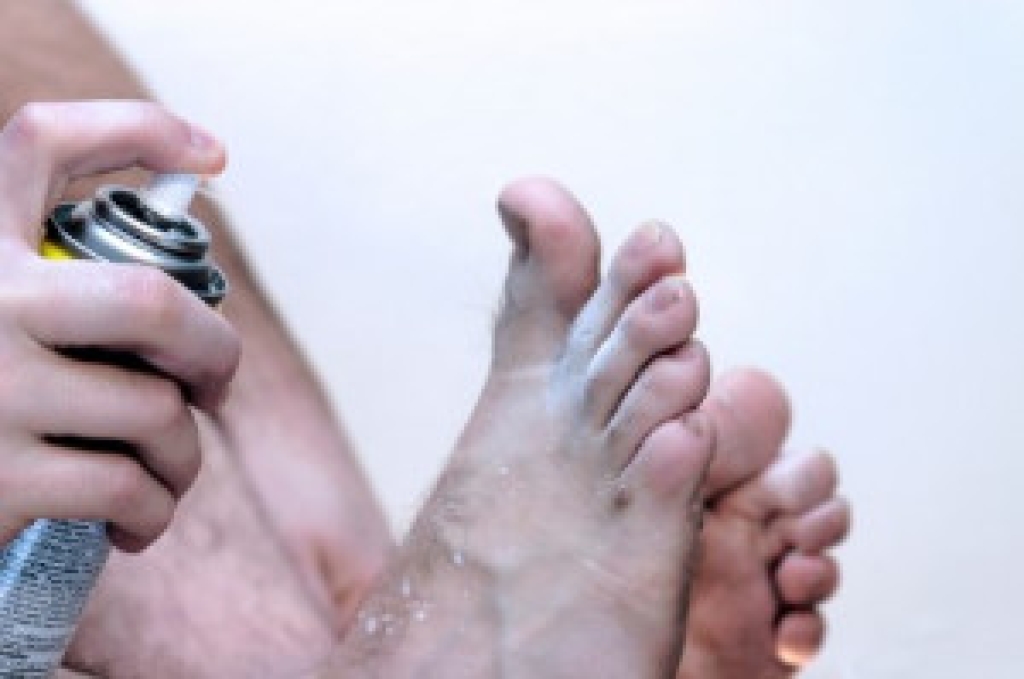
The medical term for athlete’s foot is known as tinea pedis. It is a condition that affects the feet, and is caused by a fungus. Many patients notice symptoms of this condition between the toes and on the bottom of the feet, which often include severe itchiness and a burning sensation. The fungus of this contagious ailment lives and thrives in warm and moist environments. These can include public swimming pools, shower room floors, and surrounding areas. To avoid getting this uncomfortable condition, it is important to wear appropriate shoes while in these areas. Additionally, it is beneficial to wear clean shoes and socks, and it will also help to keep the toenails trimmed. Relief may be found while using an antifungal spray on the affected areas. For more severe cases, it is suggested that you speak to a podiatrist who can offer proper treatment options, which may include medication.

Athlete’s Foot

Athlete’s foot is often an uncomfortable condition to experience. Thankfully, podiatrists specialize in treating athlete’s foot and offer the best treatment options. If you have any questions about athlete’s foot, consult with one of our podiatrists from APEX Foot & Ankle Center. Our doctors will assess your condition and provide you with quality treatment.

What Is Athlete’s Foot?

Tinea pedis, more commonly known as athlete’s foot, is a non-serious and common fungal infection of the foot. Athlete’s foot is contagious and can be contracted by touching someone who has it or infected surfaces. The most common places contaminated by it are public showers, locker rooms, and swimming pools. Once contracted, it grows on feet that are left inside moist, dark, and warm shoes and socks.

Prevention

The most effective ways to prevent athlete’s foot include:

  • Thoroughly washing and drying feet
  • Avoid going barefoot in locker rooms and public showers
  • Using shower shoes in public showers
  • Wearing socks that allow the feet to breathe
  • Changing socks and shoes frequently if you sweat a lot

Symptoms

Athlete’s foot initially occurs as a rash between the toes. However, if left undiagnosed, it can spread to the sides and bottom of the feet, toenails, and if touched by hand, the hands themselves. Symptoms include:

  • Redness
  • Burning
  • Itching
  • Scaly and peeling skin

Diagnosis and Treatment

Diagnosis is quick and easy. Skin samples will be taken and either viewed under a microscope or sent to a lab for testing. Sometimes, a podiatrist can diagnose it based on simply looking at it. Once confirmed, treatment options include oral and topical antifungal medications.

If you have any questions, please feel free to contact our offices located in Fort Myers, Shellpoint, and Naples, FL . We offer the newest diagnostic and treatment technologies for all your foot care needs.
Read more about How to Deal with Athlete's Foot

Sports and Achilles Tendon Injuries

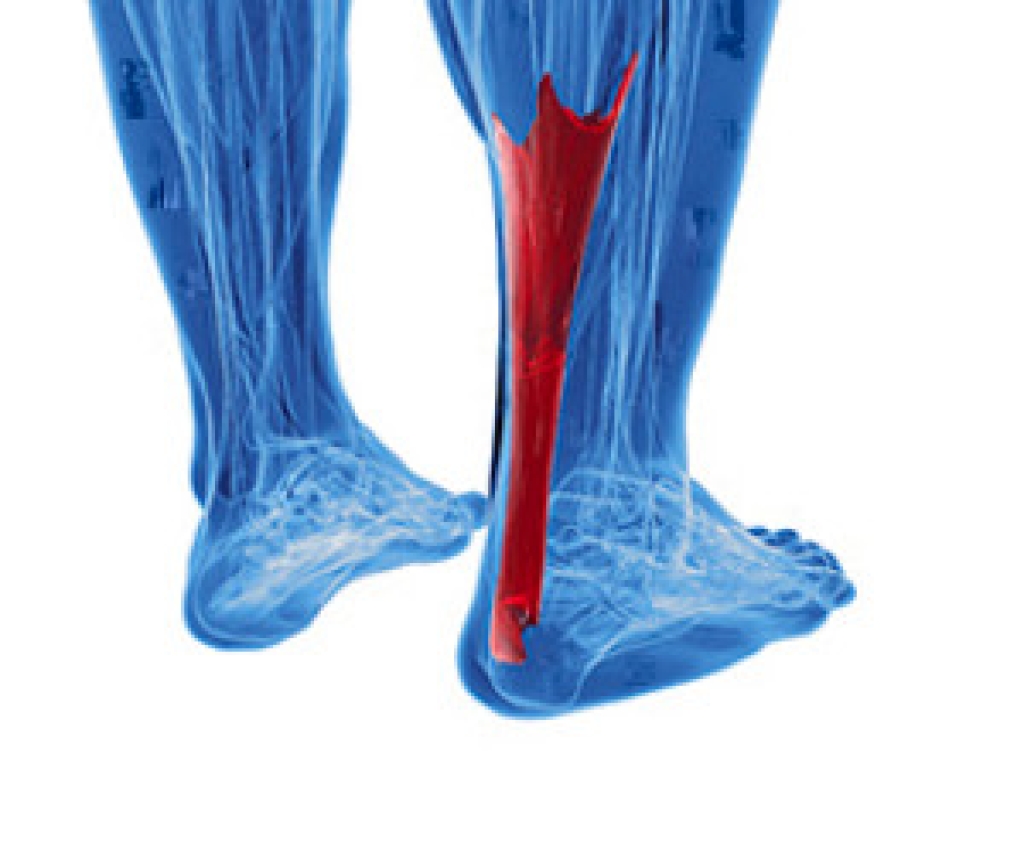
People who participate in sporting activities may experience Achilles tendon injuries. If it is torn, surgery may be necessary to repair the tendon, and a lengthy recovery period is often needed. The Achilles tendon is located in the back of the calf, and its purpose is to connect the heel to the calf muscles. It may become injured if sudden jumping or sprinting is performed. This may occur if certain sports are played that can include volleyball and basketball. There are existing conditions which could weaken the Achilles tendon. These can consist of diabetes, specific forms of arthritis that can include gout, or if certain medications are taken. The symptoms that are often associated with this condition can include difficulty in walking, and there may be severe pain while attempting to point and flex the foot. If you have endured an Achilles tendon injury, it is advised to speak with a podiatrist who can guide you toward the proper treatment.

Achilles tendon injuries need immediate attention to avoid future complications. If you have any concerns, contact one of our podiatrists of APEX Foot & Ankle Center. Our doctors can provide the care you need to keep you pain-free and on your feet.

What Is the Achilles Tendon?

The Achilles tendon is a tendon that connects the lower leg muscles and calf to the heel of the foot. It is the strongest tendon in the human body and is essential for making movement possible. Because this tendon is such an integral part of the body, any injuries to it can create immense difficulties and should immediately be presented to a doctor.

What Are the Symptoms of an Achilles Tendon Injury?

There are various types of injuries that can affect the Achilles tendon. The two most common injuries are Achilles tendinitis and ruptures of the tendon.

Achilles Tendinitis Symptoms

  • Inflammation
  • Dull to severe pain
  • Increased blood flow to the tendon
  • Thickening of the tendon

Rupture Symptoms

  • Extreme pain and swelling in the foot
  • Total immobility

Treatment and Prevention

Achilles tendon injuries are diagnosed by a thorough physical evaluation, which can include an MRI. Treatment involves rest, physical therapy, and in some cases, surgery. However, various preventative measures can be taken to avoid these injuries, such as:

  • Thorough stretching of the tendon before and after exercise
  • Strengthening exercises like calf raises, squats, leg curls, leg extensions, leg raises, lunges, and leg presses

If you have any questions please feel free to contact our offices located in Fort Myers, Shellpoint, and Naples, FL . We offer the newest diagnostic tools and technology to treat your foot and ankle needs.

Read more about What are Achilles Tendon Injuries

Flat Feet Symptoms and Causes

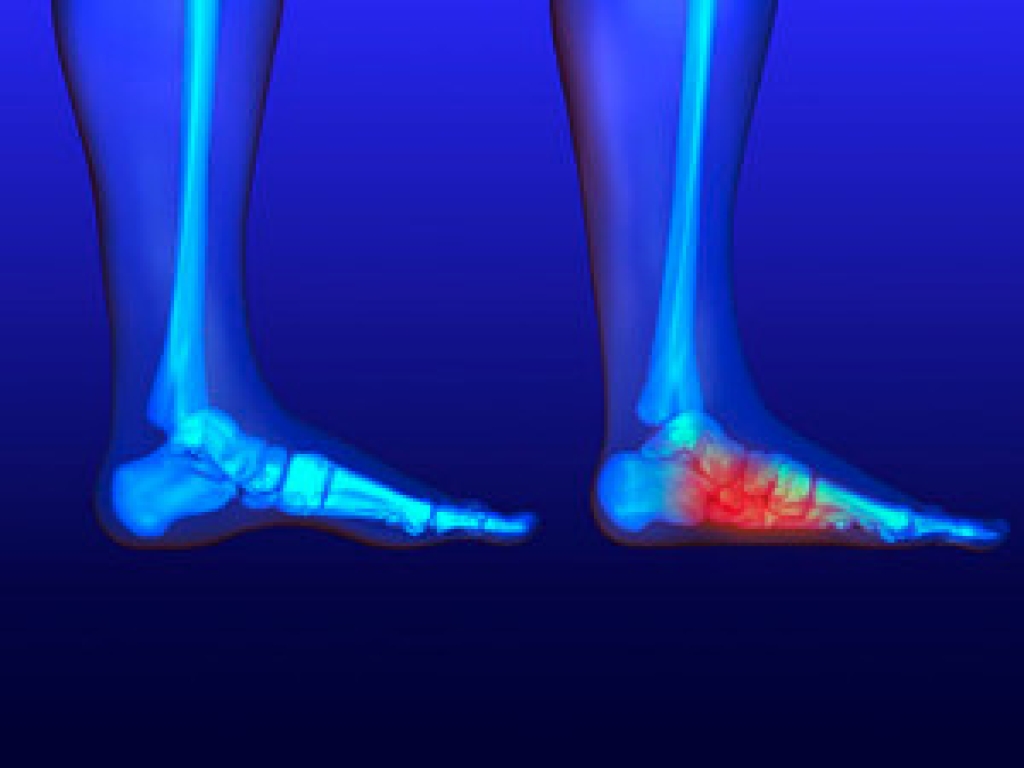
You have flat feet when the entire soles of your feet can touch the floor when you stand up. It is a very common and usually painless condition that occurs when the arches do not develop during childhood. It can also happen after an injury or from the stress brought upon by age. The majority of people that have flat feet will not show any signs or symptoms. Occasionally foot pain can surface in the heel or arch area. Flat feet is most common in infants and toddlers as the arches of their feet have yet to develop at this age. Most arches will develop throughout childhood, but there are some that will never develop them. Factors that can increase your risk of flat feet include obesity, diabetes, rheumatoid arthritis, injury to the foot or ankle and aging. If you are experiencing pain as a result of flat feet, it is advised that you consult with a podiatrist.


Flatfoot is a condition many people suffer from. If you have flat feet, contact one of our podiatrists from APEX Foot & Ankle Center. Our doctors will treat your foot and ankle needs.

What Are Flat Feet?

Flatfoot is a condition in which the arch of the foot is depressed and the sole of the foot is almost completely in contact with the ground. About 20-30% of the population generally has flat feet because their arches never formed during growth.

Conditions & Problems:

Having flat feet makes it difficult to run or walk because of the stress placed on the ankles.

Alignment – The general alignment of your legs can be disrupted, because the ankles move inward which can cause major discomfort.

Knees – If you have complications with your knees, flat feet can be a contributor to arthritis in that area.  

Symptoms

  • Pain around the heel or arch area
  • Trouble standing on the tip toe
  • Swelling around the inside of the ankle
  • Flat look to one or both feet
  • Having your shoes feel uneven when worn

Treatment

If you are experiencing pain and stress on the foot you may weaken the posterior tibial tendon, which runs around the inside of the ankle. 

If you have any questions, please feel free to contact our offices located in Fort Myers, Shellpoint, and Naples, FL . We offer the newest diagnostic and treatment technologies for all your foot care needs.
Read more about Flat Feet

Toddlers and Walking Barefoot

There are several bones, joints, and ligaments that the human foot is comprised of. When babies are born, their feet are flexible, and will gradually become stronger as walking begins. Babies are typically born with flat feet, and the arch generally develops as the feet become stronger. Research has indicated that it is beneficial for toddlers to walk barefoot while indoors, and this can help the toes to strengthen by grasping the floor. When the first pair of shoes are purchased, the feet should be properly measured, and this is helpful in determining the correct shoe size. It is important that the shoes have flat and flexible soles, in addition to ensuring that there is inadequate room for the toes to move freely in. If you would like more information about how to care for your child’s feet, please consult with a podiatrist.     

Making sure that your children maintain good foot health is very important as they grow. If you have any questions, contact one of our podiatrists of APEX Foot & Ankle Center. Our doctors can provide the care you need to keep you pain-free and on your feet.

Keeping Children's Feet Healthy

Having healthy feet during childhood can help prevent medical problems later in life, namely in the back and legs. As children grow, their feet require different types of care. Here are some things to consider...

Although babies do not walk yet, it is still very important to take care of their feet.

Avoid putting tight shoes or socks on his or her feet.

Allow the baby to stretch and kick his or her feet to feel comfortable.

As a toddler, kids are now on the move and begin to develop differently. At this age, toddlers are getting a feel for walking, so don’t be alarmed if your toddler is unsteady or ‘walks funny’. 

As your child gets older, it is important to teach them how to take care of their feet.

Show them proper hygiene to prevent infections such as fungus.

Be watchful for any pain or injury.

Have all injuries checked by a doctor as soon as possible.

Comfortable, protective shoes should always be worn, especially at play.

If you have any questions, please feel free to contact our offices located in Fort Myers, Shellpoint, and Naples, FL . We offer the newest diagnostic and treatment technologies for all your foot care needs.
Read more about How to Care for Your Child's Feet

Preventive Measures That Reduce the Risk of Falling

Research has indicated that falls are a common cause of injury in people who are sixty-five years of age and older. There are existing factors that may increase the risk of falling. These often include falls that have occurred in the past, wearing shoes that do not fit correctly, or poor vision. It is beneficial to practice a gentle exercise program frequently, as this may help to strengthen the body. There are methods that can be implemented which can help to prevent falls from occurring. These safety measures include installing grab bars in the bathroom and shower area, increasing the lighting in the home, and replacing worn carpets throughout the house. It is beneficial to measure the feet annually, which is important in determining the correct shoe size. This can help to avoid tripping. If you have questions on possible injuries the feet can endure as a result of falling, please consult with a podiatrist.

Preventing falls among the elderly is very important. If you are older and have fallen or fear that you are prone to falling, consult with one of our podiatrists from APEX Foot & Ankle Center. Our doctors will assess your condition and provide you with quality advice and care.

Every 11 seconds, an elderly American is being treated in an emergency room for a fall related injury. Falls are the leading cause of head and hip injuries for those 65 and older. Due to decreases in strength, balance, senses, and lack of awareness, elderly persons are very susceptible to falling. Thankfully, there are a number of things older persons can do to prevent falls.

How to Prevent Falls

Some effective methods that older persons can do to prevent falls include:

  • Enrolling in strength and balance exercise program to increase balance and strength
  • Periodically having your sight and hearing checked
  • Discuss any medications you have with a doctor to see if it increases the risk of falling
  • Clearing the house of falling hazards and installing devices like grab bars and railings
  • Utilizing a walker or cane
  • Wearing shoes that provide good support and cushioning
  • Talking to family members about falling and increasing awareness

Falling can be a traumatic and embarrassing experience for elderly persons; this can make them less willing to leave the house, and less willing to talk to someone about their fears of falling. Doing such things, however, will increase the likelihood of tripping or losing one’s balance. Knowing the causes of falling and how to prevent them is the best way to mitigate the risk of serious injury.  

If you have any questions, please feel free to contact our offices located in Fort Myers, Shellpoint, and Naples, FL . We offer the newest diagnostic and treatment technologies for all your foot care needs.

Read more about Falls Prevention

Connect With Us

Advanced Podiatric Procedures & Services in the Fort Myers, FL 33908 and Naples, FL 34110 areas