
If you are suffering from tenderness, pain, or stiffness in the joints of your feet or ankles, call us to schedule an appointment.
If you are suffering from tenderness, pain, or stiffness in the joints of your feet or ankles, call us to schedule an appointment.
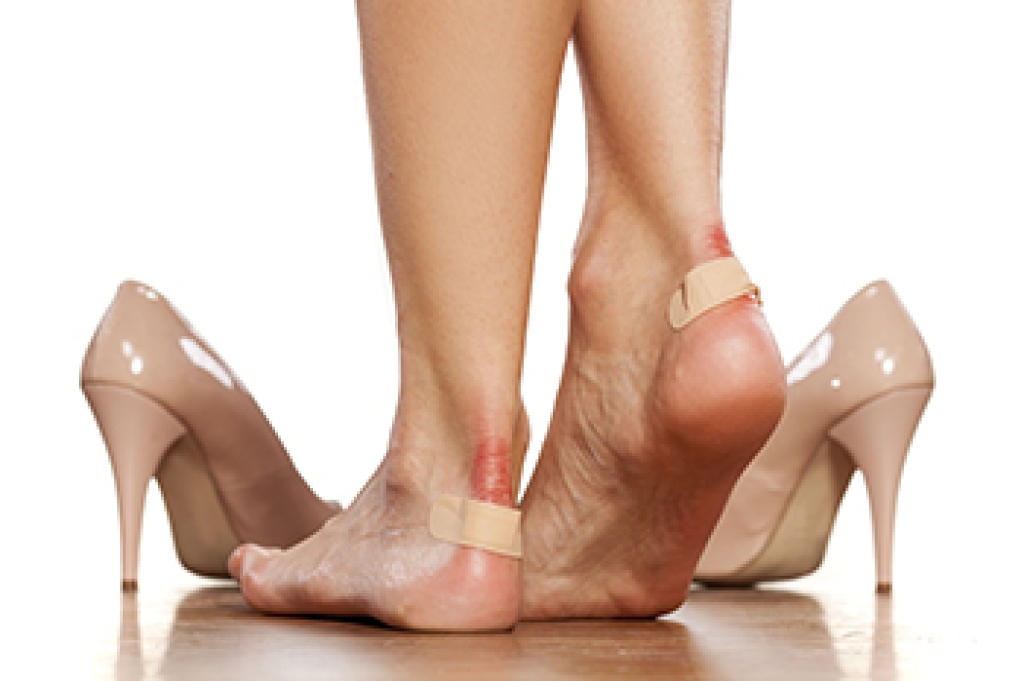
Wearing high heels can often lead to painful blisters on the feet. These blisters form due to excessive friction and pressure against the skin, which causes the outer layer to separate from the deeper layers. As a result, fluid accumulates in the space, forming a blister. High heels typically increase the likelihood of blisters because they alter the natural alignment of the foot and place pressure on areas that are not accustomed to such strain. To relieve and prevent blisters, opt for well-fitting, cushioned shoes that reduce friction. It is also helpful to give your feet regular breaks from high heels and to practice proper foot care, including moisturizing and keeping the skin healthy to reduce the risk of blisters. Blisters can be bothersome and may become infected. If you frequently develop blisters from wearing high heels, it is suggested that you contact a podiatrist who can offer effective relief and prevention techniques.
Blisters are prone to making everyday activities extremely uncomfortable. If your feet are hurting, contact one of our podiatrists of APEX Foot & Ankle Center. Our doctors can provide the care you need to keep you pain-free and on your feet.
Foot Blisters
Foot blisters develop as a result of constantly wearing tight or ill-fitting footwear. This happens due to the constant rubbing from the shoe, which can often lead to pain.
What Are Foot Blisters?
A foot blister is a small fluid-filled pocket that forms on the upper-most layer of the skin. Blisters are filled with clear fluid and can lead to blood drainage or pus if the area becomes infected.
How Do Blisters Form?
Blisters on the feet are often the result of constant friction of skin and material, usually by shoe rubbing. Walking in sandals, boots, or shoes that don’t fit properly for long periods of time can result in a blister. Having consistent foot moisture and humidity can easily lead to blister formation.
Prevention & Treatment
It is important to properly care for the affected area in order to prevent infection and ease the pain. Do not lance the blister and use a Band-Aid to provide pain relief. Also, be sure to keep your feet dry and wear proper fitting shoes. If you see blood or pus in a blister, seek assistance from a podiatrist.
If you have any questions, please feel free to contact our offices located in Fort Myers, Shellpoint, and Naples, FL . We offer the newest diagnostic and treatment technologies for all your foot care needs.

Golf, though less intense than other sports, can still lead to foot and ankle injuries due to repetitive motions and uneven terrain. Common foot issues among golfers include ankle sprains from uneven surfaces or sudden movements during swings. Plantar fasciitis may develop from prolonged standing and walking, causing heel pain. Stress fractures can occur from overuse and excessive impact on the feet. To prevent these injuries, golfers should wear supportive, well-fitted golf shoes that offer good traction and cushioning. Proper warm-up and stretching exercises, focusing on the feet and ankles, can help prepare the body for the game. Additionally, paying attention to the course's condition and avoiding rough or uneven areas can minimize injury risk. Regular foot strengthening and flexibility exercises can also enhance resilience and prevent common golf-related foot and ankle problems. If you have endured a foot or ankle injury while playing golf, it is suggested that you contact a podiatrist who can treat various foot conditions and educate you on proper injury prevention techniques while playing golf.
Sports related foot and ankle injuries require proper treatment before players can go back to their regular routines. For more information, contact one of our podiatrists of APEX Foot & Ankle Center. Our doctors can provide the care you need to keep you pain-free and on your feet.
Sports Related Foot and Ankle Injuries
Foot and ankle injuries are a common occurrence when it comes to athletes of any sport. While many athletes dismiss the initial aches and pains, the truth is that ignoring potential foot and ankle injuries can lead to serious problems. As athletes continue to place pressure and strain the area further, a mild injury can turn into something as serious as a rupture and may lead to a permanent disability. There are many factors that contribute to sports related foot and ankle injuries, which include failure to warm up properly, not providing support or wearing bad footwear. Common injuries and conditions athletes face, including:
Sports related injuries are commonly treated using the RICE method. This includes rest, applying ice to the injured area, compression and elevating the ankle. More serious sprains and injuries may require surgery, which could include arthroscopic and reconstructive surgery. Rehabilitation and therapy may also be required in order to get any recovering athlete to become fully functional again. Any unusual aches and pains an athlete sustains must be evaluated by a licensed, reputable medical professional.
If you have any questions please contact our offices located in Fort Myers, Shellpoint, and Naples, FL . We offer the newest diagnostic and treatment technologies for all your foot and ankle needs.
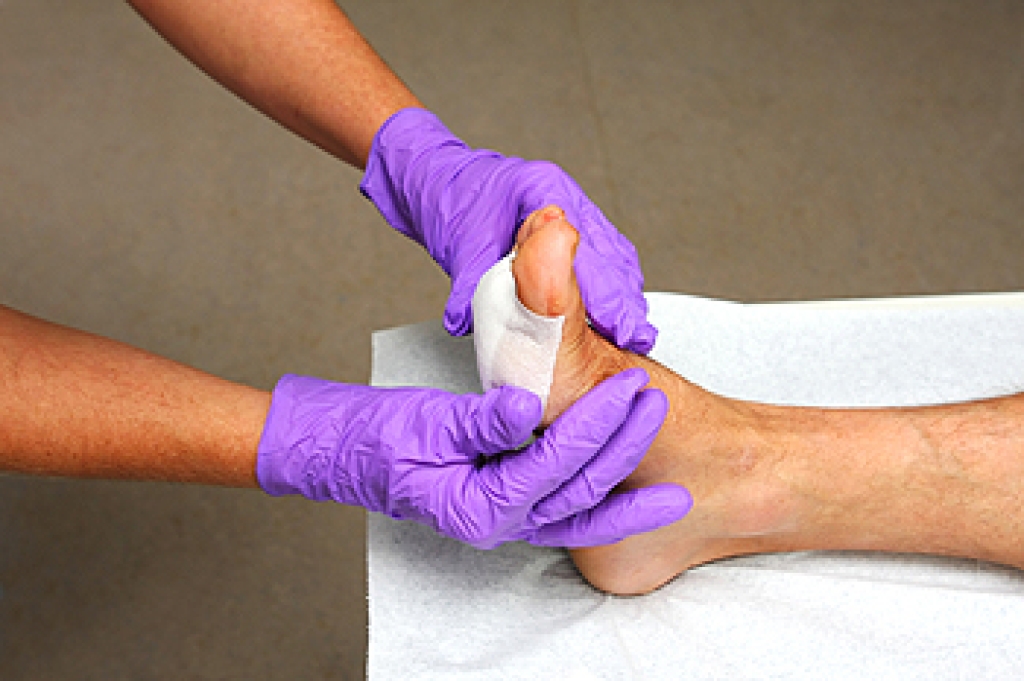
Nutrition plays a critical role in foot wound healing, enhancing the body's natural repair processes. Typical treatments for foot wounds include cleaning, dressing, and managing infection. However, without adequate nutrition, these methods may fall short. Deficiencies in key nutrients such as vitamin C, zinc, and protein can impair healing. Vitamin C is essential for collagen synthesis, zinc supports cell growth and repair, and protein is vital for tissue regeneration. Additionally, nutrients like omega-3 fatty acids and antioxidants can have therapeutic effects, reducing inflammation and promoting faster recovery. If you suffer from foot wounds, it is suggested that you schedule an appointment with a podiatrist who can assess nutritional status, recommend dietary adjustments, and provide supplements if necessary.
Wound care is an important part in dealing with diabetes. If you have diabetes and a foot wound or would like more information about wound care for diabetics, consult with one of our podiatrists from APEX Foot & Ankle Center. Our doctors will assess your condition and provide you with quality foot and ankle treatment.
What Is Wound Care?
Wound care is the practice of taking proper care of a wound. This can range from the smallest to the largest of wounds. While everyone can benefit from proper wound care, it is much more important for diabetics. Diabetics often suffer from poor blood circulation which causes wounds to heal much slower than they would in a non-diabetic.
What Is the Importance of Wound Care?
While it may not seem apparent with small ulcers on the foot, for diabetics, any size ulcer can become infected. Diabetics often also suffer from neuropathy, or nerve loss. This means they might not even feel when they have an ulcer on their foot. If the wound becomes severely infected, amputation may be necessary. Therefore, it is of the upmost importance to properly care for any and all foot wounds.
How to Care for Wounds
The best way to care for foot wounds is to prevent them. For diabetics, this means daily inspections of the feet for any signs of abnormalities or ulcers. It is also recommended to see a podiatrist several times a year for a foot inspection. If you do have an ulcer, run the wound under water to clear dirt from the wound; then apply antibiotic ointment to the wound and cover with a bandage. Bandages should be changed daily and keeping pressure off the wound is smart. It is advised to see a podiatrist, who can keep an eye on it.
If you have any questions please contact our offices located in Fort Myers, Shellpoint, and Naples, FL . We offer the newest diagnostic and treatment technologies for all your foot and ankle needs.

Selecting the right footwear is essential for healing a foot stress fracture and preventing further injury. Opt for shoes that provide ample cushioning and support to reduce impact and distribute weight evenly across the foot. Look for options with a rigid midsole that offers stability and minimizes excessive movement, which can aggravate the fracture. Avoid high heels and shoes with a narrow toe box, as these can place additional stress on the foot and hinder recovery. Additionally, shoes with adjustable closures or custom orthotics can help accommodate swelling and offer a better fit. Prioritizing comfort and support over style is important during the healing process to ensure proper recovery and prevent future complications. If you have endured a foot stress fracture, it is suggested that you consult a podiatrist who can offer you correct relief and treatment methods, which can include what type of shoes to wear for optimal healing.
Stress fractures occur when there is a tiny crack within a bone. To learn more, contact one of our podiatrists from APEX Foot & Ankle Center. Our doctors can provide the care you need to keep you pain free and on your feet.
How Are They Caused?
Stress fractures are the result of repetitive force being placed on the bone. Since the lower leg and feet often carry most of the body’s weight, stress fractures are likely to occur in these areas. If you rush into a new exercise, you are more likely to develop a stress fracture since you are starting too much, too soon. Pain resulting from stress fractures may go unnoticed at first, however it may start to worsen over time.
Risk Factors
Stress fractures do not always heal properly, so it is important that you seek help from a podiatrist if you suspect you may have one. Ignoring your stress fracture may cause it to worsen, and you may develop chronic pain as well as additional fractures.
If you have any questions please contact our offices located in Fort Myers, Shellpoint, and Naples, FL . We offer the newest diagnostic and treatment technologies for all your foot and ankle needs.

Gout is a painful, inflammatory form of arthritis. Those affected will typically feel an intense stiffness in the joints of their feet, particularly in the big toe. Schedule a visit to learn about how gout can be managed and treated.

Recovering from foot and ankle injuries often involves practicing targeted foot stretches to regain strength and flexibility. Ankle pump ups and downs are effective in improving circulation and range of motion by gently flexing and extending the ankle. Bent knee wall stretches help stretch the calf muscles and Achilles tendon, promoting flexibility and reducing stiffness. Toe pick ups strengthen the muscles in the toes and arch of the foot, enhancing overall foot stability. These exercises should be performed gradually and consistently to prevent re-injury and promote healing. Starting with gentle movements and gradually increasing intensity helps rebuild strength without exacerbating pain or discomfort. If you have sprained your ankle or have endured any other type of ankle injury, it is suggested that you consult a podiatrist who can treat the condition, and guide you toward effective recovery stretches.
Exercising your feet regularly with the proper foot wear is a great way to prevent injuries and build strength. If you have any concerns about your feet, contact one of our podiatrists from APEX Foot & Ankle Center. Our doctors can provide the care you need to keep you pain-free and on your feet.
Exercise for Your Feet
Exercise for your feet can help you gain strength, mobility and flexibility in your feet. They say that strengthening your feet can be just as rewarding as strengthening another part of the body. Your feet are very important, and we often forget about them in our daily tasks. But it is because of our feet that are we able to get going and do what we need to. For those of us fortunate enough to not have any foot problems, it is an important gesture to take care of them to ensure good health in the long run.
Some foot health exercises can include ankle pumps, tip-toeing, toe rises, lifting off the floor doing reps and sets, and flexing the toes. It is best to speak with Our doctors to determine an appropriate regimen for your needs. Everyone’s needs and bodies are different, and the activities required to maintain strength in the feet vary from individual to individual.
Once you get into a routine of doing regular exercise, you may notice a difference in your feet and how strong they may become.
If you have any questions, please feel free to contact our offices located in Fort Myers, Shellpoint, and Naples, FL . We offer the newest diagnostic and treatment technologies for all your foot care needs.

Diabetic peripheral neuropathy is a common issue for individuals with type 2 diabetes, with nearly half experiencing this complication. This condition arises when prolonged high blood sugar levels cause damage to the nerves, especially in the feet and lower legs. Symptoms of peripheral neuropathy include numbness, tingling, burning sensations, and muscle weakness, which can progressively disrupt daily activities. A significant concern is “diabetic foot,” where the loss of feeling and poor blood flow can lead to ulcers, infections, and in severe cases loss of limb. Diabetic neuropathy also can increase the risk of falls and fractures due to lack of sensation in the feet, impaired balance and reduced coordination. Factors such as smoking, high blood pressure, obesity, and cholesterol issues can further increase the risk of developing this diabetic peripheral neuropathy. Early detection and proper management are of extreme importance. If you notice unusual sensations in your feet or lower legs, especially persistent numbness or pain, it is suggested that you make an appointment with a podiatrist who can conduct a thorough examination and recommend a personalized treatment plan.
Neuropathy
Neuropathy can be a potentially serious condition, especially if it is left undiagnosed. If you have any concerns that you may be experiencing nerve loss in your feet, consult with one of our podiatrists from APEX Foot & Ankle Center. Our doctors will assess your condition and provide you with quality foot and ankle treatment for neuropathy.
What Is Neuropathy?
Neuropathy is a condition that leads to damage to the nerves in the body. Peripheral neuropathy, or neuropathy that affects your peripheral nervous system, usually occurs in the feet. Neuropathy can be triggered by a number of different causes. Such causes include diabetes, infections, cancers, disorders, and toxic substances.
Symptoms of Neuropathy Include:
Those with diabetes are at serious risk due to being unable to feel an ulcer on their feet. Diabetics usually also suffer from poor blood circulation. This can lead to the wound not healing, infections occurring, and the limb may have to be amputated.
Treatment
To treat neuropathy in the foot, podiatrists will first diagnose the cause of the neuropathy. Figuring out the underlying cause of the neuropathy will allow the podiatrist to prescribe the best treatment, whether it be caused by diabetes, toxic substance exposure, infection, etc. If the nerve has not died, then it’s possible that sensation may be able to return to the foot.
Pain medication may be issued for pain. Electrical nerve stimulation can be used to stimulate nerves. If the neuropathy is caused from pressure on the nerves, then surgery may be necessary.
If you have any questions, please feel free to contact our offices located in Fort Myers, Shellpoint, and Naples, FL . We offer the newest diagnostic and treatment technologies for all your foot care needs.
 Athlete's foot, medically known as tinea pedis, has a history dating back centuries. Its first documented mention dates to ancient Egypt, where papyrus scrolls described skin infections resembling the symptoms of modern-day athlete's foot. However, it was not until the 20th century that the condition garnered significant attention. The rise of urbanization, the use of closed shoes with socks that retained moisture, and the increased use of communal bathing facilities during the early 1900s contributed to the widespread occurrence of athlete's foot. Additionally, the damp and unsanitary conditions prevalent during World Wars I and II facilitated its rapid spread among soldiers in trenches and barracks. Despite advancements in hygiene and healthcare, athlete's foot remains a prevalent issue today. The fungus thrives in warm, moist environments such as locker rooms and swimming pools. If left untreated, it can lead to discomfort, itching, and skin breakdown. If you think you have athlete’s foot, it is suggested that you schedule an appointment with a podiatrist for guidance in managing this condition.
Athlete’s foot is an inconvenient condition that can be easily reduced with the proper treatment. If you have any concerns about your feet and ankles, contact one of our podiatrists from APEX Foot & Ankle Center. Our doctors will treat your foot and ankle needs.
Athlete’s Foot: The Sole Story
Athlete's foot, also known as tinea pedis, can be an extremely contagious foot infection. It is commonly contracted in public changing areas and bathrooms, dormitory style living quarters, around locker rooms and public swimming pools, or anywhere your feet often come into contact with other people.
Solutions to Combat Athlete’s Foot
Athlete’s foot can cause many irritating symptoms such as dry and flaking skin, itching, and redness. Some more severe symptoms can include bleeding and cracked skin, intense itching and burning, and even pain when walking. In the worst cases, Athlete’s foot can cause blistering as well. Speak to your podiatrist for a better understanding of the different causes of Athlete’s foot, as well as help in determining which treatment options are best for you.
If you have any questions please feel free to contact our offices located in Fort Myers, Shellpoint, and Naples, FL . We offer the newest diagnostic and treatment technologies for all your foot and ankle needs.
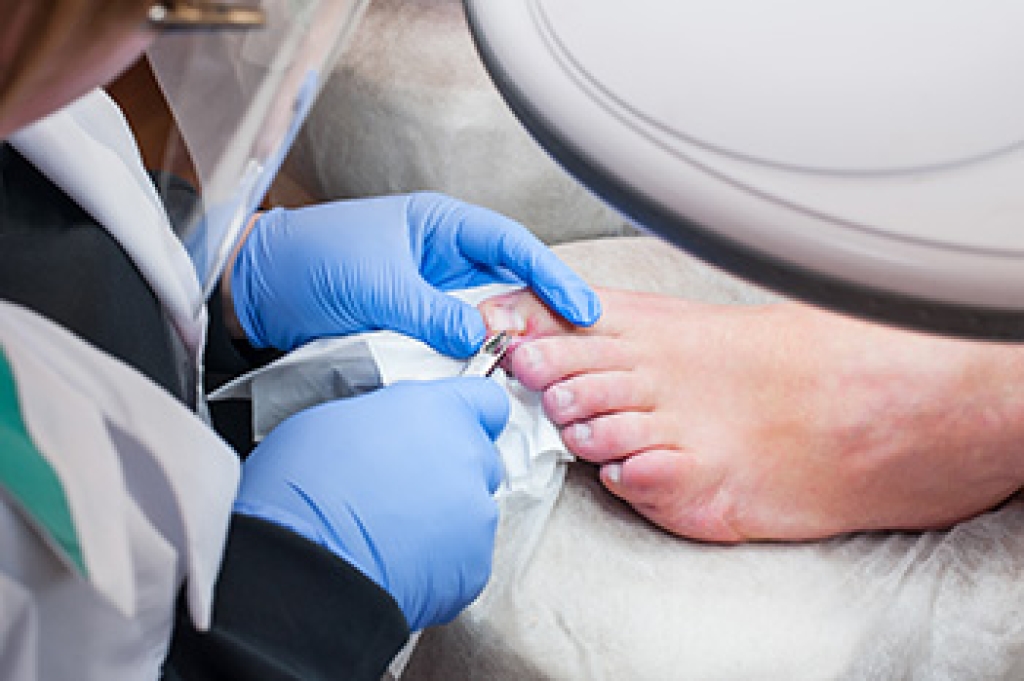
Surgery for ingrown toenails is aimed at providing relief and preventing future issues. When conservative treatments fail, a minor surgical intervention can become necessary. During the procedure, a doctor numbs the toe and removes part or all of the affected nail. This process helps to eliminate the pain and inflammation caused by the ingrown nail. After surgery, keeping the area clean and dry is essential to prevent infection. Pain and swelling are usually minimal, and pain relievers can help to manage any discomfort. Most patients can return to their normal activities within a few days, though wearing loose-fitting or open-toed shoes is recommended to avoid pressure on the toe. Proper post-surgical care, including regular follow-up visits, ensures a smooth recovery and reduces the risk of recurrence. If you have an ingrown toenail, it is suggested that you make an appointment with your podiatrist to determine if surgery is right for you.
Foot surgery is sometimes necessary to treat a foot ailment. To learn more, contact one of our podiatrists of APEX Foot & Ankle Center. Our doctors will assist you with all of your foot and ankle needs.
When Is Surgery Necessary?
Foot and ankle surgery is generally reserved for cases in which less invasive, conservative procedures have failed to alleviate the problem. Some of the cases in which surgery may be necessary include:
What Types of Surgery Are There?
The type of surgery you receive will depend on the nature of the problem you have. Some of the possible surgeries include:
Benefits of Surgery
Although surgery is usually a last resort, it can provide more complete pain relief compared to non-surgical methods and may allow you to finally resume full activity.
Surgical techniques have also become increasingly sophisticated. Techniques like endoscopic surgery allow for smaller incisions and faster recovery times.
If you have any questions, please feel free to contact our offices located in Fort Myers, Shellpoint, and Naples, FL . We offer the newest diagnostic and treatment technologies for all your foot care needs.
Connect With Us