
How to Minimize the Impact of Foot Blisters

Blisters form on the feet when there is friction between the skin and the inside of the shoe. Because of the influence shoes may have on forming blisters, ensuring that your shoes fit properly is one of the most important steps to preventing blisters. Redness on the skin is usually the first sign of a blister, and applying some sort of dressing over the area can help prevent it from forming. Because wet shoes, boots, and socks cause blisters to form faster, keeping the feet dry is another key step to avoiding the formation of blisters. Patients who frequently get blisters should consult with a podiatrist in order to help find the cause of the blisters. Additionally, patients with diabetes should also consult a podiatrist after noticing a blister in order to keep a diabetic foot ulcer from forming. 

Blisters may appear as a single bubble or in a cluster. They can cause a lot of pain and may be filled with pus, blood, or watery serum. If your feet are hurting, contact one of our podiatrists of APEX Foot & Ankle Center. Our doctors can provide the care you need to keep you pain-free and on your feet.

Foot Blisters

Foot blisters are often the result of friction. This happens due to the constant rubbing from shoes, which can lead to pain.

What Are Foot Blisters?

A foot blister is a small fluid-filled pocket that forms on the upper-most layer of the skin. Blisters are filled with clear fluid and can lead to blood drainage or pus if the area becomes infected.

Symptoms

(Blister symptoms may vary depending on what is causing them)

  • Bubble of skin filled with fluid
  • Redness
  • Moderate to severe pain
  • Itching

Prevention & Treatment

In order to prevent blisters, you should be sure to wear comfortable shoes with socks that cushion your feet and absorb sweat. Breaking a blister open may increase your chances of developing an infection. However, if your blister breaks, you should wash the area with soap and water immediately and then apply a bandage to the affected area. If your blisters cause severe pain it is important that you call your podiatrist right away.

If you have any questions, please feel free to contact our offices located in Fort Myers, Shellpoint, and Naples, FL . We offer the newest diagnostic and treatment technologies for all your foot care needs.

Read more about Blisters

Toenail Fungus Can Cause Discoloration

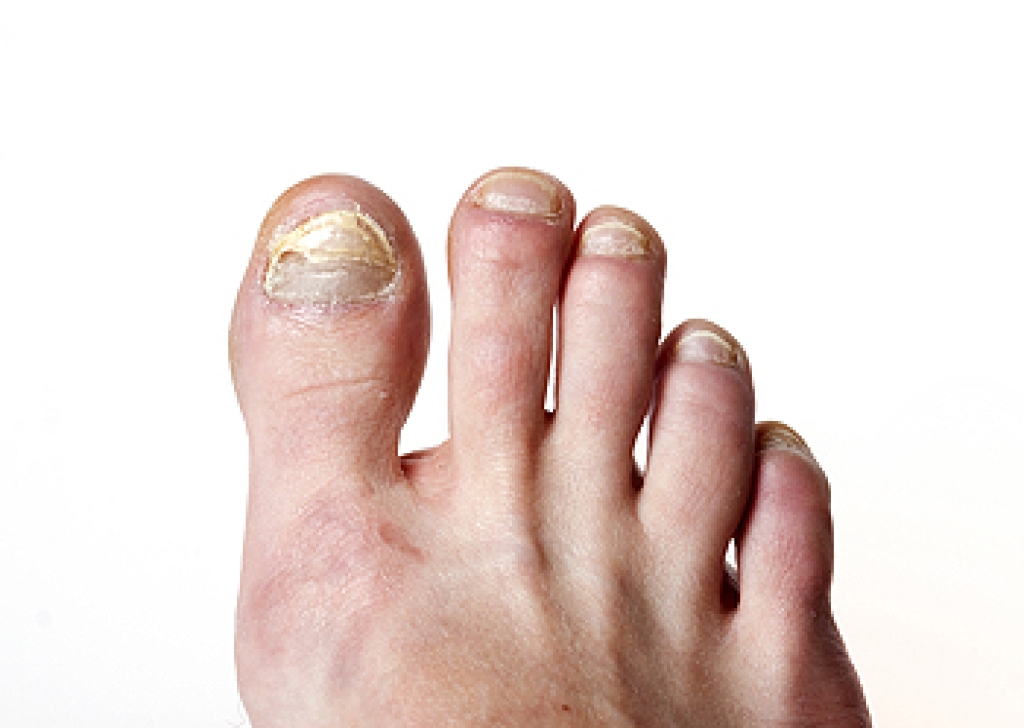
  • Distal subungual onychomycosis is considered to be one of the most common types of toenail fungus. It can cause the nails to turn yellow, which is often a result of keratin in the affected nail. The infection usually begins on the sides of the nail and may gradually spread to the entire nail, if left untreated, additional symptoms can include brittle nails, splitting, and the texture can become rough. It is considered to be contagious, so it is beneficial to refrain from sharing towels, shoes, and socks. There are several types of treatments that are available for toenail fungus infections. If you are afflicted with toenail fungus, it is strongly suggested that you place yourself under the care of a podiatrist who can help you with the correct treatment choice.

If left untreated, toenail fungus may spread to other toenails, skin, or even fingernails. If you suspect you have toenail fungus it is important to seek treatment right away. For more information about treatment, contact one of our podiatrists of APEX Foot & Ankle Center. Our doctors can provide the care you need to keep you pain-free and on your feet.

Symptoms

  • Warped or oddly shaped nails
  • Yellowish nails
  • Loose/separated nail
  • Buildup of bits and pieces of nail fragments under the nail
  • Brittle, broken, thickened nail

Treatment

If self-care strategies and over-the-counter medications does not help your fungus, your podiatrist may give you a prescription drug instead. Even if you find relief from your toenail fungus symptoms, you may experience a repeat infection in the future.

Prevention

In order to prevent getting toenail fungus in the future, you should always make sure to wash your feet with soap and water. After washing, it is important to dry your feet thoroughly especially in between the toes. When trimming your toenails, be sure to trim straight across instead of in a rounded shape. It is crucial not to cover up discolored nails with nail polish because that will prevent your nail from being able to “breathe”.

In some cases, surgical procedure may be needed to remove the toenail fungus. Consult with your podiatrist about the best treatment options for your case of toenail fungus.  

If you have any questions please contact our offices located in Fort Myers, Shellpoint, and Naples, FL . We offer the newest diagnostic and treatment technologies for all your foot and ankle needs.

Read more about Treating Toenail Fungus

Why Live with Pain and Numbness in Your Feet?

Suffering from this type of pain? You may have the foot condition known as Morton's neuroma. Morton's neuroma may develop as a result of ill-fitting footwear and existing foot deformities. We can help.

Why Is Screening for Peripheral Artery Disease Important?

Peripheral artery disease (PAD) is a condition in which blood flow to the lower limbs is inadequate, usually as a result of the arteries narrowing or hardening because of plaque buildup. In its early stages, PAD is often asymptomatic. As it progresses, patients may notice muscle aches and cramps in the lower limbs, difficulty walking, burning or tingling pain, skin discoloration, coolness, or hair loss, and poorly healing wounds developing on the feet or ankles. Left undetected and untreated, PAD can progressively worsen and increase one’s risk of having a cardiovascular event such as a heart attack or stroke. Screening for PAD can be done by your podiatrist to detect and treat PAD early. Vascular testing by your podiatrist is generally safe, painless, and non-invasive. Most podiatrists use the Ankle-Brachial Index test which involves measuring the blood pressure at your arms and ankles and comparing the two numbers, and Doppler ultrasounds to screen for PAD. To learn more and schedule a screening, speak with a podiatrist near you.

Vascular testing plays an important part in diagnosing disease like peripheral artery disease. If you have symptoms of peripheral artery disease, or diabetes, consult with one of our podiatrists from APEX Foot & Ankle Center. Our doctors will assess your condition and provide you with quality foot and ankle treatment.

What Is Vascular Testing?

Vascular testing checks for how well blood circulation is in the veins and arteries. This is most often done to determine and treat a patient for peripheral artery disease (PAD), stroke, and aneurysms. Podiatrists utilize vascular testing when a patient has symptoms of PAD or if they believe they might. If a patient has diabetes, a podiatrist may determine a vascular test to be prudent to check for poor blood circulation.

How Is it Conducted?

Most forms of vascular testing are non-invasive. Podiatrists will first conduct a visual inspection for any wounds, discoloration, and any abnormal signs prior to a vascular test.

 The most common tests include:

  • Ankle-Brachial Index (ABI) examination
  • Doppler examination
  • Pedal pulses

These tests are safe, painless, and easy to do. Once finished, the podiatrist can then provide a diagnosis and the best course for treatment.

If you have any questions please contact our offices located in Fort Myers, Shellpoint, and Naples, FL . We offer the newest diagnostic and treatment technologies for all your foot and ankle needs.

Read more about Vascular Testing in Podiatry

What Are the Treatments for a Broken Foot?

A foot fracture occurs when one or more of the bones located in your foot break, usually due to impacts, falls, or repetitive stress over a period of time. There are a variety of treatments for broken foot bones. To determine which treatment may be right for will depend on the location and severity of the fracture. Your podiatrist may prescribe a boot, cast, or splint for you to wear on the injured foot. These devices are designed to limit foot movements, protect the foot, provide support, and hold the broken bones in place as they heal. More severe fractures may require surgery using internal or external pins or wires to straighten broken bones and hold them in the correct positions for a full recovery. If you have broken a bone in your foot, it is suggested that you schedule a visit with a podiatrist as soon as possible in order to get the right treatment for your injury.

Foot surgery is sometimes necessary to treat a foot ailment. To learn more, contact one of our podiatrists of APEX Foot & Ankle Center. Our doctors will assist you with all of your foot and ankle needs.

When Is Surgery Necessary?

Foot and ankle surgery is generally reserved for cases in which less invasive, conservative procedures have failed to alleviate the problem. Some of the cases in which surgery may be necessary include:

  • Removing foot deformities like bunions and bone spurs
  • Severe arthritis that has caused bone issues
  • Cosmetic reconstruction

What Types of Surgery Are There?

The type of surgery you receive will depend on the nature of the problem you have. Some of the possible surgeries include:

  • Bunionectomy for painful bunions
  • Surgical fusion for realignment of bones
  • Neuropathy decompression surgery to treat nerve damage

Benefits of Surgery

Although surgery is usually a last resort, it can provide more complete pain relief compared to non-surgical methods and may allow you to finally resume full activity.

Surgical techniques have also become increasingly sophisticated. Techniques like endoscopic surgery allow for smaller incisions and faster recovery times.

If you have any questions, please feel free to contact our offices located in Fort Myers, Shellpoint, and Naples, FL . We offer the newest diagnostic and treatment technologies for all your foot care needs.
Read more about Foot Surgery

Common Causes of Ankle Pain

Ankle pain can originate from any of the bones, joints, ligaments, tendons, and muscles that make up the ankle. A sprain is a very common cause of ankle pain and usually occurs due to a sudden twisting of the ankle that overstretched or tore ligaments. Achilles tendinopathy is common among athletes and is associated with pain in the back of the ankle and calf. Tibialis posterior tendinopathy causes pain on the inside of the ankle, while peroneal tendinopathy causes pain on the outside of the ankle. Osteoarthritis, a joint problem that occurs due to the wear and tear of the cartilage that lines the joints can affect the ankle as well, leading to stiffness and joint pain. If you are suffering from ankle pain it is strongly suggested that you seek the care of a podiatrist.

Ankle pain can be caused by a number of problems and may be potentially serious. If you have ankle pain, consult with one of our podiatrists from APEX Foot & Ankle Center. Our doctors will assess your condition and provide you with quality foot and ankle treatment.

Ankle pain is any condition that causes pain in the ankle. Due to the fact that the ankle consists of tendons, muscles, bones, and ligaments, ankle pain can come from a number of different conditions.

Causes

The most common causes of ankle pain include:

  • Types of arthritis (rheumatoid, osteoarthritis, and gout)
  • Ankle sprains
  • Broken ankles
  • Achilles tendonitis
  • Achilles tendon rupture
  • Stress fractures
  • Bursitis
  • Tarsal tunnel syndrome
  • Plantar fasciitis

Symptoms

Symptoms of ankle injury vary based upon the condition. Pain may include general pain and discomfort, swelling, aching, redness, bruising, burning or stabbing sensations, and/or loss of sensation.

Diagnosis

Due to the wide variety of potential causes of ankle pain, podiatrists will utilize a number of different methods to properly diagnose ankle pain. This can include asking for personal and family medical histories and of any recent injuries. Further diagnosis may include sensation tests, a physical examination, and potentially x-rays or other imaging tests.

Treatment

Just as the range of causes varies widely, so do treatments. Some more common treatments are rest, ice packs, keeping pressure off the foot, orthotics and braces, medication for inflammation and pain, and surgery.

If you have any questions please feel free to contact our offices located in Fort Myers, Shellpoint, and Naples, FL . We offer the newest diagnostic tools and technology to treat your foot and ankle needs.

Read more about Ankle Pain

Cuboid Fractures

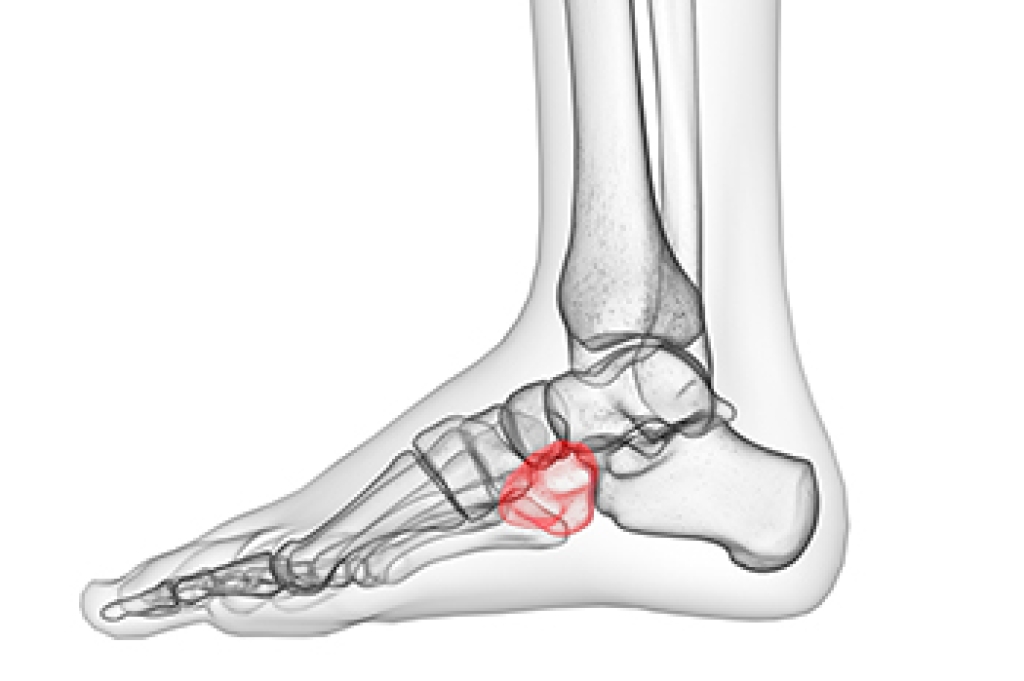
The cuboid is a cube-shaped bone located in the middle of each foot. It functions as a supporting structure that stabilizes the foot and aids in moving the toes. Although somewhat rare, the cuboid bone can be fractured due to injury. Often cuboid fractures co-occur with other problems, such as dislocations, ligament injuries, and other lower limb fractures. Symptoms of a broken cuboid bone include bruising, tenderness, swelling, foot pain, instability, and difficulty bearing weight on the affected foot. If you are experiencing foot pain, it is suggested that you see a podiatrist. This foot and ankle specialist can diagnose your condition and find the best treatment for you.

Cuboid syndrome, also known as cuboid subluxation, occurs when the joints and ligaments near the cuboid bone in the foot become torn. If you have cuboid syndrome, consult with one of our podiatrists from APEX Foot & Ankle Center. Our doctors will assess your condition and provide you with quality foot and ankle treatment.

Cuboid syndrome is a common cause of lateral foot pain, which is pain on the outside of the foot. The condition may happen suddenly due to an ankle sprain, or it may develop slowly overtime from repetitive tension through the bone and surrounding structures.

Causes

The most common causes of cuboid syndrome include:

  • Injury – The most common cause of this ailment is an ankle sprain.
  • Repetitive Strain – Tension placed through the peroneus longus muscle from repetitive activities such as jumping and running may cause excessive traction on the bone causing it to sublux.
  • Altered Foot Biomechanics – Most people suffering from cuboid subluxation have flat feet.

Symptoms

A common symptom of cuboid syndrome is pain along the outside of the foot which can be felt in the ankle and toes. This pain may create walking difficulties and may cause those with the condition to walk with a limp.

Diagnosis

Diagnosis of cuboid syndrome is often difficult, and it is often misdiagnosed. X-rays, MRIs and CT scans often fail to properly show the cuboid subluxation. Although there isn’t a specific test used to diagnose cuboid syndrome, your podiatrist will usually check if pain is felt while pressing firmly on the cuboid bone of your foot.

Treatment

Just as the range of causes varies widely, so do treatments. Some more common treatments are ice therapy, rest, exercise, taping, and orthotics.

If you have any questions, please feel free to contact our offices located in Fort Myers, Shellpoint, and Naples, FL . We offer the newest diagnostic and treatment technologies for all your foot care needs.

Read more about All About Cuboid Syndrome

Gout in the Big Toe

Gout is a type of arthritis caused by a buildup of uric acid in the bloodstream. Uric acid can crystallize and lodge in the joints, leading to painful gout flare ups. One of the most frequent sites for a gout flare up is the big toe joint. Gout in the big toe typically causes intense throbbing and burning joint pain, which occurs with a sudden onset, often in the middle of the night. The pain may be accompanied by swelling, tenderness, warmth, and redness, as well as difficulty moving the big toe. All of this can interfere with walking or standing and going about your daily activities. Gout may flare up once, or could become a chronic condition and lead to permanent joint damage. If you have experienced a gout flare up in your big toe or anywhere else in your feet, it is suggested that you are under the care of a podiatrist.  

Gout is a painful condition that can be treated. If you are seeking treatment, contact one of our podiatrists from APEX Foot & Ankle Center. Our doctors will treat your foot and ankle needs.

What Is Gout?

Gout is a form of arthritis that is characterized by sudden, severe attacks of pain, redness, and tenderness in the joints. The condition usually affects the joint at the base of the big toe. A gout attack can occur at any random time, such as the middle of the night while you are asleep.

Symptoms

  • Intense Joint Pain - Usually around the large joint of your big toe, and it most severe within the first four to twelve hours
  • Lingering Discomfort - Joint discomfort may last from a few days to a few weeks
  • Inflammation and Redness -Affected joints may become swollen, tender, warm and red
  • Limited Range of Motion - May experience a decrease in joint mobility

Risk Factors

  • Genetics - If family members have gout, you’re more likely to have it
  • Medications - Diuretic medications can raise uric acid levels
  • Gender/Age - Gout is more common in men until the age of 60. It is believed that estrogen protects women until that point
  • Diet - Eating red meat and shellfish increases your risk
  • Alcohol - Having more than two alcoholic drinks per day increases your risk
  • Obesity - Obese people are at a higher risk for gout

Prior to visiting your podiatrist to receive treatment for gout, there are a few things you should do beforehand. If you have gout you should write down your symptoms--including when they started and how often you experience them, important medical information you may have, and any questions you may have. Writing down these three things will help your podiatrist in assessing your specific situation so that he or she may provide the best route of treatment for you.

If you have any questions, please feel free to contact our offices located in Fort Myers, Shellpoint, and Naples, FL . We offer the newest diagnostic and treatment technologies for all your foot care needs.

Read more about Everything You Need to Know About Gout

Do Your Child's Feet Hurt?

Have your child's feet been examined lately? Healthy feet are happy feet. If your child is complaining of foot pain, it may be a sign of underlying problems.

Treatment and Prognosis of Sever's Disease

Sever’s disease, also known as calcaneal apophysitis, is a childhood foot injury in which the growth plate of the heel bone becomes inflamed due to repetitive overuse. It is one of the most common causes of heel pain in active children between the ages of 8 and 14. Treatment for Sever’s disease is almost always conservative. Resting the affected foot by limiting participation in sports or any other activities that place excess pressure on the heel bone is usually required for full recovery. Anti-inflammatory medications and ice packs can be used to reduce pain and swelling. In some cases, orthotic inserts may be needed to give the affected heel extra cushioning and support. Fortunately, the prognosis for Sever’s disease is very good. With proper treatment, this condition often goes away within several weeks. If your child complains of heel pain, it is suggested that you take them to see a podiatrist.

Sever's disease often occurs in children and teens. If your child is experiencing foot or ankle pain, see one of our podiatrists from APEX Foot & Ankle Center. Our doctors can treat your child’s foot and ankle needs.

Sever’s Disease

Sever’s disease is also known as calcaneal apophysitis, which is a medical condition that causes heel pain I none or both feet. The disease is known to affect children between the ages of 8 and 14.

Sever’s disease occurs when part of the child’s heel known as the growth plate (calcaneal epiphysis) is attached to the Achilles tendon. This area can suffer injury when the muscles and tendons of the growing foot do not keep pace with bone growth. Therefore, the constant pain which one experiences at the back of the heel will make the child unable to put any weight on the heel. The child is then forced to walk on their toes.

Symptoms

Acute pain – Pain associated with Sever’s disease is usually felt in the heel when the child engages in physical activity such as walking, jumping and or running.

Highly active – Children who are very active are among the most susceptible in experiencing Sever’s disease, because of the stress and tension placed on their feet.

If you have any questions, please feel free to contact our offices located in Fort Myers, Shellpoint, and Naples, FL . We offer the newest diagnostic and treatment technologies for all your foot care needs.
Read more about Sever's Disease

Connect With Us

Advanced Podiatric Procedures & Services in the Fort Myers, FL 33908 and Naples, FL 34110 areas